Loading map...
Kamakura
faq.title
faq.subtitle Kamakura
Take the JR Yokosuka Line from Tokyo Station (950 yen, 1 hour) or Shonan Shinjuku Line from Shinjuku. Covered by JR Pass.
Spring (Mar-May) for cherry blossoms and autumn (Nov-Dec) for fall foliage. June is great for hydrangeas but rainy.
Yes, very safe. Japan is one of the safest countries in the world. No special safety concerns in Kamakura.
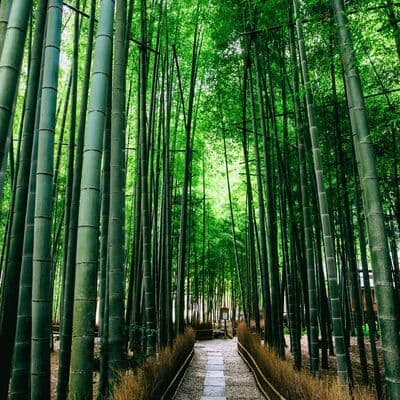
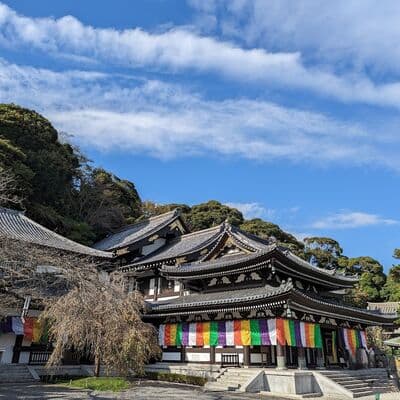
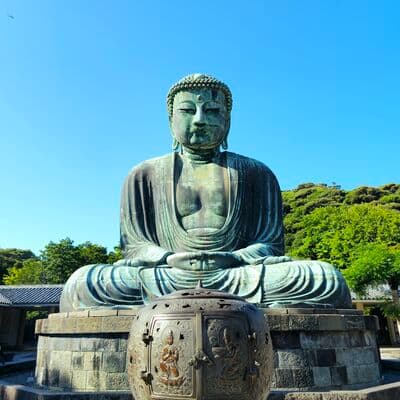
Great Buddha (300 yen), Hasedera Temple (400 yen), Tsurugaoka Hachimangu Shrine, Hokokuji bamboo grove, Komachi Street for shopping.
English is limited but tourist areas have English signage. Tourist info center offers daily English service. 54 volunteer guides available in 8 languages.
One day is enough for main attractions (Buddha, Hasedera, shrine). Two days better for distant temples, beach, and Enoshima.
Travel Tips
Useful tips for visiting Kamakura
Get a Suica/Pasmo IC card at the airport. Works on all trains, buses, and convenience stores.
Start your day early (8-9am) to avoid crowds. Kamakura is a popular day trip destination from Tokyo.
Try shirasu don (fresh whitebait on rice) - Kamakura's specialty. Best on Komachi Street.
Ride the Enoden tram for scenic coastal views. Day pass 'Noriorikun' saves money if making multiple stops.
Bring an umbrella during rainy season (June-July). Upside: hydrangeas are at their peak!
Remove shoes before entering temples. Plastic bags or lockers available at entrance for your shoes.
Rent a bicycle to explore between temples. Mostly flat terrain, perfect for cycling.
Respect photo etiquette at temples. Some areas prohibit photography. Always check for signs.
Reviews
Questions & Answers
Weather
Average temperature by month
Now 20°
20°
20°96%11 м/с
Today23°20°
23°20°Tomorrow 25°21°
25°21°Sat23°20°
23°20°Sun22°18°
22°18°Mon24°17°
24°17°Tue21°17°
21°17°Wed20°16°
20°16°9°
4°Jan
10°
5°Feb
13°
7°Mar
17°
11°Apr
22°
16°May
25°
20°Jun
28°
23°Jul
30°
25°Aug
26°
22°Sep
22°
17°Oct
17°
12°Nov
12°
7°Dec
location.transport.title
location.transport.subtitle
Loading...
location.transport.train
200 ¥~1.2 $
Enoden (Enoshima Electric Railway): 200-310 JPY depending on station. Noriorikun day pass — 800 JPY. From Tokyo (JR Yokosuka Line): ~940 JPY (~1 hour). IC card (Suica/Pasmo) for payment. Trains every 12 min
location.transport.bus
200 ¥~1.2 $
Kamakura city bus: ~200 JPY per ride. Pay when exiting with coins or IC card (Suica/Pasmo). Routes cover major temples and shrines. Buses every 10-15 minutes
location.transport.taxi
500 ¥~3.1 $
Taxi in Kamakura: flagfall ~500 JPY (first 1-2 km), then ~100 JPY per 300 m. Night tariff (22:00-05:00) +20%. Stands at Kamakura and Kita-Kamakura stations. Can call by phone
location.transport.bike
500 ¥~3.1 $
Bicycle rental: standard 500-1,000 JPY/day, e-bike from 1,500 JPY/day. Rental shops at Kamakura station. City is hilly — e-bike recommended. Convenient for temple hopping
| location.transport.title | location.transport.price | location.transport.app | location.transport.note |
|---|---|---|---|
location.transport.train | 200 ¥ ~1.2 $ | — | Enoden (Enoshima Electric Railway): 200-310 JPY depending on station. Noriorikun day pass — 800 JPY. From Tokyo (JR Yokosuka Line): ~940 JPY (~1 hour). IC card (Suica/Pasmo) for payment. Trains every 12 min |
location.transport.bus | 200 ¥ ~1.2 $ | — | Kamakura city bus: ~200 JPY per ride. Pay when exiting with coins or IC card (Suica/Pasmo). Routes cover major temples and shrines. Buses every 10-15 minutes |
location.transport.taxi | 500 ¥ ~3.1 $ | — | Taxi in Kamakura: flagfall ~500 JPY (first 1-2 km), then ~100 JPY per 300 m. Night tariff (22:00-05:00) +20%. Stands at Kamakura and Kita-Kamakura stations. Can call by phone |
location.transport.bike | 500 ¥ ~3.1 $ | — | Bicycle rental: standard 500-1,000 JPY/day, e-bike from 1,500 JPY/day. Rental shops at Kamakura station. City is hilly — e-bike recommended. Convenient for temple hopping |