Bucharest
Bucharest 2026: What to Know Before You Go
Bucharest is not Prague. It is not Budapest. And that is exactly why you should visit. Romania's capital is the scrappy underdog of Eastern European travel - a city where Belle Epoque palaces stand next to Soviet concrete blocks, where you can eat a three-course meal for $15 and drink exceptional coffee for $2, and where the nightlife rivals Berlin without the pretension or cover charges.
Here is what I wish someone had told me: this city rewards patience. The first impression - chaotic traffic, crumbling facades, aggressive drivers - can be jarring. But give it 48 hours, and you will start noticing hidden courtyards, art nouveau details, the way locals linger over coffee for hours. Bucharest grows on you in ways that instantly-charming cities never can.
The practical stuff: Romania uses the Romanian Leu (RON), and as of 2026, the exchange rate hovers around 4.5-4.7 RON to 1 USD. Credit cards work almost everywhere in the center - Visa and Mastercard perfectly, AmEx less reliably. ATMs are plentiful; stick to bank-owned machines (BRD, BCR, ING, Raiffeisen) to avoid tourist-trap fees. English is widely spoken, especially by anyone under 40. Uber and Bolt work flawlessly and are the easiest way to get around. The city is safe - significantly safer than most American cities of similar size. Violent crime is rare; petty theft exists but is not rampant.
One thing that genuinely surprised me: the tech scene. Bucharest has become a major European tech hub, which means fast WiFi everywhere, modern coworking spaces, and a cosmopolitan vibe. This is not a museum city frozen in time - it is a living, working, rapidly evolving capital.
Bucharest Neighborhoods: Where to Stay
Where you stay in Bucharest matters more than in most European capitals. The city sprawls, public transit has gaps, and some areas are genuinely more convenient than others. Here is my honest breakdown after exploring every district.
Old Town / Lipscani
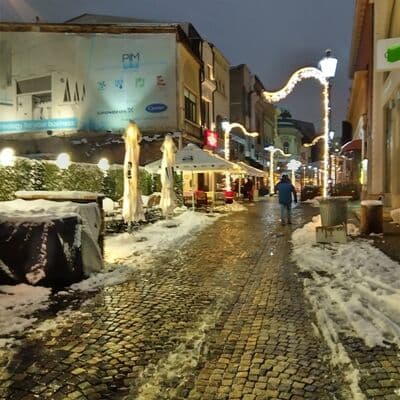
The obvious choice for first-timers, and honestly, not a bad one. Lipscani Old Town is where you will find the highest concentration of restaurants, bars, and cafes within walking distance. The cobblestone streets look charming, especially around Stavropoleos Church and Curtea Veche. The downside? It gets loud at night - really loud, especially on weekends. If you are a light sleeper, request a room facing a courtyard or skip this area. Hotels range from budget hostels ($15-25/night) to boutique options ($80-150/night). Airbnbs are plentiful at $40-70/night for a decent one-bedroom.
Piata Unirii Area
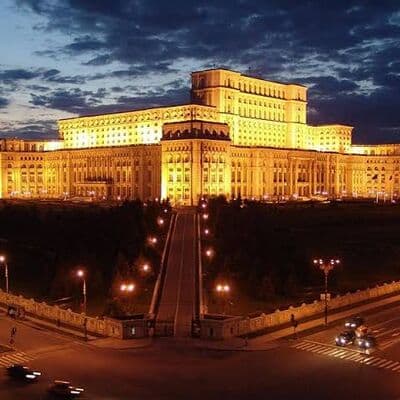
South of Old Town, dominated by the massive Palace of the Parliament. This area is more residential, slightly cheaper, and has excellent metro connections - Piata Unirii station is a major hub where two lines intersect. The architecture is predominantly communist-era blocks, which some find depressing and others find fascinating. Good for budget travelers who prioritize transit access over aesthetics. Expect $30-50/night for apartments.
Calea Victoriei Corridor
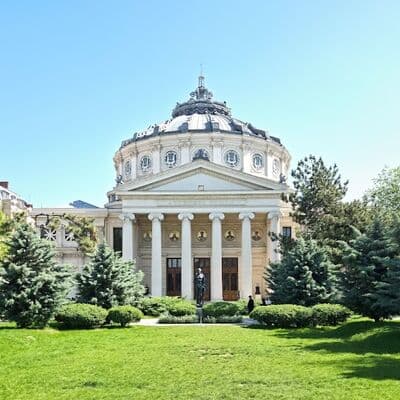
My personal favorite for a first visit. Calea Victoriei is Bucharest's grand boulevard - think Champs-Elysees but with more personality and fewer tourists. You are walking distance from both Old Town and northern parks, surrounded by beautiful architecture, upscale shopping, and excellent restaurants. The Romanian Athenaeum is here, along with the National Art Museum. Hotels tend upscale ($100-250/night), but you are paying for location and atmosphere. This is where I would stay on a romantic trip.
Dorobanti and Floreasca
The expat neighborhood. Quieter, greener, full of nice cafes and international restaurants. You are about 20-30 minutes from Old Town by Uber ($3-5) or metro. This area makes sense if you are staying longer than a week, working remotely, or prefer a residential vibe. Apartments run $50-80/night and are generally nicer than downtown equivalents. Good gyms, good supermarkets, easy parking if you rent a car.
Herastrau and Aviatorilor
The upscale northern district, bordering Herastrau Park and the Village Museum. This is where wealthy Romanians live and where you will find Bucharest's fanciest restaurants and clubs. Beautiful for morning runs in the park, but fairly isolated from the historic center - budget 30-40 minutes by Uber during traffic. Hotels are business-oriented ($120-200/night).
Cotroceni
The university district, west of center. Young, lively, full of students. Home to Cotroceni Palace and the Botanical Garden. Cheaper than downtown, with good local restaurants catering to student budgets. A solid choice for budget-conscious travelers wanting non-touristy Bucharest. Apartments run $30-50/night.
Areas to Avoid
Southern and eastern outskirts - Ferentari, Rahova, parts of Colentina - are poor with limited services and nothing for tourists. More relevant: avoid staying near Gara de Nord train station. The immediate surroundings are seedy, full of taxi scammers, and unpleasant. Check exact addresses carefully.
Best Time to Visit Bucharest
Bucharest has a continental climate with real seasons, which means your experience will differ dramatically depending on when you visit.
Spring (April to May)
My top recommendation. Temperatures range from 55-75F (13-24C), parks are blooming, and outdoor cafe culture is in full swing. The city feels alive without being overwhelmed by tourists. Prices are reasonable - shoulder season rates apply. Orthodox Easter (which falls on different dates than Western Easter) is a special time for religious traditions and incredible food.
Summer (June to August)
Hot. Sometimes very hot - temperatures can exceed 95F (35C) in July and August. Many locals escape to the mountains or Black Sea coast, meaning some restaurants close for vacation. On the plus side: long days, rooftop bars open until late, and beaches at the Black Sea just 3-4 hours away by train. Air conditioning is standard in hotels but not always powerful. Budget travelers should know hostels without AC are miserable in August.
Autumn (September to October)
Excellent choice. September is warm and sunny (70-80F), crowds thin out, and Herastrau Park turns golden. October gets cooler and rainier but has cozy charm. The restaurant and cultural scene is fully operational after summer lull. Hotel prices drop noticeably after mid-September. Prime time for food-focused travelers - harvest season means fresh produce and wine at every market.
Winter (November to March)
Cold, gray, occasionally snowy. Temperatures hover around freezing (25-40F / -4 to 5C). That said, winter has advantages: hotel prices drop 30-50%, Christmas markets are lovely (especially December), and museums are empty. For cheapest visits, aim for January-February or November.
Bucharest Itinerary: 3 to 7 Days
Here is how I would structure a Bucharest trip, based on what actually makes sense logistically. These are real itineraries with realistic timing.
Day 1: Historic Center and Old Town
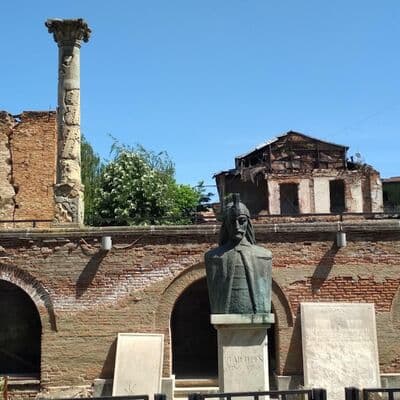
9:00 AM - Start at Curtea Veche (Old Princely Court), the ruins of the medieval palace where Vlad the Impaler (yes, that Vlad) once ruled. Small museum, 15-20 minutes is enough. Entrance around $3.
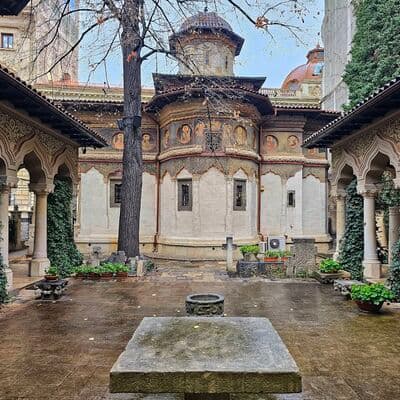
9:45 AM - Walk to Stavropoleos Church, a tiny Orthodox gem from 1724. The courtyard is exquisite - carved stone, ancient tombstones, climbing vines. Free entry, 15 minutes unless you linger for photos.
10:15 AM - Coffee break at Origo, one of Bucharest's best specialty coffee shops. Flat white runs about $3.50.
11:00 AM - Explore Lipscani Old Town on foot. Wander cobblestone streets, peek into courtyards, browse antique shops on Strada Franceza. Good for 1-2 hours of casual wandering.
1:00 PM - Lunch at Caru cu Bere, the famous 1879 beer hall. Yes, it is touristy. Still worth going once for the incredible neo-Gothic interior and solid traditional food. Budget $15-20 per person including beer.
3:00 PM - Walk north on Calea Victoriei to Romanian Athenaeum. Even without a concert, the building is stunning - one of Europe's most beautiful concert halls. Check schedule; tickets start around $15.
4:30 PM - Continue to Revolution Square, where the 1989 revolution unfolded. Visit the Memorial of Rebirth and photograph the former Communist Party headquarters.
7:00 PM - Dinner at Lacrimi si Sfinti, excellent Romanian restaurant with modern touches. Reserve ahead. Budget $25-35 per person.
Day 2: Palace of the Parliament and Southern Bucharest
9:30 AM - Tour of the Palace of the Parliament. This is mandatory. Book online at least a day in advance (often sells out). Standard tour 45-60 minutes, about $12, and barely scratches the surface of the world's second-largest building. Bring passport - required. Photography allowed.
11:30 AM - Walk down Bulevardul Unirii, the communist-era boulevard designed to rival the Champs-Elysees. Love it or hate it, the scale is impressive.
12:30 PM - Quick lunch for mici (grilled meat rolls) at La Cocosatu or any place with a line. Budget $5-8.
2:00 PM - Explore the Antique Market at Piata Obor. Weekends are best. Communist-era memorabilia, old cameras, genuine antiques. Haggling expected.
5:00 PM - Return to center. Rest at hotel or explore a neighborhood you missed.
8:00 PM - Dinner at Shift, modern pub with excellent craft beer and elevated pub food. Budget $20-25.
Day 3: Parks and Culture
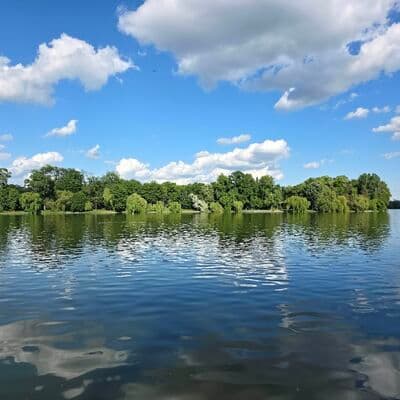
9:00 AM - Herastrau Park in the morning. Rent a bike ($5/hour) or walk around the lake. Bucharest's green lung - locals jog, families picnic, couples row boats. Allow 2 hours minimum.
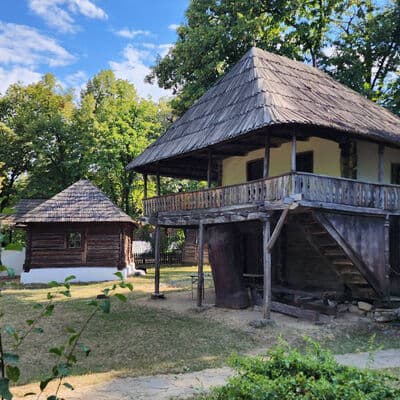
11:30 AM - Village Museum, inside Herastrau Park. One of Europe's best open-air museums, with authentic peasant houses from every Romanian region. Fascinating and photogenic. Entrance about $6, allow 90 minutes.
1:30 PM - Lunch at Pescarus, restaurant inside the park overlooking the lake. Solid Romanian food, beautiful setting. Budget $18-25.
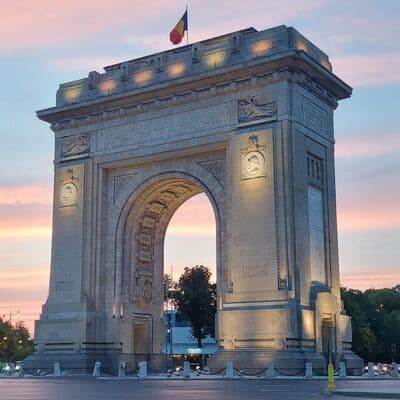
3:30 PM - Arch of Triumph, short walk from Herastrau. Smaller than Paris but still impressive. Climb to the top on certain days for panoramic views.
7:30 PM - Dinner at Kane, excellent farm-to-table Romanian cuisine. Reservations essential weekends. Budget $35-50 for full dinner with wine.
Days 4-5: Deeper Exploration
Day 4 morning - National Art Museum in the Royal Palace on Calea Victoriei. Excellent collection of Romanian and European art. Allow 2-3 hours, entrance about $8.
Day 4 afternoon - Jewish Bucharest walking tour. Visit the Choral Temple and Jewish History Museum. Budget 3 hours.
Day 5 - Day trip to Snagov Monastery (Vlad Dracula's supposed burial site, 40 minutes by car) or Mogosoaia Palace (beautiful 17th-century palace, 30 minutes from center). Both reachable by Uber or tour ($40-60 per person).
Days 6-7: Optional Extensions
Day 6 - Day trip to Sinaia (2 hours by train, $8-15 round trip). Visit Peles Castle, one of Europe's most beautiful palaces. Full day excursion, completely worth it.
Day 7 - Explore neighborhoods you missed: Cotroceni (Botanical Garden, Cotroceni Palace), Obor (local market life), or trendy Floreasca developments.
Where to Eat: Restaurants and Cafes
Bucharest's food scene has exploded in the last decade. You can eat incredibly well at every price point, from $3 street food to $100 tasting menus.
Street Food and Quick Bites
Mici - The ultimate Romanian street food. La Cocosatu near Obor Market does the best traditional version. Budget $5-7 for a full meal with bread and mustard.
Covrigarie - Romanian pretzel shops are everywhere. Fresh covrigi with cheese or sesame costs $0.50-1. Great breakfast or snack.
Shaorma - Bucharest has excellent shawarma due to Middle Eastern influences. Dristor Doner is the cult classic - huge portions for $5-7.
Local Joints (Budget-Friendly)
La Mama - Chain of traditional Romanian restaurants. Reliable, affordable, good for families. Meal with drinks $12-18.
Hanu lui Manuc - Historic inn from 1808. Touristy but atmospheric, with decent food and nice courtyard. Budget $15-22.
Energiea - Vegetarian/vegan restaurant with creative Romanian-inspired dishes. Excellent value at $10-15.
Mid-Range (Worth the Splurge)
Lacrimi si Sfinti - Top recommendation for a special Romanian meal. Modern takes on traditional recipes. Reserve ahead. $30-40 per person.
Zexe - Hip restaurant known for incredible breakfast/brunch and solid lunch menu. Great people-watching. $20-30.
Simbio - Excellent international menu, craft cocktails, nice garden terrace. Popular with creative locals. $25-35.
Shift - Best craft beer selection in town plus elevated pub food. Perfect for a casual night. $20-28.
Fine Dining
Kane - Modern Romanian fine dining with seasonal ingredients. Tasting menu available. $50-80.
The Artist - Creative European cuisine, Michelin-mentioned. One of the best upscale options. $70-100.
Coffee and Bars
Bucharest takes coffee seriously. Origo is consistently excellent (multiple locations). Steam Coffee in Old Town has great espresso. M60 is popular with creatives. Expect $2.50-4 for specialty coffee.
For nightlife: Control Club is the best alternative/indie music venue. Gradina Eden is a beautiful outdoor summer bar. Fix Me a Drink serves craft cocktails ($10-15) rivaling any major European city.
What to Try: Bucharest Food
Romanian cuisine is hearty, meat-heavy, and influenced by Turkish, Hungarian, and Slavic traditions. Here is what you must eat.
Mici (Mititei)
Grilled minced meat rolls from beef, pork, and lamb with garlic and spices. Served with mustard and bread. This is the national obsession - Romanians grill mici at every barbecue and casual gathering. Addictively good, especially with cold beer.
Sarmale
Cabbage rolls stuffed with minced meat and rice, slow-cooked in sauerkraut juice. Slightly sour and served with sour cream and polenta. Comfort food at its finest - especially good in winter.
Ciorba
Romanian sour soup with dozens of varieties. Ciorba de burta (tripe) is traditional - an acquired taste but beloved as a hangover cure. Ciorba de perisoare (meatball) is more accessible. Ciorba radauteana (chicken with cream) is rich and delicious.
Mamaliga
Romanian polenta from yellow cornmeal. Served with sour cream, cheese, or alongside sarmale and stews. Creamier texture than Italian polenta.
Papanasi
Fried doughnuts served with sour cream and jam, usually blueberry or sour cherry. Quintessential Romanian dessert - rich, indulgent, slightly tangy. Order one serving to share; they are large.
Romanian Drinks
Wine - Romania has excellent wines that remain underrated. Try Feteasca Neagra (red), Feteasca Alba (white), or Tamaioasa Romaneasca (sweet aromatic). Good bottles start at $8-10 in restaurants.
Tuica - Plum brandy, the traditional Romanian spirit. Strong (40-60% alcohol), served before meals. Sip slowly.
Beer - Ursus, Silva, and Ciuc are decent domestic lagers. The craft beer scene is excellent - look for Zaganu, Ground Zero, and Sikaru.
Bucharest Secrets: Local Tips
Here are the insider tips that most travel guides miss.
1. Sunday mornings in Old Town are magic. Bars close around 5 AM, everyone sleeps in, and you have cobblestone streets to yourself until noon. Perfect for photography and peaceful coffee.
2. The metro is underrated. Clean, efficient, cheap ($0.50 per ride), and covers most tourist areas. Line M2 connects Gara de Nord to Piata Unirii; Line M1 goes to Herastrau. Google Maps works perfectly.
3. Uber and Bolt are your friends. Taxis have a mixed reputation. Ride apps eliminate hassle entirely. Average ride across town costs $3-6.
4. Learn three words: Multumesc (thank you), Buna ziua (good day), and Noroc (cheers). Romanians appreciate any effort.
5. Markets are worth the trip. Obor Market for food and local life, Piata Matache for antiques. Best on Saturday mornings.
6. The courtyard culture is real. Many of Bucharest's best restaurants, bars, and cafes hide in courtyards invisible from the street. Look for doors with small signs.
7. Water is safe to drink. Tap water in Bucharest is fine, despite what some locals claim.
8. ATMs at banks only. Euronet and independent ATMs charge outrageous fees. Use BCR, BRD, Raiffeisen, ING.
9. Verify restaurant bills. Not a scam capital, but occasionally items get added. Check before paying in Old Town spots.
10. Stray dog situation is resolved. A decade ago, Bucharest had thousands. Today you will see very few.
11. Romanians are night owls. Dinner reservations at 7 PM feel early. Restaurants fill after 8:30 PM. Clubs do not start until midnight.
12. Day trips are easy. Trains to Brasov (2.5 hours), Sinaia (2 hours), or the Danube Delta are straightforward. Rent a car for flexibility.
Transportation and Connectivity
Getting There
Henri Coanda Airport (OTP) is 18 km north of the city. Direct flights connect from major European hubs (London, Paris, Frankfurt, Amsterdam). From the US, you will connect through Europe - expect 12-16 hours total from East Coast cities.
Airport to city: Express Bus 783 costs under $1 and takes 40-60 minutes to Piata Unirii (depends on traffic). Uber/Bolt to city center runs $12-18 and takes 25-45 minutes. Official airport taxis are similar price but less reliable.
Getting Around
Metro: Four lines covering major areas. Single ride $0.50, day pass $2. Clean and efficient during operating hours (5 AM to 11 PM). Google Maps and Citymapper work for routing.
Buses and Trams: Extensive network but confusing for visitors. Use Google Maps. Same ticket system as metro.
Uber and Bolt: The best option for most tourists. Both work identically - download, link card, go. Average rides $3-8. Drivers rarely speak English but the app handles everything.
Car Rental: Not recommended for Bucharest itself - traffic is chaotic, parking difficult. Excellent for day trips. AutoNom, EuropCar, Sixt available. Expect $25-40/day for basic car.
Connectivity
WiFi: Excellent throughout the city. Every restaurant, cafe, and hotel has fast, free WiFi. Romania has some of Europe's fastest internet speeds.
Mobile Data: EU visitors can roam freely. Americans should get a local SIM or international eSIM. Vodafone, Orange, and Digi are main carriers. Prepaid SIMs cost $5-10 for generous data. Phone shops in malls can set you up in 15 minutes.
Useful Apps: Uber and Bolt for rides. Google Maps for navigation (works better than Apple Maps). Google Translate (download Romanian offline). Revolut or Wise for easy payments.
Who Bucharest Is For: Summary
Bucharest is perfect for travelers who want authentic European experiences without the crowds and prices of Western capitals. If you appreciate good food, history with rough edges, genuine nightlife, and the satisfaction of discovering somewhere before it becomes trendy - this is your city.
It is ideal for: budget travelers who want quality experiences, history buffs interested in 20th century European history, foodies willing to explore beyond tourist menus, digital nomads seeking cheap and fast connectivity, and anyone curious about post-communist transformation.
It may not suit: travelers who need everything polished and convenient, those uncomfortable with urban grit, or visitors with limited mobility (sidewalks can be challenging).
Give Bucharest three days minimum, five if possible. Come with patience and curiosity, and you will leave planning your return.