About
Singapore Travel Guide: The Ultimate Handbook for First-Time and Returning Visitors
Singapore is one of those rare destinations that genuinely delivers on every promise it makes. This tiny island nation at the tip of the Malay Peninsula has transformed itself from a colonial trading post into one of the world's most prosperous, clean, safe, and fascinating cities. Whether you are drawn by the futuristic architecture, the legendary food scene, the seamless blend of cultures, or simply the promise of a stress-free vacation where everything works exactly as it should, Singapore will exceed your expectations in ways both big and small.
Why Visit Singapore: A City That Defies Every Expectation
Let me be honest with you right from the start: Singapore is not the cheapest destination in Southeast Asia. It is not the place to go if you want rustic authenticity or off-the-beaten-path adventure. But here is what Singapore offers that nowhere else in the region can match: a city where first-world infrastructure meets Asian soul, where you can eat some of the best food on the planet for five dollars, where a hundred different cultures coexist in genuine harmony, and where even the most anxious traveler can feel completely safe walking the streets at three in the morning.
I have visited Singapore seven times over the past decade, and each trip reveals something new. The first time, I was overwhelmed by the gleaming towers and immaculate streets. The second time, I discovered the hawker centers and understood why Singaporeans are so passionate about their food. The third time, I ventured beyond the tourist zones and found neighborhoods with character as rich as anywhere in Asia. By my seventh visit, Singapore felt less like a destination and more like a second home where I happen to not live.
The transformation of this city-state over the past fifty years is nothing short of miraculous. When Singapore gained independence in 1965, it was a swampy island with limited natural resources, high unemployment, and uncertain prospects. Today, it boasts one of the highest GDP per capita figures in the world, a skyline that rivals New York and Hong Kong, and quality of life metrics that put most Western nations to shame. The story of how this happened is fascinating and visible everywhere you look, from the meticulously maintained public housing estates to the world-class airport to the integrated resorts that draw millions of visitors annually.
For American, British, and European travelers, Singapore offers something increasingly rare: a destination that feels genuinely exotic while remaining utterly comfortable. English is one of the four official languages and is spoken fluently by virtually everyone. The legal system is based on British common law. Credit cards work everywhere. The tap water is safe to drink. The healthcare system is world-class. You can walk into any restaurant and order in English, hail a taxi with a smartphone app, and navigate the entire city using Google Maps. Yet step into a hawker center at lunch, visit a Hindu temple during a festival, or wander through the back alleys of Chinatown at dusk, and you will feel transported to an entirely different world.
Singapore also serves as the perfect gateway to Southeast Asia. Changi Airport, consistently rated the best in the world, offers direct connections to virtually every major city in the region. You can easily combine a Singapore visit with trips to Bali, Thailand, Vietnam, Malaysia, or the Philippines. Many travelers use Singapore as a comfortable base from which to explore the region, returning periodically to enjoy hot showers, reliable internet, and streets that do not require constant vigilance to navigate.
The diversity of experiences available in Singapore continually surprises me. You can start your morning with a traditional kaya toast breakfast in a hundred-year-old coffee shop, spend the afternoon exploring a cutting-edge museum, watch the sunset from a rooftop bar with views of the entire city, and end the night with world-class cocktails or a street food feast that would cost a hundred dollars in any Western city. You can visit ancient temples, futuristic gardens, pristine beaches, and dense rainforest all within the same day. You can shop at luxury boutiques or bargain in traditional markets. You can eat Michelin-starred meals or slurp noodles at a plastic table alongside taxi drivers and business executives alike.
The cleanliness and order of Singapore have become somewhat cliche, but experiencing them firsthand remains impressive. The streets are genuinely spotless. The public transportation runs with Swiss precision. Crime is so rare that leaving your laptop unattended at a coffee shop feels perfectly normal. The famous strict laws and hefty fines have created a society where rules are followed and public spaces are respected. Some visitors find this oppressive; I find it refreshing. After the chaos of other Asian cities, Singapore feels like a deep breath of fresh air.
Perhaps most importantly for nervous first-time visitors to Asia, Singapore is simply easy. You do not need to worry about getting scammed, getting sick from the food, getting lost in neighborhoods where no one speaks English, or getting ripped off by taxi drivers. You can focus entirely on enjoying your vacation rather than constantly problem-solving. This makes Singapore the perfect introduction to Asia for travelers who have never ventured beyond Europe or North America, as well as a welcome respite for experienced travelers who sometimes want a break from the intensity of backpacking.
Districts of Singapore: A Neighborhood-by-Neighborhood Exploration
Singapore may be small enough to drive across in an hour, but its neighborhoods contain multitudes. Each district has its own distinct character, history, and attractions. Understanding these neighborhoods helps you plan your time effectively and ensures you experience the full diversity of what this city offers.
Marina Bay: The Futuristic Heart
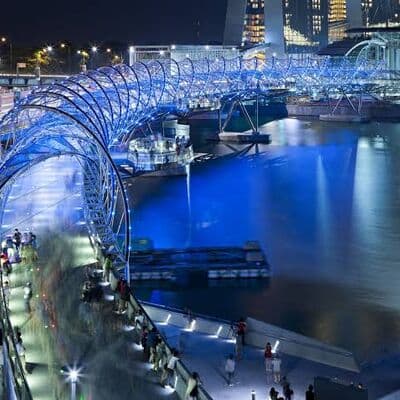
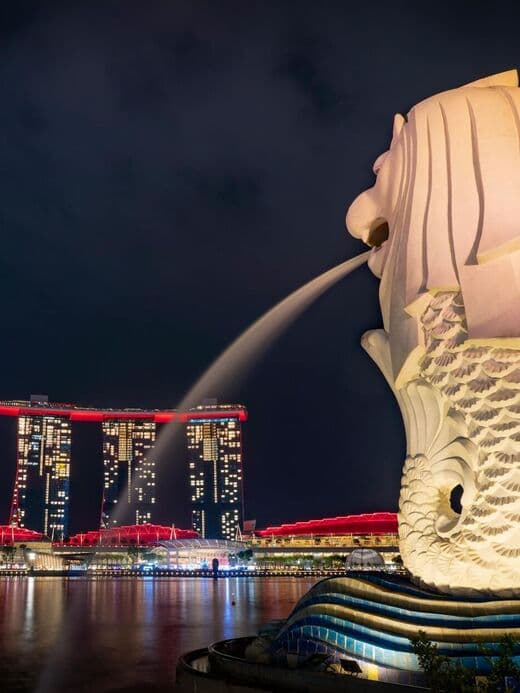
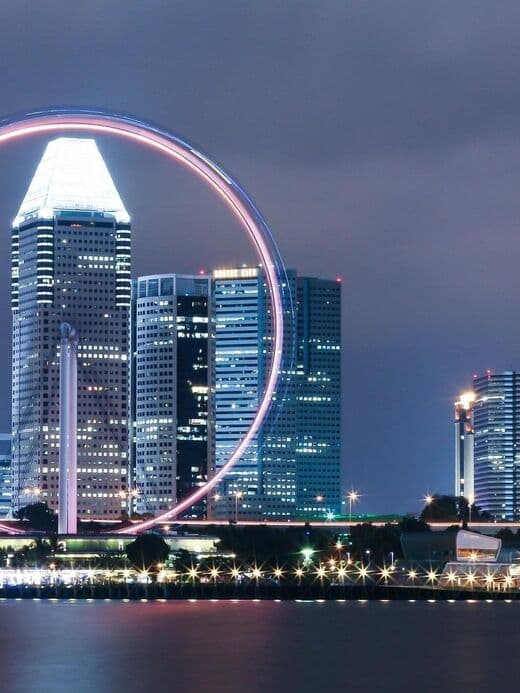
Marina Bay is the Singapore that appears on postcards and in movies. This is where the iconic Marina Bay Sands hotel rises like a surfboard balanced on three towers, where the Flower Dome and Cloud Forest create otherworldly gardens beneath massive glass domes, where the Helix Bridge spirals across the bay like a strand of DNA illuminated at night. If you have only one evening in Singapore, spend it walking around Marina Bay as the sun sets and the light show begins.
The Gardens by the Bay complex has become Singapore's most popular attraction, and deservedly so. The Cloud Forest contains the world's tallest indoor waterfall, cascading through a misty mountain of rare plants from tropical highlands around the world. The Flower Dome recreates the Mediterranean climate inside a massive greenhouse, complete with olive groves, baobab trees, and ever-changing floral displays. The Supertree Grove, especially magical during the evening light and sound show, has become the defining image of modern Singapore.
The National Gallery Singapore occupies two beautifully restored colonial buildings and houses the world's largest collection of Southeast Asian art. Even if you are not particularly interested in art, the building itself is worth visiting for its architecture and the stunning views from its rooftop bar. The ArtScience Museum, shaped like a lotus flower, hosts rotating exhibitions that blend art, science, and technology in innovative ways.
Marina Bay is also home to Singapore's casino gaming, with the Marina Bay Sands and Resorts World Sentosa complexes offering full-service casinos alongside restaurants, shopping, and entertainment. The prices throughout this area reflect its status as the tourist center, but the spectacle is undeniably impressive. Plan to spend at least a full day exploring Marina Bay, and return in the evening to see everything lit up.
Chinatown: Heritage and Hawkers
Singapore's Chinatown represents both the nation's Chinese heritage and its transformation over the past century. The shophouses that line the streets have been meticulously restored and now house a mix of traditional businesses, trendy restaurants, and tourist shops. The Buddha Tooth Relic Temple, built in 2007 but designed to look centuries old, houses what believers claim is an actual tooth of the Buddha in a solid gold stupa.
The real draw of Chinatown for most visitors is the food. Maxwell Food Centre is one of Singapore's most famous hawker centers, home to the legendary Tian Tian Hainanese Chicken Rice that earned a Michelin recommendation. The stalls here serve everything from char kway teow to fishball noodles to ice kachang, all at prices that seem impossibly low for such quality. Plan to arrive early for popular stalls, as queues can stretch for an hour or more during peak times.
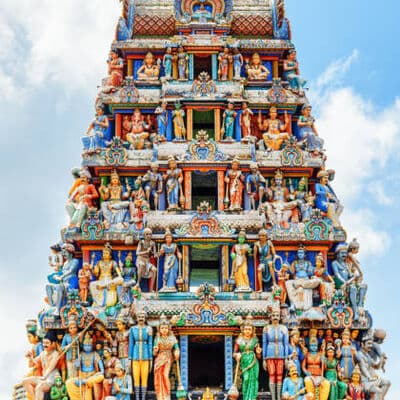
The Sri Mariamman Temple stands as a reminder that Chinatown has always been more diverse than its name suggests. This Hindu temple, the oldest in Singapore, features a spectacular gopuram tower covered in hundreds of colorful deities and mythological figures. The temple remains an active place of worship, and visitors are welcome to enter and observe as long as they dress respectfully and remove their shoes.
The Chinatown Heritage Centre, located in three restored shophouses on Pagoda Street, offers a fascinating glimpse into the cramped conditions early Chinese immigrants endured. The recreated living quarters, barely larger than closets and shared by entire families, provide important context for understanding how far Singapore has come. The night market along Pagoda and Temple Streets is touristy but fun, especially for picking up inexpensive souvenirs.
Little India: Sensory Overload in the Best Way
If Chinatown feels somewhat sanitized for tourists, Little India remains gloriously authentic. The narrow streets around Serangoon Road explode with color, sound, and smell in a way that transports you directly to Chennai or Mumbai. Garlands of jasmine flowers hang from shopfronts. Tamil music blasts from speakers. The scent of incense mingles with spices and fresh flowers. This is Singapore at its most vibrant and least polished.
Mustafa Centre deserves special mention as one of Singapore's most unique shopping experiences. This 24-hour department store occupies multiple buildings and sells literally everything, from electronics and gold jewelry to spices and saris to groceries and luggage. The prices are excellent, particularly for gold and watches, and the experience of navigating its chaotic aisles at two in the morning is something every visitor should experience at least once.
The Tekka Centre wet market offers a window into daily life for Singapore's Indian community. The ground floor sells fresh produce, meat, and fish, while the upper level houses a hawker center serving some of the best Indian food in Singapore. Try the fish head curry, biryani, or dosai for an authentic meal that costs a fraction of what you would pay at a restaurant. The Sri Veeramakaliamman Temple, dedicated to the goddess Kali, is one of the most ornate and active Hindu temples in Singapore.
Little India comes especially alive during festivals, particularly Deepavali when the entire neighborhood is illuminated with lights and decorations. Even on ordinary days, however, the energy here is palpable. This is where Singapore's multiculturalism feels most alive, where the tidy efficiency of the modern city gives way to something older and more organic.
Kampong Glam: Where Arab Heritage Meets Hipster Cool
Kampong Glam, the historic Malay and Arab quarter, has transformed in recent years into one of Singapore's trendiest neighborhoods. The golden-domed Sultan Mosque remains the spiritual center of Singapore's Muslim community, but the surrounding streets now house independent boutiques, specialty coffee shops, and some of the city's best street art. This blend of heritage and hipster sensibility makes Kampong Glam one of my favorite neighborhoods to explore.
Arab Street, once the center of the textile trade, still offers an impressive selection of fabrics, carpets, and traditional crafts. Haji Lane, a narrow pedestrian alley lined with colorful shophouses, has become Instagram famous for its murals and boutiques selling vintage clothing, local designer fashion, and quirky homeware. Bussorah Street, the main approach to Sultan Mosque, is lined with cafes and restaurants where you can sit outdoors and people-watch while enjoying Turkish coffee or Middle Eastern mezze.
The Malay Heritage Centre, housed in the former Istana Kampong Glam palace, tells the story of Singapore's indigenous Malay community and their contributions to the nation. The surrounding Kampong Glam conservation area contains some of the best-preserved traditional architecture in Singapore, with many shophouses now serving as boutique hotels, restaurants, and galleries.
Orchard Road: The Shopping Mecca
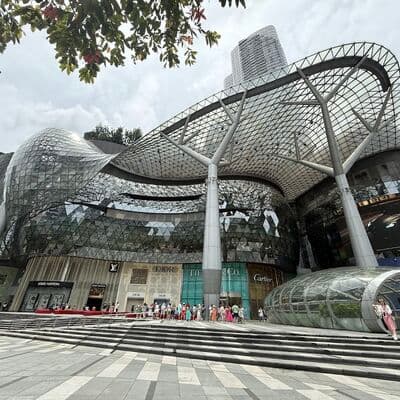
Orchard Road needs little introduction to serious shoppers. This 2.2-kilometer stretch of malls, department stores, and luxury boutiques draws visitors from across Asia seeking everything from high-end fashion to electronics to cosmetics. The sheer concentration of retail space is staggering, with major malls like ION Orchard, Ngee Ann City, and Paragon connected by covered walkways that allow you to shop for hours without stepping outside.
Beyond shopping, Orchard Road offers excellent dining options at various price points, from the food courts in mall basements to fine dining restaurants with celebrity chefs. The Emerald Hill area, just off Orchard Road, provides a pleasant contrast with its preserved Peranakan shophouses now housing bars and restaurants. The Singapore Botanic Gardens and National Orchid Garden, located at the western end of Orchard Road, offer welcome green space after the intensity of the shopping district.
Sentosa: Island Playground
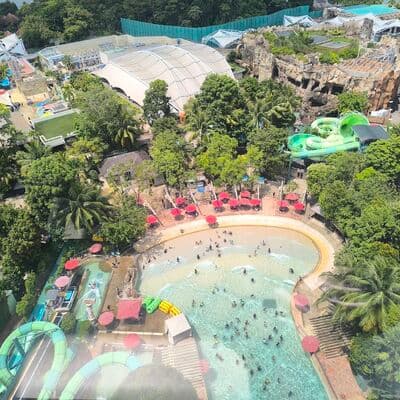
Sentosa Island, connected to the mainland by bridge, monorail, and cable car, is Singapore's purpose-built resort destination. Universal Studios Singapore draws theme park enthusiasts with its rides and attractions, while Adventure Cove Waterpark offers slides and snorkeling in a tropical setting. S.E.A. Aquarium, one of the world's largest, and River Wonders provide family-friendly attractions focused on marine and freshwater life.
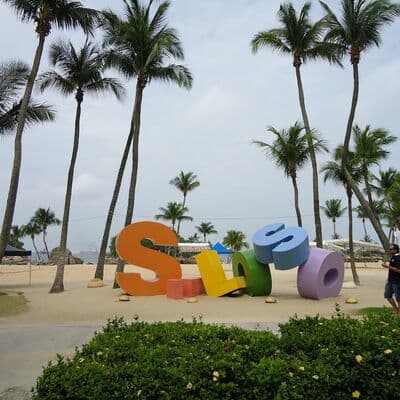
Siloso Beach offers something rare in Singapore: a genuine stretch of sand where you can swim, sunbathe, and enjoy beach bars without leaving the city. The beach is artificial and the water is not pristine, but the overall vibe is fun and relaxed. Wings of Time, an elaborate light and water show held nightly, makes a spectacular end to a Sentosa day.
The Resorts World Sentosa complex includes a casino, multiple hotels, celebrity chef restaurants, and the Universal Studios park. Sentosa can feel commercial and crowded, particularly on weekends, but families with children will find plenty to keep everyone entertained for multiple days.
Tiong Bahru: Art Deco and Artisan Coffee
Tiong Bahru, Singapore's oldest public housing estate, has emerged as the city's most charming residential neighborhood. The distinctive Art Deco buildings from the 1930s have been carefully preserved, their curved balconies and streamlined facades providing an atmospheric backdrop for independent bookshops, specialty bakeries, and some of Singapore's best coffee roasters.
The Tiong Bahru Market and Food Centre offers a more local alternative to the famous tourist hawker centers. The chwee kueh, a steamed rice cake with preserved radish, is a neighborhood specialty worth seeking out. After eating, wander the quiet streets and admire the architecture, browse the independent boutiques, and settle into one of the many excellent cafes for a leisurely afternoon.
Katong and Joo Chiat: Peranakan Heart
The Katong and Joo Chiat neighborhoods, located in the eastern part of Singapore, represent the heart of Peranakan culture. The Peranakans, descendants of Chinese immigrants who married local Malays, developed a distinctive hybrid culture with its own cuisine, dress, and traditions. The colorful shophouses lining Joo Chiat Road and Koon Seng Road, with their intricate tiles and ornate facades, are among the most photographed in Singapore.
Katong is famous for its Peranakan food, particularly laksa, a spicy coconut noodle soup that is one of Singapore's signature dishes. Several shops along East Coast Road claim to serve the original, and debating which is best is a favorite local pastime. The neighborhood also offers excellent Peranakan restaurants serving dishes like ayam buah keluak, a chicken stew with Indonesian black nuts, and kueh, traditional colorful cakes.
East Coast: Beach Life, Singapore Style
East Coast Park stretches for 15 kilometers along Singapore's southeastern coastline, providing recreation space for cycling, rollerblading, kayaking, and simply relaxing by the sea. The East Coast Lagoon Food Village, a hawker center right on the beach, serves excellent satay and seafood with views across the Singapore Strait to Indonesia.
The pace here is slower than in the urban core, with families picnicking on weekends and cyclists cruising the dedicated paths. Renting a bicycle and riding the full length of the park makes for a pleasant half-day activity, especially if you pause for a meal at one of the many seafood restaurants or hawker centers along the way.
Jurong: Beyond the Tourist Trail
The western Jurong area rarely appears on tourist itineraries, but several attractions make it worth the journey. The Jurong Bird Park, Asia's largest bird park, is relocating to the new Mandai Wildlife District, where it will join the Singapore Zoo, Night Safari, and River Wonders in a single precinct. The Chinese and Japanese Gardens, connected by a bridge across Jurong Lake, offer peaceful green space away from the crowds.
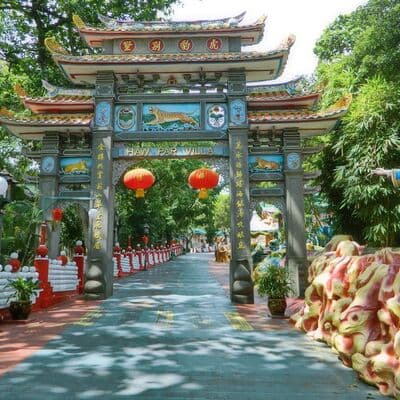
Haw Par Villa is one of Singapore's strangest and most memorable attractions. This theme park, built in 1937 by the creators of Tiger Balm, features over a thousand statues and dioramas depicting Chinese mythology and moral tales. The Ten Courts of Hell, showing the gruesome punishments awaiting sinners in the Chinese underworld, is gloriously bizarre and completely free to visit.
What Makes Singapore Unique: The DNA of a City-State
Every city claims to be unique, but Singapore genuinely stands apart. Understanding what makes this tiny island nation different helps you appreciate it more fully and explains much of what you will observe during your visit. Singapore is not simply another Asian metropolis; it is a planned utopia that largely succeeded, a social experiment that continues to evolve, and a living laboratory for urban development that cities worldwide study and emulate.
Gardens by the Bay: Nature Reimagined
The Gardens by the Bay complex represents everything Singapore does well: ambitious vision, flawless execution, and a willingness to invest in making the impossible possible. The Cloud Forest and Flower Dome are technological marvels that recreate entire climate zones under glass, from Mediterranean wine country to tropical mountain forests. The cooling systems use sustainable energy generated by plant waste, and the structures themselves are engineering achievements that push the boundaries of greenhouse design.
But it is the Supertree Grove that has become Singapore's defining image. These vertical gardens, ranging from 25 to 50 meters tall, are wrapped in more than 200 species of plants and connected by an aerial walkway that offers stunning views of the bay. At night, the Supertrees come alive during the Garden Rhapsody light and sound show, their steel branches pulsing with color against the city skyline.
The gardens represent Singapore's commitment to remaining a "City in a Garden" despite its dense urbanization. Green space is integrated throughout the city, with park connectors linking neighborhoods, green roofs atop public housing, and strict requirements for maintaining tree canopy even as development proceeds. The result is an urban environment that feels more livable than cities with far more land available.
Hawker Culture: UNESCO-Listed Street Food
Singapore's hawker culture was inscribed on the UNESCO Representative List of the Intangible Cultural Heritage of Humanity in 2020, recognizing what locals have always known: the hawker center is the heart of Singaporean society. These open-air food courts, housing dozens of individual stalls under one roof, represent the evolution of street food vendors who once clogged the city's sidewalks into a hygienic, organized system that preserves culinary traditions while meeting modern health standards.
What makes hawker centers special is not just the food, though the food is exceptional. It is the social leveling that occurs when a billionaire executive and a construction worker sit at the same plastic table eating the same five-dollar chicken rice. It is the generational knowledge passed down from parents to children, recipes perfected over decades that now face uncertain futures as younger Singaporeans pursue other careers. It is the ritual of "choping" tables with tissue packets, debating which stall makes the best char kway teow, and returning to the same uncle who remembers exactly how you like your kopi.
Maxwell Food Centre in Chinatown is perhaps the most famous hawker center, but every neighborhood has its own favorites. The key is exploring beyond the tourist recommendations to discover stalls that locals queue for despite the heat and humidity. Follow the crowds, order what the person next to you is eating, and prepare for flavors that no restaurant can replicate.
Order and Cleanliness: The Singapore System
Singapore's reputation for cleanliness and order is well-deserved but often misunderstood. The strict laws and hefty fines are real, yes. Chewing gum is banned, littering can cost you hundreds of dollars, vandalism can result in caning. But the cleanliness is maintained not primarily through punishment but through constant, visible effort. An army of cleaners works around the clock to keep public spaces immaculate. Hawker centers are cleaned multiple times daily. Public toilets are inspected regularly with results posted prominently.
The result is a city that simply works. Trains run on time. Public housing is well-maintained. Crime is essentially nonexistent. The trade-off is a society with less tolerance for deviation and dissent than Western visitors may be accustomed to, but for a short visit, the benefits are immediately apparent. You can focus entirely on enjoying your trip rather than navigating the chaos and uncertainty that characterize travel in much of Asia.
Architectural Ambition: Building the Impossible
Singapore's architecture tells the story of a nation in constant transformation. Colonial buildings like the Raffles Hotel and the Old Supreme Court stand alongside modernist towers from the independence era and the spectacular contemporary designs that now define the skyline. The Marina Bay Sands, with its three towers connected by a rooftop park that seems to defy gravity, has become one of the most recognizable buildings on Earth.
The Helix Bridge, inspired by the structure of DNA, connects the Marina Bay Sands to the Esplanade theaters, themselves designed to resemble durians, the notoriously smelly fruit beloved in Southeast Asia. The ArtScience Museum looks like a lotus flower or a hand reaching toward the sky. These buildings are not just functional; they are statements of ambition, declarations that a city-state smaller than most major metropolitan areas can compete with any skyline in the world.
What impresses me most is how Singapore integrates new development with preservation. Colonial buildings are restored rather than demolished. Heritage districts are protected and maintained. The result is a city with layers of history visible alongside cutting-edge architecture, creating a visual richness that purely modern cities lack.
Singapore Botanic Gardens: A UNESCO World Heritage Site
The Singapore Botanic Gardens, established in 1859, became a UNESCO World Heritage Site in 2015, the first tropical botanic garden to receive this designation. The 82-hectare garden contains more than 10,000 species of plants, including the National Orchid Garden with its collection of over 1,000 orchid species and 2,000 hybrids.
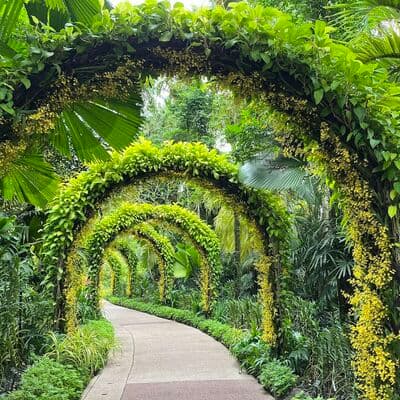
The gardens serve as the lungs of the city and the outdoor living room for residents who jog, picnic, and practice tai chi on its lawns each morning. The heritage trees, some over a century old, provide shade against the tropical sun. The Evolution Garden traces the development of plant life on Earth through living examples. The entire experience is free except for the Orchid Garden, and spending a morning wandering the paths is one of the most pleasant ways to escape the intensity of the urban core.
When to Visit Singapore: Timing Your Trip
Singapore's location almost exactly on the equator means the weather is consistent year-round: hot, humid, and prone to sudden downpours. There is no bad time to visit in terms of climate, but understanding the subtle seasonal variations and event calendar helps you plan a more enjoyable trip.
Weather Throughout the Year
Temperatures in Singapore hover between 25 and 32 degrees Celsius (77 to 90 degrees Fahrenheit) throughout the year. Humidity is consistently high, typically above 80 percent. The sun is intense when it shines, and the rain is heavy when it falls. There is no avoiding the heat; even locals struggle with it, which is why air conditioning is ubiquitous and aggressive in malls, restaurants, and public transportation.
The monsoon seasons bring somewhat different weather patterns. The Northeast Monsoon from November to March brings more consistent rainfall, often in the form of afternoon thunderstorms that arrive with impressive drama but rarely last more than an hour. The Southwest Monsoon from June to September is somewhat drier. The inter-monsoon periods in April-May and October-November can bring the heaviest downpours.
The practical advice is simple: carry an umbrella always, dress in light, breathable fabrics, and plan outdoor activities for morning before the heat becomes oppressive. Indoor activities like museums, malls, and hawker centers provide relief when the weather is at its worst.
Festivals and Events
Singapore's multicultural society celebrates an impressive array of festivals throughout the year. Chinese New Year in January or February transforms Chinatown into a sea of red lanterns and brings spectacular celebrations including the Chingay Parade, one of Asia's largest street performances. Businesses close for several days, so check dates carefully if visiting during this period.
Deepavali in October or November illuminates Little India with lights and decorations. Hari Raya Puasa, marking the end of Ramadan, sees Kampong Glam come alive with celebration. The Mid-Autumn Festival brings lanterns and mooncakes to parks throughout the city. The Singapore Grand Prix in September takes over the Marina Bay circuit for one of Formula One's most spectacular night races.
The Singapore Food Festival in July and August celebrates the nation's culinary heritage with special events, tastings, and promotions. The Great Singapore Sale from mid-year offers discounts across major retailers, though the bargains are less dramatic than the marketing suggests. National Day on August 9 brings parades, fireworks, and patriotic fervor that provides insight into Singaporean identity.
Finding the Best Deals
Hotel prices in Singapore fluctuate based on conference schedules, regional holidays, and major events. The lowest rates typically come in January and February after Chinese New Year, and in late summer when the monsoon season is at its most intense. Weekdays are generally cheaper than weekends throughout the year.
The most expensive times to visit are during major conventions, the Formula One Grand Prix, and Chinese New Year itself. School holiday periods in Singapore, Malaysia, and Indonesia also drive up prices, particularly at Sentosa resorts and family-friendly attractions.
How to Get to Singapore: Your Journey Begins
Getting to Singapore is straightforward from almost anywhere in the world, thanks to Changi Airport's status as a major international hub and the country's excellent connections throughout Asia. Understanding your options helps you find the best routes and fares.
Flights from the United States
Singapore Airlines operates direct flights from New York JFK, Los Angeles, San Francisco, Seattle, and Houston. United Airlines also flies direct from San Francisco and Los Angeles, and from Newark with a stop. These direct flights take approximately 18-19 hours and typically operate on wide-body aircraft with lie-flat business class seats that make the journey bearable.
Connecting flights through Asian hubs often offer lower fares. Hong Kong, Tokyo, Seoul, and Taipei all serve as convenient stopping points that can break up the journey while saving money. Some travelers actually prefer these connections, using the layover to recover from the initial flight before continuing to Singapore.
Round-trip fares from major US cities typically range from $800 to $1,500 in economy depending on season and how far in advance you book. Business class fares start around $5,000 but can rise much higher during peak periods. The premium is arguably worth it for such a long journey, particularly if you can find award availability using credit card points.
Flights from the United Kingdom and Europe
Singapore Airlines and British Airways operate direct flights from London Heathrow, a journey of approximately 13 hours. Several other European carriers including Lufthansa, Swiss, and KLM connect through their respective hubs. The morning departures allow you to arrive in Singapore the following evening, while overnight flights arrive in the early morning.
Direct flights from other European cities are less common, with most travelers connecting through London, Dubai, Doha, or Asian hubs. Middle Eastern carriers like Emirates, Qatar Airways, and Etihad often offer competitive fares with high service standards on these routes.
Changi Airport: A Destination in Itself
Changi Airport has won World's Best Airport countless times, and spending time there reveals why. The airport is less a transportation hub and more a full-service attraction, with butterfly gardens, rooftop swimming pools, free movie theaters, and what seems like every restaurant and shop in Singapore represented somewhere within its four terminals.
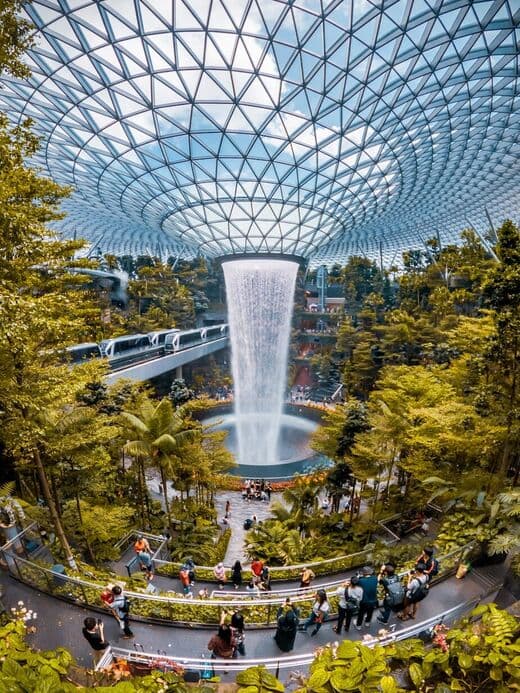
The Jewel complex, connected to Terminal 1, takes airport amenities to another level entirely. The Rain Vortex, the world's tallest indoor waterfall, cascades through a massive glass dome surrounded by a forest of tropical plants. The complex includes a five-story garden, hiking trails, and attractions like a hedge maze and bouncing nets suspended high above the ground. Many travelers deliberately arrive early or extend layovers to explore Jewel, and you could easily spend half a day there without getting bored.
Immigration and customs procedures at Changi are efficient and straightforward. US, UK, EU, Australian, and Canadian citizens receive 90-day visa-free entry stamps upon arrival. The process rarely takes more than 15 minutes even during peak times. Automated immigration lanes speed things further for frequent visitors.
Getting Around Singapore: Transportation That Works
Singapore's public transportation system is a marvel of efficiency that makes getting around the city easy, affordable, and often pleasant. Understanding your options helps you navigate like a local.
The MRT: Your Primary Transport
The Mass Rapid Transit (MRT) system is the backbone of Singapore's public transportation network. Five color-coded lines cover most of the city, with trains running every three to five minutes during peak hours and every seven to twelve minutes at other times. Operating hours are approximately 5:30 AM to midnight, with extended hours on weekends and before major holidays.
Fares are distance-based, ranging from about $1 to $2.50 SGD for most journeys. The easiest way to pay is with a stored-value card like the EZ-Link or NETS FlashPay, available at any MRT station for a $5 non-refundable deposit plus whatever value you want to add. These cards also work on buses and offer slightly lower fares than buying single-trip tickets.
Alternatively, most contactless credit cards and mobile payment systems now work directly at MRT gates. Tap your card or phone at entry and exit, and the fare is charged automatically. This is convenient but slightly more expensive than using a stored-value card.
The trains themselves are clean, air-conditioned, and equipped with real-time information displays showing upcoming stations. Platform screen doors at stations both improve safety and keep the air conditioning from escaping into the tunnels. Reserved seats near the doors are designated for elderly passengers, pregnant women, and people with disabilities.
Buses: Filling the Gaps
Singapore's extensive bus network reaches areas the MRT does not serve and often provides more direct routes between specific points. The same stored-value cards used for the MRT work on buses, and transfers between buses and trains within 45 minutes receive discounted fares.
Google Maps and local apps like SG BusLeh provide real-time bus arrival information and routing suggestions. Bus stops display route maps and schedules, and most buses are modern, air-conditioned, and equipped with automated announcements. Exact fare is not required; the driver issues change if you pay cash, though using a card is faster and easier.
Taxis and Ride-Sharing
Taxis in Singapore are metered, regulated, and generally honest. The base fare starts around $3.90 SGD with additional charges for distance, waiting time, and various surcharges during peak hours, at certain locations, and for phone bookings. A trip from the airport to most hotels runs between $20 and $40 depending on traffic and destination.
Grab, the Southeast Asian ride-hailing app, dominates the market for private-hire vehicles. Download the app before you arrive, as it works identically to Uber or Lyft. Prices are often similar to taxis and sometimes cheaper, with the advantage of upfront pricing before you book. GrabPay also allows payment through the app, which is convenient if you have linked a credit card.
Walking and Cycling
Singapore is more walkable than its tropical climate might suggest. Covered walkways protect pedestrians from sun and rain throughout the downtown core, and most major attractions are accessible on foot from nearby MRT stations. The challenge is the humidity, which makes even short walks sweaty affairs. Plan your routes to take advantage of air-conditioned malls and underground passages.
Cycling infrastructure has expanded dramatically in recent years. Park connectors link neighborhoods with dedicated cycling paths, and shared bicycles from various operators are available throughout the city. The East Coast Park cycling path is particularly popular for recreational rides. However, cycling on roads is challenging due to traffic and driver attitudes, so stick to dedicated paths unless you are experienced.
Cultural Code: Rules, Customs, and Survival Tips
Singapore's famous rules and fines are often exaggerated in travel writing, but understanding local customs and expectations helps you navigate the city respectfully and avoid any awkward situations.
The Famous Rules
Let me address the elephant in the room: yes, chewing gum is technically banned in Singapore. Importing gum is prohibited, and selling it is illegal except for therapeutic purposes at pharmacies. But nobody is going to search your luggage or arrest you for chewing gum discreetly. The law was introduced to combat the vandalism and mess caused by discarded gum, particularly on MRT trains, and it has succeeded at that goal.
Littering carries fines starting at $300 for first offenses, with repeat offenders potentially facing Corrective Work Orders that involve cleaning public spaces while wearing brightly colored vests. In practice, you would have to be fairly blatant about it to get caught, but the threat has created a culture where people simply do not litter. Follow suit.
Jaywalking is technically illegal within 50 meters of a designated crossing, though enforcement is sporadic except at notorious spots. Drug laws are severe, with capital punishment for trafficking certain quantities. The authorities take this extremely seriously, and no amount of tourist goodwill will help you if caught. Do not bring any drugs into Singapore, and do not accept packages from strangers.
Social Customs and Etiquette
Singapore is a remarkably multicultural society where Chinese, Malay, Indian, and various other communities have coexisted for generations. This diversity requires certain sensitivities. Dress modestly when visiting temples and mosques. Remove shoes before entering any place of worship and most homes. Use your right hand for greetings and eating, as the left hand is considered unclean in Malay and Indian cultures.
Tipping is not customary in Singapore. Restaurants typically add a 10 percent service charge plus 8 percent GST to bills, and additional gratuity is not expected. Taxi drivers do not expect tips. Hotel porters might receive a dollar or two for exceptional service, but it is not required.
Public displays of affection are acceptable within reason, though excessive intimacy may draw disapproving looks from older generations. Homosexuality technically remains illegal under colonial-era laws that the government has said it will repeal, though the law is not actively enforced. The LGBT scene in Singapore is increasingly visible but still relatively discreet compared to Western cities.
Language and Communication
English is one of four official languages and serves as the primary language of business, education, and government. Virtually everyone you encounter in Singapore will speak English fluently, though the local variety known as Singlish incorporates vocabulary and grammar from Chinese dialects, Malay, and Tamil that can initially seem confusing.
Common Singlish expressions include "lah" as an emphatic sentence ending, "can" as a complete affirmative response, and "shiok" to express satisfaction. You do not need to speak Singlish, but understanding a few terms helps you connect with locals and navigate menus and conversations more easily.
Signs, menus, and public announcements are typically in English, with Chinese, Malay, or Tamil translations where relevant. You will encounter no language barriers during your visit.
Safety in Singapore: One of the World's Safest Cities
Singapore consistently ranks among the safest cities in the world, with crime rates that seem almost impossibly low to visitors from most other countries. Understanding what this means in practice helps you relax and enjoy your visit.
Crime and Security
Violent crime is essentially nonexistent in Singapore. Muggings are so rare they make national news. You can walk through any neighborhood at any hour without concern. Women traveling solo report feeling completely safe throughout the city. The only crimes tourists typically need to worry about are petty theft in crowded areas, which occurs occasionally but far less frequently than in comparable cities.
The heavy police presence and extensive CCTV coverage contribute to this safety, as do severe penalties for criminal offenses. Singapore's approach to law enforcement may seem authoritarian to some, but the practical result for visitors is a city where you never need to worry about your safety.
Natural Hazards
Singapore faces minimal natural hazards. It lies outside the main earthquake and typhoon zones, and flooding is quickly addressed by efficient drainage systems. The primary natural concern is the heat and humidity, which can cause heat exhaustion or heat stroke if you are not careful. Stay hydrated, take breaks in air-conditioned spaces, and avoid strenuous activity during the hottest hours.
The "haze" from Indonesian forest fires occasionally blankets Singapore between June and October, sometimes reaching unhealthy levels. Check the PSI (Pollutant Standards Index) readings if you are visiting during this period, and limit outdoor activities when levels are elevated.
Emergency Services
Police emergency services can be reached at 999, ambulance and fire services at 995. The non-emergency police line is 1800-255-0000. English-speaking operators staff all these lines around the clock.
Singapore's hospitals are world-class and accept international insurance. Mount Elizabeth Hospital, Raffles Hospital, and Singapore General Hospital are major facilities with excellent reputations. Pharmacies are widespread and well-stocked, with pharmacists available to advise on minor ailments.
Health Matters: Staying Well in Singapore
Singapore's healthcare system is among the best in the world, and the general cleanliness and food safety standards mean health concerns rarely arise for visitors. A few preparations ensure you stay healthy throughout your trip.
Before You Go
No vaccinations are required for travelers from the United States, UK, or Europe unless you are arriving from a yellow fever endemic area, in which case proof of vaccination is required. Routine vaccinations should be up to date, and you might consider hepatitis A and typhoid vaccines if you plan to eat extensively from street vendors, though Singapore's food hygiene standards make this less of a concern than in other Southeast Asian countries.
Travel insurance is strongly recommended. While Singapore's healthcare is excellent, it is also expensive for non-residents. A trip to the emergency room for even minor treatment can cost hundreds of dollars. Comprehensive travel insurance that covers medical evacuation provides peace of mind.
During Your Visit
The tap water in Singapore is safe to drink directly, meeting WHO standards and requiring no filtration or boiling. This is unusual for the region and a pleasant convenience. Bottled water is widely available if you prefer it.
Food safety is excellent throughout Singapore. The hawker centers that might seem concerning to travelers unfamiliar with street food are actually rigorously inspected and graded. Look for the letter grades displayed at each stall, with A and B ratings indicating good hygiene practices. Even without checking ratings, the risk of food poisoning is low compared to most other destinations.
Pharmacies like Guardian and Watsons are found in every shopping mall and most neighborhoods. Pharmacists can provide advice and dispense many medications without prescriptions that would require them elsewhere. For more serious needs, private clinics offer quick service for common ailments without the wait times of public hospitals.
Money Matters: Budgeting for Singapore
Singapore has a reputation for being expensive, and while it is certainly not a budget destination by Southeast Asian standards, understanding where to save and where to splurge helps you manage costs effectively.
Currency and Exchange
The Singapore Dollar (SGD) is the local currency, with an exchange rate that hovers around 1.35 SGD to 1 USD. The currency is stable and freely convertible. While US dollars are sometimes accepted at tourist attractions, using local currency always provides better value.
ATMs are everywhere and accept major international cards. Exchange rates are generally fair, with a small fee for international transactions. Money changers in tourist areas like Lucky Plaza on Orchard Road often offer better rates than banks, but compare several before committing. Changi Airport rates are surprisingly competitive for an airport.
Credit Cards and Payment
Credit cards are accepted virtually everywhere in Singapore, from shopping malls to most hawker stalls. Visa and Mastercard work universally; American Express is widely accepted but occasionally refused. Contactless payment via cards and phones is standard, with many vendors preferring it.
Having some cash is still useful for smaller hawker stalls, traditional shops, and markets. ATM withdrawals in increments of $50-100 are sufficient for most needs, supplemented by card payments for larger purchases.
Budget Breakdown
A realistic daily budget depends entirely on your style of travel. Here is what to expect at different levels:
Budget travelers staying in hostels, eating exclusively at hawker centers, and using public transportation can get by on $60-80 SGD per day. Hostel beds start around $25-35, hawker meals cost $4-8, and MRT rides average $1-2. Major paid attractions will blow this budget quickly, so focus on free activities like parks, temples, and neighborhood exploration.
Mid-range travelers staying in three-star hotels, mixing hawker food with occasional restaurant meals, and visiting several paid attractions should budget $150-250 SGD per day. Hotel rooms in this category run $100-150 per night, restaurant meals cost $15-30 per person, and attraction entry fees range from $20-60.
Luxury travelers staying in five-star hotels, dining at acclaimed restaurants, and indulging in experiences like private tours and rooftop bars should budget $500+ SGD per day. Marina Bay Sands rooms start around $400, fine dining meals can exceed $200 per person with wine, and cocktails at top bars cost $25-30 each.
Itineraries: Planning Your Singapore Days
Whether you have a week or three weeks, Singapore rewards careful planning. These itineraries balance major attractions with neighborhood exploration, ensuring you experience the full diversity of what the city offers.
7 Days: The Essential Singapore Experience
Day 1: Marina Bay Orientation
Arrive and check into your hotel, then head to Marina Bay for your first sunset over the city. Walk along the waterfront from Merlion Park to the Helix Bridge, crossing to Marina Bay Sands for views from the observation deck or a drink at Ce La Vi if you prefer to avoid the admission fee. Watch the light show at the Sands or return to Gardens by the Bay for the Supertree Grove show at 7:45 or 8:45 PM. End with dinner at one of the restaurants in The Shoppes at Marina Bay Sands or head to Lau Pa Sat for late-night satay.
Day 2: Gardens by the Bay and Colonial Core
Start early to beat the heat at Gardens by the Bay. Visit the Flower Dome and Cloud Forest when they open at 9 AM, spending about two hours exploring both conservatories. Walk through the Supertree Grove and take the OCBC Skyway for elevated views. After lunch at Satay by the Bay, head to the National Gallery Singapore to explore Southeast Asian art in the air-conditioned comfort of the restored colonial buildings. End the day at the Raffles Hotel for a Singapore Sling at the Long Bar where the cocktail was invented, or explore the hotel's restaurant offerings.
Day 3: Chinatown and Cultural Immersion
Begin at Maxwell Food Centre for a traditional breakfast of kaya toast and soft-boiled eggs, or dive straight into Tian Tian chicken rice if you can handle a substantial meal early. Explore Chinatown's streets, visiting the Buddha Tooth Relic Temple and the Sri Mariamman Temple for contrasting religious experiences. Stop at the Chinatown Heritage Centre to understand the history of Chinese immigration. Lunch at one of the shophouse restaurants, then take the MRT to Little India. Spend the afternoon exploring Serangoon Road, visiting temples, browsing the shops along Dunlop Street, and ending at Mustafa Centre for evening shopping. Dinner at one of the excellent Indian restaurants in the area.
Day 4: Sentosa Island Adventure
Dedicate the full day to Sentosa Island. Choose your primary attraction based on interests: Universal Studios Singapore for theme park rides, Adventure Cove Waterpark for water activities, or S.E.A. Aquarium for marine life. Allow at least four hours for any of these attractions. In the afternoon, relax at Siloso Beach with a drink from one of the beach bars. Stay for dinner at one of the Resorts World restaurants and catch the Wings of Time show before returning to the mainland.
Day 5: Botanic Gardens and Orchard Road
Start early at the Singapore Botanic Gardens, entering via the Tanglin Gate for a walking route that takes you through heritage trees, the ginger garden, and culminates at the National Orchid Garden. Spend two to three hours enjoying the morning cool before the afternoon heat. Exit via the Bukit Timah Gate and take the MRT to Orchard Road for lunch and shopping. Explore ION Orchard, Ngee Ann City, and whichever other malls catch your interest. Duck into Emerald Hill for a late afternoon drink at one of the heritage bars before dinner at one of Orchard Road's many dining options.
Day 6: East Coast and Katong
Rent bicycles at East Coast Park and ride along the coastal path, stopping for breakfast at the East Coast Lagoon Food Village. Continue to the Katong and Joo Chiat neighborhood to photograph the colorful Peranakan shophouses along Koon Seng Road and explore the boutiques and bakeries. Have laksa for lunch at one of the famous shops along East Coast Road. In the afternoon, return to the park for swimming or simply relaxing by the sea. End with a seafood dinner at the Long Beach Seafood restaurant or one of the other acclaimed seafood establishments in the area.
Day 7: Final Explorations and Departure
Use your final morning for anything you missed or particularly enjoyed. Kampong Glam makes a good final stop if you have not visited, with its blend of heritage and hipster culture. Alternatively, return to a favorite hawker center for one last meal of the dishes you discovered during the week. Head to Changi Airport three hours before your flight to explore Jewel, including the Rain Vortex and rooftop gardens. The Changi Lounge offers shower facilities and luggage storage if you need to freshen up before departing.
10 Days: Deeper Singapore
Follow the 7-day itinerary, then add:
Day 8: Tiong Bahru and the West
Start in Tiong Bahru with breakfast at one of the neighborhood's acclaimed cafes, then explore the Art Deco architecture and browse the independent bookshops. Take the MRT to Haw Par Villa for the bizarre and fascinating experience of Tiger Balm Gardens, spending an hour or two among the surreal statues. Continue to the Southern Ridges for a walk along the forest canopy walk, one of the city's best outdoor experiences. End the day with sunset drinks at Labrador Park overlooking the strait.
Day 9: Wildlife Day
Dedicate the day to Singapore's world-class wildlife attractions. Start at River Wonders in the morning, exploring the world's freshwater ecosystems. After lunch at the on-site restaurants, visit the Singapore Zoo for its open-concept enclosures that minimize barriers between visitors and animals. Stay for the Night Safari, which opens at 7:15 PM and offers a unique experience of nocturnal animals in naturalistic habitats. The full day at the Mandai wildlife complex is exhausting but unforgettable.
Day 10: Pulau Ubin and Rustic Singapore
Escape to Pulau Ubin, the offshore island that preserves a glimpse of 1960s Singapore. Take the MRT to Tanah Merah, then bus to Changi Point Ferry Terminal for the five-minute bumboat ride. Rent bicycles on the island and explore the kampong villages, quarry lakes, and nature trails. Visit the Chek Jawa wetlands if the tide schedule permits. Pack a lunch or eat at one of the simple island restaurants. This peaceful, rural experience provides a striking contrast to the urban intensity of the main island.
14 Days: The Complete Singapore
Follow the 10-day itinerary, then add:
Day 11: Jurong and Chinese Gardens
Head west to Jurong Lake Gardens for a morning walk through the Chinese and Japanese Gardens, connected by a bridge and offering pagodas, pavilions, and peaceful landscaping. Visit Science Centre Singapore if you are traveling with children or enjoy interactive exhibits. In the afternoon, explore the Jurong East shopping malls, which offer a more local experience than Orchard Road. End the day with dinner at a hawker center in the area for excellent food without tourist crowds.
Day 12: Day Trip to Johor Bahru
Cross the causeway to Johor Bahru, Malaysia for a day of contrast. The border crossing can be slow, so leave early. Explore JB's street art scene, visit the grand state mosque, and shop at the significantly lower Malaysian prices. The food scene offers Malaysian specialties not found in Singapore, and the experience of crossing an international border on foot provides perspective on Singapore's unique position in the region. Return by early evening to avoid the worst border queues.
Day 13: Revisit Favorites
Use this day to return to places that resonated with you. Perhaps another morning at a favorite hawker center, a return visit to Gardens by the Bay to see what you missed, or deeper exploration of a neighborhood that intrigued you. This flexibility is the advantage of a longer trip, allowing you to move beyond checking boxes to genuinely connecting with the places you loved.
Day 14: Slow Final Day
Resist the temptation to pack in final activities. Instead, enjoy a leisurely breakfast, take a final walk through your favorite neighborhood, and perhaps pick up last-minute souvenirs. Allow extra time at Changi Airport, which honestly deserves it. Use the transit hotels or lounges if you need rest before a long flight home.
21 Days: Singapore and Beyond
Three weeks allows you to combine thorough Singapore exploration with regional side trips. Follow the 14-day Singapore itinerary, then consider:
Days 15-17: Bintan or Batam, Indonesia
The Indonesian islands of Bintan and Batam are a one-hour ferry ride from Singapore, offering beach resorts, golf courses, and significantly lower prices. Bintan is the more developed option with international resort brands, while Batam offers more authentic Indonesian experiences. Ferry terminals at Tanah Merah and HarbourFront connect multiple times daily.
Days 18-20: Melaka, Malaysia
The historic city of Melaka, a four-hour bus ride north, offers UNESCO World Heritage status and a fascinating blend of Portuguese, Dutch, and British colonial history. Explore Jonker Street's antique shops, visit the ancient Chinese hill temples, and enjoy the distinctive Nyonya cuisine that developed among Peranakan communities. Return buses run late into the evening for convenient scheduling.
Day 21: Rest and Departure
After three weeks of exploration, take your final day easy. A massage, a final hawker meal, quiet time at Changi Airport, and reflection on an extraordinary journey through one of Asia's most remarkable corners.
Connectivity: Staying Online in Singapore
Singapore is one of the most connected cities in the world, with excellent mobile coverage and widespread WiFi. Staying online is easy and affordable.
SIM Cards and eSIM
Local SIM cards offer the best value for mobile data. Singtel, StarHub, and M1 all offer tourist SIM cards available at Changi Airport and 7-Eleven stores throughout the city. Typical packages offer 15-50GB of data valid for 7-14 days for $15-30 SGD. Bring your passport for registration.
eSIM options have expanded significantly. Many phones purchased in recent years support eSIM, allowing you to download a local data package before you even board your flight. Providers like Airalo, Holafly, and Nomad offer Singapore eSIMs starting around $10 for basic packages. This is the most convenient option if your phone is compatible.
WiFi and Roaming
Free WiFi is available at malls, restaurants, cafes, and public spaces throughout Singapore. The Wireless@SG network provides free access at thousands of locations after simple registration. Hotel WiFi is typically fast and reliable, though some properties still charge for premium speeds.
International roaming from US and UK carriers has become more affordable, with many plans including free or low-cost data in Singapore. T-Mobile, for example, includes Singapore in its international roaming at no extra charge. Check with your carrier before departure to understand your options and avoid surprise charges.
Food in Singapore: A Culinary Journey
Food is perhaps Singapore's greatest attraction, a bold statement in a city with so much to offer. The multicultural heritage has created a cuisine that draws from Chinese, Malay, Indian, Peranakan, and international influences, all available at prices that range from a few dollars at a hawker stall to hundreds at Michelin-starred restaurants. Understanding what to eat and where to find it is essential to any Singapore visit.
Essential Singapore Dishes
Chicken Rice: This deceptively simple dish of poached chicken served with fragrant rice cooked in chicken fat and stock, accompanied by chili and ginger sauces, is Singapore's unofficial national dish. The best versions feature silky chicken with just the right amount of gelatinous skin, rice perfumed with pandan and ginger, and sauces balanced between heat, tang, and freshness. Maxwell Food Centre houses the famous Tian Tian, but every Singaporean has their own favorite stall.
Char Kway Teow: Flat rice noodles stir-fried over extremely high heat with Chinese sausage, cockles, bean sprouts, chives, and egg, all seasoned with dark soy sauce and "wok hei," the smoky char that defines great Cantonese cooking. The dish originated with street vendors who collected ingredients discarded by restaurants, creating something delicious from what others threw away.
Laksa: This spicy coconut curry noodle soup comes in several regional varieties, but Singapore laksa features thick rice noodles or vermicelli in a rich, spicy coconut broth topped with prawns, cockles, tofu puffs, and fish cake. The Katong neighborhood claims to have invented the local version, with several shops along East Coast Road competing for the title of best laksa in Singapore.
Bak Kut Teh: Pork rib soup in a peppery, herbal broth, typically served with rice, fried dough fritters, and Chinese tea. The Teochew version common in Singapore features clear, pepper-forward broth that seems medicinal in the best way. Song Fa and Founder are the most famous chains, but traditional coffee shops often serve excellent versions.
Satay: Skewered, grilled meat served with peanut sauce, cucumber, onion, and compressed rice cakes called ketupat. The Malay original features chicken, beef, or lamb marinated in turmeric and lemongrass, but Chinese versions with pork are equally popular. The best satay comes from specialists who grill hundreds of sticks nightly over charcoal, like the vendors at Lau Pa Sat who take over the street every evening.
Chili Crab: Singapore's most famous seafood dish features whole crabs in a thick, sweet, spicy tomato-based sauce that demands crusty bread or fried mantou buns for mopping up every drop. The authentic experience involves bibs, shell crackers, and wet napkins at one of the famous seafood restaurants along the East Coast. This is not cheap hawker food; expect to pay $60-80 for a crab serving two people.
Roti Prata: Indian flatbread cooked on a griddle until crispy outside and soft inside, served with curry for dipping. Plain prata is traditional, but contemporary variations stuff the bread with everything from eggs and cheese to chocolate and bananas. The best prata shops operate late into the night, drawing crowds of hungry patrons after an evening out.
Nasi Lemak: The Malay national dish features coconut rice accompanied by fried anchovies, peanuts, cucumber, sambal chili, and typically fried chicken or fish. Breakfast versions are simple; lunch and dinner renditions can become elaborate affairs with multiple side dishes. The fragrance of the coconut rice and the punch of the sambal define Singapore's Malay culinary heritage.
Hokkien Mee: Thick yellow noodles and rice vermicelli stir-fried with prawns, squid, pork belly, and egg in a rich stock, served with sambal chili and lime. The dish should be slightly smoky from the wok and deeply savory from the seafood and pork fat. Unlike char kway teow, which is dry, good Hokkien mee has a subtle braised quality from the stock absorbed into the noodles.
Fish Head Curry: A whole fish head (typically red snapper) braised in spicy curry with tamarind, okra, tomatoes, and eggplant. This dish blends Indian and Chinese cooking techniques and was invented in Singapore by an Indian cook catering to Chinese customers who valued fish heads. The cheeks and collar contain the sweetest meat, and the experience of picking through the head is part of the enjoyment.
Drinks and Desserts
Kopi and Teh: Singaporean coffee culture centers on "kopi," traditionally roasted with sugar and margarine for a distinctive caramelized flavor, brewed strong and served with sweetened condensed milk. The ordering system is elaborate: kopi is default sweetened with condensed milk; kopi-o is black with sugar; kopi-c uses evaporated milk; kopi kosong is black without sugar. The same system applies to teh, the local tea. Learning to order kopi like a local is a small pleasure that connects you to daily Singaporean life.
Tiger Beer: Singapore's homegrown lager has been brewed locally since 1932. Crisp, light, and perfectly suited to the tropical heat, Tiger is the default beer throughout Southeast Asia. The brewery offers tours for those interested in the production process.
Singapore Sling: The pink gin cocktail invented at Raffles Hotel's Long Bar in 1915 has become a symbol of colonial-era Singapore. The original recipe combines gin, cherry liqueur, Benedictine, Cointreau, pineapple juice, lime juice, grenadine, and bitters. Most Singaporeans consider it a tourist drink, but having one at the Long Bar remains a quintessential experience.
Ice Kachang: This shaved ice dessert is piled high with colorful syrups, sweet corn, red beans, grass jelly, and various other toppings, finished with condensed milk and sometimes ice cream. The result is intensely sweet, vibrantly colored, and perfectly refreshing in Singapore's heat. Hawker centers and specialty shops serve the best versions.
Chendol: Similar to ice kachang but with green rice flour noodles, coconut milk, and palm sugar syrup as the defining elements. The combination of creamy, earthy, and sweet makes chendol a cooling treat unlike anything in Western dessert traditions.
Kueh: The general term for traditional Southeast Asian cakes and sweets, kueh comes in countless varieties. Kueh lapis is a layered steamed cake; onde onde are pandan-flavored balls filled with liquid palm sugar; kueh dadar are crepe rolls filled with sweet coconut. Specialty shops in Tiong Bahru and Katong offer excellent selections.
Vegetarian Options
Vegetarians will find Singapore more accommodating than much of Asia thanks to the large Hindu and Buddhist populations. Indian vegetarian restaurants throughout Little India serve pure vegetarian cuisine, and Buddhist vegetarian restaurants often feature creative mock meat dishes. Chinese and Malay cuisines are harder to navigate, as many dishes contain hidden shrimp paste, oyster sauce, or small amounts of meat. However, staff at most establishments can advise on vegetarian options, and the phrase "I am vegetarian" is widely understood in English.
The Happy Cow app is useful for finding vegetarian and vegan restaurants. Modern cafes in neighborhoods like Tiong Bahru and Joo Chiat often feature vegetarian menu sections. The growing health consciousness among younger Singaporeans means plant-based options are increasingly common even at mainstream restaurants.
Shopping in Singapore: From Souvenirs to Serious Retail
Shopping is practically a national sport in Singapore, with options ranging from the luxury boutiques of Orchard Road to the electronic bazaars of Sim Lim Square to the traditional markets of Chinatown. Understanding where to shop for what helps you find the best deals and most memorable purchases.
Souvenirs and Gifts
Skip the generic tourist merchandise at Chinatown night market in favor of more meaningful souvenirs. Bak kwa, sweet barbecued pork jerky, makes an excellent food gift available from shops like Lim Chee Guan and Bee Cheng Hiang. Kaya jam and traditional cookies offer a taste of Singapore that travels well. The Peranakan shops in Katong sell authentic ceramics, textiles, and beaded slippers in the distinctive Straits Chinese style.
The museum gift shops at the National Gallery Singapore, Asian Civilisations Museum, and Peranakan Museum offer curated selections of books, prints, and design objects with genuine cultural significance. Naiise and Supermama specialize in products by Singaporean designers that make distinctive gifts unavailable elsewhere.
For practical souvenirs, the supermarkets stock local snacks and sauces that capture Singapore flavors: laksa paste, sambal, instant noodle varieties not available abroad, and traditional cookies. The airport duty-free shops offer competitive prices on alcohol and perfumes for last-minute purchases.
Tax Free Shopping
Tourists can claim a GST refund on purchases over $100 SGD from participating retailers. Look for the "Tax Free Shopping" signs and request a receipt at purchase. At the airport, present your goods, receipts, and passport at the GST refund counters before checking luggage. The refund rate is approximately 7 percent after fees. For high-value purchases, the savings are significant; for smaller amounts, the process may not be worth the effort.
Where to Shop
Orchard Road remains the center of mainstream shopping, with malls ranging from the luxury end (ION Orchard, Paragon) to mid-market (Takashimaya at Ngee Ann City, Wisma Atria) to youth-oriented (313@somerset). The competition keeps prices competitive, particularly during sales seasons.
For electronics, Sim Lim Square offers multiple floors of phone shops, computer dealers, and camera retailers. Prices are negotiable and can be excellent, but research beforehand and be wary of dealers who attempt to add hidden charges. Challenger and Courts stores in major malls offer fixed prices with manufacturer warranties, better for those uncomfortable bargaining.
Mustafa Centre in Little India defies easy categorization, selling everything from gold jewelry to groceries to electronics across multiple chaotic floors. The prices are generally good, the selection overwhelming, and the 24-hour operation useful for last-minute shopping.
Essential Apps for Singapore
Download these apps before arriving to make your Singapore experience smoother and more convenient.
Grab: The dominant ride-hailing app in Southeast Asia, essential for booking cars and taxis. Also offers food delivery if you want to eat in.
Google Maps: Works excellently in Singapore with real-time public transit information, walking directions, and business details.
Singapore Maps (OneMap): The government's official mapping app offers hyperlocal detail that Google sometimes misses.
SG BusLeh: Real-time bus arrival information at every stop, more detailed than Google Maps for bus routing.
Singtel Dash or GrabPay: Mobile payment apps that work at many hawker stalls and small businesses where cards are not accepted.
TraceTogether: While COVID restrictions have eased, this government app was previously mandatory. Check current requirements before traveling.
Conclusion: Singapore Awaits
After seven visits spanning a decade, Singapore continues to surprise and delight me. Each trip reveals new layers beneath the gleaming surface, from the uncle who has perfected his chicken rice recipe over forty years to the young designers reinventing Peranakan traditions for the modern age. The city changes constantly yet retains its essential character: ambitious, diverse, efficient, and unapologetically itself.
For first-time visitors, Singapore offers the perfect introduction to Asia. Everything works. English is everywhere. The food is extraordinary. The safety is unmatched. You can explore with confidence, knowing that nothing will go catastrophically wrong. This ease allows you to focus entirely on enjoying the experience rather than managing logistics and anxieties.
For returning visitors, Singapore rewards deeper exploration. Beyond the iconic attractions lie neighborhoods with genuine character, hawker stalls known only to locals, and experiences that reveal themselves only to those who take time to look. The city's constant evolution means there is always something new to discover, a new restaurant causing excitement, a new development transforming a neighborhood, a new museum exhibition worth seeing.
The criticisms of Singapore are not unfounded. The strict laws and limited political freedom sit uneasily with visitors from more permissive societies. The cost of living and tourist prices exceed those of neighboring countries by significant margins. The relentless development sometimes overwhelms the heritage it coexists with. These are real trade-offs that the Singaporean model requires.
Yet the results speak for themselves. A city-state that was impoverished and uncertain at independence has become one of the world's great metropolises in a single generation. The cleanliness that seems oppressive is actually liberating. The efficiency that seems soulless enables the chaos of hawker centers and ethnic neighborhoods to thrive. The rules that seem excessive create the safety that allows life to flourish without fear.
Singapore is not for everyone. If you seek adventure and unpredictability, look elsewhere in Southeast Asia. If you want bargain prices and rough edges, the neighboring countries offer both in abundance. But if you want to experience Asia at its most developed and diverse, to eat world-class food for a few dollars, to walk any street at any hour without concern, and to witness what a determined small nation can achieve in a few decades, Singapore belongs on your list.
Book your flight. Reserve your hotel. Download the apps. And prepare for a destination that will exceed your expectations while comfortably meeting your every need. Singapore awaits, and it delivers on its promises in ways that few cities can match.
Appendix: Quick Reference Information
Entry Requirements
- US, UK, EU, Australian, Canadian citizens: Visa-free entry for up to 90 days
- Passport must be valid for at least 6 months beyond entry date
- Proof of onward travel may be requested
- Sufficient funds for the duration of stay may be required
Emergency Contacts
- Police Emergency: 999
- Ambulance/Fire: 995
- Non-emergency Police: 1800-255-0000
- US Embassy: +65 6476-9100
- UK High Commission: +65 6424-4200
Key Conversions
- 1 USD = approximately 1.35 SGD
- 1 GBP = approximately 1.70 SGD
- 1 EUR = approximately 1.45 SGD
Time Zone
- Singapore Standard Time (SST): UTC+8
- 8 hours ahead of London (13 during GMT)
- 13-16 hours ahead of US (depending on time zone and daylight saving)
Electricity
- Type G plugs (same as UK)
- 230V, 50Hz
- US travelers need plug adapters and may need voltage converters for older devices
Useful Phrases in Singlish
- "Can" - Yes, acceptable
- "Cannot" - No, not possible
- "Shiok" - Delicious, satisfying
- "Makan" - To eat, food
- "Chope" - To reserve (a table, by placing tissue packet)
- "Paiseh" - Embarrassed, shy
- "Kiasu" - Fear of missing out
Hawker Center Survival Tips
- Look for the letter grading (A or B for best hygiene)
- Follow the queues - locals know which stalls are best
- Reserve tables with tissue packets before ordering
- Return trays to designated areas after eating
- Pay at each stall when ordering
- Wet tissues and hand sanitizer are useful
MRT Tips
- No eating or drinking on trains (fine applies)
- Priority seats for elderly, pregnant women, and disabled passengers
- Stand on the left of escalators, walk on the right
- Peak hours: 7:30-9:30 AM and 5:30-8:00 PM
- Last trains around midnight
This guide provides a comprehensive foundation for planning and enjoying your Singapore trip. The city rewards curiosity and exploration, so use these recommendations as starting points while remaining open to discoveries that no guidebook can anticipate. Safe travels, and enjoy every moment in this remarkable city-state.