About
Panama: The Complete Travel Guide for 2026
Why Panama Should Be Your Next Trip
Panama is one of those rare destinations that manages to be everything at once while somehow flying under the radar. While crowds of tourists pile into Costa Rica and Mexico, Panama quietly offers the same beaches, the same rainforests, the same wildlife -- only cheaper, more authentic, and without the feeling that you are on a conveyor belt. You can snorkel Caribbean coral reefs in the morning, walk among skyscrapers that rival Dubai by afternoon, and listen to jazz in a colonial quarter frozen in the 18th century by evening. All in one tiny country you can drive across in a single day.
The Panama Canal -- yes, that is the first thing that comes to mind. But the Canal is just the front door. Behind it, you will find the thousand islands of the San Blas archipelago, where the Guna people live much the same way they have for centuries. The highland province of Chiriqui, which Lonely Planet named one of the best regions in the world to visit in 2025. Darien National Park, one of the last truly wild corners of Central America, where civilization simply gave up trying to reach. The Pacific coast with humpback whales that migrate here every year. And Panama City -- a city of contrasts where glass towers stand shoulder to shoulder with ruins of a UNESCO World Heritage old town.
Here is an argument that matters more than most: the US dollar. Panama uses the American dollar as its currency (alongside the local balboa, pegged 1:1 to the dollar, which exists only as coins). No exchange rate headaches. No currency conversion fees. No mental math at every transaction. If you are coming from the United States, Canada, or anywhere that deals in dollars, your wallet will feel right at home. And even if you are coming from the UK or Australia, dealing in one of the world's most familiar currencies beats figuring out obscure exchange rates every time you buy a coffee.
Safety is another reason Panama stands out. With a crime index of 42.7, it is one of the safest countries in Central America -- significantly lower than Costa Rica, and leagues below Guatemala, Honduras, or El Salvador. Tourists rarely encounter serious crime. And here is a fact that surprises most people: Panama has no hurricanes. Seriously -- the country sits south of the hurricane belt, making it a year-round destination. While the rest of the Caribbean boards up windows every autumn, Panama just carries on.
In 2025, Panama welcomed over 3 million tourists -- an 8.2% increase from the previous year. Tocumen Airport has evolved into one of Latin America's biggest hubs, and Copa Airlines connects Panama to dozens of cities across the Americas. The country is investing heavily in infrastructure: a third metro line is undergoing testing in 2026, new hotels are opening (including the Radisson Riviera Panama, which debuted in 2025), and the Pacific coast is being transformed into a world-class resort zone. If you have been thinking about Panama, now is the time to go -- before it becomes the next Costa Rica with matching price tags.
For Americans specifically, the convenience factor is hard to beat. Direct flights from Miami take just 3 hours. From New York, about 5.5 hours. From Los Angeles, around 6 hours. Houston, 4.5 hours. You do not need a visa for stays under 180 days. You use your own currency. English is widely spoken in tourist areas. And unlike most Central American destinations, Panama's infrastructure -- from its metro system to its modern hospitals -- feels genuinely first-world. It is, in many ways, the easiest Latin American country to visit as an English speaker.
Compare Panama to Costa Rica, the go-to Central American destination for most North Americans and Europeans. Costa Rica has had decades of tourism marketing, and it shows in the prices. A mid-range hotel in Manuel Antonio or Monteverde will run you $150-200 a night; in Panama, a comparable property costs $60-100. A lobster dinner in Bocas del Toro costs $10-15; in Costa Rica, you are looking at $25-35. Both countries offer stunning biodiversity, but Panama has something Costa Rica does not: a major metropolitan city with world-class dining, nightlife, and culture. San Jose, let us be honest, is not a highlight of any Costa Rica trip. Panama City, on the other hand, is a destination in itself.
Regions of Panama: Which One is Right for You
Panama is a small country -- roughly the size of South Carolina or Scotland -- but its diversity is staggering. Each region has its own personality, climate, and vibe. To help you decide where to spend your precious vacation days, here is a thorough breakdown of every major region and what it offers.
Panama City and Surroundings
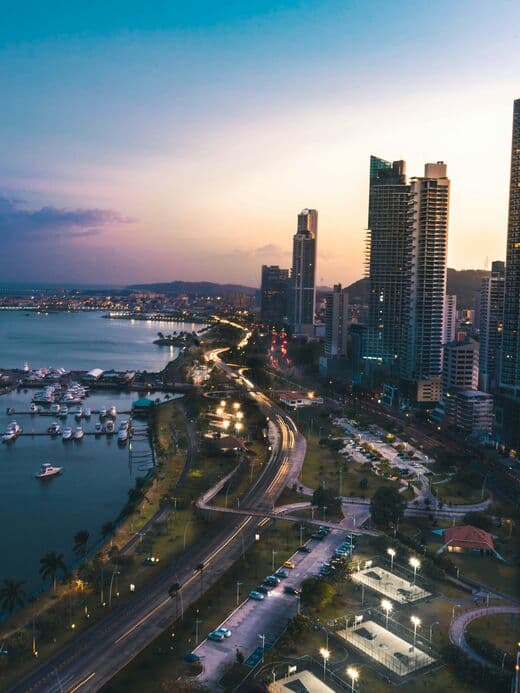
Panama City is the capital and largest city, and it will surprise you. Forget whatever mental image you have of a Central American capital -- this is a modern metropolis with a skyline that gets compared to Miami and Singapore. The financial district along the bay looks like it was designed for a sci-fi movie. But turn the corner, and you are in Casco Viejo (the Old Quarter), a historic neighborhood of 16th-18th century colonial buildings that earned its own UNESCO World Heritage status. Trendy cafes, art galleries, rooftop bars with views of both the old town and the sea -- Casco Viejo is the kind of place where you lose an entire afternoon without realizing it.
The capital's headline attraction is, of course, the Panama Canal. The Miraflores Visitor Center is the best spot to watch massive container ships pass through the locks. Even if you could not care less about engineering, watching a vessel the size of a city block being raised 26 meters by water alone is mesmerizing. The newer Agua Clara locks on the Atlantic side handle even bigger New Panamax ships -- nearly 50 meters wide -- and the scale is genuinely jaw-dropping.
The city has an excellent metro system -- the first in Central America. Two lines cover the main districts, a ride costs just $0.35, trains run every 3-8 minutes, and the air conditioning works overtime (bring a light jacket -- not joking). Line 3 is under construction and set to begin full-fleet dynamic testing in the first half of 2026. Uber works flawlessly here too -- a ride across the entire city costs $5-10. Yellow taxis off the street charge more and love to apply "gringo pricing," so Uber is your friend.
From the capital, you can easily reach the Panama Canal locks, Taboga and Contadora islands in the bay, and the Pacific coast beaches. The Bridge of the Americas and Centennial Bridge connect the eastern and western halves of the country across the Canal.
Who it is for: everyone. Panama City is a mandatory stop. Give it at least two to three days, more if you enjoy nightlife and food culture. The restaurant scene alone -- anchored by Maito, one of Latin America's best restaurants -- justifies extra time.
Bocas del Toro
The Bocas del Toro archipelago on the Caribbean coast is Panama's tropical island paradise. Crystal-clear turquoise water, palm trees, wooden houses built on stilts over the sea, and an atmosphere of permanent relaxation. The main island, Isla Colon, is the tourist hub with bars, hostels, and surf schools. But the real magic happens when you hop in a boat and head to the surrounding islands.
Bastimentos Island is the largest in the archipelago, home to a national park, mangrove forests, and Red Frog Beach (named after the tiny red poison dart frogs that live here -- do not touch them). Starfish Beach is one of the most photographed spots in Panama: shallow warm water dotted with dozens of starfish right at your feet. The Zapatillas Islands are two uninhabited islets with pristine snorkeling and complete solitude on weekdays.
Surfing in Bocas is a scene unto itself. Waves come from the Caribbean Sea, and some spots offer year-round breaks. Playa Bluff on Isla Colon delivers powerful waves for experienced surfers, while breaks around Bastimentos are more forgiving for learners. Diving is excellent too -- coral reefs, seahorses, lionfish (invasive but photogenic), and surprisingly diverse marine life for the Caribbean.
Fair warning: Bocas gets heavy rain even in the so-called dry season, and jellyfish occasionally ruin swim plans. At night on Bastimentos, there have been mugging incidents -- do not walk alone on dark beaches. Mosquitoes here are aggressive, especially in the rainy season. Pack DEET-based repellent and do not be shy about using it.
Who it is for: young travelers, surfers, divers, anyone craving Caribbean vibes. Not the best pick for families with small children due to logistics (everything involves boat rides) and limited infrastructure on outer islands.
San Blas (Guna Yala)
If Bocas del Toro is the Caribbean party, San Blas is the Caribbean paradise without the party. An archipelago of 365 islands (one for every day of the year, as the locals say), belonging to the indigenous Guna people. This is an autonomous territory -- the Guna have their own laws, their own governance, and they control tourism on their own terms.
The San Blas islands are that postcard you always thought was Photoshopped: a tiny island with three palm trees, powdery white sand, and water so clear you can count fish from the shore. Out of 365 islands, roughly 50 are inhabited, and tourists visit maybe 10-15. Accommodation is simple -- huts or hammocks, electricity is not guaranteed, and internet is a rare luxury. But the food is fresh-caught seafood from that morning's haul. And the silence -- the kind of silence that feels strange on day one and heartbreaking to leave on day three.
Getting to San Blas involves a 4x4 ride from Panama City (2-3 hours on a mountain road, the last stretch unpaved and rough) plus a boat ride to your island. Small Air Panama planes also fly to a few islands. Tours are organized through dozens of agencies in the capital. Important: you cannot just show up and book a room. Everything goes through the Guna community or authorized operators. Respect this -- it is their home, and this controlled approach is exactly why San Blas has not been ruined by mass tourism.
Who it is for: anyone who wants a genuine digital detox, snorkeling lovers, photographers. Not for those who cannot survive without Wi-Fi and hot showers.
Chiriqui Province (Boquete and Volcan)
Chiriqui is the mountainous west of Panama, and it feels like a completely different country. It is cool here (by Panamanian standards -- 60-77F / 15-25C), lush green, and the air smells like coffee. Lonely Planet named Chiriqui one of the best regions in the world to visit in 2025 -- and rightfully so. This is Panama's highlands, where Volcan Baru (11,398 feet / 3,475 meters, the country's highest point) neighbors cloud forests, coffee plantations, and river canyons.
Boquete is the main town and a magnet for expats, particularly Americans and Canadians who have retired here. The climate is perfect year-round -- a kind of eternal spring with daytime highs around 77F (25C) and cool nights around 59F (15C). Surrounding the town are coffee farms offering tours and tastings. Panama's Geisha coffee from Boquete is one of the most expensive in the world (up to $1,000 per kilogram at auction), but on the farm you can taste it for a few dollars. Even "regular" Panamanian coffee is exceptional quality.
Hiking Volcan Baru is Panama's premier trek. The ascent starts at night (1-2 AM) to reach the summit by sunrise. On a clear morning, you can see both the Pacific and Atlantic oceans simultaneously from the top -- one of very few places on Earth where this is possible. The hike is tough (roughly 6-8 hours up), but the feeling at the summit is worth every step. You can also drive up on a rough 4x4 road, though that is less romantic and still bumpy enough to rattle your fillings.
The Lost Waterfalls Trail is an easier trek through cloud forest to three beautiful waterfalls. Caldera Hot Springs are natural warm pools surrounded by mountains. White-water rafting on the Chiriqui River offers Class III-IV rapids -- some of the best in Central America. The Quetzal Trail (Sendero Los Quetzales) is a stunning hike through cloud forest from Boquete to Cerro Punta, with the chance to spot the resplendent quetzal, a bird with iridescent plumage up to three feet long that the Aztecs considered a god incarnate.
The town of Volcan (not to be confused with the volcano) is a quieter alternative to Boquete. Fewer tourists, more authentic Panamanian atmosphere. Laguna de Volcan is Panama's only highland lake, excellent for birdwatching. And this is prime quetzal territory -- seeing one in the wild is a bucket-list moment for any birder.
Who it is for: nature lovers, hikers, coffee enthusiasts, birdwatchers. Ideal for anyone who finds tropical heat oppressive. Also popular with digital nomads and retirees -- Boquete has a well-established English-speaking expat community.
Cocle Province and El Valle de Anton
El Valle de Anton is a town located inside the crater of an extinct volcano. Yes, you will literally be living inside a volcanic crater. It is the closest mountain retreat to the capital (about 2 hours by car) and where Panama City residents escape on weekends to flee the urban heat. It is 10-15 degrees Fahrenheit cooler here than on the coast, and the setting is spectacular -- green mountains encircling the entire town.
The town offers hot springs, waterfalls, a small zoo featuring the golden frog (Panama's national symbol, a species on the brink of extinction), and a weekend market with handcrafts and fresh tropical fruit. Canopy tours (ziplines through the forest), horseback riding, and the La India Dormida trail -- rocks shaped like a sleeping indigenous woman, reached via a pleasant hike with panoramic views of the crater -- round out the activities.
Cocle province also has the beaches of Farallon, Rio Hato, and Santa Clara along the Pacific coast, which offer a quieter and cheaper alternative to beaches closer to the capital. El Valle works well as a one or two-day excursion, easily combined with Pacific coast beach time.
Who it is for: families, couples, anyone wanting a quick escape from the capital. It is also a convenient stop if you are driving west toward Chiriqui.
Azuero Peninsula
If you want to see the "real" Panama -- the one that existed before the skyscrapers and the Canal -- head to the Azuero Peninsula. This is the country's rural heartland, birthplace of Panamanian folklore, the pollera (traditional women's dress), Carnival, and bullfighting. Life moves slowly here. People greet strangers on the street. The biggest events are festivals and religious holidays, not business deals and construction projects.
Las Tablas is the capital of Carnival. Panama's Carnival is the second largest in the Western Hemisphere after Rio de Janeiro, and Las Tablas is its main stage. In 2026, Carnival ran February 13-18: parades, elaborate costumes, live music around the clock, and water fights (culecos) where tanker trucks spray crowds with water -- which nobody minds, given the heat. If you catch it, you will never forget it, but book accommodation months in advance.
Pedasi is a small fishing town transforming into a quiet alternative to the Bocas party scene. Beaches, beginner-friendly surfing, whale watching (July through October), tuna fishing, and nighttime trips to Iguana Island to see nesting sea turtles. The atmosphere is a fishing village that has not yet realized it is becoming a resort -- get there before it does.
Chitre and Los Santos are towns with colonial churches, folklore museums, and some of the most authentic Panamanian food you will find anywhere. This is where they make the best tamales in the country and brew Balboa beer.
Who it is for: culture lovers, folklore enthusiasts, anyone craving quiet beaches and the Panama that tourists rarely see.
Veraguas Province and Coiba Island
Veraguas is the only province in Panama with coastline on both oceans. Its crown jewel is Coiba Island, the largest island in Central America. Until 2004, Coiba was a prison colony (think Panama's Alcatraz), which paradoxically saved it from development. Now it is a national park and UNESCO World Heritage site, and one of the best diving destinations in the Eastern Pacific Ocean.
Coiba's underwater world is staggering: whale sharks, reef sharks, hammerheads, manta rays, sea turtles, dolphins, and schools of fish the size of football fields. Divers come from around the world, and many compare Coiba favorably to the Galapagos. Access is only by boat from Santa Catalina (1.5-2 hours) or from Santiago.
Santa Catalina is a small surf town on the Veraguas coast, the launching point for Coiba trips. The waves here are among the best in Central America -- long, consistent right-hand breaks ideal for longboarding. The surf season runs April through November. The atmosphere is a mellow village where people have found their corner of paradise and are in no rush to advertise it.
Who it is for: divers, surfers, wildlife enthusiasts. Coiba is a must for anyone who dives -- it is a top-10 dive destination in the Americas.
Darien Province
Darien is Panama's last frontier. This is where the Pan-American Highway simply ends -- the only break in a road that otherwise stretches from Alaska to the southern tip of Argentina. Darien National Park is the largest in Central America (2,236 square miles / 5,790 square kilometers), a UNESCO World Heritage site, and one of the most biodiverse places on the planet.
Important safety note: the southern part of Darien (south of Meteti) is strongly advised against visiting. It is an area of drug trafficking, illegal migration, and armed groups. Multiple governments issue travel warnings for this zone. Northern Darien, however, is a different story -- this is where the indigenous Embera and Wounaan peoples live, and safe, organized tours to their villages operate regularly from the capital.
Embera villages along the Chagres River offer the most accessible indigenous cultural experience in Panama. A canoe ride upriver, traditional dances, crafts made from tagua (vegetable ivory), and a lunch of freshly caught fish. It is a tourist experience, yes, but a genuine one if you choose small communities through reputable operators.
Who it is for: adventurous travelers, ethnography enthusiasts, scientists. Northern Darien is for organized tours only. Southern Darien is not for tourists under any circumstances.
Colon Province and the Caribbean Coast
Colon city itself -- Panama's second-largest city -- is unfortunately not a recommended tourist destination. Crime rates are above average, and walking around the city is not advisable even during the day. However, the surrounding areas have genuine highlights worth visiting.
Portobelo is a small town with imposing Spanish fortifications from the 18th century, listed as a UNESCO World Heritage site. This was once the holding point for gold and silver bound for Spain, and the target of famous pirates like Henry Morgan. The forts are impressive, and nearby beaches are among the best on the Caribbean coast. The Festival of the Black Christ (October 21) draws pilgrims from across Panama in a massive procession.
Isla Grande is a small island near Portobelo with decent beaches and snorkeling. It makes a reasonable Caribbean alternative to San Blas for those short on time. The Colon Free Zone (Zona Libre) is the second-largest free trade zone in the world after Hong Kong -- electronics, perfume, clothing at tax-free prices. But sales are primarily wholesale; for retail shopping, you are better off at malls in Panama City.
Who it is for: history buffs (Portobelo), bargain hunters (Zona Libre for bulk purchases). Avoid Colon city itself.
Pacific Riviera
The Pacific coast beaches are the primary beach zone for Panama City residents and increasingly for international tourists. The coastline stretches from Coronado to Pedasi, and new resorts are going up rapidly. The Radisson Riviera Panama opened in 2025, and the Margaritaville Beach Resort in Playa Caracol is planned for 2027.
Coronado is the closest beach resort to the capital (about 90 minutes by car) and popular with Panamanians on weekends. It has shopping centers, restaurants, and a golf course. The beach is acceptable but not paradise -- water tends to be murky due to tidal patterns. Playa Blanca offers the best sand and clearest water on this stretch of coast, with upscale resorts and spa facilities nearby.
Playa Venao, further south on the Azuero Peninsula, is one of the Pacific coast's best surf spots. Consistent year-round waves suit all levels, and the surrounding area has eco-hotels, surf schools, and vegetarian cafes. International surfing competitions are held here regularly.
Who it is for: families, beach lovers, golfers. Coronado for a quick escape from the capital, Pedasi or Playa Venao for longer stays.
Los Santos Province
Los Santos is the cultural capital of Panama, located on the Azuero Peninsula. This is where the country's most important traditions were born: the pollera (national women's dress), tipico (folk music featuring the accordion), Carnival, and bullfighting. Las Tablas hosts the annual Carnival that draws hundreds of thousands. Two streets -- Calle Arriba and Calle Abajo -- compete against each other to produce the best parade, the best music, and the most elaborate costumes. The water fights (culecos) are a signature feature: massive water tanks on trucks drench everyone in the crowd, and in 95-degree heat, nobody complains.
The town of Los Santos is a quiet colonial settlement where Panama's independence from Spain was declared in 1821. The church of San Atanasio is one of the oldest in the country. The Museo de la Nacionalidad tells the story of Panamanian independence. Here you will also find the finest pollera seamstresses -- you can commission a handmade dress, though prices range from $300 to over $3,000 depending on the complexity of the embroidery.
Cerro Hoya National Park, at the southern tip of Azuero, is the country's most southerly tropical forest with endemic monkey and bird species. Few visitors make it here, but it rewards those who do with pristine forest accessible only by 4x4 vehicle.
Who it is for: seekers of authentic culture, surfers, lovers of quiet beaches and Panamanian folklore at its purest.
Herrera Province
Herrera is a small province but important for understanding Panamanian culture. Its capital, Chitre, is the second most significant cultural center after Las Tablas. The Corpus Christi Festival (June) is an extraordinary spectacle featuring dances of devils (Diablicos) in handmade masks that artisans spend months creating -- genuine works of art.
The Museo de Herrera is one of Panama's best museums, dedicated to the pre-Columbian history of the region. Pottery from the Cocle culture (900-1520 AD) with distinctive red-and-black patterns is among the most recognizable in Mesoamerica. Nearby, the El Cano archaeological site made headlines in 2011 when researchers discovered a "golden chief" -- a burial site with extraordinary gold artifacts comparable to King Tut's tomb. The finds are displayed at the Museo del Sitio El Cano.
Chitre is also a culinary capital -- this is where you will find the best tamales, chorizo, and chicheeme (a corn drink) in the country. The Saturday market in Chitre is a genuine food festival.
What Makes Panama Unique: From the Canal to Cloud Forests
The Panama Canal: An Engineering Marvel Worth Your Time
You cannot come to Panama and skip the Canal -- that would be like visiting New York and ignoring the Statue of Liberty. Except the Canal is arguably more impressive. Fifty-one miles (82 kilometers) of waterway connecting two oceans, handling approximately 5% of global maritime trade. The construction of the Canal in the early 20th century remains one of the greatest engineering feats in human history, costing tens of thousands of lives and reshaping global geopolitics.
A brief history: the idea of a canal through the Panamanian isthmus dates back to the 16th century, when Spanish conquistadors realized this was the narrowest point in the Americas. Ferdinand de Lesseps (builder of the Suez Canal) made the first serious attempt in the 1880s -- the project collapsed catastrophically, killing over 20,000 workers to malaria, yellow fever, and landslides. The United States completed construction in 1914, spending $375 million (over $12 billion in today's money). The Canal belonged to the US until December 31, 1999, when it was transferred to Panama -- a date celebrated as a national holiday.
How it works: the Canal raises ships 85 feet (26 meters) above sea level using three lock complexes (Miraflores and Pedro Miguel on the Pacific side, Gatun on the Atlantic), guides them through the artificial Gatun Lake, and lowers them back down. A transit takes 8-10 hours. Approximately 14,000 vessels pass through annually. Transit fees range from about $2,000 for a small yacht to over $800,000 for the largest container ships. The smallest recorded fee was $0.36, paid in 1928 by American adventurer Richard Halliburton, who swam the Canal.
In 2016, expanded locks opened -- a third set allowing New Panamax vessels (up to 1,200 feet long, 161 feet wide) to transit. These locks use water-saving basins that recycle 60% of the water compared to the original locks.
Where to visit: the Miraflores Visitor Center ($20 admission, best 8-11 AM when big ships transit) has four floors with a museum, a 15-minute film about the Canal's history, observation decks, and a restaurant overlooking the locks. The Agua Clara Visitor Center ($15 admission) on the Atlantic side is newer and handles the bigger ships. The Panama Canal Railway offers a scenic 1-hour train ride from Panama City to Colon along the Canal ($25 one way) with views of Gatun Lake and surrounding jungle. Partial boat transits ($100-180 per person, 4-5 hours) take you through the Miraflores and Pedro Miguel locks and across Gatun Lake -- an unforgettable experience.
National Parks and Biodiversity
Panama is one of the most biodiverse countries on Earth. In an area smaller than the Czech Republic (or South Carolina), it holds more bird species than all of North America, more tree species than all of Europe, and roughly 10% of all mammal species on the planet. National parks and protected areas cover approximately 30% of the country's territory -- one of the highest percentages worldwide.
Soberania National Park is just 30 minutes from the capital but feels like deep jungle. Pipeline Road is one of the world's premier birdwatching routes: over 500 species have been recorded here. You can spot toucans, trogons, anteaters, howler monkeys, and capybaras on a single morning walk. An early-morning excursion with an ornithologist guide is essential for birders and eye-opening for everyone else.
Metropolitan Natural Park is the only tropical forest within a city limits in Latin America. 265 hectares of jungle in the middle of Panama City, with trails, an observation deck, and monkeys that steal sandwiches from distracted visitors. It is surreal to stand in dense forest and see skyscrapers peeking above the canopy.
Coiba National Park offers world-class underwater experiences. Darien National Park is wilderness without compromise. Volcan Baru National Park has cloud forests and quetzals. La Amistad International Park, shared with Costa Rica and designated a UNESCO site, protects a vast expanse of cloud forest spanning both countries.
Indigenous Cultures
Seven indigenous peoples live in Panama, and their cultures are not museum exhibits -- they are living, breathing realities. The Guna (also written Kuna) govern their own autonomous territory of Guna Yala (San Blas) and have maintained their traditional way of life. Their textile art called "mola" -- vibrant, multi-layered fabric appliques -- is one of the most recognizable crafts in Latin America, and buying one directly from a Guna artisan in San Blas is a meaningful souvenir.
The Embera and Wounaan live in villages along the rivers of Darien and Gatun Lake. A visit to an Embera village is one of the most authentic ethnographic experiences in Central America -- canoe rides, traditional dances, and crafts made from tagua (vegetable ivory) that is virtually indistinguishable from real ivory but entirely sustainable and legal. The Ngabe-Bugle are Panama's largest indigenous group, living in mountainous areas in the west.
Cloud Forests
Panama's cloud forests are ecosystems that exist at elevations of 5,000-10,000 feet (1,500-3,000 meters), where trees literally grow inside clouds. Humidity approaches 100%, everything is draped in moss, lichens, and orchids (Panama has over 1,200 orchid species). The main access points are the Boquete and Volcan areas in Chiriqui, and La Amistad Park. The star resident is the resplendent quetzal -- a bird with iridescent green-and-red plumage up to three feet long that the Aztecs considered the embodiment of the god Quetzalcoatl. Seeing one in the wild, perched on a branch in the mist of a cloud forest, is an experience that transcends birdwatching.
Islands
Panama has more than 1,500 islands -- on both coasts. Caribbean islands (San Blas, Bocas del Toro) offer warm transparent water, coral reefs, and laid-back atmospheres. Pacific islands (Coiba, Taboga, Pearl Islands) deliver diving, whale watching, and secluded beaches. The Pearl Islands (Archipielago de las Perlas) are where the famous Peregrina Pearl -- one of the largest ever found -- was discovered. Today, the archipelago is an upscale resort destination and has served as the filming location for multiple seasons of the reality show Survivor.
Wildlife Watching
Panama occupies just 0.05% of Earth's land surface but contains approximately 5% of the world's biodiversity. The numbers are remarkable: over 980 bird species (more than the US and Canada combined), 225 mammal species, more than 350 reptile and amphibian species, around 1,500 tree species, and over 10,000 plant species.
Birdwatching: Pipeline Road in Soberania National Park routinely sets records for the most species spotted in a single day (over 350). The resplendent quetzal inhabits the cloud forests of Chiriqui (best time: February through April). The harpy eagle -- the most powerful eagle in the world and Panama's national bird -- lives in the forests of Darien and Coiba. Toucans, macaws, and hummingbirds are found throughout the country.
Marine life: humpback whales visit Panama's Pacific coast twice annually -- from the Southern Hemisphere (July through October) and from the Northern Hemisphere (January through March). Best watching spots include the Gulf of Chiriqui, the Pearl Islands, and the coast near Pedasi. Sea turtles -- loggerheads, olive ridleys, and green turtles -- nest on Pacific beaches (August through November). Leatherback turtles nest on the Caribbean coast (March through June).
Monkeys: four species call Panama home. Howler monkeys (you hear them long before you see them -- their calls carry three miles). White-faced capuchins (the curious ones that steal your food). Spider monkeys (elegant acrobats). Geoffrey's tamarins (small, fast, found only in Panama and Colombia). Sloths -- both two-toed and three-toed -- are everywhere but hard to spot due to their camouflage. In Metropolitan Natural Park in the capital, guides find them regularly.
Reptiles: crocodiles live in the Panama Canal and Gatun Lake (seriously -- do not swim in the Canal). Caimans inhabit the rivers of Darien. Green and black iguanas are everywhere, as common as squirrels in a US park. The red poison dart frog (Oophaga pumilio) is the calling card of Bocas del Toro -- each island has its own color variation, a phenomenon that fascinates evolutionary biologists.
When to Visit Panama
Panama is a tropical country sitting at 8-9 degrees north latitude, so there are no traditional four seasons. Instead, there are two clear ones: the dry season (verano, or "summer" -- mid-December through April) and the rainy season (invierno, or "winter" -- May through November). But the reality is more nuanced than that.
The dry season (December through April) is the classic time to visit. Sunny skies, minimal rain, temperatures of 82-95F (28-35C) on the coasts. This is high season: more tourists, higher prices. The upside is guaranteed good weather for beaches, hiking, and excursions. The downside is that popular spots (Bocas del Toro, San Blas) can feel crowded, especially during Carnival (February) and Semana Santa (Easter week, March or April). If you are planning a trip during these peak periods, book everything well in advance -- hotels in Las Tablas during Carnival sell out months ahead.
The rainy season (May through November) does not mean it rains all day. The typical pattern: sunny morning, clouds roll in around noon, heavy tropical downpour from 2-3 PM lasting 1-3 hours, then sunshine again. You can still swim, hike, and sightsee all morning, then wait out the rain with a coffee or a museum visit in the afternoon. The advantages of rainy season are significant: fewer tourists, prices 20-40% lower, lush green landscapes at their most beautiful, and whale season (July through October) on the Pacific coast. The main downside: on the Caribbean coast (Bocas, San Blas), rain is less predictable and can disrupt plans for days at a time.
Important nuance: the Caribbean coast (Bocas del Toro, San Blas, Colon) has its own microclimate. Rain is possible year-round, but the driest windows are February through March and September through October. The Pacific coast is more predictable and follows the two-season pattern more closely. Mountain areas (Boquete, Volcan, El Valle) are 10-15F cooler than the coasts, and rain tends to start earlier in the day, often by noon. Best time for highlands: January through March. For climbing Volcan Baru, January and February offer the best odds of clear skies at sunrise.
Key festivals and events to plan around: Carnival (February, Las Tablas and Panama City), Semana Santa (March or April), Boquete Orchid Festival (January), Panama Jazz Festival (January, free concerts in Casco Viejo), Boquete Coffee Festival (January), Corpus Christi (June, Chitre -- extraordinary devil dances), Festival of the Black Christ (October 21, Portobelo), Independence Days (November 3-28, parades nationwide).
Getting to Panama
The main gateway is Tocumen International Airport (PTY), located 15 miles (24 km) from central Panama City. It is the largest hub in Central America and one of the most important in Latin America. Copa Airlines, Panama's national carrier and Star Alliance member, flies from Tocumen to virtually every capital in Latin America and dozens of cities in the US and Canada.
From the United States, direct flights are abundant and affordable. Miami to Panama City is just 3 hours -- Copa, American, and United all operate this route, with round-trip fares sometimes dipping below $250. New York JFK is about 5.5 hours (Copa, Delta, United). Los Angeles is around 6 hours (Copa). Houston is 4.5 hours (Copa, United). Atlanta, Orlando, Washington DC, Denver, Boston, and Chicago also have direct or one-stop connections. For the best fares, book 6-8 weeks in advance and consider flying midweek. Copa frequently runs sales that make Panama one of the cheapest Latin American destinations from the US.
From the United Kingdom, there are no direct flights, but connections through Miami, Madrid, or Amsterdam work well. British Airways to Miami, then Copa onward, is a popular combination. Iberia via Madrid and KLM via Amsterdam also serve Panama City with reasonable connection times. Total travel time from London is typically 14-16 hours including the layover.
From Canada, Copa flies direct from Montreal and Toronto to Panama City. Air Canada also operates seasonal routes. From Vancouver, connections through Houston, LA, or Mexico City are typical.
From Australia and New Zealand, the most common routing goes through Los Angeles or Houston, with total travel time of 20-24 hours. Some travelers combine Panama with a US stopover to break up the journey.
From Europe: direct flights from Madrid (Iberia, Air Europa -- about 11 hours), Amsterdam (KLM -- about 11 hours), Paris (Air France -- about 11 hours), and Frankfurt (Condor -- about 12 hours).
Visa requirements for English-speaking countries: US, UK, Canadian, Australian, and New Zealand passport holders do not need a visa for stays up to 180 days. At immigration, you may be asked to show a return or onward ticket, hotel booking confirmation, and proof of funds ($500+). In practice, these documents are not always checked, but have them ready -- either printed or on your phone. Your passport must be valid for at least 3 months beyond your entry date.
Getting from the airport to the city: Metro Line 2 now reaches Tocumen Airport (opened 2023, fare $0.35 -- not a typo). Uber costs $15-20 to central Panama City. Official airport taxis charge a fixed $30-35 to downtown. Do not get in a taxi without agreeing on the price first, or you will pay $50+. The metro is honestly the fastest option during rush hours, when traffic between the airport and the city can be brutal.
The secondary airport, Marcos A. Gelabert (PAC, also called Albrook Airport), handles domestic flights on Air Panama to Bocas del Toro, San Blas, and David (Chiriqui). It is conveniently located near the main bus terminal and Albrook Mall.
By land: from Costa Rica, two border crossings exist -- Paso Canoas (Pacific side) and Sixaola/Guabito (Caribbean side, near Bocas del Toro). Tica Bus and Panama Star operate bus services between the two countries. The Caribbean crossing at Sixaola is convenient if you are heading to Bocas del Toro from Costa Rica's southern Caribbean coast.
Getting Around Panama
Panama City Metro
The metro is Central America's first and still finest. Operational since 2014, it has two lines: Line 1 (11 miles / 18 km, 15 stations) runs from Albrook (bus terminal and mall) through the city center to San Isidro. Line 2 (15 miles / 24 km, 19 stations) runs from San Miguelito to Tocumen Airport (branch opened 2023). Fare is $0.35 using a Metrobus card (sold at station machines for $2, of which $0.50 is the card cost). Trains run every 3-8 minutes, and the air conditioning is aggressive -- bring a light layer, because it can be genuinely cold inside the cars. Line 3 is under construction, with full-fleet dynamic testing planned for the first half of 2026.
Buses
City buses (MetroBus) in the capital are air-conditioned, cost $0.25, and use the same Metrobus card as the metro. They cover the entire city, though routes are not always intuitive -- use Moovit or Google Maps for navigation.
Intercity buses are the primary way to travel between regions. The Albrook Bus Terminal (Terminal de Transporte Albrook) is the country's main bus station, with departures to virtually everywhere. Key routes and approximate details: David (Chiriqui) -- 6-7 hours, $15-18, departures hourly. Bocas del Toro -- bus to Almirante (8-9 hours, $28), then water taxi to the islands (30 minutes, $6). Las Tablas -- 4 hours, $10. Pedasi -- 5 hours, $10. Santiago (for Santa Catalina connections) -- 4 hours, $9. Buses are generally comfortable, air-conditioned (often too cold -- bring a jacket), and reliable. Buy tickets the day of travel for most routes, but book ahead for popular routes on weekends and holidays.
Domestic Flights
Air Panama flies from Albrook Airport to Bocas del Toro (1 hour, $90-130), David (1 hour, $80-120), San Blas islands (30-40 minutes, $100-150), and Contadora in the Pearl Islands (20 minutes, $80). Aircraft are small (15-70 seats), luggage is limited (typically 22-30 pounds / 10-14 kg), and flights occasionally cancel due to weather. But the time savings compared to buses are enormous -- a 1-hour flight to David replaces a 7-hour bus ride.
Car Rental
Renting a car is an excellent way to explore Panama if you are a confident driver. Roads are generally good; the Pan-American Highway is a well-maintained expressway connecting major cities. Rates start around $30-50 per day for an economy car, $60-80 for an SUV. Airport rentals are typically 10-20% more expensive. International brands (Hertz, Avis, Budget) and local companies (Thrifty, Alamo) are all present.
Key considerations: an international driving permit is required alongside your home country license. CDW/LDW insurance is strongly recommended -- mountain and rural roads can be rough, with potholes as a regular feature. Gas costs approximately $1 per liter (about $3.80 per gallon). Parking in the capital is paid and not cheap. Traffic in Panama City is legendary -- morning and evening rush hours can add an hour to any journey. Waze navigation is a must; it handles Panama's roads better than Google Maps. For San Blas access, you need a 4x4 -- the last 12 miles to the coast is a steep, unpaved mountain road. For Boquete and general Chiriqui travel, a standard car is fine.
Taxis and Rideshares
Uber operates in Panama City and surrounding areas and is the best option for visitors. Prices are transparent, no surprises, and drivers are generally good. InDriver is another app where you negotiate the fare. Yellow street taxis have no meters -- negotiate the price before getting in. Typical city fares: $3-7, to the airport $25-35. Other apps: Cabify (Uber alternative) and Tllevo (local app that provides Wi-Fi in the car -- useful).
Boats
Boats and water taxis are the only way to reach many islands. The Almirante to Bocas del Toro water taxi costs $6 and takes 30 minutes. Ferries serve islands in Panama Bay. Boats run to San Blas from the Caribbean coast. Tour boats depart Santa Catalina for Coiba. The Panama Canal Railway is not water transport but deserves mention -- a scenic 1-hour train ride from Panama City to Colon along the Canal ($25 one way), with views of Gatun Lake and surrounding jungle that are hard to get any other way.
Panama's Cultural Code
Panama is a cultural crossroads. Spanish colonizers, enslaved Africans, indigenous peoples, Chinese immigrants, Caribbean islanders, and Americans who built the Canal all left their mark. The result is a unique culture that does not quite resemble Mexico, Colombia, or anywhere else in the Americas.
Communication and Mindset
Panamanians are open, warm, and friendly people. They greet everyone, including strangers. "Buenos dias," "Buenas tardes," "Buenas noches" -- these are not just pleasantries but mandatory social rituals. Not greeting someone is considered rude. Even a simple "Buenas" as you enter a small shop or restaurant will change how you are treated.
Time in Panama is a flexible concept. "Ahorita" (right now) might mean five minutes or an hour. "Manana" (tomorrow) might mean the day after. Do not get frustrated -- it is a cultural norm, not disrespect. In restaurants, your server will not bring the check until you ask for it ("La cuenta, por favor") -- rushing a guest is considered impolite. For Americans accustomed to the US "turn the table" restaurant culture, this is actually a pleasant change.
Panamanians love music. Reggaeton has roots on Panama's Caribbean coast (yes, Panamanians claim they invented it before Puerto Rico -- it is a passionate debate). Salsa and tipico (local folk music featuring the accordion) blare from every car and bar. If someone invites you to dance, accept, even if you have two left feet. The attempt matters more than the skill.
Language Tips
Spanish is the official language, and Panamanian Spanish has its own quirks. Panamanians speak fast and tend to swallow word endings -- even if you studied Spanish in Spain or Mexico, expect to ask "Como?" a lot during your first days. A few useful Panamanian expressions:
Que xopa -- "What's up?" / "How's it going?" (informal greeting, Panama's version of Que pasa).
Chuleta -- "Wow!" / "No way!" (expression of surprise). Literally means "pork chop" but is used as an exclamation.
Fren -- "Friend" (from English "friend"). "Oye fren" = "Hey buddy."
Vaina -- "Thing" / "Stuff" / "Situation" -- a universal word meaning anything. "Pasa la vaina" = "Pass that thing." "Que vaina!" = "What a mess!"
Buay -- "Dude" / "Guy" (from English "boy").
Birria -- "Beer." "Vamos por una birria" = "Let's go get a beer."
The good news for English speakers: in Panama City, many people speak English, especially in tourist zones, hotels, and restaurants. On the Caribbean coast (Bocas del Toro, Colon), many residents speak Creole English -- a legacy of Caribbean migration. In rural areas, expect Spanish only. Google Translate's camera feature is genuinely useful for menus and signs.
Tipping
Restaurants often include a 10% service charge (propina) in the bill -- check before adding more. If it is not included, leave 10-15%. Taxi drivers do not expect tips. Tour guides: $5-10 per person for a full-day tour. Hotel porters and housekeepers: $1-2. At bars: $1 per drink or round up. The tipping culture is similar to what Americans are used to, just slightly less aggressive -- you will not get a dirty look for leaving 10% the way you might in New York.
What Not To Do
Do not photograph Guna people without permission -- it is a serious cultural taboo, and they may demand payment ($1 per photo) or refuse entirely. In Embera villages, ask before taking pictures. Do not compare Panama to Colombia -- Panamanians are sensitive about this. The country separated from Colombia in 1903, and independence is a source of deep national pride. Do not criticize the Panama Canal or the role of the US in its construction -- the topic remains politically charged. The Canal's transfer to Panamanian control in 1999 was a defining national moment, and commentary from foreign visitors is rarely welcome.
Dress code: Panama is hot, but do not walk into churches or upscale restaurants in flip-flops and beach shorts. In business settings, Panamanians dress formally -- suits and ties in the office are common despite 95-degree heat. Casual but neat is the rule for dining and cultural sites.
Religion and Holidays
About 80% of Panamanians are Catholic. Religious holidays -- especially Semana Santa (Easter week), Christmas, and All Saints' Day -- are major events. During Semana Santa, the entire country essentially shuts down: stores close, banks close, many restaurants close. Everyone heads to the beaches or their family villages. If you are in Panama during Semana Santa, plan ahead -- everything will be booked solid or closed.
Major holidays and festivals worth knowing: Carnival (February, 4 days before Ash Wednesday -- Las Tablas is the epicenter). Semana Santa (March or April -- the country stops). November 3 -- Separation from Colombia Day (1903), parades and fireworks. November 4 -- Flag Day. November 5 -- Colon Day. November 10 -- First Cry of Independence (anniversary of the 1821 uprising in Los Santos against Spain). November 28 -- Independence from Spain Day (1821). The Boquete Orchid Festival (January) showcases thousands of orchid species. The Panama Jazz Festival (January, Casco Viejo) is one of Latin America's largest, with free outdoor concerts. The Boquete Coffee Festival (January) features tastings, barista competitions, and farm tours. Corpus Christi (June, Chitre and Los Santos) brings the spectacular Diablicos devil dances. The Festival of the Black Christ (October 21, Portobelo) draws pilgrims from across the country in a massive religious procession.
Safety in Panama
Panama is one of the safest countries in Central America, with a crime index of 42.7 -- lower than Costa Rica and dramatically lower than Guatemala, Honduras, or El Salvador. Tourists rarely face serious crime, but petty theft -- like anywhere in the world -- is a reality. With basic common sense, you will have zero problems.
Areas to Avoid
In Panama City: El Chorrillo, the neighborhood just south of Casco Viejo, has elevated gang activity. Currundu is one of the most troubled districts. The area around Albrook bus terminal after dark is not recommended for walking. Colon city has above-average crime rates -- walking around the city is not advisable, even during the day. Southern Darien province, south of Meteti, is a zone of drug trafficking, illegal migration, and armed groups. Do not go there under any circumstances -- this is not an exaggeration or overcaution.
Common Scams
The "spilled ketchup" scam (or "bird droppings" variant): someone "accidentally" spills something on you or claims a bird hit you, then helpfully starts wiping it off while an accomplice lifts your wallet or phone. If something gets spilled on you, step away and clean up yourself. Airport taxi drivers: they claim Uber does not work or the metro is broken, then offer a $50+ ride. Uber works. The metro works. Ignore them. Restaurants with automatic gratuity: check your bill -- some places add a service charge without mentioning it. It is not a scam (it is legal), but knowing to look for it prevents double-tipping. "Volunteer" guides in Casco Viejo: they offer to show you the "real" old town, then demand payment. Politely decline.
General Safety Rules
Do not flash expensive jewelry or wave your latest-model phone around on every corner. Use Uber instead of street taxis, especially at night. Do not walk through unfamiliar neighborhoods after dark. Keep digital copies of your documents (passport photo on your phone plus a copy in cloud storage). Do not leave belongings unattended on the beach. In public transport, keep your bag in front of you. These are the same rules you would follow in any major city anywhere in the world.
Emergency numbers: police -- 104, ambulance -- 911, fire -- 103. Tourist police operate in Casco Viejo and other tourist areas of Panama City and are generally helpful and English-speaking.
Health and Medical Care
Panama has one of the best healthcare systems in Central America. Panama City has several world-class hospitals -- Hospital Punta Pacifica (a Johns Hopkins affiliate), Hospital Nacional, and Centro Medico Paitilla -- with internationally trained staff and modern equipment. Many Americans and Canadians actually fly to Panama specifically for medical procedures (medical tourism) because quality is high and prices are 50-70% lower than in the US. Dental work, cosmetic surgery, and orthopedic procedures are particularly popular.
Vaccinations
No vaccinations are mandatory for entering Panama (unless you are arriving from a country endemic for yellow fever, in which case a vaccination certificate is required). Recommended vaccines: Hepatitis A and B, typhoid, and tetanus. If you are heading into Darien, malaria prophylaxis is advisable. In most tourist zones, malaria risk is minimal. Talk to your doctor or visit a travel clinic 4-6 weeks before your trip for personalized advice.
Sun, Water, and Insects
The sun in Panama is no joke. The country sits near the equator, with a UV index of 11-12 out of a maximum 12. You can get a serious sunburn in 15 minutes. SPF 50 sunscreen is non-negotiable -- apply every 2 hours, more if swimming. A hat, sunglasses, and lightweight long-sleeved clothing are your best friends. Even on overcast days, the UV radiation is intense.
Tap water in Panama City and major cities is safe to drink. However, in rural areas and on the islands, stick to bottled water. In Bocas del Toro and San Blas, drink only bottled water. When in doubt, bottled is always the safe choice.
Mosquitoes are the main nuisance, especially during the rainy season and along coastlines. DEET 50% repellent is essential. Dengue, chikungunya, and Zika are present but rare. Sleep under a mosquito net if your accommodation does not have air conditioning or window screens. On San Blas islands, mosquitoes and sand flies (no-see-ums) are particularly aggressive -- long sleeves and strong repellent are not optional.
Travel Insurance
Travel insurance with medical coverage is strongly recommended. Ensure it covers: emergency evacuation (from remote areas like San Blas, Coiba, or Darien, where getting to a hospital can take hours), diving (if you plan to dive -- standard policies often exclude it), and mountain evacuation (for Volcan Baru). A doctor's visit at a private clinic costs $50-100, hospitalization $200-500 per day not counting procedures. Without insurance, a serious medical issue could cost thousands. For Americans, check whether your domestic health insurance provides any international coverage -- some plans do, most do not.
Money and Budget
Currency
Panama's official currency is the balboa (PAB), but in practice, the US dollar is what you will use for everything. The balboa is pegged 1:1 to the dollar and exists only as coins (1, 5, 10, 25, 50 centesimos and 1 balboa coins that look different from US coins but have the same value). Bills are exclusively US dollars. For Americans, this means zero currency confusion. For British, Australian, or Canadian travelers, you are dealing with one of the world's most familiar and widely exchangeable currencies. Just bring or withdraw US dollars and you are set.
Visa and Mastercard are accepted almost everywhere in cities. American Express is less common. In rural areas, markets, and on the islands, cash is king. ATMs are plentiful in the capital and major cities. Withdrawal fees run $3-5 per transaction. Tip: withdraw larger amounts less frequently rather than $20 at a time to save on fees. Notify your bank before traveling to avoid fraud alerts blocking your card.
Budget Breakdown
Budget traveler ($40-60 per day): hostel ($10-15 per bed), street food and market meals ($3-5 per meal), local buses ($5-15 per trip), free attractions. Entirely doable if you skip the bars every night and choose hostels. Panama is one of the more affordable countries in Central America for budget travelers, especially outside the capital.
Mid-range traveler ($80-150 per day): 3-star hotel ($50-80 per room), restaurants ($10-20 per meal), Uber and domestic flights, paid excursions ($30-80). Comfortable and allows you to see everything worthwhile without cutting corners.
No-budget traveler ($200+ per day): boutique hotels and resorts ($150-400+), fine dining ($30-80 per person), private tours, diving ($100-150 for two dives), domestic flights. Panama can be expensive at the top end, but you get genuine luxury -- this is not a country where $200 a day barely buys comfort.
Where to Save Money
Eat at fondas (local lunch counters). A "comida corrida" (set meal) with soup, main dish with rice, a side, and a drink costs $3-5. It is filling, authentic, and often delicious. Street food -- empanadas ($0.50-1), carimanolas (stuffed yuca), tortillas de maiz -- is safe, cheap, and good. Beer in a store costs $0.80-1.50, versus $3-5 in a bar. The metro and city buses cost next to nothing. Bargaining is appropriate at markets, with Guna vendors in San Blas, and with street taxis. It is not appropriate in shops, restaurants, or hotels. At markets, start at 50-60% of the asking price and settle around 70-80%. Smile while you negotiate -- Panamanians value friendliness.
Taxes
ITBMS (Panama's equivalent of sales tax / VAT) is 7% on goods and services. Hotel tax is 10%. Tax-free shopping for tourists exists but the system is not well developed -- ask at large stores. Compared to Costa Rica's 13% VAT, Panama's tax burden is lighter on your wallet.
Suggested Itineraries
7 Days -- Classic Panama
This itinerary covers the highlights for a first visit. You will see the most iconic sights and get a solid feel for the country.
Day 1: Arrival in Panama City. Fly into Tocumen Airport. Transfer to your hotel via Uber or Metro Line 2. If you arrive before noon, rest up, then head to Casco Viejo for an evening stroll through the colonial streets. The old town comes alive at night -- rooftop restaurants, jazz bars, and beautifully lit plazas. Try ceviche at any of the restaurants along the waterfront. If energy permits, Tantalo Hotel's rooftop bar has the best view in the old quarter. Dinner suggestion: fresh seafood at Mercado de Mariscos (the fish market) if you want authentic and cheap, or Donde Jose for upscale Panamanian cuisine (book ahead). Get to bed at a reasonable hour -- jet lag hits hard this close to the equator.
Day 2: Panama Canal and Casco Viejo. Morning at the Miraflores Visitor Center -- arrive by 9-10 AM when the big ships transit. The museum is genuinely interesting even for non-engineers, and watching a vessel the length of three football fields squeeze through the locks is hypnotic. Have lunch at the on-site restaurant overlooking the locks. Afternoon: explore Casco Viejo in depth. The Church of San Jose with its golden altar (one of the few things that survived pirate raids), Cathedral Plaza, the flat arch of Santo Domingo (which proved to engineers that Panama did not have earthquakes -- convincing them to build the Canal here instead of Nicaragua), and Plaza de Francia with its views of the Bridge of the Americas. Evening: jazz at Danilo's Jazz Club or dinner at one of Casco Viejo's many excellent restaurants. The old town has a remarkable concentration of quality dining for its size.
Day 3: Nature near the capital. Early start -- leave the city by 6-7 AM for Soberania National Park and Pipeline Road. With a birding guide, you will see toucans, motmots, maybe an agouti or sloth. The jungle is dense and the sounds are extraordinary. Lunch at Gamboa Rainforest Resort, which sits right on the Canal. Afternoon: visit an Embera village on the Chagres River (tours depart from Gamboa). The canoe ride through the jungle, traditional dances, and crafts give a genuine glimpse into indigenous life. Return to the city for dinner in the Calle Uruguay district, the capital's restaurant row.
Day 4: Fly to Bocas del Toro. Early morning flight from Albrook Airport to Bocas (1 hour on Air Panama). Check into your hotel on Isla Colon. Spend the day exploring the island: walk the colorful waterfront town, hit the beach, or take a surf lesson if you are curious. Lunch: ceviche from a market stall or the restaurant Raw, built over the water. Evening: the Bocas bar scene is legendary for a small town. Barco Hundido (the "Sunken Ship" bar, literally built on a wrecked barge) has live music most nights. The vibe is backpacker-meets-Caribbean -- flip-flops, cold beer, reggae music, and strangers becoming friends.
Day 5: Bocas island hopping. Full day by boat: Bastimentos Island for Red Frog Beach and the red poison dart frogs, Starfish Beach for the Instagram-perfect scene of starfish in shallow turquoise water, then snorkeling on coral reefs. Lunch on the beach -- fresh lobster for $10-15. If diving interests you, plenty of operators on Isla Colon offer reef dives. Evening: waterfront dinner watching the sunset over the Caribbean. This is the kind of day you will remember long after you go home.
Day 6: Bocas to Panama City. Morning swim, breakfast, then fly back to the capital. Afternoon options: Albrook Mall (the largest shopping mall in Latin America, with over 800 stores) for souvenir shopping, or the Biomuseo designed by Frank Gehry (the building alone is worth seeing -- the exhibits on Panama's biodiversity are a bonus). Stroll the Amador Causeway (Calzada de Amador), a former military base turned waterfront promenade with views of the Canal entrance and the city skyline. Farewell dinner at Maito, consistently ranked among Latin America's best restaurants (reserve well in advance).
Day 7: Departure. Last-minute shopping or a morning walk. Transfer to Tocumen Airport. Budget extra time -- Panama City traffic can add an hour to the airport drive, especially during morning rush hour. Pro tip for Americans: TSA rules apply on your return. If you bought Seco Herrerano or rum, make sure it is in your checked luggage.
10 Days -- Panama in Depth
This itinerary adds the mountain region of Chiriqui and gives you more breathing room at each stop. It is the sweet spot for most travelers -- comprehensive without feeling rushed.
Days 1-3: Panama City -- follow the 7-day itinerary for the capital (Canal, Casco Viejo, Soberania, Embera village).
Day 4: Fly to David, transfer to Boquete. Morning flight to David (1 hour). Rent a car or take a shared minibus to Boquete (45 minutes, $2). Check into your hotel. Afternoon: stroll the pleasant town center, then head to a coffee farm for a tour and tasting. Finca Lerida and Kotowa are excellent options where you can taste the legendary Geisha coffee without paying auction prices. Evening: dinner at The Rock, a restaurant built into a boulder above the Caldera River (the setting is as memorable as the food), or at the historic Panamonte Inn, which has been serving guests since 1914.
Day 5: Volcan Baru or highland trekking. Option A: summit Volcan Baru. Leave at 1-2 AM for the 6-8 hour climb. Arrive at the summit for sunrise. On a clear day, seeing both the Pacific and Atlantic simultaneously is genuinely one of those once-in-a-lifetime moments. The descent takes 4-5 hours. This is a serious hike requiring fitness and warm layers for the summit. Option B (easier): Lost Waterfalls Trail -- three waterfalls reached via a 2-3 hour hike through cloud forest. The trail is magical in the morning mist. Afternoon: soak in the Caldera Hot Springs, natural warm pools perfect for tired legs. Evening: rest, maybe a massage at one of Boquete's spas.
Day 6: Boquete to Bocas del Toro. Drive or bus from Boquete through David to Almirante (4-5 hours). Water taxi to Bocas del Toro (30 minutes). The drive through the mountains and down to the Caribbean coast is beautiful, dropping from cool highlands through banana plantations to the coast. Check in and explore Isla Colon.
Days 7-8: Bocas del Toro. Two full days on the islands: boat tours, snorkeling, surfing, diving, or simply lying on beaches and reading. Consider spending a night on Bastimentos Island for the full Caribbean immersion -- there are a handful of eco-lodges over the water. Day 8 could include a dive trip to Hospital Point or Tiger Rock for experienced divers.
Day 9: Bocas to Panama City. Fly back to the capital. Afternoon: visit the Biomuseo (if you skipped it earlier), walk the Cinta Costera waterfront promenade, or do last-minute exploring. Farewell dinner at Maito or Donde Jose. If Donde Jose is booked, try Laboratorio -- a newer tasting-menu restaurant getting excellent reviews.
Day 10: Departure.
14 Days -- The Full Panama Experience
This itinerary adds San Blas and the Azuero Peninsula, covering the country's major highlights comprehensively.
Days 1-3: Panama City -- Canal, Casco Viejo, Soberania, Embera village.
Days 4-5: San Blas (Guna Yala). 4x4 from the capital to the coast (2-3 hours), then boat to your island. Two days on the archipelago: snorkeling, kayaking, learning about Guna culture, eating fresh-caught seafood, sleeping in a hut over the water. Digital detox -- your phone is useless here, there is no internet, but there are stars like you have never seen, absolute silence, and water so turquoise it looks artificial. This is the kind of experience that recalibrates your perspective on what travel can be.
Days 6-7: Return to capital, then Azuero Peninsula. Day 6: return from San Blas, catch a bus to Pedasi or Las Tablas (5 hours from the capital). Day 7: explore Azuero -- Pedasi's beaches, the fishing village atmosphere, surfing if conditions are right. If it is whale season (July through October), take a boat trip for humpback whale watching. If nesting season, a nighttime trip to Iguana Island for sea turtles is unforgettable.
Day 8: Azuero to David/Boquete. Bus from Las Tablas to David via Santiago (7-8 hours -- this is a long travel day, but the Panamanian countryside rolling past the window is pleasant). Transfer to Boquete.
Days 9-10: Chiriqui highlands. Two days in the mountains: Volcan Baru (or Lost Waterfalls if you prefer easier hiking), coffee farm tours, cloud forest walks, hot springs. If you are a birder, arrange an early-morning quetzal spotting trip -- February through April is best, but they are present year-round.
Days 11-12: Bocas del Toro. Two days on the Caribbean islands: island hopping, beaches, diving, snorkeling, soaking up the atmosphere.
Day 13: Bocas to Panama City. Fly back. Shopping, any sights you missed, farewell dinner.
Day 14: Departure.
21 Days -- The Deep Dive
Three weeks allows you to explore Panama thoroughly, including less-visited destinations. This is the itinerary for travelers who want to go beyond the highlights and understand the country at a deeper level.
Days 1-4: Panama City and surroundings. Day 1: Casco Viejo, Cinta Costera waterfront. Day 2: Panama Canal -- both Miraflores on the Pacific side and Agua Clara on the Atlantic side, connected by the scenic Panama Canal Railway ($25, 1 hour). Day 3: Soberania National Park with a birding guide (Pipeline Road at dawn), Embera village in the afternoon. Day 4: Biomuseo, Metropolitan Natural Park (urban jungle with monkeys and sloths), Albrook Mall shopping, evening out on Calle Uruguay.
Days 5-7: San Blas (Guna Yala). Three days on the archipelago -- more time means you can visit multiple islands, go deeper with snorkeling, spend more time with the Guna community, and maybe get a night on an uninhabited island if your operator arranges it. Three days is the ideal length for San Blas -- enough to settle into the rhythm and truly disconnect.
Day 8: Return, then El Valle de Anton. Back from San Blas to the capital, then 2 hours by car to El Valle. Hot springs, the golden frog zoo, evening at the weekend market (if timing works).
Day 9: El Valle to Azuero Peninsula. Morning hike to La India Dormida viewpoint, canopy zipline tour. Afternoon drive to Chitre or Pedasi (3-4 hours).
Days 10-11: Azuero Peninsula. Day 10: Chitre and Los Santos -- colonial churches, folklore museum, trying the best tamales in Panama, the El Cano archaeological site. Day 11: Pedasi -- surfing, whale watching (seasonal), Iguana Island sea turtles (seasonal), deep-sea fishing. This is rural Panama at its most authentic -- far from the tourist trail.
Day 12: Transit to Santa Catalina. Bus to Santiago, local transport to Santa Catalina (3-4 hours total). Surf the famous right-hand point break, watch the sunset from this sleepy Pacific coast village.
Day 13: Coiba Island. Full day of diving or snorkeling on Coiba -- whale sharks, reef sharks, sea turtles, manta rays. For many travelers, this is the single best day of their Panama trip. Even snorkelers (not just divers) will be blown away by the marine life.
Days 14-15: Santa Catalina to Boquete. Day 14: transit to David (4-5 hours), then to Boquete. Day 15: coffee farm tours, Lost Waterfalls Trail, Caldera Hot Springs. Rest and recover from travel days.
Day 16: Volcan Baru. The big one. Night ascent, summit at sunrise, the view of two oceans. Spend the rest of the day recovering -- you will need it. Boquete has excellent restaurants and cafes for a restorative evening.
Day 17: Cerro Punta and La Amistad. Drive from Boquete to Cerro Punta (1 hour). La Amistad International Park -- cloud forest hikes, quetzal spotting, unique high-altitude ecosystems. Visit strawberry farms and organic gardens in Cerro Punta. The town of Volcan and its highland lake for birdwatching. This is cool, green Panama at its finest.
Days 18-19: Bocas del Toro. Transfer from David to Almirante, water taxi to Bocas. Two days on the islands: Bastimentos, Starfish Beach, Zapatillas, snorkeling, surfing, diving. After nearly three weeks of active travel, the Caribbean pace is the perfect wind-down.
Day 20: Bocas to Panama City. Fly back. Last day in the capital -- visit anything you missed, buy final souvenirs, farewell dinner at a restaurant you have been wanting to try.
Day 21: Departure.
Special Interest: Diving Itinerary (10 Days)
Days 1-2: Panama City. Arrival, acclimatization, Casco Viejo, Canal. Pick up any missing gear -- dive shops exist in the capital and in Bocas.
Days 3-5: Coiba Island. Fly to David or bus to Santiago, transfer to Santa Catalina. Three days of diving on Coiba: reef sharks, whale sharks (January through April), hammerheads, manta rays, sea turtles, enormous schools of fish. Night dive for octopus, nudibranchs, and bioluminescence. Visibility ranges from 30-100 feet (10-30 meters) depending on season. Water temperature 79-84F (26-29C) -- a 3mm wetsuit is sufficient.
Days 6-8: Bocas del Toro. Transfer to David, fly to Bocas. Caribbean diving is a different world: soft corals, seahorses, nudibranchs, lionfish, stingrays. Key dive sites: Hospital Point, The Playground, Tiger Rock, Polo Beach. Visibility is 15-65 feet (5-20 meters) -- Caribbean water here is less clear than the Pacific side, but the marine life diversity compensates.
Days 9-10: Return to Panama City. Fly back. Last day is a mandatory dive-stop (no diving within 18-24 hours of flying). Visit the Biomuseo, do some shopping, enjoy a farewell dinner.
Special Interest: Family Itinerary (10 Days)
Days 1-3: Panama City. Panama Canal Miraflores (kids love watching the massive ships), Biomuseo (interactive exhibits designed for families), Summit Zoo in the jungle (harpy eagles, jaguars, monkeys), Metropolitan Natural Park (easy trails, monkey spotting). Amador Causeway -- bike paths, ice cream, views of the Canal. The capital has enough kid-friendly activities for three full days without anyone getting bored.
Days 4-5: El Valle de Anton. The volcanic crater setting fascinates kids. Hot springs (they love it), El Nispero Zoo (golden frogs and other wildlife), canopy zipline tour (children 6+ welcome), the Sunday market for fresh fruit and crafts.
Days 6-8: Bocas del Toro. Starfish Beach is ideal for small children -- shallow warm water, calm conditions, and sea stars to admire (no touching). Snorkeling with masks, boat tours, dolphin watching. Choose a hotel on Isla Colon for the best infrastructure and family-friendly restaurants.
Days 9-10: Panama City and departure. Albrook Mall has playgrounds and an entertainment center that will keep kids occupied while you finish souvenir shopping. Final day before the flight.
Special Interest: Eco-Traveler Itinerary (14 Days)
Days 1-2: Panama City + Soberania. Pipeline Road at dawn, Embera village, Metropolitan Natural Park.
Days 3-5: San Blas. Living with the Guna, minimal ecological footprint, snorkeling without motorized equipment.
Days 6-8: Chiriqui. Cloud forests, quetzal spotting, Sendero Los Quetzales, organic coffee farms, La Amistad Park.
Days 9-11: Bocas del Toro. Eco-lodges on Bastimentos, sea turtle conservation volunteering (June through September), red frog observation.
Days 12-13: Santa Catalina and Coiba. Snorkeling and diving on Coiba, marine life observation, supporting national park conservation.
Day 14: Return and departure.
Connectivity and Internet
Mobile Service
Panama has three main carriers: Movistar (Telefonica), Claro, and +Movil (Mas Movil). +Movil is the market leader with the best coverage. SIM cards are sold at carrier stores, shopping malls, and even at Tocumen Airport. SIM card cost: $1-3. Prepaid data packages: $5-10 for 1-3 GB of data plus calls. You will need your passport to purchase a SIM, and the process takes 5-10 minutes at a store. Recommendation: go with +Movil for the best nationwide coverage, including island territories. In San Blas and remote parts of Darien, cell service may be completely absent.
eSIM is an excellent alternative for modern phones. Services like Airalo, Holafly, and others offer Panama eSIMs that you activate before departure -- you land with internet already working. Prices start around $5 for 1 GB. If your phone supports eSIM (most phones from 2020 onward), this is the most convenient option and avoids the hassle of finding a phone shop on arrival.
Wi-Fi
In Panama City, Wi-Fi is available almost everywhere: hotels, cafes, restaurants, and shopping centers. Speeds are generally good (10-50 Mbps). Boquete has strong Wi-Fi infrastructure too, thanks to the large expat community of remote workers. On the islands (Bocas, San Blas), Wi-Fi can be slow or non-existent. Santa Catalina has limited connectivity. Remote areas of Darien have none.
WhatsApp is the primary communication tool in Panama. Everything runs on WhatsApp -- businesses, restaurants, tour operators, taxi drivers. Even things that would be done by email or phone call elsewhere are done via WhatsApp in Panama. Download it before your trip if you do not already have it. When booking tours or asking about availability, expect to communicate via WhatsApp rather than email.
Roaming
If you prefer not to buy a local SIM, check roaming rates with your home carrier. Many US carriers now offer international plans that include Panama: T-Mobile Magenta and Google Fi both include international data (though speeds may be throttled). AT&T and Verizon offer international day passes for $10-12 per day. For UK travelers, most networks charge for roaming in Panama -- a local SIM or eSIM is almost always cheaper. For Australians and Canadians, roaming in Panama is typically expensive; an eSIM or local SIM is strongly recommended.
What to Eat: Panama's Food Scene
Panamanian cuisine is a crossroads on a plate. Spanish foundations, African spices, indigenous ingredients, Caribbean influences, and a dash of American pragmatism. The result is honest, satisfying food without pretension, where rice, beans, fried plantains, and seafood are the undisputed stars.
Signature Dishes
Sancocho -- Panama's national dish. A thick chicken soup with root vegetables (yuca, name, otoe), culantro (not cilantro -- a different plant with a similar but stronger flavor), and corn. Panamanians swear it is the best hangover cure on Earth, and after trying it, you may agree. A portion at a fonda costs $3-4. It is comfort food at its most fundamental -- the kind of dish that makes you understand why every culture has its own version of chicken soup.
Ceviche -- raw fish or seafood marinated in lime juice with onion, cilantro, and chili. Panamanian ceviche differs from the Peruvian version -- here it is served with crackers or tortilla chips, and the marinade is more liquid, almost soupy. The best is at Mercado de Mariscos (the fish market) in Panama City: portions from $3-5. You pick your style -- corvina (sea bass), shrimp, octopus, or mixed -- and eat it at plastic tables overlooking the bay and the skyline. It does not get more Panamanian than this.
Rice everything -- rice appears in nearly every meal. Arroz con pollo (rice with chicken) is the basic lunch. Arroz con guandu (rice with pigeon peas and coconut milk) reflects Caribbean influence. Gallo pinto (rice and beans) is the daily staple. If you do not like rice, you are going to have a challenging culinary trip in Panama.
Patacones -- twice-fried green plantains, smashed into flat discs. Served as a side with everything. Crispy on the outside, slightly sweet. Maduros are sweet fried ripe plantains -- caramelized and soft. Carimanolas are stuffed yuca balls, deep-fried until golden. All three are addictive. You will eat more fried plantain products in a week in Panama than you have in your entire life, and you will not complain.
Tamales -- corn dough filled with chicken or pork, wrapped in banana leaf and steamed. The Azuero Peninsula makes the best in the country. Christmas tamales are a whole event -- families spend days preparing them together from recipes passed down through generations. If you are in Panama during the holidays, someone will offer you one.
Seafood -- Panama is washed by two oceans, and the seafood is as fresh as it gets. Lobster in Bocas del Toro costs from $10 per tail in a restaurant (cheaper on the beach from local fishermen). Shrimp, octopus, red snapper, sea bass -- all excellent. At the Mercado de Mariscos in Panama City, you choose your fish on the ground floor market and they cook it for you in the restaurant upstairs. The whole experience costs less than a fast-food meal in a US airport.
Drinks
Balboa and Panama beer -- local lagers, light and refreshing. Atlas is a bit stronger. A bottle in a store costs $0.80-1.50. Soberana is another local brand. None of them will win craft beer awards, but on a 90-degree afternoon after a hike, a cold Balboa is exactly what you want.
Seco Herrerano -- the national spirit, distilled from sugarcane. Straight, it is harsh. In cocktails (with milk, juice, or Coca-Cola), it is excellent. Try "seco con leche" -- seco with milk and ice. It sounds bizarre, but it is a Panamanian classic that actually works. A bottle costs $5-10 and makes an interesting souvenir for the spirits collector back home.
Chicha -- a drink made from corn, rice, or fruit. Chicha de maiz is a sweet fermented corn drink. Chicha fuerte is the alcoholic version that indigenous communities make for ceremonies. If offered chicha fuerte in an indigenous village, accept -- it is a gesture of hospitality.
Coffee -- Panamanian coffee is world-class. Geisha from Boquete is among the most expensive coffee beans on the planet, but "regular" Panamanian coffee is still exceptional. In a cafe, a cup costs $1-3. On a farm tour, tastings are usually included. If you are a coffee person, a farm tour in Boquete will be a highlight of your trip.
Natural juices -- every fonda and restaurant serves fresh-squeezed juices: passion fruit (maracuya), tamarind, guava, watermelon, pineapple. Raspados are shaved ice with fruit syrups -- the perfect heat relief for $0.50-1. The fruit juice culture in Panama is something North Americans and Europeans often miss when they return home.
Regional Culinary Specialties
Caribbean Coast (Bocas del Toro, Colon) -- Afro-Caribbean cuisine dominates here. Rondon (Rundown) is a coconut soup with fish, yuca, plantains, and spices. Coconut rice accompanies everything. Ackee and saltfish is a Jamaican-heritage breakfast. Patties (meat-filled pastries with Caribbean spices) are sold everywhere. Johnny cakes (fried corn flatbreads) are a staple. Caribbean food in Panama is spicier and more boldly seasoned than mainstream Panamanian cooking.
Azuero Peninsula (Las Tablas, Chitre, Pedasi) -- Panama's culinary heartland. Tamales de olla (large tamales cooked in clay pots) are the regional specialty. Panamanian chorizo -- pork sausage colored red with annatto and seasoned with local spices. Chicheeme -- a thick cold corn drink with milk and cinnamon. Pescado a la sal -- fish baked in a salt crust. Dulce de leche made the old-fashioned way, in copper pots over open fire.
Chiriqui (Boquete, David) -- mountain cuisine influenced by coffee culture. Breakfast is a ritual here: excellent coffee (obviously), fresh bread, and mountain air. Strawberries from Cerro Punta are the best in the country -- large, juicy, and intensely flavored. Mountain trout from highland rivers. Cheese from Volcan and Cerro Punta, made using recipes brought by Swiss immigrants over a century ago.
Panama City -- cosmopolitan dining. The city has one of the largest Chinese diasporas in Latin America, and Chinatown restaurants serve excellent dim sum and Cantonese cooking. Peruvian cevicherias, Colombian arepas, American steakhouses, Japanese sushi bars -- the international dining scene is surprisingly deep for a city this size. And then there is Maito, chef Mario Castreijon's restaurant recognized on the World's 50 Best Restaurants list. For a Central American capital, the culinary ambition is remarkable.
Tropical Fruits
Panama is tropical, and the fruit is extraordinary. At any market you will find:
Maracuya (passion fruit) -- sweet-tart flavor, used in juices, ice cream, and desserts. Two types: yellow (more acidic) and purple (sweeter). The juice is addictive.
Mamon -- small green fruits with gelatinous sweet-tart flesh, sold in clusters at intersections for $1-2 per bunch. Panamanians love them. They take some practice to eat gracefully.
Guanabana (soursop) -- large green spiky fruit with white creamy flesh, sweet and tart. Guanabana juice is one of the great tropical drinks -- creamy, slightly citrusy, completely refreshing.
Naranjilla -- small orange fruit with green flesh, like a miniature orange. The juice is bright, tart, and unlike anything you have tasted before.
Zapote -- brown fruit with orange flesh, texture like avocado. Flavor is caramel-nutty. Unusual and delicious.
Noni -- a fruit with a strong smell and bitter taste, but considered incredibly healthy. Noni juice is Panama's local superfood.
Where to Eat
Fondas -- the working person's lunch counter. A "comida corrida" (set meal) includes soup, a main dish with rice, a side, and a drink for $3-5. Filling, authentic, delicious. Find the places where locals eat -- that is always the best quality indicator. In Panama City, fondas cluster around commercial areas and markets. Every neighborhood has its reliable one.
Mercado de Mariscos (Fish Market) -- a must-visit in Panama City. Ground floor is the raw fish market; upstairs is the restaurant serving ceviche and seafood plates at absurdly low prices. Views of the bay and the skyline. Get the mixed ceviche and a cold beer and you will understand why locals come here multiple times a week.
Casco Viejo restaurants -- from budget to world-class. Maito (one of Latin America's best restaurants -- book ahead). Donde Jose (tasting menu with Panamanian ingredients -- intimate, memorable). Tantalo (rooftop bar with views). Laboratorio (newer, innovative). The concentration of quality dining in this small historic neighborhood is impressive by any global standard.
Street food -- empanadas ($0.50-1), carimanolas, tortillas de maiz, churros. Safe to eat if the vendor looks clean and is busy with local customers. Panama does not have the same street food culture as Mexico or Thailand, but what exists is good, cheap, and reliable.
What to Buy: Shopping in Panama
Souvenirs and Crafts
Mola -- traditional textile art of the Guna people. Multi-layered fabric appliques with geometric and nature patterns. An authentic handmade mola costs $15-30 per panel, depending on size and complexity. Buy in San Blas directly from Guna artisans (best prices, most authentic) or in Casco Viejo shops. Chinese-made fakes are cheap and lifeless -- easy to distinguish because real molas have slightly uneven stitching (handmade) and vibrant but harmonious colors. A quality mola is a genuinely meaningful souvenir -- wearable art that supports an indigenous community.
Sombrero Pintao -- the black-and-white woven straw hat that is Panama's national symbol. Real ones are made by hand on the Azuero Peninsula -- the process takes weeks. Prices range from $50 for a simple version to $500+ for a fine 21-ring hat. Important distinction: do not confuse this with the "Panama hat" -- those are actually Ecuadorian. The sombrero pintao is Panama's own, and it looks completely different.
Coffee -- the best souvenir from Panama, period. Geisha beans cost from $30 per 100 grams (yes, expensive, but it is genuinely one of the finest coffees in the world). Standard high-quality Panamanian coffee runs $5-15 per 250-gram bag. Buy in Boquete directly from farms or from specialty shops in the capital. Even non-coffee-drinkers appreciate this as a gift.
Tagua (vegetable ivory) -- a nut that resembles real ivory when carved. Embera artisans create figurines, jewelry, and buttons from it. White, smooth, virtually indistinguishable from actual ivory -- but sustainable and legal. Figurines start at $3-5. A beautiful and ethical alternative to any ivory product.
Seco Herrerano -- a bottle of the national spirit. $5-10 for a 750ml bottle. An interesting gift for anyone who appreciates unusual spirits.
Chocolate -- Panamanian cacao is excellent quality. Artisanal chocolate from Bocas del Toro costs $5-10 per bar. Raw cacao beans for the serious chocolate enthusiast make a unique gift.
Shopping Destinations
Albrook Mall -- the largest shopping mall in Latin America with over 800 stores. Everything from mass-market to premium brands. Located next to the bus terminal and Albrook Airport. Prices are comparable to US retail or slightly lower. It is genuinely enormous -- you could spend an entire day here and not see everything.
Multiplaza Pacific and Metromall -- modern shopping centers with international brands. Multiplaza is the more upscale of the two.
Colon Free Zone (Zona Libre) -- electronics, perfume, and clothing at tax-free prices. However, sales are primarily wholesale -- for retail shopping, Albrook Mall is better. If you need to buy in bulk for some reason, the deals here are legitimate.
Markets -- Mercado de Artesanias near Casco Viejo for souvenirs, molas, and crafts. The Sunday market in El Valle for fruit, orchids, and handcrafts. The market in Chitre for authentic Azuero goods. For the best souvenir shopping experience, the artisan market near Casco Viejo offers the widest selection in one place, though prices are higher than buying directly from artisans in their communities.
Essential Apps
Uber -- primary transportation in the city. Works reliably in Panama City and surrounding areas. The single most useful app for getting around.
Cabify -- Uber alternative, lets you schedule rides in advance (useful for airport transfers at odd hours).
Tllevo -- local ride app that provides Wi-Fi in the vehicle. Worth having as a backup.
Waze -- navigation that works better than Google Maps for Panama. More data on traffic, road conditions, and local routes. Essential if you rent a car.
WhatsApp -- the absolute must-have. Everyone in Panama uses WhatsApp for everything -- booking tours, communicating with hotels, arranging taxis. Download it before you arrive.
PedidosYa -- the leading food delivery app in Panama as of 2025-2026. Covers most restaurants in the capital and major cities.
Google Translate -- camera translation feature is invaluable for menus, signs, and labels if your Spanish is limited.
Moovit -- public transit routes including metro and bus connections. Useful for navigating the capital without a car.
Maps.me -- offline maps, essential in areas without internet (San Blas, Darien, Santa Catalina). Download the Panama map before you leave home.
iNaturalist -- plant and animal identification by photo. Panama is a naturalist's paradise, and this app turns every walk into a learning experience.
Practical Tips That Will Save You Time, Money, and Frustration
Electricity: outlets are Type A and B (US standard, flat prongs), voltage 110V / 60Hz. If you are coming from the US or Canada, your devices work without any adapters. If you are coming from the UK, Australia, or Europe, you need a plug adapter -- and check whether your devices support 100-240V input (most modern laptop chargers and phone chargers do, meaning you only need the adapter, not a voltage converter). Check the fine print on your charger before you travel. Hair dryers and curling irons from 220V countries will need both an adapter and a converter, or just buy a cheap one locally.
Time zone: UTC-5 (Eastern Standard Time), same as New York during winter and Chicago during summer. Panama does not observe daylight saving time, so in summer it is the same as Central Time (CDT). For British travelers, Panama is 5 hours behind (6 hours behind during BST). For Australians, the time difference is 15-16 hours depending on your state and the time of year.
Documents: passport valid for at least 3 months beyond entry date. No visa required for US, UK, Canadian, Australian, or New Zealand citizens for stays up to 180 days. Immigration may ask for: return ticket (or onward ticket to another country), hotel reservation confirmation, proof of funds ($500+). In practice, these are not always checked, but having them ready avoids any potential issues. Keep a photocopy of your passport separate from the original, and have a digital copy in cloud storage (email it to yourself or save it in Google Drive).
Bargaining: appropriate at markets, in San Blas (with Guna artisans), and with street taxis. Not appropriate in stores, restaurants, or hotels. At markets, start at 50-60% of the asking price and work toward 70-80%. Bargain with a smile -- Panamanians value friendliness above all. Never bargain aggressively or rudely; if the price does not work, politely walk away -- you will often be called back with a better offer.
Photography: do not photograph Guna people without permission -- they may charge $1 per photo or refuse entirely. In Embera villages, always ask first. Military installations and Canal security zones have photography restrictions -- look for signs. Churches are generally fine to photograph but skip the flash. Wildlife photography is excellent throughout the country -- bring a decent zoom lens if you have one.
Rainy season is not a dealbreaker: rain typically falls for 2-3 hours in the afternoon; mornings are sunny. Everything is greener and more beautiful. Prices drop 20-40%. Tourist crowds thin out dramatically. Whale season (July through October) happens during the rains. The only serious downside: unpredictable rain on the Caribbean coast and increased mosquito activity. A compact travel umbrella and a waterproof phone case handle the rest.
Pharmacies: Farmacias Arrocha is the largest chain, present in every shopping center. Over-the-counter medications (antibiotics, painkillers) are more accessible and cheaper than in the US or Europe. Buy sunscreen and insect repellent before arriving in tourist areas, where prices are 2-3 times higher than in city pharmacies. If you take prescription medication, bring enough for your entire trip plus a few extra days.
Things not to do: do not drink tap water on the islands or in rural areas. Do not leave belongings unattended on the beach. Do not wear expensive jewelry in public. Do not walk alone at night in unfamiliar neighborhoods. Do not photograph military or police without asking. Do not discuss Canal politics or US-Panama relations unprompted -- it is a sensitive topic. Do not compare Panama to Colombia -- they have been separate countries since 1903, and Panamanians are proud of it. Do not assume Spanish is not necessary -- while English is common in tourist areas, a few Spanish phrases go a very long way in rural Panama and earn genuine appreciation from locals.
For Americans specifically: TSA restrictions apply on your return flight. Liquids over 3.4 oz (including rum, seco, and hot sauce) must go in checked luggage. Panama uses US dollars, so you will not have leftover foreign currency to deal with. Your cell phone plan may include Panama -- check before buying a local SIM. Health insurance: your US plan probably does not cover you internationally; travel insurance is worth the $50-100 it costs for a two-week trip. Global Entry and TSA PreCheck work at Tocumen Airport for the return leg through US pre-clearance, though Panama does not currently have US preclearance facilities -- you will clear customs on arrival in the US.
For British and Australian travelers: power adapter needed (US-style flat prongs). Voltage is 110V -- check your devices. The flight is long but Panama's position makes it a natural stopover between North and South America. Currency exchange is simple since the US dollar is widely traded. Travel insurance from your home country should cover Panama -- check the policy details for Latin America coverage and adventure activities.
Final Thoughts
Panama is a country that defies expectations. You arrive anticipating a poor Central American republic and discover skyscrapers, a metro system, and dollar prices. You think it is just about the Canal and find Caribbean islands, cloud forests, indigenous villages, and world-class diving. You brace for danger (because it is Latin America, right?) and encounter one of the safest countries in the region with warm, genuinely friendly people who seem happy you came.
Panama is not a country you visit for one beach or one city. It is a collection, where each region is a separate discovery. Morning coffee with a view of a cloud forest, afternoon snorkeling in crystalline Caribbean water, evening jazz in a colonial quarter with a glass of seco -- all within one small country you can cross in a day by car. The diversity packed into this narrow isthmus between two continents and two oceans is remarkable by any standard.
Three million tourists in 2025 is just the beginning. Panama is growing, building, evolving. New hotels, new metro lines, new resorts. But San Blas remains untouched, Darien stays wild, and Coiba still has more sharks than divers. Visit now -- while Panama still maintains that balance between development and authenticity. While local fondas still feed you for three dollars, and the fish market in the capital sells lobster for less than a Big Mac costs at the airport.
One last piece of advice: do not over-plan. Leave days without a schedule. The best moments in Panama are unplanned: a random conversation with a fisherman in Pedasi, a sudden waterfall on a cloud forest trail, a sunset on an unnamed San Blas island where you are the only human being for a mile in every direction. Panama knows how to surprise you, if you give it the chance.
The infrastructure is solid. The prices are fair. The people are welcoming. The nature is staggering. The food is satisfying. The coffee is world-class. And the Canal -- well, the Canal is still one of the most impressive things humans have ever built, and watching a ship the size of a building float through a jungle lake 85 feet above sea level never gets old.
Pack your sunscreen, download WhatsApp, bring comfortable shoes, and leave room in your suitcase for coffee and molas. Panama is ready for you.
Information current as of 2026. Verify visa requirements and transport schedules before your trip.