About
Moldova Travel Guide: Europe's Best-Kept Secret for Wine, History, and Authentic Adventures
Let me be honest with you right from the start: Moldova is not the country that shows up on your Instagram feed. It is not the place your travel agent pushes, and it is not where your college roommate went on their gap year. That is precisely why you should go. Moldova is the last truly undiscovered corner of Europe -- a place where you can wander underground wine cities stretching for hundreds of kilometers, explore cliff-carved monasteries that predate most European cathedrals, eat meals that would cost you fifty dollars in Paris for about six, and meet people whose hospitality will make you feel like a long-lost relative rather than a tourist with a credit card. This is a country that does not yet know how to be touristy, and that raw authenticity is exactly what makes it extraordinary.
1. Why Visit Moldova
There is a moment that happens to almost every traveler who visits Moldova. You are sitting in a courtyard somewhere -- maybe at a family-run guesthouse in a village outside Chisinau, maybe at a winery table overlooking rows of vines that stretch to the horizon -- and someone puts a glass of wine in your hand that is genuinely, startlingly good. Not good-for-the-price good. Not good-for-Eastern-Europe good. Actually, objectively, world-class good. And you think: how did I not know about this place?
That question is the thread that runs through the entire Moldovan experience. How did you not know that this tiny country wedged between Romania and Ukraine holds the world record for the largest wine collection -- over two million bottles stored in 200 kilometers of underground tunnels at Milestii Mici? How did you not know that the Cricova Winery has underground streets named after grape varieties, where you drive through a subterranean city in an electric cart past endless rows of aging bottles, some dating back to the 1940s? How did you not know that Orthodox monks carved entire monastery complexes into limestone cliffs along the Dniester River centuries ago, and that you can still visit them today with barely another tourist in sight?
The answer is simple: Moldova has not had its moment yet. Every country in Europe eventually gets discovered. Croatia was a secret in the early 2000s. Georgia had its boom around 2018. Albania started trending around 2022. Moldova is next, and visiting now means you get the authentic version -- the one before the cruise ships, before the influencer crowds, before the prices triple and the character gets polished away for mass consumption.
But let me be clear: Moldova is not just a cheap destination where you go to save money (though you absolutely will save money). It is a destination with genuine substance. The wine culture alone would justify the trip -- Moldova has been making wine for over 5,000 years, and it is one of the few places in the world where you can tour wineries that feel like palaces, taste reserve vintages that have been aging underground for decades, and do it all for prices that would not even cover the parking fee at a Napa Valley tasting room. A full winery tour with tasting of six to eight wines, a multi-course traditional meal, and a cellar visit typically runs between 25 and 60 USD. In California, that same experience would set you back 200 to 400 dollars without blinking.
Beyond wine, Moldova offers a cultural depth that surprises first-time visitors. The country sits at a crossroads where Romanian, Russian, Turkish, and Ukrainian influences have blended over centuries, creating a cuisine, architecture, and way of life that feels genuinely unique. In Chisinau, you will find Soviet-era brutalist apartment blocks standing next to elegant 19th-century mansions, modern wine bars alongside traditional markets where grandmothers sell homemade branza cheese and jars of golden honey. In the countryside, the pace of life slows to something almost meditative -- horse-drawn carts still share the roads with cars, families make their own wine in backyard cellars, and an invitation to lunch can easily stretch into a three-hour feast.
The history is equally compelling. Old Orhei, a cave monastery complex carved into dramatic limestone cliffs above the Raut River, is one of the most visually stunning historical sites in all of Eastern Europe -- and on most days, you might share it with a handful of other visitors. Soroca Fortress, a perfectly circular medieval stronghold on the Dniester River, looks like something out of a fantasy novel. The breakaway region of Transnistria offers one of the most surreal travel experiences on the continent -- a self-declared republic that still uses Soviet symbols, has its own currency, and feels like stepping through a portal into 1985.
For American, British, Australian, and Canadian travelers, there is an additional practical appeal: Moldova is visa-free for up to 90 days, it is extraordinarily affordable even by Eastern European standards, and it is small enough that you can see the highlights in a week while still feeling like you have gone deep rather than skimmed the surface. The entire country is about the size of Maryland or Belgium. You can drive from one end to the other in four hours. This compactness means you spend less time in transit and more time actually experiencing things.
Is Moldova perfect? No. The infrastructure can be rough, especially outside the capital. English is not widely spoken in rural areas. Some roads feel like they have not been repaved since the Soviet collapse. The country is genuinely poor -- the poorest in Europe by some measures -- and that poverty is visible in ways that can be confronting. But these rough edges are part of what makes Moldova real. You are not visiting a theme park version of Eastern Europe. You are visiting the actual thing, with all its beauty and all its contradictions, and there is something deeply rewarding about that kind of travel.
Come now. Seriously. Moldova is changing fast -- EU candidate status (granted in 2022) is accelerating modernization, new flight routes are making access easier, and the word is getting out. The window for experiencing Moldova in its raw, authentic, wonderfully unpolished state is closing. In five years, you will tell people you went, and they will say they have been meaning to go. In ten years, it will be on every best-of list. Be the one who went first.
2. Regions of Moldova
Moldova is a small country, but it packs a remarkable amount of geographic and cultural variety into its 33,846 square kilometers. Understanding the different regions helps you plan a trip that matches your interests, whether you are here for wine, history, nature, or that deliciously weird Transnistria experience. Here is a breakdown of what each area offers.
Chisinau: The Capital
Chisinau is where most visitors start and where you will likely spend at least two or three days. The city has a population of around 700,000 and serves as the country's political, cultural, and economic center. It is not conventionally beautiful -- decades of Soviet urban planning left their mark -- but it has a vitality and warmth that grows on you quickly.
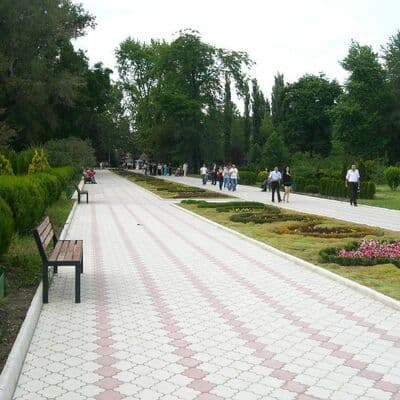
The heart of the city is Stefan cel Mare Central Park, a green oasis that stretches through the center of town. Named after Moldova's greatest medieval ruler, the park is where locals come to stroll, sit on benches under old trees, and escape the summer heat. At the park's entrance stands the Stefan cel Mare Monument, one of the most important landmarks in the country. Stefan cel Mare (Stephen the Great) ruled Moldova from 1457 to 1504 and is a national hero -- he fought 36 battles against the Ottoman Empire and won 34 of them, building a monastery after each victory. The monument is a gathering point, a photo spot, and a place where you will see everything from wedding parties to political demonstrations.
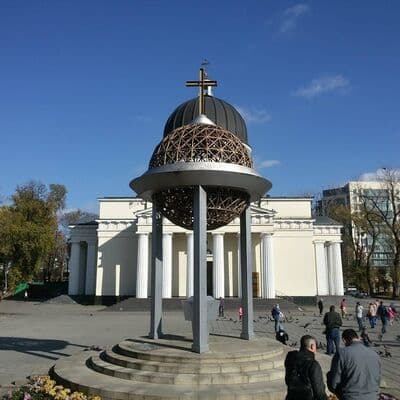
Just south of the central park, the Nativity Cathedral is the main Orthodox cathedral of Chisinau. Originally built in the 1830s, it was severely damaged during World War II and the Soviet period (the bell tower was demolished and the building was used as an exhibition hall). It was restored after independence, and today it stands as a gleaming white landmark with a classic Orthodox bell tower. The interior is richly decorated with frescoes and icons. Even if you are not religious, it is worth stepping inside to appreciate the artistry and to observe the quiet devotion of the worshippers.
For a different kind of green space, head to Dendrarium Park, a botanical garden established in 1973 that covers about 76 hectares on the southern edge of the city. It is less manicured than the central park but more interesting from a nature perspective, with over 1,000 species of trees and shrubs from around the world. On weekdays, you might have entire sections to yourself. It is a wonderful place for a morning jog or a quiet afternoon with a book.
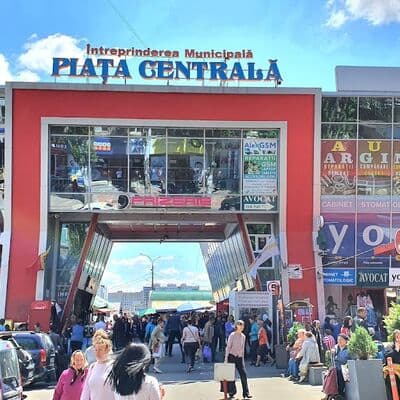
No visit to Chisinau is complete without a trip to Piata Centrala (Central Market). This is one of the largest open-air markets in Eastern Europe, and it is an absolute sensory overload -- in the best possible way. Stalls selling fresh vegetables, fruits, meats, cheeses, spices, clothing, electronics, and household goods sprawl across a massive area. The cheese section alone is worth the visit: look for branza de burduf (sheep cheese aged in a sheepskin pouch) and cas (a fresh, slightly salty white cheese). Prices are excellent, but be aware that the market area can be crowded and a bit chaotic, and this is one of the few places in Chisinau where you should keep an eye on your belongings.
The National Museum of Ethnography and Natural History is a surprisingly excellent museum housed in a gorgeous early 20th-century building. The collections cover Moldova's natural history, archaeology, and traditional culture, including impressive displays of traditional costumes, agricultural tools, and a massive diorama showing the country's wildlife. The building itself, with its ornate facade and elegant interior, is worth seeing even if museums are not usually your thing. Admission is very affordable -- about 30 MDL (roughly 1.50 USD).
Beyond the main sights, Chisinau rewards aimless wandering. The area around Strada 31 August 1989 and the surrounding streets has some of the best-preserved 19th-century architecture. The wine bar scene has exploded in recent years, with places like Carpe Diem, Invino, and Chateau offering excellent Moldovan wines by the glass in atmospheric settings. For nightlife, the area around Stefan cel Mare Boulevard has a growing selection of bars and clubs, though the scene is small compared to other European capitals.
The Codru Forest Region
The Codru region occupies the central part of Moldova and is defined by its forests -- the largest remaining patches of old-growth woodland in the country. The Codru Nature Reserve, established in 1971, protects about 5,177 hectares of ancient forest that includes oak, hornbeam, lime, ash, and maple trees, some of them several hundred years old. For travelers, this region offers excellent hiking, birdwatching, and a chance to experience Moldova's rural countryside at its most unspoiled.
The Codru forests are also one of Moldova's three major wine regions, producing wines known for their freshness and aromatic complexity. The climate here is moderated by the forest canopy, creating conditions that are particularly good for white grapes like Feteasca Alba and the indigenous Viorica variety. Several boutique wineries in the region offer tours and tastings, and the drive through rolling hills covered in vineyards and forest is one of the most scenic in the country.
The town of Hincesti, on the edge of the Codru region, has an impressive (if slightly ruined) manor house that once belonged to the Manuc-Bey family, prominent 19th-century Armenian merchants. The estate is being gradually restored and is worth a stop if you are driving through the area.
If you enjoy nature walks and want to escape the summer heat, the Codru forests are your best bet. Temperatures under the tree canopy can be five to eight degrees cooler than in the open, which is a genuine blessing during Moldova's brutally hot July and August. Just be aware that ticks are present in forested areas (more on this in the Health section), so take appropriate precautions.
Northern Moldova: Soroca and Saharna
The north of Moldova is the least visited part of the country by international tourists, which is both its challenge and its appeal. The landscape here is more rugged than the gentle hills of the center and south, with the Dniester River carving dramatic valleys through limestone plateaus.
Soroca, about 160 kilometers north of Chisinau, is famous for two things. First, the Soroca Fortress, a perfectly circular medieval fortification built in 1499 on the orders of Stefan cel Mare. Unlike many European castles that have been rebuilt and restored multiple times, Soroca has a clean, almost modern-looking geometric perfection that feels ahead of its time. The fortress sits right on the bank of the Dniester, and from its walls you can look across the river into Ukraine. Second, Soroca is known as the unofficial capital of Moldova's Roma community, and the hill above the town (known as Roma Hill or Gypsy Hill) features some of the most extraordinary houses you will ever see -- ornate, colorful mansions built by wealthy Roma families, some designed to resemble famous buildings from around the world, including replicas of the US Capitol and the Bolshoi Theatre. The houses are private residences, so you cannot go inside, but driving or walking through the neighborhood is a surreal and fascinating experience.
Saharna Monastery, about 110 kilometers north of Chisinau, is one of Moldova's most atmospheric religious sites. The monastery complex is set in a steep, narrow valley with a small waterfall -- one of the few waterfalls in Moldova. The main monastery dates to the 18th century, but there are also cave cells carved into the cliff face that are believed to date back to the 15th century or earlier. The setting is genuinely dramatic: white monastery buildings against dark cliff faces, surrounded by dense forest, with the sound of running water echoing through the valley. It is a place that feels sacred regardless of your religious beliefs. The hike up to the cave cells is moderately challenging but not difficult, and the views from the top are excellent.
Nearby, the Tipova Monastery complex is even more remote and arguably more impressive. Carved directly into sheer limestone cliffs above the Dniester River, Tipova is considered one of the largest cave monastery complexes in Eastern Europe. Some of the caves show evidence of habitation dating back thousands of years. Getting there requires a bit of effort -- the access road is rough, and you need to hike down a steep path -- but the reward is one of the most dramatic and least-visited historical sites on the continent.
Gagauzia: The Autonomous South
Gagauzia is one of those places that most travelers have never heard of, and that alone makes it interesting. It is an autonomous region in southern Moldova, home to the Gagauz people -- an ethnic Turkic group who speak a language closely related to Turkish but practice Orthodox Christianity rather than Islam. This unusual combination of Turkic language and Orthodox faith makes the Gagauz culturally unique not just in Moldova but in the world.
The capital of Gagauzia is Comrat, a small city of about 25,000 people that is roughly 100 kilometers south of Chisinau. Comrat itself is not going to win any beauty contests -- it has the typical post-Soviet urban landscape of apartment blocks and wide boulevards -- but it has a distinctive atmosphere that feels different from the rest of Moldova. The Gagauz language is visible on signs, the food has a more Turkish inflection (look for dishes involving lamb, bulgur, and yogurt), and there is a strong local identity that is palpable even during a short visit.
The Gagauzia Regional Museum in Comrat is worth a visit for its displays on Gagauz history, culture, and traditional crafts. The local wine scene is also notable -- the Valul lui Traian wine region overlaps with Gagauzia, and several wineries in the area produce excellent reds. The Gagauz people have their own winemaking traditions that differ subtly from those of the Romanian-speaking majority.
For travelers, Gagauzia offers a chance to experience a genuinely different culture within Moldova's borders. The people are incredibly hospitable, Russian is more widely spoken here than Romanian (which can be helpful if you know some Russian), and the region sees so few foreign tourists that your presence will generate genuine curiosity and warmth. Budget at least one night in Comrat to get a real feel for the place -- a day trip does not quite do it justice.
Transnistria: The Frozen Conflict
Transnistria is the reason many adventurous travelers first become interested in Moldova, and it delivers on its reputation as one of the most surreal travel experiences in Europe. Officially known as the Pridnestrovian Moldavian Republic (PMR), Transnistria is a narrow strip of land along the eastern bank of the Dniester River that declared independence from Moldova in 1990 and fought a brief war in 1992. No United Nations member state recognizes its independence, but it functions as a de facto independent country with its own government, military, currency, and border controls.
Visiting Transnistria feels like time-traveling to the late Soviet Union. The capital, Tiraspol, has wide Soviet boulevards, a massive Lenin statue still standing in front of the parliament building, Soviet-era war memorials maintained with meticulous care, and a general aesthetic that has not been updated since approximately 1989. The Transnistrian ruble features images of the famous Russian general Suvorov, and the region's coat of arms still includes the hammer and sickle. It is not a theme park or a museum -- people live and work here in a functioning society that simply happens to have a very different relationship with its Soviet past than most of the former USSR.
The main city to visit is Tiraspol, which has enough to fill a full day. Key sights include the Parliament building with its Lenin statue, the Memorial of Glory (a massive World War II memorial), the Kvint brandy factory (which offers tours and tastings of surprisingly good brandy), and Sheriff, the enormous sports and shopping complex that hints at the wealth of Transnistria's dominant business conglomerate. The smaller city of Bendery (Bender/Tighina), on the western bank of the Dniester, has a 16th-century Ottoman fortress and more visible scars from the 1992 conflict.
Important practical notes for Transnistria: You do not need a visa to visit as a tourist, but you must register at the border checkpoint and receive a migration card. You are typically granted entry for up to 24 hours; if you want to stay longer, you need to register with the local authorities in Tiraspol. Western credit and debit cards do NOT work in Transnistria -- you must bring cash (Moldovan lei, US dollars, or euros) and exchange it for Transnistrian rubles at local exchange offices. ATMs exist but will not accept your Visa or Mastercard. The UK Foreign, Commonwealth and Development Office (FCDO) advises against all but essential travel to Transnistria, and the US State Department includes it in its Level 3 advisory for Moldova. The risk for casual tourists is very low, but you should be aware of the official advisories.
Old Orhei and the Dniester Valley
Old Orhei (Orheiul Vechi) is Moldova's single most impressive historical and natural site, and if you visit only one place outside of Chisinau, this should be it. Located about 60 kilometers northeast of the capital, Old Orhei is an open-air archaeological complex set in a dramatic landscape where the Raut River has carved a deep, meandering gorge through limestone plateaus.
The site has been inhabited for tens of thousands of years, with evidence of Paleolithic settlements, Dacian fortifications, a medieval Tatar town (with the remains of mosques and baths), and Orthodox cave monasteries. The most photographed feature is the Cave Monastery, carved into the cliff face above the river. Monks still live and worship here, and you can climb down into the caves to see small chapel rooms with flickering candles and simple icons. Standing at the entrance of the cave church, looking out over the gorge with the river winding below and the village of Butuceni on the far bank, is one of those moments where you understand why people have considered this place sacred for millennia.
The village of Butuceni, at the bottom of the gorge, has been developed as a rural tourism destination with several guesthouses and traditional restaurants. Staying overnight here is highly recommended -- the evening light on the cliffs is spectacular, and having the site to yourself after the day-trip visitors leave is magical. Several guesthouses offer traditional Moldovan meals cooked on wood-fired stoves, and the village has a wonderfully peaceful atmosphere.
The broader Dniester Valley offers some of Moldova's best scenery. The river forms much of the country's eastern border (and the boundary with Transnistria), and the valley landscape of limestone cliffs, forests, and vineyards is genuinely beautiful. Driving along the Dniester from Old Orhei north toward Saharna and Tipova is one of the most scenic road trips in the country, though the road quality can be challenging in places.
Southeastern Moldova
The southeastern corner of Moldova, bordering Ukraine, is the least touristed part of an already under-touristed country. The landscape here is flat steppe transitioning to more rolling terrain, and the region is primarily agricultural -- vast fields of sunflowers, wheat, and corn stretching to the horizon.
The main town of interest is Causeni, a small city that serves as a regional center. It does not have major tourist attractions, but it has a pleasant town center, a market worth exploring, and serves as a base for visiting the surrounding countryside. The Stefan Voda wine region extends through much of the southeast, and this area produces some of Moldova's best red wines, particularly from the Rara Neagra and Feteasca Neagra grape varieties. The Purcari winery, one of Moldova's most prestigious, is located in this region and offers excellent tours.
This is also the region where you are most likely to encounter Moldova's agricultural life in its most traditional form. Villages here can feel like they have changed very little in decades, with residents tending gardens, keeping livestock, and producing much of their own food. If you want to experience the deepest, most rural Moldova, this is where to find it. Just be prepared for very limited tourism infrastructure -- accommodation options are few, English is virtually nonexistent, and you will need your own transportation.
3. Wine Culture of Moldova
Let me make something clear right at the start of this section: Moldova's wine is not a curiosity, not a novelty, not something you taste for the story and then go back to drinking French Burgundy. Moldova is one of the oldest and most significant wine-producing countries on Earth, with a winemaking tradition that stretches back approximately 5,000 years -- predating most of the famous European wine regions by millennia. Archaeological evidence of grape cultivation and wine production in the region dates to 3000 BCE, and the Dacian people who inhabited the area were making wine long before the Romans arrived. Today, Moldova has the highest density of vineyards per capita of any country in the world -- roughly 3.8% of the country's total land area is covered in vines, and one in every four working-age Moldovans is employed in the wine industry in some capacity.
But it is the underground wine cities that truly set Moldova apart from anywhere else on the planet.
Cricova: The Underground Wine City
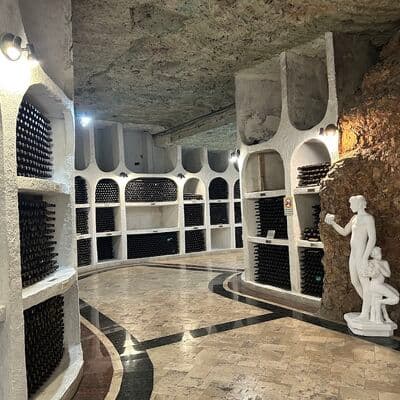
The Cricova Winery, located about 15 kilometers north of Chisinau, is built inside a former limestone mine that has been converted into one of the world's most extraordinary wine storage facilities. The underground tunnels extend for approximately 120 kilometers -- not a typo, one hundred and twenty kilometers -- at a depth of 50 to 80 meters below the surface, maintaining a natural temperature of 12 to 14 degrees Celsius and humidity of 97 to 98 percent year-round. These are perfect conditions for aging wine, and nature provides them for free.
Touring Cricova is an experience unlike any other winery visit in the world. You descend into the tunnels and then drive through them in an electric cart or a vehicle, following underground streets that are named after grape varieties -- Cabernet Street, Pinot Street, Sauvignon Street. The scale is almost impossible to comprehend until you are there: endless corridors of oak barrels and glass bottles receding into the darkness, tasting rooms decorated in different styles (there is a grand European salon, a more rustic cave-like room, and several others), and the National Wine Collection, which contains over 1.2 million bottles, including some that date back to 1902.
The collection includes wines from all over the world, not just Moldova, and some of its bottles are historically significant. Notably, Cricova holds a collection of wines that once belonged to Hermann Goering, seized as war trophies and stored here since the 1940s. Other famous visitors' collections are also stored in personal cellars underground -- including those of various presidents and world leaders who have received Cricova bottles as diplomatic gifts. Vladimir Putin, Angela Merkel, and John Kerry are among those who have personal wine collections stored in the tunnels.
Practical details for visiting: standard tours cost around 350 to 500 MDL (18 to 26 USD) and include a drive through the tunnels, a visit to the tasting rooms, and a tasting of four to five wines paired with cheese, bread, and local snacks. Premium tours with older vintages and more wines are available for higher prices. Booking in advance is strongly recommended, especially in summer and during harvest season. You can book through the Cricova website or through your hotel.
Milestii Mici: The World Record Holder
If Cricova is impressive, Milestii Mici is staggering. Located about 18 kilometers south of Chisinau, Milestii Mici holds the Guinness World Record for the largest wine collection on the planet: over 2 million bottles stored in approximately 200 kilometers of underground tunnels. Let that sink in. Two hundred kilometers of underground wine cellars. You could drive through them at city speed and it would take you hours to see the entire complex. The tunnels are so extensive that they have their own traffic rules and road signs.
Like Cricova, Milestii Mici is built in former limestone quarries, and the natural conditions are ideal for long-term wine aging. The oldest bottles in the collection date to the 1960s, and some of them are truly remarkable. The scale of the operation is hard to convey in words -- you drive your own car (yes, your actual car, not a cart) through the tunnels, navigating intersections and following signs to different cellars and tasting rooms. It feels less like a winery tour and more like exploring an underground city that happens to be entirely devoted to wine.
Tours at Milestii Mici are similar in price to Cricova (around 300 to 600 MDL depending on the package) and include tastings, cellar visits, and the surreal experience of driving your car through underground streets. The atmosphere is a bit more rough-hewn than Cricova's polished experience -- the tunnels feel more like the working mines they once were -- but the sheer scale is unmatched.
Boutique Wineries
While the underground giants are must-visits, Moldova's boutique winery scene is where you will find the most exciting wines being made today. A new generation of Moldovan winemakers, many of them trained in France, Italy, or Germany, are returning home and applying modern techniques to Moldova's exceptional terroir and unique indigenous grape varieties. The results are world-class wines that are starting to win serious international recognition.
Chateau Vartely, located near the town of Orhei (about 50 km north of Chisinau), is one of the most popular boutique wineries for tourists. The estate is beautifully designed with a modern chateau-style building, manicured grounds, and a restaurant serving excellent traditional Moldovan cuisine paired with their wines. Their Individo and Taraboste lines are consistently good, and the tasting experience is polished without being pretentious. Tours cost around 200 to 400 MDL.
Castel Mimi, near the town of Bulboaca (about 40 km south of Chisinau), is architecturally the most stunning winery in Moldova. The castle was originally built in 1893 by Constantin Mimi, the last governor of Bessarabia, and has been beautifully restored into a luxury wine estate with a hotel, spa, restaurant, and extensive cellars. The wines are excellent -- their Pinot Noir and Rara Neagra are standouts -- and the setting makes you feel like you are at a French chateau. This is the most upscale winery experience in Moldova, and prices reflect that, but it is still remarkably affordable by Western standards. A tour with tasting starts around 350 MDL (about 18 USD).
Purcari, in the Stefan Voda region of southeastern Moldova, is the country's most prestigious winery and one of its oldest, with roots dating to 1827. Purcari wines were served at the court of Queen Victoria, and the estate has a long history of producing Moldova's finest reds. The Freedom Blend (a combination of Rara Neagra, Saperavi, and Cabernet Sauvignon) and the Negru de Purcari are legendary. The winery has been beautifully renovated and offers tours, tastings, and a restaurant with views over the surrounding vineyards. It is further from Chisinau than most other wineries (about 120 km), but the drive through the southeastern countryside is scenic and the wines are worth the trip.
Et Cetera is a smaller, family-run winery that has quickly become one of the most critically acclaimed in the country. Their focus on natural and minimal-intervention winemaking, using indigenous grape varieties, has produced some genuinely exciting wines that have won awards at international competitions. Visiting Et Cetera feels more intimate and personal than the larger estates, and the winemakers are often available to talk about their philosophy and process.
Wine Regions
Moldova has three major wine regions, each with its own character:
Codru occupies the central part of the country, in the hills and forests between Chisinau and the Romanian border. This is the largest wine region and is particularly known for white wines and sparkling wines. The cooler microclimate created by the forests and elevation produces wines with bright acidity and aromatic complexity. Key grape varieties include Feteasca Alba, Viorica, Chardonnay, and Sauvignon Blanc.
Stefan Voda, in the southeast, is Moldova's premium red wine region. The warmer climate and the influence of the Black Sea (which is not far away, even though Moldova has no coastline) create conditions ideal for full-bodied reds. Rara Neagra, Feteasca Neagra, Cabernet Sauvignon, and Merlot thrive here. Purcari and several other top estates are in this region.
Valul lui Traian, in the south and southwest (overlapping with Gagauzia), is named after the ancient Roman defensive wall (Trajan's Wall) that runs through the area. This region produces both reds and whites, with a growing reputation for Malbec and Saperavi alongside the indigenous varieties. The wines tend to be full-bodied and fruit-forward.
Indigenous Grape Varieties
One of the most exciting things about Moldovan wine is the country's indigenous grape varieties, which you will not find in significant quantities anywhere else in the world:
- Feteasca Alba (White Maiden's Grape) -- A white grape producing wines with floral aromas, stone fruit flavors, and a distinctive honeyed quality. Light to medium-bodied, it is Moldova's most widely planted indigenous white variety and makes an excellent aperitif wine.
- Feteasca Neagra (Black Maiden's Grape) -- A red grape that produces deep-colored, full-bodied wines with plum, blackberry, and spice notes. Sometimes compared to Merlot but with a distinctly different aromatic profile. It ages well and is used in some of Moldova's finest red blends.
- Rara Neagra (Black Rarity) -- Perhaps Moldova's most unique grape, producing medium-bodied reds with cherry, raspberry, and herbal notes, often with a slightly smoky character. It is the star of Purcari's famous blends and is increasingly being vinified as a single-varietal wine.
- Viorica -- A white grape developed in Moldova through crossing Seibel with Aleatico. It produces intensely aromatic wines with notes of muscat, basil, and citrus. Not widely known outside Moldova, but gaining international attention for its distinctive character.
Wine Day Festival
If you can time your visit for the first weekend of October, you will experience Moldova's National Wine Day (Ziua Nationala a Vinului), the country's largest and most popular festival. Held in the center of Chisinau, the festival features tastings from dozens of wineries, live music, traditional food, folk dancing, and a generally festive atmosphere that takes over the entire city center. Admission is typically free or very cheap, and you can taste wines from producers across the country for nominal fees. It is an incredible opportunity to sample a wide range of Moldovan wines in a single day and to experience Moldovan culture at its most celebratory. Hotels fill up quickly during Wine Day weekend, so book well in advance if you are planning to attend.
Even outside of the festival, wine is woven into the fabric of daily life in Moldova in a way that feels very different from the sometimes precious wine culture of Western Europe or the United States. In villages, almost every family makes their own wine -- not as a hobby, but as a basic part of household production, like growing vegetables or keeping chickens. Being offered homemade wine is a standard part of any social interaction, and refusing it would be mildly insulting (though people are generally understanding of designated drivers and non-drinkers). The quality of homemade wine varies wildly -- some of it is genuinely good, some of it is... educational -- but the experience of sitting in someone's courtyard drinking their own production while they tell you about the harvest is one of the most authentic things you can do in Moldova.
4. When to Visit Moldova
Moldova has a continental climate with distinct seasons, and the best time to visit depends on what you want to do and how much heat you can tolerate.
Spring (April to May) is widely considered the best overall time to visit. Temperatures are pleasant (15 to 25 degrees Celsius / 59 to 77 degrees Fahrenheit), the countryside is green and blooming with wildflowers, and the crowds (such as they are in Moldova) have not yet arrived. Late April and May are particularly beautiful, with fruit trees in blossom across the countryside creating picture-postcard landscapes. The only downside to spring is occasional rain -- bring a light rain jacket. This is also a good time for hiking at Old Orhei, Saharna, and the Codru forests before the summer heat sets in.
Summer (June to August) brings serious heat. July and August temperatures regularly reach 35 to 40 degrees Celsius (95 to 104 degrees Fahrenheit), and the combination of heat and humidity can be genuinely oppressive, especially in Chisinau where the concrete amplifies the warmth. If you visit in midsummer, plan your outdoor activities for early morning or late afternoon, stay in air-conditioned spaces during the midday hours (not all budget accommodations have AC, so check before booking), and drink vast quantities of water. On the positive side, summer brings longer days, lively outdoor dining, and the countryside at its most lush. The underground wineries are actually perfect summer activities -- the constant 12 to 14 degree temperatures in the tunnels at Cricova and Milestii Mici provide welcome relief from the surface heat.
Autumn (September to October) is the grape harvest season and a magical time to visit if wine is your primary interest. The vineyards turn gold and red, the markets overflow with fresh produce, and the entire country seems to be involved in wine production. September temperatures are warm but not brutal (20 to 28 degrees Celsius / 68 to 82 Fahrenheit), and October cools further to comfortable levels. The National Wine Day festival in early October is reason enough to time your trip for autumn. The light during September and October is also particularly beautiful -- warm and golden, ideal for photography.
Winter (November to March) is cold, grey, and not the most appealing time for tourism, though it has its own austere charm. Temperatures drop to minus 5 to minus 15 degrees Celsius (23 to 5 degrees Fahrenheit) in January and February, with occasional snow. Daylight hours are short. On the positive side, winter is the absolute cheapest time to visit, the wineries and museums are empty, and there is something appealing about sitting in a warm Chisinau cafe drinking mulled wine (vin fiert) while snow falls outside. Christmas and New Year celebrations follow the Orthodox calendar (January 7 and January 14), and experiencing these holidays can be culturally fascinating. Winter is also when you will find the most hearty traditional food -- stews, soups, and warming dishes designed for cold weather.
Overall recommendation: aim for late April through mid-June or September through mid-October for the best combination of weather, experiences, and comfort. If you specifically want wine harvest experiences and the Wine Day festival, target the last week of September through the first week of October.
5. How to Get to Moldova
Getting to Moldova has historically been one of the country's biggest challenges for tourists, but the situation has improved dramatically in recent years with new airlines and routes making the country more accessible than ever before.
By Air
Chisinau International Airport (KIV) is Moldova's only significant international airport, located about 13 kilometers south of the city center. It is a small, manageable airport that handles the country's international traffic efficiently if not elegantly.
The most budget-friendly option for travelers from Western Europe is Wizz Air, the Hungarian low-cost carrier that operates routes to Chisinau from multiple European cities including London Luton, Vienna, Milan Bergamo, Dortmund, Bologna, and several others. Wizz Air fares can be remarkably cheap -- 30 to 80 EUR one-way if you book in advance and travel with carry-on only. The catch is the usual low-cost carrier experience: checked bag fees, no free food, and sometimes inconvenient scheduling. But for the price, it is hard to complain.
FlyOne is Moldova's own low-cost airline, operating routes to a growing list of European cities including London Stansted, Paris Beauvais, Dublin, Verona, Parma, and Lisbon. FlyOne tends to be competitive with Wizz Air on pricing and has the advantage of being based at KIV, so their schedule is sometimes more convenient. They also fly to several CIS destinations including Moscow, St. Petersburg, and Istanbul.
A significant development for travelers from the Middle East and beyond: Flydubai launched direct service between Dubai and Chisinau in September 2025, operating three to four times per week. This route opens Moldova up to travelers connecting through Dubai from Asia, Australia, and Africa, and the competitive pricing (fares often around 250 to 400 USD round-trip) makes it an attractive option. For Australian travelers in particular, routing through Dubai to Chisinau is now one of the most practical ways to reach Moldova.
Other airlines serving Chisinau include Turkish Airlines (via Istanbul, excellent connectivity from North America), LOT Polish Airlines (via Warsaw), and various charter operators. From the United States, the most practical routing is usually through Istanbul on Turkish Airlines (which has direct flights from most major US cities) or through a Western European hub on a combination of carriers. Total travel time from the US East Coast is typically 12 to 16 hours with one connection.
From the airport to central Chisinau, you have several options. The cheapest is the number 30 trolleybus, which runs regularly and costs about 6 MDL (roughly 0.30 USD) -- genuinely one of the cheapest airport transfers on the planet. The ride takes 30 to 45 minutes depending on traffic. Taxis from the airport should cost 100 to 150 MDL (5 to 8 USD) to the city center -- agree on the price before getting in or use an app (more on that in the Transport section). Some hotels offer airport transfers.
By Bus
Bus travel is a practical option if you are already in the region. Regular bus services connect Chisinau with Bucharest (6 to 8 hours, about 20 to 30 EUR), Iasi in Romania (3 to 4 hours, about 10 to 15 EUR), Kyiv (12 to 14 hours, about 25 to 35 EUR), and Odessa in Ukraine (4 to 6 hours, about 15 to 20 EUR). Multiple companies operate these routes, with FlixBus now serving some of them alongside local operators like Intercars, Eurolines, and numerous Romanian and Ukrainian companies.
The main bus station in Chisinau is the Gara Centrala (Central Bus Station), located near the city center. It can be chaotic and confusing, especially for non-Romanian/Russian speakers, but the staff are generally helpful. Buy tickets in advance online when possible, especially for popular routes like Chisinau to Bucharest.
A particularly practical combination for travelers from Western Europe: fly to Iasi (Romania) on a low-cost carrier, then take the bus or train to Chisinau. Iasi is served by Wizz Air and other budget airlines from various European cities, and the onward journey to Moldova is short and cheap.
By Train
Train service to Moldova is limited but atmospheric. The most useful route for tourists is the daily train from Iasi (Romania) to Chisinau, which takes about 6 to 7 hours and costs approximately 10 to 15 EUR. The train crosses the Romanian-Moldovan border, so have your passport ready. The journey itself is quite scenic, passing through rolling countryside, and the pace is slow enough to enjoy the views. There is also a sleeper train service from Kyiv to Chisinau, which takes approximately 14 to 16 hours and is a classic overnight train experience -- not luxurious, but functional and memorable. Check current schedules carefully, as train services have been subject to disruptions.
A note on entering from Ukraine: Given the ongoing conflict in Ukraine, check the latest travel advisories before planning any entry via Ukrainian territory. As of 2026, the western regions of Ukraine (through which you would transit to reach Moldova) have been relatively stable, but the situation can change. The US State Department maintains a Do Not Travel advisory for Ukraine overall.
6. Getting Around Inside Moldova
Moldova's internal transportation system is functional but limited, and understanding your options will save you frustration and wasted time.
Buses and Marshrutkas
Buses and marshrutkas (minibuses) are the backbone of Moldova's internal transport network and go virtually everywhere, including small villages. From Chisinau's main bus stations (Gara Centrala for southern and western destinations, Gara de Nord for northern destinations), you can reach any significant town in the country. Fares are extremely cheap -- a trip from Chisinau to Soroca (160 km) costs about 80 to 100 MDL (4 to 5 USD), and shorter journeys are even less.
The experience varies. Some routes use modern, comfortable coaches. Many use older minibuses that are crowded, warm, and have limited luggage space. Schedules are approximate -- buses generally leave when they are full rather than at the posted time, especially marshrutkas. Information about routes and schedules is not always available online, and when it is, it may not be accurate. Ask at the station on the day of travel. The autogara.md website has some schedule information but is not always up to date.
For reaching specific sites like Old Orhei, Saharna, or rural wineries, public buses may not drop you directly at the destination -- you might need to take a bus to the nearest town and then arrange local transport or walk. This is where having a rental car or a taxi becomes much more convenient.
Trains
Moldova's rail network is, to put it diplomatically, minimal. The country has train tracks, but passenger service has been reduced to almost nothing. The only regular domestic passenger route is Chisinau to Ungheni (on the Romanian border), which runs approximately once per day and takes about three hours for a journey of 100 kilometers. Other routes may exist on paper but run so infrequently as to be impractical for tourists. The train station in Chisinau is a handsome Soviet-era building worth seeing architecturally, but you are unlikely to use it for domestic travel.
Taxis and Ride-Hailing Apps
Taxis are affordable and practical, especially for reaching destinations not well-served by buses. Within Chisinau, rides typically cost 30 to 80 MDL (1.50 to 4 USD), and even long-distance trips are reasonable by Western standards -- a taxi from Chisinau to Old Orhei (60 km) might cost 300 to 500 MDL (15 to 26 USD) each way.
The key rule with taxis in Moldova: always use an app. The main ride-hailing apps are:
- Hip -- Moldova's own ride-hailing app, similar to Uber in functionality. It works well in Chisinau and larger towns. Prices are fixed by the app, so no negotiation is needed.
- Yandex Go -- The Russian ride-hailing app works in Moldova and is widely used. It offers reliable service and fixed pricing. Note that it requires a phone number for registration.
- Letz -- Another local option that has been gaining popularity. Similar functionality to Hip.
Uber does not operate in Moldova. Do not expect it to work.
Street taxis (those you hail on the road) are more expensive and more likely to result in price disputes. If you must use a street taxi, agree on the price before getting in. Better yet, download one of the apps before your trip and use it exclusively.
Rental Cars
For maximum flexibility, especially if you plan to visit wineries, monasteries, and rural areas, renting a car is the best option. Rental rates are very reasonable by European standards: expect to pay 25 to 35 EUR per day for a basic compact car, or 40 to 60 EUR for something larger or more comfortable. International companies like Europcar have a presence at the airport, and several local companies offer competitive rates.
Driving in Moldova has its quirks. Main roads between major cities are generally in decent condition, but secondary roads to smaller towns and villages can be rough -- potholes, unpaved stretches, and occasional livestock on the road are all possibilities. Driving standards are inconsistent, with some aggressive overtaking on rural roads. Speed cameras are present on main routes. The legal blood alcohol limit is zero -- no drinking at all if you are driving. Fuel costs are similar to the rest of Eastern Europe (about 1.30 to 1.50 EUR per liter for petrol). GPS navigation works well on main routes but can be unreliable on small rural roads -- carry an offline map as backup.
International driving permits are technically required but in practice, a valid license from the US, UK, EU, Australia, or Canada is usually accepted by rental companies. Check with your specific rental company before your trip.
City Transit in Chisinau
Chisinau has an extensive public transit system of trolleybuses and regular buses that cover the city and suburbs. Fares are remarkably cheap -- about 6 MDL (0.30 USD) for trolleybuses and 3 to 6 MDL for regular buses. The system is not particularly intuitive for tourists (routes are posted at stops but usually only in Romanian), but the Moovit app provides real-time transit information and route planning in English and is very useful for navigating the city.
Walking is also a viable option for getting around central Chisinau. The main attractions, restaurants, and shops are concentrated in a relatively compact area, and you can walk from one end of the center to the other in about 30 to 40 minutes.
7. Cultural Code and Etiquette
Moldova is an exceptionally hospitable country, and its people are among the warmest and most welcoming you will encounter anywhere in Europe. Understanding a few cultural norms will help you connect more deeply and avoid unintentional faux pas.
Hospitality
Moldovan hospitality is legendary and genuine. If you are invited to someone's home -- which happens more often than you might expect, especially in rural areas -- expect to be fed lavishly, offered copious amounts of wine and/or tuica (plum brandy), and treated like a long-lost family member. Refusing food or drink outright is considered mildly rude. If you genuinely cannot eat more or do not drink alcohol, a polite explanation will be understood, but at least try a small amount of whatever is offered. Bringing a small gift (wine, chocolates, flowers -- always an odd number of flowers, as even numbers are for funerals) is a nice gesture when visiting someone's home.
Toasting Culture
When drinking with Moldovans, be prepared for toasts. The traditional toast is "Noroc!" (roughly pronounced "no-ROK"), which means "luck" or "cheers." In more formal settings or at family gatherings, there will often be a tamada (toastmaster) who leads a series of increasingly elaborate toasts -- to health, to family, to friendship, to the guests, to the harvest, and so on. You are not expected to drain your glass with every toast (that would be medically inadvisable given the frequency of toasting), but raising your glass, making eye contact, and taking at least a sip is expected. If someone toasts to you specifically, it is polite to respond with a short toast of your own.
Tipping
Tipping in Moldova is appreciated but not as formalized as in the United States. In restaurants, leaving 5 to 10 percent of the bill is standard for good service. In more upscale establishments, 10 to 15 percent is appropriate. Rounding up the bill is common for smaller amounts. Tipping taxi drivers is not expected but rounding up to the nearest convenient amount is a nice gesture. Hotel staff, tour guides, and winery hosts appreciate tips of 20 to 50 MDL (1 to 2.50 USD) for good service.
Religious Sites
Moldova is predominantly Orthodox Christian, and religious sites are treated with genuine reverence, not just as tourist attractions. When visiting churches, monasteries, and cathedrals (including the Nativity Cathedral in Chisinau), observe the following dress code: women should cover their shoulders and wear skirts below the knee (many churches provide wraps if you are not dressed appropriately). Men should wear long pants and remove hats. Both genders should behave quietly and respectfully inside. Photography is sometimes prohibited -- look for signs or ask. During services, standing quietly in the back is usually fine, but do not walk around the church or approach the altar area. If you see people kissing icons or lighting candles, this is standard Orthodox practice -- you do not need to participate, but do not interfere.
Language
The official language of Moldova is Romanian (sometimes referred to as Moldovan, though linguistically they are the same language). Russian is also widely spoken, especially among older generations, in Chisinau, and in Gagauzia and Transnistria. In rural areas and among younger people in the capital, Romanian is dominant.
English proficiency is growing, especially among younger Moldovans in Chisinau, but it is still limited. In the capital, you will find English spoken at tourist-oriented businesses, upscale restaurants, and international hotels. Outside Chisinau, English drops off dramatically. In rural areas, do not expect anyone to speak English. Learning a few basic Romanian or Russian phrases will go a long way: "Multumesc" (mul-tzu-MESK, "thank you"), "Va rog" (va ROG, "please"), "Buna ziua" (BOO-na ZEE-wa, "good day"), "Cat costa?" (kuht KOS-ta, "how much?"). Google Translate works well for Romanian and can get you through most situations.
Sensitive Topics
There are a few topics to approach with caution in conversation:
- Transnistria: Opinions on the breakaway region vary widely in Moldova. Some people see it as an occupied territory, others have family and business connections there, and many are simply tired of the issue. Avoid taking strong positions on the conflict, and do not assume that all Moldovans view the situation the same way. Casual curiosity about Transnistria is fine, but political debates are best avoided unless your Moldovan conversation partner initiates them.
- Romania vs. Moldova: The question of whether Moldovans are "really" Romanian or a distinct nationality is a deeply contentious topic. Some Moldovans identify strongly as Romanian and favor unification, others strongly identify as Moldovan, and many hold nuanced positions in between. Do not tell a Moldovan what their identity should be.
- Russia: Given the geopolitical context and Russia's historical influence in the region, opinions on Russia vary enormously depending on the person's age, ethnicity, language, and political views. Tread carefully and listen more than you talk.
- Poverty: Moldova is aware of its status as one of Europe's poorest countries. Comments that come across as pity or condescension will not be well received. Appreciate what the country has to offer rather than fixating on what it lacks.
General Behavior
Moldovans tend to be somewhat formal in initial interactions but warm up quickly. A handshake is the standard greeting between men. Between men and women, and between women, a kiss on both cheeks is common once you have been introduced. Dress code in Chisinau is relatively smart-casual -- Moldovans tend to dress well, and showing up to a restaurant in athletic wear or flip-flops will mark you as a tourist immediately. In rural areas, dress is more casual, but modesty is still valued.
8. Safety in Moldova
Moldova is, by and large, a safe country for tourists. Violent crime against visitors is rare, and most travelers complete their trips without any safety incidents. That said, there are some issues to be aware of, and official travel advisories are worth understanding.
General Safety
Street crime in Chisinau is generally low. The city center is safe to walk around during the day and into the evening. Late at night, exercise the same caution you would in any European capital -- stick to well-lit streets, avoid empty parks after dark, and be aware of your surroundings. Violent crime against tourists is exceptionally rare.
Common Scams and Risks
Pickpocketing: The main risk for tourists, concentrated at Piata Centrala (Central Market), the bus stations, and crowded public transport. Keep valuables in front pockets or inside jacket pockets, use a money belt if you carry significant cash, and be alert in crowded spaces. This is a risk level similar to most European cities -- present but manageable with basic awareness.
Restaurant overbilling: Some restaurants, particularly those in tourist-frequented areas, may add items to the bill that you did not order or charge higher prices than listed on the menu. Always check the bill carefully before paying. If something does not look right, politely point it out. This is not widespread but it does happen.
Taxi scams: Unlicensed or unofficial taxi drivers at the airport and bus stations may try to charge inflated prices. The solution is simple: use ride-hailing apps (Hip, Yandex Go, or Letz) exclusively, and you will always get a fair, fixed price. If you must use a street taxi, agree on the price before getting in and confirm the currency (MDL, not EUR or USD).
Currency exchange: Avoid street money changers offering too-good-to-be-true rates. Use banks, official exchange offices (casa de schimb valutar), or ATMs for currency exchange. Check the rate before exchanging and count your money before leaving the window.
ATM skimming: Use ATMs attached to banks rather than standalone machines in isolated locations. Cover the keypad when entering your PIN. ATMs inside bank branches are the safest option.
Official Travel Advisories
The US State Department currently rates Moldova at Level 3 ("Reconsider Travel"), which sounds alarming but is primarily due to proximity to the conflict in Ukraine and the situation in Transnistria rather than any direct risk to tourists in mainland Moldova. The advisory specifically notes the risk of the conflict in Ukraine impacting Moldova and the unresolved status of Transnistria. For the main tourist areas of Moldova (Chisinau, wine country, Old Orhei), the actual risk level is quite low.
The UK FCDO advises against all but essential travel to Transnistria specifically, while the rest of Moldova has standard travel advice. This distinction is important -- the UK government does not advise against visiting Moldova overall, just the breakaway region.
Practically speaking, hundreds of thousands of tourists visit Moldova each year without incident. Use common sense, stay informed about the current situation, and register with your embassy's travel notification system (STEP for Americans, FCDO registration for British citizens) so you receive alerts if the situation changes.
9. Health
Moldova does not present any major health risks for travelers, but a few precautions will ensure a comfortable trip.
Vaccinations
No vaccinations are mandatory for entry to Moldova from the US, UK, EU, Australia, or Canada. The CDC recommends being up to date on routine vaccinations (measles, tetanus, hepatitis A and B) for travel to Moldova, which is the same recommendation for most European destinations. No special tropical disease vaccinations are needed.
Travel Insurance
Travel insurance is essential. While Moldova has hospitals and clinics, the quality of medical care varies significantly, and serious medical issues may require evacuation to Romania or Western Europe. Make sure your travel insurance covers medical evacuation (medevac). Standard travel insurance that covers trip cancellation, medical expenses, and emergency evacuation can be purchased from major providers for 5 to 15 USD per day depending on coverage level and your age.
Pharmacies and Medical Care
Pharmacies (farmacie) are readily available in Chisinau and larger towns, and many common medications are available over the counter without a prescription. Staff may speak limited English, so knowing the generic (chemical) name of any medication you need is helpful. In rural areas, pharmacies are less common -- bring any essential medications with you from home.
For non-emergency medical issues, private clinics in Chisinau offer decent care at very reasonable prices. Ask your hotel for a recommendation. For emergencies, call 112 (the European emergency number) or 903 (ambulance). Public hospitals exist but are underfunded and may not meet the standards you expect.
Water and Food Safety
Tap water in Chisinau and larger towns is technically safe to drink but may not taste great. Bottled water is cheap (5 to 10 MDL / 0.25 to 0.50 USD for 1.5 liters) and widely available. In rural areas, stick to bottled water or ask locally about the water quality. Food hygiene is generally good in restaurants and at markets -- Moldovans take their food seriously, and fresh ingredients are the norm rather than the exception.
Tick Risk
If you plan to hike in forested areas (Codru forests, Saharna, Old Orhei), be aware that ticks are present and can carry tick-borne encephalitis and Lyme disease. Wear long pants tucked into socks, use insect repellent with DEET, and check yourself for ticks after walking through vegetation. The risk is highest from April through October. If you find a tick, remove it promptly with tweezers, pulling straight out without twisting. If you develop a rash, fever, or joint pain in the days or weeks after a tick bite, seek medical attention.
10. Money and Costs
Moldova is one of the most affordable countries in Europe, and your money goes remarkably far here. Understanding the currency and payment landscape will help you budget effectively and avoid common pitfalls.
Currency
The Moldovan currency is the leu (MDL), plural lei. As of 2026, the exchange rate is approximately 19 to 20 MDL per 1 EUR, or about 17 to 18 MDL per 1 USD. Coins come in 1, 2, 5, and 10 lei denominations, and banknotes in 10, 20, 50, 100, 200, 500, and 1000 lei. The 1000 MDL note is relatively rare and can be difficult to break in smaller shops -- try to carry a mix of denominations.
Exchange currency at banks or official exchange offices (casa de schimb valutar) in Chisinau. Rates at the airport are slightly worse than in the city center but not outrageously so. ATMs are widely available in Chisinau and accept Visa and Mastercard -- they dispense MDL and typically offer competitive exchange rates. Check with your bank about foreign transaction fees before your trip; some US and UK banks charge 2 to 3 percent per transaction.
Cards vs. Cash
Credit and debit cards (Visa and Mastercard) are accepted at most restaurants, hotels, and shops in Chisinau and at major wineries. However, card acceptance drops off quickly outside the capital. In smaller towns and rural areas, cash is essential. Markets, marshrutkas, small restaurants, and village shops are almost exclusively cash-only. Carry enough cash for your planned expenses whenever you leave Chisinau.
Critical note for Transnistria: Western credit and debit cards DO NOT WORK in Transnistria. ATMs exist but will not accept your Visa or Mastercard. You must bring cash (Moldovan lei, US dollars, or euros) and exchange it for Transnistrian rubles at exchange offices in Tiraspol or Bendery. Plan how much you will need in advance -- food, transport, souvenirs, entry fees -- and bring that amount in cash. Leftover Transnistrian rubles are essentially useless outside the region, so try to spend or exchange them before leaving.
Budget Breakdown
Here is what different budget levels look like in Moldova, expressed in USD per day:
Backpacker / Budget (15 to 25 USD per day): Hostel dormitory or very basic guesthouse (5 to 10 USD/night), meals at cafeterias and market food (5 to 8 USD/day for three meals), public transport (1 to 2 USD/day), free walking tours and parks, one winery visit every few days (5 to 10 USD). This is a very comfortable budget life -- you will not feel deprived at these prices.
Mid-Range (35 to 60 USD per day): Private room in a three-star hotel or quality guesthouse (20 to 35 USD/night), sit-down restaurant meals with wine (10 to 15 USD/day), taxi/ride-hailing for convenience (3 to 5 USD/day), winery tours and museum admissions (5 to 10 USD/day). This is the sweet spot for most travelers -- genuine comfort without extravagance.
Comfortable / Upscale (75 to 150 USD per day): Four-star hotel or boutique property (50 to 90 USD/night), fine dining with premium wines (20 to 35 USD/day), rental car or private driver (25 to 40 USD/day), premium winery tours with reserve tastings (15 to 30 USD/day). At this level, you are living very well indeed. There are few truly luxury options in Moldova (this is not Paris or Dubai), but the quality of experience at these prices is exceptional.
Some specific price examples to calibrate your expectations: a beer in a bar costs about 25 to 40 MDL (1.30 to 2.10 USD). A full meal at a nice restaurant with wine runs 200 to 400 MDL (10 to 21 USD). A cappuccino is 30 to 50 MDL (1.60 to 2.60 USD). A liter of petrol costs about 24 to 28 MDL (1.30 to 1.50 USD). A 45-minute massage at a spa costs about 400 to 600 MDL (21 to 31 USD). Movie tickets are 80 to 120 MDL (4 to 6 USD). Everything is shockingly cheap by American or Western European standards.
For Americans returning home with wine: US customs allows you to bring back one liter of alcohol duty-free per person. Beyond that, you will pay a small duty (typically a few dollars per bottle). There is no legal limit on how many bottles you can bring, but anything beyond reasonable personal use may attract scrutiny. TSA allows wine in checked luggage (not carry-on). Pack bottles carefully in your checked bag wrapped in clothing, or buy a wine shipping box at a winery. Moldovan wine is perfectly legal to import for personal use.
11. Suggested Itineraries
Moldova's compact size means you can see a lot in a short time, but the country rewards slower travel. Here are detailed day-by-day itineraries for different trip lengths, with all major sites linked so you can learn more about each one.
7-Day Itinerary: The Essential Moldova
This itinerary covers the highlights that every first-time visitor should see, with a good balance of city, wine, history, and that essential Transnistria experience.
Day 1: Arrive in Chisinau and Explore the Center
Arrive at Chisinau International Airport and transfer to your hotel. If you arrive in the morning or early afternoon, start exploring the city center on foot. Begin at the Stefan cel Mare Monument, the national hero's statue that serves as the symbolic heart of the city. From here, walk into Stefan cel Mare Central Park, strolling through the tree-lined paths and watching locals go about their day. The park is particularly lovely in the late afternoon light.
Walk south from the park to the Nativity Cathedral and spend some time admiring the architecture and, if a service is not in progress, step inside to see the frescoes and iconostasis. The bell tower offers good views of the surrounding area. Continue walking along the main boulevard, stopping to observe the mix of architectural styles -- from ornate 19th-century buildings to Soviet-era structures to modern additions.
For dinner, head to one of Chisinau's excellent Moldovan restaurants. Try Vatra Neamului or La Placinte for traditional food at very reasonable prices. Order mamaliga (cornmeal porridge, Moldova's answer to polenta) with branza (sheep cheese) and smantana (sour cream), accompanied by a glass of local Feteasca Alba wine. This first meal will set the tone for the culinary delights ahead. Walk off dinner with an evening stroll along Stefan cel Mare Boulevard, which is lively with cafes and bars in the evening.
Day 2: Chisinau Deep Dive
Start your morning at Piata Centrala (Central Market), arriving early (before 9 AM) for the best atmosphere and freshest produce. Wander through the food sections, sampling branza cheese, fresh bread, seasonal fruits, and homemade preserves. The market is a feast for the senses -- the colors, smells, and sounds are overwhelming in the best way. Budget about 90 minutes for a thorough exploration, and keep your valuables secure in the crowds.
From the market, walk to the National Museum of Ethnography and Natural History. This is one of Moldova's best museums, with well-curated exhibits on the country's natural history, archaeology, and traditional culture. The building itself is a beautiful early 20th-century structure. Plan to spend about 90 minutes here. The displays on traditional Moldovan village life and costumes are particularly interesting for understanding the culture you will encounter in the countryside over the coming days.
After lunch (try a cafe near the museum or head to one of the modern restaurants along Strada Bucuresti), spend the afternoon at Dendrarium Park. This botanical garden is a welcome green escape from the urban center, with peaceful walking paths through diverse plantings. It is less formal than the central park and feels more like a natural forest in sections. Bring a book and find a bench, or simply walk the paths and enjoy the different tree species from around the world.
In the evening, visit one of Chisinau's wine bars. Carpe Diem, Invino, or Chateau are all excellent options where you can taste Moldovan wines by the glass while chatting with knowledgeable staff. This is a good evening to begin your education in Moldovan wine before the cellar visits later in the week. Ask for recommendations of indigenous varieties -- Feteasca Neagra, Rara Neagra, and Viorica -- that you may not have tried before.
Day 3: Cricova Winery
Today is dedicated to one of Moldova's most extraordinary experiences: the underground wine city of Cricova Winery. Book your tour in advance (morning tours are less crowded). The winery is about 15 kilometers north of Chisinau, easily reached by taxi (about 80 to 100 MDL) or by arrangement with the winery (some packages include transfer).
The standard tour takes about 90 minutes to two hours and includes driving through the underground streets in an electric cart, visiting the National Wine Collection with its 1.2 million bottles (including wines dating to 1902), seeing the different tasting rooms each decorated in its own style, and tasting four to five wines paired with cheese, bread, and other local snacks. The premium tour options extend the tasting to include older vintages and more wines. The experience is genuinely unlike any other winery visit in the world -- the scale of the underground complex, stretching 120 kilometers through former limestone mines, is almost impossible to comprehend until you are driving through it.
After the tour, you will likely want to purchase some wine to bring home (prices at the winery are reasonable and lower than buying the same wines in Chisinau shops). Return to the city for a late lunch and spend the afternoon relaxing, shopping, or exploring neighborhoods you missed on Day 1 and 2. The area around Strada Armeneasca has some interesting antique shops and cafes. For dinner, try something more upscale -- La Sarkis (Armenian-Moldovan fusion) or Propaganda (a hip restaurant with creative takes on traditional dishes) are both excellent.
Day 4: Old Orhei Day Trip
Hire a car or arrange a taxi for the day (negotiate a full-day rate of about 800 to 1200 MDL / 42 to 63 USD, including waiting time) and head to Old Orhei (Orheiul Vechi), about 60 kilometers northeast of Chisinau. The drive takes about an hour and passes through typical Moldovan countryside -- gently rolling hills, vineyards, orchards, and small villages.
Old Orhei is Moldova's most spectacular archaeological and natural site. Start at the viewpoint above the gorge, where you can take in the dramatic landscape -- the Raut River winding through a deep limestone canyon, cave openings dotting the cliff faces, and the village of Butuceni in the valley below. Then descend to the Cave Monastery, where Orthodox monks have worshipped since at least the 13th century (and the caves show evidence of much older habitation). The monastery is still active -- you may encounter monks during your visit, and the atmosphere of quiet devotion in these ancient stone chambers is deeply moving.
Explore the archaeological remains on the plateau -- ruins of a medieval Tatar settlement, remnants of a Moldovan citadel, and traces of even older fortifications. The site is open and unfenced, so you can wander freely. Bring good walking shoes as the terrain is uneven and the descent to the river is steep in places.
Stop for lunch in Butuceni at one of the traditional guesthouses that serve home-cooked Moldovan food. Eco Resort Butuceni and Casa din Lunca both offer excellent meals prepared with local ingredients. The placinte (filled pastries with cheese, cherry, or potato) are typically outstanding. If you have time, explore the village itself -- it has a timeless quality that makes the trip worthwhile even beyond the archaeological site.
If you are staying at a guesthouse in Butuceni overnight (recommended), enjoy the evening light on the cliffs and the profound silence of the countryside after the day-trippers leave. If returning to Chisinau, head back in the late afternoon and spend the evening at your leisure.
Day 5: Transnistria Day Trip
This is one of the most unique day trips you can take anywhere in Europe. Head to Transnistria early in the morning by marshrutka from Chisinau (about 40 to 50 MDL, departing from the Central Bus Station) or by taxi/rental car (about 200 to 300 MDL each way). The journey to Tiraspol takes about 90 minutes.
At the Transnistrian border checkpoint (it is technically a checkpoint, not a border, since the region is not internationally recognized), you will need to fill out a migration form with your passport details and intended destination. The process is usually quick and hassle-free for tourists. You will receive a migration card -- keep this with you at all times and surrender it when you leave.
In Tiraspol, start at the main square where the massive Lenin statue stands in front of the Parliament building, still bearing its Soviet coat of arms with hammer and sickle. Walk along 25 October Street (the main boulevard, named after the date of the Bolshevik Revolution) to the Memorial of Glory, an impressive World War II monument with an eternal flame, a T-34 tank, and meticulously maintained landscaping. The local history museum provides context on Transnistria's self-declared independence and the 1992 conflict.
Visit the Kvint factory for a brandy tasting -- their KVINT (which stands for Konyaki, Vina I Napitki Tiraspolya -- Cognacs, Wines and Drinks of Tiraspol) brandies are surprisingly excellent, and the tour provides a fascinating look at the region's economy. Have lunch at one of the local restaurants (Andy's Pizza or Kumanyok for a more traditional experience), paying in Transnistrian rubles that you exchanged earlier.
If time allows, take a marshrutka or taxi to Bendery (Bender), about 15 minutes from Tiraspol, to see the massive 16th-century Ottoman fortress on the bank of the Dniester. The fortress has been partially restored and is open to visitors. Bendery also has more visible scars from the 1992 war than Tiraspol.
Return to Chisinau in the late afternoon or early evening. The entire day trip is surreal and thought-provoking -- whatever your political views, spending a day in a place that exists in a kind of political limbo, frozen in a Soviet aesthetic, is an experience that will stay with you.
Day 6: Milestii Mici and Castel Mimi
Today is a wine day. Start with Milestii Mici, the holder of the Guinness World Record for the world's largest wine collection (over 2 million bottles in 200 kilometers of underground tunnels). Located about 18 kilometers south of Chisinau, you can drive there in about 30 minutes. Book your tour in advance -- Milestii Mici requires reservations.
The Milestii Mici experience is different from Cricova. Here, you drive your own car (or the winery provides a vehicle) through the underground tunnels, following road signs and navigating intersections just as you would on a surface road, except that instead of houses and shops on either side, there are endless rows of wine barrels and bottles. The tunnels are less polished than Cricova's but more dramatic in their raw, mine-like appearance. The tasting room is set up in a large underground chamber, and the wines -- particularly their aged reds and late-harvest whites -- are excellent.
After Milestii Mici, drive about 40 minutes southeast to Castel Mimi, one of Moldova's most beautiful winery estates. The castle, originally built in 1893, has been meticulously restored into a luxury wine complex with tasting rooms, a restaurant, a hotel, and landscaped grounds. Even if you are not staying overnight, the setting is worth the visit. Take a tour of the cellars, taste their wines (the Pinot Noir and Rara Neagra are standouts), and have a leisurely lunch at the estate restaurant. The food is refined Moldovan cuisine -- expect elevated versions of traditional dishes paired with estate wines.
Return to Chisinau in the late afternoon. For your last evening, splurge on a fine dinner at one of Chisinau's best restaurants. Smoke Lab or The Kitchen offer creative modern cuisine, or return to a traditional restaurant for a final feast of Moldovan classics.
Day 7: Departure Day
If your flight is in the afternoon, use the morning for last-minute shopping. The duty-free shops at the airport have Moldovan wine at reasonable prices, but the selection in the city is better. Good places to buy wine to take home include the Carpe Diem wine shop, the souvenir shops along Stefan cel Mare Boulevard, or directly from the wineries you visited. Stock up on other Moldovan souvenirs: local honey, branza cheese (vacuum-sealed for travel), dried fruits, or embroidered textiles.
Stop by Stefan cel Mare Central Park one last time for a morning coffee at one of the nearby cafes, take a final photo with the Stefan cel Mare Monument, and reflect on the fact that you have just experienced one of Europe's last authentic travel destinations before the rest of the world discovers it.
10-Day Itinerary: Moldova in Depth
The 10-day itinerary includes everything from the 7-day version plus the remarkable monastery complexes of the north and the unique culture of Gagauzia in the south. This extra time transforms your trip from a highlights tour into a genuine exploration.
Days 1 through 5: Follow the 7-day itinerary above (Chisinau exploration, Cricova, Old Orhei, Transnistria, Milestii Mici/Castel Mimi).
Day 6: Drive North to Saharna and Tipova Monasteries
Pick up a rental car (or arrange a private driver for the day, about 1500 to 2000 MDL / 79 to 105 USD) and head north toward Saharna Monastery, about 110 kilometers from Chisinau. The drive takes approximately two hours on decent roads through increasingly hilly and forested terrain.
Saharna Monastery is set in a narrow, steep-sided valley with a small waterfall -- one of Moldova's rare waterfalls. The main monastery buildings date to the 18th century, but the cave cells higher up the cliff face are much older, believed to date to the 15th century or earlier. Start with the main monastery, where you can visit the church and see the monks' quarters. Then hike up the trail to the cave cells -- the path is moderately challenging with some steep sections, but the views from the top are magnificent. The entire visit, including the hike, takes about two to three hours.
In the afternoon, drive to Tipova Monastery, about 25 kilometers south of Saharna. This is one of Eastern Europe's largest cave monastery complexes, carved directly into sheer limestone cliffs above the Dniester River. The setting is even more dramatic than Saharna -- the cliffs drop vertically to the river, and the cave openings stare out over a vast landscape. The access road is rough (a car with decent ground clearance is helpful), and you need to hike down a steep path to reach the monastery complex. Plan about two hours for the visit including the hike.
Spend the night in the area. Accommodation options are limited -- there are a few rural guesthouses in nearby villages. Alternatively, drive to Orhei (the modern town, not Old Orhei) where you will find more options. The experience of staying in a rural Moldovan guesthouse is rewarding in itself -- expect basic but clean rooms, hearty home-cooked meals, and wonderful hospitality.
Day 7: Soroca Fortress and Roma Hill
Continue north to Soroca, about 50 kilometers from Saharna (or about 160 km from Chisinau if you are driving directly). Soroca Fortress, built in 1499 on the orders of Stefan cel Mare, is a perfectly circular medieval fortification sitting right on the bank of the Dniester River. The geometric precision of the fortress is remarkable -- from above, it looks almost modern in its clean circular design. Inside, there are exhibits on the fortress's history and its role in defending Moldova's northern border. From the walls, you can look across the Dniester into Ukraine.
After the fortress, drive up the hill to the Roma neighborhood (often called Gypsy Hill), one of Soroca's most unique attractions. The hill is home to wealthy Roma families who have built extraordinary mansions, many designed to resemble famous buildings from around the world. You will see miniature versions of the US Capitol, the Bolshoi Theatre, St. Peter's Basilica, and other landmarks, all rendered in colorful, ornate styles. The houses are private residences and you cannot enter, but driving or walking through the neighborhood is a surreal and fascinating experience. Be respectful -- these are people's homes, not a theme park.
Have lunch in Soroca town center (there are several decent restaurants on the main street), and then begin the drive south. If you are heading directly back to Chisinau, the journey takes about 2.5 to 3 hours. Alternatively, you could stop at Chateau Vartely winery near Orhei for an afternoon tasting on your way back -- it is conveniently located on the route.
Day 8: Gagauzia
Drive south from Chisinau to Comrat, the capital of the autonomous Gagauzia region, about 100 kilometers (roughly 1.5 to 2 hours by car). The drive south passes through flat agricultural land -- sunflower fields in summer, bare earth in winter -- that gradually transitions to the steppe-like landscape of southern Moldova.
Comrat is a small city that will not win architectural awards, but it has a distinctive atmosphere that differs from the rest of Moldova. The Gagauz people -- an Orthodox Christian Turkic minority -- have their own language, cuisine, and cultural traditions. Start with the Gagauzia Regional Museum for background on Gagauz history and culture, including displays on traditional crafts, costumes, and the region's unusual ethnic identity.
Explore the town center, visit the main church, and have lunch at a local restaurant where you can try Gagauz cuisine. Look for dishes that show the Turkish influence -- lamb, bulgur, yogurt-based soups, and pastries with cheese or meat fillings. The food is subtly different from what you have been eating in northern Moldova, reflecting the Gagauz people's Central Asian Turkic roots blended with Balkan and Moldovan traditions.
In the afternoon, visit one of the local wineries in the Valul lui Traian wine region, which overlaps with Gagauzia. The wines from this region tend to be full-bodied reds, and several small producers offer informal tastings where you may be the only visitor that day. Ask at your hotel or at the museum for recommendations on which wineries are currently offering tours.
Spend the night in Comrat (hotel options are basic but adequate) or drive back to Chisinau in the evening.
Day 9: Relaxation and Wine Shopping in Chisinau
After several days of active travel, use this day to relax and tie up loose ends in Chisinau. Sleep in, have a leisurely brunch at one of the city's growing number of modern cafes (Raw Vegan Cafe, Smokehouse, or Tucano are popular options), and spend time revisiting your favorite spots or exploring neighborhoods you missed earlier.
This is a good day for wine shopping if you plan to bring bottles home. The Carpe Diem wine shop has an excellent curated selection of Moldovan wines with knowledgeable English-speaking staff who can guide your choices. The duty-free shops at the airport also carry a selection, but the range is more limited. If you visited specific wineries and want more of their wines, check the winery websites for Chisinau retail locations.
Visit any museums or galleries you missed earlier. The National Art Museum has a decent collection of Romanian and Moldovan art. The Military Museum is unexpectedly interesting, with exhibits covering everything from medieval warfare to the Soviet period. In the evening, seek out a live music venue -- Chisinau has a small but vibrant music scene, and hearing traditional Moldovan folk music performed live is a wonderful way to spend your last evening.
Day 10: Departure
Transfer to the airport for your departure. If time allows, make a final stop at Piata Centrala (Central Market) for last-minute souvenirs -- honey, nuts, dried fruits, and vacuum-sealed cheese travel well and make excellent gifts.
14-Day Itinerary: The Complete Moldova
Two weeks allows you to add the wine country of the south, the fortress town of Causeni, the deep Codru forests, and more time to absorb each destination rather than rushing between them.
Days 1 through 8: Follow the 10-day itinerary through Day 8 (Gagauzia).
Day 9: Southern Wine Route - Purcari
From Comrat (or from Chisinau if you returned the previous evening), drive southeast toward the Stefan Voda wine region. Your destination is Purcari winery, one of Moldova's oldest and most prestigious, about 120 kilometers from Chisinau. The drive takes roughly two to two and a half hours and passes through flat, agricultural land with vast vineyards becoming more prevalent as you enter the wine region.
Purcari's wines have been famous since the 19th century -- they were served at the court of Queen Victoria and won gold medals at the Paris Exhibition of 1878. The winery has been beautifully renovated and offers comprehensive tours of its vineyards, production facilities, and cellars. The tasting typically includes their flagship wines: the legendary Negru de Purcari (a deep, complex red blend), the Freedom Blend (Rara Neagra, Saperavi, and Cabernet Sauvignon), and several single-varietal wines. The restaurant serves excellent food with views over the surrounding countryside.
Spend the afternoon at the winery, savoring the wines and the atmosphere. If staying overnight, Purcari has guest rooms on the estate -- falling asleep surrounded by vineyards is a quintessentially Moldovan experience. Otherwise, you could drive to the nearby town of Stefan Voda for accommodation, though options are limited.
Day 10: Causeni and Et Cetera Winery
Drive northwest from the Stefan Voda region to Causeni, a small town that serves as a regional center for southeastern Moldova. Causeni is not a major tourist destination, but it has an authentic small-town atmosphere, a pleasant market, and the kind of unhurried pace that defines rural Moldovan life. Walk through the town center, visit the local church, and have lunch at a local restaurant.
In the afternoon, visit Et Cetera winery, one of Moldova's most critically acclaimed small producers. Their focus on natural winemaking and indigenous grape varieties has produced wines that are winning international recognition. The experience here is more intimate than at the larger wineries -- you may well meet the winemaker and hear directly about their philosophy and process. The wines are distinctive: expect unusual flavors, natural fermentation character, and a genuine sense of terroir.
Drive back toward Chisinau in the late afternoon, or continue exploring the surrounding countryside if you have the time and inclination. This is some of Moldova's deepest rural territory -- villages where horse-drawn carts share roads with cars, where every household seems to have its own vineyard and garden, and where the rhythms of agricultural life have changed little in generations.
Day 11: Codru Forest Hike and Village Life
Drive west from Chisinau toward the Codru Nature Reserve, about 50 kilometers away. The reserve protects some of Moldova's last remaining old-growth forest, with trees that are several hundred years old. Hiking trails wind through oak, hornbeam, and lime forests that feel primeval and untouched. The trails are not heavily marked, so consider hiring a local guide through the reserve administration or through a tour agency in Chisinau. The birdwatching here is excellent -- listen for woodpeckers, orioles, and numerous raptor species.
After your hike, visit one of the small villages on the edge of the Codru forest. Rural life here revolves around subsistence farming, winemaking, and livestock keeping. If you can arrange a homestay or a visit through a local contact, the experience of sharing a meal with a village family is one of the most rewarding things you can do in Moldova. The food will be entirely homegrown and homemade -- from the bread to the cheese to the wine -- and the hospitality will be overwhelming.
Drive to Hincesti in the afternoon to see the Manuc-Bey Manor, an impressive (if partially ruined) 19th-century estate that is slowly being restored. The estate gardens are pleasant for a walk, and the manor house, even in its current state, hints at the grandeur of its original design.
Day 12: Second Visit to Old Orhei (overnight stay)
Return to Old Orhei, but this time plan to stay overnight in Butuceni village. Having already visited the main archaeological site on Day 4 of the itinerary, this second visit allows you to explore at a more leisurely pace. Hike the trails along the cliff edges that you might have missed on your first visit, explore the areas further from the main cave monastery, and take in the landscape from different vantage points at different times of day.
The real reason for the overnight stay is the experience of being at Old Orhei in the evening and early morning, when the day-trippers have left and you have the dramatic landscape essentially to yourself. Watch the sunset over the gorge from the cliff-top viewpoint, have dinner at your guesthouse (the food at the Butuceni accommodations is consistently excellent -- hearty, homemade, and served in quantities that challenge even the hungriest traveler), and wake early to see the morning mist rising from the river valley with the cliff-face monastery emerging from the haze. These quiet moments are when Old Orhei reveals its true magic.
Day 13: Chateau Vartely and Return to Chisinau
From Butuceni, drive about 30 minutes to Chateau Vartely, near the town of Orhei. If you did not visit on Day 7 of the itinerary, this is your chance to experience one of Moldova's most popular boutique wineries. The estate is beautifully designed with modern chateau-style architecture, and the wines (particularly the Individo and Taraboste lines) are consistently excellent. The restaurant serves refined traditional cuisine -- try the sarmale (cabbage rolls) paired with their Feteasca Neagra.
Return to Chisinau in the afternoon. Use the remaining time for any last shopping, museum visits, or simply enjoying the city's cafe culture. If you have not yet tried a traditional Moldovan bath or spa experience, several wellness centers in Chisinau offer affordable treatments -- it is a relaxing way to unwind after nearly two weeks of active travel.
For your final evening, revisit your favorite restaurant or try somewhere new. Consider a wine dinner at one of the city's upscale restaurants where the menu is specifically paired with Moldovan wines -- these multi-course experiences typically cost 400 to 800 MDL (21 to 42 USD) and offer an excellent summary of the country's culinary and wine culture.
Day 14: Departure
Final morning in Moldova. If time allows before your flight, take a last walk through Stefan cel Mare Central Park, pick up any remaining souvenirs, and transfer to the airport. You will leave with at least several bottles of wine in your checked luggage, a memory card full of photos, and the satisfying knowledge that you have explored one of Europe's last genuine undiscovered destinations.
21-Day Itinerary: The Deep Dive
Three weeks in Moldova allows for a truly comprehensive exploration, including places and experiences that most visitors never reach. This itinerary includes everything from the 14-day version, plus additional days for deeper exploration, second visits to favorite spots, and the kind of slow, serendipitous travel that reveals a country's true character.
Days 1 through 14: Follow the 14-day itinerary above.
Day 15: Ungheni and the Romanian Border Region
Take the train from Chisinau to Ungheni -- one of Moldova's few remaining passenger rail routes. The journey takes about three hours for 100 kilometers, which gives you an idea of the pace, but the slow speed allows you to watch the countryside unfold through the window in a way that driving does not permit. Ungheni sits on the Prut River, which forms the border between Moldova and Romania. The town itself is modest, but the border area has an interesting atmosphere -- you are literally looking at Romania across the river, and the bridge connecting the two countries is a major transit point.
Explore Ungheni's small town center, visit the local market, and have lunch at a traditional restaurant. In the afternoon, visit the Ungheni History Museum and walk along the river. The area around the Prut has some pleasant walking paths with views of the river and the Romanian bank. Return to Chisinau in the evening by train or marshrutka.
Day 16: Chisinau -- Art, Culture, and Local Life
Three weeks gives you the luxury of spending a day doing things that shorter itineraries skip. Visit the National Art Museum's collection of Moldovan and Romanian art. Explore the Chisinau flea market (near the central market on weekends) where you can find Soviet-era memorabilia, vintage books, old coins, and other treasures. Walk through the working-class neighborhoods beyond the tourist center to see how most Chisinau residents actually live -- the apartment block communities have their own life with corner shops, playgrounds, and neighborhood cafes that feel very different from the polished city center.
If you are interested in architecture, spend time photographing Chisinau's diverse building styles. The city has examples of 19th-century neoclassical, art nouveau, Soviet constructivist, Stalinist monumental, Khrushchev-era modernist, and contemporary architecture, often standing side by side on the same street. The Organ Hall (originally a 19th-century bank building) and the Circus building (Soviet brutalist) are particularly notable examples.
In the evening, seek out Chisinau's emerging craft beer scene. Several small breweries have opened in recent years, offering locally brewed beers alongside the traditional wine culture. Beerhouse and Abbey Beer are two popular options.
Day 17: Deeper Gagauzia -- Villages and Traditions
Return to Gagauzia for a more in-depth exploration beyond Comrat. Drive to the village of Besalma, about 15 kilometers from Comrat, which has a small ethnographic museum dedicated to Gagauz culture and traditions. The museum is modest but provides excellent context on Gagauz folk traditions, crafts, and daily life.
Visit the village of Vulcanesti, the second-largest town in Gagauzia, near the southern border. The landscape here is flat steppe that feels distinctly different from northern Moldova -- wider, drier, and more open, with big skies and a horizon that seems to stretch forever. Have lunch with a Gagauz family if you can arrange it through your accommodation or through local contacts -- the hospitality and the food will be exceptional.
Drive to the Bugeac steppe area in the far south of Moldova. This is one of the last remaining areas of natural steppe grassland in the country, and in spring and early summer it can be beautiful with wildflowers. The landscape is hauntingly flat and open -- a reminder that this part of Europe is really the beginning of the Eurasian steppe that stretches all the way to Mongolia.
Day 18: The Dniester Valley -- Kayaking or Cycling
For an active day, arrange a kayaking trip on the Dniester River. Several small tour operators offer guided kayak trips that take you along the river between dramatic limestone cliffs, past cave monasteries and old fortifications. The paddling is easy -- the Dniester is a calm, slow-flowing river in this section -- and the scenery is magnificent. A full-day trip typically costs 500 to 800 MDL (26 to 42 USD) including equipment and lunch.
Alternatively, rent a bicycle and ride along the rural roads of the Dniester valley. The terrain is hilly but manageable, and the traffic is light to nonexistent on the smaller roads. The combination of limestone cliffs, river views, village churches, and vineyard-covered hillsides makes for an incredibly scenic ride. Bring your own water and snacks, as services can be sparse between villages.
Day 19: Forgotten Monasteries and Hidden Churches
Moldova has dozens of monasteries and churches that most tourists never visit. Spend the day seeking out some of the lesser-known ones. Curchi Monastery, about 55 kilometers north of Chisinau, is one of Moldova's largest and most beautiful monastery complexes, with an impressive main church and extensive grounds. Capriana Monastery, about 40 kilometers northwest of Chisinau in the Codru forest, is one of the oldest in the country, founded in the 15th century. Hincu Monastery, nearby in the forest, is smaller but atmospheric, surrounded by ancient trees.
Each of these monasteries has its own character and history, and visiting all three in a single day is a peaceful, contemplative experience that shows a different side of Moldova -- the deeply religious, traditional, rural culture that still defines much of the country's identity. Pack a picnic lunch, as restaurant options near the monasteries are limited.
Day 20: Final Wine Experience and Farewell Dinner
Spend your penultimate day on a final wine experience. If there are wineries you missed from earlier in the trip, today is the day to visit them. Alternatively, seek out one of Moldova's smallest, most artisanal producers -- the kind of family winery that makes a few thousand bottles a year and sells most of them to neighbors and friends. These tiny operations, found throughout the countryside, offer the most authentic winemaking experience in Moldova: no polished tasting rooms, no gift shops, just a family making wine the way their ancestors did, sharing it with genuine pride and warmth.
In the evening, gather the wine, food, and experiences of the past three weeks into a final, memorable dinner. If you have made friends during your travels (and in Moldova, that is almost guaranteed), invite them to join you. Choose one of Chisinau's best restaurants, order generously, raise your glass, and say "Noroc!" one last time. After three weeks, you have earned it.
Day 21: Departure
After three weeks in Moldova, your departure will feel genuinely bittersweet. This is a country that gets under your skin -- its warmth, its authenticity, its rough edges and surprising sophistications, its wine and food and stunningly hospitable people. Transfer to the airport with your luggage noticeably heavier than when you arrived (those wine bottles add up), and begin planning your return trip. Because you will return -- Moldova has a way of calling you back.
12. Connectivity and Communication
Staying connected in Moldova is straightforward and affordable, though coverage quality varies between urban and rural areas.
Mobile Operators
Moldova has three main mobile network operators: Orange (the largest, with the best coverage), Moldcell (good coverage, competitive pricing), and Unite (smaller but growing). All three offer prepaid SIM cards that you can purchase at their shops in Chisinau (airport, city center, and shopping malls) or at electronics stores. You will need your passport to register a SIM card.
Prepaid data plans are very affordable. A SIM card with 10 GB of data typically costs 50 to 100 MDL (2.60 to 5.25 USD), and top-ups for additional data or calling credit are easy to do at operator shops, kiosks, or through the operator's app. Coverage is excellent in Chisinau and along major roads, good in medium-sized towns, and can be spotty in remote rural areas and in the Codru forests. 4G/LTE is available in all urban areas and along main transportation corridors.
eSIM Options
If your phone supports eSIM and you prefer not to deal with physical SIM cards, international eSIM providers like Airalo and Holafly offer Moldova-specific data plans. These typically cost more than a local SIM (about 10 to 20 USD for a week of data) but have the convenience of being activated before you arrive. Coverage uses the local networks through roaming agreements, so quality is generally the same as a local SIM.
WiFi
Free WiFi is widely available in Chisinau at cafes, restaurants, hotels, and shopping centers. Many guesthouses and rural accommodations also offer WiFi, though the speed and reliability can vary. In general, WiFi in Chisinau is fast and reliable (Moldova actually has some of the best internet infrastructure in Europe relative to its economic development), while WiFi in rural areas can be slow or intermittent. If you need reliable connectivity for work or communication, a local SIM card with a data plan is a better bet than relying on WiFi alone.
Calling and Messaging
For calls and messaging, WhatsApp, Telegram, and Viber are all widely used in Moldova. Telegram is particularly popular -- many local businesses, tour operators, and even government services communicate through Telegram channels. Download it before your trip if you do not already have it.
Note for Transnistria: Your Moldovan SIM card will work in Transnistria, but you will be roaming (Transnistria has its own telecom infrastructure), which may incur additional charges. Check with your operator before crossing. WiFi is available at cafes and hotels in Tiraspol.
13. Food and Drink
Moldovan cuisine is one of the great undiscovered food traditions of Europe -- hearty, flavorful, and deeply rooted in the agricultural rhythms of the countryside. It draws influences from Romanian, Turkish, Russian, and Ukrainian cooking, but it has its own distinct identity that reflects the country's unique position at the crossroads of multiple culinary traditions. If you come to Moldova and do not gain a few pounds, you are not doing it right.
Essential Dishes
Mamaliga: If there is one dish that defines Moldovan cuisine, it is mamaliga -- a dense, porridge-like preparation of cornmeal that serves as the country's staple carbohydrate, similar to Italian polenta but firmer and denser. Traditionally, mamaliga was so central to the Moldovan diet that it was called "the bread of the poor," but today it is celebrated as a national dish served everywhere from village homes to upscale restaurants. It is typically served with branza (sheep cheese), smantana (thick sour cream), and often with tocana (pork stew) or fried eggs. When done well, the contrast of the warm, slightly grainy mamaliga with the salty, tangy branza and cool smantana is deeply satisfying. You will find it on virtually every restaurant menu in the country.
Placinte: These are traditional filled pastries that might be Moldova's most versatile and beloved snack food. They can be round, rectangular, or crescent-shaped, filled with a huge variety of fillings: branza (cheese), cartofi (potatoes), varza (cabbage), visine (sour cherries), mere (apples), dovleac (pumpkin), or combinations thereof. The dough is thin and flaky, baked or fried until golden. You will find placinte at bakeries, market stalls, and restaurants throughout the country. The best ones come from traditional bakeries and market stalls where grandmothers are making them by hand using recipes passed down through generations. They make excellent travel snacks and are absurdly cheap -- typically 10 to 25 MDL (0.50 to 1.30 USD) each.
Sarmale: Cabbage rolls stuffed with a mixture of ground pork (or a pork-beef combination), rice, onions, and herbs, slow-cooked in a sauce of sauerkraut juice and tomato. Sarmale are a staple of festive meals and winter cooking throughout Moldova (and Romania, and much of the Balkans). The slow cooking renders the cabbage tender and the filling meltingly soft, and the sauerkraut-based sauce gives a tangy, umami-rich flavor that is utterly addictive. They are typically served with a generous dollop of smantana. During the Christmas season, sarmale are made in enormous quantities -- a proper Moldovan Christmas feast can include hundreds of cabbage rolls prepared over several days.
Zama: This is Moldova's most important soup, and it is served at virtually every traditional meal. Zama is a clear, sour chicken soup made with homemade noodles, vegetables (carrots, parsnips, celery root), and bors (a fermented wheat bran liquid that gives the soup its distinctive sour flavor). The sourness takes some getting used to if you are not familiar with Eastern European sour soups, but once you develop a taste for it, zama becomes incredibly comforting and craving-worthy. It is considered both a daily staple and a hangover cure, and after a night of Moldovan wine tasting, you will be grateful for it. Every family has their own zama recipe, and debates about the correct proportions of sourness, noodle thickness, and vegetable content can get surprisingly passionate.
Tocana: A rich, slow-cooked stew that can be made with pork, beef, chicken, or vegetables, seasoned with onions, garlic, paprika, and sometimes tomatoes. The meat version (tocana de porc is the most common) features chunks of meat braised until fork-tender in their own juices with lots of caramelized onions. It is the quintessential comfort food -- the kind of dish that fills your entire kitchen with aromas for hours as it slowly cooks. Tocana is almost always served with mamaliga and is a perfect pairing with a full-bodied Moldovan red wine.
Mici (Mititei): These are small, skinless sausages made from a mixture of ground beef (sometimes combined with pork or lamb), seasoned with garlic, black pepper, thyme, baking soda (which gives them their distinctive light texture), and sometimes paprika. They are grilled over charcoal and served with mustard and fresh bread. Mici are Moldova's answer to the kebab or the bratwurst -- the go-to street food and barbecue staple, found at every outdoor grill, festival, and family gathering. The combination of the smoky, garlicky meat with sharp mustard and cold beer (or wine, this being Moldova) is one of life's simple pleasures. You will find mici at restaurants, market stalls, and roadside grills throughout the country, typically priced at 30 to 60 MDL (1.60 to 3.15 USD) for a serving of five to eight pieces.
Vertuta: A spiral-shaped pastry made from thin, stretched dough (similar to phyllo) rolled around a filling of cheese, apples, cherries, potatoes, or pumpkin, then coiled into a spiral and baked until golden and crispy. The result is layers of shatteringly crispy dough alternating with soft, flavorful filling. Vertuta is often served as a dessert (with fruit fillings) or as a savory snack (with cheese or potato). The best versions have paper-thin dough layers that crackle when you bite into them.
Ghiveci: A vegetable stew or casserole that showcases the incredible produce available in Moldova during summer and autumn. The exact combination of vegetables varies, but typically includes eggplant, peppers, tomatoes, zucchini, onions, and potatoes, slow-cooked together with herbs and sometimes a little meat stock. It is the Moldovan equivalent of French ratatouille, and like ratatouille, its quality depends entirely on the quality of the vegetables -- which in Moldova, especially during harvest season, is exceptional. Ghiveci can be served hot as a main course or cold as a salad, and it makes a perfect light lunch with fresh bread.
Drinks
Wine: Wine is covered extensively in the wine culture section of this guide, but it bears repeating here: wine is not just a beverage in Moldova, it is a way of life. You will drink wine at lunch, at dinner, at social gatherings, and possibly at breakfast if your hosts are enthusiastic enough. The quality ranges from extraordinary (at top wineries) to variable (at family productions), but the sheer enthusiasm for wine that pervades Moldovan culture is infectious. Do not miss the opportunity to try indigenous varieties: Feteasca Alba and Viorica for whites, Feteasca Neagra and Rara Neagra for reds.
Divin: Moldova's answer to cognac, divin is a grape brandy aged in oak barrels that can be surprisingly refined. The best divins (aged 10, 15, or even 25 years) have complex flavors of dried fruit, vanilla, caramel, and spice that rival French cognacs at a fraction of the price. The KVINT distillery in Transnistria produces some of the most acclaimed divins, but mainland Moldovan producers like Barza Alba and Calarasi also make excellent versions. A bottle of 10-year aged divin costs about 200 to 400 MDL (10 to 21 USD) -- try finding a 10-year cognac at that price anywhere in France.
Rachiu: Homemade fruit brandy, similar to Romanian tuica, distilled from plums, apricots, apples, or grapes. Rachiu (sometimes spelled rachiou) is made in virtually every village in Moldova, often using traditional copper stills. The quality varies enormously -- from smooth, fragrant spirits that would impress a master distiller to rough, eye-watering moonshine that could strip paint. When offered rachiu at someone's home (and you will be offered), accept graciously, take a small sip, and brace yourself for an intense experience. It typically ranges from 40 to 60 percent alcohol content. Do not plan to drive afterward.
Where to Eat
In Chisinau, you have a full range of options:
- Traditional restaurants: Places like Vatra Neamului, La Placinte, and Moldovan House serve classic Moldovan cuisine at very reasonable prices. Expect generous portions, enthusiastic service, and wine lists dominated by local producers. A full meal with wine typically costs 150 to 350 MDL (8 to 18 USD) per person.
- Modern/fusion restaurants: Chisinau's restaurant scene has modernized significantly in recent years, with places like Propaganda, Smoke Lab, The Kitchen, and Fuior offering creative takes on traditional cuisine alongside international dishes. Prices are higher than traditional restaurants but still very affordable by Western standards -- 250 to 600 MDL (13 to 31 USD) per person with wine.
- Street food and markets: Piata Centrala (Central Market) is a great place for cheap, authentic eating -- fresh bread, cheese, fruits, and pastries. Street stalls around the market and near the university sell mici, placinte, and other snacks for 10 to 40 MDL.
- Cafes: Chisinau has a growing cafe culture, with excellent coffee shops serving quality espresso drinks alongside pastries and light meals. Tucano, Raw Vegan Cafe, and the numerous small cafes along Stefan cel Mare Boulevard are popular options.
Outside Chisinau, the best meals are often at guesthouses and rural accommodations where the hosts cook traditional food from their own gardens. These meals -- usually multiple courses, served family-style, accompanied by homemade wine -- are some of the most memorable dining experiences Moldova offers. Expect to pay 100 to 200 MDL (5 to 10 USD) for a full meal at a rural guesthouse.
In Gagauzia, look for restaurants serving Gagauz-specific dishes with their Turkish-influenced flavors. In Transnistria, the restaurant scene is basic but functional -- Soviet-style cafeterias and a growing number of modern eateries coexist, and prices are even lower than in mainland Moldova.
14. Shopping and Souvenirs
Moldova is not a shopping destination in the way that Istanbul or Marrakech might be, but there are several excellent souvenirs that are uniquely Moldovan and make wonderful gifts or personal mementos of your trip.
Wine
Wine is far and away the best souvenir you can bring home from Moldova, and it is also one of the most practical -- a bottle of excellent Moldovan wine costs 50 to 300 MDL (2.60 to 15.75 USD) at a winery or wine shop, which is a fraction of what wines of comparable quality cost in Western markets. Buy directly from wineries you visit for the best selection and prices, or from specialized wine shops in Chisinau like Carpe Diem. For Americans: you can bring one liter per person duty-free, and additional bottles with modest duty. Pack bottles in your checked luggage wrapped in clothing, or invest in a padded wine bag. Several wineries sell their own shipping boxes designed for safe air travel.
Divin (Brandy)
A bottle of aged Moldovan divin makes an impressive gift, especially the 10-year or older versions. The KVINT brand from Transnistria is the most famous, but mainland producers make excellent versions as well. A bottle of quality 10-year divin costs 200 to 400 MDL (10 to 21 USD), which is extraordinary value for a well-aged brandy.
Honey
Moldovan honey is exceptional -- the country's diverse wildflower meadows, acacia forests, and linden trees produce honey with complex, distinctive flavors. Look for miere de salcam (acacia honey, light and floral), miere de tei (linden honey, fragrant and golden), or miere de floarea soarelui (sunflower honey, bold and slightly earthy). Buy at markets or directly from beekeepers in rural areas. A jar of quality honey costs 40 to 100 MDL (2 to 5 USD) and travels well in luggage.
Branza (Cheese)
Moldovan sheep cheese (branza) is delicious and, if vacuum-sealed, travels well. Look for branza de burduf (aged in sheep stomach or bark), branza de oi (traditional sheep cheese), or cas (fresh white cheese). The cheese vendors at Piata Centrala (Central Market) will often let you taste before buying, and some vendors can vacuum-seal your purchase for travel. Check your home country's dairy import regulations -- the US technically restricts unpasteurized cheese imports aged less than 60 days, though enforcement is inconsistent for personal quantities.
Ceramics and Pottery
Traditional Moldovan ceramics feature distinctive patterns and earth-toned glazes that reflect centuries of folk art tradition. Look for hand-painted plates, bowls, jugs, and decorative pieces at craft shops and markets in Chisinau. The pottery from the village of Marginea (just across the border in Romania, but the tradition extends into Moldova) is particularly renowned -- distinctive black ceramics created through a unique firing process. Prices are very reasonable: a hand-painted plate costs 50 to 200 MDL (2.60 to 10.50 USD).
Embroidered Textiles
Traditional Moldovan embroidery (cusatura) is a beautiful folk art featuring geometric patterns and floral motifs in red, black, and gold threads on white linen or cotton. Look for embroidered blouses (ii), table runners, napkins, and wall hangings at craft shops and markets. The quality and authenticity varies -- the best pieces are handmade and can be identified by slight irregularities in the stitching (machine-made pieces are perfectly uniform). A handmade embroidered blouse can cost 300 to 800 MDL (16 to 42 USD), while smaller pieces like napkins and coasters are 30 to 100 MDL.
Walnuts and Dried Fruits
Moldova is one of Europe's largest walnut producers, and the quality is excellent. Buy shelled or unshelled walnuts at markets for a fraction of what they cost in Western supermarkets. Dried fruits -- especially dried plums (prunes), apricots, and cherries -- are also excellent and make lightweight, easy-to-transport souvenirs. A kilogram of quality walnuts costs about 100 to 150 MDL (5 to 8 USD) at the market.
Traditional Carpets and Rugs
Moldovan folk carpets (covoare) are woven in traditional patterns that have been passed down through generations. Full-sized carpets are large and expensive, but smaller pieces -- runners, wall hangings, and decorative mats -- are more practical for travelers. Look for them at craft shops, flea markets, and occasionally at rural markets. Handmade pieces are becoming increasingly rare and valuable.
15. Useful Apps
Download these apps before your trip to make navigating Moldova significantly easier:
- Hip -- Moldovan ride-hailing app, essential for taxis in Chisinau. Fixed prices, no negotiation needed.
- Yandex Go -- Russian ride-hailing app that works well in Moldova. Reliable alternative to Hip.
- Letz -- Another local ride-hailing option, growing in popularity.
- Glovo -- Food delivery app that works in Chisinau. Useful for ordering from restaurants to your hotel.
- Moovit -- Public transit navigation app with real-time information for Chisinau buses and trolleybuses. Available in English.
- Google Maps -- Works well for navigation in Moldova, including driving directions and some transit information. Download offline maps before your trip for use in areas with poor data coverage.
- Maps.me -- Excellent offline map app with detailed coverage of Moldova including hiking trails and rural roads that Google Maps sometimes misses.
- Google Translate -- Essential for communication outside of Chisinau. Download the Romanian language pack for offline use. The camera translation feature works well for menus and signs.
16. Conclusion: Go Now
There is a window in every destination's lifecycle between "undiscovered secret" and "overrun tourist hotspot," and Moldova is squarely in that window right now. The country has everything that makes for exceptional travel -- genuine cultural depth, world-class wine, dramatic natural landscapes, fascinating history, extraordinarily hospitable people, and prices that make even budget travelers feel wealthy -- but it has not yet been packaged, polished, and marketed into the kind of standardized tourist experience that strips a place of its authenticity.
When you visit Moldova, you are not following a well-worn tourist trail. You are exploring a country that is still figuring out what tourism means, and that raw, unfinished quality is precisely what makes the experience so rewarding. You will get lost on unmarked roads. You will struggle to communicate in villages where nobody speaks English. You will eat meals at guesthouses where the host insists on serving you more food long after you have passed the point of comfortable fullness. You will taste wines in underground cellars that stretch for hundreds of kilometers and wonder how it is possible that so few people know about this place. You will visit a breakaway republic that feels like a time capsule from the Cold War. You will stand at the entrance of a cave monastery carved into a cliff face and feel a sense of wonder that no amount of Instagram scrolling could ever replicate.
Moldova is not a destination for travelers who want everything to be easy, predictable, and comfortable. It is a destination for travelers who want everything to be real. The infrastructure is imperfect. The language barrier is genuine. Some of the roads are terrible. But these rough edges are the price of authenticity, and they are a price worth paying.
The change is coming, though. Moldova's EU candidate status is driving rapid modernization. New flight routes are making the country more accessible. International wine critics are discovering Moldovan wines and writing about them in major publications. Travel bloggers and journalists are beginning to feature Moldova on their best-of lists. The prices will rise. The tourist infrastructure will improve. The rough edges will be smoothed away. And something valuable -- that feeling of discovering a place that has not yet been discovered -- will be lost.
So go now. Book a flight to Chisinau on Wizz Air or FlyOne for an almost insultingly cheap fare. Reserve a spot on a Cricova tour. Pack a good pair of walking shoes and an appetite for adventure (and mamaliga). Download Google Translate with the Romanian language pack. Tell your friends you are going to Moldova and enjoy the look of bewildered curiosity on their faces. And then go, and discover for yourself why this tiny, unassuming country between Romania and Ukraine is one of the most rewarding travel destinations in all of Europe.
You will come home with bottles of wine you cannot find anywhere else, photos of underground cities and cliff-carved monasteries, stories about toasting with strangers who became friends, and the deep satisfaction of having experienced something genuinely rare: a European country that does not yet know how to be touristy. That authenticity is Moldova's greatest treasure, and right now, it is yours for the taking.
Noroc!
Information is current as of 2026. Check visa requirements before traveling.