About
Kenya: The Complete Travel Guide for 2026
Why Visit Kenya
Kenya is a destination that fundamentally transforms your understanding of what travel can be. Here, you wake up to the sound of lions roaring in the distance, eat breakfast while watching elephants parade beneath the snow-capped peak of Mount Kilimanjaro, and by afternoon find yourself swimming alongside dolphins in the warm waters of the Indian Ocean. This is not marketing hyperbole - this is an ordinary day in Kenya when you plan your itinerary right.
The Great Migration stands as the greatest wildlife spectacle on Earth, and Kenya offers front-row seats to this extraordinary show. Every year from July through October, over two million wildebeest, zebras, and gazelles surge across the Mara River, risking everything as crocodiles lurk below and lions wait on the banks. It is a sight that no photograph or documentary can truly capture - one that demands to be witnessed firsthand at least once in a lifetime. But Kenya extends far beyond the Masai Mara. The country delivers remarkable diversity: from the glaciers crowning Mount Kenya to the coral reefs fringing the coast, from flamingos painting the Rift Valley lakes pink to elephants silhouetted against Kilimanjaro in Amboseli National Park.
Kenya invented the safari. The word itself comes from Swahili, meaning simply "journey." This is where the modern wildlife safari was born, and this is where it has been refined to perfection over more than a century. The infrastructure here has been developed across generations: from budget camping grounds to ultra-luxurious lodges, from group tours to completely private expeditions. You can spend $100 a day or $10,000 - Kenya welcomes you either way, and both experiences have their own magic.
But the true treasure of Kenya is its people. The Maasai, Kikuyu, Luo, Samburu - over 40 ethnic groups, each with their own distinct culture, language, and traditions. Kenyans are open, friendly, and proud of their country. The phrase "Hakuna Matata" was born here, and it genuinely reflects a philosophy of life: do not worry, everything will work out. And you know what? In Kenya, it actually does.
For English speakers, Kenya presents a particularly welcoming destination. English is an official language alongside Swahili, used in government, business, education, and tourism. You will encounter no language barrier in hotels, restaurants, national parks, or with safari guides. Signs are in English, menus are in English, and most Kenyans in tourist areas speak it fluently. This accessibility makes Kenya one of the easiest African destinations for first-time visitors to the continent.
The country is remarkably accessible. Direct flights from London, Amsterdam, and multiple Middle Eastern hubs connect you to Nairobi in under nine hours from Europe. Americans can fly through major gateways with one connection. The new Electronic Travel Authorization system has streamlined entry for citizens of most Western countries. Nairobi serves as one of the major aviation hubs of Africa, offering connections to virtually anywhere on the continent. The modern Madaraka Express train whisks you from the capital to the beaches of Mombasa in just 4.5 hours, making a combined safari-and-beach itinerary remarkably convenient.
Kenya offers something that few destinations can match: the ability to experience genuine wilderness while maintaining comfort and safety. You can track lions with expert guides in the morning, enjoy a gourmet lunch at your lodge, and photograph elephants at sunset - all without sacrificing the conveniences that modern travelers expect. This balance of adventure and accessibility is what brings people back to Kenya again and again. First-timers come for the Big Five; repeat visitors come because Kenya has gotten under their skin.
The diversity of landscapes within such a compact area remains staggering. Within a single day of driving, you can transition from tropical rainforest to alpine moorland, from dusty savanna to lush wetlands. This geographic variety creates habitats for an extraordinary range of wildlife - Kenya hosts over 1,100 bird species and 400 mammal species, making it one of the most biodiverse countries on Earth. For wildlife enthusiasts, photographers, and nature lovers, Kenya represents nothing less than paradise.
Beyond the wildlife, Kenya offers cultural depth that many safari destinations lack. The coastal Swahili civilization has traded with Arabia, Persia, India, and China for over a millennium, creating a unique fusion culture visible in the architecture, cuisine, and traditions of Mombasa and Lamu. The highland tribes - Kikuyu, Kalenjin, Embu - have their own rich traditions rooted in agriculture and cattle herding. And the Maasai and Samburu pastoralists maintain centuries-old customs while adapting to the modern world. Kenya is not merely a place to see animals; it is a place to understand humanity's complex relationship with the natural world.
Regions of Kenya: Which to Choose
Nairobi and Surroundings
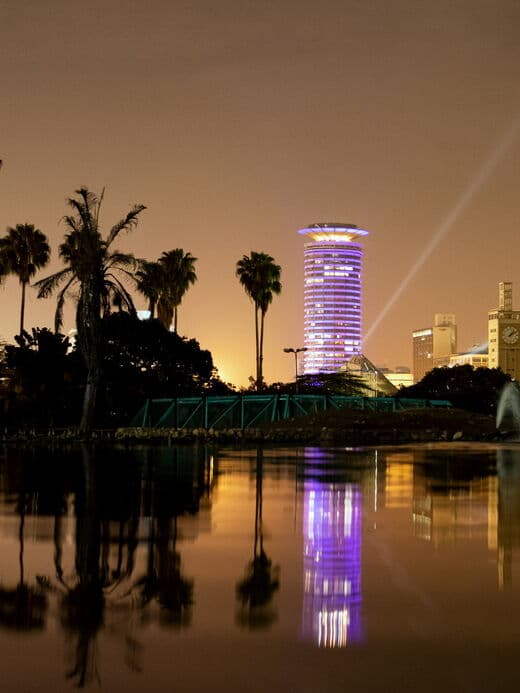
Nairobi holds the distinction of being the only capital city in the world with a national park within its boundaries. Picture this: skyscrapers forming the backdrop while giraffes and rhinos graze in the foreground. Nairobi National Park is an essential stop, especially if you have a short layover. The park opens at 6:00 AM, a game drive takes three to four hours, and you can still make your afternoon flight. It is the perfect way to squeeze in a safari experience when time is limited.
The Giraffe Centre offers the chance to feed endangered Rothschild giraffes from an elevated platform - their long tongues wrapping around pellets from your hand creates an unforgettable moment. Yes, it is a tourist attraction, but the giraffes are real, and the proceeds support genuine conservation efforts. The David Sheldrick Wildlife Trust operates a sanctuary for orphaned elephant calves. Visiting hours are strictly 11:00 AM to noon only, and advance booking through their website is required. Watching baby elephants drink milk from oversized bottles and play in mud baths is worth any logistical hassle.
The Karen Blixen Museum occupies the colonial-era farmhouse where the author of "Out of Africa" lived. Even if you have not read the book or seen the film, the property exudes atmosphere: a beautiful estate with views of the Ngong Hills that inspired so much of her writing. Bomas of Kenya presents an ethnographic village showcasing traditional dances and architecture from various Kenyan tribes. Time your visit to arrive by 2:30 PM when the main performance begins.
The Nairobi area offers excellent day-trip options. Lake Naivasha lies just an hour away - a freshwater lake where you can take boat rides among hippos and spot African fish eagles. From here, you can also access Hell's Gate National Park, one of the few parks where you can walk or cycle among zebras and giraffes without staying inside a vehicle. The dramatic landscape of Hell's Gate inspired the setting for the Lion King's Pride Lands.
Mount Longonot presents a volcanic crater you can summit in two to three hours. The views from the rim reward the effort, but bring plenty of water and start early - by midday the equatorial sun becomes punishing. Ol Pejeta Conservancy, about three hours north of Nairobi, is home to the last two northern white rhinos on the planet - both females named Najin and Fatu. This fact alone makes visiting profound, a stark reminder of how fragile our natural world has become. The conservancy also houses the largest sanctuary for chimpanzees in Kenya and offers excellent black rhino sightings.
Nairobi itself has evolved dramatically in recent years. The city now boasts excellent restaurants, vibrant nightlife, and a thriving arts scene. The Nairobi National Museum provides context for everything you will see on safari - the natural history exhibits explain ecosystems while the cultural galleries explore Kenya's ethnic diversity. The Railway Museum tells the fascinating story of the "Lunatic Express" - the railway built through lion-infested wilderness that opened Kenya to the modern world.
Masai Mara
The Masai Mara is not merely a national reserve - it is the iconic symbol of African safari. An extension of Tanzania's Serengeti ecosystem, the Mara offers the same wildlife density but with superior service and fewer crowds. The concentration of predators here ranks among the highest in Africa: lions, leopards, cheetahs, and hyenas all potentially visible within a single morning game drive.
The Great Migration arrives here from July through October. But even during other months, the Mara astounds: resident wildlife populations remain year-round. February and March bring the calving season - a tender yet dramatic period when predators become especially active pursuing vulnerable newborns. The Mara ecosystem supports approximately 3,000 lions - one of the largest populations anywhere - along with 200-300 cheetahs and significant populations of the elusive leopard.
The reserve divides into several zones. Central Mara is the most visited section, with the highest concentration of lodges and safari vehicles. The Mara Triangle, managed separately on the western side, sees fewer tourists and offers excellent views of the Mara River crossings. Private conservancies surrounding the reserve - Olare Motorogi, Mara North, Naboisho - deliver exclusive experiences: night game drives, walking safaris with Maasai guides, and guaranteed escape from crowds. These conservancies limit the number of beds available, ensuring a more intimate experience.
The Mara River crossing represents the climax of the migration. Thousands of wildebeest plunge into the water as crocodiles attack and the current sweeps away the weak. It is brutal and beautiful simultaneously. Witnessing a crossing requires patience and luck: herds may stand on the banks for hours before suddenly changing their minds. Experienced guides know the best vantage points and can read the behavior of the animals.
A hot air balloon flight over the Mara has become a classic experience, though an expensive one at $450 to $500 per person. Lifting off at dawn, floating over the savanna for an hour, then landing for a champagne breakfast - it creates memories that last a lifetime. Book well in advance, particularly during migration season when demand peaks. Multiple operators run flights daily, so availability usually exists even at short notice during shoulder season.
The Maasai people live around and within the Mara, maintaining their traditional pastoralist lifestyle while increasingly benefiting from tourism. Many lodges and camps are partially owned by Maasai communities, and nearly all safari guides in the region are Maasai. Their knowledge of the land, the animals, and the natural rhythms of the ecosystem adds immeasurably to the safari experience.
Amboseli
Amboseli means elephants and Kilimanjaro. This park hosts the largest elephant herds in Kenya, and they pose magnificently against the snow-capped peak of Africa's highest mountain. This image has become synonymous with the continent itself, and seeing it in person rather than in photographs proves genuinely moving.
The park is compact - you can cover all key areas in a single day. The Amboseli Swamp attracts wildlife year-round, remaining green and bustling with animals even during the driest months when surrounding lands turn to dust. Observation Hill provides panoramic views across the entire park and toward Kilimanjaro. The best time for photography is early morning when the mountain typically stands clear before afternoon clouds roll in to obscure the summit. Kilimanjaro creates its own weather system, so clear views are never guaranteed but are most likely between 6:00 and 9:00 AM.
The elephants of Amboseli rank among the most studied in the world. The Amboseli Trust for Elephants has worked here since 1972, and every elephant in the park is known by name. With luck, you might encounter one of the famous "Big Tuskers" - elephants with extraordinarily large tusks, of which fewer than 30 remain in all of Africa. These gentle giants have become celebrities among wildlife enthusiasts, and dedicated tusker-tracking safaris have become a specialty of the region.
Maasai communities live along the park boundaries and welcome visitors to their villages (called manyattas). For $20 to $30 per person, you witness traditional jumping dances, tour a home constructed from mud and branches, and hear stories of life in the shadow of Kilimanjaro. Yes, this has become a tourist business, but it remains culturally fascinating and provides income to local communities. The Maasai relationship with wildlife - traditionally one of coexistence rather than conflict - offers lessons for conservation efforts worldwide.
Beyond elephants, Amboseli hosts good populations of lions, cheetahs, giraffes, zebras, and wildebeest. The park is particularly famous for its birds - over 400 species have been recorded, including various pelicans, herons, and the colorful lilac-breasted roller that has become something of an unofficial Kenyan mascot.
Tsavo: East and West
Tsavo constitutes the largest national park in Kenya, split into two sections by the Nairobi-Mombasa railway. Together, they cover nearly 22,000 square kilometers - larger than some countries. Tsavo East spreads across flat plains with distinctive red earth and sees fewer visitors. Tsavo West rises into hills and features lush vegetation plus the remarkable Mzima Springs, where an underwater viewing chamber allows you to watch hippos glide through crystal-clear water.
Tsavo is famous for its "red elephants" - the animals coat themselves in red dust, which acts as sunscreen and parasite protection. This park also witnessed the infamous "Man-Eaters of Tsavo" - two lions that killed dozens of railway workers in 1898. Their story inspired the film "The Ghost and the Darkness," and their taxidermied bodies still reside in Chicago's Field Museum. The lions' unusual behavior - hunting humans when prey was plentiful - has never been fully explained and continues to fascinate researchers.
Tsavo combines perfectly with the coast: Mombasa sits just a couple of hours from the park entrance. You can easily incorporate a safari on your way to or from the beach. The Madaraka Express train stops at Voi, the town situated between the two park sections, making public transport integration convenient.
Lugard Falls on the Galana River is not quite a waterfall but rather a series of rapids where water has carved bizarre channels through the rock. The spectacle becomes especially impressive after rains. Mudanda Rock stretches for nearly a mile, and elephants gather beneath it during dry season to access water trapped in the rock's crevices. It makes an excellent observation point. The Aruba Dam provides another wildlife gathering spot, particularly productive for photography in the dry months.
For visitors seeking a wilder, less manicured safari experience, Tsavo delivers. The vegetation is denser than in the Mara, making animal spotting more challenging but also more rewarding when you succeed. The sense of wilderness here feels more profound - you can drive for hours without seeing another vehicle.
The Rift Valley Lakes
The Great Rift Valley - a geological fracture stretching from Syria to Mozambique - created a chain of lakes across Kenya, each with its own distinct character. This massive fault line, visible from space, creates dramatic escarpments and has filled with both freshwater and alkaline lakes over millions of years.
Lake Nakuru once turned pink with millions of flamingos. Rising water levels have caused many flamingos to relocate to other lakes, but Nakuru remains an excellent destination for rhino sighting - over 100 of both black and white species live here, making it one of the best places in Africa to see these endangered animals. The park is compact enough to see everything in half a day. Lions have adapted to climb trees here - an unusual behavior worth seeking out.
Lake Bogoria has become the primary flamingo destination. Thousands of birds against a backdrop of geysers and hot springs create a surreal landscape. The lake is alkaline, so swimming is impossible, but natural hot spring pools nearby offer a geothermal soak. The combination of pink flamingos, steaming vents, and dramatic cliff backdrops creates otherworldly photographic opportunities.
Lake Naivasha provides freshwater habitat teeming with hippos and birds. You can take boat rides here, walk among giraffes and antelope on Crescent Island, and visit nearby Hell's Gate. Restaurants and hotels of varying quality line the shore. The lake's ecosystem supports a significant flower industry - Kenya exports roses and other cut flowers worldwide, and many farms around Naivasha welcome visitors.
Lake Elementaita is a small alkaline lake between Nakuru and Naivasha. It sees fewer tourists, has quality lodges, and regularly hosts flamingo populations. The Soysambu Conservancy surrounding the lake offers walking safaris and an escape from the more crowded Nakuru.
Lake Baringo lies farther north in the valley - a freshwater lake where crocodiles and hippos live, and unique bird species inhabit the islands. This destination suits travelers seeking to escape the crowds. The Njemps people who live around the lake have fished its waters for generations and offer cultural insights into a lifestyle quite different from the pastoralist Maasai.
Samburu and Northern Kenya
Northern Kenya feels like a different country entirely: arid, wild, and rarely visited. Samburu, Buffalo Springs, and Shaba - three reserves along the Ewaso Ng'iro River - harbor animals found nowhere else in Kenya. The landscape shifts dramatically from the green highlands to semi-desert scrubland, creating habitats for specialized species.
The "Samburu Special Five" refers to endemic species of this region: the reticulated giraffe (with geometric patterns rather than irregular patches), Grevy's zebra (the largest and rarest zebra species), the beisa oryx (an antelope with long straight horns), the gerenuk (a giraffe-necked gazelle that feeds standing on its hind legs), and the Somali ostrich (with blue legs rather than pink). All five can realistically be spotted in a single day. This unique wildlife assemblage makes Samburu essential for serious safari-goers.
The Samburu people are close relatives of the Maasai but with more colorful ornamentation and distinct traditions. Women wear elaborate layered necklaces, while warriors (morans) sport red wraps and long braided hair covered in red ochre. Village visits here feel more authentic than those in heavily touristed southern areas. The Samburu have traditionally lived alongside predators, losing cattle to lions as an accepted part of their existence - a coexistence increasingly rare in modern Africa.
Saruni Samburu ranks among the finest lodges in the region, featuring an infinity pool perched on a cliff with endless savanna views. Elephant Bedroom Camp offers tented accommodation along the river where elephants walk directly past your tent. The lodges in this region tend toward the luxury end, though mid-range options exist in and around Buffalo Springs.
The remote Matthews Range and Ndoto Mountains further north offer even more adventurous possibilities for travelers willing to venture off the beaten path. Camel trekking through these wild landscapes provides a completely different safari experience.
Mount Kenya
Mount Kenya stands as Africa's second-highest peak at 5,199 meters (17,057 feet), though it presents more technical climbing challenges than Kilimanjaro. The main summit, Batian, requires serious mountaineering skills, but Point Lenana at 4,985 meters (16,355 feet) is accessible to any reasonably fit person willing to put in the effort.
Three primary routes lead to the summit: Sirimon (the most popular, taking 4 days), Chogoria (the most scenic, requiring 5 days), and Naro Moru (the fastest at 3 days, but steep and demanding). Many trekkers combine routes, ascending via one and descending via another. The Chogoria route in particular offers stunning views of gorges, tarns, and unusual vegetation.
Landscapes transform dramatically with altitude: tropical rainforest gives way to bamboo thickets, then to moorland heather, then to alpine desert, and finally to glaciers. Giant lobelias and senecios (tree groundsels) create an otherworldly landscape that seems borrowed from science fiction. These bizarre plants, some growing several meters tall, exist only in the high mountains of East Africa.
Altitude sickness is a genuine concern: Point Lenana sits at nearly 5,000 meters, which is serious altitude. Proper acclimatization is essential. Do not attempt the summit in just two days - you risk your health and will likely suffer from acute mountain sickness. Most successful treks build in extra acclimatization days.
The national park surrounding the mountain hosts buffalos, elephants, and rare bongo antelope. Some lodges at lower elevations offer horseback safaris and trout fishing. The mountain's forests are also home to the striking black-and-white colobus monkey.
The Indian Ocean Coast
The Kenyan coast stretches for 500 kilometers (310 miles) of beaches, coral reefs, and Swahili culture. Here Africa meets Arabia and India: a thousand years of spice trade and human trafficking left behind a unique cultural fusion that persists today. The coast offers a perfect complement to safari - relaxation after adventure.
Mombasa serves as the country's second city and East Africa's principal port. The Old Town forms a labyrinth of narrow streets lined with Arab architecture, intricately carved wooden doors, and ancient mosques. Fort Jesus, built by the Portuguese in the sixteenth century, holds UNESCO World Heritage status. The giant Tusks - aluminum arches spanning the main road - have become the city's symbol. The Old Town rewards aimless wandering: spice markets, antique shops, and hidden courtyards reveal themselves to curious explorers.
Diani Beach represents the main beach resort area, located 30 kilometers (19 miles) south of Mombasa. White sand, turquoise water, and palm trees deliver the postcard-perfect tropical scene. Infrastructure is well developed: hotels range from budget to five-star, and you will find restaurants, diving centers, and kitesurfing schools. In the forest behind the beach, black-and-white colobus monkeys swing through the trees. The Colobus Conservation organization runs tours and educational programs.
Watamu offers a quieter alternative to Diani, with a marine park and excellent snorkeling. Bio-Ken Snake Farm houses an impressive collection of East African snakes. The Gede Ruins preserve a thirteenth-century Swahili city being slowly reclaimed by jungle - exploring the ruined palaces and mosques evokes the great trading civilization that once flourished here.
Malindi is an ancient port where Vasco da Gama once anchored. Today it attracts many Italian tourists and features numerous Italian restaurants. The Vasco da Gama Cross on the promontory ranks among the oldest European monuments in Africa. The town has a more local feel than the resort strips to the south.
Lamu represents an archipelago where time has stopped. No cars exist here - only donkeys and traditional dhow boats. Lamu Old Town holds UNESCO World Heritage status as the best-preserved Swahili settlement. This is a predominantly Muslim area, so women should dress modestly with shoulders and knees covered. The Lamu Cultural Festival in November brings the islands alive with dhow races, donkey races, and Swahili music. The pace of life here is genuinely different - Lamu teaches you to slow down in ways that benefit the soul.
Western Kenya and Lake Victoria
Western Kenya receives the fewest tourists but holds its own appeal. Kisumu is the main city on Lake Victoria's shore, Kenya's third-largest urban center. The Impala Sanctuary on the outskirts provides a small park with impala and lake views. The city itself offers insight into Kenyan urban life away from the tourist circuit.
Kakamega Forest represents the last remnant of the tropical rainforest that once covered all of equatorial Africa. Some 400 bird species live here, along with monkeys and chameleons. Walking trails and guided night walks reveal the forest's secrets. The atmosphere differs completely from savanna parks - this is jungle, dark and mysterious, alive with sound.
Ruma National Park is the only place in Kenya where you can find roan antelope. The park also hosts rare grey crowned cranes and leopards. Few visitors make it here, ensuring a genuine wilderness experience.
Lake Victoria is the world's second-largest freshwater lake. Fishing for Nile perch, spectacular sunsets, and islands with fishing villages await. This is not a tourist region - it is authentic Africa without the polish. The lake's ecology has been devastated by the introduction of Nile perch, which has eliminated many native species, but efforts are underway to restore balance.
National Parks and Reserves: What Makes Them Unique
Kenya contains over 50 national parks, reserves, and conservancies. Understanding the distinction matters: in national parks (managed by the Kenya Wildlife Service), you cannot walk on foot, exit your vehicle, or conduct night game drives. In private conservancies and some reserves, these restrictions are lifted, enabling a more intimate wildlife experience.
Top Parks for First-Time Visitors
The Masai Mara stands as the undisputed number one. Here you are virtually guaranteed to see lions, elephants, giraffes, hippos, and crocodiles. During migration season, you witness millions of wildebeest. The downside is popularity: during peak months, vehicle congestion can become significant, particularly at river crossings and big cat sightings.
Amboseli appeals to those seeking elephants and the iconic African image of wildlife beneath Kilimanjaro. Compact in size, you can see everything in two days. The elephant populations here are remarkably relaxed around vehicles, enabling excellent photography.
Lake Nakuru offers rhinos, flamingos (when water levels cooperate), and convenient logistics. It works perfectly as a stop on the route between Nairobi and the Mara. Tree-climbing lions add an unusual twist.
Samburu suits repeat visitors or those wanting something different from the "standard" safari. Endemic wildlife, Samburu culture, and far fewer tourists create a distinctive experience. The harsh beauty of the northern desert landscape appeals to those seeking something beyond green savanna.
For Experienced Safari-Goers
Meru National Park is where Elsa the lioness from "Born Free" lived. Wild, rarely visited, and scenically beautiful, it has rough roads but delivers an authentic wilderness atmosphere. The park has recovered dramatically from poaching pressures that once devastated its wildlife populations.
The Laikipia Plateau encompasses private ranches and conservancies between Nairobi and Samburu. Ol Pejeta, Lewa, and Solio concentrate more rhinos than anywhere else in East Africa. These private conservancies pioneered many of the conservation techniques now used across Africa.
The Chyulu Hills form a volcanic range between Amboseli and Tsavo. Landscapes resembling Mars, lava tubes, and Kilimanjaro views await - yet few visitors make the effort to reach here. Underground cave systems extend for miles.
Mount Elgon rises on the Uganda border. Caves where elephants come to lick salt (Kitum Cave), waterfalls, and hiking trails make it worthwhile. This area sees almost no tourists, offering genuine solitude.
Park Entry Fees
Entrance fees to Kenyan national parks rank among the highest in Africa. 2026 prices for non-residents:
- Masai Mara: $200 USD per day for international visitors
- Amboseli: $60 USD per day
- Lake Nakuru: $60 USD per day
- Nairobi National Park: $60 USD per day
- Tsavo East/West: $52 USD per day
- Samburu/Buffalo Springs: $70 USD per day
- Mount Kenya: $52 USD per day
- Hell's Gate: $26 USD per day
Children under 12 receive a 50% discount. East African residents pay significantly lower rates in Kenyan shillings. These fees fund conservation and anti-poaching efforts.
The Kenya Wildlife Service Smart Card is the electronic payment system for park entry. You can purchase it online or at park gates. Most parks no longer accept cash payment - the card system is mandatory. The system can occasionally experience technical glitches, so allow extra time at park gates.
When to Visit Kenya
Seasons
Kenya straddles the equator, so there is no traditional winter or summer. Instead, the year divides into rainy and dry periods:
Long Rains (April-May): This is the wettest period. Many lodges close, roads become muddy or impassable, but prices drop to their lowest. Wildlife disperses across the landscape, making game viewing more challenging. However, the landscape transforms into lush green, and migratory birds arrive in huge numbers.
Long Dry Season (June-October): This is peak safari time. Grass is short, animals concentrate around water sources, and visibility is excellent. July through October brings the Great Migration to the Masai Mara. Expect peak prices and maximum crowds. Book accommodation many months in advance for this period.
Short Rains (November): Brief afternoon showers are typical. Landscapes turn green, tourist numbers drop, and prices become more reasonable. This is an excellent shoulder season for those flexible with dates.
Short Dry Season (December-March): An excellent time to visit. Fewer tourists than during the June-October peak, but generally good weather. February and March bring the calving season in the Mara and Serengeti - a dramatic time when predators become especially active. The Christmas and New Year period sees a spike in visitors and prices.
By Region
The Coast: Hot year-round (77-90F / 25-32C). Best months are January-February and September-October. April-May brings monsoons and murky water. The coast receives more rain than inland areas but benefits from cooling sea breezes.
Nairobi and the Highlands: Pleasant climate year-round (59-77F / 15-25C). Nights can be cool, so pack a jacket. The highland climate makes Nairobi one of the most comfortable African capitals.
Northern Kenya: Hot and dry most of the year. Avoid March-April (dust storms) and November (rains wash out roads). Temperatures can exceed 100F (38C) during the hottest months.
Holidays and Events
The Great Migration (July-October): The main event of the year. Book 6-12 months in advance for prime lodges. The exact timing of river crossings is unpredictable - nature does not follow schedules.
Lamu Cultural Festival (November): Dhow races, donkey races, Swahili music, and cultural celebrations. This is the best time to experience the unique Swahili culture of the coast.
Maralal International Camel Derby (August): Camel races in northern Kenya. Anyone can participate - visitors regularly enter and occasionally win.
Safari Rally (June): A World Rally Championship stage. Professional drivers race through Kenyan roads - an epic spectacle for motorsport fans. The rally has been held since 1953, making it one of the oldest in the world.
Rhino Charge (June): An off-road rally that raises funds for rhino conservation. This is not a race for speed but for navigation skill through challenging terrain.
How to Get to Kenya
International Airports
Jomo Kenyatta International Airport (NBO) in Nairobi serves as East Africa's main aviation hub. Direct flights arrive from London (8.5 hours), Amsterdam, Paris, Frankfurt, Dubai (5 hours), Doha, Istanbul, and Mumbai. Airlines serving Nairobi include Kenya Airways, British Airways, KLM, Emirates, Qatar Airways, and Turkish Airlines.
Moi International Airport (MBA) in Mombasa caters to those heading directly to the beach. Charter flights arrive from Europe (especially Italy and Germany), along with scheduled service from Dubai and Nairobi. Flying directly to Mombasa saves the overland journey from Nairobi if beach time is your priority.
From the United States
No direct flights connect the United States to Kenya. The most convenient routing options include:
- Via London: British Airways or Kenya Airways from major US hubs through Heathrow. Total travel time approximately 16-18 hours. This routing often offers the best combination of schedule convenience and price.
- Via Amsterdam: KLM offers excellent connections through Schiphol. Total time approximately 16-17 hours. The Amsterdam airport is efficient for connections.
- Via Middle East: Emirates through Dubai, Qatar Airways through Doha, or Etihad through Abu Dhabi. These routings often prove most competitive on price. Total time 18-22 hours depending on connection. Middle Eastern carriers offer excellent service.
- Via Addis Ababa: Ethiopian Airlines offers the most extensive African network and competitive pricing, though connections can be lengthy. Ethiopian is part of Star Alliance.
Expect to pay $1,200-$2,000 round-trip from the East Coast, $1,400-$2,200 from the West Coast in economy class. Business class tickets typically run $4,000-$8,000 depending on season and routing. Premium economy, where available, offers a middle ground around $2,500-$4,000.
From the United Kingdom
Direct flights from London to Nairobi take approximately 8.5 hours. British Airways and Kenya Airways operate daily service from Heathrow. Expect to pay 400-700 GBP round-trip in economy, more during school holidays and August. Virgin Atlantic has also entered this route periodically.
Budget options: Connections through Istanbul (Turkish Airlines) or Cairo (EgyptAir) often yield lower prices. Ethiopian Airlines via Addis Ababa is another economical choice. These routings add 3-6 hours to total journey time but can save significantly on fares.
From Australia
No direct flights exist from Australia to Kenya. The most practical routing options include:
- Via Dubai: Emirates from Sydney, Melbourne, Brisbane, or Perth through Dubai to Nairobi. Total time approximately 20-22 hours. Emirates offers a seamless connection with excellent service.
- Via Doha: Qatar Airways offers similar routing through their hub. The new Doha airport is excellent for connections.
- Via Johannesburg: South African Airways or Qantas codeshares through Johannesburg. This routing allows combining Kenya with South Africa for a two-country African adventure.
- Via Singapore: Various options connecting in Singapore and then through Middle Eastern hubs. This can work well for eastern Australian cities.
Expect to pay AUD 2,000-3,500 round-trip in economy class. The long journey makes business class particularly appealing for those who can afford it - lie-flat seats make the difference on 20+ hour itineraries.
Entry Requirements
Since 2024, Kenya has implemented the Electronic Travel Authorization (ETA) system, replacing the previous eVisa. Applications are submitted online at etakenya.go.ke. The fee is $30 USD. Processing typically takes 1-3 days, though applying a week in advance is recommended. The ETA is valid for 90 days from issuance, permitting stays of up to 90 days.
For US Citizens: Americans require an ETA. The process is straightforward - complete the online application, pay the fee, and receive approval via email. At the border, officials may ask to see your return ticket and hotel booking. No visa required for stays under 90 days with an approved ETA.
For UK Citizens: British passport holders also require an ETA through the same online system. Processing and requirements are identical. The ETA replaced the previous visa-on-arrival system.
For Australian Citizens: Australians need an ETA as well. Same process, same fee, same straightforward approval. Allow a few extra days for processing to be safe.
For Canadian Citizens: Canadians require an ETA. No additional complications for Canadian passport holders. The process mirrors that for other Commonwealth citizens.
All travelers should ensure their passport has at least six months validity from the date of entry and at least two blank pages for stamps. Yellow fever vaccination certificates may be required if arriving from endemic countries.
Getting Around Kenya
Domestic Flights
For safari itineraries, domestic flights often make the most sense. Flying from Nairobi to Masai Mara takes 45 minutes versus 5-6 hours by road. Wilson Airport in Nairobi serves as the hub for small aircraft. The experience of landing on a dirt airstrip in the bush is memorable in itself.
The main domestic carriers include Safarilink (the largest network), AirKenya, and Fly540. Luggage restrictions apply: typically 15 kg (33 lbs) in a soft-sided bag. Rigid suitcases will not fit in small bush planes - pack accordingly. Most lodges can arrange laundry service, so you can pack lighter than you might think.
Prices: Nairobi to Masai Mara runs $180-280 USD one-way. Nairobi to Lamu starts around $150 USD. Nairobi to Mombasa runs $100-150 USD. Book in advance, especially during peak season when seats fill quickly. Many safari packages include domestic flights in their pricing.
The Madaraka Express (SGR Train)
The modern Chinese-built train between Nairobi and Mombasa represents the most comfortable ground transport option. The 472 km (293 miles) journey takes 4.5 to 6 hours depending on whether you take the express or stopping service. The train runs through Tsavo National Park - keep your camera ready for wildlife sightings from the window.
2026 Schedule:
- Express: Departs 3:00 PM, arrives approximately 8:00 PM
- Inter-County: Departs 8:00 AM with stops at Athi River, Emali, Kibwezi, Mtito Andei, Voi, and Mariakani
- Night Express: Departs 10:00 PM, arrives 3:35 AM
Classes and Prices:
- Economy: 1,500 KSh (approximately $12 USD) - standard seats, quite comfortable
- First Class: 3,000 KSh (approximately $24 USD) - wider seats, more legroom
- Premium (express only): Up to 12,000 KSh - business class service
Booking: Online only at metickets.krc.co.ke. Payment accepts M-Pesa or credit cards. Tickets sell out quickly, especially for weekend travel - book several days ahead. International credit cards sometimes encounter issues on the website; M-Pesa proves more reliable for payment. A snack bar car sells food and drinks during the journey.
Nairobi Terminus station is located in Syokimau, far from the city center. A taxi to downtown costs 1,000-1,500 KSh. In Mombasa, the station is in Miritini, still an hour's drive from Diani Beach. Factor in these transfer times when planning connections.
Car Rental
Renting a car in Kenya suits the experienced and adventurous. Driving is on the left (British system). Roads vary from excellent (main highways) to horrendous (dirt tracks in parks). During the rainy season, many roads become impassable without 4WD.
For safari parks, four-wheel drive is mandatory. A regular sedan only works for paved roads between cities. Even in a 4x4, some park roads become problematic during heavy rains.
Rental Companies: International brands (Avis, Hertz, Europcar) and local companies. Local operators charge less but have older vehicles. Hiring a car with a driver often proves the best option - the driver knows the roads, the language, and where to find wildlife. This also means you can focus on the experience rather than navigation.
Prices: From $40-60 USD per day for a sedan, $80-150 USD per day for a 4WD Land Cruiser. With a driver, add $50-80 USD per day (which covers their accommodation and meals). For extended trips, negotiate a package rate.
Documentation: An international driving permit is required for tourists. Check insurance terms carefully, especially regarding coverage on dirt roads. Some rental agreements exclude coverage for off-road driving.
Fuel: Approximately 180-200 KSh per liter ($1.40-1.60 USD per liter, or roughly $5.30-6.00 per gallon). Gas stations exist in towns but are rare inside parks - fill up before entering. Always carry extra water and basic supplies when driving in remote areas.
Taxis and Ride-Sharing
Uber and Bolt operate in Nairobi, Mombasa, and Kisumu. They are more reliable and cheaper than traditional taxis. Payment can be cash or M-Pesa (linking an international credit card to Uber works but sometimes glitches). Both apps show fare estimates before you book.
Little Cab is a Kenyan alternative with a "Lady Bug" option (female driver for female passengers). This addresses safety concerns that some women travelers may have.
Traditional taxis: Negotiate the price before getting in. Meters either do not exist or are "broken." Reasonable prices: From Nairobi airport to city center, expect 2,000-3,000 KSh. Within the city, short trips run 300-800 KSh. Always confirm the price before departure to avoid disputes.
Matatus
Matatus are minibuses serving as the main transport for locals. Cheap (20-50 KSh within cities) but chaotic: no fixed stops, drivers take risks, music blasts at full volume. For tourists, they represent adventure more than practical transport. The colorful decorations and booming sound systems are part of Kenyan pop culture. Intercity routes prove more comfortable: larger buses with air conditioning (Easy Coach, Modern Coast) cover longer distances.
Boda-Bodas
Motorcycle taxis offer a fast way to cut through Nairobi traffic. But they carry risk: helmets are not always provided, traffic rules are ignored. If you decide to use one, negotiate the price, hold on tight, and avoid visibly intoxicated drivers. For short urban trips when traffic is gridlocked, they can be practical despite the risks.
Cultural Code
Languages
The official languages are English and Swahili. English is used in business, education, and tourism. Most Kenyans in urban areas speak enough English for easy communication. This makes Kenya one of the most accessible African destinations for English speakers.
Swahili serves as the everyday language. A few phrases will earn you smiles and goodwill:
- Jambo (JAM-bo) - Hello (slightly tourist-oriented greeting)
- Habari (ha-BAR-ee) - How are you? (more local)
- Mzuri (m-ZOO-ree) - Good / Fine
- Asante (ah-SAN-tay) - Thank you
- Asante sana (ah-SAN-tay SAH-na) - Thank you very much
- Hakuna matata - No worries
- Karibu (kah-REE-boo) - Welcome
- Kwaheri (kwa-HEH-ree) - Goodbye
- Pole pole (POH-lay POH-lay) - Slowly slowly (a life philosophy)
- Tafadhali (tah-fah-DAH-lee) - Please
- Ndiyo (n-DEE-yo) - Yes
- Hapana (ha-PAH-na) - No
Tipping
Tips are expected but not legally required. Guidelines:
- Restaurants: 10% if service charge is not included
- Safari guides: $15-20 USD per day per vehicle (split between guide and driver)
- Lodge staff: $10-15 USD per day per room (placed in a communal tip box)
- Hotel porters: $1-2 USD per bag
- Taxi drivers: Round up to the nearest convenient amount
- Spa therapists: 10-15% of treatment cost
Tips can be given in local currency or US dollars (but only bills from 2013 or newer - older notes are refused due to counterfeiting concerns).
What to Know
Photography: Always ask permission before photographing people, especially the Maasai, who typically expect payment (100-500 KSh). You cannot photograph the presidential palace, military installations, or police officers. Photographing wildlife is unrestricted.
Dress Code: In cities, Western attire is normal. On the coast and in Lamu, dress more conservatively: women should cover shoulders and knees in these predominantly Muslim areas. On safari, wear neutral colors (khaki, gray, green) as bright colors can disturb wildlife. Red should be avoided as some animals, particularly buffalo, may react to it.
Religion: Kenya is predominantly Christian (about 80%), but the coast is largely Muslim. During Ramadan, coastal restaurants may close during daylight hours. Churches and mosques welcome visitors but ask for modest dress.
LGBTQ+ Travelers: Homosexuality is technically illegal in Kenya (punishable by up to 14 years imprisonment), though laws are rarely enforced against tourists. Public displays of same-sex affection are not advisable. Many Kenyans hold conservative views on this topic. Exercise discretion.
Left Hand: Do not pass items or eat with your left hand - it is considered unclean across much of Africa. This is a cultural norm that applies in both formal and casual settings.
Bargaining
At markets and souvenir shops, bargaining is expected. The initial asking price may be 3-5 times the fair price. Negotiate with a smile, not aggressively. A good outcome is a 30-50% discount from the opening offer. Start by offering about a third of the asking price and work toward a middle ground. Walking away often brings the price down further. Fixed prices exist only in supermarkets and established shops.
Safety in Kenya
Overall Situation
Kenya is safer than its reputation suggests. Millions of tourists visit each year without incident. But common sense remains essential - this is not Switzerland.
Nairobi has earned the nickname "Nairobbery" (from robbery). This is an exaggeration, but caution is warranted. Do not walk through the city center after dark. Avoid the Eastleigh, Kibera, and Mathare neighborhoods. Westlands, Karen, and Lavington are safe areas with restaurants and shopping malls. Most hotels can arrange safe transportation.
Mombasa: The Old Town is safe during the day but empties out in the evening. Beach areas (Diani, Watamu) are generally peaceful, though petty theft does occur. Do not walk on the beach after dark.
Terrorism
The terrorism threat exists, particularly near the Somalia border. Areas east of Garissa are high-risk zones - tourists have no reason to go there. Lamu was previously considered risky but is now safe (with visible military presence). Shopping malls in Nairobi increased security following the Westgate attack in 2013 and the Dusit Hotel attack in 2019. You will encounter bag checks and metal detectors at malls, hotels, and restaurants.
Common Scams
Taxis: Inflated prices, "broken" meters, circuitous routes. Solution: Use Uber or Bolt, or agree on a price before getting in.
Fake Tickets: Online scammers sell counterfeit train and flight tickets. Purchase only from official websites (metickets.krc.co.ke for trains).
Card Skimming: ATMs in Nairobi's CBD and Mombasa markets have been targeted with skimming devices. Use ATMs inside banks and shopping malls. Cover the keypad when entering your PIN.
Beach Vendors: In Mombasa, vendors may offer "free" boat trips, then demand payment for "equipment" afterwards. Agree on a complete price beforehand, preferably in writing.
Airport "Helpers": People in pseudo-uniforms offer to help with luggage or taxis, then demand outrageous tips. Politely decline.
Fake Safari Operators: Book safaris through established companies or hotels. Verify online reviews before paying deposits. If a deal seems too good to be true, it probably is.
Common Sense
- Do not display expensive electronics on the street
- Carry copies of documents; leave originals in the hotel safe
- Do not walk alone after dark
- Do not get into unmarked vehicles
- Inform your hotel of your plans
- Register with your embassy (for US citizens: step.state.gov)
- Keep valuables in hotel safes
- Be cautious about new "friends" who approach you in tourist areas
Emergency Numbers
- Police: 999 or 112
- Ambulance: 999
- Nairobi Tourist Police: +254 20 2714395
- US Embassy Nairobi: +254 20 363-6000
- UK High Commission Nairobi: +254 20 287 3000
- Australian High Commission: +254 20 427 7100
- Canadian High Commission: +254 20 366 3000
Health and Medical Considerations
Vaccinations
Required: Yellow fever vaccination is required if you are arriving from an endemic country (most African nations). If flying directly from the US, UK, or Australia, it is not required but still recommended. Some travelers carry the certificate regardless to avoid potential issues at borders.
Recommended:
- Hepatitis A and B
- Typhoid
- Tetanus/Diphtheria (if not recently updated)
- Rabies (if planning contact with animals or extended rural travel)
- Polio booster (for some travelers)
Consult a travel medicine clinic 4-6 weeks before departure for personalized advice. They will review your itinerary and provide specific recommendations.
Malaria
Malaria exists throughout Kenya except Nairobi and highland areas above 2,500 meters (8,200 feet). The coast and western Kenya pose the highest risk. Masai Mara and Amboseli carry moderate risk.
Prevention:
- Antimalarial medication: Malarone (atovaquone/proguanil), doxycycline, or mefloquine. Start taking before departure (timing depends on medication). Malarone has the fewest side effects for most people.
- Insect repellent with 30-50% DEET
- Long sleeves and pants at dusk and dawn when mosquitoes are most active
- Sleep under mosquito nets (most lodges provide them)
Malaria symptoms (fever, chills, headache) may appear weeks after a bite. If you develop fever after returning home, seek medical attention immediately and inform the doctor you were in Africa. Prompt treatment is essential.
Food and Water
Do not drink tap water. Stick to bottled or boiled water only. Ice in good restaurants is typically safe, but street ice carries risk. Brush teeth with bottled water to be extra cautious.
Street food: Eat at your own risk. Choose places where food is cooked fresh in front of you and where many locals are eating. Meat should be cooked thoroughly. Wash vegetables and fruits with bottled water or peel them. In quality restaurants and lodges, food safety standards are generally high.
Medical Infrastructure
Nairobi has excellent private hospitals: Nairobi Hospital, Aga Khan Hospital, and Karen Hospital. Quality approaches European standards, but costs are high. English-speaking doctors are readily available.
In parks and on the coast, medical facilities are limited. Serious cases are evacuated to Nairobi by helicopter (if your insurance covers it). Remote lodges typically have first aid kits and staff trained in basic emergency response.
Travel insurance is essential. Ensure it covers medical evacuation. AMREF Flying Doctors is a local air ambulance service - you can purchase tourist membership for $25-50 USD, which provides emergency air evacuation from remote areas. This is highly recommended for safari travelers.
Pharmacies
Pharmacies are common in cities. Many medications sell without prescription. Basic medicines (acetaminophen, Imodium, antihistamines) are readily available. Bring specialized medications from home, along with a doctor's note explaining them.
Sun and Altitude
Equatorial sun burns quickly. SPF 50 sunscreen, a hat, and sunglasses are essential. Reapply sunscreen frequently, especially during game drives when you may not realize how much sun exposure you are receiving. On Mount Kenya, altitude sickness becomes real above 3,000 meters (10,000 feet). Ascend gradually and drink plenty of water.
Money and Budget
Currency
The Kenyan Shilling (KES or KSh) is the local currency. 2026 exchange rates: approximately 130-140 KSh per 1 USD, approximately 160-175 KSh per 1 GBP, approximately 85-95 KSh per 1 AUD.
US dollars are widely accepted in tourist areas (hotels, safari operators), but shillings are needed for everyday expenses. Important: Only US dollar bills from 2013 or newer are accepted. Older bills will be refused due to counterfeiting concerns. Bring clean, undamaged bills.
Where to Exchange Money
Banks: Reliable but slow, with commission charges. Forex bureaus: Best rates, fast service, found in city centers and airports. Airport rates are worse - exchange only enough for immediate expenses upon arrival.
ATMs: Available throughout cities. Dispense shillings. Withdrawal limits typically 40,000-60,000 KSh per transaction. Bank fees run 200-350 KSh per withdrawal, plus whatever your home bank charges. Notify your bank of travel plans to avoid card blocks.
Cards
Visa and Mastercard are accepted at hotels, restaurants, supermarkets, and gas stations. Small shops and markets are cash only.
American Express: Rarely accepted. UnionPay: Works at some ATMs. Discover: Generally not accepted.
Contactless payment functions in some locations but is not universal. Having cash as backup is always advisable.
M-Pesa
M-Pesa is the mobile payment system that all of Kenya uses. You can pay at shops, restaurants, taxis, and transfer money. For tourists, setting up M-Pesa is difficult (requires a Kenyan SIM with registration), but Uber and Bolt accept it for payment. If you manage to set up M-Pesa, it simplifies many transactions.
Budget Categories
Budget ($80-120 USD per day per person):
- Hostels and guesthouses: $15-30 USD
- Food at local cafes: $4-10 USD per meal
- Transport: Matatus, buses
- Safari: Group tours departing from Nairobi, camping options
Mid-Range ($250-500 USD per day per person):
- 3-4 star hotels: $100-180 USD
- Restaurants: $20-40 USD per meal
- Taxis and Uber
- Safari: Private vehicle with guide, mid-range lodges
Luxury ($600-2,500+ USD per day per person):
- Private conservancy lodges: $600-2,500 USD (all-inclusive)
- Domestic flights between parks
- Private guides, hot air balloons, helicopter transfers
- Premium experiences and exclusive access
How to Save Money
- Join group safaris instead of private tours (savings of 50-70%)
- Travel during rainy season (April-May, November) for discounts up to 40%
- Tsavo and Amboseli cost less than Masai Mara
- Take the train instead of flying to Mombasa
- Eat local food instead of hotel restaurants
- Stay in towns outside park boundaries rather than inside parks
- Book directly with lodges rather than through international agents
Sample Itineraries
7 Days: Kenya Highlights
The ideal first visit: major highlights without rushing.
Day 1: Arrival in Nairobi
Arrive at Jomo Kenyatta Airport. If you land in the morning, visit the Giraffe Centre and David Sheldrick Elephant Orphanage (before noon). If arriving in the afternoon, rest at your hotel. Evening dinner at Carnivore restaurant (grilled meats including exotic varieties). Overnight in Nairobi (Karen or Westlands neighborhoods).
Day 2: Nairobi to Lake Nakuru
Early departure (7:00 AM). Three hours to Lake Nakuru. Stop at the Great Rift Valley viewpoint along the way for panoramic photos. Afternoon game drive in the park: rhinos, buffalo, baboons, possibly flamingos. Look for tree-climbing lions - an unusual behavior. Overnight at a lodge near the lake.
Day 3: Lake Nakuru to Masai Mara
Morning game drive in Nakuru (dawn is best for photography). Drive to Masai Mara (5-6 hours, partly on dirt roads - bring patience and a good book). Evening game drive at sunset. First glimpses of the legendary Mara. Overnight in a lodge or tented camp.
Day 4: Full Day in Masai Mara
Morning game drive (6:00-10:00 AM): Lions are most active at dawn. Search for the Big Five. Return to lodge for breakfast and rest during the heat of midday. Afternoon game drive (4:00-7:00 PM): Sunset over the savanna. Optional: Visit a Maasai village ($30-40 USD). Overnight in the Mara.
Day 5: Masai Mara to Amboseli
Early morning game drive, then drive to Amboseli (6-7 hours via Narok and Nairobi bypass). The journey is long but the changing landscapes provide interest. Evening game drive with views of Kilimanjaro (weather permitting - afternoon clouds often obscure the mountain). Overnight in Amboseli.
Day 6: Full Day in Amboseli
Morning game drive to the swamps - elephants guaranteed. The mountain is usually clearest at dawn. Visit Observation Hill for panoramic views. Lunch at lodge. Evening game drive: Sunset with Kilimanjaro creates the classic African photograph. Overnight in Amboseli.
Day 7: Amboseli to Nairobi - Departure
Early morning game drive (final wildlife viewing opportunity). Drive to Nairobi (4-5 hours). Lunch in the city - try a local restaurant for authentic Kenyan food. Transfer to airport. Evening flight home. Or extend your trip for beach time.
10 Days: Safari and Beach
The classic combination: wildlife adventure followed by beach relaxation.
Days 1-5: Follow the 7-day itinerary (Nairobi - Nakuru - Mara - Amboseli)
Day 6: Amboseli to Mombasa (by train)
Morning game drive for final elephant sightings. Drive to Nairobi (4 hours). Board the Madaraka Express at 3:00 PM from Nairobi Terminus. Watch for wildlife from the train window as you pass through Tsavo. Arrive in Mombasa around 8:00 PM. Taxi to hotel on North Coast or in the city center. Overnight in Mombasa.
Day 7: Mombasa to Diani Beach
Morning: Explore Mombasa Old Town - Fort Jesus, narrow streets, spice market. The carved doors are worth photographing. Cross to the south coast via the Likoni Ferry (free for pedestrians, an experience in itself) or drive around via the new bridge. Continue to Diani Beach (1 hour). Check into your beach hotel. Evening swim and sunset. Overnight in Diani.
Day 8: Diani Beach
Beach day. Options: Kitesurfing (Diani ranks among the best spots in Africa), diving on coral reefs, snorkeling in the marine reserve, visiting Colobus Conservation (black-and-white monkeys). Or simply relax - you have earned it after the safari. Evening: Seafood dinner at a beachfront restaurant. Overnight in Diani.
Day 9: Diani Beach
Another beach day or excursion: Shimba Hills National Reserve (elephants, rare sable antelope, Sheldrick Falls), or Wasini Island (dolphins, snorkeling, Swahili lunch on the island). These day trips break up the beach time with different experiences. Overnight in Diani.
Day 10: Diani to Mombasa - Departure
Morning on the beach - final swim. Transfer to Mombasa airport (1.5 hours). Flight home or to Nairobi for connections. Alternatively, take the evening train back to Nairobi if your flight departs from there.
14 Days: The Complete Kenya
With two weeks, you can see more without rushing.
Days 1-2: Nairobi
Day 1: Arrival. Nairobi National Park (half-day game drive - see rhinos with the city skyline behind them). Evening: Dinner at Talisman or Carnivore restaurant.
Day 2: David Sheldrick (11:00 AM), Giraffe Centre, Karen Blixen Museum. Shopping at Kazuri Beads or Maasai Market (locations vary by day of week). Overnight in Nairobi.
Days 3-4: Samburu
Day 3: Drive to Samburu (5-6 hours via Mount Kenya region). Stop at the Equator for a photo. The landscape changes dramatically as you head north. Evening game drive.
Day 4: Full day of game drives. Search for the "Samburu Special Five": reticulated giraffe, Grevy's zebra, gerenuk, oryx, Somali ostrich. Visit a Samburu village. Overnight in Samburu.
Days 5-6: Rift Valley Lakes
Day 5: Drive to Lake Nakuru (4-5 hours). Sunset game drive: rhinos, lions, buffalo.
Day 6: Morning game drive in Nakuru. Drive to Lake Naivasha (1 hour). Boat ride among hippos. Walk on Crescent Island among giraffes and antelope. Overnight at Naivasha.
Days 7-9: Masai Mara
Day 7: Drive to Masai Mara (4-5 hours). Evening game drive.
Day 8: Full day of game drives. Early morning search for cheetahs on the hunt. Evening sunset on the hills.
Day 9: Optional hot air balloon at dawn ($450+). Or walking safari with Maasai guides in a private conservancy. Evening game drive. Overnight in the Mara.
Days 10-11: Amboseli
Day 10: Drive to Amboseli (6-7 hours). Evening game drive with Kilimanjaro views.
Day 11: Full day among elephants. Visit a Maasai village. Overnight in Amboseli.
Days 12-14: Coast (Diani or Watamu)
Day 12: Drive to Nairobi, fly to Mombasa or Malindi. Transfer to the beach.
Day 13: Beach, water sports, marine park.
Day 14: Half-day relaxation. Transfer to airport. Departure.
21 Days: The Deep Dive
Three weeks is a luxury. You can add rare destinations and take your time.
Days 1-2: Nairobi
As in the 14-day itinerary, plus Bomas of Kenya (ethnographic performance at 2:30 PM).
Days 3-5: Mount Kenya
Trek to Point Lenana (4,985 m / 16,355 ft). Sirimon or Chogoria route. 3 days/2 nights with guides and porters. Unforgettable views if the weather cooperates. This is serious trekking but achievable for fit hikers.
Days 6-7: Laikipia / Ol Pejeta
Descend from the mountain, drive to Ol Pejeta Conservancy. The last two northern white rhinos on Earth. Night game drives. Chimpanzees at Sweetwaters Sanctuary.
Days 8-9: Samburu
As in the 14-day itinerary.
Days 10-11: Lakes (Baringo and Bogoria)
Lake Baringo: Boat trip, crocodiles, birds. Lake Bogoria: Flamingos, geysers, hot springs.
Days 12-15: Masai Mara
Four days in the Mara provides enough time for all experiences. One day in the main reserve, one day in a private conservancy, a balloon flight. Time to truly absorb the ecosystem.
Days 16-17: Amboseli
Classic elephant viewing with Kilimanjaro backdrop.
Days 18-19: Tsavo
Day 18: Drive to Tsavo West. Mzima Springs (underwater hippo viewing), Shetani Lava Flow.
Day 19: Continue through Tsavo East. Red elephants, Lugard Falls. Overnight near the park entrance.
Days 20-21: Coast
Day 20: Drive to Diani or Watamu. Beach relaxation.
Day 21: Half-day on the beach. Fly out from Mombasa.
Connectivity and Communications
Mobile Service
Main carriers: Safaricom (largest, best coverage), Airtel (cheaper), and Telkom Kenya.
SIM cards can be purchased at the airport or any Safaricom shop. You need your passport. SIM cost: 50-100 KSh. Data packages: 1 GB costs approximately 100 KSh, 5 GB approximately 400 KSh. Top-up scratch cards are sold everywhere.
4G coverage exists in Nairobi, Mombasa, and major cities. In parks, expect 2G/3G or nothing at all. Masai Mara has coverage at lodges (usually via satellite) but it tends to be weak. Consider this a feature rather than a bug - you came to disconnect.
eSIM
A convenient option: Airalo, Holafly, and Nomad offer eSIMs for Kenya. You can activate before departure, and it works immediately upon landing. Prices run approximately $10-15 USD for 5 GB over one week. This avoids the need to purchase a physical SIM.
Wi-Fi
Hotels and restaurants in cities typically offer free Wi-Fi. Lodges in parks often have Wi-Fi only in common areas, and it tends to be slow. Some luxury lodges deliberately omit Wi-Fi from rooms for "digital detox" purposes - check before booking if connectivity matters to you.
Roaming
US carriers: International roaming works but proves expensive. T-Mobile includes some international data, AT&T and Verizon charge significantly for roaming. A local SIM or eSIM is more economical.
UK carriers: Most offer roaming packages for Kenya, but local SIM remains cheaper for extended stays.
Australian carriers: International roaming is expensive. eSIM is the practical solution.
Food and Drink
National Cuisine
Kenyan cuisine is hearty and straightforward, with Indian, Arab, and British influences. Do not expect haute cuisine - expect satisfying, filling food.
Nyama choma is grilled meat over charcoal - the national dish. Goat (the most popular), beef, or chicken. Eaten with hands alongside ugali and kachumbari (tomato and onion salad). Find a local joint with smoking grills and dig in.
Ugali is a thick cornmeal porridge with a dough-like consistency. Eaten by hand - tear off pieces and dip into sauce. It accompanies virtually everything. Bland on its own but essential as a vehicle for other flavors.
Sukuma wiki is braised collard greens (kale) with onions. The name translates as "stretch the week" - poor man's food, but tasty and nutritious.
Chapati are flatbreads of Indian origin. Eaten with curry or simply with tea. Flaky layers when done well.
Mandazi are fried doughnuts without holes. Slightly sweet, perfect with tea. Available at every breakfast table.
Samosa are Indian pastries with meat or vegetable filling. Sold everywhere as street food and appetizers.
Pilau is spiced rice (cumin, cardamom, cinnamon). Swahili coastal influence. More flavorful than plain rice.
Biryani is a more elaborate rice dish with meat - a festive meal. The Swahili version has its own character.
Coastal Cuisine
The coast features Swahili cuisine with Arab and Indian influences:
Seafood: Lobster, prawns, crab - fresh and relatively cheap compared to Western prices. Grilled fish (tilapia, perch) appears everywhere. The catch-of-the-day is always worth asking about.
Coconut fish curry features fish in coconut sauce - a Mombasa classic. Rich and satisfying.
Mahamri are sweet doughnuts with coconut milk and cardamom. Lighter than mandazi.
Viazi karai are spiced deep-fried potatoes. Perfect as a snack.
Drinks
Tea (chai) is consumed in vast quantities - a British legacy. Usually with milk and sugar. Kenya is the world's largest tea exporter. Try a proper cup at breakfast.
Coffee is grown in the highlands around Nairobi and Mount Kenya. Local coffee is excellent, though historically it was all exported. Good coffee shops are now appearing (Java House, Artcaffe in Nairobi). Buy beans to take home.
Tusker is the national beer, a Kenya symbol. Light lager style. White Cap and Pilsner are other local brands. Cold Tusker at the end of a safari day hits differently.
Dawa is a cocktail meaning "medicine": vodka, honey, lime. Served in better restaurants and lodges. Supposedly cures whatever ails you.
Fresh juices: Mango, passion fruit, papaya - cheap and delicious. The tropical fruits are excellent.
Where to Eat
Nairobi:
- Carnivore - Famous for grilled meats, including exotic varieties (crocodile, ostrich when available)
- Talisman - Excellent cuisine in a garden setting, African-European fusion
- Mama Oliech - Best local food (fish, ugali), simple setting, beloved by locals
- Java House, Artcaffe - Coffee shops with good food, multiple locations
- Habesha - Ethiopian restaurant for a change of pace
Mombasa/Diani:
- Tamarind - Seafood with harbor views, upscale setting
- Ali Barbour's Cave - Restaurant inside a cave, romantic setting
- Nomad - Beach bar with excellent food
- Sails Beach Bar - Casual beachfront dining
- Swahili restaurants in Old Town - authentic local experience
Shopping and Souvenirs
What to Buy
Maasai jewelry includes beaded bracelets, necklaces, and earrings. Colorful and affordable. Buy from Maasai directly or at the Maasai Market in Nairobi (held daily at different locations - check the schedule). Proceeds support the artisans directly.
Animal figurines made from wood, soapstone, or malachite. Quality varies: best in galleries, worst at roadside stalls. Ask about the wood source - sustainable sourcing matters.
Kanga and kikoi are traditional fabrics. Kanga is rectangular with patterns and a Swahili proverb. Kikoi is striped, worn as a sarong. Both make excellent gifts and are practical for beach use.
Carved Lamu doors are works of art, but heavy and expensive. Smaller panels offer a compromise. Shipping can be arranged for larger pieces.
Kikuyu baskets (kiondo) are sisal woven bags. Practical and beautiful. These have become fashionable globally.
Paintings and prints from Kenyan artists. Nairobi has a growing contemporary art scene. The Banana Hill Art Gallery and Circle Art Gallery showcase local talent.
Food Products
Coffee: Kenya AA is among the world's finest. Buy at supermarkets or coffee farms near Nairobi. Vacuum-packed bags travel well.
Tea: Kenya Tea, Kericho Gold. Cheap and high quality. Makes excellent gifts.
Honey from various regions, including exotic honey from Kakamega Forest. Unique flavors not found elsewhere.
Macadamia nuts: Kenya grows macadamias. Cheaper than in Western countries. Available at supermarkets.
Spices from the coast: Cardamom, vanilla, black pepper from Zanzibar (via Mombasa). The spice markets of Mombasa Old Town are worth exploring.
Tax Free
VAT in Kenya is 16%. Tourist refunds are theoretically possible at the airport, but the system functions inconsistently. Do not count on it.
Restrictions
Export is prohibited for: ivory, rhino horn, turtle shell products, corals, and skins of protected animals. Penalties are severe, including potential imprisonment. Antiques over 50 years old require an export permit.
For US Travelers: TSA and US Customs strictly enforce wildlife trafficking laws. Do not attempt to bring any animal products - even items purchased legally abroad can result in seizure and fines. When in doubt, leave it behind.
Useful Apps
Uber / Bolt - Taxis in cities. Bolt is often cheaper. Both work well in Nairobi and Mombasa.
Little Cab - Kenyan taxi app with a female-driver-for-female-passengers option.
Google Maps - Works offline (download maps before your trip). Essential for navigation.
Maps.me - Alternative offline navigation, good hiking trails. Some prefer it to Google Maps for remote areas.
Safaricom M-Pesa - If you manage to register, it simplifies payments.
iNaturalist / Merlin Bird ID - Identify animals and birds from photos. Makes game drives more educational.
XE Currency - Currency converter. Helpful when negotiating prices.
Google Translate - Download the Swahili offline pack. Useful for basic communication.
Safari guides apps - Several apps offer wildlife identification and park maps. Download before losing connectivity.
Conclusion
Kenya is a country that captures your heart immediately and permanently. Here you experience authentic Africa: unedited for tourists, unpolished, but utterly alive and captivating. The rumble of a lion at dawn, the thunder of millions of hooves during migration, the smile of a Maasai warrior, sunset over the savanna - these impressions last a lifetime.
Yes, challenges exist: roads can be rough, internet disappears, plans change due to weather or wildlife behavior. But this unpredictability is precisely what makes travel here a genuine adventure. Kenya teaches patience, spontaneity, and the ability to appreciate the present moment. Hakuna matata is not just a phrase for tourists - it is a real philosophy worth learning.
Do not try to see everything in one trip. Kenya is too rich for that. Better to spend more time in a few places than rush through everywhere. Three days in the Masai Mara delivers more than one day there plus one in Amboseli plus one at the lakes. Quality matters more than quantity - this rule applies everywhere but especially in Africa.
And most importantly - do not be afraid. Kenya welcomes everyone: from millionaires in private conservancies to backpackers on matatus. There is a place for every budget and every travel style. Simply arrive with an open heart and a willingness to be amazed. Africa will do the rest.
For first-time visitors, Kenya offers perhaps the most accessible introduction to African safari. English is spoken everywhere, the infrastructure is well developed, and the wildlife concentrates in ways that virtually guarantee spectacular sightings. Whether you come for the Great Migration, the elephants of Amboseli, the culture of the coast, or simply to disconnect from the modern world, Kenya delivers experiences that no other destination can match.
The only question is when you will go - not whether you should. Start planning, book your flights, and prepare for the journey of a lifetime. Kenya is waiting.
Information current as of 2026. Verify visa requirements and entry conditions on official government websites before traveling. Prices and schedules are subject to change.