About
Kazakhstan Travel Guide: The Complete Insider's Journey Through Central Asia's Hidden Giant
Let me tell you something that took me by surprise: Kazakhstan is not what you think it is. Whatever mental image you have - Soviet bleakness, endless empty steppes, or unfortunate movie references - toss it out. This is a country that will genuinely shock you with its diversity, modernity, and raw natural beauty. I have spent considerable time exploring this ninth-largest country on Earth, and I am still discovering new facets that leave me genuinely amazed.
Kazakhstan sits at a fascinating crossroads - literally and figuratively. It bridges Europe and Asia, ancient Silk Road history and space-age technology (the Baikonur Cosmodrome still launches astronauts into space from here), nomadic traditions and glittering modern cities. This is a place where you can ski world-class slopes in the morning, explore ancient petroglyphs at noon, and dine in a futuristic rotating restaurant by evening.
For English-speaking travelers from the US, UK, Australia, and Canada, Kazakhstan offers something increasingly rare: genuine adventure without excessive hardship. The infrastructure is surprisingly solid, English is spoken in major cities (especially by younger generations), and the visa situation is remarkably welcoming. Yet you will still feel like a true explorer rather than just another tourist following the beaten path.
Why Visit Kazakhstan: Ten Compelling Reasons to Book Your Trip
I get it - Kazakhstan probably was not on your travel radar until recently. Maybe you saw some stunning Instagram photos of the Charyn Canyon or heard about the futuristic architecture of Astana. Or perhaps you are simply tired of overcrowded European destinations and want something genuinely different. Whatever brought you here, let me give you the honest rundown on why Kazakhstan deserves a spot on your travel list.
Reason One: Landscapes That Defy Belief
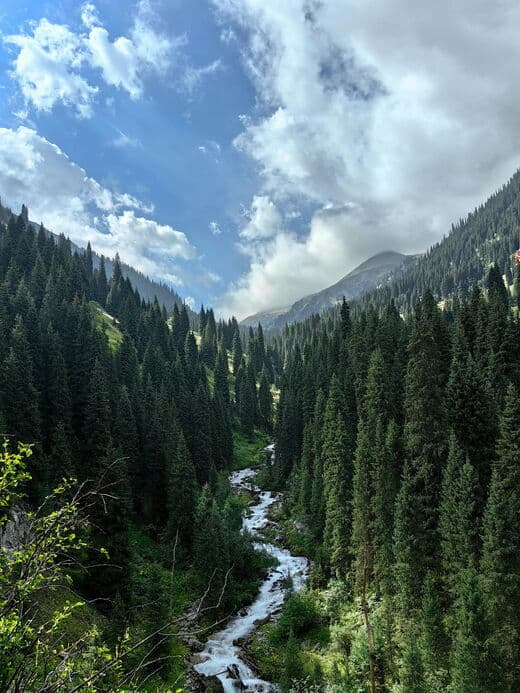
Kazakhstan contains almost every type of landscape you can imagine, often within surprisingly short distances of each other. The Charyn Canyon rivals the Grand Canyon in dramatic beauty, with 300-meter deep gorges carved over 12 million years. The Altai Mountains in the east offer pristine alpine scenery that rivals Switzerland but without the crowds or the astronomical prices. The Singing Dunes near Almaty create eerie sounds when the wind blows across them - a phenomenon that genuinely gives you chills.
Then there are the otherworldly landscapes that seem plucked from science fiction. The Aral Sea, though tragically shrunk due to Soviet irrigation projects, presents a haunting landscape of rusting ships in the desert - a powerful reminder of environmental consequences and a genuinely moving experience. The Mangystau region in the west features alien rock formations, underground mosques, and landscapes that look like Mars. Seriously, NASA uses some of these areas as Mars analog sites.
What makes this even better is that most of these places see relatively few visitors. You can have the Valley of Castles in Charyn Canyon largely to yourself on a weekday. Try doing that at the Grand Canyon or any major European natural site.
Reason Two: Genuine Cultural Immersion Without Tourist Theater
Kazakhstan has not yet developed the polished tourist infrastructure that can make travel feel artificial. When you stay with a Kazakh family in a yurt on the steppe, you are not experiencing a sanitized version of nomadic life designed for visitors - you are participating in traditions that families have maintained for generations. The hospitality is overwhelming and genuine. Kazakhs have a saying that guests are gifts from God, and they absolutely live by it.
This means your interactions feel real. The grandmother insisting you eat more beshbarmak is not playing a role for tips - she genuinely cannot comprehend how a guest could leave her home anything less than stuffed. The herder showing you how to milk a mare is sharing actual daily life, not performing for tourists. This authenticity is increasingly rare in our Instagram-influenced travel world.
Reason Three: Incredible Value for Your Money
Let me talk numbers, because they are genuinely impressive. In Almaty, Kazakhstan's largest city, you can get a fantastic meal with drinks for 15-20 USD. A comfortable hotel room in a central location runs 40-60 USD per night. A day trip to the stunning Big Almaty Lake with transport costs around 30-40 USD. Compare this to Western Europe or even Southeast Asia's tourist hotspots, and Kazakhstan offers exceptional value.
But here is the key thing: low prices do not mean low quality. Kazakhstan's oil wealth has funded genuinely impressive infrastructure. The roads are good, the airports are modern, and the cities are clean and well-maintained. You are not roughing it - you are just getting more for your money.
Reason Four: The Architecture of Tomorrow, Today
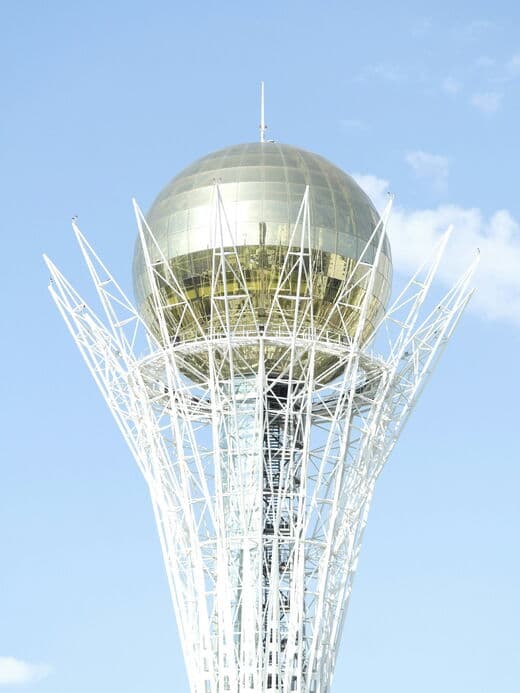
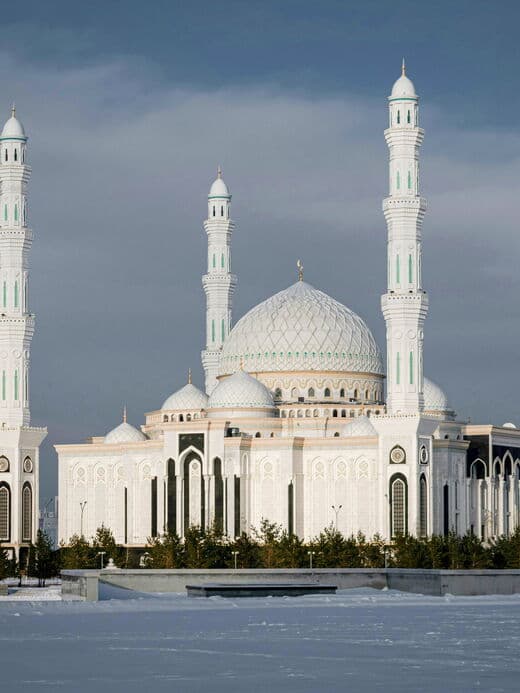
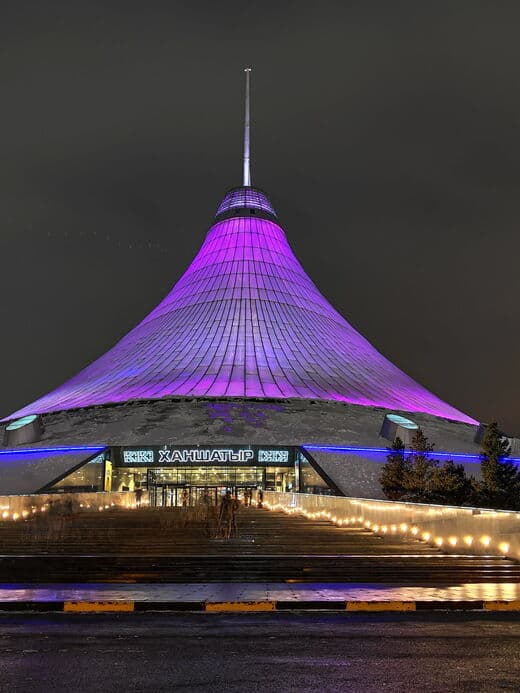
Astana, the capital city renamed from Nur-Sultan and before that called Astana (yes, it is confusing), is unlike any place I have ever visited. Imagine taking every ambitious architectural project of the 21st century and concentrating them in one city. The Baiterek Tower looks like a massive lollipop designed by a futurist. Khan Shatyr is the world's largest tent structure, containing a beach resort with actual sand and waves - in a city where winter temperatures hit minus 40. The Hazret Sultan Mosque is one of the largest mosques in Central Asia and absolutely stunning.
Walking through Astana feels like visiting a city from 2050. Critics call it soulless or artificial, but I disagree - it is genuinely thrilling to see what happens when a country decides to build a capital city from scratch with essentially unlimited funds. Whether you love it or hate it, you will have strong feelings, and that makes for memorable travel.
Reason Five: Adventure Sports Paradise
Kazakhstan offers world-class outdoor adventure opportunities that remain relatively unknown to international visitors. The ski resorts near Almaty, particularly Shymbulak, offer excellent skiing at a fraction of European or North American resort prices. Lift tickets run about 25-30 USD for a full day, and the snow conditions in winter are genuinely excellent.
Beyond skiing, there is hiking in the Tian Shan mountains, horse trekking across the steppe, rock climbing, paragliding, and white-water rafting. The Kolsai Lakes offer multi-day trekking through pristine alpine scenery. The Altai Mountains in the east provide serious mountaineering challenges. And everywhere, the lack of crowds means you can actually enjoy these activities without queuing or dealing with masses of other tourists.
Reason Six: Easy Visa Access for English-Speaking Travelers
Here is some excellent news: citizens of the United States, United Kingdom, Canada, and Australia do not need a visa to visit Kazakhstan for stays up to 30 days. That is right - no visa application, no embassy visit, no fees. Just book your ticket and show up. This is a huge advantage for spontaneous travel planning.
The entry process is straightforward. Your passport needs to be valid for at least six months beyond your planned departure, and you should have proof of onward travel, though this is rarely checked. Immigration officers in Almaty and Astana airports are efficient and generally speak some English. The whole process typically takes 15-30 minutes depending on your arrival time.
Reason Seven: Safe and Welcoming
Kazakhstan consistently ranks as one of the safest countries in Central Asia, and by most measures, it is safer than many Western destinations. Violent crime against tourists is extremely rare. Petty crime exists, as it does everywhere, but at relatively low levels compared to major tourist destinations worldwide.
Beyond physical safety, there is a cultural safety that matters. Kazakhs are genuinely welcoming to foreign visitors. There is no widespread anti-Western sentiment, no significant tourist-targeting scams, and no areas where foreigners are unwelcome. You will not encounter the aggressive touts and persistent vendors that plague some popular destinations.
Reason Eight: The Food Will Surprise You
Kazakh cuisine does not get the international recognition it deserves. Yes, it is meat-heavy (this is historically nomadic culture, after all), but it is also flavorful, satisfying, and deeply connected to the land. Beshbarmak, the national dish of boiled meat and pasta served with rich broth, sounds simple but delivers complex, comforting flavors. Shashlik (grilled meat skewers) rivals anything you have had in the Middle East. The fresh dairy products, including kumys (fermented mare's milk), are unlike anything available in the West.
But Kazakhstan's food scene goes beyond traditional dishes. Almaty has a sophisticated restaurant scene with excellent Korean, Uyghur, Russian, and international options. The coffee culture is surprisingly developed. And the Central Asian markets offer an explosion of dried fruits, nuts, and spices that make incredible edible souvenirs.
Reason Nine: Living History of the Silk Road
For history enthusiasts, Kazakhstan offers direct connection to one of humanity's greatest trade networks. The ancient cities of Turkestan and Otrar connected China to the Mediterranean for over a millennium. You can visit the Mausoleum of Khoja Ahmed Yasawi in Turkestan, a UNESCO World Heritage Site and masterpiece of Timurid architecture that rivals anything in Uzbekistan.
The petroglyphs at Tamgaly, another UNESCO site, date back over 3,000 years and depict the spiritual and daily life of Bronze Age peoples. Throughout the country, you will find remnants of caravanserais, ancient settlements, and sacred sites that speak to Kazakhstan's central role in connecting civilizations.
Reason Ten: It's Still Off the Beaten Path
Perhaps the most compelling reason to visit Kazakhstan now is that it remains relatively undiscovered by mass tourism. You will not fight crowds at attractions, you will not deal with tourist-inflated prices everywhere, and you will not feel like you are experiencing a sanitized version of the country designed for foreign consumption.
This is changing gradually. Kazakhstan has ambitions to develop its tourism industry, and improvements in infrastructure and promotion are drawing more visitors each year. The country that greets you in 2024 will be different from the country visitors find in 2034. If you want to experience Kazakhstan before it becomes a mainstream destination, now is the time.
Understanding Kazakhstan's Regions: A Geographic Deep Dive
Kazakhstan's sheer size - it is larger than Western Europe combined - means you cannot see everything in one trip. Understanding the distinct regions helps you plan effectively and set realistic expectations. Each area has its own character, climate, attractions, and logistical considerations. Let me break down the key regions you should know about.
Almaty Region: Mountains, Lakes, and Kazakhstan's Cultural Heart
Almaty is where most international visitors begin their Kazakhstan journey, and for good reason. The city itself is genuinely pleasant - tree-lined streets, a backdrop of snow-capped mountains, vibrant cafe culture, and the most cosmopolitan atmosphere in the country. With a population around two million, it has the infrastructure and services that make travel comfortable while still feeling authentically Kazakh.
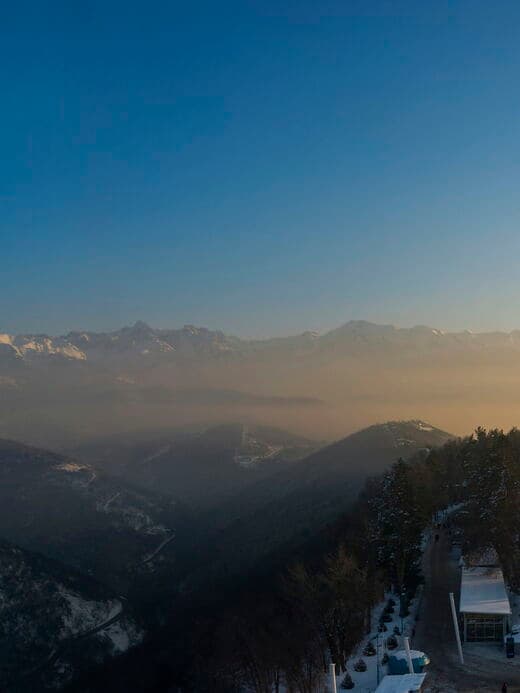
The city sprawls at the foot of the Trans-Ili Alatau mountains, and this location defines its character. On a clear day, the peaks tower over the city in dramatic fashion. The presence of these mountains means that within 30-60 minutes of central Almaty, you can be hiking in pristine alpine environments, skiing excellent slopes, or relaxing beside stunning mountain lakes.
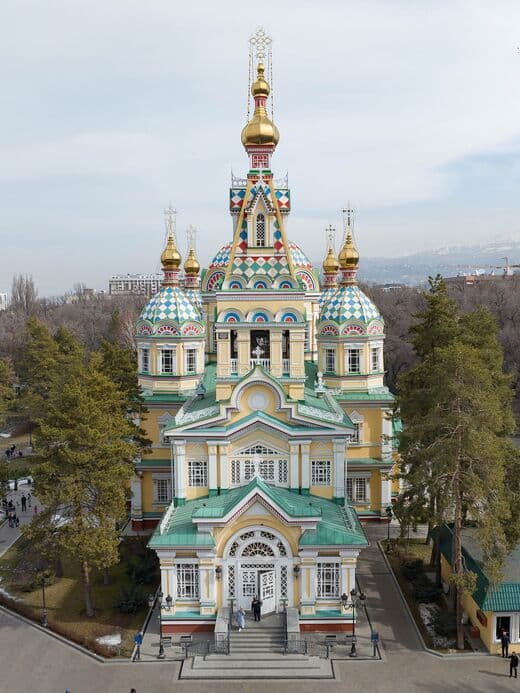
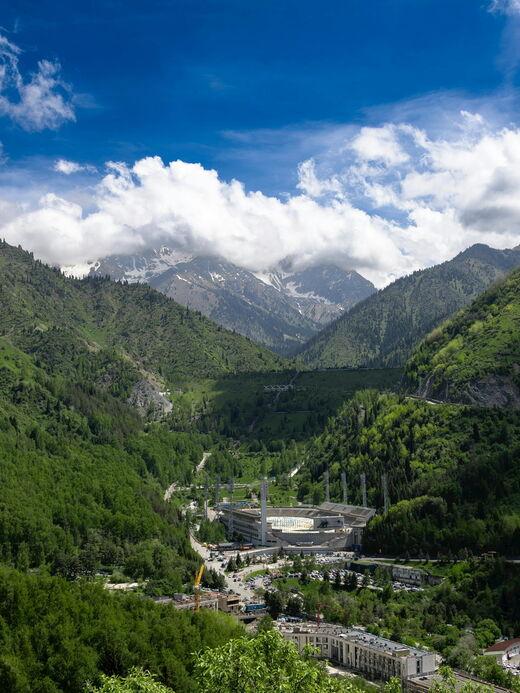
Key attractions in the Almaty region include Kok-Tobe, a hill above the city offering panoramic views accessible by cable car. The Zenkov Cathedral in Panfilov Park is one of the world's tallest wooden buildings, constructed without nails. Medeu Skating Rink, the highest outdoor skating rink in the world at 1,691 meters elevation, offers skating with mountain backdrop.
Beyond the city, the Big Almaty Lake sits in a stunning alpine bowl about 25 kilometers from the city center. The turquoise glacial lake surrounded by peaks is one of Kazakhstan's most photographed spots. Charyn Canyon, about 200 kilometers east of Almaty, offers dramatic red rock formations comparable to the American Southwest. The Kolsai Lakes and Kaindy Lake (famous for its underwater forest of spruce trees) provide excellent hiking and nature experiences.
Practical considerations for Almaty: The airport handles most international flights to Kazakhstan. The city has the best selection of accommodations, restaurants, and services. Public transport within the city includes buses, trolleybuses, and a small but growing metro system. Getting to attractions outside the city typically requires organized tours, taxis, or rental cars.
Astana Region: The Futuristic Capital and Northern Steppes
The capital city of Astana occupies a unique place in global architecture and urban planning. In 1997, President Nazarbayev decided to move the capital from Almaty to this provincial city in the northern steppes. Since then, tens of billions of dollars have transformed it into a showcase of modern architecture and ambitious urban design.
The Left Bank of the Ishim River contains the showcase buildings. Baiterek Tower is the city's symbol, a 97-meter tower representing a mythological tree of life. The observation deck offers views across the city and contains a gilded handprint of former president Nazarbayev. Khan Shatyr is the world's largest tensile structure, housing a shopping center, entertainment complex, and an indoor beach resort. Hazret Sultan Mosque is one of the largest mosques in Central Asia, with stunning blue domes and capacity for 10,000 worshippers.
The Palace of Peace and Reconciliation, a glass pyramid designed by Norman Foster, hosts interfaith conferences and contains exhibition spaces. The Nur Astana Mosque, National Museum, and Presidential Palace round out the architectural highlights. Walking along the central boulevard on a summer evening, surrounded by these ambitious buildings, genuinely feels like visiting the future.
Outside Astana, the northern steppes offer vast open landscapes that define the classic image of Kazakhstan. The Korgalzhyn Nature Reserve, a UNESCO World Heritage Site, hosts huge populations of flamingos and other birds. The city of Karaganda, a few hours south, has a sobering history as a center of Soviet gulag camps, with the Karlag Museum documenting this dark chapter.
Practical considerations for Astana: The climate is extreme - bitterly cold winters (reaching minus 40 Celsius) and hot summers. The best time to visit is May through September. The city is compact enough to explore on foot, with an efficient bus system and ride-sharing apps. Hotels tend to be newer but pricier than Almaty equivalents.
Eastern Kazakhstan: The Altai Mountains and Chinese Border
Eastern Kazakhstan contains some of the country's most spectacular mountain scenery, where the Altai Mountains meet the borders of Russia, China, and Mongolia. This region sees relatively few international tourists despite offering world-class natural beauty.
The city of Ust-Kamenogorsk serves as the regional hub, though it is primarily industrial and not particularly attractive for tourists. The draw is the surrounding mountains and lakes. Lake Markakol, often called Kazakhstan's Switzerland, sits in a pristine alpine valley. The Bukhtarma Valley offers spectacular mountain scenery and traditional Kazakh village life. The Katon-Karagay National Park protects a huge area of mountain wilderness with excellent hiking.
This region requires more planning and effort to visit than Almaty or Astana. Infrastructure is less developed, English is rarely spoken, and distances are significant. But for adventure travelers seeking genuine wilderness and minimal tourist presence, Eastern Kazakhstan delivers in spectacular fashion.
Southern Kazakhstan: Silk Road History and Sacred Sites
The south of Kazakhstan connects to the historical Silk Road trading routes and contains the country's most significant historical and religious sites. The climate here is warmer and drier, with a more Central Asian feel compared to the Russian-influenced north.
Turkestan is the spiritual capital of Kazakh people and home to the Mausoleum of Khoja Ahmed Yasawi, a 14th-century Sufi mystic. The mausoleum, built by Timur (Tamerlane), is a masterpiece of medieval architecture and a UNESCO World Heritage Site. It draws pilgrims from across Central Asia and increasingly international visitors interested in Islamic architecture and history.
Shymkent, Kazakhstan's third-largest city, serves as the gateway to the south. It is a lively, traditionally Kazakh city with excellent markets, historic neighborhoods, and a different atmosphere from cosmopolitan Almaty. The Sunday bazaar is one of the best in Central Asia.
The Aksu-Zhabagly Nature Reserve, the oldest in Central Asia, protects mountain ecosystems with snow leopards, brown bears, and diverse birdlife. The ancient Silk Road city of Otrar, now ruins but historically one of Central Asia's great cities, offers fascinating archaeological exploration.
Western Kazakhstan: Mangystau's Alien Landscapes and Caspian Coast
Mangystau region in western Kazakhstan is the country's most otherworldly destination. This area of canyons, underground mosques, strange rock formations, and desert landscapes feels genuinely extraterrestrial. It is also the most challenging region for independent travel, with limited infrastructure and extreme summer heat.
The Bozzhira tract features chalk rock formations rising from desert plains in formations that defy belief. The Valley of Balls contains thousands of perfectly spherical rock concretions scattered across the landscape. Underground mosques carved into chalk cliffs speak to the region's spiritual significance for Sufi pilgrims. Shakpak Ata, Shopan Ata, and Beket Ata mosques draw pilgrims and adventurous tourists alike.
Aktau, the regional capital, sits on the Caspian Sea coast and serves as the base for exploring Mangystau. The city itself is Soviet-era and not particularly attractive, but the beaches and seafood are appealing, and the surrounding landscapes are unlike anywhere else on Earth.
Getting to Mangystau requires flights to Aktau (about 2.5 hours from Almaty) and then organized tours or 4WD vehicle rental. Summer temperatures exceeding 45 Celsius make spring and autumn the only viable visiting seasons. The region rewards effort with genuinely unique experiences that few travelers ever encounter.
Central Kazakhstan: The Steppe Heartland
Central Kazakhstan consists largely of endless steppe - flat or gently rolling grasslands that stretch to every horizon. For travelers seeking dramatic landscapes or cultural attractions, this region offers less obvious appeal. But for those interested in understanding the nomadic soul of Kazakhstan, time on the central steppe provides insight that cities cannot.
The city of Karaganda has significance as a former gulag center, with excellent museums documenting Soviet repression. Jezkazgan was a center of copper mining and space program support. Baikonur, though technically leased to Russia, launches Soyuz rockets carrying astronauts to the International Space Station - tours can be arranged for launches.
The steppe itself offers experiences of vastness and solitude that feel increasingly rare in our crowded world. Horseback trips across the steppe, staying with nomadic herding families, provide cultural immersion that polished tourist experiences cannot match.
Northern Kazakhstan: Russian Influence and Agricultural Plains
Northern Kazakhstan has the strongest Russian cultural influence, with significant ethnic Russian populations in cities like Petropavl and Kostanay. The landscape is flat agricultural plains, and tourist attractions are limited. This region is best understood as a cultural transition zone between Kazakhstan proper and Russia rather than a tourist destination.
For travelers with specific interests - such as Cold War history (the Semipalatinsk nuclear test site) or birdwatching (numerous wetlands host migrating species) - the north has niche appeal. But most visitors will focus their time elsewhere.
Planning Your Regional Focus
For a first trip to Kazakhstan, I recommend focusing on Almaty and Astana plus one additional region based on your interests. Nature lovers should prioritize the mountains and lakes around Almaty. History and culture enthusiasts should consider the Silk Road sites of the south. Adventure seekers willing to accept logistical challenges should explore Mangystau's alien landscapes.
Trying to see everything in one trip is a mistake given Kazakhstan's size. Better to explore one or two regions thoroughly than to spend your entire trip in transit. Internal flights are reasonably priced and save enormous amounts of time compared to ground transportation.
What Makes Kazakhstan Unique: The Country's Distinctive Character
Every country claims uniqueness, but Kazakhstan genuinely stands apart from its neighbors and from anywhere else I have traveled. Understanding what makes it distinctive helps you appreciate experiences that might otherwise seem confusing or random. Here are the elements that give Kazakhstan its particular character.
The Nomadic Heritage Lives On
Kazakhstan's nomadic past is not ancient history consigned to museums - it actively shapes contemporary culture in visible ways. The yurt (called "kiiz uy" in Kazakh) remains a powerful symbol, appearing in government logos, on currency, and in the architecture of modern buildings like Khan Shatyr. Many families maintain yurts for special occasions even if they live in city apartments.
Hospitality customs rooted in nomadic life remain strong. When traveling the steppe, offering shelter and food to strangers was both obligation and insurance - next time, you might be the one needing help. This ethic persists today. Kazakhs routinely invite strangers into their homes, insist on feeding guests until they can barely move, and take genuine offense if hospitality is refused.
The relationship with horses goes deeper than in most Western cultures. Horses are not just transportation or recreation - they hold spiritual and cultural significance. Kumys (fermented mare's milk) is considered both delicacy and medicine. Horse meat is a valued food, not stigmatized as in Western countries. Equestrian games like kokpar (similar to polo but with a goat carcass) remain popular and are taken seriously as competitive sports.
Understanding this nomadic heritage helps explain things that might otherwise puzzle visitors. The apparent obsession with meat makes sense when you understand that nomads could not grow vegetables on the steppe. The emphasis on hospitality reflects survival strategies in harsh environments. The deep connection to land and sky comes from centuries of living under them rather than in permanent structures.
The Soviet Legacy: Complex and Contradictory
Seven decades of Soviet rule left marks on Kazakhstan that remain visible everywhere. Brutalist apartment blocks define city skylines. Russian remains widely spoken alongside Kazakh. The infrastructure of roads, railways, and cities largely dates from Soviet planning. And the psychological impacts of collectivization, the gulags, and cultural suppression continue to shape society.
Kazakhstan's relationship with this legacy is complicated. The Soviet period brought industrialization, education, and infrastructure that underdeveloped regions did not have before. But it also brought devastating environmental damage (the Aral Sea disaster, nuclear testing at Semipalatinsk), mass deportations of various ethnic groups, and suppression of Kazakh language and culture.
Today's Kazakhstan neither wholly rejects nor embraces this past. Soviet monuments stand alongside new national heroes. Lenin streets have been renamed, but Soviet-era buildings are renovated rather than demolished. The country is working through this history in its own way, and visitors should approach the topic with sensitivity and genuine curiosity rather than assumptions.
The Oil Economy: Boom and Its Discontents
Kazakhstan's petroleum reserves have made it Central Asia's wealthiest country and one of the world's significant oil producers. This wealth is visible in gleaming new buildings, modern infrastructure, and a standard of living well above neighboring countries. The capital Astana exists in its current form entirely because oil money funded its transformation.
But the oil economy also creates complications. Wealth distribution is highly uneven, with visible inequality between the elite and ordinary citizens. Corruption remains a significant issue. The economy's dependence on oil makes it vulnerable to price fluctuations. And the environmental costs of extraction add to Soviet-era environmental damage.
For travelers, the oil economy mainly means that Kazakhstan is more developed and expensive than you might expect from a Central Asian country. Infrastructure is better, services are more reliable, but prices are higher than in neighboring countries like Kyrgyzstan or Uzbekistan.
The Multi-Ethnic Mosaic
Kazakhstan is remarkably diverse, with over 130 ethnic groups officially recognized. While Kazakhs now form about 70% of the population, significant communities of Russians, Ukrainians, Uzbeks, Uyghurs, Germans, Koreans, and many others contribute to the country's character.
This diversity stems from both deliberate Soviet policies (deporting entire peoples to Kazakhstan during Stalin's era) and voluntary migration. The result is a country where a Korean restaurant sits next to a Uyghur cafe across from a Russian bakery, where intermarriage is common, and where cultural boundaries are more porous than in many places.
For visitors, this means exposure to cultural influences from across Eurasia. The food is incredibly varied. The genetic diversity is visible on the streets. And attitudes toward ethnic and cultural difference tend to be more relaxed than in more homogeneous societies.
The Language Situation
Language in Kazakhstan is complicated and occasionally politically charged. Kazakh is the official "state language," but Russian has "official" status for use in state organizations and local government. In practice, Russian remains widely used in cities, while Kazakh dominates in rural areas and the south.
For English-speaking visitors, the practical implication is that English is less useful than you might hope. In Almaty and Astana, younger educated people often speak decent English, but older generations and those outside major cities typically do not. Russian will get you much further, but if you speak neither Russian nor Kazakh, communication challenges are real.
The good news is that Kazakhs are generally patient with language barriers and will make genuine efforts to communicate. Translation apps help enormously. And the universal languages of pointing, gesturing, and smiling work as well here as anywhere.
The Space Connection
Kazakhstan hosts the Baikonur Cosmodrome, the world's first and largest space launch facility. Since 1955, it has been the launch site for the first satellite, the first human in space, and countless missions since. Today, it remains the primary launch site for Russian space program and has sent astronauts of many nations to the International Space Station.
While Baikonur is technically leased to Russia, Kazakhstan takes pride in hosting this facility. Rocket launches can be viewed from safe distances, and tours of the cosmodrome are available (though they require advance planning and are not cheap). For space enthusiasts, witnessing a launch from Baikonur is a bucket-list experience.
The New Silk Road
Kazakhstan's geographic position makes it central to China's Belt and Road Initiative, the massive infrastructure project connecting China to Europe by land. Billions of dollars in Chinese investment are building railways, roads, and logistics centers across Kazakhstan. Container trains now run from Chinese cities to European destinations via Kazakhstan in about two weeks - far faster than sea routes.
For travelers, this means improving infrastructure and growing international connections. But it also means navigating the complex geopolitics of a country balancing relationships with China, Russia, the West, and its own national interests. Kazakhstan walks a diplomatic tightrope that sometimes creates interesting conversations with locals about their country's position in the world.
The Emerging National Identity
Kazakhstan is actively constructing a national identity distinct from both its Soviet past and its various cultural influences. This project includes promoting Kazakh language, rediscovering pre-Soviet history, developing national symbols and narratives, and projecting Kazakhstan as a modern, progressive Central Asian state.
The results are visible everywhere. New monuments celebrate Kazakh historical figures rather than Soviet heroes. The move from Cyrillic to Latin alphabet (ongoing and controversial) represents both practical considerations and symbolic break from Russian cultural influence. The ambitious architecture of Astana projects an image of futuristic confidence.
This identity construction creates fascinating dynamics for visitors. You will encounter both pride in Kazakh heritage and acknowledgment of Russian and Soviet influences. The country is working through questions of who it is and who it wants to become, and visitors get to witness this process in real time.
When to Visit Kazakhstan: Timing Your Trip Right
Kazakhstan's climate is continental and extreme. The country experiences genuine seasonal variation, with hot summers, cold winters, and significant regional differences. Timing your visit correctly is essential for having the experience you want.
Spring: April to May
Spring offers excellent conditions for visiting most of Kazakhstan. Temperatures are comfortable (10-25 Celsius depending on region), the steppe blooms with wildflowers, and tourist crowds have not yet arrived. This is arguably the best time for photography, as the contrast between green grasslands and blue skies creates stunning visuals.
Specific spring advantages include wildflower blooms on the steppe, comfortable temperatures for hiking, and good conditions for visiting Mangystau before summer heat arrives. Bird migration brings huge populations to wetlands like Korgalzhyn. The cities are pleasant without the summer heat or winter cold.
Potential downsides: mountain areas may still have significant snow, limiting hiking options. Weather can be unpredictable with occasional late cold snaps. Some high-altitude roads may not be open yet.
Summer: June to August
Summer is peak tourist season, with the warmest temperatures and longest days. In Almaty and the mountains, conditions are excellent for hiking, with snow cleared from most trails and passes. The cities are hot (35+ Celsius in Almaty) but manageable.
This is the best time for mountain activities - hiking the Kolsai Lakes, trekking in the Altai, or climbing in the Tian Shan. Festival season brings cultural events throughout the country. The long days allow for extended outdoor activities.
Challenges include extreme heat in western Kazakhstan (Mangystau can exceed 45 Celsius and should be avoided in summer), crowds at popular destinations, and higher prices for accommodation. Astana can actually be quite pleasant in summer despite its reputation for harsh winters.
Autumn: September to October
Early autumn offers many of spring's advantages with the added bonus of fall colors in mountain areas. September is excellent throughout Kazakhstan, with comfortable temperatures and clear skies. October brings cooler weather and spectacular autumn foliage in the Almaty region mountains.
This period is ideal for photography, with golden colors in forests and clear atmospheric conditions. Crowds thin after summer, and prices often drop. It is an excellent time for visiting Mangystau as temperatures become bearable again.
By late October, cold weather arrives in the north, and mountain passes may begin closing. November is generally not recommended except for Almaty city visits.
Winter: November to March
Kazakhstan's winters are harsh - there is no sugarcoating it. Astana regularly sees temperatures of minus 30 to minus 40 Celsius, with wind chill making it feel even colder. Even Almaty, the warmest major city, experiences regular below-zero temperatures and significant snow.
However, winter offers unique experiences for those properly prepared. The ski resorts near Almaty - particularly Shymbulak - offer excellent skiing from late November through March. Prices drop significantly in winter, and you will have many attractions largely to yourself. The frozen landscapes have their own austere beauty.
For most visitors, winter travel should focus on Almaty for skiing or specific winter activities. Astana in winter is genuinely challenging - even locals complain about the cold. Western and central Kazakhstan are extremely harsh and not recommended for tourism in winter months.
Regional Variations
The timing recommendations above are general guidelines, but regional variations are significant. Almaty's mountain proximity moderates its climate, making it the most temperate major city. Astana's continental position means extreme seasonal variation. Western Kazakhstan's desert climate means scorching summers and relatively mild winters by Kazakh standards.
For trip planning, consider:
- Almaty region: April-October for general visits, December-March for skiing
- Astana: May-September strongly recommended
- Southern Kazakhstan: March-May and September-November optimal
- Mangystau (west): March-May and September-November only
- Eastern mountains: June-September for hiking
National Holidays and Events
Several holidays and events affect travel in Kazakhstan. Nauryz (March 21-23), the Persian New Year celebration, is the biggest holiday of the year. Expect closures, crowds, and festive atmosphere. It is an excellent time to experience Kazakh culture but requires advance booking. Independence Day (December 16) and Constitution Day (August 30) are also significant holidays.
For travelers, these holidays offer cultural experiences but also mean busy transport, crowded attractions, and limited services. Plan accordingly.
Getting to Kazakhstan: International Access Points
Reaching Kazakhstan has become increasingly easy as the country develops its aviation infrastructure and opens more international routes. For English-speaking travelers, several options exist depending on your origin and priorities.
Main International Airports
Almaty International Airport (ALA) is the busiest in Kazakhstan and the primary entry point for most international visitors. The airport is modern and efficient, located about 15 kilometers from the city center. Immigration processing is generally smooth, taking 15-30 minutes depending on queue length.
From North America, the most practical routing is via European hubs. Turkish Airlines flies through Istanbul with excellent connections, and Turkish's service quality is good. Lufthansa connects through Frankfurt. British Airways and LOT Polish Airlines offer options through their respective hubs. Flight times are typically 18-24 hours total including connections.
From the UK, direct flights to Almaty are available on some carriers, with flight time around 6-7 hours. Air Astana, Kazakhstan's national carrier, operates some European routes including London. Turkish Airlines via Istanbul remains a popular option with competitive pricing.
From Australia, routing typically goes through Asian hubs - Singapore, Seoul, or Hong Kong - with connections to Almaty. Total journey time is approximately 18-22 hours.
Astana International Airport (NQZ) has grown significantly as a hub, with Air Astana operating many international routes. For visitors focusing on the capital, flying directly to Astana saves the domestic connection. The airport is modern, efficient, and about 15 kilometers from the city center.
Budget and Regional Options
Budget-conscious travelers should consider routing through Middle Eastern or Turkish hubs. Turkish Airlines often offers competitive fares via Istanbul. FlyDubai and Air Arabia provide budget connections through the UAE. Wizz Air Abu Dhabi has launched routes to Kazakhstan with low base fares (though add-ons add up).
From Central Asia, connections exist from Tashkent, Bishkek, Dushanbe, and other regional capitals. These routes are useful if combining Kazakhstan with other Silk Road countries.
Overland Entry Points
Kazakhstan shares borders with Russia, China, Kyrgyzstan, Uzbekistan, and Turkmenistan. Overland crossings are possible and can be part of interesting multi-country itineraries.
The Kyrgyzstan border is the most commonly crossed by tourists, with several crossing points between Almaty and Bishkek. This crossing is straightforward, with minimal formalities on both sides. Many travelers combine Kazakhstan and Kyrgyzstan into one trip given the proximity of Almaty and Bishkek.
The Uzbekistan border is also regularly crossed by tourists, though distances between major cities are significant. Crossing to or from Tashkent is practical for Silk Road itineraries.
The China crossing at Khorgos has become an important trade route. Tourist crossings are possible but less common than other borders. The Russian crossings involve significant distances and are mainly used by people driving across Eurasia.
Entry Requirements Summary
For US, UK, Canadian, and Australian citizens, no visa is required for stays up to 30 days. Your passport must be valid for at least six months beyond your planned departure. Officially, you should be able to show proof of onward travel and sufficient funds, though these are rarely checked in practice.
Registration requirements exist but have been simplified. If staying in hotels, the hotel handles registration automatically. If staying in private accommodations for more than 30 days, you need to register with migration authorities. For typical tourist stays under 30 days in hotels, no action is required on your part.
Upon arrival, you will receive an immigration stamp. Keep your immigration card (the portion returned to you) safe - you will need it when departing. Losing it creates bureaucratic hassles.
Getting Around Kazakhstan: Transportation Guide
Kazakhstan's size means transportation planning significantly impacts your trip experience. The good news is that options exist at various price and comfort levels. The challenge is that distances are vast, and some destinations require commitment to reach.
Domestic Flights
For covering major distances, domestic flights are the practical choice. Air Astana operates a comprehensive domestic network with modern aircraft and reliable service. Flights between Almaty and Astana take about 1.5 hours and cost 50-150 USD depending on booking time and class. Compared to 12-18 hours by train or car, the time savings are substantial.
FlyArystan, a budget carrier owned by Air Astana, offers lower fares on major routes. Service is no-frills but reliable. Booking in advance can yield fares under 30 USD for domestic routes.
For western Kazakhstan (Aktau, Mangystau region), flying is essentially the only practical option unless you have extensive time for overland travel. Flights from Almaty take about 2.5 hours.
Trains
Kazakhstan's railway network is extensive, a legacy of Soviet infrastructure development. Trains are slower than flying but offer scenery, cultural experience, and significantly lower prices. For travelers with time flexibility, overnight trains save both time and accommodation costs.
The main routes connect Almaty, Astana, Shymkent, and other major cities. The Almaty-Astana route takes about 12-15 hours depending on train type. Classes range from platskart (open dormitory cars) to SV (private two-person compartments). Prices range from 15-60 USD depending on class and route.
Trains offer scenery that flying misses - the gradual transition from mountains to steppe to industrial cities tells Kazakhstan's geographic story. Night trains save accommodation costs, and the dining car provides social opportunities with Kazakh travelers.
Buying tickets is possible at stations (with Russian language challenges) or through online portals. The official Kazakhstan Railways website works but requires some navigation. Third-party booking sites like TuTu.ru offer English interfaces with markup.
Buses and Marshrutkas
Intercity buses connect most cities at lower prices than trains. Comfort levels vary significantly - newer buses on main routes are acceptable, while older vehicles on secondary routes can be challenging. Journey times are similar to trains for most routes.
Marshrutkas (shared minivans) fill gaps in the bus network, particularly for medium-distance routes and connections to smaller towns. They depart when full rather than on fixed schedules, meaning unpredictable wait times. Comfort is basic, but they reach destinations buses do not serve.
For budget travelers, the bus network offers the cheapest intercity option. For others, trains or flights usually provide better value when considering time costs.
Car Rental and Driving
Rental cars open possibilities for independent exploration, particularly in the Almaty region where day trips to mountains and canyons become easy. International rental companies (Hertz, Avis, Europcar) operate at airports with standard rates (40-80 USD per day for economy cars).
Driving conditions in Kazakhstan are mixed. Main highways are generally good, though conditions deteriorate on secondary roads. City driving in Almaty is challenging - traffic is heavy, driving styles aggressive, and navigation complicated. Outside cities, traffic is light, and driving becomes more relaxed.
For Mangystau and other off-road destinations, 4WD is essential and local drivers advisable. Roads become tracks become suggestions, and local knowledge matters for safety and efficiency. Rental companies may restrict 4WD vehicles from certain routes.
Required documents include your national driving license (US, UK, Canadian, Australian licenses all accepted) and an International Driving Permit (technically required, occasionally checked). Insurance is mandatory and typically included in rentals.
Taxis and Ride-Sharing
Within cities, taxis are affordable and convenient. Yandex Taxi and inDrive are the main ride-hailing apps, working similarly to Uber. Prices are low by Western standards - crossing Almaty rarely costs more than 5-10 USD. Apps eliminate language barriers for destination communication.
Traditional street taxis still exist but require negotiation and create potential for misunderstandings. Using apps is strongly recommended for clear pricing and driver accountability.
For day trips from cities, hiring a taxi for the day is often more practical than organized tours. A driver for a full day to Charyn Canyon from Almaty costs 80-120 USD total, splitting across multiple passengers makes this excellent value.
Tour Operators and Organized Travel
For challenging destinations like Mangystau or multi-day adventures, organized tours provide logistical solutions. Local operators handle transportation, accommodation, permits, and guides, allowing you to focus on the experience.
Quality varies, so research operators carefully. Look for established companies with English-speaking guides and clear reviews. Expect to pay 150-300 USD per person per day for quality organized tours, including transportation, accommodation, meals, and guiding.
For specific activities (hiking, horseback riding, cultural programs), specialized operators often provide better experiences than general tourism companies.
Cultural Code: Understanding Kazakh Society
Navigating Kazakhstan smoothly requires understanding cultural norms that may differ from your home country. Kazakhs are generally forgiving of foreign visitors' cultural missteps, but awareness helps you connect more meaningfully and avoid unintentional offense.
Hospitality Expectations
Kazakh hospitality is legendary and sometimes overwhelming. If invited to someone's home, you will be fed far more than you can eat. Refusing food repeatedly marks you as a poor guest - the polite approach is to accept enthusiastically, eat what you can, and praise everything. The host's reputation depends on their generosity, so abundant food is a matter of pride.
When visiting homes, remove shoes at the door. Bringing a small gift (chocolates, pastries, flowers - odd number only) is appreciated. Be prepared to stay longer than you planned - Kazakh hospitality is not a quick cup of tea.
If you are served beshbarmak (the national dish of boiled meat on pasta), the head of the household may give you a choice cut from the sheep's head. This is an honor, not a prank. Accept graciously, even if you just nibble at it.
Gender Dynamics
Kazakhstan is relatively progressive on gender issues compared to some neighboring countries, but traditional attitudes persist, particularly outside major cities. Women travelers generally face fewer restrictions than in more conservative Central Asian countries, but awareness helps navigate situations smoothly.
In rural areas and traditional settings, modest dress is appreciated - shoulders covered, knee-length or longer skirts or pants. In cities, dress codes are relaxed, and Kazakh women dress much as in Europe. Mosques require women to cover hair; scarves are often provided.
Solo female travelers generally report positive experiences in Kazakhstan, though taking standard precautions (avoiding isolated areas at night, being aware of drink safety) is sensible as anywhere.
Religious Awareness
Kazakhstan is a secular state with a Muslim majority, but religious observance is generally moderate. Alcohol is widely available and consumed, pork is sold in markets (though not in traditional Kazakh restaurants), and Friday prayers do not shut down cities.
When visiting mosques, behave respectfully - remove shoes, dress modestly, speak quietly. Women should cover hair. Photography is usually permitted outside prayer times, but ask to be sure. During Ramadan, some restaurants close during daylight hours, though tourist-oriented establishments typically remain open.
Religious sites of multiple faiths exist throughout Kazakhstan. Orthodox churches, Protestant churches, and the occasional Buddhist temple reflect the country's ethnic diversity. The Palace of Peace and Reconciliation in Astana explicitly celebrates interfaith dialogue.
Photography Etiquette
Kazakhs generally enjoy being photographed but appreciate being asked first. A smile, gesture toward your camera, and questioning expression usually gets you an enthusiastic yes or polite no. Children should never be photographed without parental permission.
Government buildings, military installations, and border areas may have photography restrictions. When in doubt, ask or abstain. The airport, train stations, and metro officially restrict photography, though enforcement is inconsistent.
Markets and everyday scenes make excellent subjects, but be respectful of people's personal space and dignity. Photographing poverty, homeless people, or embarrassing situations without consent is not appreciated.
Business and Social Cards
Business cards remain important in formal and business contexts. Offer and receive cards with both hands or the right hand. Take a moment to look at received cards respectfully before putting them away. Arriving without cards in business settings appears unprepared.
Initial meetings often involve extended small talk before getting to business. Questions about family, your impressions of Kazakhstan, and general pleasantries are expected. Jumping directly to business feels abrupt.
Gift Giving
If invited to dinner, bringing a gift is expected. Good choices include sweets, high-quality tea, chocolates, items from your home country, or flowers (odd number, avoiding yellow or white, which have funeral associations). Alcohol is acceptable if you know the recipients drink. Avoid knife sets (implies cutting the relationship).
Gifts are often not opened in front of the giver. Do not be offended if your gift is set aside without acknowledgment - this is cultural, not rudeness.
Superstitions and Beliefs
Various superstitions persist in Kazakh culture. Whistling indoors supposedly brings poverty. Stepping on a threshold brings bad luck (step over it instead). Passing items over a threshold is also avoided. Empty bottles should be removed from the table. Learning about these beliefs is interesting; observing them shows respect.
Communication Styles
Kazakhs tend toward indirect communication, particularly in situations involving potential conflict or loss of face. Direct confrontation is avoided, and criticism is typically delivered softly or through implication. Understanding this helps interpret interactions - a long pause or subject change may indicate disagreement that will not be stated directly.
Relationship building matters before business or formal interactions proceed. Taking time for tea, conversation, and getting to know counterparts is not wasted time but an essential part of how things work.
Safety in Kazakhstan: What You Need to Know
Kazakhstan is generally safe for travelers, with relatively low crime rates and no significant security threats targeting tourists. However, awareness of potential issues helps you travel smarter and avoid problems.
Street Crime
Petty theft occurs at levels comparable to European cities. Normal precautions apply - secure valuables, be aware of surroundings in crowded areas, avoid displaying expensive items conspicuously. Pickpocketing is most likely in markets, on public transport, and in tourist areas of major cities.
Violent crime against tourists is rare. Muggings and assaults do occur but are not common. Avoiding poorly lit areas at night, not walking alone while intoxicated, and using registered taxis reduces already-low risks.
Scams targeting tourists exist but are less sophisticated and less common than in many tourist destinations. Be wary of strangers offering unsolicited help or deals that seem too good. Use official exchange offices and ATMs in banks rather than street changers.
Police and Authorities
Police may stop foreigners for document checks. Carry your passport or a copy at all times - failure to produce ID can create problems. Checks are typically routine and professional, though language barriers can create confusion.
If you encounter police issues, remain calm and polite. Ask for an interpreter if needed. The concept of on-the-spot fines does exist, creating potential for unofficial payments, but this is less common with tourists than with locals. If you feel a request is improper, politely declining and requesting to speak with a supervisor or go to a station is within your rights.
For serious emergencies, your embassy can provide assistance. Register your travel with your embassy's travel notification system for updates and support.
Road Safety
Traffic accidents are a significant safety concern in Kazakhstan. Driving standards are lower than in Western countries, with aggressive overtaking, speeding, and disregard for traffic rules common. As a pedestrian, never assume vehicles will stop - always verify before crossing. As a passenger, use seat belts always and consider avoiding travel with drivers who seem reckless.
On highways, unlit vehicles, wandering livestock, and poorly maintained road sections create hazards, especially at night. Night driving should be avoided when possible.
Natural Hazards
Kazakhstan's mountains carry standard alpine risks - avalanches, rockfall, weather changes, and altitude sickness. Hiring experienced guides for mountain activities is strongly recommended. Inform someone of your plans when hiking in remote areas.
The steppe can be dangerous if you underestimate distances and conditions. Carry adequate water, inform others of your plans, and respect the environment's harshness. In summer, heat and dehydration are serious risks. In winter, cold can be life-threatening.
Earthquake risk exists, particularly in the Almaty region. The 1911 Kemin earthquake destroyed much of the city. Modern buildings are constructed to seismic standards, but knowing basic earthquake safety (drop, cover, hold) is prudent.
Health Emergencies
Medical facilities in Almaty and Astana are generally adequate, with private hospitals offering Western-standard care. Outside major cities, facilities are limited. Travel insurance with medical evacuation coverage is strongly recommended - a serious injury in a remote area could require expensive emergency transport.
Pharmacies (apteka) are common and stock most basic medications. Prescription requirements are looser than in Western countries, though specific medications may not be available. Bring adequate supplies of any medications you need.
Political Situation
Kazakhstan is politically stable with a strong central government. Protests occur occasionally, particularly in major cities, and can turn tense. Avoid demonstrations as a foreign visitor - your presence complicates your situation without helping anyone.
The border regions with Russia have caused some concern given regional geopolitics, but there are no immediate security threats from this relationship for tourists. Areas near the Kyrgyzstan border have experienced occasional tensions related to border demarcation, but tourist routes are not affected.
Health Considerations for Kazakhstan Travel
No special vaccinations are required for Kazakhstan entry for most travelers, but some health considerations deserve attention.
Recommended Vaccinations
Standard travel vaccinations (updated tetanus, hepatitis A) are recommended. Hepatitis B is advisable for longer stays or if you might need medical treatment. Rabies vaccine is worth considering if you will be in rural areas with significant animal contact or are more than 24 hours from medical facilities.
Tick-borne encephalitis exists in forested mountain areas. If you are planning extensive hiking during spring and summer, vaccination or careful tick avoidance may be warranted. Consult a travel medicine specialist for personalized advice.
Altitude Concerns
Many of Kazakhstan's attractions are at significant altitude. Almaty sits at about 700-900 meters; mountain areas easily exceed 3,000 meters. Altitude sickness can affect anyone and does not correlate with fitness level.
Symptoms include headache, nausea, fatigue, and shortness of breath. Prevention involves gradual ascent, adequate hydration, and avoiding alcohol. If symptoms are severe or include confusion, difficulty walking, or extreme fatigue, descend immediately.
For day trips to high altitude (like Big Almaty Lake at 2,500 meters), most healthy adults experience few problems. For overnight stays at high altitude or strenuous activity, take acclimatization seriously.
Water and Food Safety
Tap water in major cities is generally treated but not always recommended for drinking. Bottled water is cheap and widely available - using it avoids any stomach upset risk. In rural areas, tap water quality is less reliable.
Food safety in restaurants is generally good. Street food carries slightly more risk but is usually fine. Standard precautions apply - choose busy stalls with fresh cooking, avoid raw vegetables in questionable establishments, and ensure meat is thoroughly cooked.
Air Quality
Almaty experiences significant air pollution, particularly in winter when temperature inversions trap vehicle emissions and heating smoke. On bad days, sensitive individuals may experience respiratory irritation. Checking air quality forecasts and limiting outdoor activity on pollution days is advisable for those with respiratory conditions.
Medical Facilities
International-standard private clinics exist in Almaty and Astana. The Interteach clinic and similar facilities offer English-speaking staff and acceptable care for most issues. Costs are reasonable by Western standards but can be significant - having comprehensive travel insurance is essential.
Outside major cities, medical care is basic. For serious emergencies, evacuation to Almaty or out of country may be necessary. Ensure your travel insurance includes evacuation coverage and keep emergency contact numbers accessible.
Pharmacies
Pharmacies (apteka) are common in cities and towns. Many medications available only by prescription in Western countries are sold over the counter in Kazakhstan. However, specific brands and formulations may differ from what you are used to. Bring adequate supplies of any medications you need, plus prescriptions and generic names in case you need to source more.
Money Matters: Managing Finances in Kazakhstan
Kazakhstan's currency is the tenge (KZT), which has experienced significant volatility against major currencies in recent years. Understanding the financial landscape helps you manage money effectively.
Currency and Exchange Rates
The tenge fluctuates, so check current rates before your trip. As a rough guide, expect roughly 450-500 KZT per US dollar, but verify as this changes. Euros and British pounds are also readily exchanged, though US dollars are most widely accepted for exchange.
Exchange offices are common in cities, offering reasonable rates without commission. Banks offer similar rates with slightly more formality. Airport exchange rates are typically unfavorable - change only what you need for initial transport and exchange more in the city.
ATMs are widespread in cities and accept major international cards. Most ATMs offer tenge withdrawal, and many allow you to choose dollar withdrawal (though your bank may apply unfavorable conversion rates). Bank ATMs (Halyk Bank, Kaspi Bank, ForteBank) are more reliable than independent machines.
Cards and Cash
Credit and debit cards are accepted in most urban establishments - restaurants, hotels, shops, and supermarkets. Visa and Mastercard work widely; American Express less so. Outside cities, cash becomes essential, and even in cities, smaller establishments may be cash-only.
Carry a mix of cash and cards. Having backup cards from different institutions protects against loss or card problems. Inform your bank of travel plans to avoid fraud blocks.
Contactless payment works in many establishments. Apple Pay and Google Pay function if your cards are properly set up. The Kaspi app is Kazakhstan's dominant financial platform, but setting it up as a foreigner is complicated.
Budgeting
Kazakhstan is moderately priced - more expensive than Kyrgyzstan or Uzbekistan, cheaper than Russia or Western Europe. Budget travelers can manage on 50-80 USD per day including accommodation, food, and local transport. Mid-range travelers should budget 100-150 USD daily. Luxury options exist at prices matching European capitals.
Specific cost examples (approximate):
- Budget hotel: 30-50 USD per night
- Mid-range hotel: 60-120 USD per night
- Meal at local restaurant: 5-10 USD
- Meal at mid-range restaurant: 15-30 USD
- Beer in a bar: 2-4 USD
- Coffee in a cafe: 2-4 USD
- Taxi across Almaty: 3-8 USD
- Day trip to Charyn Canyon (organized): 50-80 USD
- Domestic flight: 50-150 USD
Tipping
Tipping is not deeply embedded in Kazakh culture but has become expected in tourist contexts. In restaurants, 10% is appreciated for good service, though not mandatory. Rounding up taxi fares is common. Guides and drivers on organized tours expect tips - 10-15 USD per day for guides, 5-10 USD for drivers is appropriate for good service.
Bargaining
Bargaining is expected in markets and informal settings. In shops with posted prices, bargaining is not expected. For taxis without meters and services with no set price, negotiation is part of the process. Be reasonable - aggressive bargaining over small amounts is culturally inappropriate and not worth the savings.
Sample Itineraries: Seeing the Best of Kazakhstan
Kazakhstan's size makes seeing everything impossible in one trip. These sample itineraries offer frameworks for different time frames, which you can customize based on your interests and travel style.
Seven Days: Essential Almaty and Surroundings
A week allows you to explore Almaty thoroughly plus visit the most impressive nearby attractions. This itinerary works well as a first trip or for those wanting to focus on one region deeply.
Day 1: Arrival and Almaty Orientation
Arrive at Almaty airport and transfer to your hotel (15-20 USD by taxi, 30 minutes). After settling in, take an orientation walk through the city center. Start at the Republic Square, the city's main plaza, then walk up to Panfilov Park to see the Zenkov Cathedral. This striking wooden cathedral, built in 1907 without nails, survived the 1911 earthquake that destroyed much of the city. The surrounding park contains the World War II memorial with its eternal flame and the excellent Museum of Folk Musical Instruments.
In the evening, explore the Green Bazaar (Zelyony Bazar), Almaty's central market. Even if you do not buy anything, the stacks of dried fruits, nuts, spices, and meats provide sensory overload and photography opportunities. Have dinner at one of the many restaurants on Dostyk Avenue.
Day 2: Kok-Tobe and City Museums
Morning: Take the cable car from the downtown station to Kok-Tobe, the hill overlooking the city. The panoramic views of Almaty with the mountains behind are impressive on a clear day. The hilltop has amusement rides, cafes, and the famous Almaty sign (modeled after the Hollywood sign).
Afternoon: Visit the Central State Museum of Kazakhstan, which provides excellent context on the country's history from ancient times through the Soviet period. The collection of gold artifacts and nomadic art is impressive. Alternatively, the Kasteyev State Art Museum offers both Kazakh and international art in a pleasant setting.
Evening: Dine in one of the restaurants near Arbat pedestrian street, enjoying the evening promenade atmosphere.
Day 3: Medeu and Shymbulak
Full day: Head up to Medeu Skating Rink, the world's highest outdoor skating rink (1,691 meters), about 15 kilometers from the city center. Even if you do not skate, the setting is spectacular. From Medeu, take the gondola up to Shymbulak ski resort (2,200 meters base, peaks above 3,000 meters).
In summer, Shymbulak offers hiking with stunning mountain views. In winter, skiing is the draw. Either way, the mountain scenery is the reward. Multiple restaurants at the base and on the mountain offer dining with views. Return to Almaty by late afternoon, perhaps stopping for dinner at a restaurant in the foothill neighborhoods.
Day 4: Charyn Canyon
Full day: Depart early (6:00-7:00 AM) for Charyn Canyon, about 200 kilometers east of Almaty. The drive takes 3-4 hours each way, so expect a long day, but the destination justifies it. The Valley of Castles section features dramatic rock formations in reds and oranges that rival the American Southwest.
Hiking into the canyon takes 2-3 hours for a thorough exploration. Bring water, sun protection, and proper footwear. A cafe at the canyon rim offers basic food. Return to Almaty in the evening. This day trip can be done by organized tour (50-80 USD) or private taxi (100-120 USD for the vehicle).
Day 5: Big Almaty Lake
Full day: Big Almaty Lake is one of Kazakhstan's most photographed spots - a turquoise alpine lake at 2,500 meters elevation, surrounded by peaks rising another 1,500 meters above. The lake is about 25 kilometers from the city but requires a 4WD vehicle for the steep, rough access road.
Organized tours cost 30-50 USD and handle logistics. Alternatively, arrange a 4WD taxi. The lake itself takes only an hour or so to appreciate, but combining with hiking to viewpoints above makes it a full day. Weather can change rapidly at this altitude - bring layers.
In the afternoon, if time permits, visit the Sunkar Falcon Farm for impressive raptor demonstrations, located on the route back from the lake.
Day 6: Almaty at Leisure
Use this day for shopping, returning to favorite spots, or exploring neighborhoods you missed. The Esentai Mall offers luxury shopping, while Dostyk Plaza provides more mid-range options. The Arbat and surrounding streets have boutiques and cafes worth exploring.
Consider visiting the Botanical Gardens, particularly pleasant in spring and summer, or the First President's Park for a peaceful walk. Food lovers might take a cooking class or food tour to explore Kazakh cuisine in depth.
Day 7: Departure
Depending on your flight time, you might have time for a final breakfast at a favorite spot or a morning stroll through the city before transferring to the airport.
Ten Days: Almaty Plus Astana
Adding three days allows you to include Astana, providing contrast between Kazakhstan's cosmopolitan southern city and its futuristic purpose-built capital.
Days 1-5: Follow the seven-day Almaty itinerary
Day 6: Fly to Astana
Morning flight from Almaty to Astana (1.5 hours, 80-150 USD). Check into your hotel and spend the afternoon exploring the Right Bank, the older part of the city with more traditional architecture and local atmosphere. Visit the Central Mosque and walk along the Ishim River.
Day 7: Left Bank Architectural Tour
Full day exploring Astana's showcase architectural district. Start at Baiterek Tower, the city's symbol, with its observation deck offering panoramic views. Walk along the central boulevard past government buildings to Hazret Sultan Mosque, one of Central Asia's largest.
Visit Khan Shatyr, the world's largest tent structure, containing shopping, entertainment, and an indoor beach resort. End the day at the Palace of Peace and Reconciliation, the Norman Foster-designed pyramid hosting interfaith conferences.
Day 8: EXPO Site and National Museum
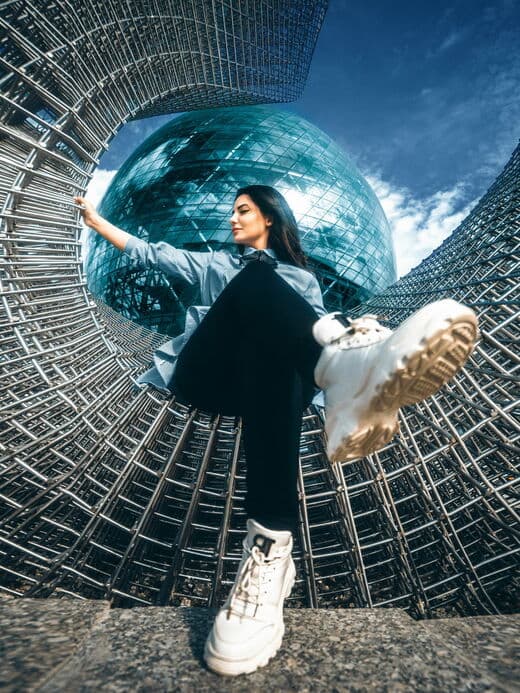
Morning: Visit the former EXPO 2017 site, now the Nur Alem museum complex with the world's largest spherical building housing exhibitions on future energy. The area shows Astana's continued development and ambitions.
Afternoon: The National Museum of Kazakhstan provides comprehensive coverage of the country's history, culture, and natural environment. Allow 2-3 hours for a thorough visit. Evening at leisure, perhaps trying a restaurant with international cuisine in the modern city center.
Day 9: Return to Almaty or Continue Exploration
Return flight to Almaty if departing from there, or use this day for additional Astana exploration - the Ethno Memorial Complex on the outskirts, day trips to surrounding steppe, or deeper exploration of neighborhoods missed earlier.
Day 10: Departure
Depart from Almaty or Astana depending on your flight arrangements.
Fourteen Days: In-Depth Kazakhstan
Two weeks allows comprehensive exploration of multiple regions, adding either southern historical sites or challenging but rewarding western landscapes.
Option A: Almaty, Astana, and Southern Kazakhstan
Days 1-5: Almaty as per the seven-day itinerary
Day 6: Fly or drive to Shymkent (1.5 hours by air, or 5-hour drive if combining with stops)
Day 7: Explore Shymkent - old town, bazaar, parks. This is more authentically Central Asian than cosmopolitan Almaty.
Day 8: Day trip to Turkestan (170 km, 2 hours each way) to visit the Mausoleum of Khoja Ahmed Yasawi, the UNESCO World Heritage Site and masterpiece of Timurid architecture. The surrounding historical area includes the Otrar ruins.
Day 9: Return to Almaty or proceed to Astana by flight
Days 10-12: Astana as per the ten-day itinerary
Days 13-14: Return to Almaty, departure day explorations
Option B: Almaty, Astana, and Mangystau
Days 1-4: Almaty compressed itinerary
Day 5: Fly to Aktau (2.5 hours from Almaty)
Days 6-9: Four-day Mangystau exploration (requires organized tour or 4WD with local driver). See Bozzhira, Valley of Balls, underground mosques, Caspian coast. This is challenging travel but utterly unique.
Day 10: Return flight to Almaty or direct to Astana
Days 11-13: Astana exploration
Day 14: Departure
Twenty-One Days: The Grand Tour
Three weeks allows a genuinely comprehensive Kazakhstan experience, covering multiple regions at a sustainable pace.
Week 1: Almaty Region
Days 1-2: Almaty city exploration
Day 3: Medeu and Shymbulak
Day 4: Charyn Canyon
Day 5: Big Almaty Lake and surroundings
Days 6-7: Kolsai Lakes trek (overnight at lakes or nearby guest houses). The three lakes offer excellent hiking in stunning alpine scenery, with possible extension to Kaindy Lake and its underwater forest.
Week 2: Eastern Kazakhstan and South
Day 8: Travel day - drive or fly toward eastern Kazakhstan or south
Days 9-11: Eastern Kazakhstan exploration (Altai foothills, Lake Markakol) OR Southern route (Shymkent, Turkestan, Aksu-Zhabagly)
Day 12: Travel day to Astana
Days 13-14: Astana exploration
Week 3: Western Kazakhstan and Return
Day 15: Fly to Aktau
Days 16-19: Mangystau exploration - Bozzhira, underground mosques, Valley of Balls, Caspian coast
Day 20: Return flight to Almaty
Day 21: Departure day, final shopping and exploration
Itinerary Customization Tips
These itineraries are frameworks, not mandates. Consider these adjustments based on interests:
- Adventure focus: Add more days for the Almaty mountains, include Shymbulak skiing, or arrange multi-day treks
- History and culture: Expand southern Kazakhstan time, add Otrar archaeological site, spend more time in traditional neighborhoods and markets
- Photography: Allocate buffer days for weather, hit key locations at optimal light times, and consider Mangystau as priority
- Relaxation: Reduce travel intensity, add spa time, enjoy cafes and restaurants rather than packing every day
Connectivity: Staying in Touch
Staying connected in Kazakhstan is generally easy, with good mobile networks and increasing Wi-Fi availability, though some considerations differ from Western countries.
Mobile Networks
Kazakhstan has several mobile operators, with Kcell, Beeline, and Tele2 being the major players. Coverage in cities is excellent, with 4G/LTE widely available. Coverage becomes patchier in rural areas and mountains, though major highways generally have service.
Purchasing a local SIM card is straightforward and recommended for anything beyond a few days. Cards are sold at airport kiosks, mobile shops throughout cities, and even some supermarkets. Costs are low - 2,000-5,000 tenge (4-10 USD) for a SIM with several gigabytes of data.
Registration requirements exist but are handled at purchase. You will need your passport, and the seller will register the SIM. Activation is usually immediate. Top-ups can be done at many shops and through the operators' apps.
Wi-Fi
Hotels, cafes, and restaurants in cities almost universally offer free Wi-Fi. Quality varies but is generally acceptable for email and social media. Video calling and streaming may be challenging in some locations.
Co-working spaces exist in Almaty for digital nomads needing reliable connectivity. Several cafes also cater to laptop workers with good Wi-Fi and working-friendly atmospheres.
In remote areas, do not expect Wi-Fi. Mobile data is your primary option, and even that may not be available in the most rural locations. Plan accordingly - download maps, entertainment, and important documents before leaving connected areas.
VPN Considerations
Kazakhstan has occasionally blocked certain websites and apps, though enforcement varies. Having a VPN installed before arrival is prudent for accessing any blocked services. Most common VPNs work, though the specific situation changes. ExpressVPN, NordVPN, and similar services are typically reliable.
Phone Calls
With a local SIM, domestic calls are cheap. International calls are more expensive but still reasonable. WhatsApp and similar apps are popular for both domestic and international communication when Wi-Fi or data is available.
To call Kazakhstan from abroad, the country code is +7 (shared with Russia). Mobile numbers begin with varying prefixes depending on operator.
Food and Drink: The Kazakh Culinary Experience
Kazakh cuisine reflects the country's nomadic heritage, Soviet history, and multi-ethnic population. It is hearty, meat-centric, and deeply connected to hospitality traditions. Understanding the food culture enhances your travel experience significantly.
Traditional Kazakh Dishes
Beshbarmak is the undisputed national dish. The name means "five fingers" because it is traditionally eaten with hands. Boiled meat (usually horse, lamb, or beef) is served over flat pasta sheets with onion sauce and rich broth. It is simple, hearty, and surprisingly delicious when well-prepared. At special occasions, the entire sheep's head may be presented to the most honored guest.
Shashlik (grilled meat skewers) is ubiquitous at restaurants and social gatherings. Quality varies, but good shashlik - well-marinated meat grilled over charcoal with smoky char - rivals anything in the Middle East. Lamb is traditional, but beef and chicken are common. Often served with raw onions, vinegar, and bread.
Kazy is horse meat sausage, a delicacy you either love or find challenging. Traditional preparation involves salting and drying in the horsehair-covered manner, though modern versions may be simpler. It is expensive and served at special occasions. Try it if you are adventurous - the flavor is distinctive.
Manti are large steamed dumplings filled with minced meat (usually lamb or beef) and onions. They are substantial - three or four makes a meal. Served with sour cream or butter, they are comfort food par excellence. Similar to manti found across Central Asia and Turkey.
Plov (pilaf) is the Central Asian rice dish cooked with meat, carrots, and aromatic spices. Every country in the region claims the best plov, and Kazakhstan's version is excellent. It is oilier and heartier than you might expect - adjust your eating pace accordingly.
Laghman is hand-pulled noodle soup or stir-fry, showing the Uyghur influence on Kazakh cuisine. The noodles are thick and chewy, served in spicy broth or stir-fried with vegetables and meat. It is a satisfying meal particularly welcome in cold weather.
Dairy Products
The nomadic heritage means exceptional dairy products that will challenge and delight adventurous eaters.
Kumys (fermented mare's milk) is the most famous and most challenging for foreign palates. Slightly fizzy, sour, and with a distinctive horse-y undertone, it is an acquired taste. However, it is considered highly healthy and almost medicinal. Give it a try - you might surprise yourself.
Shubat (fermented camel milk) is similar to kumys but from camels. It has a richer, fattier taste. Most visitors find it more palatable than kumys.
Kurt are hard, salty balls of dried fermented milk - essentially the Central Asian equivalent of cheese jerky. They last forever without refrigeration, perfect for nomadic travel. Modern versions may be less intensely salty than traditional ones.
Irimshik is a sweet dried cottage cheese, more approachable than kurt. It is often served as a snack or dessert.
Breads and Baked Goods
Baursak are fried dough balls, served with every meal and also as snacks. They are simple but satisfying, often dipped in honey or jams.
Tandoor nan is the typical Central Asian flatbread, baked in clay ovens. Fresh from the oven, it is extraordinary. Bread accompanies every meal and should never be placed upside down (a superstition, but widely observed).
Samsa are flaky pastries filled with meat and onion, baked in tandoor ovens. They are the perfect snack - buy one from a market or roadside stand for an authentic taste of local fast food.
Other Ethnic Cuisines
Kazakhstan's diversity means access to excellent cuisines beyond traditional Kazakh food.
Russian cuisine is everywhere - borscht (beet soup), pelmeni (dumplings), blini (pancakes), and various salads. These Soviet-era influences are deeply embedded in the restaurant scene.
Korean cuisine has a unique Kazakh twist due to the deported Korean community. Korean salads (morkobcha, or spicy carrot salad, and various pickled vegetables) appear in every market. Korean restaurants offer local interpretations of Korean dishes.
Uyghur cuisine reflects the significant Uyghur minority. Laghman noodles, uyghur plov, and various lamb dishes are excellent. Uyghur restaurants in Almaty offer some of the best dining in the city.
Georgian cuisine has become popular across the former Soviet space, and excellent Georgian restaurants exist in major cities. Khachapuri (cheese bread), khinkali (dumplings), and grilled meats are highlights.
Drinks
Tea is the national drink, consumed constantly and in large quantities. Kazakh tea service involves pot after pot of black tea, often with milk, served with sweets, dried fruits, and snacks. Tea refusal is almost offensive - accept at least a cup.
Coffee culture has developed significantly in major cities. Almaty has excellent specialty coffee shops comparable to any global city. Cappuccinos, lattes, and pour-overs are available for caffeine snobs.
Alcohol is widely available and consumed. Beer (both local and imported) is popular. Vodka remains culturally significant, though consumption patterns have moderated from Soviet-era levels. Wine selection is growing. Foreign visitors are not expected to match local vodka consumption - pace yourself.
Vegetarian Considerations
Traditional Kazakh cuisine is heavily meat-based, and vegetarianism was historically unknown. Modern restaurants in major cities offer vegetarian options, and you can certainly survive and eat well. However, outside cities, vegetarian options become limited. Communicate your needs clearly, and be prepared for some repetition in available dishes.
Useful phrases: "ya vegetarianets" (I am vegetarian - male) or "ya vegetarianka" (female) in Russian. "Bez myasa" means without meat. Even then, expect some confusion - the concept is not universal, and "vegetarian" dishes may appear with meat or meat broth.
Food Safety and Etiquette
Restaurant food in cities is generally safe. Street food carries slightly more risk but is usually fine from busy vendors with fresh cooking. In homes, eat what is offered - refusing food is offensive, and hosts take great pride in feeding guests. If you cannot eat something, a small taste with profuse thanks is the polite approach.
When dining in traditional settings, the senior person typically initiates eating. Wait for this cue before starting. Bread should be torn, not cut, and placed face up. Second helpings will be strongly encouraged - resistance is futile, but you can negotiate smaller portions.
Shopping in Kazakhstan: What to Buy and Where
Shopping in Kazakhstan ranges from glittering modern malls to chaotic traditional bazaars. The country offers unique products unavailable elsewhere, though knowing what to look for helps you find genuine treasures rather than tourist kitsch.
Traditional Crafts
Felt products represent the nomadic heritage beautifully. Traditional shyrdak rugs feature colorful felt mosaic patterns with symbolic meanings. Smaller felt items - coasters, bags, slippers, decorative pieces - make portable souvenirs. Quality varies, so examine construction carefully.
Yurt accessories including decorative bands, woven door covers, and miniature yurt models capture the nomadic aesthetic. Authentic pieces are becoming rarer and more expensive; reproduction items are more affordable if less historically significant.
Silver jewelry with semi-precious stones follows traditional Kazakh designs. Look for the distinctive tumar (triangular amulet pendant), bilezik (bracelets), and various earring styles. Both antique and modern pieces are available.
Textiles include embroidered fabrics, traditional costumes (chapan robes), and hand-woven items. The Sunday market in Almaty has a good selection. Suzani (embroidered hangings) from southern Kazakhstan are particularly beautiful.
Edible Souvenirs
The Central Bazaar in Almaty is paradise for edible souvenirs. Dried fruits and nuts are exceptional - dried apricots, raisins, figs, walnuts, almonds, and pistachios are cheaper and better than equivalents at home. Kurt (dried milk balls) and irimshik (sweet cottage cheese) are unique Kazakh products that travel well.
Chocolate from Kazakhstani producers (Rakhat is the main brand) makes a sweet souvenir. Honey, particularly from mountain regions, is excellent. Tea blends, especially Kazakh chai mixes, are practical gifts.
Cognac and vodka are available for those able to pack liquids. Kazakhstan produces decent spirits at low prices, though quality is not world-class.
Contemporary Goods
Modern Kazakhstan produces limited contemporary goods of international interest. Designer fashion and electronics are largely imported. However, some contemporary Kazakh designers are creating interesting work - look in boutiques in Almaty's Esentai district for local fashion.
Where to Shop
Almaty Green Bazaar (Zelyony Bazar) is the essential market experience. Food products, some crafts, and overwhelming sensory stimulation. Best for dried fruits, nuts, spices, and observing local life.
Central State Museum Gift Shop in Almaty has quality reproductions and handicrafts with reliable authenticity. More expensive than markets but trustworthy.
Almaty Sunday Market (search for "Tolkuchka" or Sunday bazaar location, as it moves periodically) offers everything from genuine antiques to complete junk. Early morning is best for selection. Bargaining expected.
Dostyk Plaza and Esentai Mall in Almaty provide modern shopping center experiences with international and local brands. Prices are Western-level for international goods.
Astana malls (Khan Shatyr especially) offer similar modern shopping experiences in the capital.
Bargaining Tips
In bazaars and markets, bargaining is expected for non-food items. Start at 50-60% of the asking price and work up. Remain friendly - aggressive bargaining is culturally inappropriate. Walking away is a valid negotiating tactic. For food items, prices are usually fixed and reasonable.
In shops with posted prices, bargaining is not expected. In tourist-oriented craft shops, some negotiation may be possible but less aggressive than in markets.
Export Considerations
Antiques (defined as items over 100 years old) require export permits. Dealers should be able to advise and sometimes assist with documentation. Without permits, items may be confiscated at customs.
Food items are generally exportable, but check your home country's restrictions on bringing in meat products, dairy, or plant materials. Most dried fruits and nuts clear customs without problems.
Essential Apps for Kazakhstan Travel
Having the right apps on your phone significantly improves the Kazakhstan travel experience. Here are the essentials to download before your trip.
Transportation
Yandex Taxi is essential for urban transportation. Similar to Uber, it provides ride-hailing with clear pricing and driver tracking. Works in Almaty, Astana, and other major cities. The app works in English.
inDrive is another ride-hailing option where you propose your price. Useful as a backup to Yandex and sometimes cheaper for longer trips.
2GIS is the best mapping app for Kazakhstan, with detailed information on businesses, public transport routes, and navigation. Superior to Google Maps for local detail. Download offline maps for areas you will visit.
Translation
Google Translate with offline Russian and Kazakh language packs is essential. The camera translation feature works on menus and signs. Not perfect, but invaluable when communication gets difficult.
Yandex Translate is sometimes better for Russian translations and works offline with downloaded languages.
Communication
WhatsApp is widely used in Kazakhstan. Many businesses provide WhatsApp contacts for inquiries and bookings.
Telegram is also popular and sometimes preferred by younger Kazakhs.
Money
XE Currency or similar currency conversion apps help with quick price comparisons. The tenge fluctuates, so checking current rates before significant purchases is wise.
General
Offline maps - download Google Maps, Maps.me, or 2GIS coverage for your regions before leaving reliable internet. Cell coverage in remote areas is limited, and having maps available is essential.
VPN apps - have a reliable VPN installed before arrival in case certain sites or services are blocked.
Conclusion: Making the Most of Your Kazakhstan Journey
I have spent considerable time exploring Kazakhstan, and I remain genuinely enthusiastic about this country. It offers something increasingly rare in our connected, touristed world - the feeling of genuine discovery. You will encounter landscapes, cultures, and experiences that surprise you, that did not appear in a TikTok video you saw six months ago, that your friends back home know nothing about.
Is Kazakhstan perfect? Of course not. The language barrier is real and sometimes frustrating. Some infrastructure is underdeveloped. The climate can be brutal - both the winter cold and the summer heat in certain regions. Tourist services are improving but not as polished as established destinations. You will have moments of confusion, communication breakdown, and logistical challenge.
But these challenges are part of what makes travel here worthwhile. When everything is smooth and predictable, when every interaction is scripted and every destination Instagrammed a million times, the essence of travel - discovery, adaptation, genuine human connection - gets lost. Kazakhstan gives you that essence back.
Key Takeaways for Your Trip
Plan realistically. This is a huge country, and trying to see everything leads to exhausting travel days and superficial experiences. Focus on one or two regions and explore them properly. You can always return.
Embrace the hospitality. When a Kazakh family invites you for tea, when a stranger offers help with directions, when more food keeps appearing than you could possibly eat - accept it. This generosity is genuine, and participating in it is one of the richest travel experiences available.
Prepare for conditions. Check weather forecasts, pack appropriately, bring medications you need, download offline maps. Kazakhstan rewards preparation and punishes assumptions that everything will just work out.
Stay flexible. Plans will change. Buses run late, weather forces adjustments, better opportunities appear. Roll with it - some of the best travel experiences come from improvisation.
Learn some Russian. Even basic phrases - hello, thank you, numbers, please - dramatically improve your experience. Kazakhs appreciate any effort, and communication becomes much easier.
Respect the culture. Observe modesty in religious sites, accept hospitality graciously, ask before photographing people, and avoid sensitive political topics unless invited into them. You are a guest in someone else's home country.
Give yourself time. The best experiences often come from unstructured time - wandering markets, sitting in cafes, watching daily life unfold. Do not schedule every hour.
The Future of Kazakhstan Tourism
Kazakhstan is actively developing its tourism infrastructure and promotion. New hotels, improved transportation, better English information, and growing international awareness are gradually making the country more accessible. This is positive for travelers but also means that the current window of visiting before mass tourism arrives is closing.
The Kazakhstan you visit today will be different from the Kazakhstan of 2034 or 2044. Visit now while it still feels like discovery rather than following a well-worn tourist trail. The stories you will tell, the experiences you will have, the connections you will make are available now in ways they may not be in the future.
Final Thoughts
Travel at its best expands our understanding of what is possible - how people can live, what landscapes exist, what histories have unfolded in places we never thought about. Kazakhstan delivers this expansion generously. You will return home with stories that surprise your friends, with perspectives that shift how you see the world, with memories that stay vivid for years.
The hospitality of a family on the steppe who shared their beshbarmak with a stranger. The alien landscapes of Mangystau that seem beamed from another planet. The futuristic architecture of Astana rising from the endless steppe. The warmth of Almaty's cafe culture with snow-capped mountains as backdrop. The ancient stones at Tamgaly that connected you to humans who lived here three thousand years ago.
These experiences await you in Kazakhstan. The only question is when you will book your ticket.
Safe travels, and enjoy the journey. Kazakhstan will not disappoint you.