About
Iran: The Complete Travel Guide to a Land of Ancient Empires, Stunning Deserts, and Unmatched Hospitality
Why Visit Iran
Let me be honest with you right from the start: Iran is not the country you think it is. Whatever mental image the evening news has painted for you over the past two decades, the reality on the ground is so dramatically different that it borders on cognitive dissonance. Real Iran is a place where strangers invite you into their homes for tea within five minutes of meeting you, where cities contain architectural masterpieces older than most European cathedrals, and where the landscape shifts from scorching desert to snow-capped mountains in the span of a two-hour drive. This is one of the last great travel destinations that mass tourism has not yet managed to ruin.
The Persian Empire was one of the earliest and most influential civilizations in human history. Persepolis, the ceremonial capital of the Achaemenid dynasty, was built in 518 BCE -- two full centuries before the Roman Colosseum. Isfahan in the 17th century was one of the largest cities on Earth, with a population exceeding that of contemporary London. Turquoise-domed mosques, bazaars with a thousand years of continuous trade, Zoroastrian fire temples, Armenian churches, and caravanserais along the ancient Silk Road -- all of this exists in a single country. And unlike Turkey or Egypt, you will often find yourself as one of the only foreign visitors at any given site.
But Iran is far more than its history. This is a country of natural contrasts that few places on the planet can match within such a compact territory. The Dasht-e Lut desert holds the record for the highest surface temperature ever recorded on Earth -- a staggering 70.7 degrees Celsius (159.3 degrees Fahrenheit), measured by NASA satellite. The Caspian coast, just a few hours north, is lush with subtropical forests and humidity levels that feel more like Southeast Asia than the Middle East. The Zagros and Alborz mountain ranges offer ski resorts in winter and world-class trekking routes in summer. The Persian Gulf coastline features coral reefs and mangrove forests. All of this is one Iran.
And then there are the people. Iranians are, without exaggeration, among the most hospitable people you will ever encounter anywhere on Earth. This is not a cliche recycled from guidebooks -- it is a statement backed by virtually every traveler who has set foot in the country. Be prepared: you will be invited into homes, offered food by complete strangers, and approached by people who simply want to practice their English or hear where you are from. Taarof -- the Iranian tradition of ritualized politeness -- permeates every interaction. A bazaar vendor might refuse to accept payment for your tea (do not worry, after two or three polite refusals, he will accept). A taxi driver might try to give you a free ride. A random passerby will walk you to your destination even if it means going out of their way. This level of genuine human warmth is the number one reason travelers fall in love with Iran and keep coming back.
Add to all of this the remarkably low prices (Iran is one of the most budget-friendly travel destinations in the world, comparable to Southeast Asia), the near-total absence of tourist crowds, a level of personal safety that rivals Japan, and a culinary tradition that deserves its own dedicated food tour -- and you have a destination that absolutely deserves a spot on your travel list. Go now, before it becomes mainstream. Because it will. The word is getting out, and the Iran you can experience today, with its raw authenticity and unfiltered hospitality, will not last forever.
One important caveat before we dive deeper: if you hold a US, UK, or Canadian passport, you cannot travel independently in Iran. You are required by Iranian law to join a guided tour with a government-approved guide at all times. This is not optional, and it is enforced. Australian, New Zealand, and EU passport holders can travel independently, though a visa is required in advance for most nationalities. More on this in the visa and safety sections below. Do not let this restriction stop you -- the guided tours are often excellent, and your guide will unlock doors and experiences that independent travelers miss.
Regions of Iran: Which One Is Right for You
Iran is a massive country -- roughly three times the size of France, or about the same area as Alaska. Covering it all in a single trip is unrealistic, so understanding the distinct regions is essential for planning. Each region is effectively its own world, with a unique climate, landscape, cuisine, and even ethnic composition.
Tehran and the Central Provinces
Tehran is a sprawling metropolis of roughly 15 million people, wedged between the Alborz Mountains to the north and arid plains to the south. It is a city that simultaneously resembles Istanbul, Los Angeles, and something entirely its own. North Tehran is all leafy boulevards, trendy cafes, contemporary art galleries, and restaurants that would hold their own in any world capital. South Tehran is the chaotic Grand Bazaar, noisy streets, historic mosques, and unvarnished urban life without the tourist veneer. The contrast between the two halves is itself a lesson in understanding modern Iran.
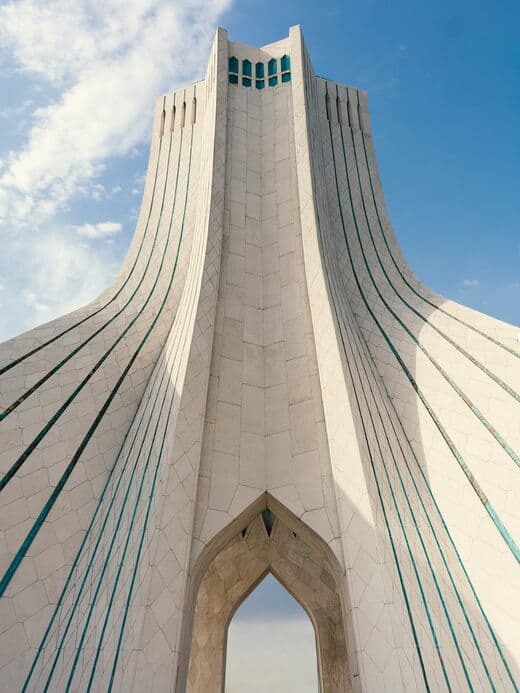
Must-see spots in Tehran include the Golestan Palace, a UNESCO World Heritage Site and former Qajar residence whose mirrored halls are genuinely jaw-dropping. The National Museum of Iran traces human civilization from Elamite artifacts to Sassanid silverwork. The Tehran Museum of Contemporary Art houses one of the most important collections of Western art outside Europe and North America -- we are talking Picasso, Warhol, Pollock, Rothko -- acquired by the Shah's wife before the 1979 revolution and largely unseen by Western audiences. The Azadi Tower is the city's iconic symbol, while the Milad Tower, at 435 meters (1,427 feet), is the tallest structure in Iran and offers panoramic views. For a taste of how young Tehranis actually live, walk through the Tabiat Bridge (a stunning pedestrian bridge that has become a hangout spot) or hike up to Darband, where families and couples sip tea beside mountain streams on summer evenings.
From Tehran, it is easy to reach Kashan, a tranquil town with beautifully restored merchant houses (the Tabatabaei, Borujerdi, and Abbasi houses are architectural gems), the Fin Garden (the oldest surviving Persian garden in the country), and an atmosphere that contrasts sharply with the capital's intensity. Kashan is the ideal first stop after Tehran, a gentle introduction to the rhythm of provincial Persia. Budget a full day here at minimum.
The city of Qom is Iran's religious capital and the center of Shia theological scholarship. This is not a tourist destination in the conventional sense -- you come here for understanding. This is where the ayatollahs studied, and this is the seat of Iran's religious authority. The Shrine of Fatima Masumeh is the second most important shrine in Iran after Mashhad. Tourists are welcome, but the dress code here is stricter than elsewhere, and the atmosphere is noticeably more conservative.
Isfahan -- The Jewel of Persia
Isfahan is the city that most people come to Iran to see, and it earns every superlative thrown at it. Naqsh-e Jahan Square (Imam Square) is the second-largest public square in the world after Tiananmen, and it is arguably one of the most beautiful urban ensembles anywhere on Earth. On one side stands the Imam Mosque, its dome covered in turquoise mosaic tiles that shift in hue depending on the light. Opposite is the Sheikh Lotfollah Mosque, smaller and more intimate, with a famous peacock pattern on its dome that only becomes visible at a specific angle of sunlight. Between them are the Ali Qapu Palace with its remarkable acoustic music room and the entrance to the Grand Bazaar, which extends in a labyrinth for kilometers.
The bridges of Isfahan are a story unto themselves. Si-o-se-pol (Bridge of 33 Arches) and Khaju Bridge are not mere river crossings -- they are social spaces where the entire city congregates in the evening. Under the arches of Khaju Bridge, Iranians gather to sing traditional Persian songs, and the acoustics are extraordinary. Join them, sit down, and listen -- it is one of those travel moments that stays with you for a lifetime. The Armenian quarter of Jolfa is home to 17th-century churches (the Vank Cathedral with its golden frescoes blending Christian iconography with Persian miniature art is remarkable), charming cafes, and a distinctly different atmosphere from the rest of the city. The Jameh Mosque of Isfahan is a thousand-year encyclopedia of Islamic architecture, with elements spanning from the Seljuk to the Mongol period.
Budget a minimum of three days for Isfahan. Two days will feel like a sprint. Three is reasonable. Four to five is ideal if you want to absorb the atmosphere, sit in a teahouse, wander the bazaar without a schedule, and take day trips to the surrounding area. If you have limited time in Iran and can only visit one city beyond Tehran, make it Isfahan.
Shiraz -- City of Poets and Gardens
Shiraz is the cultural capital of Iran, the city of Hafez and Saadi -- two of the greatest Persian poets whose tombs have become pilgrimage sites. Iranians visit the Tomb of Hafez in the evening, read poetry aloud, and practice fal-e Hafez -- the tradition of opening the Divan of Hafez to a random page to receive a prophecy or guidance. It is a living literary tradition that has no real equivalent in Western culture. The Tomb of Saadi is a more tranquil space with a turquoise dome and a fish pond.
The Nasir-ol-Molk Mosque -- the famous "Pink Mosque" -- is probably the single most photographed building in Iran. In the morning, sunlight filters through its stained glass windows and floods the prayer hall with a kaleidoscope of colors. Arrive at opening time (around 8:00 AM) to catch the light at its best and avoid crowds. The Karim Khan Citadel is a Zand-era fortress in the city center with a distinctive leaning tower. The Eram Garden is one of nine Persian gardens inscribed on the UNESCO World Heritage List. The Vakil Bazaar is one of the most beautiful covered markets in Iran, with soaring brick vaults and a photogenic atmosphere.
From Shiraz, a day trip to Persepolis (about 60 km or 37 miles away) is absolutely non-negotiable. This is the ancient ceremonial capital of the Achaemenid Empire, built by Darius the Great around 518 BCE. The carved reliefs showing processions of subject nations, the Gate of All Nations, and the monumental staircases with thousands of individual figures -- even in ruins, the scale and artistry are staggering. Think of it as Iran's answer to the Pyramids of Giza or Angkor Wat, but with a fraction of the visitors. Nearby, Naqsh-e Rostam features royal tombs carved into a cliff face, and Pasargadae holds the modest but deeply moving tomb of Cyrus the Great, founder of the Persian Empire and author of what many consider the first declaration of human rights. This entire cluster makes for a full day of immersion in ancient history.
Yazd -- City of Wind Towers and Zoroastrians
Yazd is one of the oldest continuously inhabited cities in the world, and UNESCO has inscribed its entire historic center as a World Heritage Site. The city sits in the middle of the desert, and this harsh environment has shaped its uniquely ingenious architecture: badgirs (wind towers) that function as ancient air conditioning, qanats (underground aqueducts) that channel water from distant mountains, and narrow winding alleys designed to provide shade and shelter from wind and heat. The overall effect is a city that looks like something from a science fiction movie -- except it has been here for thousands of years.
Yazd is the center of Zoroastrianism, the ancient Persian religion that predates Islam by centuries. The Atashkadeh (Fire Temple) houses a flame that has been burning continuously since 470 CE -- over 1,550 years. The Towers of Silence (Dakhma) are Zoroastrian funerary structures on the outskirts of the city, from which you get a panoramic view of the desert stretching to the horizon. The Jameh Mosque of Yazd has the tallest minarets in Iran (52 meters or 170 feet) and a stunning portal decorated with turquoise mosaic. The Amir Chakhmaq Complex is one of the most photographed squares in the country, especially when lit up at sunset.
The Old City of Yazd is a place where you can genuinely get lost in a labyrinth of mud-brick walls -- and that is the whole point. Wander without a rigid plan (GPS works if you need it), peek into courtyards, climb onto rooftops, and watch the sunset from one of the wind towers. Many guesthouses in the Old City have rooftop terraces where you can sleep under the stars. If you can only visit two cities in Iran besides Tehran, make them Isfahan and Yazd. Yazd has an atmosphere that no other Iranian city quite matches -- it is quieter, more meditative, and feels genuinely ancient in a way that the larger cities do not.
Mashhad and the Northeast
Mashhad is Iran's second-largest city (population 3.3 million) and the most important center of Shia pilgrimage in the country. The Imam Reza Shrine Complex is the largest mosque complex in the world by area, drawing over 20 million pilgrims annually. For non-Muslims, access to the mausoleum itself is restricted, but you can visit the grounds of the complex, and the sheer scale is awe-inspiring -- it is essentially a city within a city, with museums, libraries, courtyards, and a massive bazaar attached. The Reza Bazaar surrounding the shrine is one of the liveliest markets in Iran. Mashhad is a different Iran from Isfahan or Tehran: more conservative, more devout, but crackling with energy.
From Mashhad, consider a side trip to Nishapur, the city of Omar Khayyam -- the poet, mathematician, and astronomer whose Rubaiyat became one of the most famous works of Persian literature in the English-speaking world thanks to Edward FitzGerald's translation. The town of Tus holds the mausoleum of Ferdowsi, author of the Shahnameh (Book of Kings), the Iranian national epic that is to Persian culture what Homer's Iliad is to the Greeks. The Turkmen Steppe to the northeast is home to a Turkmen minority with a distinctly different culture, architecture, and way of life. This region rewards those willing to go off the beaten path.
Tabriz and the Azerbaijani Northwest
Tabriz is the capital of East Azerbaijan Province, and stepping into this city feels like entering a different country. The primary language here is Azerbaijani Turkish alongside Persian, the cuisine is distinctly different, and the cultural rhythm is its own. The Tabriz Historic Bazaar Complex is the largest covered market in the world and a UNESCO World Heritage Site. It is not just a market -- it is an entire city within a city, with kilometers of covered streets, mosques, caravanserais, and bathhouses all under one roof. Plan at least half a day just for the bazaar. The Blue Mosque (Kabud Mosque), dating from the 15th century, was largely destroyed by an earthquake but retains fragments of extraordinarily beautiful blue tile work that hint at its former glory.
From Tabriz, a day trip to Kandovan is a highlight. Think of Cappadocia in Turkey -- cone-shaped volcanic rock formations with homes carved directly into the stone -- but without the crowds, the hot air balloons, or the Instagram influencers. People still live in these rock houses today, and you can stay overnight in a cave hotel if you want the full experience. Babak Castle is a mountain fortress reached via a rewarding trek with panoramic views. Lake Urmia was once one of the largest salt lakes in the world; an ecological crisis has shrunk it by 80%, but the landscape of pink and turquoise waters, salt crusts, and islands is still striking. The St. Stepanos Monastery near Jolfa is a 14th-century Armenian church in a dramatic gorge near the Armenian and Azerbaijani borders -- one of the most beautiful religious buildings in Iran.
The Caspian Coast (Gilan and Mazandaran)
Northern Iran is the complete opposite of everything you associate with the word "Iran." Forget deserts and mosques. This is a land of dense forests, rice paddies, misty mountains, and tea plantations. The provinces of Gilan and Mazandaran are the Iranian Riviera, where Tehranis escape on weekends. The city of Rasht is the gastronomic capital of Iran, officially recognized by UNESCO as a Creative City of Gastronomy. The cuisine here is entirely different from the rest of the country: fish, sour sauces, fresh herbs, and mirza ghasemi (a smoky eggplant dip with tomatoes and eggs that will ruin you for all other eggplant dishes).
Masuleh is a stepped mountain village where the roof of one house serves as the courtyard for the house above -- imagine an Iranian version of Santorini, but in the mountains and without the cruise ship crowds. Bandar-e Anzali is a Caspian port town with a lagoon and bird sanctuary. Ramsar is a resort town with hot springs. The Chalus Road from Tehran to the coast is one of the most spectacular mountain drives you will ever experience -- a serpentine highway through the Alborz Mountains with hairpin turns, tunnels, and views that will make you pull over every few kilometers. If you are visiting Iran in summer, when the central desert cities are unbearably hot, the Caspian coast is a perfect alternative.
Kerman and the Dasht-e Lut Desert
Southeastern Iran is the territory of extreme deserts and ancient caravan routes. Kerman is the gateway to the Dasht-e Lut, Iran's first natural UNESCO World Heritage Site and the hottest desert on the planet. The Lut is not just sand dunes -- it is a landscape of kaluts (yardangs), which are giant wind-sculpted sand formations up to 50 meters (164 feet) tall that look like the ramparts of some alien fortress. A night spent in the desert under the stars, with zero light pollution and the Milky Way blazing overhead, is an experience that stands alongside the best desert camping in the Sahara or Namibia.
The oasis town of Mahan sits on the edge of the Lut with palm groves and the beautiful Shazdeh Garden, one of the nine Persian gardens on the UNESCO list -- a green paradise in the middle of absolute desolation, fed by underground water channels. The Shahdad area is the base for desert expeditions into the Lut. The city of Bam is famous for Arg-e Bam, the largest adobe structure in the world, which was severely damaged in the devastating 2003 earthquake (26,000 lives lost) but has been under active restoration ever since. Rayen is a lesser-known but better-preserved adobe citadel about 100 km from Kerman that gives you a sense of what Bam looked like before the earthquake.
The Persian Gulf and Islands
Southern Iran is a subtropical world where Arab, Persian, and Indian cultures have blended into a unique cultural cocktail. Qeshm Island is the largest island in the Persian Gulf. The Stars Valley (Tandis-ha) features fantastical rock formations carved by erosion into shapes that look like movie set pieces. The Hara Mangrove Forests are a protected ecosystem teeming with birds, crabs, and dolphins. The island's UNESCO Global Geopark status reflects its extraordinary geological diversity. Traditional villages on Qeshm are home to women wearing the distinctive bandari mask (a local traditional face covering, not to be confused with religious veiling -- it is a cultural tradition predating Islam).
Hormuz Island is a small, psychedelic island with rocks and beaches made of vividly colored minerals -- reds, oranges, purples, and silvers. The soil is so richly pigmented that locals use it to make spice blends and art. It is one of the most visually surreal landscapes in all of Iran, and it is only a 20-minute boat ride from Qeshm. The Hormozgan Province mainland has its own bandari character, with fish markets, traditional music (bandari music has a distinctive African-influenced rhythm), and ferry ports connecting to Oman across the Strait of Hormuz.
Kurdistan and Western Iran
Western Iran is mountainous, Kurdish, rugged, and stunningly beautiful. The provinces of Kurdistan and Kermanshah are defined by the Zagros Mountains -- dramatic gorges, Kurdish villages, waterfalls, and a way of life that feels worlds apart from the central plateau cities. The Bisotun Inscription is a trilingual inscription carved by Darius the Great into a cliff face at a height of 100 meters (328 feet) -- it is a UNESCO World Heritage Site and one of the most important historical documents of the ancient world, akin to the Rosetta Stone. Taq-e Bostan features Sassanid rock reliefs in a grotto, depicting hunting scenes and royal coronations with extraordinary detail. Khorramabad has the Falak-ol-Aflak Castle, one of the largest stone fortresses in Iran, perched dramatically on a hill above the city.
This region is for travelers who have already visited "classic" Iran and want something completely different. There are virtually no foreign tourists here, and even Iranian tourism is minimal. The landscapes and the warmth of the Kurdish people leave some of the strongest impressions of any region in the country. If you have three weeks, include at least three days in the west.
Khuzestan -- The Ancient Southwest
Khuzestan is a hot, low-lying province in the southwest bordering Iraq, and it holds some of the oldest monuments in Iran. Chogha Zanbil is a ziggurat dating to the 13th century BCE -- one of the few surviving ziggurats outside of Mesopotamia and a UNESCO World Heritage Site. Standing at its base, you are looking at a structure built three thousand years ago that still rises to nearly 25 meters. Shushtar is a city with a unique historical hydraulic system (also UNESCO-listed) built during the Sassanid era, essentially an ancient water management engineering marvel. Ahvaz, the provincial capital, is hot, loud, and chaotic, but it has colorful Arab quarters and a distinct cultural identity. Summer temperatures here routinely exceed 50 degrees Celsius (122 degrees Fahrenheit), so visit in winter or spring.
Nature, Deserts, and National Parks: Iran Beyond the Mosques
Most first-time visitors to Iran expect mosques, bazaars, and little else. The natural diversity of this country consistently catches people off guard. Iran sits at a geographical crossroads where several climate zones and tectonic plates converge, creating a landscape variety that few countries can rival. Here is a deeper look at what the natural side of Iran has to offer.
Dasht-e Lut -- The Hottest Place on Earth
Iran's first natural UNESCO World Heritage Site, inscribed in 2016. The Dasht-e Lut is not merely "hot sand." It is a landscape of kaluts -- massive yardangs (wind-sculpted formations) reaching up to 50 meters in height, stretching for tens of kilometers in eerie parallel ridges. It includes nebkas (sand mounds around desert plants), salt flats that crack into geometric patterns, and vast expanses where no life exists at all. NASA's MODIS satellite measured the highest land surface temperature ever recorded here: 70.7 degrees Celsius (159.3 degrees Fahrenheit). Yet winter nights can drop to near freezing. Tours into the Lut depart from Kerman or Shahdad. The best time to visit is autumn through early spring (October to March). A night camping in the Lut, with no light pollution for hundreds of kilometers, offers some of the most spectacular stargazing on the planet -- on par with the Atacama Desert in Chile or the Namib Desert in Namibia.
Dasht-e Kavir -- The Great Salt Desert
The Great Salt Desert occupies much of central Iran and is less tourist-developed than the Lut but no less impressive. After rare rains, salt lakes transform into vast mirrors reflecting the sky -- a phenomenon that draws photographers from around the world. Ancient caravanserais dot the old trade routes across the desert, many in various states of romantic ruin. The oasis towns of Meybod and Nain sit on the edge of the Kavir, offering traditional adobe architecture and a glimpse into how desert communities have survived for millennia. The Maranjab Caravanserai, about two hours from Kashan, is one of the most accessible desert experiences near the classic tourist route.
Hyrcanian Forests
Inscribed as a UNESCO World Heritage Site in 2019, the Hyrcanian Forests along the southern shore of the Caspian Sea are relict broadleaf forests -- remnants of ancient forests that covered the region 25 to 50 million years ago. This is the only place in Iran where you will feel as though you have been transported to the rainforests of the Pacific Northwest or the cloud forests of Central America. Dense vegetation, high humidity, and green in every direction. Trekking through the Hyrcanian Forests is one of the best hiking experiences in the country, with well-established trails and the chance to spot wildlife including the critically endangered Persian leopard, brown bears, and wild boar.
Mount Damavand
The highest peak in Iran and in all of the Middle East at 5,671 meters (18,606 feet). Damavand is a stratovolcano in the Alborz range, visible from Tehran on clear days as a perfectly symmetrical cone dusted with snow. The ascent takes two to three days and does not require technical mountaineering skills, but it does demand solid physical fitness and proper acclimatization. The climbing season runs from June to September. The base camp is in the village of Polur, about three hours east of Tehran. Damavand is one of the "Volcanic Seven Summits," making it a bucket-list peak for mountaineers worldwide. Even if you do not plan to summit, the approach hike offers stunning mountain scenery and hot springs at the base camp.
Qeshm Island Geopark
A UNESCO Global Geopark in the Persian Gulf, Qeshm Island is an open-air geological museum. The Stars Valley (Tandis-ha) is a canyon of fantastical rock formations that locals attribute to a fallen star -- scientifically, they are the result of millions of years of erosion by wind and water. The Namakdan Salt Caves are among the longest in the world, with crystalline formations that look like something from another planet. The Hara Mangrove Forests are a unique ecosystem where you can kayak or boat through channels filled with herons, flamingos, crabs, and dolphins. Turtle beaches on the island's southern shore are nesting grounds for hawksbill sea turtles. The geopark combines natural wonders with the distinct Bandari culture of the Persian Gulf coast.
Lake Urmia
Once one of the largest salt lakes in the world and the largest lake in the Middle East, Lake Urmia has suffered a devastating ecological crisis -- losing roughly 80% of its water volume over the past several decades due to dam construction, agricultural irrigation, and drought. International efforts are underway to restore the lake, and in recent years there have been modest improvements. Even in its diminished state, the lake presents an otherworldly landscape: waters that range from deep turquoise to bright pink (due to halophilic bacteria), salt crusts, and barren islands. The causeway across the lake offers dramatic views. The city of Urmia nearby has Assyrian and Armenian churches reflecting the religious diversity of the region.
Waterfalls, Caves, and Mountain Landscapes
Margoon Waterfall (Fars Province) is one of the most beautiful waterfalls in Iran -- water cascades over a wide, moss-covered rock ledge surrounded by lush vegetation. It is accessible on a day trip from Shiraz with a short hike. Shevi Waterfall (Khuzestan) is a cascading fall in the Zagros Mountains, set in a deep gorge. Ali Sadr Cave in Hamedan Province is the largest water cave in the world -- you explore it by pedal boat, gliding through subterranean chambers of stalactites and stalagmites inside a mountain. It is a surreal experience and nothing like any cave you have visited before. The Alamut Valley in the Alborz Mountains, northwest of Tehran, was the legendary stronghold of the Hashashin (Assassins) and offers excellent trekking with ruins of mountain-top castles perched on impossible cliff edges.
Iran also has several ski resorts within easy reach of Tehran. Dizin, Shemshak, and Tochal are all within 60 to 90 minutes of the capital. Tochal is accessible directly from northern Tehran via gondola, making it possible to ski in the morning and have lunch in the city. The season runs from December to March, and conditions can be surprisingly good -- powder days are not uncommon in the Alborz range. Lift tickets cost a fraction of what you would pay at any European or North American resort.
When to Visit Iran
Iran is a country of climatic extremes, and choosing the right time to visit is critically important. The optimal window depends heavily on which regions you plan to explore.
Spring (March to May) is the best season for most destinations. Nowruz (the Persian New Year, falling on March 20 or 21) is a massive national celebration, but be aware that the entire country goes on vacation. Hotel prices spike, accommodation books out, and transportation is packed. The first two weeks after Nowruz (late March through early April) represent the peak domestic travel season. April and May are ideal: warm, green, flowers blooming everywhere, and prices returning to normal. Desert cities like Yazd and Kerman are still comfortable, though May starts getting hot.
Autumn (September to November) is the second-best season. After the brutal summer heat subsides, temperatures settle into a comfortable 20 to 30 degrees Celsius (68 to 86 degrees Fahrenheit) in most major cities. October is the sweet spot for the classic route of Tehran, Isfahan, Yazd, and Shiraz. November brings cooler weather to the mountains and the north but is excellent for the south and the deserts.
Winter (December to February) is ideal for the Persian Gulf coast (Qeshm, Hormuz, Bandar Abbas) and for skiing in the Alborz range (Dizin, Shemshak, and Tochal are all within an hour of Tehran). The classic cities of Isfahan, Yazd, and Shiraz are perfectly visitable in winter -- daytime temperatures of 5 to 15 degrees Celsius (41 to 59 degrees Fahrenheit), with nights potentially dropping to near freezing. Tourist numbers are at their lowest. Mountains are snow-covered, which is beautiful but may close some passes.
Summer (June to August) -- avoid central and southern Iran at all costs. Yazd, Kerman, and Bandar Abbas will hit 45 to 55 degrees Celsius (113 to 131 degrees Fahrenheit), which is genuinely dangerous. But the Caspian coast (Rasht, Masuleh), the mountains (Damavand, Alamut), and even Tehran (hot at 35 to 40 degrees Celsius, but manageable if you avoid midday walks) are fine in summer.
Festivals and events worth timing your trip around:
- Nowruz (March 20-21) -- The Persian New Year. Two weeks of celebrations, the Haft-Sin table (seven symbolic items), and Chaharshanbe Suri (fire-jumping festival the night before Nowruz). Incredibly festive but crowded and expensive.
- Yalda Night (December 21) -- The winter solstice celebration. Families gather to eat pomegranates and watermelon, read Hafez poetry, and stay up all night to welcome the return of longer days. If you can get invited to a family's Yalda celebration, it is a magical experience.
- Ramadan -- The Islamic month of fasting. During daylight hours, restaurants are closed (though hotels and some establishments will serve food to travelers). Iftar, the evening meal breaking the fast, is a wonderful communal experience if you are invited to participate.
- Muharram and Ashura -- The Shia mourning period for Imam Husayn. Processions, self-flagellation, black banners throughout the country. It is powerful and atmospheric, but travel logistics become more complicated, and the mood of the country is solemn.
How to Get to Iran
The main international gateway is Tehran Imam Khomeini International Airport (IKA). This is the primary port of entry for roughly 90% of international flights. Do not confuse it with Mehrabad Airport (THR) -- that is for domestic flights and a handful of regional routes. IKA is located about 45 kilometers (28 miles) southwest of central Tehran, and the ride into the city takes 45 to 90 minutes depending on the infamous Tehran traffic.
Flights from major hubs: Turkish Airlines via Istanbul is the most popular routing for Western travelers and typically offers the best connections and pricing. Qatar Airways via Doha, Emirates via Dubai, and Etihad via Abu Dhabi are solid alternatives. Pegasus Airlines (Turkish low-cost carrier) flies via Istanbul at lower fares. Lufthansa and Austrian Airlines have resumed direct European service. From Dubai, several carriers offer direct flights in under two hours, making a Dubai-Iran combination trip very feasible.
Important for US, UK, and Canadian citizens: Your flight booking is often handled by your tour operator as part of the package, since you are required to travel on a guided tour. Check with your tour company about preferred airlines and routings. Note that flying on certain Iranian carriers (Mahan Air, Iran Air) may technically violate US sanctions -- consult your tour operator about this. Most US-based travelers route through Istanbul or Doha on non-Iranian carriers to avoid complications.
Other international airports: Shiraz (SYZ), Isfahan (IFN), Mashhad (MHD), and Tabriz (TBZ) all receive international flights from Istanbul, Dubai, and some regional destinations. If your itinerary does not start in Tehran, check for direct flights to these cities. Flying into Shiraz and out of Tehran (or vice versa) can save significant backtracking time.
Overland crossings: From Turkey, the Bazargan/Gurbulak border crossing is the most popular. Regular buses run between Istanbul and Tehran (30 to 35 hours -- an epic journey if you have the time). From Armenia, the Norduz/Agarak crossing is open. From Azerbaijan, Astara/Astara. From Turkmenistan, several crossings exist, but Turkmen visas are notoriously difficult to obtain. From Pakistan, the Mirjaveh/Taftan crossing in Balochistan is open but the region has security concerns. From Iraq, several crossings are used mainly by pilgrims.
By sea: Ferries run between the UAE (Sharjah) and Oman (Khasab) to Bandar Abbas. Schedules are irregular, but crossing the Strait of Hormuz by boat is a memorable experience. Check current schedules with local operators -- these services are not bookable on Western travel platforms.
Visa essentials: Most nationalities require a visa to enter Iran. Citizens of many countries can obtain a visa on arrival (VOA) at IKA and other international airports -- this includes EU citizens, Australians, New Zealanders, and many Asian nationalities. The VOA process takes 30 minutes to two hours and costs approximately $40 to $100 depending on nationality. US, UK, and Canadian citizens cannot obtain a visa on arrival. You must apply for an authorization code through an approved Iranian tour operator before your trip, then collect the visa at an Iranian embassy or consulate, or receive it on arrival with the code. The entire process typically takes two to four weeks. Travel insurance valid for Iran is required for VOA -- you can purchase it at the airport if your existing policy does not cover Iran (many international policies exclude Iran due to sanctions). Medical insurance from IATI is one of the few Western providers that reliably covers Iran.
For Americans returning home: Be aware that having an Iran stamp in your passport means you will no longer be eligible for the US Visa Waiver Program (ESTA) for future travel. If you are a dual national of a VWP country, you will need to apply for a US visa in the future instead of using ESTA. Also, expect additional screening by CBP (Customs and Border Protection) when re-entering the US. This is standard and usually amounts to a brief interview. Carry documentation of your tour operator and itinerary.
Getting Around Inside Iran
Domestic transportation in Iran is a pleasant surprise for most visitors. It is cheap, diverse, and covers the entire country. The key is knowing which option works best for each route.
Buses are the king of Iranian transport. Intercity VIP buses are the best way to move between major cities. They are comfortable (reclining seats, air conditioning, sometimes Wi-Fi, a snack box), run frequently, and cost almost nothing. Tehran to Isfahan (450 km / 280 miles): roughly 5 to 6 hours, with a VIP ticket costing approximately $3 to $5 at the market exchange rate. Tehran to Shiraz: 10 to 12 hours on an overnight bus. Companies like Seir-o-Safar, Hamsafar, and Royal Safar Iranian all offer reliable service. VIP buses cost about 70% more than standard buses, but the difference in comfort is enormous and the total price is still trivially small by Western standards. Buy tickets at the bus terminal (terminal-e mosafarbari) or through apps.
Trains are a slower but more scenic alternative. Key routes include Tehran to Mashhad (12 hours), Tehran to Isfahan (7 to 8 hours), Tehran to Shiraz (14 hours), and Tehran to Tabriz (11 hours). Five-star trains offer private compartments with meals and full service. Four-star trains have sleeper berths. Budget options have seats only. Book in advance -- popular routes sell out, especially during holidays. The Tehran to Isfahan train through the mountains is one of the most scenic rail journeys in the Middle East, comparable to some of the great European mountain railway experiences.
Domestic flights are useful for long distances. Iran Air, Mahan Air, Iran Aseman Airlines, and Qeshm Air are the main carriers. Flights are cheap -- Tehran to Shiraz can cost as little as $10 to $20 -- but schedules can be unreliable and delays are common. Book through local travel agencies or ask your hotel for help, as this is often cheaper and easier than trying to navigate Iranian airline websites from abroad. International booking platforms generally do not list Iranian domestic flights.
Ride-hailing apps: Snapp is the Iranian equivalent of Uber and works in over 140 cities. Download the app before your trip -- it supports English. Prices are fixed, transparent, and roughly 40% cheaper than regular taxis. Tapsi (formerly Tap30) is the main competitor, operating in Tehran, Isfahan, Shiraz, Mashhad, Tabriz, and other major cities. Carpino is a third option in Tehran. For regular taxis, agree on the price before getting in, or ask the driver to use the meter (koontoor). Shared taxis (savari) run fixed routes and are the cheapest option, but you need to know the routes.
Metro systems operate in Tehran (7 lines, extremely cheap), Isfahan, Shiraz, and Mashhad. Tehran's metro is a lifesaver in the city's legendary traffic. Note that the first and last cars are usually reserved for women only -- look for the signs. Men entering these cars will be politely redirected.
Renting a car: Possible but think twice. Iranian driving style can best be described as controlled chaos. Traffic rules exist on paper but are treated more as suggestions. Motorcycles travel against traffic, pedestrians step into the road whenever they please, and lane changes happen without indicators. If you are an experienced driver comfortable with driving in Southeast Asia or other Middle Eastern countries, you will manage. If not, stick to public transport and Snapp. International driving permits are accepted. Gasoline is absurdly cheap -- a full tank costs a few dollars.
Cultural Code: What You Need to Know
Iran is an Islamic republic, and certain behavioral rules are not mere matters of etiquette but law. That said, the rules are straightforward, and Iranians are remarkably forgiving of unintentional mistakes by foreign visitors.
Dress code -- mandatory for everyone.
For women: A hijab (headscarf) is required by law in all public spaces. This is non-negotiable. In practice, especially in Tehran and Isfahan, a loosely draped scarf with some hair showing is widely accepted and has become the norm among younger Iranian women. Clothing should cover the arms to the wrists, legs fully (trousers or a long skirt below the knee), and a manteau (a long tunic or shirt reaching mid-thigh, covering the hips and rear) is the standard. In hot weather, lightweight breathable fabrics are essential. Iranian women have turned hijab compliance into an art form -- creative, colorful, and often stylish. You do not need to buy specialized clothing; a light scarf and loose-fitting tops and trousers from your existing wardrobe will work fine.
For men: No shorts, ever, not even in 45-degree heat. Long trousers are mandatory. T-shirts are acceptable but avoid anything with provocative images or text. Short sleeves are fine.
Taarof -- the Iranian art of politeness. This is the single most important cultural concept for understanding Iran. Taarof is a system of ritualized courtesy in which both parties repeatedly offer and refuse before arriving at a genuine transaction. Practical examples: a taxi driver might say "khahesh mikonam, ghabel nadare" (it is nothing, there is no charge) -- this is taarof. You should insist on paying, and after two or three rounds of refusal, they will accept. A shopkeeper might offer you tea and say the item is a gift -- politely decline the "gift" part two or three times, then pay. If someone invites you to their home, a polite initial decline is expected, but if they insist two or three times, it is a genuine invitation and you should accept. Taarof is not deception or a game -- it is a deeply rooted cultural practice of showing respect, and once you understand the rhythm of it, interactions become delightful rather than confusing.
Tipping: Not mandatory but appreciated. In restaurants, 10% is considered generous. For hotel porters and housekeeping, the equivalent of $1 to $2 is appropriate. For tour guides, $10 to $20 per day for a private guide is a reasonable range.
Physical contact: Between unrelated men and women, physical contact is prohibited in public. Do not initiate a handshake with someone of the opposite sex -- wait and see if they extend their hand first. Many modern Iranians, especially in Tehran, will shake hands with foreigners regardless of gender, but follow their lead. Between people of the same sex, hugs and cheek kisses are completely normal and common.
Alcohol: Completely prohibited in Iran. There are no bars, no liquor stores, no alcohol in restaurants. A black market exists (homemade wine, smuggled spirits), and many Iranians drink privately at home, but for tourists -- do not risk it. The legal penalties are real, and it is simply not worth the trouble. Non-alcoholic beer (delugh) is sold everywhere and is actually quite good. Iranian brands include Amas, Delster, and Istak, available in various fruit flavors.
Photography: Photographing people -- always ask permission first. Military installations, government buildings, and police stations -- absolutely not. Mosques -- generally fine, but not during prayer and not of worshippers without their consent. Women -- only with their explicit permission. When in doubt, ask. Iranians are generally happy to be photographed and will often enthusiastically volunteer to pose.
The thumbs up: In Iran, the thumbs-up gesture is the equivalent of raising a middle finger in Western culture. Do not use it. This catches Western visitors off guard more than almost any other cultural difference.
Safety in Iran
Iran is one of the safest countries in the Middle East for tourists. This may sound counterintuitive given the geopolitical headlines, but the data supports it: street crime rates are lower than in most European capitals. Petty theft is rare. Violent crime against tourists is virtually unheard of. Female solo travelers consistently report feeling safer in Iran than in many Western countries, though they should be aware that harassment, while uncommon, is not impossible.
Where it is safe: All major tourist routes -- Tehran, Isfahan, Shiraz, Yazd, Kashan, Tabriz, Mashhad, the Caspian coast -- are completely safe. You can walk at night, accept invitations from strangers (who genuinely just want to be hospitable), and generally relax in a way that few travel destinations allow.
Where to exercise caution: Sistan-Baluchestan Province (the southeast, bordering Pakistan) is the main area to avoid -- separatist and extremist groups operate here, and travel without an organized tour is strongly discouraged by all governments. Border areas with Iraq and Afghanistan require similar caution. Kurdish provinces are generally safe but check the current situation before visiting.
Common scams:
- "Plainclothes police" -- people approach on the street, claim to be searching for drug dealers, and ask to see your wallet and documents. Real police do not operate this way. If confronted, politely insist on going to a police station together.
- Bazaar price inflation -- standard in any bazaar worldwide. Ask the price before committing, bargain, and compare at multiple shops.
- Unofficial money changers -- exchange money at official exchange offices (sarrafi) or your hotel. If someone on the street offers a "better rate," proceed with extreme caution or decline.
- Motorbike snatching -- in large cities, thieves on motorbikes may grab phones or bags. Keep valuables secure and be aware of your surroundings on busy streets.
Critical for US, UK, and Canadian citizens: You are legally required to travel with a certified government-approved guide at all times. Independent travel is not permitted. Beyond this logistical requirement, there is a real (though statistically small) risk of detention on geopolitical grounds. Several dual nationals and Western researchers have been detained in Iran over the years. This does not mean you should not go -- thousands of Americans, Britons, and Canadians visit Iran every year without incident -- but you should be aware of the risk, register with your embassy, and avoid any behavior that could be construed as intelligence gathering (photographing military sites, visiting sensitive border areas, engaging in journalism without accreditation). Check your government's travel advisories before booking.
Emergency numbers: Police -- 110. Ambulance -- 115. Fire -- 125. Tourist police stations exist in major cities and staff typically speak some English.
Health and Medical Considerations
Iran has a well-developed healthcare system. Medical tourism is actually a growing industry -- Iranian clinics perform complex surgeries for patients from neighboring countries at a fraction of Western prices. For the average traveler, this means that qualified doctors and equipped hospitals are readily available in major cities. Rural and remote areas have more limited facilities.
Vaccinations: No mandatory vaccinations are required for entry (unless arriving from a country with yellow fever). Recommended vaccines include hepatitis A and B, typhoid, and a tetanus booster. Malaria risk is low and limited to the southeastern province of Sistan-Baluchestan during the rainy season -- prophylaxis is generally unnecessary for the standard tourist route.
Water: Tap water in most major cities (Tehran, Isfahan, Shiraz) is technically safe to drink, though the taste may differ from what you are accustomed to. Most travelers default to bottled water, which is cheap and sold everywhere. In desert regions and the south, stick to bottled water exclusively. Stay hydrated -- the dry climate can dehydrate you faster than you realize.
Pharmacies: Darukhane (pharmacies) are found in every neighborhood of every Iranian city. Many medications are available without a prescription. Due to international sanctions, some Western brand-name drugs are unavailable, but Iranian-manufactured generics exist for nearly everything. If you take specific medications regularly, bring your full supply for the entire trip plus extra as a buffer.
Travel insurance: Required for visa on arrival processing. Verify that your policy specifically covers Iran -- many international insurers exclude it due to sanctions. IATI Insurance and World Nomads are among the few Western providers with reliable Iran coverage. You can also purchase local insurance at the airport during the VOA process. Whatever you do, do not travel to Iran without valid insurance.
Heat-related illness: The primary health risk for travelers in Iran. In desert regions during summer, temperatures routinely exceed 50 degrees Celsius (122 degrees Fahrenheit). Drink at least 3 liters (roughly three-quarters of a gallon) of water per day, wear a hat, and avoid outdoor activity between 11 AM and 4 PM. Sunscreen is essential. Heatstroke is a medical emergency -- know the symptoms (confusion, lack of sweating, rapid heartbeat) and seek medical help immediately if they occur.
Altitude sickness: Relevant if climbing Mount Damavand (5,671 m / 18,606 ft) or trekking at elevation in the Zagros. Acclimatize gradually and do not gain more than 500 meters (1,640 feet) of elevation per day above 3,000 meters (9,843 feet).
Money and Budget
Iran's financial system is one of the biggest practical challenges of visiting the country. Due to international sanctions, Iran is almost entirely cut off from the global banking system. This has several critical implications that you must plan for in advance.
Currency: The official currency is the Iranian rial (IRR). However -- and this confuses every single visitor at first -- Iranians in everyday life use the toman, an informal unit where 1 toman equals 10 rials. When someone quotes you a price of "fifty thousand," always clarify: tomans or rials? The difference is tenfold. Many shop signs show prices in tomans, while banknotes are denominated in rials. You will get used to the conversion within a couple of days, but be careful during your first 24 hours.
International cards DO NOT WORK. This is the single most important financial fact about Iran. Visa, Mastercard, American Express, Discover -- no international card is accepted anywhere in the country. ATMs will not dispense cash from foreign accounts. Apple Pay, Google Pay, and all contactless payment systems are nonfunctional. You must bring all the cash you will need for your entire trip.
What currency to bring: US dollars are the most universally accepted and typically offer the best exchange rates. Euros and British pounds are also widely accepted at exchange offices. Bring bills in good condition -- no tears, stains, or heavy creasing, as damaged notes may be refused. Larger denominations ($100 bills) generally get slightly better exchange rates, but carry a mix of denominations including $10s and $20s for smaller exchanges. A rough guideline: bring about $50 to $100 per day depending on your travel style, plus an emergency reserve.
Where to exchange: Official exchange offices (sarrafi) offer the best rates and are found in every city. Airport exchange counters at IKA actually offer reasonable rates (unlike most countries). Hotels will exchange money at slightly worse rates but are convenient for small amounts. Street money changers may offer better rates but come with the risk of counterfeit bills or miscounting. I would recommend sticking to official sarrafi.
Prepaid tourist cards: Services like MahCard and Daric offer prepaid debit cards for tourists. You load them with cash at an office or hotel, then use them to pay in shops, restaurants, and ride-hailing apps like Snapp. This is highly recommended to avoid carrying large bundles of cash. Order in advance through their websites and have the card delivered to your hotel. The convenience factor alone makes this worthwhile.
Budget guide (approximate, at market exchange rate, 2026):
- Budget accommodation (hostel, guesthouse): $10 to $20 per night
- Mid-range hotel: $30 to $60 per night
- Luxury hotel: $80 to $150 per night
- Meal at a simple restaurant: $2 to $5 per dish
- Meal at a nice restaurant: $10 to $20 for two people
- Street food: $1 to $3
- VIP intercity bus (400-500 km): $3 to $5
- Domestic flight: $10 to $30
- Snapp ride within a city: $1 to $3
- Museum or attraction entrance: $3 to $10 (foreigners pay higher rates than locals)
Daily budget summary: A backpacker can comfortably travel Iran on $20 to $30 per day. A mid-range traveler will spend $50 to $80. A comfortable traveler with nicer hotels and private guides will spend $100 to $150. Iran is consistently one of the cheapest travel destinations in the world -- comparable to Vietnam, India, or Bolivia in terms of purchasing power. The combination of weak currency and an economy largely isolated from international tourism means your dollar, euro, or pound stretches remarkably far.
Itineraries: How to Structure Your Trip
7 Days -- The Classic Persian Triangle
This itinerary covers the three essential cities and gives you a solid understanding of why Iran belongs on any serious traveler's list. It is ideal for a first visit and works well for US, UK, and Canadian travelers on guided tours, as all three cities are on every tour operator's standard circuit.
Day 1: Tehran
Arrive at Imam Khomeini Airport. Transfer to your hotel -- Snapp from the airport costs about $5 to $7, or your tour operator will arrange a pickup. After settling in, visit the Golestan Palace (allow 2 to 3 hours for the mirrored halls, gardens, and museum galleries). In the evening, walk through Tabiat Bridge and enjoy the buzz of young Tehranis socializing. Dinner in the Darband neighborhood -- a stream-side strip of restaurants nestled against the Alborz foothills where families dine outdoors on warm evenings.
Day 2: Tehran
Morning: National Museum of Iran (covers everything from Elamite civilization to the Sassanid dynasty) and the National Jewelry Museum (the crown jewels collection here is staggering -- the Darya-ye Noor diamond alone is 182 carats, and the collection includes thrones encrusted with thousands of gems). Afternoon: the Grand Bazaar -- plan 3 to 4 hours for wandering, tea with merchants, and a kebab lunch inside the bazaar. Evening: Milad Tower at sunset for a panoramic view of the entire city with the snow-capped Alborz range on the horizon.
Day 3: Transfer to Isfahan (with Kashan stop)
Morning VIP bus from Tehran to Isfahan (5 to 6 hours), with a stop in Kashan along the way. In Kashan: the Tabatabaei House (1 hour), the Fin Garden (1 hour), and lunch in the old city. Arrive in Isfahan by evening. Your first walk around Naqsh-e Jahan Square at sunset, when the floodlights come on and the square transforms into something magical -- families picnicking on the grass, children playing, the mosques glowing against the darkening sky.
Day 4: Isfahan
Full day on Imam Square and surroundings. Morning: Imam Mosque (1 to 1.5 hours -- study the tilework up close, it is extraordinary), Sheikh Lotfollah Mosque (1 hour -- watch for the peacock pattern), Ali Qapu Palace. Afternoon: the Grand Bazaar -- head deep into the corridors where metalwork and miniature painting workshops operate as they have for centuries. Lunch at a traditional restaurant in the bazaar. Evening: the bridges of Si-o-se-pol and Khaju -- sit under the arches, listen to the singing, buy tea from a vendor.
Day 5: Isfahan
Morning: the Armenian quarter of Jolfa -- Vank Cathedral (the frescoes merge Christian and Persian artistic traditions in a way you will not see anywhere else), the attached museum. Afternoon: Jameh Mosque of Isfahan (a UNESCO site spanning 1,000 years of Islamic architectural evolution in a single building), the Shaking Minarets (Monar-e Jonban). Evening: tea in a traditional teahouse overlooking the square, watching the sunset paint the domes.
Day 6: Transfer to Shiraz
Bus from Isfahan to Shiraz (6 to 7 hours) or overnight bus (more efficient). On arrival: Karim Khan Citadel, Vakil Bazaar, Vakil Mosque. Evening: the Tomb of Hafez -- join Iranians reading poetry and performing fal-e Hafez (opening the book of Hafez to a random page for fortune-telling). The atmosphere here in the evening is one of the most memorable experiences in Iran.
Day 7: Shiraz and Persepolis
Early morning: Nasir-ol-Molk Mosque (the "Pink Mosque") -- arrive by 7:30 AM for the best light through the stained glass, which is optimal before 9 AM. Day trip to Persepolis (1.5 hours each way, 2 to 3 hours for the site) and Naqsh-e Rostam (the cliff tombs). Return to Shiraz for the Eram Garden and a farewell dinner. Fly out from Shiraz or take an overnight transfer.
10 Days -- The Classic Route Plus the Desert
Everything from the 7-day itinerary, plus Yazd -- the city that transforms your understanding of Iran from impressive to unforgettable.
Days 1 to 5: Tehran and Isfahan (as in the 7-day itinerary)
Day 6: Transfer to Yazd
Bus from Isfahan to Yazd (4 to 5 hours). On arrival: wander the Old City -- a labyrinth of mud-brick walls, wind towers, and silence. The Amir Chakhmaq Complex at sunset, when the illuminated facade reflects in the pool below. Dinner on the rooftop terrace of your guesthouse -- most hotels in old Yazd have these, and the view of the city's skyline of wind towers and minarets under the stars is extraordinary.
Day 7: Yazd
Morning: the Atashkadeh Fire Temple (a flame that has been burning for 1,550 years). The Towers of Silence (Dakhma) -- climb the hills for a panoramic desert view. The Jameh Mosque of Yazd with Iran's tallest minarets. Afternoon: the Water Museum (fascinating history of qanats, the underground aqueducts that made desert civilization possible), the Dowlatabad Garden (home to the tallest badgir/wind tower in the world at 33 meters). Evening: attend a zurkhaneh session -- a traditional Iranian "house of strength" where men perform ritualized exercises to the rhythm of drums and chanting. It is part sport, part spiritual practice, part performance art, and completely unique to Iran.
Day 8: Yazd surroundings
Day trip to Meybod (1 hour) -- a town with the Narin Qal'eh fortress (over 3,000 years old), a historic caravanserai, and a pigeon tower. Then onward to Chak Chak, the most sacred Zoroastrian temple in Iran, built into a cliff face in the middle of the desert. The road winds through an otherworldly landscape of barren mountains and vast plains. Return to Yazd for a final evening stroll through the bazaar and tea with locals.
Days 9 to 10: Shiraz and Persepolis (as days 6 to 7 in the 7-day itinerary). Fly out from Shiraz.
14 Days -- Full Immersion
Adding Tabriz, the Caspian coast, and deeper provincial Iran. This itinerary covers a remarkable range of landscapes, cultures, and experiences.
Days 1 to 2: Tehran (as in the 7-day itinerary)
Day 3: Tehran to Tabriz
Domestic flight Tehran to Tabriz (1.5 hours). On arrival: the Blue Mosque, the Azerbaijan Museum. Evening: the Tabriz Bazaar -- an immersion into Azerbaijani Turkish culture, distinctly different from anything you have experienced so far in Iran. Dinner of kufteh tabrizi (a massive meatball stuffed with dried fruit and nuts, unique to the region) or shishlik (Azerbaijani-style grilled lamb).
Day 4: Tabriz and surroundings
Day trip to Kandovan (2 hours) -- a village of homes carved into volcanic rock cones. Think Cappadocia but without the tourist infrastructure (or the crowds). Ask a local family if you can visit their home -- they will almost certainly welcome you warmly. Return via Lake Urmia -- stop at one of the viewpoints for the surreal pink-and-turquoise landscape. Evening: tea in one of the historic caravanserais inside the Tabriz Bazaar.
Day 5: Tabriz to Rasht
A long but spectacular drive (7 to 8 hours by bus). The scenery transitions from arid mountains to forests to rice paddies as you descend toward the Caspian coast. Rasht is the gastronomic capital of Iran. Dinner: mirza ghasemi (smoky eggplant dip), baghali ghatogh (fava bean stew), and torshi tareh (sour herb and fish stew). This is a completely different cuisine from the rest of Iran -- more sour, more herbal, more fish-based.
Day 6: Rasht and Masuleh
Day trip to Masuleh (2 hours) -- the famous stepped village where rooftops serve as walkways. Wander the village, drink tea with baklava, hike in the surrounding misty mountains. Return to Rasht or overnight in Masuleh (guesthouses are available). The Rasht bazaar in the evening is a feast of fresh fish, pickles, local produce, and sweets.
Day 7: Rasht to Tehran to Kashan
Morning drive to Tehran via the Chalus Road (4 to 5 hours) -- one of the most stunning mountain roads in Iran, a serpentine highway through the Alborz range. From Tehran, bus to Kashan (3 hours). Evening: the Borujerdi House, a stroll through the old quarter.
Day 8: Kashan to Isfahan
Morning: Tabatabaei House, Abbasi House, Fin Garden. Lunch in Kashan. Afternoon bus to Isfahan (2.5 hours). Evening: Naqsh-e Jahan Square.
Days 9 to 10: Isfahan (as days 4 to 5 in the 7-day itinerary)
Days 11 to 12: Yazd and surroundings (as days 6 to 8 in the 10-day itinerary)
Days 13 to 14: Shiraz and Persepolis (as days 9 to 10 in the 10-day itinerary). Fly out.
21 Days -- The Grand Iranian Journey
For those who want to see Iran properly. This itinerary adds the Lut Desert, the Persian Gulf islands, and the Kurdish west -- covering an extraordinary breadth of landscapes, cultures, and historical periods.
Days 1 to 2: Tehran (as above)
Day 3: Mountain day from Tehran
A day trek from Tehran into the Alborz Mountains. The Tochal Telecabin takes you to 3,962 meters (12,999 feet) for panoramic views of Tehran and Mount Damavand. Alternatively, if you are fit and prepared, this can be the start of a two-day Damavand summit attempt (base camp in Polur). Even a half-day hike in the Darband or Darakeh valleys above Tehran offers a taste of the mountains. This day provides a physical contrast to the city-heavy itinerary and shows you why Tehranis love their mountains.
Days 4 to 5: Tabriz and Kandovan (as in the 14-day itinerary)
Day 6: Tabriz to Kermanshah
A long transfer day (8 to 9 hours by bus), but the changing landscape from Azerbaijani hills to Kurdish mountains keeps it interesting. Kermanshah is a Kurdish city with a noticeably different atmosphere -- the people, the food, the music, even the body language feels different from Persian Iran. Visit Taq-e Bostan, the remarkable Sassanid rock reliefs carved into a grotto depicting royal hunting scenes and coronation ceremonies. Explore the Kermanshah bazaar. Kurdish dinner -- try dande kabab (smoked lamb rib) and nan-e berenji (rice flour cookies).
Day 7: Kermanshah to Hamadan
Morning: Bisotun (30 minutes from Kermanshah), the UNESCO-listed cliff inscription of Darius the Great -- a trilingual text that was to cuneiform studies what the Rosetta Stone was to hieroglyphics. Transfer to Hamadan (3 hours). Hamadan may be the ancient Ecbatana of the Bible, one of the oldest cities in the world. Visit the Mausoleum of Avicenna (Ibn Sina), the medieval physician and philosopher whose Canon of Medicine was used as a textbook in European universities for centuries. The Ganjnameh inscriptions are cuneiform texts carved into a mountainside by Darius and Xerxes. Afternoon: Ali Sadr Cave -- the largest water cave in the world, explored by pedal boat through vast subterranean chambers. An unforgettable underground experience.
Days 8 to 9: Caspian coast (Rasht, Masuleh) (as in the 14-day itinerary)
Day 10: Kashan (as above)
Days 11 to 12: Isfahan (as above)
Days 13 to 14: Yazd and surroundings (as above)
Day 15: Yazd to Kerman
Bus from Yazd to Kerman (5 hours). Kerman has a historic bazaar, the Jameh Mosque, and the stunning Shazdeh Garden -- one of the nine UNESCO-listed Persian gardens, a green oasis fed by underground channels in the middle of barren desert. The Ganjali Khan Hammam is a historic bathhouse converted into a museum with wax figures showing how hammams functioned. Kerman is also the pistachio capital of Iran -- buy some from the bazaar.
Day 16: Dasht-e Lut Desert
Full-day (or overnight) tour from Kerman or Shahdad into the Lut Desert. The kaluts -- massive wind-sculpted sand formations stretching for kilometers -- are unlike anything else on Earth. Salt flats, absolute silence, and a landscape that feels like another planet. An overnight camp under the stars with zero light pollution is one of the most profound experiences Iran offers. You will see the Milky Way as you have likely never seen it before. Tours can be arranged through Kerman-based agencies or your tour operator.
Day 17: Kerman to Shiraz
Flight (1 hour) or bus (8 hours). If taking the bus, consider a detour through Bam to see the Arg-e Bam citadel, the largest adobe structure in the world, currently under restoration after the 2003 earthquake. Even in its partially restored state, the scale is impressive -- it is like walking through a mud-brick city that has been frozen in time. Arrive in Shiraz.
Days 18 to 19: Shiraz, Persepolis, and Pasargadae
Day 18: Shiraz city -- Pink Mosque (early morning), Vakil Bazaar, Hafez Tomb, Saadi Tomb, Eram Garden. Day 19: Full-day excursion to Persepolis, Naqsh-e Rostam, and Pasargadae (the tomb of Cyrus the Great). This is a long day but covers three of the most important archaeological sites in the country in one sweep.
Day 20: Shiraz to Qeshm Island
Flight from Shiraz to Qeshm (1 hour). Afternoon: Stars Valley, Hara Mangrove Forest tour by boat, traditional Bandari villages. The culture here feels more connected to Oman and the Gulf than to Persian Iran -- the food, music, and architecture all reflect centuries of maritime trade across the strait. Overnight on Qeshm.
Day 21: Qeshm, Hormuz Island, and departure
Morning speedboat to Hormuz Island (20 minutes). Explore the Red Beach, the multicolored geological formations, and the salt dome. The pigmented soil comes in vivid reds, oranges, yellows, and purples -- the entire island looks like an abstract painting. Return to Qeshm. Flight to Tehran. Depart Iran.
Connectivity: Internet, SIM Cards, and VPN
Internet access in Iran requires advance preparation. Many websites and services are blocked by government filtering, and connection speeds can be inconsistent. But with the right setup, you can stay connected throughout your trip.
SIM cards: Buy an Iranian SIM card at the airport on arrival or at any phone shop in the city. IranCell is the best choice for tourists: wide coverage, English-speaking staff, and affordable data packages (approximately $10 for 5 GB of 4G data). MCI (Hamrah-e-Aval) is the oldest operator with the best coverage in remote areas. Rightel is a third option. You will need your passport to purchase. IranCell has a convenient office in the Tehran metro at Imam Khomeini station.
Blocked services: Facebook, Twitter/X, YouTube, Netflix, TikTok, and most Google services are blocked. However, Gmail usually works through the app, and Google Maps typically functions through the app as well (download offline maps before arrival as a backup). Telegram is technically blocked but is the most popular messaging app in Iran -- Iranians use it daily via VPN. Instagram's status fluctuates between blocked and accessible -- check the current situation. WhatsApp generally works without VPN.
VPN is essential. Download and configure your VPN apps BEFORE arriving in Iran. VPN provider websites are blocked inside the country, making downloads difficult. Download at least two or three different VPN apps, as any single one may stop working as the government updates its blocks. ExpressVPN frequently does not work in Iran. NordVPN, ProtonVPN, Outline (by Google Jigsaw), and Windscribe have had better success. Using a VPN in Iran is not illegal -- roughly half the population uses one daily.
Wi-Fi: Available in most hotels and many cafes, but speeds are typically low. Do not plan on streaming video or making consistent video calls. Mobile data (4G) through IranCell or MCI is usually faster and more reliable than hotel Wi-Fi.
Internet shutdowns: The Iranian government periodically throttles or shuts down internet access, particularly during political events or protests. This has happened several times in recent years. Have a backup communication plan (SMS, phone calls) and do not rely exclusively on internet-based messaging apps.
Iranian Cuisine: A Complete Food Guide
Iranian cuisine is one of the great culinary traditions of the world, standing alongside French, Chinese, and Indian cooking in its complexity, history, and depth of flavor. It is emphatically not "just kebabs" (though the kebabs here are extraordinary). This is a cuisine built on slow-cooked stews, aromatic rice dishes, fresh herbs eaten by the fistful, sour and sweet flavor combinations, and sweets that are genuinely difficult to stop eating.
Main Dishes
Chelo kebab is the national dish. Rice (chelo) served with kebab. It sounds simple, but Iranian rice preparation is an art form: each grain is separate, flavored with saffron, and -- the holy grail -- topped with tahdig, the crispy golden crust that forms at the bottom of the rice pot. In Iranian families, fights over who gets the tahdig are real and ongoing. Kebab koobideh (minced lamb with spices on a flat skewer) is the most common variety -- two strips of seasoned ground meat, charred on the outside, juicy inside. Kebab barg is made from a whole fillet, marinated in saffron and onion. Joojeh kebab is chicken marinated in lemon and saffron. All are served with grilled tomato, raw onion, a plate of fresh herbs (basil, mint, tarragon), and flatbread. A plate of chelo kebab koobideh at a simple restaurant costs $2 to $4 and is one of the best meals you will eat anywhere in the world at that price point.
Ghormeh sabzi is arguably the true national dish of Iran, even more so than kebab. It is a stew of mixed herbs (parsley, cilantro, spinach, fenugreek), red kidney beans, and lamb, slow-cooked for hours with dried limes (limoo amani) that give it a distinctive sour depth. The flavor is complex, herbal, and tangy. Every Iranian mother makes it slightly differently, and every Iranian believes their mother's version is the best. If you eat one stew in Iran, make it this one.
Gheimeh is a stew of meat with yellow split peas (nakhod-chi), tomatoes, and dried lime, topped with fried potatoes. Sweet, sour, aromatic -- a comfort food classic.
Fesenjan is a celebratory dish: chicken (or duck) in a sauce of ground walnuts and pomegranate syrup. The sauce is thick, dark, and complex -- simultaneously sweet, sour, and nutty. It is cooked for hours until the walnuts release their oils and the pomegranate reduces to a deep, almost chocolate-colored sauce. Traditionally served at weddings and special occasions, it is also available at better restaurants. This is unlike anything in Western cuisine and is frequently cited by food-obsessed travelers as their single favorite dish from Iran.
Dizi (abgusht) is the "stone soup" of Iran -- a working-class meal that has become beloved across all social classes. Lamb, chickpeas, potatoes, tomatoes, and white beans are slow-cooked in a small stone crock. It is served in two stages: first, the broth is poured into a bowl over torn bread, and you drink it as soup. Then the remaining meat and vegetables are mashed with a pestle into a thick paste (gushtkub) and eaten with bread. Find a dizi shop in south Tehran -- the meal costs about $2, comes with a mountain of fresh herbs and onions, and is one of the most authentically Iranian food experiences you can have.
Baghali polo ba mahiche is rice with dill and fava beans, served with a lamb shank braised until the meat falls off the bone. The combination of fragrant dill rice with tender, slow-cooked lamb is extraordinary. This is a Friday lunch tradition in many Iranian households -- Friday being the weekend day in Iran.
Mirza ghasemi is the signature dish of Gilan Province (the Caspian coast). Smoked eggplant mashed with tomatoes, garlic, and eggs, served as a dip with bread. Deceptively simple, devastatingly good. Eat it in Rasht, where it originated, for the authentic version.
Ash refers to a family of thick Persian soups that function as complete meals. Ash-e reshteh (with noodles, beans, and kashk -- a fermented whey product), ash-e anar (with pomegranate), and ash-e jo (with barley) are the most common. In cold weather, a bowl of ash with fresh bread is deeply satisfying.
Bread
Iranian bread deserves its own section. There are four main varieties, and each is magnificent in its own way:
- Sangak -- a large, irregular flatbread baked on hot pebbles in a tandoor-style oven. It comes out with a distinctive bumpy texture, crispy edges, and a chewy center. This is possibly the best bread you will eat in your life. Find a sangak bakery (they are everywhere) and eat it hot.
- Barbari -- a thick, soft flatbread with lengthwise ridges, brushed with oil. Perfect for breakfast with feta cheese, walnuts, and fresh herbs.
- Taftoon -- a thin, soft bread ideal for wrapping around kebabs.
- Lavash -- paper-thin bread bought in stacks. Used for wrapping, scooping, and as an all-purpose accompaniment.
Street Food and Snacks
Falafel is popular especially in Khuzestan and the south. Sambouseh are Iranian samosas filled with potato or meat and deep-fried. Balal is grilled corn sold from street carts in the evening. Salad Olivieh -- yes, the Russian-origin potato salad has been adopted as a national dish in Iran, typically served in sandwiches. Kashk-e bademjan is an eggplant dip with kashk (fermented whey) and fried mint. Kalle pache is a soup made from sheep's head and trotters -- it sounds extreme, but it is a cult breakfast dish served from about 4 AM to 10 AM. Even if you do not eat it, watching the ritual is an experience. The restaurants that serve it are packed with workers starting their day, and the energy is infectious.
Sweets and Desserts
Iranian sweets are serious business. Faloodeh is a cold dessert of thin vermicelli noodles in rosewater syrup with lime juice -- a specialty of Shiraz and one of the oldest desserts in the world. Bastani sonnati is traditional Iranian ice cream made with saffron, rosewater, and chunks of frozen cream (sarshir) and pistachios, served between two wafers or in a bread roll (bastani nooni). It is unlike any ice cream you have had before. Gaz is Isfahan's famous pistachio nougat. Sohan is a brittle, butter-and-saffron sweet studded with pistachios, from Qom and Isfahan. Pashmak is Persian fairy floss (cotton candy), often flavored with pistachio or rose. Halva comes in dozens of varieties, from simple flour-based versions to elaborate saffron-and-rosewater preparations.
Drinks
Tea (chai) is the national drink, consumed constantly and everywhere. It is served black, in small glass cups, with nabat (crystallized saffron sugar on a stick) or sugar cubes held between the teeth while sipping -- a traditional method you should try. Chaikhanehs (teahouses) are the Iranian equivalent of cafes, social hubs where people gather to talk, smoke hookah, and play backgammon.
Doogh is a savory yogurt drink with mint and sometimes carbonation. It is the perfect accompaniment to kebab and is an acquired taste that most travelers come to love. Think of it as a Middle Eastern buttermilk.
Sharbat encompasses a range of cold fruit drinks: rosewater, lemon-mint, sour cherry, saffron-lemon. In hot weather, a glass of sharbat from a street vendor is a lifesaver.
Coffee: Iran is fundamentally a tea culture, but specialty coffee is growing, particularly in Tehran and Isfahan. You will find third-wave coffee shops in north Tehran that would not be out of place in Portland or Melbourne. Do not expect this outside major cities.
Non-alcoholic beer (delugh): Sold everywhere and surprisingly drinkable. Amas, Delster, and Istak are the main Iranian brands, available in various fruit flavors (peach, lemon, pineapple, pomegranate). Some are genuinely refreshing, especially on a hot day.
For Vegetarians and Vegans
Iranian cuisine is heavily meat-focused, but survival is entirely possible. Ash (thick soups), kashk-e bademjan (eggplant dip), mirza ghasemi (the Caspian eggplant dish -- note it contains eggs), salad shirazi (a simple tomato-cucumber salad), sabzi polo (herb rice), borani (yogurt-based dips), falafel (especially in the south), and the traditional breakfast of feta cheese, walnuts, fresh herbs, and bread are all excellent meat-free options. In restaurants, you can request dishes without meat (bedoon-e goosht) and staff will generally accommodate. Vegans will find it harder -- dairy products are ubiquitous -- but the abundance of fresh bread, herbs, vegetables, rice, and legumes makes a vegan diet feasible with some effort and communication.
Shopping: What to Buy and Where
Iran is a shopper's paradise if you know what to look for. The bazaars here are not tourist traps constructed for your benefit -- they are working markets where locals buy everything from spices to carpets, and they have been operating continuously for centuries in some cases.
Persian carpets and kilims are Iran's most famous export and a legitimate art form. The variety is staggering: Isfahan carpets (fine patterns, silk, the most prized), Tabriz carpets (geometric designs, high knot count), Kashan carpets (classic patterns), Qashqai carpets (nomadic, vibrant colors, wool), and Nain carpets (minimalist, subtle). Prices range from $50 for a small kilim to tens of thousands of dollars for a large, handwoven silk Isfahan carpet. Bargain seriously -- it is expected. Ask for a certificate of authenticity for customs purposes. Be aware that US sanctions prohibit importing Iranian-origin goods to the United States, including carpets. Check your country's import regulations before purchasing.
Saffron: Iran produces approximately 90% of the world's saffron, and the quality is the best on the planet. Buy in Mashhad (the saffron capital) or at any bazaar. Prices are 5 to 10 times lower than in Europe or North America. Check quality: genuine saffron threads are deep red, dry, and free of yellow or white parts. A small box makes an excellent, lightweight, and valuable gift.
Pistachios: Iranian pistachios are widely considered the finest in the world. Kerman Province is the pistachio heartland. Available salted, unsalted, roasted, raw, and in various flavors. Buy a kilo or two at the bazaar -- they are astonishingly cheap compared to Western prices.
Miniature paintings and khatam: Persian miniature painting on bone, wood, or paper is a centuries-old art form. Khatam-kari is the craft of inlaying tiny pieces of wood, bone, and metal into geometric patterns on boxes, frames, and backgammon boards. Isfahan is the best place to buy, and watching artisans work in their bazaar workshops is part of the experience.
Turquoise: Iran is one of the world's major turquoise producers. Nishapur (near Mashhad) is the turquoise capital. Rings, earrings, bracelets, and necklaces are widely available. Verify authenticity before purchasing, as synthetic and treated stones are common.
Spices and dried fruits: Saffron, sumac, turmeric, dried barberries, dried limes (limoo amani), rose petals -- the spice sections of Isfahan and Shiraz bazaars are aromatic wonderlands. Everything is lightweight and easy to pack. Dried fruits and nuts are also excellent purchases.
Rosewater (golab): Kashan, specifically the nearby town of Qamsar, is the rosewater capital of Iran. May and June are rose harvest season. Rosewater is used in cooking, cosmetics, and religious rituals. A bottle is an inexpensive and aromatic souvenir.
Ceramics: Isfahan and Meybod produce beautiful hand-painted ceramics with traditional patterns. Plates, bowls, vases, and decorative tiles make for striking -- if fragile -- souvenirs. Many shops will pack items for safe transport.
Bargaining: Expected and enjoyed in all bazaars. Start at about 50% of the quoted price and work your way to 60 to 70%. Do not bargain in grocery stores or for food -- those prices are fixed. Tea will almost certainly be offered during negotiations; accept it and enjoy the process. Bargaining in Iran is social, not adversarial.
A note on US sanctions: US persons are generally prohibited from importing goods of Iranian origin, including carpets, handicrafts, and food products. Enforcement varies, and personal-use items are sometimes given a pass by customs, but be aware of the legal situation. UK, Canadian, Australian, and EU citizens generally face fewer restrictions, but check your country's specific regulations.
Essential Apps
Prepare your phone before arriving in Iran -- downloading some of these apps from inside the country will be difficult or impossible due to internet restrictions.
- Snapp -- the Iranian Uber. Supports English. Taxis, food delivery, motorbike taxis. Essential for getting around cities.
- Tapsi -- Snapp's main competitor. Works in major cities. Worth having as a backup.
- Neshan -- an Iranian navigation app that works better than Google Maps for local addresses and is not subject to government blocking.
- Balad -- another popular Iranian navigation app. Between Neshan and Balad, you will have excellent coverage.
- Google Translate -- download the Persian (Farsi) language pack for offline use before departure.
- Maps.me -- offline maps. Download the Iran map before your trip as a fallback in case Google Maps has issues.
- VPN apps -- download 2 to 3 different VPN apps before departure (NordVPN, ProtonVPN, Outline, Windscribe).
- 1stQuest -- an Iranian travel platform for booking hotels, transportation, and tours. May be blocked inside Iran -- book before departure or access via VPN.
Final Thoughts
Iran is a country that changes people. That sounds like overwrought travel-writing hyperbole, but ask anyone who has been. When you return home, you will struggle to explain to friends and family why you fell in love with a country that most people "fear." Because Iran cannot be understood through news reports. It has to be experienced -- through the handshake of a stranger who becomes a friend within an hour, through the flavor of saffron ice cream eaten under a turquoise dome, through the sound of the call to prayer echoing across the desert at sunset in Yazd, through the laughter of Iranian children chasing after you shouting "Hello! Welcome to Iran!"
This is a country of contradictions, however cliched that observation may be. Ancient ruins and nuclear ambitions. Religious authorities and underground house parties. Deserts where the surface temperature reaches 70 degrees Celsius and ski resorts an hour's drive from the capital. A complete ban on alcohol and the most genuine, heartfelt hospitality you will encounter anywhere on Earth. Iran resists categorization -- and that is precisely why it is so compelling.
Yes, there are inconveniences: cash instead of cards, VPN instead of open internet, hijab instead of your usual wardrobe, and (for Americans, Brits, and Canadians) the requirement to travel with a guide. But these inconveniences are trivial compared to what you receive in return: a country that has not yet been transformed into a museum for tourists, people who are genuinely delighted to meet you, and a depth of history that starts where most countries' histories end.
Go to Iran. Go now -- while it is still like this. Because the world changes, and Iran is changing too. The travelers who experience it in this remarkable state -- suspended between antiquity and modernity, between official strictness and extraordinary personal warmth -- will carry an experience that stays with them for a lifetime. Few destinations deliver on that promise. Iran does.
Information current as of 2026. Verify visa requirements, travel advisories, and the security situation before booking. Consult your government's foreign affairs department (US State Department, UK FCDO, Global Affairs Canada, DFAT Australia) for the latest guidance.