About
Cuba: An Honest Guide to the "Island of Freedom"
Cuba is a country of contrasts, where socialism coexists with dollars, crumbling facades with colonial beauty, and poverty with loud laughter in the streets. This destination either captures your heart forever or shocks you on day one — it all depends on your expectations and willingness to accept the local reality.
Money and Travel Budget
Cash still rules in Cuba: American Visa/Mastercard cards are under sanctions, and European cards work only in some places, mainly large hotels and tourist areas. Tourists should bring dollars or euros, which can be exchanged for Cuban pesos (CUP) or used directly at certain hotels and private establishments.
As of late 2025, budget travelers staying in casas particulares, eating at affordable paladares, and taking buses should plan for 60–80 USD per day per person excluding flights. A comfortable level with regular excursions, cocktails, and mid-range restaurants runs about 100–150 USD per day. A week at an all-inclusive resort typically costs 800–1200 USD per person depending on hotel quality and season.
Currency and Exchange
The official currency is the Cuban peso (CUP), but the tourist sector primarily runs on dollars, euros, and MLC card payments. Exchange money at official CADECA offices or banks; street changers sometimes offer better rates but carry risks of counterfeit bills or hidden fees.
How Much Cash to Bring
- Budget: 60–80 USD/day per person (casa particular, cheap paladares, Viazul buses, minimal paid excursions).
- Comfortable: 100–150 USD/day (best casas, decent restaurants, regular excursions and taxis).
- All-inclusive: Most costs are prepaid, but budget 30–60 USD/day extra for excursions, tips, cocktails, and cigars.
Tipping
Tips in Cuba aren't just polite gestures — they're a real income source since official local wages are minimal. Guidelines: 1–2 USD per day for housekeeping, 10–15% at restaurants, small amounts for bartenders and musicians. Give tips in dollars, euros, or other convertible currency rather than CUP.
Internet and Communication in 2025
Cuba remains nearly perfect for digital detox: mobile internet is expensive and unstable, and Wi-Fi is typically available only in hotels, tourist spots, and designated zones in parks and squares. Popular hotspots often become so congested in the evening that sending a messenger message can take several minutes.
ETECSA Wi-Fi Cards
Public Wi-Fi access requires ETECSA cards (Nauta accounts), sold at communication offices and hotels. One hour of access typically costs about 1–2 USD, depending on the vendor and any markup.
Local SIM and Tourist Packages
The main mobile operator is Cubacel; tourists can buy a Cubacel Tur SIM card online in advance or from partners, then pick it up at the ETECSA office at the airport upon arrival. In 2025, a popular tourist package costs around 35 USD and provides approximately 6–10 GB of mobile data, 100 minutes, and 100 SMS valid for 30 days.
Alternatively, you can get a regular local SIM at an ETECSA office for about 1000 CUP (roughly 5 USD) with a small data package (around 2.5 GB), but the process takes longer and doesn't always go smoothly for foreigners. International roaming from Russian and European operators generally works but costs significantly more than any local option.
What to Prepare Offline
- Offline maps of Cuba in apps like Maps.me (Google Maps is often useless offline).
- Spanish-English offline dictionary.
- Music, movies, books for the flight and evenings without internet.
- Guidebooks and notes in PDF or phone notes.
Accommodation: Casa Particular and Hotels
A casa particular is a licensed room or apartment in a Cuban home marked by a blue anchor on the door — a legal and most atmospheric lodging option. This format lets you live among locals, chat with hosts, and get firsthand advice rather than tourist brochure information.
Prices and Room Types
Average casa particular prices range from 20 to 50 USD per night depending on city, season, and condition; in Havana and Varadero, a cozy double room typically costs 30–40 USD. Premium options with great locations and breakfast can run 60–80 USD per night.
A three-star all-inclusive resort room in low season starts around 110 USD per night for two and increases at resort areas and peak dates. Government hotels outside key resorts often offer worse value than the private sector: tired rooms, formal service, and monotonous buffet food.
Why Choose Casa Particular
- Often cheaper and more flexible than comparable hotels.
- Real interaction: hosts help with transfers, excursions, advice, and warn about potential scams.
- Home cooking — many hostesses prepare breakfast and dinner that's often tastier and more varied than hotel all-inclusive.
- More authenticity and less feeling of a sterile tourist reservation.
Book through international platforms or direct recommendations; the key marker is that blue anchor on the door indicating a licensed casa particular.
Transport: From Viazul to Colectivo
Cuba is relatively compact, and main tourist spots are connected by buses and taxis; domestic flights are used less often due to cost and limited schedules. Most travelers combine Viazul buses, colectivos, and private taxis depending on budget and route.
Viazul Buses
Viazul is the main intercity bus carrier for tourists with air-conditioned buses and fixed prices. As of 2025, popular routes cost 10 to 60 USD: for example, Havana–Varadero runs about 10–15 USD, while the longest cross-island trips can cost around 50–60 USD.
Havana–Varadero takes about 3 hours, with several daily departures. Book tickets online or at the ticket office in advance, especially in high season and for popular routes. Other routes (Havana–Trinidad, Havana–Viñales, etc.) typically range from 12–30 USD one way.
Colectivo and Taxis
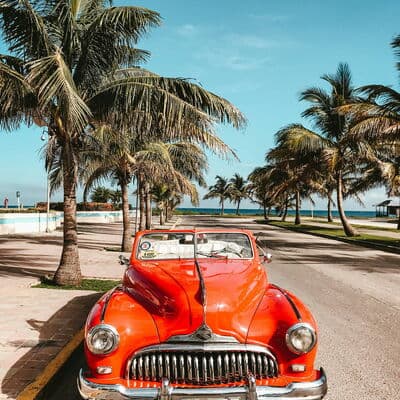
A colectivo is a shared taxi that picks up several passengers and departs when full — often legendary American cars from the 1950s. This option usually costs more than the bus but is faster and more flexible, favored by those who don't want to follow Viazul schedules.
A private taxi between Havana and Varadero in 2025 typically costs 100–150 USD per car one way, depending on vehicle type and bargaining skills. Within the city, short Havana rides cost about 2–10 USD if you agree on the price beforehand.
There are no Uber or Bolt apps in Cuba, so you catch cars on the street or arrange through your hotel or casa particular hosts. For walking around central Havana and old towns, most routes are walkable, sometimes supplemented by bicycle taxis or classic retro convertibles.
Food: Paladares and Home Cooking
Government restaurants often suffer from monotonous menus and formal service, so many travelers quickly switch to paladares — private restaurants and cafés operating in apartments and homes. That's where you'll most likely find authentic Cuban cuisine with soul.
On average, dinner for one at a paladar with a main dish and drink costs 10–20 USD, while dinner for two at a good Havana spot easily reaches 40–50 USD. Cocktails like mojitos average 3–5 USD, beer 2–4 USD at tourist bars and clubs.
- Popular dishes: grilled lobster and fresh fish, shrimp, pork with rice and beans, fried plantains, simple desserts.
- Another tip: arrange a home dinner with your casa particular hostess for 10–15 USD per person — typically multiple courses with very generous portions.
Tap water is not drinkable; use only bottled water for drinking and brushing teeth. Ice at tourist-oriented bars and hotels is usually made from purified water, but approach street food and drinks with caution if you have a sensitive stomach.
Cuba Itinerary: 7–14 Days
In one 1–2 week trip, you can see bustling Havana, tobacco valleys, and Varadero beaches without complicating logistics much. Below is a sample basic itinerary that can be scaled to your timeline and budget.
Havana (2–3 days)
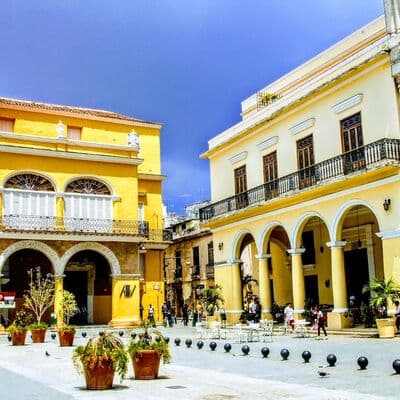
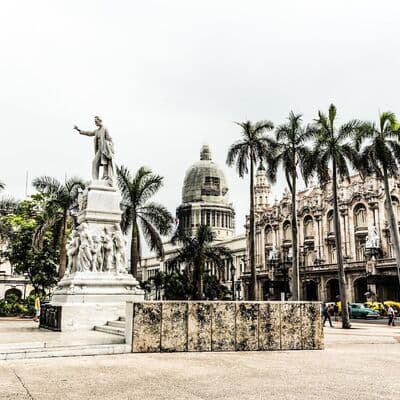
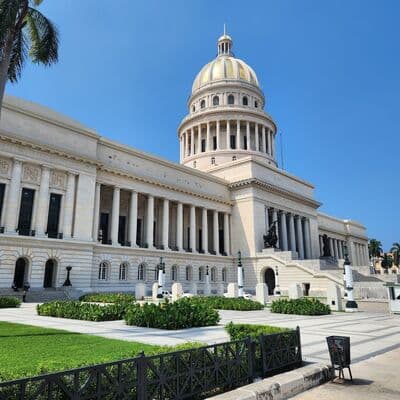
- Old town with colonial facades, squares, and fortresses.
- Malecón waterfront at sunset and evening walks along the seawall.
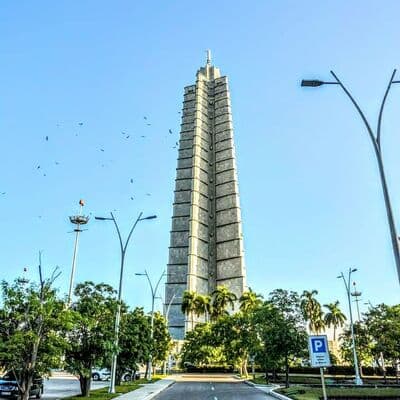
- Revolution Square, vintage 1950s convertibles, and iconic bars where Hemingway used to hang out.
Varadero (3–5 days)
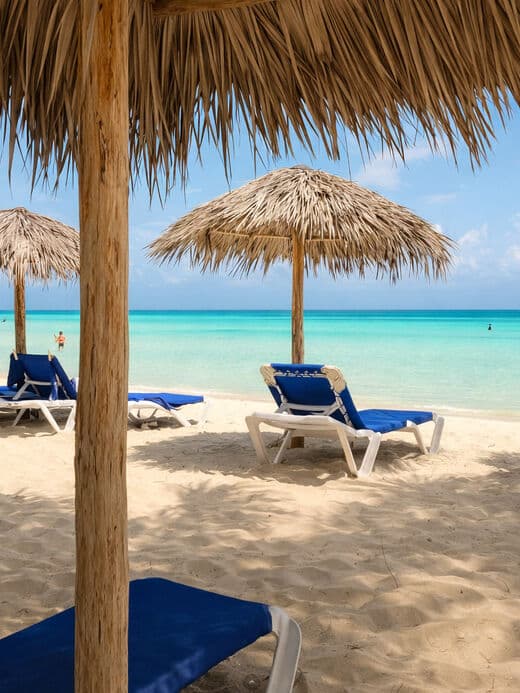
- Long strip of white sand and calm turquoise sea for beach relaxation.
- "Hotel + beach" format: infrastructure is quite modest outside resort zones, nightlife concentrated in hotels and a few bars.
Trinidad (1–2 days)
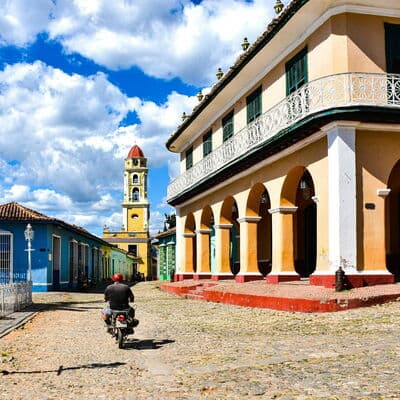
- UNESCO-protected museum city with cobblestone streets and colorful houses.
- Day trips to sugar plantation valleys, waterfalls, and nearby beaches.
- Evening live music and dancing on the steps of Casa de la Música.
Viñales (1–2 days)
- Famous tobacco plantations and limestone mogote hills.
- Horseback riding, visits to tobacco farms, caves, and viewpoints.
Santiago de Cuba and the East
The east of the country offers Afro-Caribbean culture, a rich music scene, and dense revolutionary history; worth visiting for those who want to feel the country more deeply. In July, Santiago hosts one of Cuba's brightest carnivals, but getting here requires either a long bus ride or a domestic flight.
Safety, Scams, and What to Pack
Cuba is considered one of the Caribbean's safest countries regarding violent crimes against tourists: such incidents are rare, and police carefully guard the country's image. Far more common are petty scams, inflated "tourist" prices, and pushy middlemen.
Common Scams
- "Tourist prices" without menus or price lists — always confirm costs in advance.
- "Premium cigars" sold on the street that turn out to be fakes; for real ones, go to official Casa del Habano stores.
- Touts offering the "best" restaurant or bar while taking a hidden commission from the establishment.
- Pushy "helpers" and jineteros who try to sell something or push services under the guise of friendly conversation.
What to Pack
- Basic medicine kit (fever reducers, digestive aids, painkillers, antiseptics, bandages) — pharmacies are often half-empty.
- High-SPF sunscreen — local selection is limited and prices are noticeably higher.
- Mosquito repellent, especially if you plan trips outside cities.
- Mini toiletry set as gifts for casa hosts — shampoo, soap, razors are valued here.
- Small flashlight or headlamp — power outages still happen on the island.
When to Go and Who Cuba Is For
Best time to visit is November through April, when weather is relatively dry and not too hot; summer is hot and humid but offers lower prices and fewer tourists. September–October is hurricane season peak in the Caribbean — plan trips during this time with extra caution or choose different months.
Cuba isn't about impeccable service, air-conditioned malls, and perfect mobile internet. It's about conversations with strangers on the Malecón, live music on every corner, retro cars under palm trees, and the feeling that time slows down — and that's exactly why many people keep coming back again and again.