About
Costa Rica Travel Guide 2026: The Complete Insider Handbook
I still remember stepping off the plane in San Jose for the first time, expecting just another Central American destination with nice beaches. What I found instead was a country that would fundamentally change how I think about travel. Costa Rica is not just a place you visit - it is a philosophy wrapped in rainforest, served with coffee, and delivered with the most genuine smiles you will encounter anywhere in the Americas.
This guide is everything I wish someone had told me before my first trip, compiled after countless visits, thousands of miles on Costa Rican roads, and more plates of casado than I care to admit. Whether you are planning a week-long adventure or a month of exploration, this is your roadmap to experiencing Costa Rica like someone who actually knows the place - not like a tourist reading from a brochure.
Why Visit Costa Rica: More Than Just Pretty Beaches
Let me be direct with you: Costa Rica is not the cheapest destination in Central America. It is not the most undiscovered. And it certainly does not have that off-the-beaten-path mystique that travel snobs love to chase. So why do over three million visitors flood this tiny country every year, and why do so many of them keep coming back?
The answer lies in what Costa Rica has quietly mastered over the past four decades: being genuinely, authentically good at tourism while preserving exactly what makes it worth visiting in the first place.
Biodiversity That Will Blow Your Mind
Costa Rica covers just 0.03% of the Earth's surface. Read that again. Now consider that this sliver of land contains nearly 6% of the world's biodiversity. In practical terms, this means you can wake up watching howler monkeys swing past your breakfast table, spend the afternoon photographing a resplendent quetzal in a cloud forest, and fall asleep to the sound of waves while sea turtles nest on the beach below your hotel.
The numbers are staggering: over 500,000 species call Costa Rica home. That includes 900+ bird species (more than the United States and Canada combined), 250+ mammals, 230+ reptiles, and roughly 9,000 plant species. For wildlife enthusiasts, photographers, and anyone who simply wants to feel connected to the natural world, there is simply no comparable destination this accessible.
Adventure Without the Expedition
Here is what makes Costa Rica unique in the adventure travel space: you get genuine wilderness experiences without needing expedition-level fitness or equipment. A 65-year-old grandmother can white-water raft Class III rapids in the morning and zip-line through the canopy in the afternoon. A family with young children can hike to active volcanoes and spot crocodiles from a bridge. The infrastructure exists to make adventure accessible, without sanitizing it into theme park territory.
This is not Disneyland with trees. The wildlife is genuinely wild. The volcanoes are genuinely active. The rivers genuinely challenge you. Costa Rica has simply removed the logistical barriers that keep most people from experiencing these things.
Safety in an Unpredictable World
Central America has a complicated reputation, and I will not pretend crime does not exist in Costa Rica. But context matters enormously here. Costa Rica has no standing army - it abolished its military in 1948 and redirected those funds to education and healthcare. The result is a stable democracy with a strong middle class, excellent literacy rates, and a population that genuinely benefits from tourism.
Does petty theft happen? Yes, particularly in tourist hotspots. Are there areas to avoid? Certainly. But Costa Rica is fundamentally a safe country for travelers who exercise basic precautions. The US Embassy warning from November 2025 about increased property crimes and express kidnappings should be taken seriously, but these incidents remain statistically rare and are concentrated in specific urban areas that most tourists never visit.
The Pura Vida Factor
You will hear the phrase 'Pura Vida' approximately 47 times on your first day in Costa Rica. It means 'pure life' literally, but functionally it means everything from 'hello' to 'goodbye' to 'no worries' to 'life is good' to 'thank you.' It is a greeting, a philosophy, and an entire approach to existence compressed into two words.
Cynics might dismiss this as marketing, but spend a week in Costa Rica and you will notice something genuine happening. People are less rushed. Interactions are warmer. The constant low-grade stress that characterizes life in most developed nations seems to dissipate somewhere between the airport and your first sunset. Maybe it is the tropical climate. Maybe it is the lack of military culture. Maybe it is something in the coffee. But Pura Vida is real, and it is contagious.
Sustainability That Actually Works
Costa Rica generates over 99% of its electricity from renewable sources. Over 25% of the country is protected national parkland. Reforestation efforts have doubled the country's forest cover since the 1980s. These are not aspirational goals - they are accomplished facts.
For eco-conscious travelers, this matters enormously. Your tourist dollars in Costa Rica are not just minimizing harm - they are actively funding conservation. The country has built an economic model where protecting wildlife and forests is more profitable than destroying them. It is not perfect (palm oil plantations and pineapple farms create their own environmental issues), but Costa Rica is closer to sustainable tourism than almost anywhere else on Earth.
Regions of Costa Rica: Understanding the Geography
Costa Rica is roughly the size of West Virginia or Denmark. You can technically drive from the Caribbean coast to the Pacific in about four hours. But those four hours will take you through dramatically different ecosystems, climates, and cultural zones. Understanding these regions is essential for planning a trip that actually makes sense.
Central Valley (Valle Central)
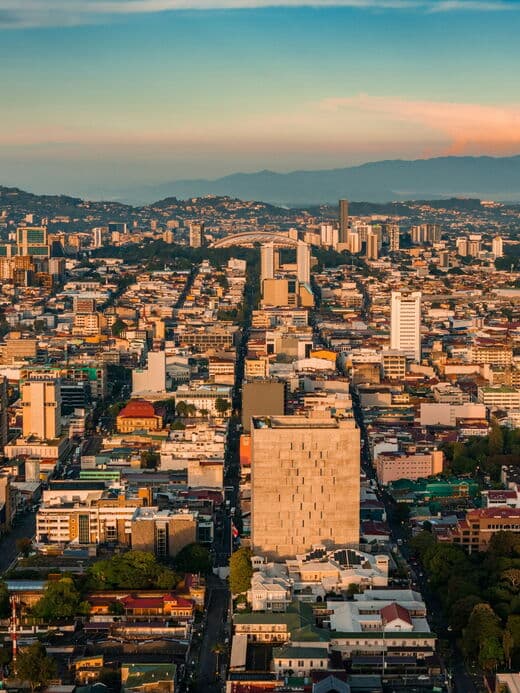
The Central Valley is where most Costa Ricans actually live. This high-altitude plateau (elevation 3,000-4,000 feet) sits between volcanic mountain ranges and enjoys the country's most temperate climate. San Jose, the capital, anchors the region alongside smaller cities like Alajuela, Heredia, and Cartago.
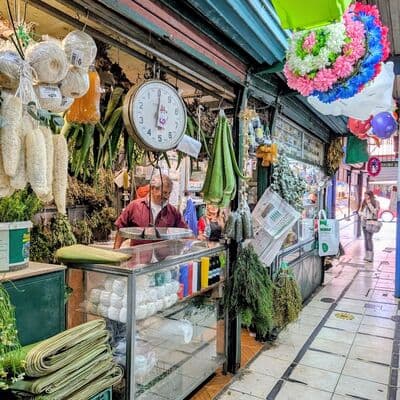
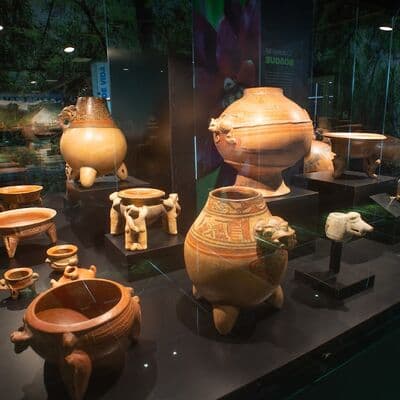
San Jose: The capital gets a bad rap from travelers who spend one night before fleeing to the beaches. This is a mistake. San Jose is not beautiful in a conventional sense, but it is authentically Costa Rican in ways that tourist towns are not. The Central Market (Mercado Central) is a sensory overload of fresh produce, hanging meats, and family-run sodas serving the best cheap food in the country. The Pre-Columbian Gold Museum houses an extraordinary collection of indigenous metalwork. The National Theater is a gorgeous 1890s confection that hosts regular performances.
More practically, San Jose is where you will likely start and end your trip. The international airport (SJO) is actually in Alajuela, about 20 minutes from downtown. Give yourself at least a day here - not because San Jose is unmissable, but because starting your trip exhausted and jet-lagged with a four-hour mountain drive is a recipe for misery.
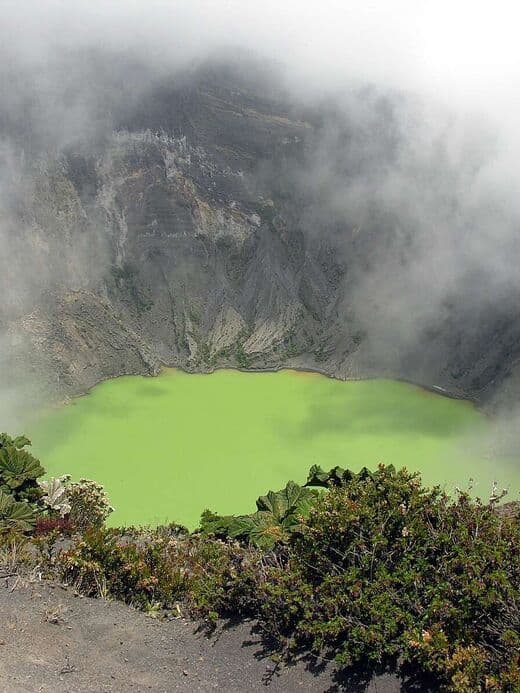
Poas Volcano: One of the most accessible active volcanoes in the world, Poas features a stunning turquoise crater lake and a landscape that looks genuinely extraterrestrial. The volcano had increased activity in early 2025 that closed access to the crater viewpoint, but it reopened in July 2025 with normal operations. The drive from San Jose takes about 90 minutes through beautiful coffee country, making this an easy half-day trip.
Reservations are now mandatory (book at sinac.go.cr), and visits are limited to 20-minute windows at the crater. This sounds restrictive, but it actually improves the experience - no crowds jostling for photos. Go early morning (7-9 AM) for the best chance of clear views before clouds roll in.
Cartago: The former capital holds the Basilica of Our Lady of the Angels, Costa Rica's most important religious site. Every August 2nd, over a million pilgrims walk to Cartago from across the country - many completing the final stretch on their knees. Even if religious architecture is not your thing, the surrounding Irazu Volcano offers views of both the Caribbean and Pacific on clear days.
Heredia and Alajuela: These smaller cities are less interesting for tourists but worth knowing about. Alajuela is closest to the airport and has decent budget accommodation if you have an early morning flight. Heredia is a university town with a younger vibe and good coffee tour options. Both are essentially suburbs of San Jose at this point, but with more character than the capital's sprawl.
Central Valley Pro Tips:
- Coffee tours abound in this region - Cafe Britt is the most commercial, Doka Estate is the most scenic, and small family farms offer the most authentic experiences
- The climate is perfect - not too hot, not too humid. If you are sensitive to tropical heat, consider basing here and day-tripping to the coasts
- Traffic in San Jose is genuinely terrible. Avoid driving through the city during rush hours (6-9 AM, 4-7 PM)
- La Paz Waterfall Gardens is touristy but genuinely impressive - a good compromise if you cannot make it to more remote areas
Caribbean Coast
The Caribbean side of Costa Rica feels like a different country entirely. The vibe is Afro-Caribbean rather than Latin American, reggae replaces salsa, rice and beans replaces gallo pinto, and the pace somehow manages to be even slower than the rest of this already relaxed nation.
The Caribbean also has its own weather pattern - while the Pacific side has predictable dry and wet seasons, the Caribbean can be rainy year-round but is often beautiful when the Pacific is getting drenched. September and October are your best bets for Caribbean sunshine.
Puerto Viejo de Talamanca: The backpacker capital of Costa Rica has grown up a bit since its early days, but it still has that funky, alternative vibe that draws young travelers. The beaches here are stunning - Playa Cocles for surfing, Playa Chiquita for snorkeling, Punta Uva for that perfect Caribbean postcard shot with palm trees leaning over turquoise water.
The town itself is bikeable (rent one for about $10/day) and walkable at night - unusual for Costa Rica. The restaurant and bar scene is excellent by local standards, with strong Italian food (thanks to a resident expat community) and Caribbean fusion cuisine. This is also ground zero for Costa Rica's cacao scene - Caribeans Chocolate and other producers offer tours showing the bean-to-bar process.
Be aware that Puerto Viejo has the most active drug scene in tourist Costa Rica. You will be offered substances. If that is not your thing, a polite 'no gracias' is all that is needed. The town is safe, but common sense about not walking alone at night on dark roads applies.
Cahuita: Just 30 minutes north of Puerto Viejo, Cahuita is what Puerto Viejo was 20 years ago - quieter, more local, and with one of Costa Rica's most accessible national parks. Cahuita National Park is the only pay-what-you-wish park in the system, and it is spectacular. A flat trail runs along the coast through jungle teeming with monkeys, sloths, and snakes (the non-dangerous kind, mostly). The beach at the end is perfect for snorkeling over Costa Rica's largest coral reef.
The town of Cahuita is tiny - maybe three streets - but has excellent food options and a more family-friendly atmosphere than Puerto Viejo. If you want Caribbean flavor without the party scene, this is your spot.
Tortuguero: There are no roads to Tortuguero. You get there by boat or small plane, navigating canals through jungle that feels genuinely Amazonian. This remoteness is the point - Tortuguero is one of the most important sea turtle nesting sites in the Western Hemisphere.
Green sea turtles nest here from July through October, with peak activity in August and September. Watching a 300-pound turtle drag herself up the beach, dig a nest, and lay her eggs is a legitimately moving experience. Tours are tightly regulated to minimize disturbance - you will go in small groups at night, with guides using red lights, and photography is strictly limited.
Beyond turtles, Tortuguero offers excellent canal tours where you will spot caimans, monkeys, countless birds, and possibly manatees. The town is basic - do not expect luxury - but the wildlife makes up for it.
Limon: The Caribbean's largest city is a working port town with a reputation for roughness. Most tourists pass through quickly on the way to prettier places, and honestly, that is probably the right call. If you do end up in Limon, the central market is interesting and the annual Carnival (mid-October) is worth seeing if your timing aligns.
Caribbean Coast Pro Tips:
- The road from San Jose to the Caribbean (Route 32) is one of Costa Rica's best-maintained highways but has treacherous sections - landslides close it periodically, especially in rainy season
- Mosquitoes on the Caribbean are legendary. Bring serious repellent and consider long sleeves at dawn and dusk
- English is more commonly spoken here than elsewhere in Costa Rica, thanks to the Afro-Caribbean population
- Credit cards are accepted less frequently than on the Pacific coast - bring cash
- The Caribbean is the only coast where you might see both sunrise and sunset over water (at different beaches)
Northern Plains and Arenal
The Arenal region is Costa Rica's most visited inland destination, anchored by the near-perfect cone of Arenal Volcano. Until 2010, Arenal was one of the world's most active volcanoes, putting on nightly lava shows that made it a must-visit. The volcano has been in a resting phase since then (no eruptions, occasional gas emissions), but the area has enough going on to justify the trip even without fireworks.
La Fortuna: This small town at the base of Arenal has transformed into a full-service tourist hub. The main street is lined with tour operators, restaurants, and souvenir shops. It is undeniably touristy, but La Fortuna has managed the growth better than most - the town retains a genuine Costa Rican feel alongside the tourist infrastructure.
Hot springs are the main draw here, and you have options at every price point. The luxury resorts (Tabacon, The Springs, Baldi) charge $80-150 for access to elaborate pools with swim-up bars and volcanic views. Mid-range options like Ecotermales ($50) limit visitors for a less crowded experience. Budget travelers can find the free public hot springs along the river (search 'El Choyin' or follow locals from the yellow bridge) - they are not fancy, but the water is just as hot.
La Fortuna Waterfall is a legitimate stunner - a 230-foot cascade into a swimmable pool. The catch is 500 steps down (and back up) in tropical humidity. Go early to beat both crowds and heat.
Lake Arenal: This 33-square-mile lake is a center for windsurfing and stand-up paddleboarding, with consistent winds from December through April. The drive around the lake is gorgeous, with the volcano framing every view. The western town of Nuevo Arenal has a small community of expats and some excellent restaurants.
Hanging Bridges: Multiple parks in the region offer suspended bridges through the canopy - Arenal Hanging Bridges (private, $26), Mistico Arenal Hanging Bridges ($30), and others. These are less adventurous than zip-lining but allow you to actually see the forest at canopy level without rushing past. Birdwatching from these bridges can be exceptional.
Northern Plains Pro Tips:
- The drive from San Jose to La Fortuna takes 3-3.5 hours via Varablanca (scenic route past Poas) or Ciudad Quesada (faster but less interesting)
- Many activities are weather-dependent. In rainy season, book morning activities when skies are clearer
- Arenal can be combined with Monteverde via the 'Jeep-Boat-Jeep' transfer - faster and more scenic than driving around the lake
- The town of Bijagua near Tenorio Volcano has the famous Rio Celeste (bright blue river) and far fewer crowds than Arenal
- Night tours for wildlife are excellent here - you will see things in darkness that hide during the day
Nicoya Peninsula and Guanacaste
The Pacific northwest is Costa Rica's beach heartland. The Nicoya Peninsula and the Guanacaste coast offer the country's most developed beach infrastructure, the most reliable dry season weather, and the full spectrum from surf-bum villages to five-star resorts.
Guanacaste Beaches (Northern Pacific):
This region is anchored by the Liberia airport (LIR), which has transformed Guanacaste from remote to accessible over the past decade. Direct flights arrive from US and Canadian cities, making beach-only trips possible without the San Jose transit.
Papagayo Peninsula: The luxury end of the spectrum. Four Seasons, Andaz, and other five-star properties cluster around a stunning bay. If your budget allows and you want full-service resort experience, this is where to do it. Day-trippers can access some beaches here, but the vibe is exclusive.
Tamarindo: The most developed beach town in Costa Rica, for better and worse. Tamarindo has everything - excellent surf (great for beginners), dozens of restaurants ranging from street tacos to fine dining, pumping nightlife, yoga studios, and enough shops to actually spend money on. It is also crowded, expensive by Costa Rican standards, and occasionally feels like it could be anywhere with surf and sun.
That said, Tamarindo is popular for reasons. The beach is beautiful. The sunset makes up for any development sins. And the infrastructure means you will never be stuck wondering where to eat or what to do. If this is your first trip to Costa Rica and you want a guaranteed good time without much planning, Tamarindo delivers.
Nosara: The wellness capital of Costa Rica. Nosara combines excellent surf (especially Playa Guiones) with yoga retreats, organic restaurants, and a slightly older, wealthier demographic than Tamarindo. The town is spread out and requires a car to navigate. Development has been more controlled here - no building above treeline - creating a more natural feel despite considerable tourism.
The downsides: Nosara is expensive and can feel a bit precious. If you roll your eyes at $18 acai bowls and 'conscious living' marketing, you might prefer somewhere grittier.
Samara: The family-friendly alternative to Tamarindo. This crescent-shaped bay is protected from strong currents, making it safe for swimming at all tide levels. The town is walkable, restaurants are reasonably priced, and the vibe is relaxed without being boring. Samara is also home to multiple Spanish schools, attracting a mix of students and long-term travelers.
Nicoya Peninsula (Southern Section):
The southern Nicoya Peninsula is harder to reach - roads are rough, especially in rainy season, and the isolation is part of the appeal. This is where you go when Tamarindo feels too developed.
Santa Teresa and Mal Pais: These connected villages at the peninsula's southern tip have become Costa Rica's coolest beach destination - and they know it. The surf is excellent (consistent beach breaks), the scene is young and international, and the single dirt road running along the coast has restaurants and bars that would not be out of place in Brooklyn or Bali. Property prices have skyrocketed; some locals have been priced out entirely.
What you get is a beautiful beach, great waves, excellent food, and a party scene if you want it. What you sacrifice is authenticity - this is not traditional Costa Rica, it is a beach town that happens to be in Costa Rica. Make of that what you will.
Montezuma: Once the bohemian capital of Costa Rica, Montezuma has been somewhat eclipsed by Santa Teresa but retains its hippie-dippie charm. The town itself is tiny and walkable. The beach is rocky but scenic. The real draw is the waterfall hike - a 20-minute walk from town leads to a series of cascades with swimming holes, including one with a rope swing.
Guanacaste Pro Tips:
- The ferry from Puntarenas to Paquera cuts driving time to the southern Nicoya Peninsula significantly - runs roughly every 2 hours, take the Tambor or Naviera ferry
- Roads in southern Nicoya require 4x4 in rainy season, no exceptions. In dry season, 2WD is possible but still sketchy
- Guanacaste has the most reliable dry season (December-April) but can feel almost desert-like by March
- The Tarcoles Bridge on the coastal highway is undergoing construction through June 2026 - expect one-lane traffic and delays from February through May (except Holy Week when construction pauses)
- Liberia airport makes Guanacaste beaches accessible without seeing San Jose at all
Central Pacific Coast
The central Pacific stretches from Jaco south to Uvita, offering some of Costa Rica's most accessible beach destinations from San Jose. This is where most first-time visitors end up, and the infrastructure reflects that.
Jaco: The closest beach town to San Jose (about 90 minutes drive), Jaco is a party town with a reputation. The beach is nice but not spectacular. The surf is consistent but not world-class. What Jaco offers is convenience, a full range of services, and nightlife that runs later than anywhere else in the country. This is also where you will find the most visible prostitution scene in Costa Rica - legal, but prominent enough that it shapes the town's atmosphere.
Jaco works as a base if you want to surf every day, do not need Instagram-perfect beaches, and appreciate having restaurants, ATMs, and pharmacies readily available. It does not work if you are seeking traditional Costa Rica or traveling with young children.
Manuel Antonio: The most visited national park in Costa Rica, and for good reason. Manuel Antonio delivers almost everything you want from a Costa Rican vacation in one compact package: beautiful beaches, easy wildlife viewing (monkeys will literally steal your snacks), good infrastructure, and accessibility from San Jose (about 3 hours drive).
The park itself is small - you can walk all the trails in half a day - but wildlife density is extraordinary. White-faced capuchins, howler monkeys, and two-toed sloths are near-guaranteed. Scarlet macaws fly overhead. The beach inside the park is among the country's most beautiful.
The area around Manuel Antonio (particularly the road between Quepos and the park) has become heavily developed with hotels and restaurants. This is not undiscovered territory. But the park itself is well-managed, limiting daily visitors to reduce overcrowding. Book your entry online in advance at sinac.go.cr.
Quepos: The working town adjacent to Manuel Antonio offers more affordable accommodation and a grittier, more authentic feel. The marina hosts sportfishing boats - this is one of the best billfishing destinations in the world. The farmers market on Friday evenings is excellent.
Dominical: South of Manuel Antonio, the vibe shifts significantly. Dominical is a surf town first and foremost, with powerful beach breaks that are not beginner-friendly. The surrounding area has waterfalls (Nauyaca is the most famous, a 4km hike or horseback ride), whale watching (August-October and December-April), and a more rugged, less developed atmosphere.
Uvita: Known primarily for the Marino Ballena National Park, where the coastline forms a natural whale tail shape visible at low tide. This is the whale watching capital of Costa Rica - humpbacks migrate through twice a year, and sighting rates during peak season are excellent. The town itself is spread out and requires a car but has enough services for comfortable travel.
Central Pacific Pro Tips:
- The coastal highway from Jaco to Quepos is one of Costa Rica's most scenic drives - budget extra time for stops
- Remember the Tarcoles Bridge construction mentioned above affects access to this region from San Jose
- The Carara National Park between Jaco and the bridge is excellent for scarlet macaws - arrive at sunrise for best viewing
- Manuel Antonio is closed on Tuesdays for maintenance
- Crocodile tours at the Tarcoles River are touristy but genuinely impressive - these are some of the largest crocodiles in the Americas
Osa Peninsula
The Osa Peninsula is where you go when everywhere else feels too tamed. This is Costa Rica at its wildest - National Geographic called Corcovado National Park 'the most biologically intense place on Earth.' Getting here requires effort, and once you arrive, you are committed to a genuine wilderness experience.
Corcovado National Park: No roads penetrate Corcovado's 163 square miles of primary rainforest. Access is by foot (long, challenging hikes), boat (Drake Bay approach), or small plane (to the Sirena ranger station). A guide is mandatory for all visitors, and numbers are strictly limited.
What you get for this effort is extraordinary. All four Costa Rican monkey species, tapirs, peccaries, scarlet macaws, harpy eagles, countless reptiles and amphibians - the biodiversity here is on another level. If you are a serious wildlife enthusiast or photographer, Corcovado should be non-negotiable. If you just want nice beaches and easy access, look elsewhere.
Multi-day treks into Corcovado require advance planning and reasonable fitness. Day trips from Drake Bay or Puerto Jimenez are possible but less immersive. Either way, book with a reputable operator - this is not DIY territory.
Puerto Jimenez: The largest town on the Osa Peninsula, Puerto Jimenez is the main jumping-off point for Corcovado. It is a small, functional town with basic services, a few good restaurants, and an end-of-the-road atmosphere. The colectivo (shared taxi) ride from the main highway takes about 90 minutes on dirt roads.
Drake Bay: Accessible by boat from Sierpe or by small plane, Drake Bay is even more remote than Puerto Jimenez. The setting is stunning - dense jungle meets rocky coastline - and the isolation is genuine. This is where to base for boat trips to Corcovado or to Cano Island, a marine reserve with excellent snorkeling and diving.
Osa Peninsula Pro Tips:
- Rainy season hits hard here - trails become impassable, boat trips get cancelled. Visit December-April if possible
- The flight from San Jose to Puerto Jimenez or Drake Bay takes 45 minutes and offers spectacular aerial views - worth the cost over the 7+ hour drive
- Budget at least 3 nights to make the journey worthwhile
- Bring cash - ATMs are scarce and card acceptance limited
- This is serious jungle - rubber boots, rain gear, and insect repellent are essential, not optional
Cloud Forests
Costa Rica's cloud forests exist in a narrow elevational band (roughly 4,000-6,000 feet) where moisture-laden air condenses into near-constant mist. The result is an otherworldly ecosystem draped in moss, bromeliads, and orchids - quieter and cooler than the lowland rainforests, and home to unique species found nowhere else.
Monteverde and Santa Elena: These neighboring towns form the center of cloud forest tourism. The area has been a conservation success story since the 1970s, when a Quaker community established some of the first private reserves.
Two main reserves anchor the area: Monteverde Cloud Forest Reserve (the most famous, requiring advance reservations) and Santa Elena Cloud Forest Reserve (community-owned, less crowded, equally beautiful). Both offer excellent trail systems where the resplendent quetzal - perhaps the most beautiful bird in the Americas - can be spotted from December through May.
Beyond hiking, Monteverde offers the country's original canopy tour (Sky Adventures has zip-lines spanning the valley), night tours through the forest (utterly different ecosystem after dark), coffee and chocolate tours, and a serpentarium and butterfly garden for close-up encounters.
The town of Santa Elena is basic but functional, with hostels, restaurants, and a small supermarket. Monteverde proper is more spread out along a ridge. Neither has the beach-town vibe of the coasts - you come here for nature, not nightlife.
Cloud Forest Pro Tips:
- The road from the Pan-American Highway to Monteverde is now fully paved - the notorious dirt road is history
- The Jeep-Boat-Jeep transfer between Monteverde and La Fortuna is highly recommended - faster and more scenic than driving
- Cloud means cloud - bring layers and rain gear regardless of season
- Quetzal sightings peak from late January through early May when the wild avocados they eat are fruiting
- Reserve entry tickets for Monteverde Cloud Forest must be purchased in advance online - they sell out, especially in high season
National Parks: A Complete Guide
Costa Rica protects over 25% of its territory in national parks, biological reserves, and wildlife refuges. The national park system is managed by SINAC (Sistema Nacional de Areas de Conservacion), and most parks charge a standard entrance fee of $15-18 for foreigners. Here is what you need to know about the major parks, organized by difficulty level.
Easy Parks: Accessible to Everyone
Manuel Antonio National Park: The most visited park for good reason. Flat trails wind through forest that is practically a petting zoo - monkeys, sloths, and coatis abound. Two beautiful beaches inside the park are perfect for swimming. The challenge is crowds, not terrain. Book entry tickets online at sinac.go.cr (mandatory), arrive at opening (7 AM), and ignore anyone trying to sell you a 'required' guide (they are optional here). Closed Tuesdays. Entry $18.
Arenal Volcano National Park: Easy trails cross old lava flows with views of the volcanic cone. Wildlife is good but less dense than coastal parks. The real reason to come is the volcano itself - even dormant, it is visually stunning. Combine with hanging bridges and hot springs for a full day. Entry $15.
Poas Volcano National Park: Drive almost to the crater rim, walk 5 minutes on a paved path, and peer into one of the largest active craters in the world. Since reopening in July 2025, access is limited to 20-minute windows - reserve in advance at sinac.go.cr. Best visited early morning before clouds roll in. Entry $15.
Cahuita National Park: A flat coastal trail through jungle to a beautiful beach, with Costa Rica's best accessible snorkeling over the only remaining coral reef. This is also the only pay-what-you-wish park in the system (enter via Cahuita town entrance; the Puerto Vargas entrance charges full price). Perfect for families with young children.
Tortuguero National Park: Accessible only by boat, but the boat tours themselves are easy - you sit while a guide navigates the canals. Wildlife viewing is excellent even without hiking. The park is famous for sea turtle nesting (July-October), but mammals and birds are visible year-round. Entry $15.
Challenging Parks: For Serious Hikers
Corcovado National Park: The most biologically diverse place on Earth is also the most demanding park to visit. Multi-day treks involve river crossings, jungle camping, and genuine wilderness conditions. Day trips from Drake Bay are possible but cover only a fraction of the park. Guides are mandatory. Heat, humidity, and difficult terrain make this unsuitable for casual visitors - but rewards are proportional to effort. Entry $15 plus guide fees ($50-150/day).
Rincon de la Vieja National Park: This active volcanic zone in Guanacaste offers bubbling mud pots, steam vents, and a challenging hike to the crater (about 8 hours round trip). Less-demanding trails visit waterfalls and hot springs. The park is less crowded than Arenal and feels wilder. Entry $15.
Chirripo National Park: Home to Costa Rica's highest peak (12,530 feet), Chirripo requires a 2-day minimum to summit - hiking up to base camp, summiting at dawn, then descending. The alpine environment looks nothing like tropical Costa Rica, with views spanning both coasts on clear days. Permits are limited and must be booked months in advance at sinac.go.cr. Physical fitness is essential. Entry $18 plus hut fees.
Cocos Island: One of the world's great dive destinations, Cocos lies 340 miles off the Pacific coast. Getting there requires a live-aboard dive boat and at least 10 days (36+ hours of sailing each way). The reward is hammerhead sharks - possibly hundreds at once - plus mantas, whale sharks, and endemic land species. This is a serious expedition, not a casual addition to a Costa Rica trip. Permits required, costs typically $5,000-8,000 for a 10-day trip.
Marine Parks
Marino Ballena National Park (Uvita): The iconic whale tail sandbar is visible at low tide, but the real attraction is whale watching. Humpbacks pass through July-October (from southern populations) and December-April (from northern populations), making this one of the few places where you can see whales most of the year. Boat tours for watching are excellent; the beach itself is pleasant but not exceptional. Entry $6.
Las Baulas Marine National Park: Protects critical nesting beaches for leatherback sea turtles - the largest reptiles on Earth. Nesting season runs October through March, with tours available on turtle-sighting nights. The beach at Playa Grande is also excellent for surfing. Entry $12 plus guided tour fees for turtle watching.
Isla del Cano Biological Reserve: This island off the Osa Peninsula offers Costa Rica's best accessible snorkeling and diving - visibility often exceeds 60 feet, and marine life includes sharks, rays, and abundant tropical fish. Access is by boat from Drake Bay or Uvita. Entry $15 plus tour costs.
Park System Practical Information
Most parks are now using the online reservation system at sinac.go.cr. Some parks (Manuel Antonio, Poas) require advance booking; others allow same-day purchase. The website is functional but not intuitive - be patient and have your passport information ready.
Guides are mandatory at some parks (Corcovado, Las Baulas for turtle watching) and optional at others. Even where optional, a good guide dramatically improves wildlife spotting - you might see 10 species with a guide that you would miss entirely on your own.
Costa Rican residents pay significantly lower entrance fees - around $2-3 versus $15-18 for foreigners. This differential feels frustrating but funds conservation in a country where foreign visitors can afford to contribute more.
When to Visit: Timing Your Trip Right
Costa Rica has two main seasons - the dry season (locally called 'verano' or summer) and the rainy season ('invierno' or winter, also called 'green season' by tourism marketers). But the reality is more nuanced than a simple dry/wet divide.
Dry Season (December to April)
This is high season, and for good reason. The Pacific coast enjoys reliably sunny days with minimal rainfall. Temperatures are warm but manageable. Roads are passable even with 2WD vehicles. Wildlife concentrates around water sources, making animal sightings easier.
The downsides are significant: higher prices (often 30-50% above low season), larger crowds, and the need to book accommodations and activities well in advance. The most popular Christmas-New Year week and Easter week (Semana Santa) are the busiest periods - expect premium pricing and limited availability.
December: Dry season begins. Holiday crowds from mid-month. Humpback whales (northern populations) start appearing off the Pacific coast.
January: Peak weather, peak crowds. Quetzal nesting season begins in the cloud forests. Book way ahead.
February: Still excellent weather. Crowds ease slightly after holiday period. Great time for wildlife photography.
March: Getting drier - Guanacaste can look almost desert-like. Spring break brings younger crowds. Still excellent overall.
April: Hottest month. Semana Santa (Easter week) brings massive domestic tourism - hotels booked, roads jammed, beaches packed. Avoid this week unless you specifically want the experience of a Costa Rican beach party.
Green Season (May to November)
Rainy season does not mean constant rain. The typical pattern is sunny mornings followed by afternoon storms - often dramatic but short-lived. You can absolutely have a great trip during green season, with the benefits of lower prices, fewer crowds, and lush landscapes.
May: Transition month. Rain starts but is not yet heavy. Excellent value as crowds have thinned but conditions are still good.
June-July: Rain is regular but manageable. This is actually a 'little summer' period (veranillo de San Juan) with a brief dry spell around July. Turtle nesting begins on the Caribbean.
August: Still rainy but one of the best months for the Caribbean coast, which has its own weather pattern. Peak turtle nesting at Tortuguero. Humpback whales (southern populations) return to the Pacific.
September-October: The rainiest months, especially October. Some roads become impassable. Osa Peninsula can be challenging. But these months offer the lowest prices and emptiest beaches - and rain often clears by late afternoon.
November: Rain starts to ease. Great shoulder-season value as green season ends but crowds have not yet arrived.
Caribbean Coast: Different Rules
The Caribbean operates on its own weather system. While the Pacific is dry from December-April, the Caribbean can be rainy. Conversely, when the Pacific is getting drenched in September-October, the Caribbean often enjoys its best weather.
The 'dry' seasons for the Caribbean are February-March and September-October. But 'dry' is relative - this coast receives rain year-round, just less during these periods.
Special Seasons
Sea Turtle Nesting:
- Green turtles at Tortuguero: July-October (peak August-September)
- Leatherbacks at Playa Grande: October-March
- Olive ridleys at Ostional: Year-round, with arribadas (mass nestings) August-November
Whale Watching:
- Southern humpback population: July-October
- Northern humpback population: December-April
- Best locations: Uvita (Marino Ballena), Drake Bay, Golfo Dulce
Quetzal Season:
- Best sightings: January-May (nesting season)
- Peak: March-April when feeding chicks
- Best locations: Monteverde, San Gerardo de Dota
Surfing:
- Pacific coast: Best swells December-April
- Caribbean coast: Best surf December-March
- Consistent year-round spots: Tamarindo, Jaco (beginner), Dominical, Santa Teresa
What to Avoid
Semana Santa (Easter Week): Unless you want to experience Costa Rican beach culture at maximum intensity, avoid this week. Prices peak, beaches are packed with domestic tourists, and accommodation can be impossible to find.
Christmas-New Year: Two weeks of peak pricing and crowds. Book six months ahead if you must travel then.
Mid-September to mid-October: The rainiest period. Some roads close, boat trips get cancelled, and hiking can be miserable. This is fine for budget travelers who accept the trade-offs, but not ideal for first-timers.
How to Get There: Arrival Options
Juan Santamaria International Airport (SJO) - San Jose
The main international gateway handles the majority of visitors. Despite the name, SJO is actually in Alajuela, about 20 minutes from downtown San Jose and closer to the Central Valley hotels many travelers use for their first night.
Airlines serving SJO: All major US carriers (American, United, Delta, JetBlue, Southwest, Spirit), Air Canada, WestJet, Avianca, Copa, KLM, British Airways, Lufthansa, Iberia, and others.
Direct flight options:
- United States: Miami, Houston, Dallas, Los Angeles, New York (JFK and Newark), Atlanta, Chicago, Fort Lauderdale, Orlando, Phoenix, Denver, Washington DC, and more. Spirit Airlines is launching Miami-SJO service in March 2026.
- Canada: Toronto, Montreal, Vancouver (seasonal), Calgary (seasonal).
- United Kingdom/Europe: Direct from London (Gatwick), Madrid, Paris, Amsterdam, Frankfurt. All others require connections.
- Australia/New Zealand: No direct flights. Best connections through Los Angeles, Houston, or Dallas. Plan for at least 20 hours of travel time.
SJO Arrival Tips:
- Immigration can be slow - allow 45-90 minutes to clear customs on a full flight
- ATMs are available immediately after customs (use official bank ATMs, not independent ones)
- SIM cards are sold at kiosks after customs - worth buying immediately
- Official orange taxis are metered; agree on price before getting in with airport taxi cooperatives
- Uber and DiDi work for airport pickup - legal gray area but widely used
- Car rental offices are a shuttle ride from the terminal - allow time
Daniel Oduber Quiros International Airport (LIR) - Liberia
The smaller Liberia airport in Guanacaste has transformed Pacific coast accessibility. If your destination is Tamarindo, Nosara, Papagayo, or other Guanacaste beaches, flying into LIR can save hours of driving.
Airlines serving LIR: American, Delta, United, JetBlue, Southwest, Spirit, Air Canada, WestJet, and seasonal European charters.
LIR Arrival Tips:
- Much smaller and faster to clear than SJO
- Limited dining and shopping options - do not count on airport food
- Rental cars are available but book ahead - selection is smaller than SJO
- WestJet is launching Vancouver-Liberia service in 2026
Land Crossings
From Nicaragua:
- Penas Blancas: The main Pacific-side crossing. Open 6 AM-10 PM. Can be slow with buses; faster in private vehicles. This is where international buses (TicaBus, TransNica) cross.
- Los Chiles: A remote Caribbean-side crossing, mostly used by locals and adventurous travelers. Requires a boat across the San Juan River from San Carlos, Nicaragua.
From Panama:
- Paso Canoas: The main crossing on the Pan-American Highway, between Golfito and David. Busy, chaotic, but functional. Open 24 hours.
- Sixaola: The Caribbean crossing, connecting to Bocas del Toro. A rickety bridge over the river; more characterful than efficient. Open 7 AM-5 PM (Costa Rica time) / 8 AM-6 PM (Panama time).
Land Crossing Tips:
- Have your passport, proof of onward travel, and potentially proof of sufficient funds
- Costa Rica officially requires yellow fever vaccination if coming from certain countries - rarely checked, but have documentation just in case
- Both countries charge exit taxes - usually $7-12, payable in cash
- International buses handle border formalities but take much longer than private vehicles
Getting Around: Transportation Options
Costa Rica is small but not easy to navigate. Mountains, unpaved roads, and limited public transportation mean that getting from A to B requires more planning than you might expect. Here are your options.
Car Rental
For most travelers, renting a car offers the best combination of freedom and practicality. Costa Rican roads are generally safe (by Central American standards), signage is decent, and navigation apps work well.
Vehicle Types:
- Compact/sedan: Fine for paved roads only - San Jose, Arenal via main highway, northern Guanacaste beaches. Cannot handle unpaved roads to Monteverde, southern Nicoya, Osa Peninsula, or many rural areas.
- SUV/4x4: Recommended for flexibility. Essential in rainy season. Virtually required for Monteverde, Santa Teresa, Drake Bay, and anywhere off the main highways.
- Full-size 4x4: For serious off-road adventures, river crossings, and peace of mind on the worst roads.
Rental Costs (2026 estimates):
- Compact: $30-50/day low season, $50-80/day high season
- SUV/small 4x4: $50-80/day low season, $80-120/day high season
- Full-size 4x4: $80-120/day low season, $120-180/day high season
Insurance Reality:
Costa Rica requires mandatory liability insurance (SLI), which runs about $15-25/day. This is non-negotiable - your home country insurance does not apply here. Beyond SLI, you will be offered collision damage waiver (CDW) and theft protection (TP). These can add $25-50/day.
Many credit cards offer rental car insurance for Costa Rica - check before you go. If covered, you can decline CDW (though you will need to explicitly state this and may face resistance). The mandatory SLI still applies regardless of credit card coverage.
Driving Tips:
- Waze works better than Google Maps for real-time traffic and road conditions
- Addresses do not really exist - Costa Ricans give directions based on landmarks ('200 meters north of the old fig tree'). Waze handles this by using coordinates.
- Speed limits are in kilometers per hour - 60 km/h in towns, 80-100 km/h on highways
- Police checkpoints are common. Keep license, passport, and rental agreement accessible.
- Right turn on red is NOT allowed unless specifically signed
- One-lane bridges are common - yield to oncoming traffic if they are closer
- Fuel is sold by the liter; full-service only. As of early 2026, expect about $5/gallon equivalent.
- Gas stations are scarce in remote areas - fill up before heading to the Osa Peninsula or southern Nicoya
- Never leave valuables visible in your car - break-ins happen even in tourist areas
Buses
Costa Rica has an extensive public bus system that connects most towns. Buses are cheap (typically $5-15 for long routes), generally reliable, and offer a more local experience. The trade-off is time - what takes 2 hours by car might take 4 by bus, with an early morning departure and no flexibility.
Bus Types:
- Direct buses: Major routes (San Jose to La Fortuna, San Jose to Manuel Antonio) run direct services with air conditioning and assigned seats.
- Collectivo buses: Local services stop everywhere, take forever, but go places direct buses do not reach.
- Shuttle vans: Tourist shuttles (Interbus, Grayline) run fixed routes between tourist destinations at tourist prices ($50-80 per person). Convenient but expensive.
Major Bus Stations in San Jose:
There is no central bus station. Different companies operate from different terminals scattered around the city. Research your specific route in advance. Key terminals include Terminal 7-10 (Caribbean coast), Terminal Atlantico Norte (La Fortuna, Monteverde), and Terminal Coca-Cola (Jaco, Manuel Antonio).
Domestic Flights
For covering long distances quickly, domestic flights are worth considering. Two main operators serve small airports around the country:
Sansa: The larger domestic airline, flying from San Jose (SJO) and Liberia (LIR) to Drake Bay, Puerto Jimenez, Tortuguero, Tamarindo, Nosara, and other destinations. Flights are typically $100-180 one-way.
Skyway: Similar routes with smaller planes. Slightly more adventure-travel feel.
Domestic Flight Tips:
- Weight limits are strict (usually 25-40 lbs total luggage) - pack light or expect to pay overage fees
- Flights are often delayed or cancelled in bad weather - maintain flexibility
- The small airports offer incredible approach views - window seats are worth requesting
- Drake Bay and Tortuguero are essentially only accessible by plane or boat - factor this into your planning
Taxis, Uber, and DiDi
Taxis: Official taxis are red with a yellow triangle on the door. They should use meters ('la maria') within the Central Valley and for airport runs. Outside the Central Valley, negotiate price before departure. Airport taxis from SJO to central San Jose run about $25-35.
Uber/DiDi: Both operate widely in Costa Rica, despite their status existing in a legal gray area. They are generally cheaper than taxis and offer the comfort of upfront pricing and card payment. In San Jose and major tourist towns, they are reliable and convenient. In rural areas, coverage is limited.
Ferries
Two main ferry routes serve the Nicoya Peninsula:
Puntarenas to Paquera: The most-used ferry, cutting hours off the drive to Montezuma, Santa Teresa, and Mal Pais. Runs roughly every 2 hours from 5 AM to 9 PM. Takes about 90 minutes. Cars about $20, passengers about $2. The Naviera and Tambor ferries serve this route - schedule at navieratambor.com.
Puntarenas to Playa Naranjo: Alternative route, less used. Takes about 90 minutes.
During high season and holidays, ferries can fill up - arrive at least an hour early if traveling with a car.
Cultural Code: Understanding Costa Rica
Pura Vida: Philosophy, Not Just Phrase
'Pura Vida' is Costa Rica's unofficial national motto, but calling it just a phrase misses the point entirely. It is a greeting (instead of hello or goodbye), an affirmation (like 'cool' or 'all good'), and a genuine life philosophy rolled into two words.
The closest English equivalent might be 'the good life' or 'pure life,' but Pura Vida carries additional connotations of gratitude, presence, and acceptance. When a Costa Rican says 'Pura Vida' after you thank them, they are not just acknowledging your thanks - they are affirming that life is good, connections between people matter, and everything is as it should be.
For visitors, the practical implication is this: slow down. Costa Rica does not operate on American or European time pressure. A transaction that would take 30 seconds in New York might take 5 minutes in Costa Rica - because conversation matters, greeting matters, the human interaction matters. Fighting this will make you miserable. Embracing it is half the point of being here.
Ticos and Ticas: The People
Costa Ricans call themselves 'Ticos' (men) and 'Ticas' (women) - a nickname derived from their linguistic habit of adding the diminutive suffix '-ico' to words (where other Spanish speakers use '-ito'). A 'momento' becomes a 'momentico,' and the habit stuck as a national identifier.
Ticos are generally warm, helpful, and proud of their country. They tend to avoid confrontation - you will rarely get a direct 'no' even when someone cannot help you. Instead, they might say 'maybe tomorrow' or 'let me check' rather than disappoint you with a refusal. This indirectness can frustrate visitors expecting straight answers, but it comes from a cultural emphasis on harmony and positive interaction.
Education is highly valued - Costa Rica has one of the highest literacy rates in Latin America. English is widely taught in schools, and you will find functional English speakers in all tourist areas. That said, making an effort with Spanish is deeply appreciated and will open doors that remain closed to English-only visitors.
Time Culture: Embrace the Flexibility
Costa Rica operates on 'Tico time,' which means schedules are suggestions rather than commitments. A dinner invitation for 7 PM might see guests arriving at 8. A bus scheduled for 9 AM might leave at 9:15 or 9:30. Official tours and major transportation are generally punctual, but social and informal arrangements are fluid.
This is not rudeness or inefficiency - it reflects different cultural priorities. In a Pura Vida worldview, rushing is a form of stress, and stress is to be avoided. The conversation you are having matters more than the appointment you are rushing to.
For visitors, the practical advice is: build buffer time into your plans, do not schedule back-to-back activities with no margin, and accept that 'around 3 PM' might mean 3:30. Fighting this will raise your blood pressure; embracing it is part of the experience.
Tipping Culture
Restaurants: A 10% service charge is typically included in the bill ('servicio' on the receipt). Additional tipping is not expected but appreciated for exceptional service - 5-10% beyond the included charge is generous.
Hotels: Bellhops/porters $1-2 per bag. Housekeeping $1-2 per day is appreciated but not required. Concierge depends on services rendered.
Guides: Tour guides and drivers are the most tip-dependent workers you will encounter. For half-day tours, $10-15 per person is standard. Full-day tours merit $15-25 per person. Multi-day guides $20-30 per day. These amounts matter significantly to the workers.
Taxis: Tipping is not expected for regular rides. Rounding up slightly is appreciated but not obligatory.
Spa services: 15-20% if service charge is not included.
Dress Code
Costa Rica is casual by any standard. In beach towns, swimwear with a cover-up is fine almost everywhere. In San Jose, smart casual is sufficient for all but the fanciest restaurants. You will almost never need a jacket or formal wear.
That said, some cultural expectations exist:
- Swimwear is for beaches and pools - cover up when walking through town
- Churches expect modest dress (shoulders and knees covered)
- Government buildings have dress codes - no shorts, tank tops, or flip-flops
- Upscale restaurants in San Jose may expect long pants for men
In general, err toward casual. Costa Ricans will be dressed more formally than tourists in most settings, but they do not expect visitors to match local standards.
Taboos and Sensitivities
Politics: Costa Rica has a functioning democracy with regular elections and peaceful transfers of power - rare in Central America. Costa Ricans are proud of this. They are also aware that neighbors have had civil wars, dictatorships, and ongoing violence. Comparing Costa Rica negatively to other Central American countries is offensive. Assuming that Costa Rica has the same problems as Honduras or El Salvador shows ignorance.
The United States: Costa Ricans have complex feelings about the US. Economic and cultural influence is enormous - American brands, media, and English are everywhere. Tourism from the US is the economic backbone. But there is also frustration with American tourists who expect Costa Rica to be 'America with beaches' and who complain when local standards differ. Show respect for local culture and you will be warmly received. Expecting everything to work like home will generate eye rolls.
Nicaragua: Relations between Costa Rica and Nicaragua are complicated by immigration, border disputes, and economic differences. Many Nicaraguans work in Costa Rica in lower-wage jobs. Avoid commenting on this dynamic as an outsider.
Environmental Destruction: Costa Ricans take genuine pride in their conservation achievements. Criticism of specific environmental problems (palm oil, pineapple farming, overdevelopment) can be valid, but dismissing the entire country's environmental efforts will not be received well.
Safety: Honest Assessment and Practical Advice
The Reality Check
Costa Rica is one of the safest countries in Latin America for travelers. It is also not as safe as it was 20 years ago, and you should not pretend otherwise. Property crime against tourists has increased significantly, and the US Embassy issued a warning in November 2025 about increased property crimes and express kidnappings.
Context matters: the vast majority of visitors experience no crime whatsoever. The crimes that do occur are concentrated in specific areas (certain neighborhoods of San Jose, certain beaches at night) and follow predictable patterns (visible valuables in cars, walking alone at night, obvious displays of wealth). Smart travelers who take basic precautions have very low risk.
Common Crimes Against Tourists
Rental car break-ins: This is the number one crime affecting tourists. Thieves target rental cars (identifiable by plates and stickers) at beaches, trailheads, and scenic overlooks. They break windows and grab bags in seconds. Never leave anything visible in your car - not even a cheap backpack that might contain valuables. Use hotel safes for passports and backup cards.
Bag theft: Snatch-and-grab theft of bags, especially in crowded areas or from distracted tourists taking photos. Use cross-body bags worn in front. Avoid walking while looking at your phone.
Beach theft: Leaving belongings unattended at the beach while swimming. Either take turns in the water, use a waterproof pouch for essentials, or accept that anything left unattended may not be there when you return.
Express kidnappings: This is what the November 2025 Embassy warning addressed. The pattern is: victims are briefly kidnapped, driven to ATMs to withdraw maximum cash, and released. These remain statistically rare but have increased in frequency. Risk factors include being alone at night in urban areas and taking unlicensed taxis.
Areas to Exercise Caution
San Jose: The capital has areas that range from safe to actively dangerous. The Central Market area, historic downtown, and established neighborhoods (Escazu, Santa Ana, Rohrmoser) are generally fine during the day. Avoid the areas south of Avenida Central at night. The Coca-Cola terminal area is sketchy anytime. Walking alone at night in San Jose is not recommended except in upscale commercial areas.
Limon: The Caribbean port city has higher crime rates than tourist areas. If passing through, do so during daylight hours.
Jaco: The party-town atmosphere attracts some unsavory characters. Drug dealing is visible. Nighttime requires common sense - stick to busy areas, do not flash cash, avoid confrontations.
Isolated beaches: Beautiful, empty beaches are appealing but can be targets for opportunistic theft. Never leave valuables unattended, and be cautious at remote beaches, especially alone.
Natural Hazards
Ocean currents: Rip currents kill more tourists than all crimes combined. Pacific beaches have powerful waves and unpredictable currents. Never swim alone. Learn to identify rip currents. If caught, swim parallel to shore, not against the current. Many beaches have no lifeguards.
Crocodiles: The Tarcoles River area and some coastal estuaries have large crocodile populations. These are American crocodiles and can be 15+ feet long. Do not swim in river mouths or estuaries, especially on the Pacific coast. Stick to open ocean beaches.
Snakes: Costa Rica has several venomous species, including the fer-de-lance (terciopelo), which causes most snakebites. Stick to trails, wear closed-toe shoes when hiking, watch where you step, and never put hands where you cannot see. Snakebite is very rare for tourists who follow these rules.
Earthquakes and volcanoes: Costa Rica is seismically active. Minor earthquakes are common; major ones are rare but possible. Active volcanoes (Arenal, Poas, Rincon de la Vieja, Turrialba) are monitored, and areas are closed when activity increases. Follow official guidance.
Emergency Numbers
- General emergency: 911 (works for police, fire, ambulance)
- Traffic police: 2222-9330
- Tourist Police: 2586-4000 (English-speaking officers available)
- US Embassy: 2519-2000
- Red Cross ambulance: 128
Practical Safety Tips
- Make copies of your passport and store separately from the original
- Use hotel safes for valuables you do not need daily
- Split cash and cards between locations (some in wallet, some in money belt, some in hotel)
- Uber/DiDi are generally safer than street taxis for solo travelers
- Trust your instincts - if a situation feels wrong, leave
- Stay aware of your surroundings in tourist areas (pickpockets work crowds)
- Keep expensive phones and cameras secure in transit
- Do not walk on beaches alone at night
- Do not leave valuables in rental cars ever, even briefly
Health: Staying Healthy in the Tropics
Before You Go: Vaccinations
Costa Rica does not require any vaccinations for entry from most countries. However, several are recommended by health authorities:
Routine vaccines: Make sure tetanus, MMR, and other standard vaccinations are current.
Hepatitis A: Recommended for all travelers. Spread through contaminated food and water.
Hepatitis B: Recommended if you might have sexual contact, medical procedures, or tattoos.
Typhoid: Recommended for adventurous eaters or those visiting rural areas.
Yellow fever: Only required if arriving from a country with yellow fever risk (parts of Africa and South America). Costa Rica itself has no yellow fever.
Rabies: Only for those with significant animal exposure risk (wildlife work, caving, rural areas where dog bites are likely).
Malaria: The CDC considers Costa Rica very low risk. Malaria prophylaxis is generally not recommended unless visiting the most remote areas of the Osa Peninsula or Caribbean lowlands for extended periods.
Dengue fever: No vaccine widely available for travelers. Dengue is present in Costa Rica and spread by daytime mosquitoes. Prevention through repellent and protective clothing is the only defense.
Medical System
Costa Rica has excellent medical care by regional standards. Private hospitals in San Jose (CIMA, Clinica Biblica, Hospital La Catolica) have US-trained physicians and modern equipment. Care in these facilities is high-quality and significantly cheaper than equivalent care in the United States.
Outside San Jose, medical facilities are more basic. Small towns have clinics (EBAIS) that can handle minor issues, but serious problems require transport to San Jose or, in some cases, medical evacuation.
Medical Tourism: Costa Rica is a major medical tourism destination. Dental work, cosmetic surgery, and other procedures cost a fraction of US prices. If considering this, research providers carefully - quality varies significantly.
Travel Insurance: Essential for all visitors. Make sure your policy covers medical evacuation, which can cost $50,000+ if you need to be airlifted from a remote area. Check that adventure activities (zip-lining, surfing, white-water rafting) are covered - some basic policies exclude these.
Pharmacies
Farmacias are ubiquitous in Costa Rica. Many medications that require prescriptions in the US or UK are available over the counter here. Pharmacists are knowledgeable and can often recommend treatments for common ailments.
Major chains include Farmacia Fischel, Farmacia La Bomba, and Farmacia Sucre. In small towns, independent pharmacies may have limited hours.
Bring adequate supplies of any prescription medications - the same brand may not be available, and finding a doctor for a Costa Rican prescription adds complexity.
Water Safety
Tap water in Costa Rica is generally safe to drink in urban areas and most tourist destinations. This is not typical for Central America and is a legitimate source of national pride.
However, rural areas and some Caribbean communities may have unreliable water treatment. When in doubt:
- Ask locals if tap water is safe (agua potable)
- Stick to bottled water if uncertain
- Avoid ice in questionable establishments
- Use bottled water for brushing teeth in rural areas
Sun and Heat
Costa Rica is close to the equator, and the sun is intense. Sunburn can happen in 20 minutes, even on cloudy days. Heat exhaustion is a real risk for visitors not accustomed to tropical conditions.
Sun protection:
- Wear reef-safe sunscreen (regular sunscreen damages coral and marine life)
- Reapply after swimming or sweating
- Wear hats and protective clothing during midday hours
- Sunglasses with UV protection are essential
Heat management:
- Drink far more water than you think necessary
- Take breaks in shade during the hottest hours (11 AM - 3 PM)
- Acclimatize gradually - day one is not the day for an 8-hour hike
- Recognize heat exhaustion symptoms (headache, nausea, dizziness) and stop immediately if they appear
Common Health Issues
Traveler's diarrhea: Even with safe water, new food environments can upset digestion. Pack Imodium for symptom relief. Stay hydrated. See a doctor if symptoms are severe or persist beyond a few days.
Insect bites: Mosquitoes, sand flies (no-see-ums), and other biting insects are present everywhere. DEET-based repellent works best. Long sleeves and pants at dawn and dusk reduce exposure. Dengue-carrying mosquitoes bite during daytime, so protection is needed all day in affected areas.
Fungal infections: The tropical humidity promotes skin fungi. Keep skin dry when possible, use antifungal powder in shoes, and treat any developing infections early with OTC antifungals from pharmacies.
Money: Costs and Practicalities
Currency Basics
Costa Rica's currency is the Colon (CRC), named after Christopher Columbus (Cristobal Colon in Spanish). As of early 2026, the exchange rate hovers around 510-520 colones per US dollar, though this fluctuates.
The US dollar is widely accepted in tourist areas - hotels, tour operators, and many restaurants price in dollars and accept them directly. However, change will usually be given in colones, often at a slightly unfavorable exchange rate. For the best value, pay in colones when possible.
Dual Pricing Reality
Many businesses, especially in tourist areas, display prices in US dollars. This is partially for convenience and partially because dollars simplify pricing to international visitors. Be aware:
- If a price seems quoted in dollars, confirm before paying
- USD prices are often rounded up for convenience (a $17 item becomes $20)
- Colones pricing may offer better value
- Always clarify currency in negotiations
ATMs and Cards
ATMs: Available in all towns and most villages. Bank ATMs (BCR, Banco Nacional, BAC) are most reliable. Independent ATMs in convenience stores often have higher fees. Maximum withdrawals are typically 200,000-400,000 colones per transaction ($400-800), with daily limits set by your home bank.
ATM skimming exists - cover the keypad when entering your PIN, avoid machines that look tampered with, and use ATMs inside banks when possible.
Credit cards: Visa and Mastercard are widely accepted at hotels, restaurants, and shops in tourist areas. American Express is less common. Discover is rarely accepted. Small sodas, markets, and rural businesses may be cash-only.
Inform your bank of travel dates to avoid fraud blocks on your card. Consider cards with no foreign transaction fees - the 3% fee on regular cards adds up.
Budget Breakdown by Travel Style
Budget Travel ($50-80/day per person):
- Accommodation: Hostels ($10-20), budget hotels ($25-40 for double room)
- Food: Sodas and local restaurants ($3-6 per meal), self-catering
- Transportation: Public buses ($2-15 per trip)
- Activities: Free beaches, budget-friendly parks, limited paid tours
- Reality check: Budget travel in Costa Rica is harder than in Guatemala or Nicaragua. Prices are higher.
Mid-Range Travel ($150-250/day per person):
- Accommodation: Mid-range hotels ($70-150/night for double)
- Food: Mix of local spots and tourist restaurants ($30-50/day)
- Transportation: Rental car (budget SUV) or tourist shuttles
- Activities: Most paid tours and activities accessible
- This is where most travelers land - comfortable but not extravagant.
Comfort/Luxury Travel ($400+/day per person):
- Accommodation: Boutique hotels, eco-lodges, luxury resorts ($200-500+/night)
- Food: Best restaurants, all meals covered by lodges
- Transportation: Private transfers or 4x4 rental with full insurance
- Activities: Private guides, exclusive experiences
- Costa Rica has world-class luxury options, especially eco-lodges with sustainability credentials.
Typical Prices (2026 Estimates)
Accommodation:
- Hostel dorm bed: $12-25
- Budget hotel double: $35-60
- Mid-range hotel double: $80-150
- Boutique hotel/eco-lodge: $150-300
- Luxury resort: $300-800+
Food:
- Soda meal (casado): $5-8
- Restaurant dinner: $15-35
- Fine dining: $50-100
- Beer (local): $2.50-4
- Beer (tourist area): $4-7
- Coffee: $2-4
- Bottled water: $1-2
Transportation:
- Public bus (long distance): $5-15
- Tourist shuttle: $50-80
- Rental car (per day, SUV): $60-120 + insurance
- Gas per gallon: ~$5
- Taxi airport to San Jose: $25-35
- Uber (10km ride): $8-12
Activities:
- National park entry: $15-18
- Zip-line tour: $60-100
- White-water rafting: $80-120
- Snorkeling tour: $50-80
- Diving (2 tanks): $100-150
- Guided wildlife tour: $40-80
- Hot springs (basic): $15-30
- Hot springs (luxury resort): $80-150
Bargaining
Costa Rica is not a heavy bargaining culture. Fixed prices are the norm at shops, restaurants, and established businesses. You might negotiate slightly at markets, for multi-day tours, or for extended accommodation, but aggressive bargaining is not expected or appreciated. Fair pricing - not rock-bottom pricing - is the goal.
Sample Itineraries: Planning Your Trip
7 Days: Classic Costa Rica
One week allows a taste of Costa Rica's highlights without exhausting rushing. This itinerary covers the must-sees: volcano, cloud forest, and beach.
Day 1: Arrival - San Jose Area
Arrive at SJO airport. Unless your flight lands before noon, do not attempt to go anywhere beyond the Central Valley. Transfer to a hotel near Alajuela or in San Jose (Escazu area is pleasant). If arriving early, visit the Central Market in San Jose for authentic food and atmosphere. Dinner at a local soda. Early sleep to recover from travel.
Day 2: San Jose to Arenal (La Fortuna)
Morning pickup by rental car or shuttle. Drive or ride to La Fortuna (3-3.5 hours via Ciudad Quesada or slightly longer via the scenic Varablanca route past Poas). Afternoon visit to La Fortuna Waterfall - arrive by 2 PM to have time before late afternoon rain. Early dinner in La Fortuna town. Evening at hot springs (budget option: free public springs; mid-range: Ecotermales; luxury: Tabacon). Night in La Fortuna.
Day 3: Arenal Activities
Full day in the Arenal area. Morning options: hanging bridges walk (2-3 hours with wildlife spotting), kayaking on Lake Arenal, or white-water rafting on the Pacuare River (long day trip but worth it). Afternoon: Arenal Volcano National Park for old lava trails and views. Evening: second hot springs visit or rest. Night in La Fortuna.
Day 4: Arenal to Monteverde
Take the Jeep-Boat-Jeep transfer to Monteverde (faster and more scenic than driving around Lake Arenal). This typically departs around 8 AM and arrives by noon. Afternoon: explore Santa Elena town, book tours for the next day, visit the smaller attractions (serpentarium, butterfly garden, or bat jungle). Evening: night tour of cloud forest - different animals emerge in darkness. Night in Monteverde/Santa Elena.
Day 5: Monteverde Cloud Forest
Early morning entry to Monteverde Cloud Forest Reserve (book in advance online). Spend 3-4 hours on trails - a guide dramatically improves wildlife spotting, especially for quetzals in season (January-May). Afternoon: zip-line adventure through the canopy with Sky Adventures or similar operator. Evening: relax, enjoy the cooler mountain climate. Night in Monteverde/Santa Elena.
Day 6: Monteverde to Manuel Antonio
Early departure for the drive to Manuel Antonio (4-5 hours, mostly paved roads). Arrive early afternoon. Check into hotel. Late afternoon: beach time at Playa Espadilla (outside the national park). Watch the sunset - Manuel Antonio has excellent west-facing beaches. Dinner in Quepos or along the main road. Night near Manuel Antonio.
Day 7: Manuel Antonio National Park and Departure
Early morning (7 AM opening) entry to Manuel Antonio National Park (book tickets online at sinac.go.cr in advance). Spend 3-4 hours on trails - monkeys, sloths, and coatis are nearly guaranteed. Beach time inside the park. Early afternoon departure for San Jose airport (3 hours drive). Allow extra time for traffic, especially if departing during rush hour or with rental car return. Flight home.
Variation: If your flight departs late on Day 7, you can add a morning visit to Carara National Park en route to San Jose for scarlet macaw viewing.
10 Days: Two Coasts
Ten days allows you to experience both the Pacific and Caribbean coasts, plus inland highlights. This itinerary requires more driving but delivers exceptional variety.
Days 1-2: Arrival and Caribbean Coast
Day 1: Arrive SJO. If arriving before noon, drive directly to the Caribbean coast (Cahuita or Puerto Viejo, about 4 hours). If arriving later, overnight near San Jose and depart early Day 2. Either way, reach the Caribbean by Day 2 afternoon. Relax, acclimate, beach time.
Day 3: Caribbean Exploration
Morning: Cahuita National Park (enter via the Cahuita town entrance for pay-what-you-wish entry). Flat trail along the coast, good wildlife (monkeys, sloths), excellent snorkeling at the end beach. Afternoon: beach time at Playa Cocles or Punta Uva. Evening: explore Puerto Viejo restaurant scene - Caribbean fusion cuisine is distinctive. Night in Puerto Viejo or Cahuita.
Day 4: Caribbean to Arenal
Early departure for Arenal (4-4.5 hours, route via Guapiles and Chilamate). Stop at the roadside fruit stands for fresh coconut and tropical fruits. Arrive La Fortuna by early afternoon. Hot springs evening (choose your price point from free to $150). Night in La Fortuna.
Day 5: Arenal Full Day
Morning: hanging bridges or canyoneering/rappelling tour. Afternoon: visit Arenal Volcano National Park. Evening: night wildlife tour to see different species. Night in La Fortuna.
Day 6: Arenal to Monteverde
Jeep-Boat-Jeep transfer to Monteverde (departs around 8 AM). Afternoon free for smaller attractions or rest. Evening: night forest tour. Night in Santa Elena/Monteverde.
Day 7: Monteverde Full Day
Early morning cloud forest reserve visit with guide. Afternoon: zip-line tour or additional nature attraction. Night in Santa Elena/Monteverde.
Day 8: Monteverde to Pacific Beach
Morning departure for Pacific coast. Options: Tamarindo (4 hours, more developed), Samara (3.5 hours, family-friendly), or Santa Teresa (5+ hours via ferry but cooler vibe). This itinerary assumes Samara or Tamarindo for logistics. Arrive by early afternoon. Beach time and sunset. Night on Pacific coast.
Day 9: Pacific Beach Day
Full day at the beach. Options: surf lesson, snorkeling tour, kayaking, or just relaxation. This is recovery day after a week of activity. Night on Pacific coast.
Day 10: Return to San Jose and Departure
Morning beach time if flight allows. Drive to SJO (3-4 hours from Samara, 4-5 from Tamarindo). Allow buffer time. Flight home.
14 Days: Full Immersion
Two weeks allows for proper depth at each destination without constant rushing. This itinerary covers most of Costa Rica's highlights with breathing room.
Days 1-2: Arrival and Central Valley
Day 1: Arrive SJO. Stay near San Jose. If energy permits, evening walk in Barrio Escalante (hip restaurant district). Day 2: Morning visit to Poas Volcano (book ticket in advance). Afternoon: coffee tour at a local finca. Return to San Jose or transfer toward Caribbean coast.
Days 3-5: Caribbean Coast
Day 3: Full day travel to Caribbean, arrive Puerto Viejo area, settle in. Day 4: Cahuita National Park morning, beach afternoon, Caribbean dinner. Day 5: Chocolate tour (Caribeans or similar), beach time, explore different beaches (Playa Cocles, Punta Uva, Manzanillo). Option: full-day trip to Manzanillo-Gandoca Wildlife Refuge for more remote experience.
Days 6-8: Arenal Region
Day 6: Drive to Arenal (4+ hours). Hot springs evening. Day 7: Hanging bridges morning, kayaking or canyoneering afternoon, night tour evening. Day 8: Rio Celeste day trip (blue river near Tenorio Volcano, 2 hours from La Fortuna) - absolutely stunning and less crowded than Arenal attractions. Return for final night in La Fortuna.
Days 9-10: Monteverde
Day 9: Jeep-Boat-Jeep to Monteverde. Afternoon free, evening night tour. Day 10: Early morning cloud forest reserve with guide. Afternoon: zip-line or hanging bridges (Selvatura or Sky Adventures). Evening free.
Days 11-12: Pacific Coast (Northern)
Day 11: Drive to Tamarindo or Nosara (4 hours). Afternoon beach time. Day 12: Surf lesson, yoga class, beach exploration. Dinner sunset cocktails. This is your relaxation segment.
Days 13-14: Manuel Antonio and Departure
Day 13: Drive south to Manuel Antonio (5-6 hours via coastal route - allow time for Tarcoles Bridge construction delays). Afternoon beach time. Day 14: Early morning Manuel Antonio National Park. Afternoon drive to San Jose (3 hours), flight home.
Alternative Day 13-14: If your Pacific coast choice is Nosara or Tamarindo and you can fly out of Liberia (LIR), skip the Manuel Antonio leg entirely. Spend both days on the beach and fly out of Liberia, saving hours of driving.
21 Days: The Grand Tour
Three weeks allows you to see nearly everything Costa Rica offers, including the remote Osa Peninsula and multiple beach destinations. This itinerary requires advance planning, particularly for Corcovado arrangements.
Days 1-3: Arrival, Central Valley, Caribbean
Day 1: Arrive SJO, overnight near airport. Day 2: Morning Poas Volcano, afternoon drive to Caribbean coast. Day 3: Cahuita National Park and Puerto Viejo exploration.
Days 4-6: Caribbean Coast
Day 4: Chocolate/cacao tour, southern beaches (Manzanillo area). Day 5: Tortuguero option (fly or boat from Limon, overnight in Tortuguero). Day 6: Tortuguero canal tours, return to Caribbean coast or continue west.
Days 7-9: Arenal Region
Day 7: Drive to La Fortuna (4 hours). Hot springs evening. Day 8: Arenal activities (hanging bridges, volcano park). Day 9: Rio Celeste day trip (absolutely worth the effort) or Pacuare River rafting.
Days 10-11: Monteverde
Day 10: Jeep-Boat-Jeep to Monteverde. Afternoon attractions, night tour. Day 11: Cloud forest and zip-lines.
Days 12-14: Guanacaste Beaches
Day 12: Drive to Tamarindo, Nosara, or Samara. Beach time. Day 13: Beach activities - surfing, snorkeling, yoga. Day 14: Rincon de la Vieja day trip for volcanic features (if based in Tamarindo/Liberia area) or continued beach time.
Days 15-18: Osa Peninsula and Corcovado
Day 15: Fly or drive to Puerto Jimenez or Drake Bay (flying recommended - San Jose to Drake Bay is 45 minutes; driving is 7+ hours). Day 16-17: Corcovado National Park exploration (day trips from Drake Bay or multi-day trek). This is peak Costa Rica wildlife - allocate proper time. Day 18: Morning wildlife activity, afternoon departure.
Days 19-20: Central Pacific
Day 19: Fly or drive to Quepos/Manuel Antonio area. Afternoon beach time. Day 20: Manuel Antonio National Park morning. Afternoon: Carara National Park for scarlet macaws on the way north, or beach relaxation.
Day 21: Departure
Drive to San Jose (3 hours from Manuel Antonio). Allow ample buffer time. Flight home.
Key 21-Day Planning Notes:
- Book Corcovado guides and accommodations well in advance - remote areas have limited capacity
- Consider domestic flights for long segments (San Jose-Drake Bay, Puerto Jimenez-San Jose) to save days of driving
- This itinerary can be modified to spend more time in areas that interest you - three weeks allows flexibility
- Tortuguero is best visited July-October for turtle nesting; adjust accordingly if traveling other months
Connectivity: Staying Online
Mobile Networks
Costa Rica has three main mobile operators:
Kolbi (ICE): The government-run carrier with the widest rural coverage. Not always the fastest, but if you are going to remote areas, Kolbi often works where others do not. Prepaid SIMs available at airports, malls, and dedicated stores.
Claro: Mexican-owned carrier with good coverage in populated areas and solid data speeds. Competitive pricing.
Movistar: Spanish-owned Telefonica subsidiary. Similar coverage to Claro, occasionally better data speeds.
Getting a SIM Card
Tourist SIM cards are available at the airport kiosks immediately after customs. This is the most convenient option - cards come pre-loaded with data packages and staff can help with setup. Expect to pay $15-30 for a card with 5-10 GB of data valid for 2-4 weeks.
You will need your passport to purchase a SIM. The process takes 5-10 minutes. Costa Rica uses standard nano/micro/regular SIM formats compatible with most international phones.
eSIM Options
For travelers with eSIM-compatible phones, digital SIM options are increasingly attractive. Companies like Airalo, Holafly, and Nomad offer Costa Rica eSIMs that you can purchase and activate before leaving home. Typical pricing is $10-20 for 5-10 GB.
Benefits: No physical card needed, can keep your home number active, instant activation. Drawbacks: Slightly more expensive than local SIMs, no local number for WhatsApp verification if needed.
WiFi Availability
WiFi is available at virtually all hotels, most restaurants, and many cafes. Quality varies dramatically:
- Upscale hotels: Generally reliable, fast enough for video calls
- Budget hotels: Hit or miss, often slow
- Beach towns: Can be slow and unreliable, especially during peak hours
- Remote lodges: May have limited connectivity - ask before booking if this matters
For reliable connectivity, do not depend solely on hotel WiFi. Mobile data is your backup.
Roaming Considerations
US carriers: Most US plans include Costa Rica in international roaming packages. T-Mobile often includes basic data free. Verizon and AT&T have day-pass options ($10/day for unlimited data). These work but can be expensive for longer trips.
UK/European carriers: Many EU plans treat Costa Rica as Zone 2 or 3 roaming - check before departure. Rates can be punishing without a specific plan.
Canadian carriers: Similar to US - roaming packages available but expensive. Local SIM usually better value for trips longer than a few days.
Australian/NZ carriers: Roaming rates are typically high. Local SIM or eSIM strongly recommended.
Food and Drink: What to Eat
National Cuisine
Costa Rican food is not the most exciting in Latin America - let me be honest about that upfront. It is comfort food: simple, filling, and heavy on rice, beans, and meat. But when done well, it is genuinely satisfying, and finding the places that do it well is part of the adventure.
Gallo Pinto: The national breakfast. Rice and beans cooked together with Lizano sauce, served with eggs, fried plantains (maduros or platanos fritos), sour cream (natilla), and often a slice of white cheese. The Caribbean version uses coconut milk instead of Lizano and is called 'rice and beans' (note the English name) - subtly different and equally delicious.
Gallo pinto is everywhere, from the humblest soda to fancy hotel buffets. Quality varies, but even mediocre gallo pinto is acceptable fuel for the day.
Casado: The lunch/dinner equivalent of gallo pinto - a complete plate (casado means 'married,' as in everything married together). Typical components: rice, black beans, fried plantains, salad, tortilla, and a protein (chicken, fish, beef, pork, or occasionally vegetarian). This is what working Ticos eat for lunch, and it is available at every soda for $5-8.
The quality of a casado depends almost entirely on the freshness of the protein and the care taken with the rice and beans. Tourist restaurants often charge more for inferior versions. The best casados are at worker-oriented sodas that serve the same construction crews every day.
Ceviche: Costa Rican ceviche is typically made with sea bass or tilapia, cured in lime juice with cilantro, onion, and sweet peppers. It is milder and less citrus-forward than Peruvian versions, served with saltine crackers or tortilla chips. Available everywhere seafood is served, best near the coasts where fish is genuinely fresh.
Chifrijo: A bar snack that has become a national obsession: beans topped with chicharrones (fried pork), rice, pico de gallo, and avocado, served with tortilla chips for scooping. It is messy, delicious, and perfect with beer. The name is a portmanteau of chicharrones and frijoles (beans).
Patacones: Fried green plantain discs, smashed flat and refried until crispy. Served as a side dish or as a base for toppings (like nachos but with plantain instead of chips). Simple but addictive.
Arroz con Pollo/Mariscos: Rice cooked with chicken or seafood - Costa Rica's version of Spanish paella. A good seafood arroz con mariscos at a beachside restaurant is a highlight.
Olla de Carne: A hearty beef soup with root vegetables (yuca, nampi, potato, chayote), corn on the cob, and plantains. This is home cooking rarely found in restaurants, but if you see it on a menu, order it.
Caribbean Cuisine
The Caribbean coast has a distinct culinary identity derived from Afro-Caribbean and Jamaican influences.
Rice and Beans (Caribbean style): Similar ingredients to gallo pinto but cooked differently - the beans are simmered in coconut milk with thyme, habanero pepper, and other spices before being mixed with rice. Richer and more aromatic than the Pacific version.
Jerk: Jamaican-style jerk chicken and pork, marinated in a fiery spice paste and grilled or smoked. The best is found at roadside stands and shack restaurants in Puerto Viejo.
Rundown: A coconut milk stew with fish, plantains, breadfruit, and spices. The name comes from the way the coconut milk 'runs down' during cooking. Rich, fragrant, and not found elsewhere in Costa Rica.
Patty: Jamaican-style meat pastries, similar to empanadas but with a distinctive yellow-orange dough. Usually filled with spiced beef, chicken, or vegetables.
Drinks
Coffee: Costa Rica produces some of the world's best arabica coffee. The irony is that much of it is exported, leaving locals with mediocre brew. Tourist areas often have excellent coffee (they know the market), but random restaurants may serve instant or stale drip. Specialty coffee shops in San Jose and tourist towns serve world-class beans.
Coffee is traditionally served with a lot of sugar and sometimes milk. If you want it black, specify 'negro' or 'sin azucar' (without sugar). The traditional brewing method is chorreador - drip through a cloth filter on a wooden stand. When done right, it makes excellent coffee.
Frescos: Fresh fruit drinks, made to order from tropical fruits, water or milk, and sugar. Ask for 'sin azucar' if you want it less sweet, though this may get strange looks. Common options: cas (tart citrus fruit unique to Costa Rica), maracuya (passion fruit), mora (blackberry), tamarindo (tangy tamarind), and whatever seasonal fruit is available.
Pipa: Green coconut water, drunk directly from the coconut with a straw. Available at beaches and roadsides throughout the country. Extremely refreshing and cheap ($1-2). The vendor will often hack it open further so you can eat the soft coconut flesh after drinking.
Beer: Imperial is the national beer - a light lager that is perfectly acceptable but not exciting. Pilsen is similar. Bavaria is slightly darker. Craft brewing has arrived in Costa Rica, with local breweries like Costa Rica Beer Factory, Treintaycinco, and others producing interesting options available at better bars and restaurants.
Guaro: The national spirit. Guaro is clear sugar cane liquor, essentially unaged rum. The main brand is Cacique (locally known as just 'Cacique' or 'guaro'). It is cheap, harsh when drunk straight, and the base for the national cocktail - guaro sour (guaro, lime juice, sugar, ice). It is also mixed with Fresca (grapefruit soda) in a combination called 'chiliguaro' when paired with spicy sauce.
Do not overdo guaro. The hangover is legendary.
Where to Eat
Sodas: These are the small family-run restaurants that serve traditional Costa Rican food at local prices. They range from humble spots with plastic chairs to more established restaurants with the same format. Sodas are where you find authentic gallo pinto, casados, and home-style cooking. Look for ones busy with local workers at lunchtime.
Mercados (Markets): Central markets in every city have food stalls serving fresh-cooked meals. The Mercado Central in San Jose is the most famous - chaotic, crowded, and excellent. Similar markets in Alajuela, Heredia, and other towns offer the same experience with fewer tourists.
Restaurants: Tourist area restaurants cater to international tastes, with menus in English and prices to match. Quality varies wildly. In general, the closer to the beach and the more English on the menu, the higher the prices and the lower the authenticity. Excellent restaurants exist, but you pay for them.
Chains: Costa Rica has its share of fast food chains - McDonald's, Subway, Taco Bell, Pizza Hut. More interesting are local chains like Pollo Cervecero (beer-can chicken) and Marisqueria El Farolito (seafood).
Shopping: What to Buy
Coffee
Costa Rican coffee is the most obvious souvenir and genuinely worth bringing home. The country produces exclusively arabica beans, mostly high-altitude, wet-processed, and capable of excellent quality.
What to look for:
- Whole beans (pre-ground loses freshness quickly)
- Single-origin beans with named regions (Tarrazu is most famous, but Valle Central, West Valley, and Brunca also produce excellent coffee)
- Roast date on the package (freshest possible)
- Specialty grade if you can find it
Where to buy:
- Direct from coffee farms/tours (freshest, often best prices)
- Cafe Britt (commercial but consistent quality, airport shops available)
- Specialty coffee shops in San Jose
- Supermarkets (acceptable but not the best quality)
Expect to pay $8-20 per pound for quality beans, more for specialty micro-lots.
Chocolate
Costa Rica is rediscovering its cacao heritage, particularly on the Caribbean coast where cacao cultivation predates Spanish arrival. Bean-to-bar chocolate from producers like Caribeans, Sibu, and others makes excellent gifts.
Chocolate tours on the Caribbean coast combine education about cacao cultivation with tasting and purchasing opportunities. Even if you do not take a tour, look for locally produced bars at specialty shops and hotel gift stores.
Salsa Lizano
This brown sauce is to Costa Rica what Worcestershire is to England - essential, ubiquitous, and difficult to explain to outsiders. Lizano has a slightly sweet, tangy, spiced flavor that appears in gallo pinto and as a condiment everywhere. It is available in every supermarket for a couple of dollars and makes an authentic, inexpensive souvenir.
Guaro Cacique
The national liquor is not going to win spirits competitions, but it is distinctively Costa Rican. A bottle costs $8-12 and is available at any supermarket or liquor store. Guaro aged in rum barrels (Centenario brands) offers a smoother alternative for slightly more money.
Crafts and Art
Carretas: The traditional painted oxcarts from Sarchi (Central Valley) are Costa Rica's most recognized craft. Full-size carretas are gorgeous but impractical to take home. Miniature versions range from tacky to tasteful. If buying, go to Sarchi itself for the best selection.
Wood crafts: Bowls, cutting boards, and decorative items made from native hardwoods. Quality varies enormously - look for solid wood rather than laminate construction.
Hammocks: Hand-made rope or woven hammocks are sold throughout Costa Rica. They are bulky but compress for packing. Quality ones last decades.
Indigenous crafts: The Boruca and Bribri peoples produce masks, woven goods, and other traditional crafts. Buying directly from indigenous communities or certified cooperatives ensures authenticity and fair prices.
What to Avoid
Do not buy:
- Anything made from turtle shell (illegal to export)
- Coral jewelry (damages reef ecosystems)
- Products from endangered species (birds, reptiles, exotic woods)
- Pre-Colombian artifact reproductions that might be confused for real artifacts at customs
Essential Apps: Your Digital Toolkit
Navigation
Waze: The go-to navigation app for Costa Rica. Better than Google Maps for real-time traffic, road closures, and police locations. Costa Ricans use it religiously, and the community-sourced updates are remarkably current. Download before you go and cache the Costa Rica map for offline use.
Google Maps: Good for general orientation and searching for businesses by name. Less accurate for real-time traffic than Waze but better for walking directions.
Transportation
Uber: Works throughout San Jose, Liberia, and most tourist areas. Prices are transparent, payment is handled through the app, and it is often cheaper than taxis. The legal status is gray (officially tolerated but not fully legal), but it functions without issue.
DiDi: Uber's competitor operates in Costa Rica with similar functionality. Sometimes cheaper, sometimes not - check both for long rides.
Communication
WhatsApp: The most important app in Costa Rica. Everyone uses WhatsApp - hotels, tour operators, restaurants, drivers, everyone. If you want to contact a local business, WhatsApp is often the only way. Get it, use it, accept that it is more important than regular phone calls here.
Food Delivery
Uber Eats: Works in San Jose and larger towns. Selection limited compared to US cities but functional.
PedidosYa: Latin American delivery app with good Costa Rica coverage.
Rapido: Local Costa Rican delivery service. Worth trying if the others do not have what you want.
Utility Apps
XE Currency: For real-time exchange rates between colones and your home currency. Useful for checking that you are not getting ripped off and for converting prices quickly.
iNaturalist: Upload photos of plants and animals for AI-assisted identification and community confirmation. Fantastic for learning what you are seeing in the jungle.
eBird: Essential for birdwatchers. Log sightings, find hotspots, and access checklists for Costa Rican locations.
Merlin Bird ID: Another Cornell Lab app that can identify birds by photo or sound. The sound ID feature is magical for identifying calls in the forest.
Booking and Information
Booking.com: Works normally in Costa Rica for hotel reservations. Some properties offer better rates through direct booking.
SINAC (web, not app): The national park service website (sinac.go.cr) is essential for booking park entries at Manuel Antonio, Poas, and other parks that require advance reservations.
Practical Information Summary
Electricity
Costa Rica uses the same electrical standard as the United States: 120V, 60Hz, Type A and B plugs (two-prong and three-prong). US and Canadian travelers need no adapters. UK, European, Australian, and other travelers need plug adapters and may need voltage converters for older appliances.
Time Zone
Costa Rica is on Central Standard Time (CST / UTC-6) year-round. No daylight saving time. This means it aligns with US Central time in winter and US Mountain time in summer.
Weights and Measures
Costa Rica uses the metric system. Distances are in kilometers, temperatures in Celsius, weights in kilograms. However, land area is often measured in 'manzanas' (a traditional unit equal to about 7,000 square meters), and coffee is sometimes sold by the 'libra' (pound).
Business Hours
Banks: Typically 9 AM - 4 PM Monday-Friday. Some open Saturday mornings.
Government offices: 8 AM - 4 PM Monday-Friday, often closed for lunch.
Shops: Generally 9 AM - 6 or 7 PM. Tourist areas stay open later. Sunday hours are reduced.
Restaurants: Lunch service 11 AM - 3 PM, dinner 6 PM - 10 PM. Tourist areas have longer hours.
Public Holidays
Costa Rica has numerous public holidays when banks and government offices close:
- January 1: New Year's Day
- March/April: Holy Thursday, Good Friday, Easter (dates vary)
- April 11: Juan Santamaria Day
- May 1: Labor Day
- July 25: Annexation of Guanacaste
- August 2: Virgin of Los Angeles Day
- August 15: Mother's Day
- September 15: Independence Day
- October 12: Day of Cultures (Columbus Day)
- December 25: Christmas Day
During Semana Santa (Holy Week, the week before Easter), the entire country essentially shuts down. Book accommodation months in advance and expect premium prices.
Visa Requirements
Citizens of the US, Canada, UK, EU, Australia, New Zealand, and most other Western countries can enter Costa Rica without a visa for up to 90 days. You need:
- Passport valid for at least one day beyond your stay (officially - though having 6+ months is always safer)
- Proof of onward travel (return flight or ticket to another country)
- Proof of sufficient funds ($100/month of stay is the technical requirement, rarely checked)
These requirements are loosely enforced for Western tourists but can be checked. Have documentation ready.
Languages
Spanish is the official language. English is widely spoken in tourist areas - you can navigate most tourist towns with English only. Outside tourist zones, Spanish becomes essential. Learn basic phrases at minimum.
The Caribbean coast has English-speaking communities (descendants of Jamaican workers), and you will hear Jamaican Patois alongside Spanish.
Useful Spanish Phrases
- Hello / Goodbye: Hola / Adios (or just 'Pura Vida' for both)
- Please / Thank you: Por favor / Gracias
- Yes / No: Si / No
- I do not understand: No entiendo
- Do you speak English?: Habla ingles?
- How much does it cost?: Cuanto cuesta?
- Where is...?: Donde esta...?
- The bill, please: La cuenta, por favor
- Water: Agua
- Beer: Cerveza
- Coffee: Cafe
- Help!: Ayuda!
- I am allergic to...: Soy alergico a...
Wildlife Watching Guide: What You Might See
Mammals
Monkeys: Costa Rica has four monkey species. White-faced capuchins are the most commonly seen - intelligent, curious, and occasionally aggressive about food. Howler monkeys are unmissable thanks to their incredible roar, audible from miles away. Spider monkeys are acrobatic and less common. Squirrel monkeys are the smallest and rarest, found mainly in Manuel Antonio and the Osa Peninsula.
Sloths: Both two-toed and three-toed sloths live in Costa Rica. They are easier to spot with guides who know their favorite trees. Move slowly and look for the distinctive round shapes high in the canopy. Three-toed sloths are more common and more likely to be seen during the day.
Coatis: These raccoon relatives are common in many parks, particularly Manuel Antonio. They travel in bands and can be bold around humans. Do not feed them - it makes them aggressive.
Tapirs: Central America's largest land mammal is shy and mostly nocturnal. Corcovado is the best place to spot them, usually at dawn or dusk along trails.
Peccaries: Wild pigs that travel in herds, primarily in forested areas. White-lipped peccaries can be aggressive when threatened; collared peccaries are more common and less dangerous.
Big cats: Jaguars, pumas, ocelots, margays, and jaguarundis all live in Costa Rica. Seeing any of them requires extreme luck or camera traps. Do not expect it.
Birds
Costa Rica's 900+ bird species make it one of the world's great birding destinations. A few highlights:
Resplendent Quetzal: The holy grail for many visitors. Males have iridescent green plumage with a red breast and absurdly long tail feathers. Best seen January-May in cloud forests (Monteverde, San Gerardo de Dota). Hire a guide - they know the nesting trees.
Scarlet Macaw: Bright red, blue, and yellow parrots that are hard to miss when present. Carara National Park is the most reliable location; the Osa Peninsula also has good populations.
Toucans: Six species, including the iconic keel-billed toucan with its rainbow bill. Common in forested areas throughout the country.
Hummingbirds: Over 50 species, often visible at feeders maintained by lodges. Monteverde and mid-elevation cloud forests are particularly rich.
Motmots: Distinctive birds with long, racket-tipped tails. The turquoise-browed motmot is the national bird of Nicaragua but common in Costa Rica.
Reptiles and Amphibians
Crocodiles: American crocodiles are abundant in certain rivers, particularly the Tarcoles. Boat tours offer close-up views safely.
Sea Turtles: Four species nest in Costa Rica - green, leatherback, olive ridley, and hawksbill. Tortuguero is most famous for greens, Playa Grande for leatherbacks, and Ostional for olive ridleys.
Poison Dart Frogs: Brightly colored frogs (red, blue, green, yellow) containing toxic alkaloids. The blue jeans frog (red body, blue legs) is common in Caribbean lowlands. Do not touch them.
Red-Eyed Tree Frog: Costa Rica's poster child - bright green with red eyes and orange feet. Nocturnal, so best seen on night tours in humid lowland forests.
Snakes: Over 130 species, including venomous fer-de-lance and bushmasters. Most are harmless and rarely seen. Watch where you step and do not put hands where you cannot see.
Marine Life
Humpback Whales: Two populations pass through Costa Rican waters - southern whales July-October, northern whales December-April. Best seen off Uvita, Drake Bay, and the Osa Peninsula.
Dolphins: Several species including spinner, spotted, and bottlenose dolphins. Often seen on boat tours and whale watching trips.
Manta Rays: Found around Cocos Island and occasionally off the Osa Peninsula. Primarily a diving encounter.
Sharks: Hammerheads at Cocos Island, reef sharks in various locations. Costa Rica has banned shark finning and created marine protected areas.
Wildlife Viewing Ethics
- Never feed wild animals - it changes their behavior and can make them aggressive
- Maintain distance - use zoom lenses rather than approaching
- Stay on trails to avoid disturbing habitat
- Do not use flash photography with nocturnal animals
- Hire guides - they know where to look and their fees support conservation
- Do not touch wildlife even if it approaches you
- Report any wildlife harassment to park rangers
Adventure Activities: What to Try
Zip-Lining (Canopy Tours)
Costa Rica invented modern recreational zip-lining in the 1990s, and it remains one of the country's signature activities. Cables stretched between platforms in the forest canopy allow you to fly above (and sometimes through) the treetops.
Best locations:
- Monteverde: Multiple operators; the original canopy tour location. Sky Adventures and Selvatura are the biggest.
- Arenal: Sky Adventures Arenal, Arenal Sky Park, and others offer volcano views.
- Guanacaste: Several operators near Tamarindo and Rincon de la Vieja.
Typical cost: $60-100 per person. Tours last 2-3 hours. Most operators have weight limits (usually 250-300 lbs) and age minimums.
White-Water Rafting
Costa Rica's rivers offer excellent rafting from Class II (beginner-friendly) to Class V (experts only).
Best rivers:
- Pacuare River: Considered one of the world's best rafting rivers. Class III-IV, stunning jungle scenery, multi-day trips available with jungle lodge overnight. Accessed from Turrialba or La Fortuna.
- Sarapiqui River: Class II-III, good for beginners and families. Near Puerto Viejo de Sarapiqui (not the Caribbean Puerto Viejo).
- Reventazon River: Class III-IV, longer rapids than Pacuare. Near Turrialba.
Typical cost: $80-150 for full-day trips; multi-day Pacuare expeditions $300+.
Surfing
Costa Rica's Pacific coast receives consistent swells year-round, making it a world-class surf destination for all levels.
Beginner spots:
- Tamarindo: Multiple surf schools, long gentle waves.
- Jaco: Beach breaks accessible to beginners, many instructors.
- Samara: Protected bay with small, forgiving waves.
Intermediate to advanced:
- Playa Guiones (Nosara): Long, consistent beach break.
- Santa Teresa: Excellent breaks, international surf scene.
- Dominical: Powerful beach break, not for beginners.
- Pavones: One of the world's longest left-hand point breaks.
Lessons typically cost $50-80 for 2-hour sessions including board rental.
Diving and Snorkeling
Diving:
- Cocos Island: World-class for hammerhead sharks, mantas, and pelagics. Requires live-aboard expedition.
- Catalina Islands: Accessible from Tamarindo/Flamingo. Good manta ray sightings seasonally.
- Cano Island: Off the Osa Peninsula, excellent visibility and marine life.
Snorkeling:
- Cahuita National Park: Coral reef accessible from shore.
- Cano Island: Clear water, abundant fish.
- Catalina Islands: Day trips from Guanacaste beaches.
- Manuel Antonio: Decent snorkeling in the park's coves.
Hiking
Beyond the national parks already covered, Costa Rica offers excellent hiking for all levels:
Easy hikes:
- La Fortuna Waterfall: 500 steps down (and up), but paved.
- Most cloud forest reserve trails: Well-maintained, moderate gradients.
- Cahuita National Park: Flat coastal trail.
Moderate hikes:
- Rio Celeste trail: 8km round trip to the blue river and waterfall.
- Rincon de la Vieja trails: Various loops past volcanic features.
- Nauyaca Waterfall: 4km each way, or horseback option.
Challenging hikes:
- Cerro Chirripo: Costa Rica's highest peak requires multi-day commitment.
- Corcovado multi-day treks: Serious jungle hiking with river crossings.
- Rincon de la Vieja crater: Long, strenuous day hike.
Family Travel: Costa Rica with Kids
Costa Rica is one of the best family destinations in Latin America. The infrastructure supports traveling with children, the experiences are genuinely engaging for kids, and the safety level is appropriate for family travel.
Best Destinations for Families
Arenal/La Fortuna: Hot springs are a hit with kids, hanging bridges are accessible to all ages, and the variety of activities means something for everyone. The volcano provides visual drama even if you cannot hike it.
Manuel Antonio: The compact park allows easy wildlife viewing without exhausting hikes. Monkeys and sloths are practically guaranteed. The beach inside the park is calm and safe for swimming.
Samara: The gentle, protected bay is safe for children to swim at any tide. The town is walkable and family-friendly. Surf lessons for kids are available.
Monteverde: The cooler climate is easier on kids than the hot lowlands. Night tours spark imagination. Hummingbird gardens provide close-up wildlife encounters.
Age-Appropriate Activities
Ages 3-6:
- Butterfly gardens and serpentariums (close-up, controlled encounters)
- Gentle beach time at protected bays
- Short nature walks (an hour maximum)
- Boat tours with wildlife viewing
- Hotel pools
Ages 7-12:
- Zip-lining (most operators accept ages 5+ with adult)
- Snorkeling at calm beaches
- Kayaking
- Horseback riding
- Beginner surf lessons
- Night wildlife tours
Teenagers:
- White-water rafting (Class II-III)
- Canyoneering/waterfall rappelling
- More serious surfing
- Multi-day adventures
- Diving certification
Practical Tips for Family Travel
- Car seats are legally required for children under 12. Rental companies provide them for $10-15/day - request in advance.
- Many hotels offer connecting rooms or family suites. Verify bed arrangements before booking.
- Pack children's medications - pharmacies exist but selection varies.
- Sunscreen is expensive in Costa Rica - bring your own.
- Most restaurants welcome children but do not have kids' menus. Rice, beans, and chicken are universally available.
- Strollers are difficult on unpaved roads - carriers work better for small children.
- Build in rest days. Kids (and adults) burn out from constant activity.
Sustainable Travel: Responsible Tourism
Costa Rica has staked its tourism industry on sustainability, but individual travelers can either support or undermine those efforts. Here is how to be a responsible visitor.
Environmental Practices
Wildlife interactions:
- Never feed wild animals - it disrupts natural behavior and creates dangerous situations.
- Avoid attractions that exploit animals (roadside photo ops with monkeys, parrot shows, etc.). Legitimate sanctuaries exist; tourist traps also exist. Research before visiting.
- Use flash sparingly - it disturbs nocturnal animals and nesting birds.
- Stay on marked trails to protect fragile ecosystems.
Marine practices:
- Use reef-safe sunscreen (avoid oxybenzone and octinoxate). Regular sunscreen damages coral.
- Do not touch coral or marine life while snorkeling or diving.
- Do not purchase coral, turtle shell, or other marine-derived souvenirs.
- Participate in beach cleanups if you encounter them.
Waste reduction:
- Carry a reusable water bottle. Many hotels and restaurants will refill it.
- Decline plastic straws (Costa Rica is phasing them out).
- Refuse unnecessary plastic bags.
- Pack out all garbage from beaches and trails.
Supporting Local Communities
Stay local: Small, locally-owned hotels and lodges keep money in communities. All-inclusive resorts owned by international chains extract value.
Eat local: Sodas and local restaurants support Costa Rican families. Tourist restaurants often import food and employ seasonal workers.
Buy local: Artisan cooperatives, family farms, and locally-produced goods (not Chinese-made souvenirs) support the local economy.
Hire local guides: Independent local guides or community cooperatives are preferable to large tour companies that send profits elsewhere.
Certification Programs
Certificacion para la Sostenibilidad Turistica (CST): Costa Rica's official sustainability certification rates hotels, tour operators, and car rental companies on environmental and social practices. Look for CST-certified businesses when possible. Five levels (1-5 leaves) indicate different degrees of sustainability. The certification is legitimate and meaningful.
Blue Flag (Bandera Azul): A certification for beaches and communities that meet environmental and safety standards. Blue Flag beaches are cleaner and better maintained.
Current Travel Conditions: 2026 Update
As of early 2026, here is what travelers should know about current conditions:
Infrastructure Updates
Tarcoles Bridge Construction: The bridge over the Tarcoles River (famous for crocodile viewing) is undergoing construction through June 2026. From February through May 2026, traffic is limited to one lane with potential delays of 15-30 minutes during peak periods. Construction pauses during Holy Week (Semana Santa) for normal traffic flow. This affects travel from San Jose to Jaco, Manuel Antonio, and southern Pacific destinations.
Poas Volcano: Reopened in July 2025 after an activity spike in early 2025 that closed crater access. Operations are now normal with mandatory advance reservations through sinac.go.cr.
New Flight Routes
Spirit Airlines: Launching Miami-San Jose (SJO) service in March 2026, adding budget carrier competition to the route.
WestJet: Launching Vancouver-Liberia (LIR) service in 2026, improving Canadian access to Guanacaste beaches.
Safety Situation
The US Embassy issued a warning in November 2025 regarding increased property crimes and express kidnappings in Costa Rica. Context matters:
- These incidents remain statistically rare for tourists who exercise normal precautions.
- Express kidnappings are concentrated in specific urban areas, primarily targeting locals.
- Property crime (car break-ins, bag snatching) has increased in tourist areas.
- The overall safety situation remains significantly better than neighboring countries.
Standard precautions apply: do not leave valuables in cars, use hotel safes, avoid walking alone at night in urban areas, and use registered taxis or ride-share apps rather than unmarked cars.
Tourism Trends
Costa Rica is experiencing a tourism boom in 2026, with record airport traffic at both SJO and LIR. This means:
- Book accommodation further in advance, especially for peak season
- Popular parks and activities may sell out - advance reservations are increasingly important
- Prices have increased across the board since the post-pandemic recovery
- Remote areas (Osa Peninsula, northern Caribbean) remain less crowded and offer better value
Conclusion: Why Costa Rica Works
I have now given you everything I know about traveling in Costa Rica - the practical details, the honest assessments, the insider tips accumulated over years of visits. But I want to leave you with something beyond logistics.
Costa Rica works because it made a choice that other countries did not make. In 1948, it abolished its military and invested in education, healthcare, and conservation instead. That choice - prioritizing human development and environmental protection over military spending - created the country you will visit today.
The result is a nation that is both genuinely beautiful and genuinely safe, where forest cover is increasing rather than decreasing, where tour guides are often biologists and teachers rather than former soldiers, and where 'Pura Vida' is not just a slogan but a reflection of how people actually approach life.
This does not mean Costa Rica is perfect. Tourism has brought overdevelopment in some areas. Economic inequality exists. The cost of living has increased faster than wages for many locals. Environmental challenges remain despite the conservation achievements.
But when you stand in a cloud forest watching hummingbirds hover, or float down a river past monkeys and toucans, or share a meal with a family who runs a small soda, or watch sea turtles nest on a dark beach - you will feel something genuine. This is not manufactured tourism. This is a country that decided to protect what matters and share it with visitors who arrive with respect.
Pack your bags. Bring this guide. Embrace the pace. Say Pura Vida until it stops feeling silly and starts feeling true.
Welcome to Costa Rica. It is going to be everything you hoped, and probably something more.
Quick Reference Checklist
Before You Go
- Check passport validity (6+ months recommended)
- Book flights to SJO or LIR depending on itinerary
- Reserve accommodation, especially for high season
- Book national park tickets (Manuel Antonio, Poas) at sinac.go.cr
- Arrange car rental with full insurance
- Purchase travel insurance with medical evacuation coverage
- Download apps (Waze, Uber, WhatsApp)
- Check current exchange rate
- Inform bank of travel dates
- Consider vaccinations (Hepatitis A at minimum)
What to Pack
- Light, quick-dry clothing
- Rain jacket/poncho (essential year-round)
- Hiking shoes or sturdy sandals
- Swimsuit and cover-up
- Reef-safe sunscreen
- Insect repellent with DEET
- Waterproof phone case or dry bag
- Binoculars for wildlife watching
- Power adapter if needed (US plugs)
- Prescription medications with documentation
- Copy of passport (stored separately)
Emergency Information
- Emergency number: 911
- Tourist Police: 2586-4000
- US Embassy San Jose: 2519-2000
- Red Cross ambulance: 128
- Costa Rica country code: +506
Essential Phrases
- Pura Vida - The universal greeting/response
- Cuanto cuesta? - How much does it cost?
- Donde esta...? - Where is...?
- La cuenta, por favor - The bill, please
- No entiendo - I do not understand
- Ayuda! - Help!
- Mae - Dude/buddy (casual Costa Rican slang)
- Tuanis - Cool/great (Costa Rican slang)
Pura Vida, and safe travels.