About
Azerbaijan Travel Guide: The Land of Fire Where East Meets West
Let me tell you about a country that completely blindsided me. I went to Azerbaijan expecting, well, I am not entirely sure what I was expecting. Maybe some vague notions of oil rigs and post-Soviet architecture. What I found instead was a place that felt like someone had taken the best bits of Turkey, Iran, and Georgia, mixed them with futuristic architecture and ancient fire temples, and created something entirely unique. Azerbaijan is not just a destination; it is an experience that challenges everything you thought you knew about the Caucasus region.
Here is the thing about Azerbaijan that nobody tells you before you go: it is ridiculously accessible for Western travelers. Visa-free entry for most European passport holders, e-visas that take three days for Americans and others, direct flights from major hubs, Visa and Mastercard working perfectly fine in Baku, English spoken widely in tourist areas, and prices that make your wallet very, very happy. This is not some frontier destination requiring months of planning and a spirit of adventure bordering on recklessness. This is a proper, comfortable travel destination that just happens to fly under most people's radar.
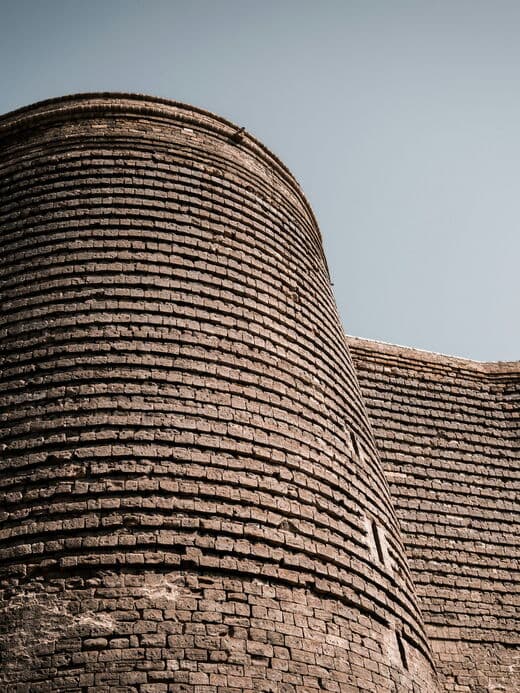
And frankly, that is exactly why you should go now. Azerbaijan is having its moment. The Formula 1 Grand Prix has put Baku on the international map, the country has invested billions in tourism infrastructure, and yet it remains blissfully free of the crowds that plague other destinations. You can still have the Maiden Tower practically to yourself on a Tuesday morning. Try doing that at Machu Picchu.
Why Azerbaijan Deserves Your Attention
I know what you are thinking. With limited vacation days and an endless bucket list, why should Azerbaijan make the cut? Let me give you the honest answer, with none of the tourism board fluff.
The Sheer Unexpectedness
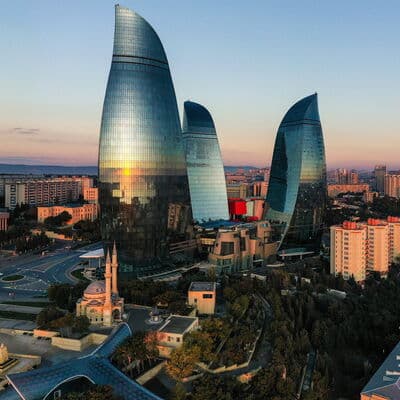
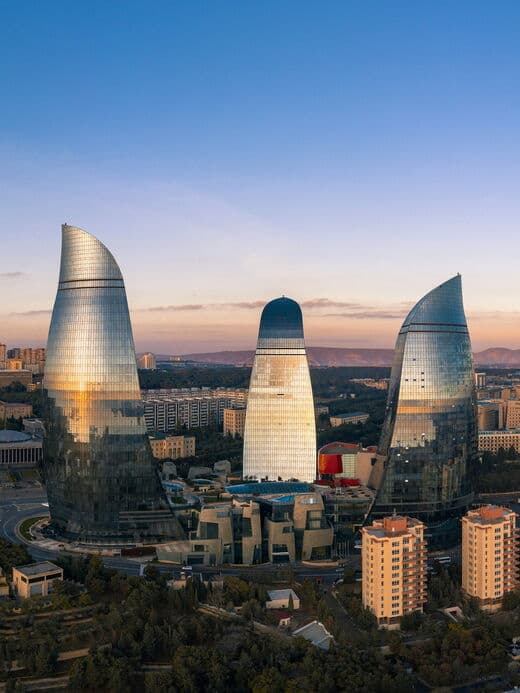
There is a particular joy in traveling somewhere that defies your expectations at every turn. Baku does this constantly. You will be walking through the medieval streets of the Old City (Icherisheher), surrounded by 12th-century walls, and then you will turn a corner and see the Flame Towers soaring above you, their glass facades displaying LED fire patterns against the night sky. The juxtaposition is jarring in the best possible way.
This is a country where you can visit a Zoroastrian fire temple in the morning, where flames have been burning from natural gas seeps for centuries, and then have dinner at a restaurant that would not look out of place in Dubai or Singapore. Where villages in the mountains have preserved traditions for thousands of years while the capital hosts Formula 1 races through its streets. Where ancient Silk Road caravansaries stand a short drive from cutting-edge museums designed by world-famous architects.
Value for Money That Actually Matters
Let me be specific here, because vague claims about affordability mean nothing. In Baku, you can get a substantial lunch at a local restaurant for 8-12 AZN (roughly 5-7 USD). A taxi across the city using Bolt rarely exceeds 8 AZN (about 4.70 USD). A night in a solid four-star hotel runs 80-150 AZN (47-88 USD). A beer at a regular bar is 3-5 AZN (1.75-3 USD). Outside Baku, prices drop even further.
Compare this to Western Europe or even nearby Turkey, which has seen significant price increases in recent years, and the value becomes clear. This is a destination where you can travel well, eat extremely well, and stay in comfortable accommodations without constantly doing mental currency conversions and wincing.
The Food Deserves Its Own Category
Azerbaijani cuisine is seriously underrated on the world stage. This is not just kebabs and rice, though they do those exceptionally well. This is a cuisine shaped by the Silk Road, by Persian influence, by Caucasian traditions, and by a geography that includes everything from subtropical lowlands to alpine meadows. The variety is remarkable, and the quality of ingredients, particularly the lamb, the vegetables grown in volcanic soil, and the herbs, is exceptional.
I have eaten my way through 47 countries, and Azerbaijani food ranks in my personal top ten. Shah plov, a saffron rice dish baked in a pastry crust, is legitimately one of the most impressive dishes I have ever been served. The fact that you can eat this in a fancy restaurant in Baku or in someone's home in a mountain village, prepared with the same reverence, tells you something about how seriously Azerbaijanis take their food.
Genuinely Warm Hospitality
I hesitate to use the word hospitality because it has become such a travel cliche, but there is no better way to describe it. Azerbaijanis take guest culture seriously. This is not performative tourism-industry friendliness; it is a deeply ingrained cultural value that visitors are to be treated with honor.
In practical terms, this means that getting lost and asking for directions often results in someone walking you to your destination. Mentioning that you like something in a shop might lead to the owner insisting you take it as a gift (politely decline at first, then accept graciously if they insist further). Accepting an invitation for tea can easily turn into a three-hour affair with food appearing from nowhere.
This is not universal, of course. Baku is a city of 2.5 million people, and service workers in tourist areas can be as indifferent as anywhere. But step outside the most touristy zones, and the warmth is genuine and overwhelming.
Practical Convenience
Azerbaijan has invested heavily in making itself accessible to international tourists. The Heydar Aliyev International Airport in Baku is modern and efficient. English signage is everywhere in the capital. ATMs are plentiful. Mobile internet is cheap and fast. Roads are generally good, even in rural areas. The bureaucracy is minimal. You can drink the tap water in Baku (though bottled is better for taste). Medical facilities in the capital meet international standards.
This might not sound exciting, but after traveling in some genuinely challenging destinations, I have come to deeply appreciate countries that make the logistics easy so you can focus on actually experiencing the place.
Understanding Azerbaijan's Regions
Azerbaijan is bigger than most people realize, roughly the size of Austria or Maine, with geographical diversity that belies its modest footprint. Understanding the different regions helps you plan a trip that matches your interests and available time.
Baku and the Absheron Peninsula
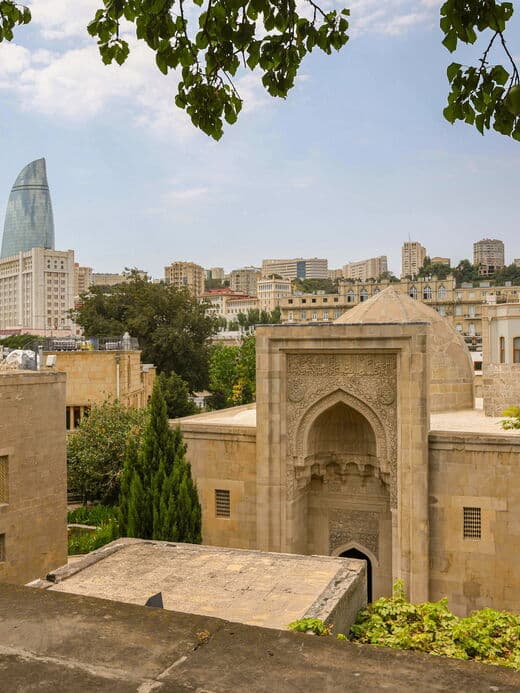
Baku is where most visitors spend the majority of their time, and for good reason. The capital is a genuine world city that manages to feel both ancient and futuristic simultaneously. The Old City (Icherisheher) is a UNESCO World Heritage Site with history stretching back to the 7th century, its narrow lanes opening onto quiet courtyards and caravansaries that once hosted Silk Road merchants.
Outside the old walls, 19th-century oil boom architecture gives Baku an unexpectedly European feel, with ornate facades that could be in Paris or Vienna. And then there is the modern city: the Flame Towers that dominate the skyline, the flowing curves of the Heydar Aliyev Center designed by Zaha Hadid, the waterfront boulevard that stretches for miles along the Caspian Sea.
The Absheron Peninsula, on which Baku sits, offers some of Azerbaijan's most unique attractions. Yanar Dag, the burning mountain, where natural gas seeps have kept flames burning on a hillside for centuries. The Ateshgah Fire Temple, where Zoroastrian and Hindu fire worshippers performed rituals from the 17th to 19th centuries. Gobustan, just south of the peninsula, with rock carvings dating back 40,000 years and some of Azerbaijan's famous mud volcanoes.
You could easily spend 4-5 days in and around Baku without running out of things to do. Most visitors spend 2-3 days, which covers the highlights but leaves plenty for a return trip.
Sheki and the Northern Foothills
If Baku represents Azerbaijan's cosmopolitan side, Sheki is its cultural soul. This small city in the northern foothills of the Greater Caucasus was a major Silk Road trading post, and its wealth from that era is still visible in the stunning Khan's Palace, with its intricate shebeke stained glass and Persian miniature paintings.
Sheki has a different pace than Baku. The old town is smaller but arguably more atmospheric, a place where artisans still practice traditional crafts like silk weaving and copperwork. The surrounding landscape is green and gentle, with vineyards and hazelnut orchards covering the hillsides. The food, particularly the local halva and piti (a meat and chickpea stew served in individual clay pots), is some of Azerbaijan's best.
Getting to Sheki from Baku takes about 5-6 hours by road, making it suitable for an overnight trip or a multi-day exploration of the northern region. Most visitors spend 1-2 nights, which allows time to properly explore the town and perhaps visit nearby villages like Kish, with its ancient Albanian church.
Quba and Khinalig
The northeastern corner of Azerbaijan is where the country meets the Greater Caucasus mountains in earnest. Quba is a pleasant town known for its apple orchards and carpet weaving traditions, but the real draw is what lies beyond: Khinalig, one of the highest and most isolated inhabited settlements in the Caucasus.
Khinalig sits at 2,350 meters (7,700 feet), accessible by a dramatic mountain road that is only fully passable from late spring to early autumn. The village has been continuously inhabited for 5,000 years, and its residents speak a language that exists nowhere else on Earth, completely unrelated to any other known language family. The setting, surrounded by peaks that reach over 4,000 meters, is genuinely spectacular.
Visiting Khinalig requires some planning, as accommodation is limited to simple guesthouses and the road conditions can be challenging. A 4x4 vehicle is recommended, and the drive from Quba takes about 1.5-2 hours on a winding mountain road. But for those who make the effort, it offers a glimpse into a way of life that has barely changed in centuries.
Gabala and the Shahdag Region
Gabala has positioned itself as Azerbaijan's mountain resort destination, with ski facilities at Tufandag and year-round attractions including adventure parks, hiking trails, and luxury hotels. The scenery is beautiful, with densely forested mountains and waterfalls like the famous Seven Beauties cascade.
The Shahdag National Park, accessible from nearby Qusar, offers some of Azerbaijan's best hiking and winter sports. The Shahdag ski resort has invested heavily in modern facilities, though it remains more popular with domestic tourists and visitors from the Gulf states than with Western travelers.
This region is best visited in summer for hiking or winter for skiing. Spring and autumn can be wet, though the fall colors are spectacular. Most visitors come for a few days of outdoor activities rather than extended stays.
Ganja
Azerbaijan's second city does not draw many international tourists, which is precisely why some travelers seek it out. Ganja has a different character than Baku, more traditionally Azerbaijani and less influenced by oil wealth and modernization drives. The Bottle House, decorated with 50,000 glass bottles by a local resident, has become an unlikely tourist attraction. The medieval mausoleum of Nizami Ganjavi, one of the greatest Persian poets, is a place of pilgrimage for literature lovers.
Ganja serves as a good base for exploring the western region of Azerbaijan, including the ancient settlement of Goygol (formerly Helenendorf, founded by German settlers in 1819) and the beautiful Goygol Lake in the Lesser Caucasus foothills. The region saw conflict during the 2020 Nagorno-Karabakh war, and while Ganja itself is safe, some nearby areas are still recovering.
Lankaran and the Talysh Region
The southeastern corner of Azerbaijan, where the country meets Iran, has a different climate and culture than the rest of the country. The Talysh Mountains trap moisture from the Caspian Sea, creating a humid subtropical environment that supports tea plantations and citrus orchards. The Talysh people have their own distinct language and traditions.
Lankaran itself is a pleasant provincial city with a few historical monuments, but the main attractions are the natural ones: the Hirkan National Park with its ancient ironwood forests, home to leopards and other rare species, and the thermal springs that have made this area a health tourism destination for centuries. The beaches here are quieter and more natural than those around Baku.
Nakhchivan
This is Azerbaijan's exclave, separated from the rest of the country by Armenia and accessible only by air or through Iran. Nakhchivan is one of the world's most unusual travel destinations, a place that few tourists visit but those who do find fascinating.
The autonomous republic has ancient history, with some of the oldest evidence of salt mining in the world and medieval mausoleums that predate the Mongol invasions. The landscape is dramatic and dry, more Middle Eastern than Caucasian. The capital, also called Nakhchivan, is surprisingly well-developed with modern infrastructure.
Getting to Nakhchivan requires either a flight from Baku (about an hour, several daily flights, quite affordable at around 40-60 USD each way) or an overland journey through Iran with appropriate visas. For travelers with the time and interest, it offers a genuinely off-the-beaten-path experience within Azerbaijan.
Shamakhi and the Wine Region
The rolling hills around Shamakhi, west of Baku, are where much of Azerbaijan's wine production is concentrated. Yes, wine. Azerbaijan has a winemaking tradition that dates back thousands of years, predating even Georgian wine in some accounts, though the industry was suppressed during the Soviet era and is still rebuilding.
The Savalan and Fireland wineries offer tastings and tours, and the quality of the wines has improved dramatically in recent years. Shamakhi itself was once the capital of the Shirvan khanate and has historical monuments including a 10th-century mosque. The area can be visited as a day trip from Baku or combined with a trip to Lahij, a mountain village famous for its copper craftsmen.
What Makes Azerbaijan Genuinely Unique
Every destination claims uniqueness, but Azerbaijan has some truly singular attractions that you will not find anywhere else on Earth.
The Fire Phenomenon
Azerbaijan is called the Land of Fire for reasons that go far beyond marketing. Natural gas seeps have been creating spontaneous flames here for thousands of years, and these eternal fires shaped the religious and cultural history of the region.
Yanar Dag, about 25 kilometers north of Baku, is a hillside that has been burning continuously for at least 60 years, though local legend says much longer. The flames, about 10 meters wide and occasionally reaching several meters high, burn day and night, fed by underground natural gas. It is most impressive at dusk, when the flames contrast against the darkening sky.
The Ateshgah Fire Temple, on the Absheron Peninsula, is where Zoroastrian and Hindu fire worshippers gathered from the 17th to 19th centuries, drawn by natural gas flames that burned from the ground. The temple complex, restored as a museum, gives insight into how these natural phenomena shaped religious practice.
But the fires are not just historical. Azerbaijan literally sits on so much natural gas that flames sometimes erupt spontaneously. I met an elderly man in a village near Gobustan who showed me a spot in his backyard where he could light a match and produce flames from the ground. This is simply part of life here.
Mud Volcanoes
Azerbaijan has roughly 400 of the world's 700 known mud volcanoes, more than any other country. These are not the dramatic lava-spewing kind; they are gurgling, bubbling mounds of mud fed by underground gas and water pressure. The landscape around them looks almost lunar, with grey mud pools and cracked earth stretching to the horizon.
The most accessible mud volcanoes are near Gobustan, about an hour south of Baku, where you can walk among them and, yes, touch the cold, grey mud. The experience is strange and otherworldly, particularly when a bubble rises and pops with a satisfying plop. More dramatic mud volcanoes exist elsewhere in the country, some large enough to have created small islands in the Caspian Sea.
Khinalig Village
I have already mentioned Khinalig, but it deserves emphasis. This is not just a picturesque mountain village; it is a living repository of human history. The Khinalig people have lived in this isolated spot for at least 5,000 years, developing a language that linguists have been unable to connect to any other known language family. Their traditions, architecture, and way of life have evolved in near-total isolation.
The village itself is built into a steep hillside, with flat-roofed stone houses stacked above each other so that one family's roof serves as another's terrace. Sheep and cattle are still driven through the narrow lanes. The views from the village stretch across mountain ranges that form the border with Russia.
Staying overnight in one of the family guesthouses is the only way to truly experience Khinalig. Dinner will be simple but delicious, probably involving fresh lamb and local vegetables. You will sleep on floor mattresses. The bathroom facilities are basic. And you will have one of the most memorable travel experiences of your life.
Silk Road Caravansaries
Azerbaijan was a crucial link in the ancient Silk Road, and the evidence is still visible in the stone caravansaries that provided shelter for merchant caravans. These massive structures, built to accommodate hundreds of camels and their handlers, dot the landscape between Sheki and Baku.
The most impressive is in Sheki itself, where the upper and lower caravansaries have been converted into hotels and museums. Staying in the Upper Caravansary Hotel means sleeping in a room that once housed Persian silk merchants and Chinese tea traders, with thick stone walls and a courtyard where camels once rested. Other caravansaries along the route are in various states of preservation, from restored monuments to atmospheric ruins.
The Caspian Sea
The world's largest inland body of water, technically a lake despite being called a sea, defines Azerbaijan's eastern border. The Caspian is genuinely enormous, visible from space and creating weather patterns that affect the entire region. Its waters are brackish, less salty than the ocean but saltier than freshwater, and home to unique species including the Caspian seal and the beluga sturgeon that produces the world's most expensive caviar.
The beaches around Baku are not the country's main attraction, being somewhat industrial and crowded in summer. Better swimming is found at beach resorts south of the city or in the Lankaran region. But the Caspian is always present, the vast body of water that makes Baku feel like a port city even though it is technically landlocked.
When to Visit Azerbaijan
Azerbaijan has a surprisingly diverse climate, ranging from humid subtropical in the southeast to semi-arid around Baku to alpine in the mountains. The best time to visit depends on what you want to do and where you want to go.
Spring (April to early June)
Spring is arguably the best time to visit Azerbaijan. Temperatures in Baku are pleasant (15-25C / 59-77F), the countryside is green after winter rains, and the mountain passes begin to open. This is also when Novruz, the Persian New Year celebration, takes place in late March, bringing colorful traditions, special foods, and a festive atmosphere throughout the country.
The downside is that spring can be rainy, particularly in April. The mountain areas remain cold, and some higher passes may not open until late May or even June depending on snowfall. Accommodation prices during the Novruz period (roughly March 20-30) spike significantly, and many Azerbaijanis take domestic holidays, making popular destinations crowded.
Summer (Late June to August)
Summer in Baku is hot, often exceeding 35C (95F), with high humidity from the Caspian Sea. The city can be oppressive in July and August, though air conditioning is ubiquitous. On the positive side, this is peak beach season, and the beach resorts near Baku come alive.
Summer is ideal for the mountain regions. Khinalig is accessible, hiking conditions are excellent, and the highland areas offer relief from the heat. Gabala and the Shahdag region are particularly pleasant in summer, with cool nights and warm days perfect for outdoor activities.
This is also when Azerbaijan hosts major events. The F1 Azerbaijan Grand Prix typically takes place in June (though dates vary), transforming downtown Baku into a racing circuit. Prices and crowds increase significantly during the race weekend.
Autumn (September to November)
Autumn is excellent for visiting Azerbaijan. September offers warm days without the extreme heat, and the grape and pomegranate harvests bring fresh produce to markets. The mountain forests turn spectacular colors in October, making this prime time for the Sheki and Gabala regions.
Late autumn brings cooler temperatures and occasional rain, but also fewer tourists. November can be grey and chilly in Baku, though still milder than most of Europe. Some mountain roads begin to close as snow arrives.
Winter (December to March)
Winter in Baku is mild compared to northern latitudes, with temperatures rarely dropping below freezing. The city can be windy and grey, but the lack of tourists means you will have major attractions to yourself. This is actually an excellent time to experience local life without the summer crowds.
For skiing, December through March is the season at Shahdag and Tufandag resorts. The facilities are modern and the slopes uncrowded compared to European alternatives, though the terrain is limited compared to major ski destinations.
Ramadan dates vary each year, moving backward through the calendar. During Ramadan, many restaurants outside tourist areas close during daylight hours, and the general pace of life slows. The evenings come alive with iftar gatherings, and the end of Ramadan brings Eid celebrations.
Festivals and Events
Novruz (March 20-21 and surrounding days): The Persian New Year is Azerbaijan's biggest celebration, marking the spring equinox with bonfires, special foods, and family gatherings. Festivities begin about two weeks before the actual date and continue for several days after. This is a wonderful time to experience Azerbaijani culture, but expect higher prices and crowded domestic travel.
Formula 1 Azerbaijan Grand Prix (typically June): The street circuit race transforms Baku's waterfront into a motorsport venue. Even if you are not a racing fan, the atmosphere is electric. Book accommodation well in advance and expect prices three to four times normal during race weekend.
Gabala International Music Festival (July-August): Classical and jazz performances in the mountain setting of Gabala attract international artists and audiences.
Goychay Pomegranate Festival (November): The town of Goychay celebrates its famous pomegranates with exhibitions, food stalls, and cultural performances. A quintessentially Azerbaijani experience.
Getting to Azerbaijan
Azerbaijan has invested heavily in air connectivity, making it reasonably easy to reach from most major cities.
By Air
Heydar Aliyev International Airport (GYD) in Baku is the main gateway, a modern facility about 25 kilometers from the city center. Azerbaijan Airlines (AZAL) is the national carrier, operating flights throughout Europe, the Middle East, and Asia.
From the United Kingdom: Direct flights from London operate several times weekly on AZAL, with a flight time of about 5 hours. Budget airlines like Wizz Air have also operated routes to Baku periodically. Connections through Istanbul (Turkish Airlines, Pegasus) and Dubai (Emirates, flydubai) offer more scheduling flexibility.
From the United States: No direct flights exist, but good connections are available through Istanbul (Turkish Airlines from most major US cities), Dubai (Emirates), and Doha (Qatar Airways). Total travel time from the US East Coast is typically 14-18 hours including layover; from the West Coast, 18-24 hours.
From Australia: The most practical routing is through the Gulf hubs (Dubai, Doha, Abu Dhabi) or Singapore, with total travel times of 18-24 hours. Some travelers combine Azerbaijan with a longer Middle East or Central Asia itinerary to justify the long-haul journey.
From other European cities: Turkish Airlines connects from dozens of cities via Istanbul, often with reasonable fares. Lufthansa, Austrian Airlines, and LOT also operate routes. Low-cost options include Wizz Air (from various European bases to Baku) and FlyDubai (with connection in Dubai).
Airport transfer to Baku city: The Baku Airport Express bus runs every 30 minutes to the city center (28th May metro station) and costs only 1.5 AZN (less than 1 USD), making it one of the world's cheapest airport transfers. The journey takes about 40 minutes. Taxis to the city center are fixed-price at around 30-35 AZN (18-21 USD) and take 25-40 minutes depending on traffic.
By Land from Georgia
Many travelers combine Azerbaijan with Georgia, its neighbor to the west. The main border crossing at Red Bridge (Gazakh-Lagodekhi) is open 24 hours and typically efficient. From Tbilisi to Baku by marshrutka (minibus) takes about 8-9 hours and costs around 25-35 AZN (15-21 USD). More comfortable options include shared taxis and private transfers.
The night train between Tbilisi and Baku is a classic travel experience, departing in the evening and arriving the next morning. Tickets cost around 30-60 AZN (18-35 USD) depending on class, and the journey takes about 13 hours including the border crossing. Book through Azerbaijan Railways or Georgian Railways websites.
By Land from Iran
Several border crossings connect Azerbaijan with Iran, with Astara being the most commonly used. The journey from Tabriz to Baku takes about 8 hours by bus or shared taxi. Americans and some other nationalities may face additional scrutiny at the Iranian border, and visa requirements for Iran are significant for most Western passport holders.
By Land from Russia
The Samur border crossing connects Azerbaijan with Dagestan in Russia. This is not a common tourist route due to the complex security situation in the North Caucasus, and travelers are advised to check current conditions before attempting this crossing.
By Sea
Ferries operate across the Caspian Sea from Baku to Aktau in Kazakhstan and Turkmenbashi in Turkmenistan. These are cargo ferries that also carry passengers, departing when full rather than on a fixed schedule. The crossing to Aktau takes roughly 18-24 hours; to Turkmenbashi, about 12-15 hours.
This is an adventurous option rather than a practical one. You may wait days for a ferry to depart, conditions onboard are basic, and the Turkmenistan route requires a Turkmen visa arranged in advance, which is notoriously difficult to obtain. But for overland travelers crossing Central Asia, this is the alternative to flying.
Visas for Azerbaijan
Azerbaijan has liberalized its visa policies significantly in recent years, making entry straightforward for most Western travelers.
Visa-Free Entry
Citizens of the following countries can enter Azerbaijan without a visa for stays up to the specified period:
- 90 days: Belarus, Georgia, Kazakhstan, Kyrgyzstan, Moldova, Russia, Ukraine, Uzbekistan
- 30 days: Bahrain, Israel, Japan, Kuwait, Malaysia, Oman, Qatar, Saudi Arabia, Singapore, South Korea, Turkey, UAE
Most Western travelers do not fall into these categories and will need to obtain an e-visa.
E-Visa (ASAN Visa)
Citizens of about 95 countries, including the United States, United Kingdom, Canada, Australia, and EU member states, can obtain an electronic visa through the ASAN Visa portal (evisa.gov.az). The process is straightforward:
- Complete the online application form
- Upload a passport photo and passport scan
- Pay the fee of 26 USD (standard processing) or 52 USD (urgent processing)
- Receive your e-visa by email within 3 working days (standard) or 3 hours (urgent)
The e-visa allows a single entry for stays up to 30 days. Print it out and present it at immigration along with your passport. The process is efficient and I have never heard of a straightforward application being rejected.
Visa Extension
If you want to stay longer than 30 days, you can apply for an extension at the State Migration Service in Baku. Extensions of up to 60 additional days are possible but require more documentation and processing time. Most tourists find 30 days ample to explore the country.
Important Note on Armenia
Azerbaijan and Armenia have a complicated relationship following decades of conflict. If you have Armenian visa stamps, entry stamps, or evidence of travel to the Nagorno-Karabakh region in your passport, you may face questioning at the border. In some cases, entry has been denied. If you plan to visit both countries, consider visiting Azerbaijan first or traveling on separate passports if you hold dual citizenship.
Getting Around Azerbaijan
Transportation within Azerbaijan ranges from excellent in Baku to rustic in rural areas. Here is how to navigate your options.
In Baku
Metro: The Baku Metro is clean, efficient, and cheap (0.40 AZN / about 0.24 USD per ride regardless of distance). Three lines cover most of the central city, with stations marked in both Azerbaijani and English. Trains run from about 6am to midnight. Buy a BakiKart (rechargeable transport card) from any metro station for 2 AZN, then load credit as needed.
Buses: An extensive bus network covers areas not served by the metro, also using the BakiKart system. Buses are numbered and routes are available online, but for most tourists the metro and taxis are more practical.
Taxis: Bolt (the ride-hailing app) is the easiest way to get around Baku. Prices are extremely reasonable, often 5-10 AZN (3-6 USD) for trips across the city. The app works just like Uber and drivers are tracked for safety. InDriver is another option where you can negotiate the fare.
Traditional purple London-style taxis are also plentiful. These run on meters, and fares are similar to app-based rides. Avoid unmarked vehicles offering taxi services, particularly at the airport where you should use the official taxi stand or pre-book through your hotel.
Between Cities
Marshrutkas (minibuses): The backbone of intercity travel in Azerbaijan, marshrutkas depart from various bus stations in Baku and other cities, heading to destinations throughout the country. They leave when full rather than on a fixed schedule, are cheap (e.g., Baku to Sheki is about 12-15 AZN / 7-9 USD), and provide an authentic travel experience. The downside is cramped conditions, variable safety standards, and lack of air conditioning in older vehicles.
Buses: Larger, more comfortable buses operate on some routes, particularly between major cities. These run on fixed schedules and can be booked through the Azerbaijan Railways website or at bus stations. Prices are slightly higher than marshrutkas but still very affordable.
Trains: Azerbaijan Railways operates services between Baku and several cities including Ganja, Sheki (via Yevlakh), and Lankaran. Trains are slower than road transport but more comfortable, with options ranging from seated carriages to sleeper compartments. The night train to Sheki is particularly popular, allowing you to travel while you sleep. Book through the Azerbaijan Railways website (ady.az) or at the ornate Baku train station.
Domestic flights: AZAL operates domestic flights between Baku and Ganja, Nakhchivan, and occasionally Lankaran. The Nakhchivan flight is the only way to reach this exclave without transiting Iran. Flights are affordable, typically 40-80 AZN (24-47 USD) each way, and can be booked on the AZAL website.
Renting a Car
Self-driving gives you the freedom to explore at your own pace and reach places not served by public transport. Major international agencies (Hertz, Europcar) operate in Baku, along with local companies offering competitive rates. Expect to pay 50-100 AZN (30-60 USD) per day for a basic sedan, more for SUVs suitable for mountain roads.
Things to know about driving in Azerbaijan:
- You need an International Driving Permit in addition to your home license
- Driving is on the right side of the road
- Roads between major cities are generally good; mountain roads vary from paved to gravel to barely passable
- Police checkpoints are common, particularly in border areas; keep your documents ready
- Speed limits are enforced by cameras, and fines are issued for speeding
- Aggressive driving is common, particularly around Baku; defensive driving is recommended
- For Khinalig and other high-mountain destinations, a 4x4 is essential
Hiring a driver: A popular option is to hire a car with driver, either through your hotel or via local agencies. This costs more (typically 80-150 AZN / 47-88 USD per day including fuel) but eliminates the stress of navigating unfamiliar roads and dealing with police stops. For mountain trips, an experienced local driver is worth the extra cost.
Day Tours from Baku
For attractions around Baku like Gobustan, the fire temples, and nearby villages, organized day tours are convenient and reasonably priced. These can be booked through hotels, tour agencies, or platforms like Viator and GetYourGuide. Typical day tour prices range from 40-80 AZN (24-47 USD) per person including transport, guide, and entrance fees.
Money Matters
The Azerbaijani Manat (AZN) is the national currency. At the time of writing, the exchange rate is approximately 1 USD = 1.70 AZN or 1 GBP = 2.15 AZN. The Manat has been relatively stable for several years, pegged to a basket of currencies.
Cash and Cards
Unlike some countries in the region where cash is king, Baku is relatively card-friendly. Visa and Mastercard are widely accepted at hotels, restaurants, larger shops, and chain stores in the capital. Apple Pay and Google Pay work at many terminals. American Express has limited acceptance.
However, you will still need cash:
- For smaller shops and markets
- For taxis (though Bolt accepts card payment)
- Outside Baku, where card acceptance drops significantly
- For tips and small purchases
My recommendation is to carry a mix. Have enough Manats in cash for a day or two of expenses, with cards as your primary payment method in Baku. Outside the capital, bring enough cash for your entire stay.
ATMs
ATMs are plentiful throughout Baku and available in most towns. Be aware of fee structures:
- ABB (Azeri-Business Bank): No fee for foreign cards in most cases
- Kapital Bank: Generally no fee
- ATB (Azer-Turk Bank): Generally no fee
- Pasha Bank: May charge a fee
- Other banks: Fees of 3-5 AZN per transaction are common
Your home bank may also charge international transaction fees, so check before you travel. Many travelers use no-foreign-transaction-fee cards like Charles Schwab (US), Wise, or Revolut to avoid these charges.
Maximum withdrawal amounts are typically 500-1000 AZN per transaction, varying by bank and card type.
Changing Money
If you bring USD, EUR, or GBP in cash, exchange offices are common in Baku. Rates vary, so compare a few before changing large amounts. The airport exchange rate is acceptable for small amounts needed on arrival. Bring clean, undamaged bills; torn or marked notes may be refused.
Budget Levels
Budget (35-50 USD per day): Dormitory beds in hostels (15-25 AZN), street food and cheap restaurants (15-25 AZN for meals), public transport, free or cheap attractions. Very doable in Baku, even easier outside the capital.
Mid-range (70-120 USD per day): Private room in a good guesthouse or budget hotel (60-100 AZN), restaurants for most meals (40-60 AZN), some taxi rides, day tours, entrance fees. A comfortable experience with room for some splurges.
Upper-range (150-250 USD per day): Four-star hotels (150-250 AZN), meals at high-end restaurants (60-100 AZN), private guides and drivers, premium experiences. Baku offers genuine luxury at these price points.
Luxury (300+ USD per day): Five-star hotels like the Four Seasons or Fairmont (300-800+ AZN), fine dining, private tours, internal flights, spa treatments. If this is your budget, Baku delivers world-class experiences at prices below equivalent cities.
Tipping
Tipping is appreciated but not as obligatory as in the US:
- Restaurants: 10% if service charge not included (check the bill)
- Taxis: Round up or add a few Manat
- Hotel porters: 2-5 AZN
- Tour guides: 10-20 AZN per day
- Drivers: 10-15 AZN per day
The Cultural Code: What You Need to Know
Azerbaijan is a secular Muslim-majority country with a unique cultural blend of Turkish, Persian, Russian, and Soviet influences. Understanding the cultural context will enrich your experience and help you avoid unintentional offense.
Religion and Secularism
About 95% of Azerbaijanis identify as Muslim, predominantly Shia with a significant Sunni minority. However, Azerbaijan is officially secular, and Soviet-era policies significantly reduced religious observance. Today, most Azerbaijanis are culturally Muslim rather than strictly practicing.
What this means for you:
- Alcohol is legal and widely available
- Restaurants serve pork (though it is less common than in Christian-majority countries)
- Dress codes are liberal in Baku
- During Ramadan, most tourist-oriented establishments remain open
- You will see both headscarves and miniskirts on the streets of Baku
That said, respect for religious sensibilities is important:
- Cover shoulders and knees when visiting mosques (some provide coverings)
- Remove shoes when entering mosques
- Be aware that outside Baku, attitudes tend to be more conservative
- During Ramadan, being discreet about eating and drinking in public is respectful
Dress Code
In Baku, dress standards are essentially European. You will see everything from designer fashion to casual streetwear. As a tourist, you can dress as you would in any modern European city.
Outside the capital, particularly in rural and mountain areas, more conservative dress is appropriate:
- Knee-length or longer skirts/pants for women
- Shoulders covered
- Nothing too tight or revealing
- This is as much practical as cultural - mountain weather can be cool and unpredictable
For men, shorts are acceptable in Baku and tourist areas but may attract attention in smaller towns. Long pants are more versatile.
Social Interactions
Greetings: A handshake is standard for men meeting men. For cross-gender greetings, wait to see if the other person extends their hand; some conservative women may prefer not to shake hands with men. Among friends, cheek kisses (usually one or three) are common for both genders.
Tea culture: Tea is central to Azerbaijani hospitality. Accepting an offer of tea is a gesture of friendship; refusing can be seen as rude. Tea is traditionally served in small pear-shaped glasses (armud), often with preserves, sweets, and dried fruits. The ritual can last hours.
Hospitality obligations: Azerbaijanis take guest culture seriously. If invited to someone's home, bring a gift (sweets, chocolate, or pastries are appropriate; flowers are also welcome but should be in odd numbers). Expect to be fed generously; refusing food can be difficult, so pace yourself. The host may insist repeatedly; polite resistance followed by gracious acceptance is the expected pattern.
Photography: Ask permission before photographing people, especially women and in rural areas. Never photograph military installations or personnel. In some mosques and museums, photography requires permission or a fee.
Gender Dynamics
Azerbaijan is more egalitarian than some Muslim-majority countries, with women active in business, government, and professional life. However, traditional gender roles persist in many contexts, particularly outside Baku and among older generations.
For female travelers:
- Solo female travel is generally safe, with normal urban precautions
- Unwanted attention is possible but usually not aggressive
- Dress conservatively outside Baku to minimize attention
- Trust your instincts about social situations
For LGBTQ+ travelers:
- Same-sex relationships are legal but not socially accepted
- There is no visible LGBTQ+ scene
- Discretion is advisable; public displays of affection between same-sex couples may attract negative attention
- Baku is more tolerant than rural areas, but this is relative
Language
Azerbaijani (Azeri) is the official language, a Turkic language closely related to Turkish. Russian is widely spoken, a legacy of the Soviet era, and remains a lingua franca among older generations and in business contexts.
English is increasingly common in Baku, especially among younger people and in the tourism industry. Hotel staff, tour guides, and restaurant servers in tourist areas usually speak at least basic English. However, outside the capital, English is rare, and a few Russian or Azerbaijani phrases will be invaluable.
Useful phrases:
- Hello: Salam (Azerbaijani) / Zdravstvuyte (Russian)
- Thank you: Sagolun (Azerbaijani) / Spasibo (Russian)
- Yes/No: Beli/Xeyr (Azerbaijani) / Da/Nyet (Russian)
- Please: Zehmet olmasa (Azerbaijani) / Pazhalusta (Russian)
- How much?: Nece manat? (Azerbaijani) / Skolko? (Russian)
- Goodbye: Sagol (Azerbaijani) / Dasvidaniya (Russian)
Translation apps like Google Translate work offline if you download the Azerbaijani and/or Russian language packs in advance.
Safety in Azerbaijan
Azerbaijan is generally a safe country for tourists. Violent crime against foreigners is rare, and Baku is considerably safer than many Western cities of similar size. That said, some precautions are wise.
Common Sense Precautions
- Keep valuables secure; pickpocketing exists in crowded areas like markets and public transport
- Use hotel safes for passports and excess cash
- Be wary of overly friendly strangers with too-good-to-be-true offers
- Stick to well-lit areas at night, as you would anywhere
- Keep copies of important documents separate from originals
Scams to Watch For
Taxi scams: Some taxi drivers, particularly at the airport or train station, may try to charge inflated fares. Use Bolt or agree on a price before getting in. Reputable taxis use meters.
Currency confusion: Unscrupulous vendors may try to confuse tourists about the currency. Make sure you understand prices in Manat (AZN), not USD or Euros, before agreeing to purchase.
Restaurant bills: Check bills carefully at restaurants, especially those in heavily touristed areas. Unexplained charges for service, bread, or items you did not order occasionally appear.
Carpet scams: Be cautious when buying expensive carpets. Get documentation of authenticity, understand the export procedures, and be wary of sellers who claim items are antique. Many "antique" carpets are actually modern reproductions.
Areas to Avoid
Former conflict zones: The Nagorno-Karabakh region and surrounding areas were the site of conflict until 2020, with further military action in 2023. While Azerbaijan has regained control, some areas remain mine-contaminated and off-limits. Do not attempt to visit these areas without explicit government permission and guidance.
Border areas: The borders with Armenia remain sensitive. The border with Iran is generally fine but subject to additional security measures. The border with Russia (Dagestan) should be approached with caution due to regional instability.
Political Considerations
Azerbaijan is an authoritarian state with limited press freedom. As a tourist, this is unlikely to affect you directly, but be aware:
- Do not photograph military installations or personnel
- Avoid political demonstrations or gatherings
- Be discreet about political discussions, particularly regarding the conflict with Armenia
- Do not publicly criticize the government or president
- Journalists and activists face more scrutiny than regular tourists
Emergency Numbers
- Police: 102
- Fire: 101
- Ambulance: 103
- General emergency: 112
Tourist police operate in Baku and can assist with problems. English-speaking assistance is available at tourist information centers.
Health Considerations
No special vaccinations are required for Azerbaijan for visitors from Western countries. However, some health precautions are advisable.
Recommended Preparations
- Ensure routine vaccinations (tetanus, diphtheria, measles, etc.) are up to date
- Hepatitis A vaccination is recommended for travel to the region
- Hepatitis B if you might have intimate contact with locals or require medical treatment
- Typhoid if you will be eating extensively from street vendors or in rural areas
- Rabies if you plan extended stays in rural areas or will have contact with animals
Consult your doctor or a travel clinic 4-6 weeks before departure for personalized advice.
Travel Insurance
Travel insurance with medical coverage is essential. While medical care in Baku is adequate for routine issues, serious conditions may require evacuation to Turkey or Europe. Ensure your policy covers:
- Medical expenses including hospitalization
- Medical evacuation
- Repatriation
- Trip cancellation/interruption
- Adventure activities if applicable (skiing, hiking, etc.)
Medical Facilities
Baku has hospitals and clinics that meet international standards. The major private hospitals include:
- Central Hospital (has emergency department)
- MedLife medical center
- Baku Medical Plaza
- International Hospital (affiliated with Johns Hopkins)
Outside Baku, medical facilities are more limited. For serious conditions, return to the capital or seek evacuation.
Pharmacies (aptek) are common and well-stocked with common medications. Many items available only by prescription in Western countries can be purchased over the counter. However, bring adequate supplies of any prescription medications you require, along with a letter from your doctor.
Water and Food Safety
Tap water in Baku is generally safe to drink but may taste heavily chlorinated. Most locals and visitors prefer bottled water, which is cheap and widely available. Outside Baku, stick to bottled or purified water.
Food hygiene standards are generally good, particularly in established restaurants. Street food is usually safe if freshly prepared; use common sense and observe whether locals are eating there. The high turnover at popular spots keeps food fresh.
Specific Health Concerns
Altitude: Mountain destinations like Khinalig (2,350m) and Shahdag ski resort (up to 2,700m) can affect those sensitive to altitude. Symptoms like headache, nausea, and shortness of breath are possible. Ascend gradually, stay hydrated, and descend if symptoms are severe.
Sun exposure: Azerbaijan can be very sunny, particularly in summer. Use sunscreen, wear hats, and stay hydrated.
Heat: Summer temperatures in Baku can exceed 35C (95F). Stay hydrated, avoid midday sun, and seek air-conditioned spaces during the hottest hours.
Mosquitoes: Present in low-lying areas, particularly near the Caspian coast. Bring repellent, particularly for evening activities.
Connectivity
Staying connected in Azerbaijan is straightforward and inexpensive.
Mobile Networks
Three main operators provide mobile service: Azercell, Bakcell, and Nar. All offer excellent coverage in urban areas and along major roads; coverage becomes patchy in mountain areas.
Getting a local SIM card is easy and recommended for stays longer than a few days:
- Visit any operator store (found in shopping centers and on main streets throughout Baku)
- Bring your passport (required for registration)
- Purchase a SIM card (typically 5-10 AZN) with a data package
- Tourist packages with 5-15GB of data cost around 10-25 AZN (6-15 USD) and are valid for 30 days
Your phone must be unlocked to use a local SIM. Azerbaijan requires phone registration (IMEI registration) for long-term use, but tourists on short visits typically do not face issues with this system.
eSIM Options
If your phone supports eSIM, you can purchase an eSIM before arriving. Providers like Airalo, Holafly, and Ubigi offer Azerbaijan data packages. Prices are slightly higher than local SIMs (typically 10-25 USD for similar data) but offer convenience, particularly for short trips or if you want to keep your home number active.
WiFi
WiFi is widely available:
- Hotels typically offer free WiFi, though quality varies
- Cafes and restaurants in Baku usually have WiFi (ask staff for the password)
- Free public WiFi is available in some parks and public spaces in Baku
- Shopping malls have WiFi
- Outside Baku, WiFi is less reliable; do not depend on it for critical needs
Internet Restrictions
Azerbaijan has some internet restrictions. Access to certain websites may be blocked, though this is less comprehensive than in some neighboring countries. VPN services work and are not illegal, but download one before arriving as some VPN websites may be blocked.
Social media platforms like Facebook, Instagram, Twitter/X, and YouTube are generally accessible.
Food and Drink: A Comprehensive Guide
Azerbaijani cuisine is one of the country's greatest attractions. Shaped by geography, history, and cultural influences from Persia, Turkey, Russia, and the Caucasus, it offers variety, flavor, and generous portions.
The Essentials
Plov (pilaf): The national dish, rice cooked with saffron, served with various accompaniments. The basic version includes rice, meat (usually lamb), and caramelized onions with dried fruits like apricots and raisins. Shah plov, the ceremonial version, has the rice encased in a crispy pastry shell (qazmag) and is truly spectacular. Every family has their recipe; every restaurant claims theirs is best.
Kebab: Azerbaijan takes its kebabs seriously. Lule kebab (minced lamb formed around flat metal skewers) is the classic. Tikka kebab (cubed meat) is also common. Kebabs are typically served with lavash bread, fresh herbs, sumac, and grilled vegetables. Quality ranges from excellent to transcendent depending on the meat and preparation.
Dolma: Grape leaves, cabbage leaves, or vegetables stuffed with spiced meat and rice. Yarpaq dolmasi (grape leaf dolma) is the classic version. Badimjan dolmasi (stuffed eggplant) and biber dolmasi (stuffed peppers) are also popular. Often served with yogurt.
Piti: A hearty stew of lamb, chickpeas, chestnuts, and vegetables, traditionally cooked in individual clay pots. This is a Sheki specialty but available throughout the country. The soup is poured off and eaten with bread first, then the solid ingredients are mashed together for the second course.
Dovga: A cold soup of yogurt, herbs, and rice, sometimes with meatballs. This is an acquired taste for some visitors but beloved by locals, particularly in summer.
Dushbara: Tiny dumplings (smaller than Chinese wontons) filled with spiced meat, served in broth. A test of a good Azerbaijani cook is how many dushbara fit on a spoon.
Qutab: Thin stuffed flatbreads, typically filled with herbs (goyu qutabi), meat (at qutabi), or pumpkin. Served with sumac and yogurt. Perfect as a snack or light meal.
Sajh: Meat and vegetables cooked on a convex metal plate over fire, similar to fajitas. The name refers to both the cooking vessel and the dish. Great for groups.
Breakfast
Azerbaijani breakfast is a substantial affair:
- Fresh bread (lavash or tandir)
- Multiple varieties of cheese, including soft brined cheeses and aged varieties
- Butter, cream (qaymaq), and honey
- Various preserves and jams
- Tomatoes, cucumbers, and fresh herbs
- Eggs (often fried or as an omelet called kuku)
- Tea, always tea
Hotels typically serve elaborate breakfast spreads. Street-side cafes serve simpler versions. Either way, you will not go hungry.
Sweets and Desserts
Pakhlava: Similar to baklava but with Azerbaijani flourishes. Layers of pastry with ground nuts (usually hazelnuts or walnuts), soaked in honey or sugar syrup. The Sheki version uses rice flour pastry and is particularly famous.
Shekerbura: Crescent-shaped pastries filled with ground almonds or hazelnuts and sugar, often decorated with intricate patterns. A Novruz specialty but available year-round.
Halva: Various types exist, from sesame-based (similar to Middle Eastern halva) to flour-based varieties unique to Azerbaijan. Sheki halva, made with rice flour, nuts, and spices, is exceptional.
Firni: A milk-and-rice pudding flavored with rosewater and cardamom, similar to Indian kheer.
Tea Culture
Tea is not just a beverage in Azerbaijan; it is a social institution. Black tea, brewed strong and served in pear-shaped glasses (armud) with sugar cubes, is offered everywhere and at all times. Refusing tea is mildly insulting; accept at least one glass.
Tea accompaniments include:
- Rock sugar and cube sugar
- Lemon (placed in saucer, not in tea)
- Preserves, particularly fig, quince, and walnut
- Dried fruits
- Sweets and pastries
Chaikhanas (tea houses) are traditional establishments where men gather to drink tea, play backgammon, and socialize. Women tourists can visit but may find the atmosphere very male-dominated.
Alcohol
Despite the Muslim majority, alcohol is legal and readily available. Azerbaijani beer brands include Xirdalan and Baltika (brewed locally). International brands are also available.
Wine production has a long history in Azerbaijan, predating even Georgian wine by some accounts. The industry was decimated during Soviet times but is recovering. Local varieties to try include Madrasa (a red grape) and Bayanshira (white). The Savalan and Fireland wineries offer tastings.
Pomegranate wine is a local specialty, sweet and fruity, more of a novelty than a serious wine but worth trying.
Vodka is widely consumed, a Soviet legacy. Local and Russian brands are cheap and plentiful.
Dining Etiquette
- Bread is considered sacred; do not throw it away or place it upside down
- Tea is poured for others, not for yourself; keep an eye on your companions' glasses
- The host typically orders for the table at traditional meals
- Toasts are common when drinking alcohol; wait for the tamada (toastmaster) to speak first
- Leaving a small amount of food on your plate indicates you have had enough; empty plates will be refilled
Where to Eat
High-end restaurants: Baku has genuinely excellent restaurants, from Azerbaijani cuisine prepared to fine-dining standards (Shirvanshah, Firuza) to international options (Japanese, Italian, French). Expect to pay 40-100 AZN (24-60 USD) per person without alcohol.
Traditional restaurants: Mid-range restaurants serving Azerbaijani classics are found throughout Baku and in regional centers. Many feature live music in the evenings. Meals typically cost 20-40 AZN (12-24 USD) per person.
Budget options: Fast food (both local chains and international like KFC and McDonald's), kebab shops, and cafeteria-style restaurants offer good meals for 5-15 AZN (3-9 USD).
Street food: Qutab from street vendors, fresh bread from bakeries, and snacks from markets are cheap and delicious.
Shopping
Azerbaijan offers distinctive shopping opportunities, from traditional crafts to modern malls.
What to Buy
Carpets: Azerbaijani carpets have a centuries-old tradition, with regional styles from different areas (Shirvan, Quba, Tabriz). Genuine handmade carpets are expensive but are works of art that last generations. The carpet museum in Baku is a good place to learn about styles and quality before buying. Export of antique carpets (over 50 years old) requires a special permit.
Silk: Sheki is known for its silk production. Kelaghayi (traditional silk headscarves) make beautiful souvenirs. These are UNESCO-recognized cultural heritage items.
Copperware: The village of Lahij is famous for its copper craftsmen. Hand-beaten copper items, from decorative pieces to functional kitchenware, make durable souvenirs.
Food items:
- Tea, especially local blends
- Saffron (cheaper than in Western countries but verify quality)
- Pomegranate molasses (narshab)
- Dried fruits and nuts
- Caviar (legal to export, but check your home country's import restrictions)
- Sweets and pastries (though these are best eaten fresh)
Musical instruments: The tar (a stringed instrument) and kamancha (bowed instrument) are traditional Azerbaijani instruments. Quality instruments are available from craftsmen in Baku.
Where to Shop
Old City markets: The Old City (Icherisheher) has numerous shops selling carpets, souvenirs, and crafts. Prices are higher than elsewhere and bargaining is expected, but selection is good.
Taza Bazaar: Baku's main food market, a sensory experience even if you don't buy anything. Excellent for spices, dried fruits, cheese, and fresh produce.
Modern shopping malls: Port Baku Mall, Park Bulvar, and 28 Mall offer international brands, supermarkets, and food courts. Prices are similar to or higher than Western equivalents for imported goods.
Outside Baku: Regional markets and craft villages offer better prices and more authentic experiences. Sheki's bazaar, the copper workshops in Lahij, and Quba's carpet shops are worth visiting.
Tax Free Shopping
Azerbaijan has a VAT refund system for tourists on purchases over 200 AZN. Ask for Tax Free forms at participating stores, get them stamped at customs when leaving, and collect your refund at the airport refund counter or by mail.
Practical Apps and Tools
Some apps will make your Azerbaijan trip smoother:
- Bolt: Ride-hailing, essential for Baku
- InDriver: Alternative ride-hailing where you negotiate the price
- Wolt: Food delivery in Baku
- Google Maps: Works well in Azerbaijan for navigation
- Google Translate: Download Azerbaijani and Russian language packs for offline use
- XE Currency: For currency conversion
- maps.me: Offline maps, useful for remote areas without data
Suggested Itineraries
3-4 Days: Baku and Surroundings
If you only have a long weekend, focus on Baku and the Absheron Peninsula.
Day 1: Arrive, get settled. Explore the Old City (Icherisheher) - the Maiden Tower, Palace of the Shirvanshahs, narrow lanes and caravansaries. Evening walk along the Caspian waterfront boulevard.
Day 2: Morning at the Heydar Aliyev Center (arrive when it opens to beat crowds). Afternoon exploring central Baku - Fountain Square, 19th-century oil baron mansions, markets. Evening: watch the Flame Towers light up after dark.
Day 3: Day trip to the Absheron Peninsula. Morning: Ateshgah Fire Temple and Yanar Dag burning mountain. Afternoon: Gobustan to see ancient rock carvings and mud volcanoes. Return to Baku for evening.
Day 4: Final morning in Baku - carpet museum, shopping, any sites you missed. Depart.
7 Days: The Classic Route
A week allows you to see Baku properly plus one major region outside the capital.
Days 1-3: As above, Baku and surroundings.
Day 4: Early departure to Sheki (5-6 hours by road, or overnight train the night before). Afternoon exploring Sheki's old town and Khan's Palace.
Day 5: Full day in Sheki area. Visit Kish village and its ancient Albanian church. Local craft workshops. Evening: piti dinner at a traditional restaurant.
Day 6: Return to Baku, possibly stopping at Lahij copper village if time permits (adds 2-3 hours). Evening free in Baku.
Day 7: Morning activities in Baku. Depart.
10 Days: The Complete Experience
Ten days allows for a comprehensive exploration of Azerbaijan's highlights.
Days 1-3: Baku and Absheron Peninsula as above.
Day 4: Drive to Shamakhi and the wine region. Visit Savalan or Fireland winery. Continue to Sheki (overnight).
Day 5: Explore Sheki - Khan's Palace, old town, caravansaries, local crafts.
Day 6: Morning in Sheki. Drive to Quba area (4-5 hours). Visit Quba town, perhaps the mountain village of Xinaliq (Khinalig) if road conditions permit (4x4 required, best June-October).
Day 7: Explore Quba region further or, if you visited Khinalig, have a relaxed morning. Afternoon drive to Gabala (2-3 hours). Check into mountain resort accommodation.
Day 8: Day in Gabala area. Tufandag cable car, Nohur Lake, Seven Beauties waterfall, or simply enjoy the mountain scenery.
Day 9: Return to Baku (3-4 hours). Final afternoon and evening in the city - revisit favorites or explore neighborhoods you missed.
Day 10: Depart.
14 Days: The Deep Dive
Two weeks allows for thorough exploration including off-the-beaten-path destinations.
Days 1-3: Baku deep dive. Beyond the highlights, visit the Holocaust Museum, National History Museum, and Baku neighborhoods outside the tourist center. Take a day to simply wander and get lost.
Days 4-5: Absheron Peninsula day trip, then a night in a Caspian beach resort south of Baku.
Days 6-7: Drive to Sheki via Lahij copper village. Two nights in Sheki exploring thoroughly.
Days 8-9: Drive to Quba. Overnight trip to Khinalig village (homestay experience). Return to Quba.
Days 10-11: Gabala area. Hiking, adventure activities, or simply enjoying the mountain environment.
Day 12: Drive toward Ganja, Azerbaijan's second city. Explore Goygol (former German settlement), perhaps Goygol Lake.
Day 13: Morning in Ganja - Bottle House, Nizami Ganjavi mausoleum. Afternoon drive back to Baku (5-6 hours).
Day 14: Final morning in Baku. Depart.
21 Days: Everything Including Nakhchivan
Three weeks allows you to see virtually everything Azerbaijan has to offer, including the Nakhchivan exclave.
Days 1-4: Baku comprehensive exploration. Every major museum, multiple neighborhoods, day trips to Gobustan and the fire temples.
Days 5-6: Beach resort on the Caspian, south of Baku.
Days 7-8: Southern Azerbaijan. Drive to Lankaran via the coast road. Explore Talysh mountains, Hirkan National Park, tea plantations. Local hot springs.
Day 9: Drive from Lankaran to Sheki (long day, about 6-7 hours, but through interesting countryside).
Days 10-11: Sheki and surrounding villages.
Days 12-13: Quba and Khinalig.
Days 14-15: Gabala and Shahdag region. Hiking or, in winter, skiing.
Day 16: Return toward Baku, stopping in the wine country around Shamakhi.
Days 17-18: Fly to Nakhchivan (1 hour flight). Explore this unique exclave - the old town, Alinja fortress, Momine Khatun mausoleum, the dramatic landscape.
Day 19: Fly back to Baku. Day in Ganja area (drive from Baku or fly).
Day 20: Return to Baku. Final explorations, souvenir shopping.
Day 21: Depart.
Baku In-Depth: Neighborhood by Neighborhood
Since most visitors spend significant time in Baku, understanding the city's layout and character helps you plan your time.
The Old City (Icherisheher)
The UNESCO-listed Old City (Icherisheher) is the historic heart of Baku, surrounded by 12th-century walls. This is where you will find the Maiden Tower (the city's symbol, a mysterious 12th-century structure whose original purpose remains debated), the Palace of the Shirvanshahs (a 15th-century royal complex), medieval baths, mosques, and caravansaries.
The narrow lanes are atmospheric and photogenic but can be disorienting. Getting lost is part of the experience. Small carpet shops, craft stores, restaurants, and cafes occupy many of the historic buildings. The main streets can be touristy; venture into the quieter lanes to find hidden courtyards and local life.
Do not miss: The Maiden Tower at sunset. The view from the top, combined with the evening light on the old city and the modern skyline beyond, is magical.
The Boulevard (Seaside Park)
The Caspian waterfront boulevard stretches for several kilometers along the shore, a beloved promenade for locals and visitors alike. This is where Baku comes to walk, cycle, jog, or simply sit and watch the sea. The boulevard has been extended and improved multiple times, most recently with additions to the east and west.
Key landmarks along the boulevard include:
- The Carpet Museum, shaped like a rolled carpet
- Little Venice, a network of canals with gondola rides
- The Ferris wheel (great for city views)
- The National Flag Square
- Multiple cafes, restaurants, and entertainment venues
The boulevard is particularly lively on warm summer evenings when much of the city seems to be out strolling. Walking its length takes about an hour at a leisurely pace.
Fountain Square and City Center
Fountain Square (Fovgalar Meydani) is the heart of modern Baku, a pedestrian plaza surrounded by cafes, restaurants, shops, and 19th-century architecture. This is where locals meet, shop, and socialize. The surrounding streets form the main commercial district.
The architecture here reflects Baku's oil boom era (late 19th to early 20th century), when newly wealthy oil barons built ornate mansions in European styles. French, Italian, and German influences are visible in the facades. Some buildings have been restored beautifully; others are in various states of repair.
Key sites in the center:
- Nizami Street, the main shopping street
- The Azerbaijan State Philharmonic Hall
- Various oil baron mansions, some now museums or hotels
- The Ismailiyya Building (Presidium of the Academy of Sciences)
Highland Park and Flame Towers District
Above the old city, Highland Park (Dagustani Park) offers panoramic views over Baku, the Caspian Sea, and the Flame Towers. A funicular railway connects the boulevard to the park, or you can walk up through the old city.
The Flame Towers themselves are Baku's most iconic modern landmark, three flame-shaped skyscrapers that house a hotel, residences, and offices. At night, their LED facades display fire patterns that are visible from throughout the city.
The area around Highland Park and the Flame Towers includes upscale hotels, the Parliament building, and the Shehidler Khiyabani (Martyrs' Lane), a memorial to those killed in conflicts including the Black January events of 1990 and the Nagorno-Karabakh wars.
The Modern City
Beyond the historic center, Baku sprawls into modern districts with less character but contemporary attractions.
The Heydar Aliyev Center, designed by Zaha Hadid, is the architectural highlight. Its flowing white curves, unlike anything else in the city, have become symbols of modern Baku. Inside, rotating exhibitions showcase Azerbaijani history and culture. The surrounding park and plaza are also worth exploring.
Port Baku is the city's luxury development, with a high-end shopping mall, residential towers, and the Four Seasons Hotel. The mall offers international brands at international prices.
White City is a redevelopment project transforming former industrial land into a new urban district. Still under construction in many areas, it represents Baku's future ambitions.
The Suburbs
Beyond the tourist core, Baku's suburbs hold little of interest for most visitors. However, the IKEA area has shopping options, and the outskirts are where you will find the roads leading to day trip destinations like Gobustan, the fire temples, and the Absheron Peninsula sites.
Day Trips from Baku
Several excellent destinations are within easy reach of Baku for day trips or overnight excursions.
Gobustan (60 km / 1 hour)
Gobustan National Park, a UNESCO World Heritage Site, protects one of the world's most impressive collections of rock art. Over 6,000 rock carvings, dating from 40,000 years ago to the medieval period, depict animals, humans, boats, and ritual scenes. The site's museum provides context before you explore the petroglyphs themselves on a walking trail.
Nearby, the Gobustan mud volcanoes offer an otherworldly landscape of bubbling grey mud and barren terrain. The area is best visited with a guide or 4x4 vehicle as the road to the main mud volcano field is rough.
Allow half a day to a full day depending on your level of interest. Tours from Baku typically cost 50-80 AZN per person including transport and guide.
Ateshgah Fire Temple (30 km / 40 minutes)
This former Zoroastrian-Hindu fire temple on the Absheron Peninsula was an active place of worship from the 17th to 19th centuries. Natural gas seeping from the ground created eternal flames that attracted fire worshippers from India and Persia. Today it is a museum, though one of the gas flames has been relit artificially.
The temple complex includes a central altar pavilion surrounded by cells where worshippers lived and practiced their faith. Informative displays explain the history of fire worship in Azerbaijan. Plan for 1-2 hours.
Yanar Dag - Burning Mountain (25 km / 30 minutes)
A hillside that has been burning continuously for at least 60 years, fed by natural gas seeping from the ground. The flames stretch about 10 meters wide and can reach several meters high. Most impressive at dusk or after dark when the flames contrast against the darkening sky.
There is a small entrance fee, and a cafe and souvenir shop adjoin the viewing area. Plan for 30-60 minutes. Best combined with the Fire Temple on a single trip.
Mardakan and the Absheron Castles
The Absheron Peninsula has several medieval castles and towers, relics of the region's strategic importance. The most accessible are in Mardakan, including a 14th-century quadrangular castle and a round tower. These can be combined with visits to the Fire Temple and Yanar Dag.
Shamakhi (120 km / 1.5 hours)
The former capital of the Shirvan khanate, Shamakhi is now a small town with a few historical monuments including the Juma Mosque (one of the oldest in the Caucasus, though rebuilt after earthquake damage) and royal tombs. The drive passes through rolling countryside increasingly covered with vineyards.
Shamakhi makes a good stop on the way to Sheki or can be combined with visits to local wineries (Savalan or Fireland) for a wine-focused day trip.
Lahij (170 km / 2.5 hours)
This mountain village is famous for its copper craftsmen, who have been practicing their trade here for centuries. The main street is lined with workshops where you can watch artisans hammering out copper vessels using traditional techniques. The village itself, clinging to a steep hillside with cobblestone lanes and traditional architecture, is atmospheric.
Lahij is best reached by 4x4 or by parking below the village and walking up (the final road is narrow and steep). It can be visited as a day trip from Baku or as a stop between Baku and Sheki.
Practical Tips and Advice
Some final practical considerations to help your trip run smoothly.
Electricity
Azerbaijan uses European-style plugs (Type C and F, two round pins) with 220V/50Hz electricity. Visitors from the US, UK, and Australia will need adapters. Most modern hotels have universal sockets, but bring an adapter for local guesthouses.
Time Zone
Azerbaijan is in the Azerbaijan Time zone (AZT), which is UTC+4. There is no daylight saving time. When it is noon in Baku:
- London: 8:00 AM (or 7:00 AM during British Summer Time)
- New York: 3:00 AM (or 4:00 AM during EDT)
- Los Angeles: midnight (or 1:00 AM during PDT)
- Sydney: 6:00 PM (or 7:00 PM during AEDT)
Opening Hours
Shops typically open 10:00-19:00, with shopping malls staying open later (until 22:00). Restaurants open for lunch (12:00-15:00) and dinner (18:00-23:00 or later). Many museums close on Mondays. Government offices work Monday-Friday, 9:00-18:00.
Bargaining
Bargaining is expected in markets, for souvenirs, and sometimes for hotel rooms (particularly in the off-season or for longer stays). It is not expected in fixed-price shops, restaurants, or supermarkets. Start at about 50-60% of the asking price and negotiate from there, but be prepared to walk away if the price is not right.
Smoking
Smoking is prohibited in enclosed public spaces including restaurants, though enforcement varies. Smoking areas exist outside most establishments. E-cigarettes and vapes are legal but not widely used.
Toilets
Western-style toilets are standard in urban areas. In very rural locations, squat toilets may be encountered. Public toilets exist in some locations (shopping malls, tourist sites); look for "WC" signs. Carry tissues as not all facilities provide paper.
Laundry
Self-service laundromats are rare. Most hotels offer laundry service, and dry cleaners exist in Baku. Prices are reasonable.
Photography Restrictions
Do not photograph military installations, government buildings (including some metro stations), or security personnel. Ask permission before photographing people, especially women and in rural areas. Some museums charge a photography fee.
Postal Services
The Azerbaijani postal service (Azerpocht) operates but is not particularly reliable for international mail. For important items, use a courier service like DHL or FedEx, both of which have offices in Baku.
Registration
Foreign visitors staying in Azerbaijan for more than 15 days must register with the State Migration Service. Hotels automatically register guests. If staying in private accommodation, you must register yourself, which can be done online through the migration service website. Failure to register can result in fines when leaving the country.
Common Mistakes and How to Avoid Them
Learn from the errors of others.
Underestimating distances: Azerbaijan is bigger than it looks on a map, and road conditions outside main highways can be challenging. Do not try to squeeze too much into a single day. That "short drive" to Sheki is actually 5-6 hours.
Skipping the regions: Baku is fascinating, but Azerbaijan's soul is in places like Sheki, Khinalig, and the mountain villages. Budget at least a few days outside the capital.
Not dressing for the occasion: Pack layers even in summer. Mountain areas are significantly cooler than Baku, and air conditioning in the city can be aggressive.
Expecting everything in English: While tourism facilities often have English speakers, this is not universal. Learn a few phrases, download offline translation apps, and be patient.
Forgetting to bargain: In markets and souvenir shops, the first price is often inflated for tourists. Negotiate politely but firmly.
Misjudging restaurant portions: Azerbaijani portions are generous. One main course plus one side dish is usually enough for one person. If you order multiple mains, you will have more food than you can possibly eat.
Not carrying cash outside Baku: Card acceptance drops sharply outside the capital. Always have enough Manat in cash for your needs in regional areas.
Ignoring the heat: Summer in Baku is genuinely hot and humid. Plan outdoor activities for early morning or evening, and carry water.
Final Thoughts
Azerbaijan is not for everyone. If you want a beach resort where everything is in your language and the food is familiar, this is not your destination. If you are uncomfortable in countries with limited political freedom, you might find the undercurrents unsettling.
But if you are the kind of traveler who loves discovering places that defy expectations, who finds joy in the unexpected, who appreciates cultures that take food and hospitality seriously, who wants to walk through history while looking at the future, Azerbaijan will reward you richly.
I went to Azerbaijan with modest expectations and left with memories that rank among my most treasured travel experiences. The warmth of the people, the quality of the food, the bizarre fire phenomena, the medieval villages that feel preserved in amber, the futuristic skyline of Baku at night - these stay with you.
The country is changing rapidly. The tourism infrastructure is improving, but so are prices and crowds. The sweet spot of accessibility meeting authenticity exists right now. In five years, Azerbaijan may be on everyone's list, and the quiet corners will be harder to find.
My advice? Go now. Book that ticket. Apply for that e-visa. Take a chance on a country that most people cannot find on a map. I promise you will not regret it.
Useful Resources and Links
- Azerbaijan Tourism Board: azerbaijan.travel
- E-visa application: evisa.gov.az
- Azerbaijan Airlines: azal.az
- Azerbaijan Railways: ady.az
- Bolt ride-hailing: bolt.eu
- Weather forecast: meteo.az
Quick Reference: Key Phrases
- Hello: Salam
- Goodbye: Sagol (informal) / Sag olun (formal)
- Thank you: Sagolun / Teshekkur edirem
- Please: Zehmet olmasa / Buyurun
- Yes: Beli
- No: Xeyr
- Excuse me: Baghishlayin
- How much is this?: Bu nece manatdir?
- I do not understand: Bash a dushmuram
- Do you speak English?: Ingilisce danishirsiniz?
- Water: Su
- Tea: Chay
- Food: Yemek
- Bill please: Hesab, zehmet olmasa
- Help: Komek
Emergency Numbers
- Police: 102
- Fire: 101
- Ambulance: 103
- General Emergency: 112
- Tourist Hotline: +994 12 480 88 17
Safe travels, and may your journey to the Land of Fire be everything you hope for and more.
Appendix: Detailed Cost Breakdown
To help you plan your budget, here is a detailed breakdown of typical costs in Azerbaijan, with prices in both AZN and approximate USD equivalents.
Accommodation
- Hostel dormitory bed: 15-25 AZN (9-15 USD)
- Budget guesthouse/hotel (private room): 40-70 AZN (24-41 USD)
- Mid-range hotel: 80-150 AZN (47-88 USD)
- Upscale hotel: 150-300 AZN (88-176 USD)
- Luxury hotel (Four Seasons, Fairmont): 300-800+ AZN (176-470+ USD)
- Homestay in mountain village: 30-50 AZN (18-30 USD) including meals
Food and Drink
- Street food (qutab, doner): 2-5 AZN (1.20-3 USD)
- Lunch at local restaurant: 8-15 AZN (4.70-9 USD)
- Dinner at mid-range restaurant: 20-40 AZN (12-24 USD)
- Dinner at upscale restaurant: 50-100 AZN (30-60 USD)
- Beer (local, in bar): 3-6 AZN (1.75-3.50 USD)
- Beer (imported, in bar): 5-10 AZN (3-6 USD)
- Wine (glass, in restaurant): 8-15 AZN (4.70-9 USD)
- Coffee (espresso/latte): 4-8 AZN (2.40-4.70 USD)
- Tea (in traditional tea house): 2-4 AZN (1.20-2.40 USD)
- Water (1.5L bottle, shop): 0.50-1 AZN (0.30-0.60 USD)
- Fast food meal: 8-15 AZN (4.70-9 USD)
Transportation
- Metro ride (Baku): 0.40 AZN (0.24 USD)
- Bus ride (Baku): 0.40 AZN (0.24 USD)
- BakiKart (rechargeable transport card): 2 AZN (1.20 USD) plus credit
- Bolt/taxi across Baku: 5-12 AZN (3-7 USD)
- Airport express bus: 1.50 AZN (0.90 USD)
- Airport taxi to city center: 30-35 AZN (18-21 USD)
- Marshrutka Baku-Sheki: 12-15 AZN (7-9 USD)
- Train Baku-Ganja (seated): 8-15 AZN (4.70-9 USD)
- Night train Baku-Sheki (sleeper): 20-35 AZN (12-21 USD)
- Domestic flight Baku-Nakhchivan: 40-80 AZN (24-47 USD)
- Car rental (per day): 50-100 AZN (30-60 USD)
- Car with driver (per day): 80-150 AZN (47-88 USD)
- Fuel (per liter): 0.80-1 AZN (0.47-0.60 USD)
Activities and Entrance Fees
- Maiden Tower: 15 AZN (9 USD)
- Palace of the Shirvanshahs: 15 AZN (9 USD)
- Heydar Aliyev Center: 15 AZN (9 USD)
- Gobustan Museum and Rock Art: 10 AZN (6 USD)
- Ateshgah Fire Temple: 4 AZN (2.40 USD)
- Yanar Dag: 9 AZN (5.30 USD)
- Sheki Khan Palace: 10 AZN (6 USD)
- Carpet Museum: 10 AZN (6 USD)
- Guided day tour from Baku: 50-100 AZN (30-60 USD)
- Tufandag cable car: 15 AZN (9 USD)
Communication
- SIM card with data (tourist package): 15-30 AZN (9-18 USD)
- eSIM (international provider): 10-25 USD
- International call (per minute): 0.30-0.50 AZN (0.18-0.30 USD)
Appendix: Packing List Recommendations
Based on Azerbaijan's varied climate and the nature of travel there, here is what I recommend packing.
Essentials
- Passport with at least 6 months validity
- Printed e-visa (if applicable)
- Travel insurance documents
- Copies of important documents (stored separately from originals)
- Credit/debit cards (Visa/Mastercard)
- Some USD or EUR cash for emergency exchange
- Phone with offline maps downloaded
- Power adapter (European Type C/F)
- Portable charger
Clothing
- Layers - Azerbaijan's temperature varies significantly between day/night and city/mountains
- Comfortable walking shoes - essential for cobblestone old cities and hiking
- Light jacket or sweater - even summer evenings can be cool
- Sun hat and sunglasses
- Modest clothing for mosques and conservative areas (shoulders and knees covered)
- Swimwear if visiting beach areas or hot springs
- Warm layers if visiting mountains (October-April especially)
- Rain jacket (spring and autumn)
Health and Hygiene
- Any prescription medications (with doctor's letter)
- Basic first aid kit
- Sunscreen
- Insect repellent
- Hand sanitizer
- Tissues/wet wipes
- Any personal hygiene items (though most are available in Baku pharmacies)
Technology
- Smartphone with translation app downloaded
- Camera
- Portable WiFi device (optional, local SIM is usually sufficient)
- Headphones
- E-reader or books for long journeys
For Mountain/Adventure Travel
- Hiking boots
- Trekking poles
- Day pack
- Water bottle
- Warm layers (temperatures drop significantly at altitude)
- Headlamp/flashlight
- Basic snacks for long drives/hikes
Appendix: Beyond Baku - Regional Highlights
For those wanting to explore beyond the capital, here are the can't-miss experiences in each region.
Sheki Region
- Khan's Palace with its incredible shebeke stained glass and miniature paintings
- Upper and Lower Caravansaries
- Sheki halva (the famous local sweet)
- Piti (the local lamb stew specialty)
- Kish village and its ancient Albanian church
- Silk production workshops
- The old town streets at dawn before tourists arrive
Quba Region
- Khinalig village (accessible roughly June-October)
- Red Village (Krasnaya Sloboda), one of the last Jewish mountain communities
- Quba carpets, with their distinctive designs
- Apple orchards in autumn
- The Qudyalchay River canyon
Gabala Region
- Tufandag cable car and mountain views
- Seven Beauties waterfall
- Nohur Lake
- Adventure activities (zip-lining, ATVs, etc.)
- Ancient Albanian churches at Nij village
- Chestnuts and hazelnuts (local specialties)
Lankaran Region
- Hirkan National Park (one of the world's oldest forests)
- Tea plantations
- Local Talysh culture and cuisine
- Hot springs and spa facilities
- Quieter Caspian beaches
- Citrus orchards
Ganja Region
- Bottle House (50,000 bottles used in decoration)
- Nizami Ganjavi Mausoleum
- Imamzade Mosque complex
- Goygol Lake (in the Lesser Caucasus)
- German settler heritage in Goygol town
Nakhchivan
- Momine Khatun Mausoleum (12th century, one of the finest examples of medieval architecture in the region)
- Alinja Fortress (ancient fortress perched on a mountain)
- The dramatic, almost lunar landscape
- Salt mines at Duzdag
- The isolation itself - few tourists make it here
Appendix: Month-by-Month Guide
A quick reference for what to expect in each month of the year.
January
Cold in Baku (average 4-8C / 39-46F), snow possible. Quietest tourist season. Good for skiing at Shahdag and Tufandag. Lower hotel prices. Some mountain roads closed.
February
Similar to January. Skiing season continues. Can be grey and wet in Baku. Beginning of Novruz preparations toward end of month.
March
Spring begins. Novruz (Persian New Year) celebrations around March 20-21 bring the country to life with bonfires, special foods, and festivities. Prices spike during Novruz week. Weather warming but still unpredictable.
April
Pleasant temperatures in Baku (12-18C / 54-64F). Spring rains possible. Countryside turning green. Mountain roads beginning to open. Good time to visit before summer crowds.
May
Excellent weather (18-25C / 64-77F in Baku). Most mountain roads open by late May. Great for hiking. Comfortable for city exploration.
June
Early summer, getting warm (22-30C / 72-86F in Baku). F1 Grand Prix typically held (check dates). High season beginning. All mountain areas accessible.
July
Hot in Baku (25-35C / 77-95F), can be uncomfortable. Peak season for mountain areas. Beach season in full swing. Gabala Music Festival.
August
Hottest month. Baku can exceed 35C (95F). Best spent in mountain areas. High tourist season.
September
Heat easing (22-28C / 72-82F). Grape and pomegranate harvests. Excellent time for wine country. Good balance of weather and fewer crowds.
October
Fall colors in the mountains. Pleasant temperatures (15-22C / 59-72F in Baku). Great for Sheki and Gabala regions. Some higher routes may start closing late month.
November
Cooling off (10-16C / 50-61F). Pomegranate Festival in Goychay. Grey weather possible. Quieter tourist season beginning.
December
Cold (4-10C / 39-50F in Baku). New Year celebrations begin. Skiing season starts. Low tourist season except for holiday period.
Appendix: Glossary of Azerbaijani Food Terms
A reference for navigating menus and food markets.
- Plov (Ash): Rice pilaf, the national dish
- Shah plov: Ceremonial rice dish baked in pastry
- Lule kebab: Minced meat kebab on flat skewers
- Tikka kebab: Cubed meat kebab
- Tava kebab: Kebab cooked in a pan
- Dolma: Stuffed vegetables or grape leaves
- Yarpaq dolmasi: Grape leaf dolma
- Badimjan dolmasi: Stuffed eggplant
- Piti: Clay pot lamb and chickpea stew
- Dovga: Cold yogurt soup
- Dushbara: Tiny dumplings in broth
- Qutab: Thin stuffed flatbread
- Sajh: Meat and vegetables on convex pan
- Lavangi: Stuffed fish or chicken
- Khingal: Noodles with meat and yogurt
- Kuku: Herb omelet
- Buglama: Lamb steamed in its juices
- Shashlik: Grilled meat skewers
- Tandir: Round bread baked in clay oven
- Lavash: Thin flatbread
- Qaymaq: Clotted cream
- Pendir: Cheese
- Yumurta: Eggs
- At: Meat/horse
- Quzu: Lamb
- Toyuq: Chicken
- Balig: Fish
- Pakhlava: Layered nut pastry
- Shekerbura: Crescent-shaped nut pastry
- Halva: Dense sweet (various types)
- Chay: Tea
- Ayran: Salted yogurt drink
- Sherbet: Sweet fruit drink
- Kompot: Fruit compote drink
Appendix: Reading and Viewing Recommendations
To prepare for your trip or to deepen your understanding of Azerbaijan.
Books
- Ali and Nino by Kurban Said - A love story set in early 20th century Baku, capturing the city's unique position between East and West. Essential reading.
- The Blood Contract by Thomas Goltz - Account of the early years of Azerbaijani independence and the Nagorno-Karabakh conflict.
- Azerbaijan Diary by Thomas Goltz - A journalist's experience in post-Soviet Azerbaijan.
- The Silk Road by Peter Frankopan - While not specifically about Azerbaijan, provides excellent context for the region's historical importance.
Films and Documentaries
- Pomegranate Orchard (Nar Baghı) - Beautiful Azerbaijani film about rural life.
- The Land of Fire - National Geographic documentary exploring Azerbaijan's fire phenomena.
Online Resources
- Azerbaijan.travel - Official tourism portal with practical information
- Lonely Planet Azerbaijan - Regularly updated travel information
- Caravanistan.com - Excellent resource for Silk Road travel including Azerbaijan
- TripAdvisor forums - Useful for recent traveler experiences
This guide represents my best effort to share what I know about traveling in Azerbaijan. The country continues to evolve, prices change, new attractions open, and conditions shift. Use this as a starting point, but trust your own observations and ask local advice when you are there. The best travel experiences often come from going off-script and following unexpected opportunities.
Most importantly, approach Azerbaijan with an open mind. Leave behind whatever preconceptions you might have about the Caucasus region or former Soviet states. Let the country reveal itself to you on its own terms. You will be rewarded with experiences that few other destinations can match.
Welcome to the Land of Fire. May your journey be illuminating in every sense.