阿布扎比卢浮宫
When French architect Jean Nouvel received the commission for a museum in Abu Dhabi, he asked himself: how to create a building that bridges cultures while becoming part of the desert landscape? The answer - a floating dome of 8,000 metal stars, beneath which light plays like in an Arab medina. The Louvre Abu Dhabi is not a branch of the Paris museum; it is an independent project that changed the concept of what a 21st-century museum can be.
Architecture as Art
Rain of Light
Nouvel's main concept - "rain of light" (pluie de lumiere). The 180-meter diameter dome consists of eight layers of perforated metal with geometric patterns. Sunlight passing through thousands of openings creates an ever-changing play of light and shadow on walls, floors, and water. The effect recalls light filtering through interwoven palm leaves in an oasis - or through the mashrabiya of a traditional Arab house.
Museum on Water
55 museum buildings "float" on water - canals run between galleries, creating an island feeling. Water reflects the dome, adding depth and changing perception depending on time of day. Architecture here is not just a shell for art but part of the exhibition itself.
Collection: Dialogue of Civilizations
Concept
Unlike traditional museums divided by cultures (Egyptian art separate, European separate), the Louvre Abu Dhabi is organized chronologically. Exhibits from different civilizations are displayed together if created in the same era. A medieval Quran beside a Gothic Bible. An African mask beside a Greek sculpture. This provokes reflection on connections between cultures.
Masterpieces
The museum owns its collection and receives works on loan from French museums (Louvre, Orsay, Pompidou, Versailles). Among the treasures: Rodin's Bronze Bather, Van Gogh's self-portrait, David's Napoleon Crossing the Alps, ancient Egyptian sarcophagi, Mesopotamian figurines, works by Picasso and Mondrian.
Visiting the Museum
Route
The exhibition is organized as a journey through time: from ancient civilizations through classical antiquity, the Middle Ages, and Renaissance to modernity. The path passes through 23 galleries - some intimate, some spacious. Between galleries - exits to water and light, a chance to catch your breath.
How Much Time
Minimum 2-3 hours for the main exhibition. With temporary exhibitions and leisurely pauses by the water - half a day. Audio guide helps understand context but is not essential - the exhibition is intuitive.
When to Visit
The museum is open 10:00-18:30 (until 20:30 on Thursdays and Fridays). Best time - morning when there are fewer groups, or Thursday evening when the dome is lit from inside. Check the temporary exhibition schedule - they are often outstanding.
Practical Tips
Tickets
About 65 dirhams ($18). Children under 13 - free. Online purchase speeds entry. Tuesdays - free admission at certain hours (check the website).
How to Get There
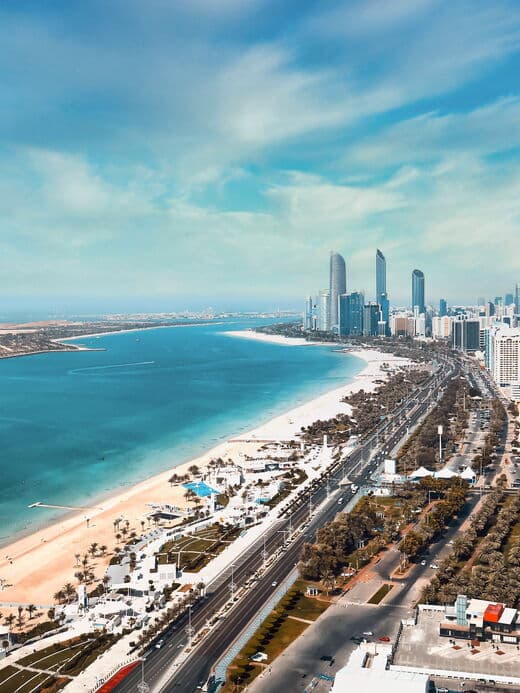
The Louvre is located on Saadiyat Island, 20 minutes from central Abu Dhabi. Taxis are inexpensive. Buses also available. Nearby - Saadiyat Beach with white sand and turquoise water - combine culture with beach relaxation.
What is Nearby
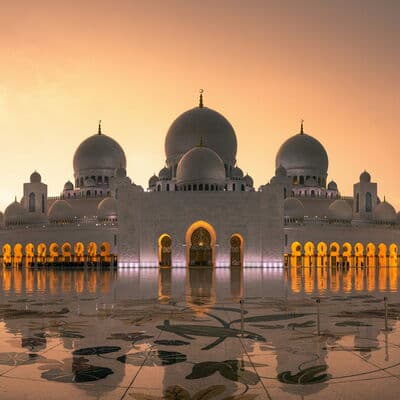
The Guggenheim Museum is being built on Saadiyat Island (opening later). Sheikh Zayed Mosque - 15 minutes away. Mangrove Park - kayaking among mangrove forests.
Atmosphere and Character
The Louvre Abu Dhabi is a museum that makes you think. Not just about art - about connections between cultures, about how humanity has always created beauty regardless of geography and religion. Architecture here is inseparable from content: light, water, and space work together with exhibits. After visiting, your view of art history changes.