Твин Лагун
Твин Лагун: проплыть сквозь скалу в параллельный мир
Есть места, которые запоминаются не только красотой, но и ощущением приключения. Твин Лагун в Короне — одно из них. Две лагуны, окружённые отвесными известняковыми скалами, соединены узким проходом в скале — частично над водой, частично под водой. Чтобы попасть из одной в другую, нужно либо проплыть по короткому туннелю под скалой, либо перелезть по деревянной лестнице над водой. Это не просто красивое место — это мини-приключение.
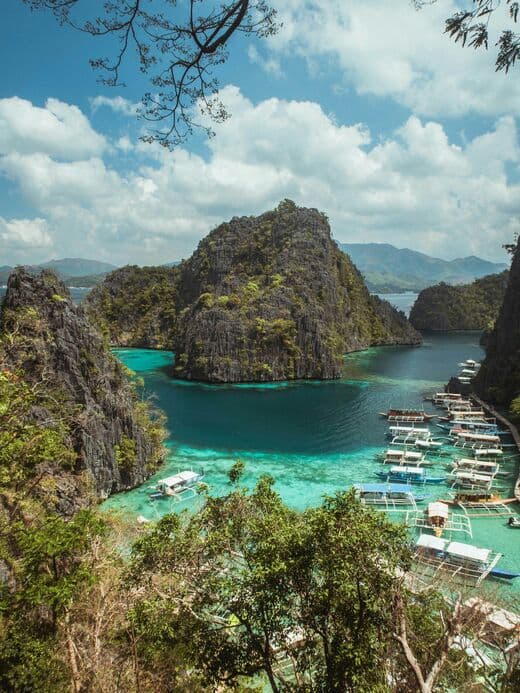
Твин Лагун расположен на острове Корон, в нескольких минутах лодкой от знаменитого озера Каянган. Обе лагуны — карстовые, наполненные смесью морской и пресной воды невероятного бирюзового цвета. Но в отличие от Каянгана, здесь не нужно подниматься по сотням ступеней — лодка подходит прямо ко входу в первую лагуну.
Как добраться
Твин Лагун входит в стандартный Coron Island Tour (Tour A), который стоит 1500-2200 песо и включает также Каянган, Сиете Пекадос и пляж. Это самый простой и экономичный способ посещения. Туры отправляются из города Корон около 9:00, возвращаются к 17:00.
На частной лодке (4000-6000 песо за день) можно посетить Твин Лагун отдельно или в комбинации с другими местами по вашему выбору. Преимущество — вы контролируете время и можете приехать, когда меньше туристов.
Входные сборы
Помимо экологического сбора Корона (200 песо, действует на все туры), за вход в Твин Лагун платится отдельно — 100 песо с человека. В групповом туре это обычно уже включено, на частной лодке платите на месте.
Структура лагун
Внешняя лагуна (First Lagoon) — та, куда вы попадаете первой. Она относительно небольшая, окружена скалами, вода бирюзово-зелёная. Здесь лодки швартуются у деревянных платформ. Уже на этом этапе впечатляет: скалы нависают над водой, растительность цепляется за каждую расщелину, свет играет на поверхности воды.
Внутренняя лагуна (Second Lagoon) — «секретная», скрытая за скальной перегородкой. Она крупнее первой и ещё более впечатляющая. Вода здесь часто теплее из-за геотермальных источников на дне — можно почувствовать слои разной температуры, когда плаваешь.
Между лагунами — проход. Есть два варианта преодоления:
Как перейти между лагунами
Вариант 1: Подводный проход. При приливе между лагунами образуется подводный туннель длиной около 2-3 метров. Вы ныряете под скалу с одной стороны и выныриваете с другой. Звучит страшнее, чем есть — туннель короткий, с маской всё видно, глубина небольшая. Но нужен навык плавания и отсутствие клаустрофобии.
Вариант 2: Деревянная лестница. Над проходом установлена лестница — можно перелезть «посуху» (хотя всё равно будете мокрыми). Этот вариант для тех, кто не хочет нырять, или когда отлив делает подводный проход слишком мелким.
Большинство туристов комбинируют: в одну сторону по лестнице, обратно — проплывают. Или наоборот. Так получаете оба опыта.
Что ожидать внутри
Внутренняя лагуна — главная награда. Она окружена скалами со всех сторон, как природный амфитеатр. Вода здесь особенно красивая — глубокий бирюзовый цвет с изумрудными оттенками. Глубина варьируется от пары метров у стен до 10+ в центре.
Уникальная особенность — термоклины. Из-за геотермальной активности на дне температура воды резко меняется с глубиной. Плавая на поверхности, вы в прохладной воде (26-27°C). Нырните на пару метров — и попадёте в тёплый слой (30-32°C). Ещё глубже — снова холодно. Это странное, почти сюрреалистическое ощущение.
Скальные стены уходят под воду, образуя интересные формации. Снорклинг здесь — скорее изучение подводного ландшафта, чем рыб и кораллов. Хотя рыбы тоже есть — небольшие тропические виды, привыкшие к солоноватой воде.
Лучшее время для посещения
Прилив vs отлив имеет значение. При высоком приливе подводный проход достаточно глубок для комфортного проплыва (около метра над головой). При отливе проход мелеет, иногда до 30-40 см — придётся буквально протискиваться. Проверьте таблицу приливов перед визитом.
По времени суток: групповые туры прибывают волнами, пик — 10:00-13:00. Для уединения приезжайте раньше или позже. Свет для фотографии лучше утром, когда солнце освещает внутреннюю лагуну.
Сезон: сухой сезон (ноябрь-май) предпочтителен. Вода прозрачнее, погода стабильнее. В сезон дождей бывают дни, когда туры отменяются из-за волн.
Снорклинг и плавание
Спасательные жилеты обязательны в обеих лагунах. Глубина обманчива — выглядит мелко из-за прозрачности, но на деле может быть 10 метров. Жилеты выдают в туре.
Снорклинг интересен не рыбами, а ландшафтом. Подводные скалы, пещерки у основания стен, игра света в воде. Если умеете нырять с задержкой дыхания — исследуйте глубже, там ещё интереснее. Но не в одиночку и не без понимания своих лимитов.
Купание в тёплых слоях — отдельное удовольствие. Найдите место, где термоклин выражен сильнее, и «покачайтесь» между слоями разной температуры.
Фотография
Твин Лагун фотогеничен, но снимать сложно из-за контраста. Тёмные скалы, яркое небо, блики на воде — телефоны часто не справляются.
Советы: снимайте в RAW для последующей обработки. Используйте HDR-режим. Экспонируйте по воде (средние тона), скалы и небо подтянете потом. Лучшие кадры — с уровня воды, когда плаваете.
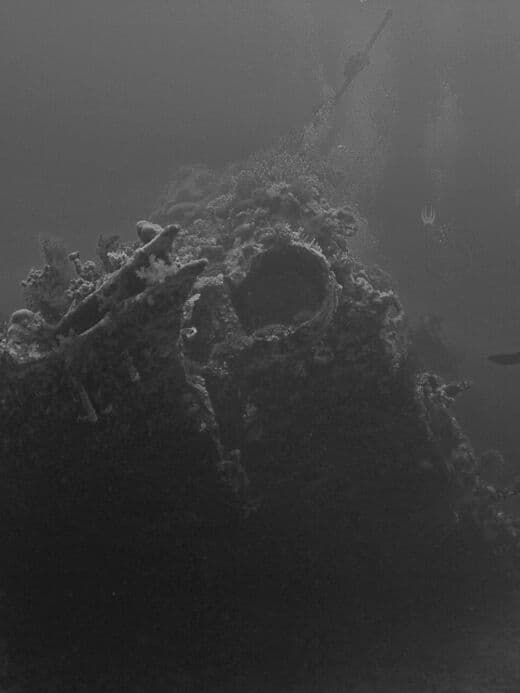
Подводная съёмка обязательна. Момент проплыва через туннель, вид на скалы снизу, термоклины (видны как «дрожание» воды) — всё это уникальные кадры. GoPro или подводный чехол для телефона — must have.
Сравнение с Каянганом
Туристы часто спрашивают: Каянган или Твин Лагун? Они рядом, обычно в одном туре, но характер разный.
Каянган — про созерцание. Вы поднимаетесь, смотрите на потрясающий вид, плаваете в красивой воде. Это визуальный экстаз.
Твин Лагун — про взаимодействие. Вы проплываете через туннель, чувствуете смену температур, исследуете две разные среды. Это физический опыт.
Если можете посетить только одно — зависит от вашего характера. Созерцатели выберут Каянган. Авантюристы — Твин Лагун. В идеале — посетите оба, они прекрасно дополняют друг друга.
Мой личный опыт
Момент, который я помню отчётливее всего, — первый проплыв через подводный туннель. Я нырнул в холодную воду с одной стороны, несколько секунд плыл в полумраке под скалой, видя впереди свет, и вынырнул во внутренней лагуне. Это заняло секунд пять, но ощущение было — как переход в другой мир. Буквально: по ту сторону скалы всё выглядело иначе, свет другой, даже звуки другие.
Потом я провёл минут двадцать, ныряя в разные слои воды, ощущая эти безумные перепады температуры. Как будто плаваешь в слоёном пироге из тёплого и холодного. Ничего подобного я не испытывал больше нигде.
Твин Лагун — не самое «вау» место визуально (Каянган красивее). Но как опыт, как приключение, как набор ощущений — это одно из самых запоминающихся мест на Филиппинах. Иногда тактильные впечатления важнее визуальных.