كوتايسي: العاصمة القديمة لجورجيا
كوتايسي هي ثاني أكبر مدينة في جورجيا وعاصمة منطقة إيميريتي. تقع على ضفاف نهر ريوني، ويعود تاريخها إلى أكثر من 3500 عام، مما يجعلها واحدة من أقدم المدن المأهولة باستمرار في العالم. كانت في الماضي عاصمة مملكة كولخيس الأسطورية - الأرض التي سعى إليها جيسون والأرغونوت بحثاً عن الصوف الذهبي في الأساطير اليونانية.
تتميز كوتايسي اليوم بكونها مدينة هادئة يسكنها حوالي 150,000 نسمة. بالمقارنة مع تبليسي، تقدم كوتايسي أسعاراً أرخص وأجواءً أكثر محلية وأصالة. تحتضن المدينة ومحيطها مواقع مدرجة على قائمة التراث العالمي لليونسكو، وكهوفاً مذهلة، وأودية طبيعية خلابة.
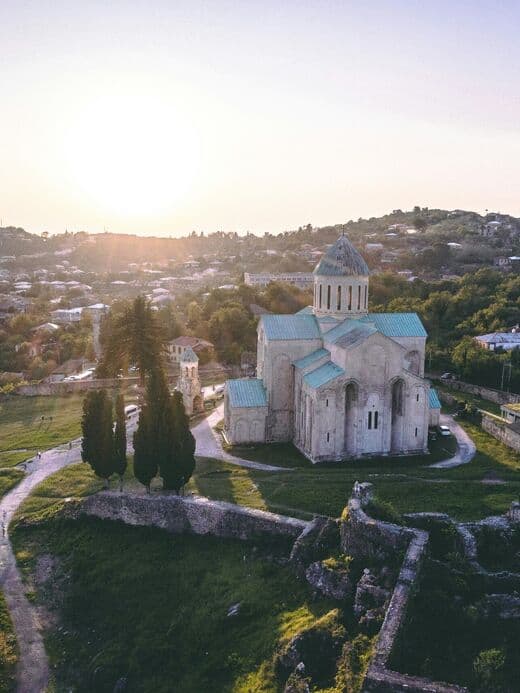
يُعد دير جيلاتي أبرز معالم المدينة - وهو دير من القرن الثاني عشر يضم أروع اللوحات الجدارية في جورجيا. كما تُطل كاتدرائية باغراتي على المدينة من تلة مرتفعة، وكلا الموقعين مُدرجان على قائمة التراث العالمي لليونسكو.
بالنسبة للمسافرين العرب، تُعد كوتايسي وجهة مثالية لأسباب عدة: الأسعار المعقولة، وكرم الضيافة الجورجية الشهيرة، وتوفر خيارات الطعام الحلال في بعض المطاعم، بالإضافة إلى سهولة الوصول عبر رحلات Wizz Air الرخيصة من الإمارات والسعودية عبر أوروبا.
أفضل وقت للزيارة
تتمتع كوتايسي بمناخ شبه استوائي رطب. بسبب موقعها في غرب جورجيا، تهطل الأمطار بكثافة أكبر مقارنة بتبليسي.
| الموسم | درجة الحرارة | المميزات | التوصية |
|---|---|---|---|
| الربيع (مارس-مايو) | 10-22°م | الأزهار، الخضرة | ممتاز - مثالي للأديرة والطبيعة |
| الصيف (يونيو-أغسطس) | 22-32°م | حار، رطب أحياناً | جيد للكهوف والمناطق الجبلية |
| الخريف (سبتمبر-نوفمبر) | 12-24°م | موسم العنب، مهرجانات | الأفضل - طقس مثالي |
| الشتاء (ديسمبر-فبراير) | 2-10°م | بارد، أمطار محتملة | أقل ازدحاماً، أسعار أرخص |
المهرجانات والفعاليات
رتفيلي (سبتمبر-أكتوبر): مهرجان قطف العنب التقليدي حيث يُصنع النبيذ بالطريقة القديمة. منطقة إيميريتي مشهورة بالنبيذ الأبيض.
كوتايسوبا (مايو): الاحتفال السنوي بالمدينة مع الموسيقى والرقص والطعام التقليدي.
رأس السنة (31 ديسمبر - 14 يناير): احتفالات رأس السنة الجورجية وعيد الميلاد الأرثوذكسي.
للمسافرين العرب: أفضل وقت هو سبتمبر-أكتوبر عندما يكون الطقس معتدلاً ومثالياً. يمكن أيضاً الزيارة في الربيع (أبريل-مايو) لتجنب الحرارة الشديدة.
كيفية الوصول إلى كوتايسي
بالطائرة
مطار كوتايسي الدولي داود البنّاء (KUT) يقع على بعد 14 كم غرب المدينة. وهو ثاني أكثر المطارات ازدحاماً في جورجيا ومركز لشركات الطيران منخفضة التكلفة.
خيارات الطيران:
- Wizz Air: رحلات رخيصة من بودابست، وارسو، فيينا، ميلانو، برلين
- فلاي دبي: من دبي (موسمي)
- الخطوط الجورجية: من تل أبيب، مينسك
- طيران الجزيرة: من الكويت
من الدول العربية: لا توجد رحلات مباشرة. أفضل الخيارات:
- دبي: فلاي دبي إلى تبليسي، ثم حافلة إلى كوتايسي (الأسهل)
- إسطنبول: رحلات كثيرة من الخليج، ثم إلى تبليسي أو كوتايسي
- بودابست/وارسو: Wizz Air من أوروبا إلى كوتايسي مباشرة (الأرخص)
من المطار إلى المدينة:
- الحافلة: 1 لاري (حوالي 1.5 درهم إماراتي)، تتوافق مع مواعيد الرحلات
- التاكسي: 20-25 لاري (30-40 درهم)
- حجز مسبق: عبر تطبيقات GoTrip أو GetTransfer
من تبليسي إلى كوتايسي
معظم المسافرين يصلون أولاً إلى تبليسي. خيارات النقل:
| الوسيلة | المدة | السعر | التفاصيل |
|---|---|---|---|
| مارشروتكا (ميني باص) | 4-4.5 ساعات | 15-20 لاري | من محطة ديدوبي، كل 30-60 دقيقة |
| القطار | 5-5.5 ساعات | 9-25 لاري | 2-3 قطارات يومياً، مريح |
| تاكسي خاص | 3.5-4 ساعات | 150-200 لاري | مباشر، يوفر الوقت |
من باتومي إلى كوتايسي
للقادمين من ساحل البحر الأسود:
- مارشروتكا: 2.5-3 ساعات، 10-15 لاري
- القطار: 3-4 ساعات (خدمة محدودة)
معلومات التأشيرة
لمواطني الدول العربية:
- الإمارات والسعودية والكويت وقطر والبحرين وعُمان: إقامة حتى سنة بدون تأشيرة
- مصر والأردن ولبنان والمغرب: تأشيرة إلكترونية مطلوبة
- الرسوم: 20 دولار
- المعالجة: 5-7 أيام عمل
ملاحظة: حاملو تأشيرة أمريكية أو شنغن أو بريطانية سارية يمكنهم الإقامة 90 يوماً بدون تأشيرة.
المواصلات في المدينة
المشي
وسط كوتايسي صغير ويمكن استكشافه سيراً على الأقدام. المعالم الرئيسية - الجسر الأبيض، نافورة كولخيدا، كاتدرائية باغراتي - جميعها على مسافة قريبة. ضفاف النهر مثالية للتنزه المسائي.
مارشروتكا (ميني باص)
وسيلة النقل المحلية الرئيسية. داخل المدينة 0.50-1 لاري (0.75-1.5 درهم). أرقام الخطوط مكتوبة على الحافلات لكن الوجهات بالجورجية.
خطوط مفيدة:
- #1: من محطة القطار إلى المركز
- #5: من محطة الحافلات إلى المركز
التاكسي
رخيص ومريح. معظم الرحلات داخل المدينة 3-7 لاري (5-11 درهم).
- تطبيق Bolt: الأكثر شعبية، الأسعار محددة مسبقاً
- Yandex Go: خيار جيد
- تاكسي الشارع: لا يوجد عداد، اتفق على السعر مسبقاً
استئجار سيارة
مفيد لزيارة الأديرة والمعالم الطبيعية المحيطة. 80-150 لاري يومياً (130-240 درهم). رخصة القيادة الدولية مطلوبة.
تحذير: أسلوب القيادة الجورجي قد يكون عدوانياً. كن حذراً على الطرق الجبلية.
الأحياء ومناطق الإقامة
وسط كوتايسي
المميزات: المنطقة السياحية الرئيسية على ضفتي نهر ريوني. الجسر الأبيض، نافورة كولخيدا، المطاعم والمقاهي هنا.
للإقامة: أفضل منطقة. فنادق، نزل، وشقق متاحة. كل شيء في متناول اليد سيراً.
السعر: متوسط إلى مرتفع (بمعايير كوتايسي).
منطقة باغراتي
المميزات: على التل حول كاتدرائية باغراتي. إطلالة رائعة على المدينة. منطقة سكنية هادئة.
للإقامة: بيوت ضيافة وشقق. 10-15 دقيقة مشياً من المركز.
السعر: اقتصادي.
منطقة الجسر الأحمر
المميزات: الجزء الشرقي من النهر. السوق المحلي والحياة اليومية. سياح أقل.
للإقامة: بيوت ضيافة اقتصادية. لمن يريد تجربة محلية.
السعر: الأرخص.
نصائح للمسافرين العرب
ابقَ في المركز حيث كل شيء قريب. استأجر شقة عبر Airbnb بمطبخ إذا كنت تفضل الطهي بنفسك. 2-3 ليالٍ في كوتايسي كافية - اقضِ بقية الوقت في استكشاف المناطق المحيطة.
المعالم السياحية
كاتدرائية باغراتي
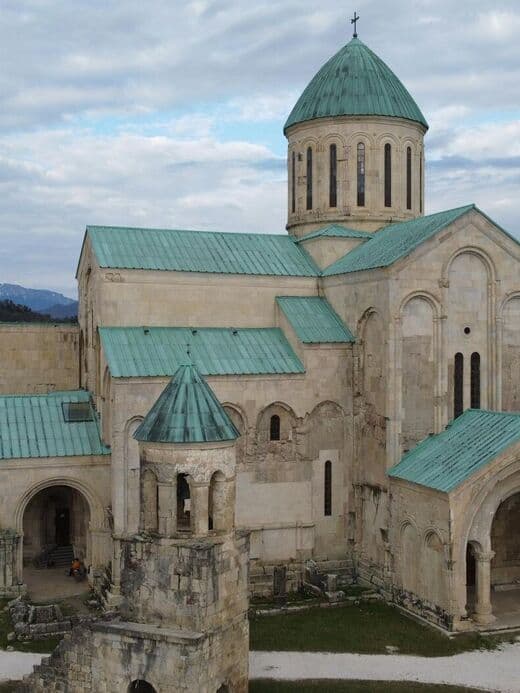
موقع التراث العالمي لليونسكو. بناها الملك باغرات الثالث في القرن الحادي عشر. تقع على تلة تطل على المدينة. تضررت في القرن السابع عشر بسبب الغزو العثماني وأُعيد ترميمها في 2012. من التلة يمكنك رؤية المدينة بأكملها ونهر ريوني.
المواعيد: من شروق الشمس حتى غروبها، مجاناً
كيفية الوصول: 15 دقيقة مشياً من المركز (صعود)
دير جيلاتي
موقع التراث العالمي لليونسكو وأهم دير في جورجيا. أسسه الملك داود البنّاء عام 1106. كان هنا أكاديمية جورجية وسطى تُسمى أثينا الثانية. اللوحات الجدارية من القرن الثاني عشر إلى الرابع عشر مذهلة.
أبرز المعالم:
- الكاتدرائية الرئيسية للسيدة العذراء - قبر الملك داود هنا
- كنيسة القديس جورج
- كنيسة القديس نيكولاس
- آثار مبنى الأكاديمية
المواعيد: 9:00-18:00، مجاناً
كيفية الوصول: 11 كم من المدينة، تاكسي 15-20 لاري
دير موتساميتا
دير صغير يقع بالقرب من جيلاتي على حافة وادٍ عميق. بُني في القرن الثامن لتخليد ذكرى أميرين - داود وكونستانتين - قُتلا على يد الغزاة العرب. المنظر لا يُنسى.
نصيحة: زُر جيلاتي وموتساميتا معاً. هناك طريق للمشي عبر الغابة بينهما (45 دقيقة).
المواعيد: مفتوح طوال اليوم، مجاناً
الجسر الأبيض (تيتري خيدي)
جسر المشاة هذا فوق نهر ريوني هو رمز كوتايسي. بُني عام 1851 ويربط بين جانبي المدينة. في المساء الأجواء جميلة - السكان المحليون يتنزهون والموسيقيون يعزفون.
نافورة كولخيدا
نافورة ضخمة في الساحة المركزية تُجسد الأساطير الجورجية وحضارة كولخيس. التماثيل البرونزية نسخ من قطع أثرية قديمة. تبدو أجمل في الليل تحت الإضاءة.
السوق الأخضر
أفضل مكان لتجربة الحياة المحلية. خضروات وفواكه طازجة، توابل، تشورتشخيلا (حلوى الجوز)، جبن، عسل - كل شيء متوفر. الأسعار قابلة للمساومة.
المواعيد: 8:00-16:00، مغلق الأحد
المتاحف والثقافة
متحف كوتايسي التاريخي الحكومي
من أكبر المتاحف في جورجيا. مجوهرات ذهبية من حضارة كولخيس، عملات قديمة، مخطوطات من العصور الوسطى، وفن ديني. القطع المتعلقة بأسطورة الصوف الذهبي مثيرة للاهتمام بشكل خاص.
العنوان: شارع باليشفيلي
المواعيد: 10:00-17:00، مغلق الاثنين
التذكرة: 3-5 لاري
متحف أكاديمية جيلاتي
متحف صغير داخل مجمع دير جيلاتي يروي قصة التعليم والعلوم الجورجية في العصور الوسطى. مخطوطات قديمة وأدوات فلكية.
مسرح نيكو بيرياشفيلي
المسرح الرئيسي للمدينة. عروض مسرحية وموسيقية جورجية. المبنى نفسه نموذج للعمارة السوفيتية.
الفنون والحرف المحلية
منطقة إيميريتي مشهورة بفنونها المميزة:
- الحرير الإيميريتي: أقمشة منسوجة يدوياً تقليدية
- الفخار: تقليد صناعة الكفيفري (جرار النبيذ الكبيرة)
- الأعمال الخشبية: أثاث منحوت وقطع ديكور
المطاعم والطعام
المطبخ الإيميريتي
يختلف طعام غرب جورجيا قليلاً عن شرقها. إيميريتي مشهورة بأطباق الجبن والذرة.
أطباق يجب تجربتها
- خاتشابوري إيميرولي: خبز محشو بالجبن (مختلف عن الأدجاري)
- غومي: عصيدة ذرة، غالباً مع الجبن
- إيلارجي: غومي بالجبن المذاب، قوام مطاطي
- كوباتي: نقانق متبلة
- مشادي: خبز الذرة
- لوبيو: طبق الفاصوليا (نباتي)
- بادريجاني: باذنجان محشو بعجينة الجوز (نباتي)
للنباتيين والباحثين عن خيارات حلال
المطبخ الجورجي غني بالخيارات النباتية:
- خاتشابوري (خبز بالجبن)
- لوبيو (فاصوليا)
- بادريجاني (باذنجان)
- أجابساندالي (يخنة خضار)
- خضروات طازجة وسلطات
ملاحظة للحلال: لا يوجد مطاعم حلال معتمدة في كوتايسي. الخيار الأفضل هو الأطباق النباتية أو السمك. في المطاعم، اطلب xorts ar ginda (بدون لحم).
مطاعم موصى بها
| الاسم | التخصص | متوسط الفاتورة |
|---|---|---|
| Palaty | إيميريتي تقليدي، إطلالة على النهر | 25-40 لاري |
| Tomas Wine Cellar | نبيذ وطعام محلي | 30-50 لاري |
| Bikentia | مطعم عائلي، طعام منزلي | 20-35 لاري |
| White Stones | جورجي حديث | 35-60 لاري |
| Baraka | مقهى، فطور | 15-25 لاري |
الشاي والقهوة
الجورجيون يفضلون القهوة التركية. الشاي شائع أيضاً، خاصة بالأعشاب. استمتع بالجلوس في المقاهي لتجربة الأجواء المحلية.
التسوق
ماذا تشتري
المنتجات الغذائية
- تشورتشخيلا: حبات الجوز المغطاة بعصير العنب - حلوى جورجيا الرمزية
- تكلابي: رقائق الفاكهة المجففة
- جبن إيميرولي: جبن أبيض مملح
- العسل: عسل جبلي عالي الجودة
- أجيكا: صلصة الفلفل الحارة
- تخيمالي: صلصة البرقوق الحامضة
الحرف اليدوية
- ميناكاري (المينا): مجوهرات تقليدية بالمينا الجورجية
- السجاد: سجاد صوف منسوج يدوياً
- الفخار: تصاميم تقليدية
- المجوهرات الفضية: تصاميم جورجية
أين تشتري
السوق الأخضر: أفضل مكان للطعام الطازج والتوابل والتشورتشخيلا. ساوم على الأسعار.
محلات التذكارات: عدة محلات صغيرة في المركز. الأسعار ثابتة أو قابلة للمساومة.
مول غراند: للتسوق العصري.
نصائح للمساومة
- المساومة متوقعة في السوق
- الأسعار عادة ثابتة في المحلات
- اطلب خصماً على المشتريات الكبيرة
- الدفع نقداً قد يجلب خصماً
الفنادق والإقامة
فئات الفنادق
| الفئة | السعر/الليلة | أمثلة |
|---|---|---|
| فاخر | 200-400 لاري | Best Western Kutaisi |
| متوسط | 80-150 لاري | Hotel Edemi, Argo Palace |
| اقتصادي | 40-80 لاري | Hotel Gelati, King House |
| نزل | 20-40 لاري | Why Not? Hostel |
| بيوت ضيافة | 30-60 لاري | بيوت محلية |
إقامة موصى بها
فاخر
Best Western Kutaisi: أفضل فندق في المدينة. مرافق حديثة، مطعم، صالة رياضية. في المركز.
متوسط
Hotel Edemi: في المركز، غرف نظيفة، فطور مشمول. قيمة جيدة.
Argo Palace: غرف كبيرة، موقف سيارات، قرب النهر.
اقتصادي
Hotel Gelati: بسيط لكن نظيف. سُمي على اسم الدير.
Why Not? Hostel: شائع بين الرحالة. أجواء اجتماعية.
Airbnb/شقق
أفضل خيار للعائلات أو الإقامة الطويلة. مطبخ كامل، غسالة. 50-100 لاري/الليلة لشقة جيدة.
نصائح الحجز
- Booking.com: أكثر الخيارات
- Airbnb: للشقق
- الاتصال المباشر: أحياناً أرخص
- الحجز المسبق: ضروري في الصيف والأعياد
تخطيط الميزانية
تقدير المصاريف اليومية
| الأسلوب | في اليوم | التفاصيل |
|---|---|---|
| اقتصادي | 60-100 لاري (95-160 درهم) | نزل، طعام محلي، مشي/حافلة |
| متوسط | 150-250 لاري (240-400 درهم) | فندق، مطاعم، تاكسي |
| مريح | 300-500 لاري (480-800 درهم) | فندق جيد، جولات خاصة |
تفصيل المصاريف
الإقامة
- سرير في نزل: 20-35 لاري
- فندق اقتصادي: 50-80 لاري
- فندق متوسط: 100-150 لاري
- شقة: 60-120 لاري
الطعام
- فطور في مخبز محلي: 5-10 لاري
- غداء في مطعم محلي: 15-25 لاري
- عشاء في مطعم جيد: 30-50 لاري
- قهوة: 3-6 لاري
المواصلات
- حافلة في المدينة: 0.50-1 لاري
- تاكسي في المدينة: 3-7 لاري
- تاكسي إلى جيلاتي (ذهاب وعودة): 40-50 لاري
- تاكسي إلى كهف بروميثيوس: 60-80 لاري
رسوم الدخول
- جيلاتي، موتساميتا، باغراتي: مجاناً
- كهف بروميثيوس: 23 لاري
- ساتابليا: 18 لاري
- وادي مارتفيلي: 18 لاري
- وادي أوكاتسي: 18 لاري
نصائح لتوفير المال
- اشترِ طعاماً طازجاً من السوق واطبخ بنفسك
- استخدم الحافلات والمارشروتكا
- العديد من المعالم مجانية
- شارك التاكسي مع سياح آخرين
العملة والدفع
العملة: اللاري الجورجي (GEL). 1 لاري ≈ 1.5 درهم إماراتي
الصراف الآلي: متوفر في المدينة. TBC Bank وBank of Georgia الأكثر شيوعاً.
البطاقات: مقبولة في معظم المطاعم والمحلات. النقد ضروري في المحلات الصغيرة والسوق.
صرف العملات: الدولار واليورو يُصرفان بسهولة. الدرهم قد يحتاج صرفه أولاً إلى دولار.
نصائح السلامة
السلامة العامة
كوتايسي وجورجيا بشكل عام آمنتان جداً. الجريمة العنيفة نادرة. اتخذ الاحتياطات العادية:
- احفظ الأشياء الثمينة بأمان
- تجنب الأزقة المظلمة ليلاً
- احذر من الغرباء اللطفاء جداً
- في التاكسي، استخدم التطبيق أو اتفق على السعر مسبقاً
المرور
القيادة في جورجيا قد تكون عدوانية. عند المشي:
- كن حذراً عند عبور الشارع
- السائقون لا يتوقفون دائماً
- كن متيقظاً حتى على ممرات المشاة
الصحة
- مياه الصنبور عادة صالحة للشرب، لكن المياه المعبأة أكثر أماناً
- احصل على تأمين سفر
- اعرف موقع أقرب مستشفى
- الصيدليات (აფთიაქი) متوفرة في المدينة
أرقام الطوارئ
- الشرطة: 112
- الإسعاف: 112
- الإطفاء: 112
الاحترام الثقافي
- في الكنائس: النساء يغطين رؤوسهن، الرجال يخلعون القبعات
- الشورت القصير غير مناسب في الكنائس
- استأذن قبل التصوير (خاصة الأشخاص)
- احترم كبار السن
اللغة
الجورجية هي اللغة الرئيسية. الإنجليزية مفهومة بين الشباب، كبار السن يتحدثون الروسية. بعض الكلمات المفيدة:
- غامارجوبا: مرحباً
- مادلوبا: شكراً
- ديآخ: نعم
- آرا: لا
- راميني: كم؟
رحلات يومية
كهف بروميثيوس
المسافة: 20 كم (30 دقيقة بالتاكسي)
المدة: 2-3 ساعات
التذكرة: 23 لاري (مع القارب 40 لاري)
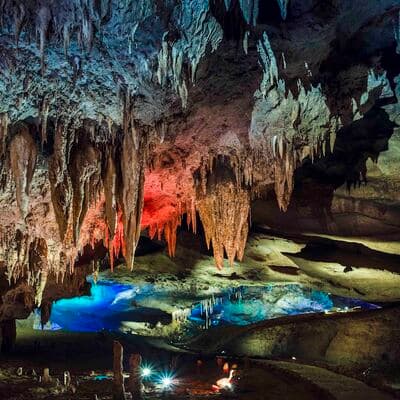
أكبر وأجمل كهف في جورجيا. مسار مشي بطول 1.4 كم بين تشكيلات صخرية مذهلة. رحلة القارب في النهر الجوفي تجربة لا تُنسى. درجة الحرارة داخل الكهف 14°م طوال العام.
محمية ساتابليا الطبيعية
المسافة: 10 كم
المدة: 2-3 ساعات
التذكرة: 18 لاري
آثار أقدام ديناصورات عمرها 120 مليون سنة محفوظة في المتحف. كهف صغير وممشى زجاجي يطل على الوادي.
وادي مارتفيلي
المسافة: 45 كم
المدة: 3-4 ساعات
التذكرة: 18 لاري (القارب منفصل)
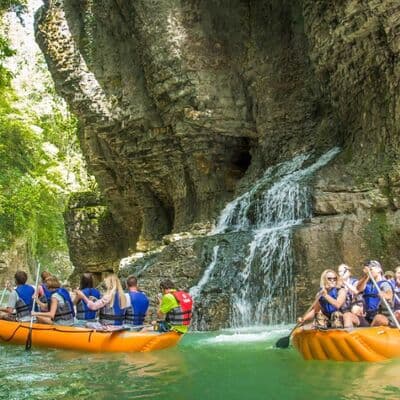
رحلة قارب في وادٍ ضيق ذي جدران خضراء. لون المياه كالزمرد. في الأعلى مسار مشي مع شلالات. الأفضل في الربيع والصيف.
وادي أوكاتسي
المسافة: 50 كم
المدة: 3-4 ساعات
التذكرة: 18 لاري
ممشى معلق بطول 780 متر على حافة وادٍ عمقه 140 متر. تجربة مثيرة! شلال جميل في النهاية.
تسخالتوبو
المسافة: 9 كم
المدة: 2-3 ساعات
مجاناً
مدينة منتجع صحي سوفيتية مهجورة. كان ستالين يأتي للعلاج هنا. الحمامات الفخمة الآن أطلال وتوفر فرص تصوير رائعة. لعشاق السياحة المظلمة.
تنظيم الرحلات اليومية
الخيار 1: تاكسي خاص
الأكثر راحة. 100-150 لاري لليوم الكامل. يمكنك زيارة عدة أماكن في يوم. اتفق على السعر مسبقاً مع السائق.
الخيار 2: جولة منظمة
احجز من الفندق أو وكالة سياحية. 60-100 لاري للشخص. مرشد مشمول.
الخيار 3: المواصلات العامة
الأرخص لكن يستغرق وقتاً. المارشروتكا تصل لبعض الأماكن.
تركيبات مقترحة
- يوم الأديرة: جيلاتي + موتساميتا (نصف يوم)
- يوم الكهوف: بروميثيوس + ساتابليا
- يوم الأودية: مارتفيلي + أوكاتسي
- يوم السوفييت: تسخالتوبو + شياتورا (مدينة التلفريك)
ختاماً
كوتايسي جوهرة جورجية لا تزال بعيدة عن الزحام السياحي. هنا يمكنك تجربة الثقافة الجورجية الأصيلة وكرم الضيافة الحقيقي. 2-3 أيام كافية للمدينة والمناطق المحيطة.
للمسافرين العرب، تقدم كوتايسي قيمة ممتازة - أسعار معقولة، خيارات نباتية متنوعة، واستقبال حار. كرم الضيافة الجورجي يشبه كرم الضيافة العربي كثيراً.
لوحات جيلاتي الجدارية القديمة، مناظر كهف بروميثيوس المذهلة، والطعام اللذيذ - كوتايسي ستبقى في ذاكرتك طويلاً. غامارجوس - أهلاً وسهلاً!