Canals & Churches Walk
Canals and Cathedrals of St. Petersburg: Romance of the Northern Capital
This route reveals St. Petersburg's romantic side — a city of canals, gardens, and majestic palaces. You'll walk along picturesque embankments, through shady parks, and end at the city's birthplace — the Peter and Paul Fortress.
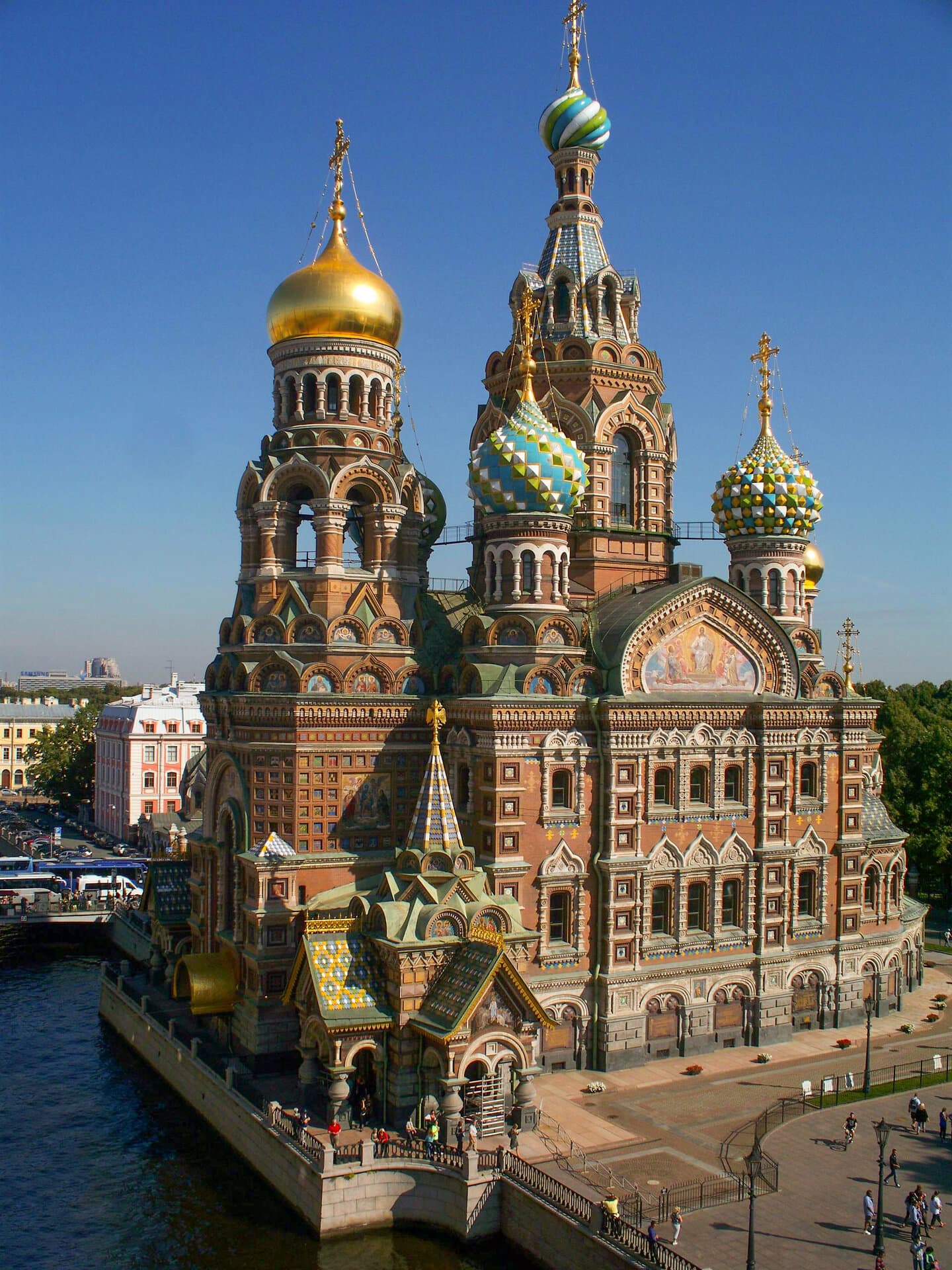
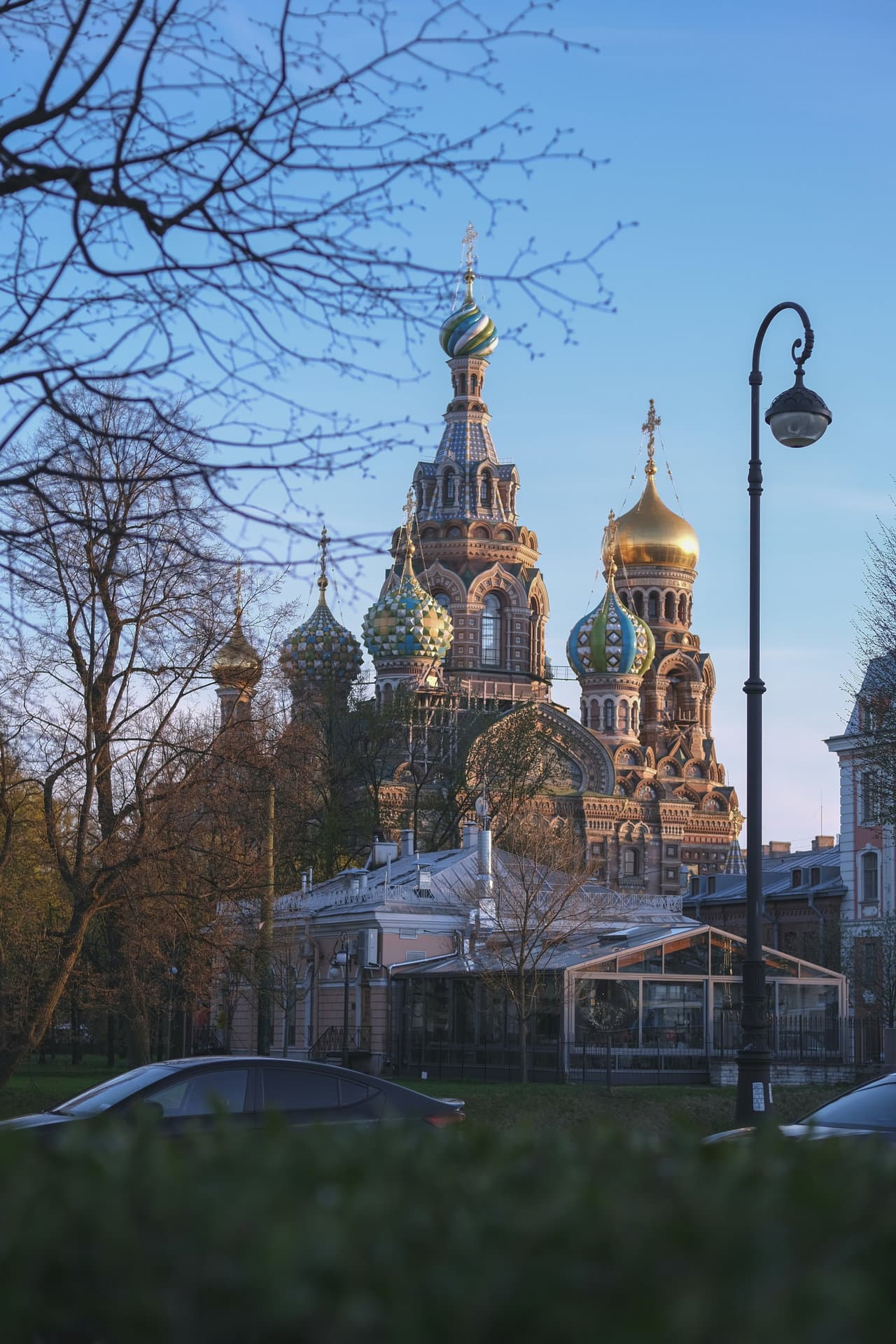
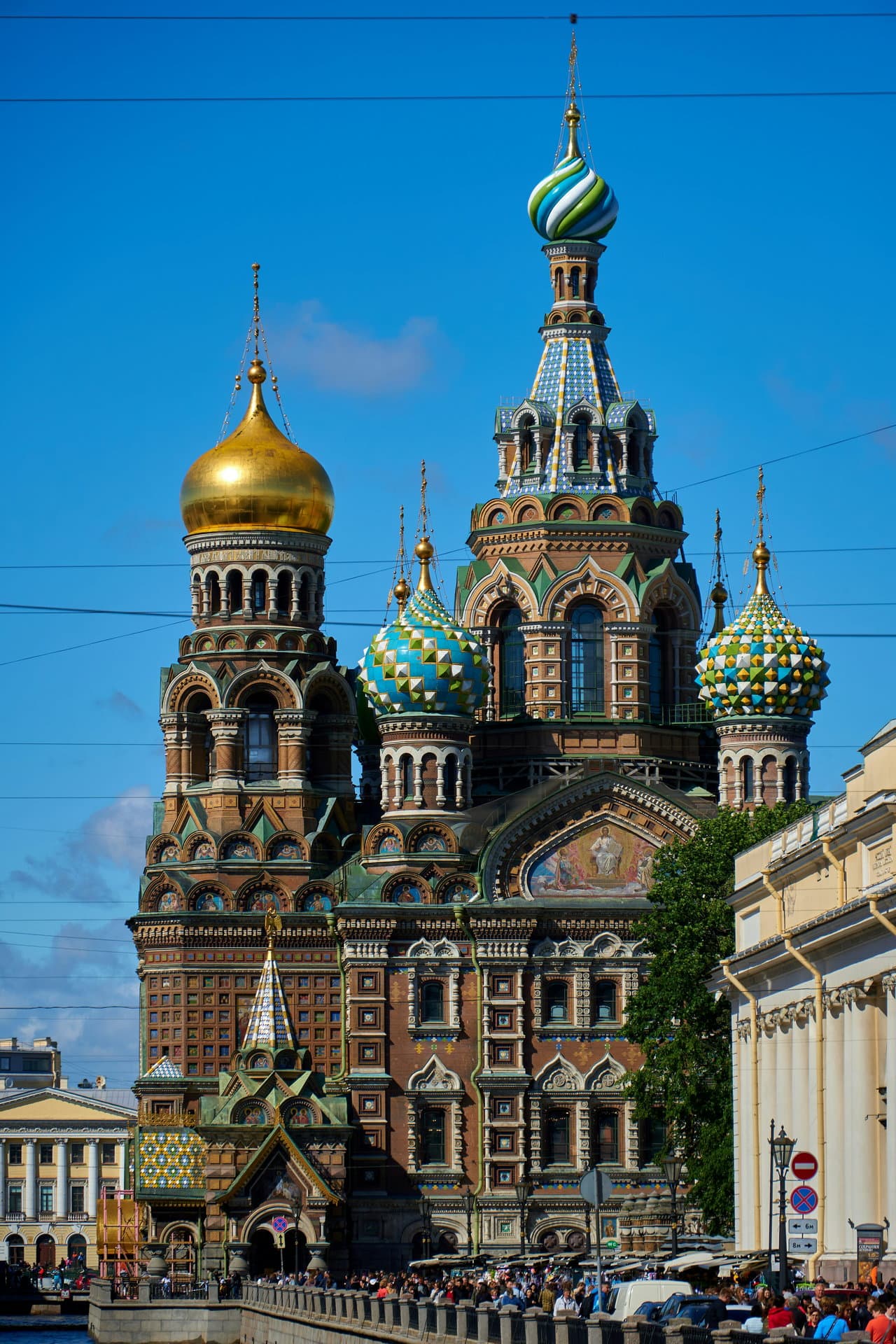
Church of the Savior on Spilled Blood — Masterpiece of Russian Style
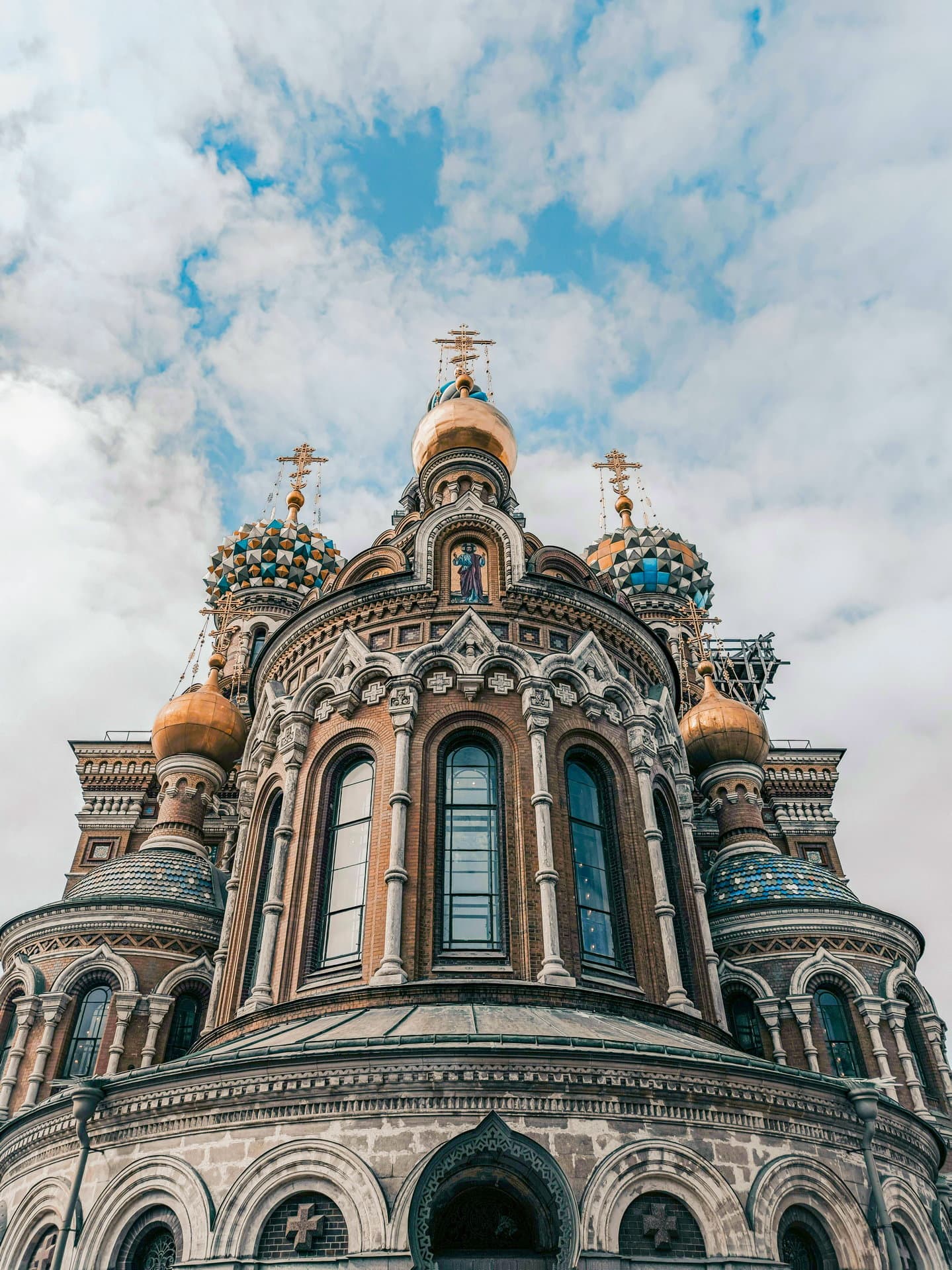
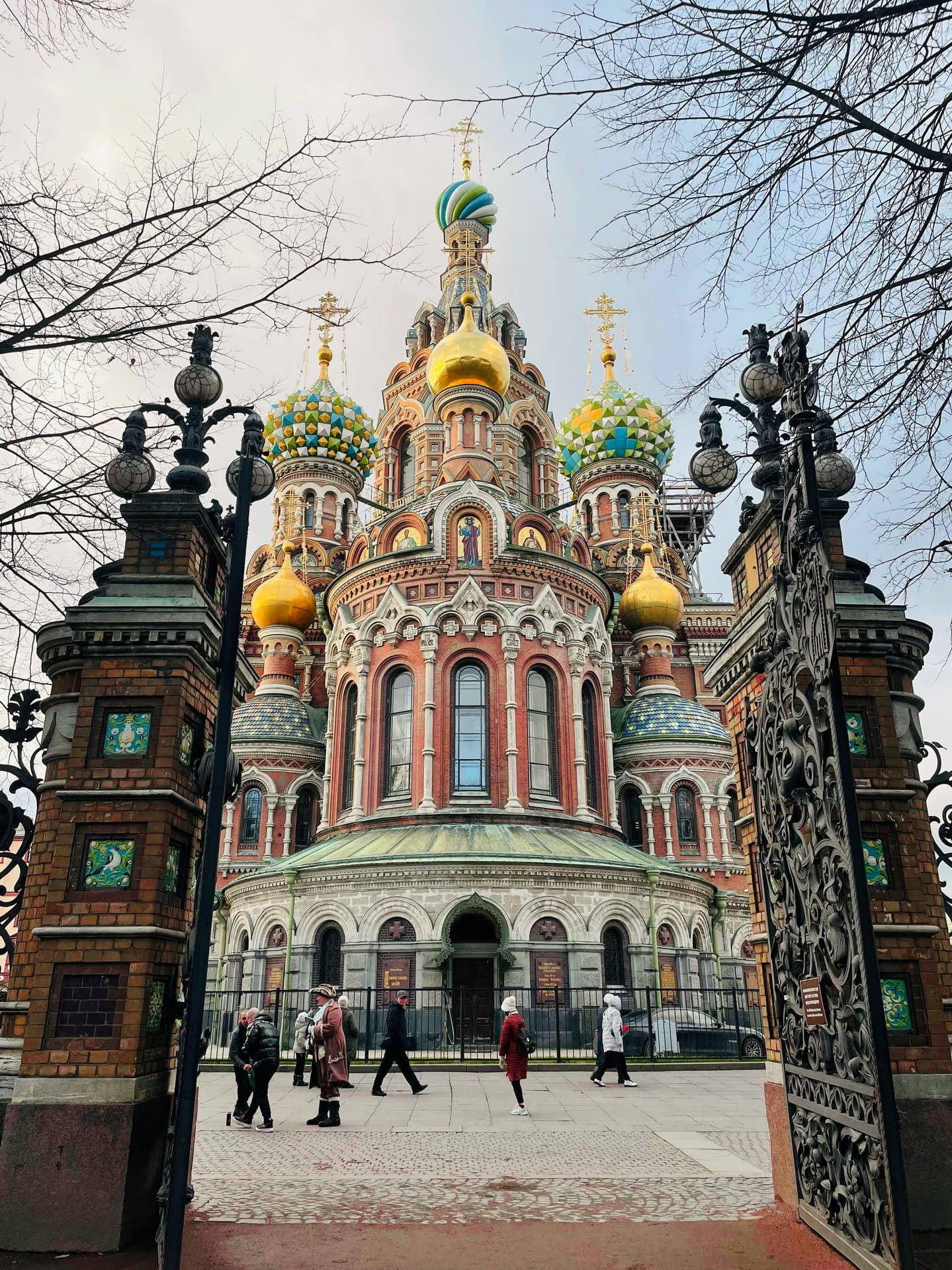
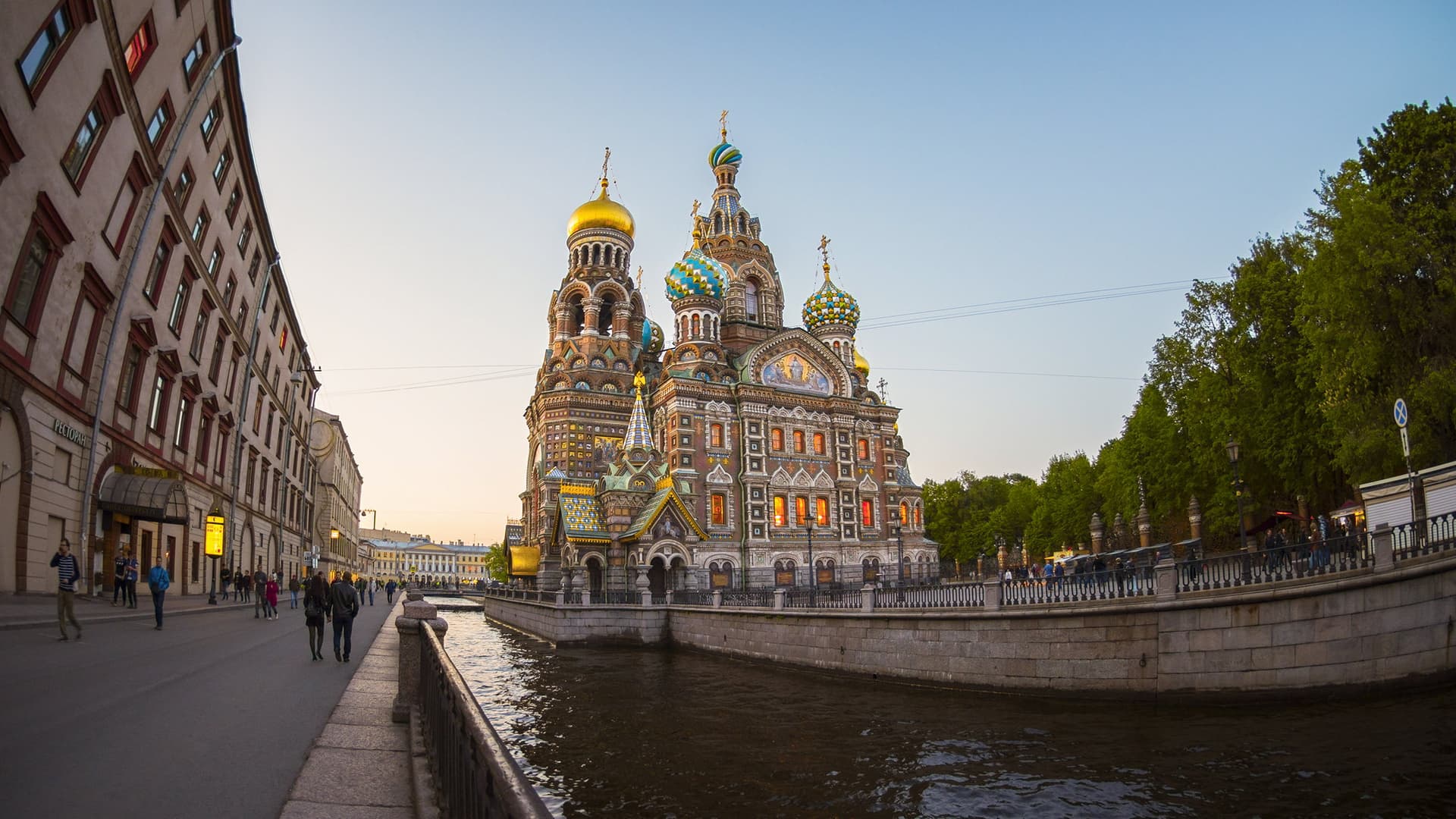
Begin your route at the Church of the Savior on Spilled Blood — one of Russia's most beautiful cathedrals. Its official name is the Church of the Resurrection of Christ on Blood. It was built on the site where Emperor Alexander II was mortally wounded on March 1, 1881. Narodnik Ignaty Grinevitsky threw a bomb at the tsar's carriage right here.
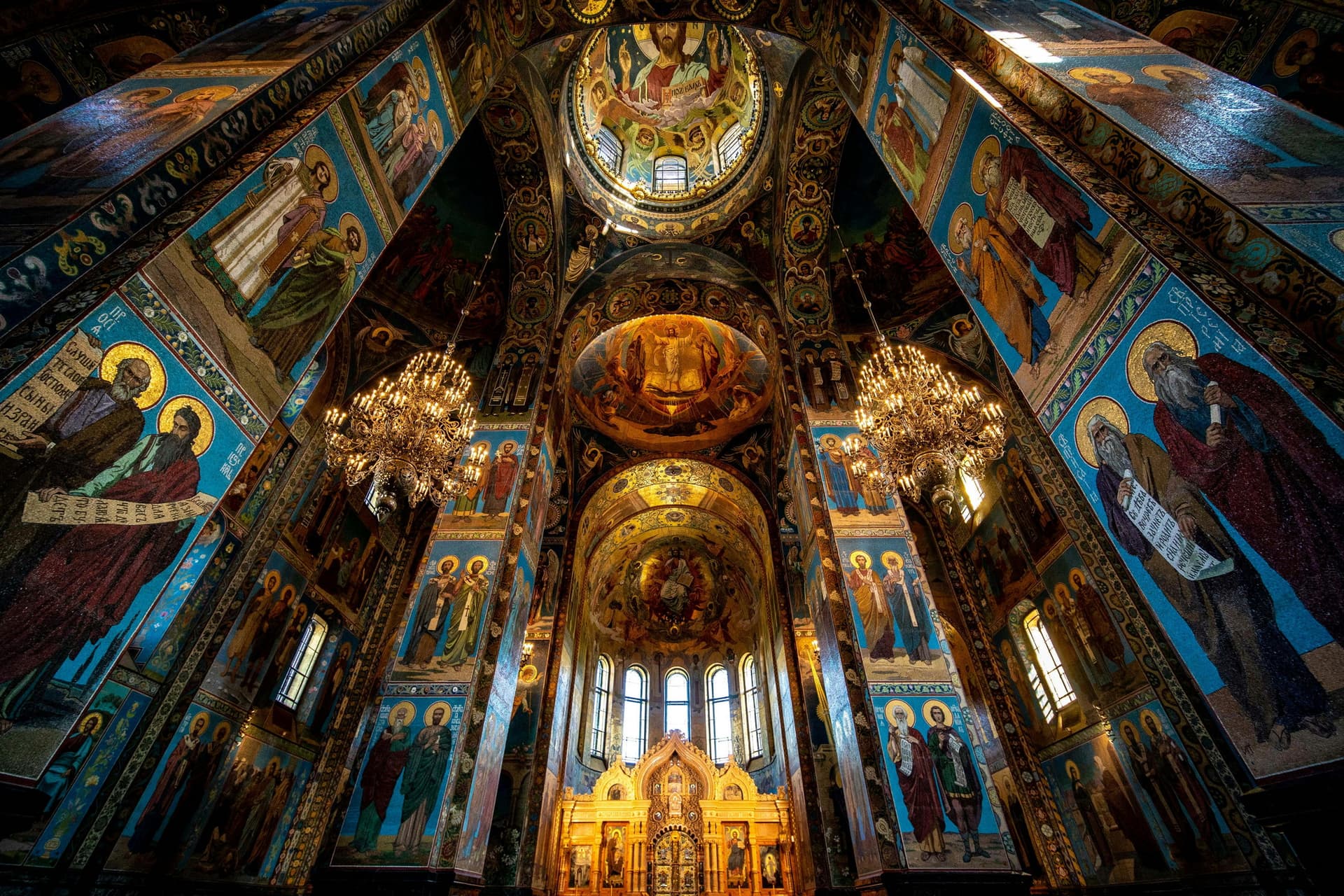
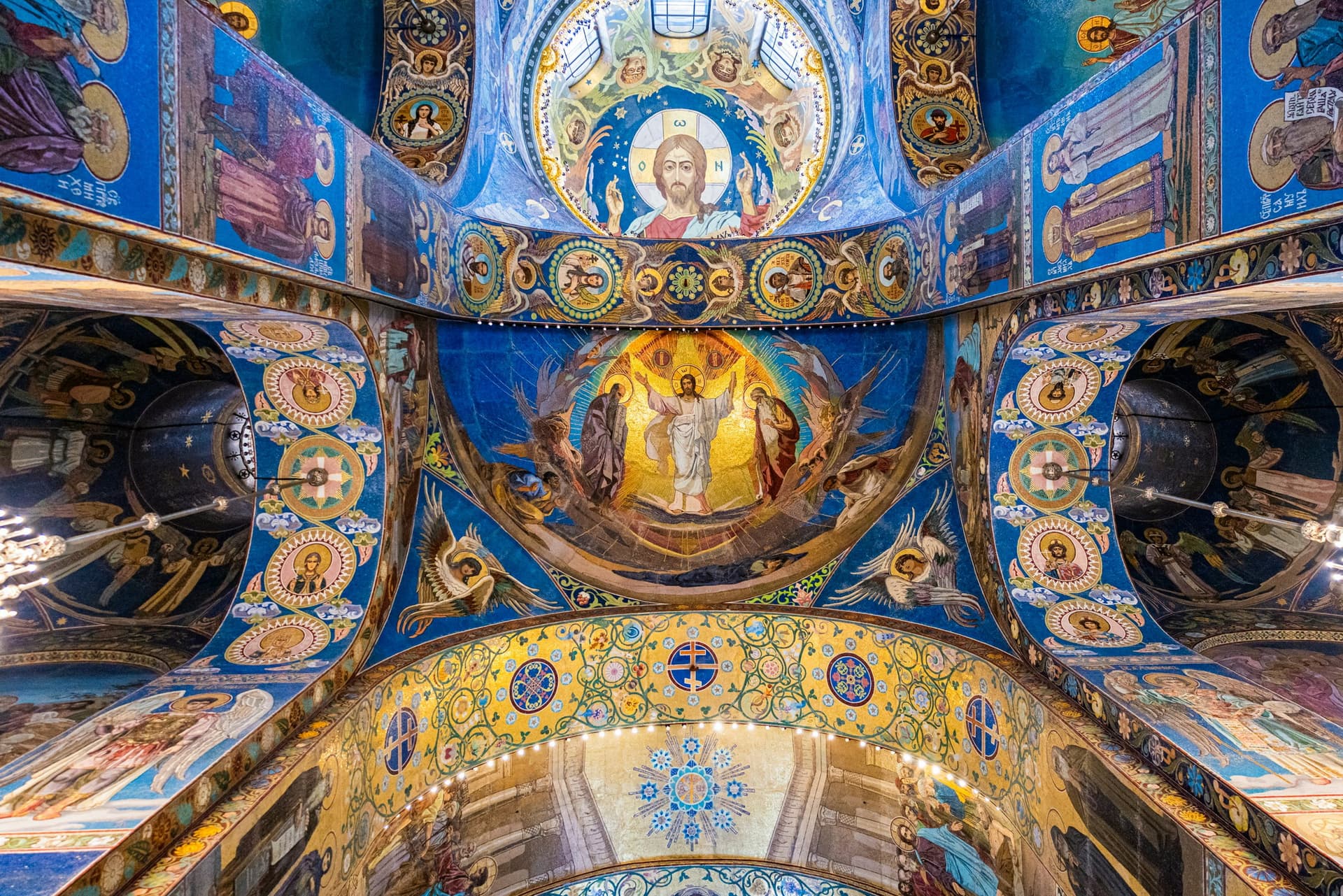
The cathedral was built over 24 years (1883-1907) by Alfred Parland in Russian style, deliberately contrasting with St. Petersburg's classical architecture. Its silhouette resembles Moscow's St. Basil's Cathedral. The main treasure is the mosaics covering over 7,000 square meters of interior and exterior surfaces. This is Europe's largest mosaic collection.
The best time for photos is early morning when there are no tourist crowds, and the colorful domes reflect in the waters of Griboyedov Canal.
Mikhailovsky Garden
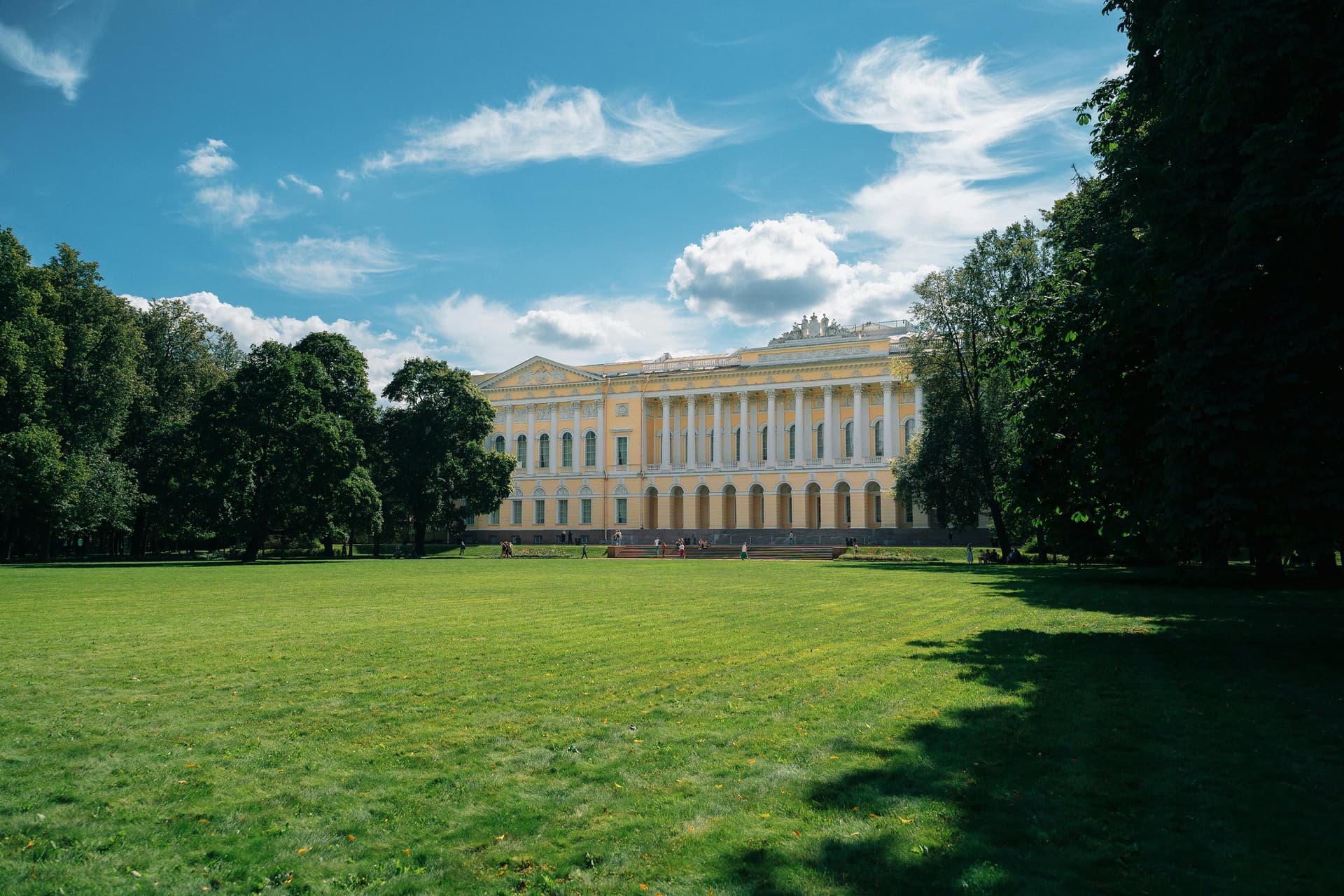
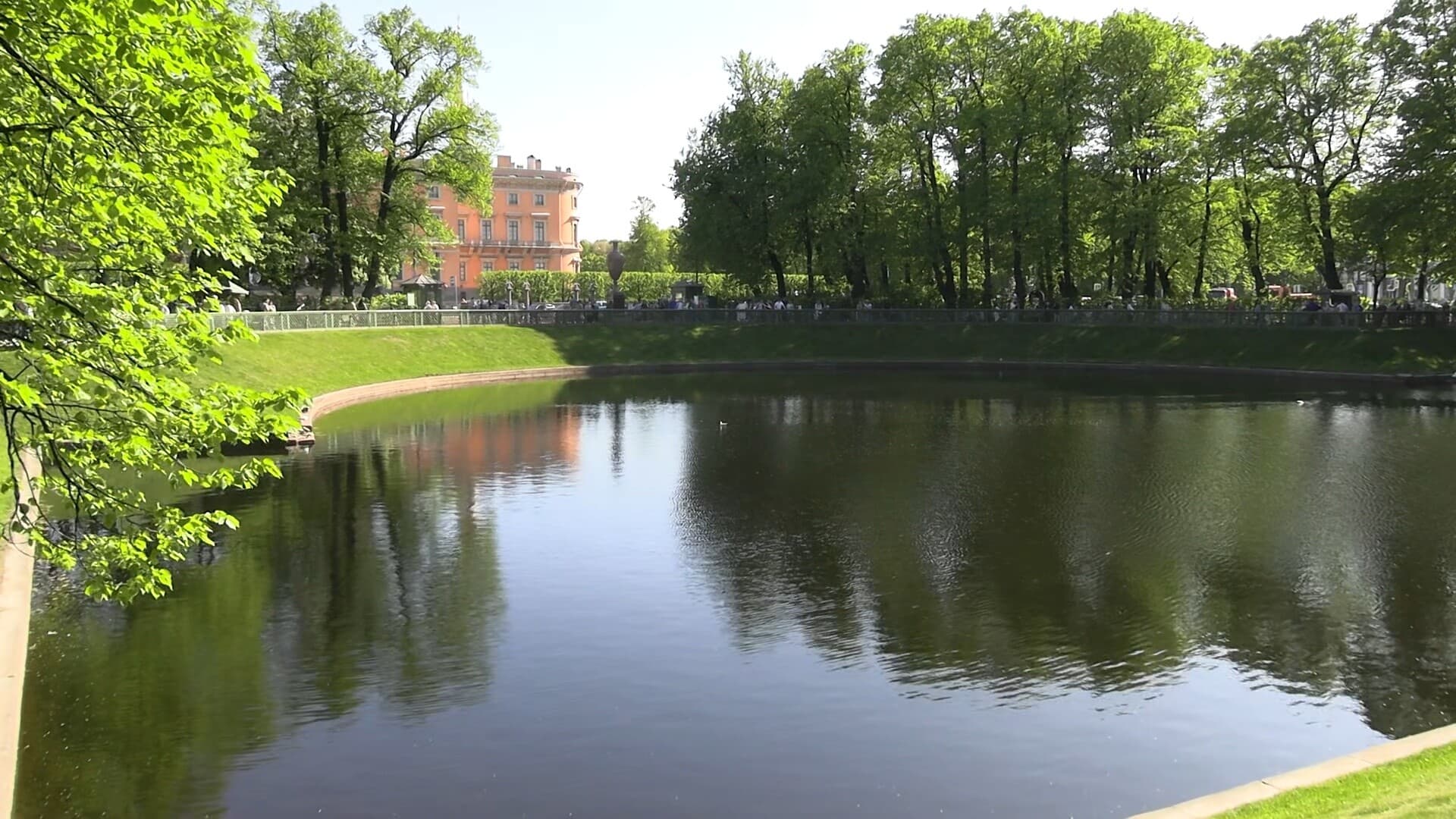
From the church, walk to Mikhailovsky Garden — one of the city's oldest gardens, laid out under Peter I. The garden adjoins the Mikhailovsky Palace (Russian Museum) and Mikhailovsky Castle. It's pleasant to rest in the shade of century-old oaks and lindens, admiring the northern facade of the Russian Museum.
In spring, the garden is awash with lilacs and tulips; in summer, concerts and festivals are held here; in autumn, golden foliage creates a special atmosphere; and in winter, snow-covered alleys resemble sets from a Russian fairy tale.
Mikhailovsky (Engineers') Castle
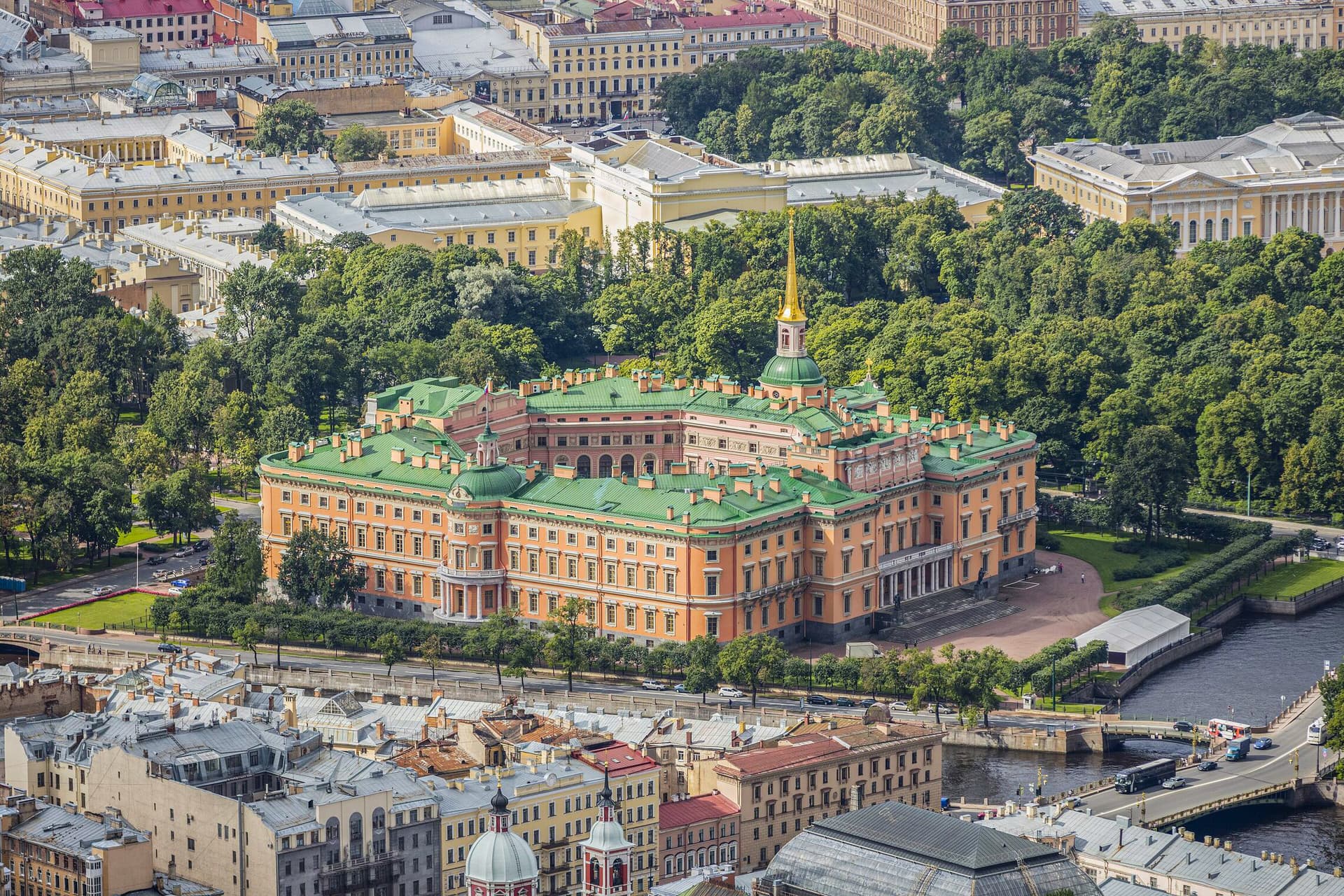
Mikhailovsky Castle is St. Petersburg's most mystical building. It was built for Emperor Paul I, who was paranoid about conspiracies and considered the Winter Palace insufficiently safe. The castle is surrounded by moats, had drawbridges and secret passages. Each of its four facades is done in a different style — no other building in the world has this.
But precautions didn't help: 40 days after moving in, Paul I was killed by conspirators in his own bedroom. Legend says his ghost still wanders the castle. Today it houses a branch of the Russian Museum with a portrait painting collection.
Summer Garden — St. Petersburg's Oldest Park
The Summer Garden is the same age as the city, laid out by Peter I in 1704. The tsar personally planned it, inspired by the gardens of Versailles. The garden features:
- Marble sculptures from the 17th-18th centuries brought from Italy (now copies, originals in the museum)
- Restored fountains from the Petrine era
- The famous wrought-iron fence facing the Neva — a masterpiece of Russian blacksmithing
- Peter I's Summer Palace — modest by royal standards with authentic interiors
In the Summer Palace, you can see Peter's personal belongings, his lathe, and meteorological instruments — the tsar was a passionate scientist.
Field of Mars
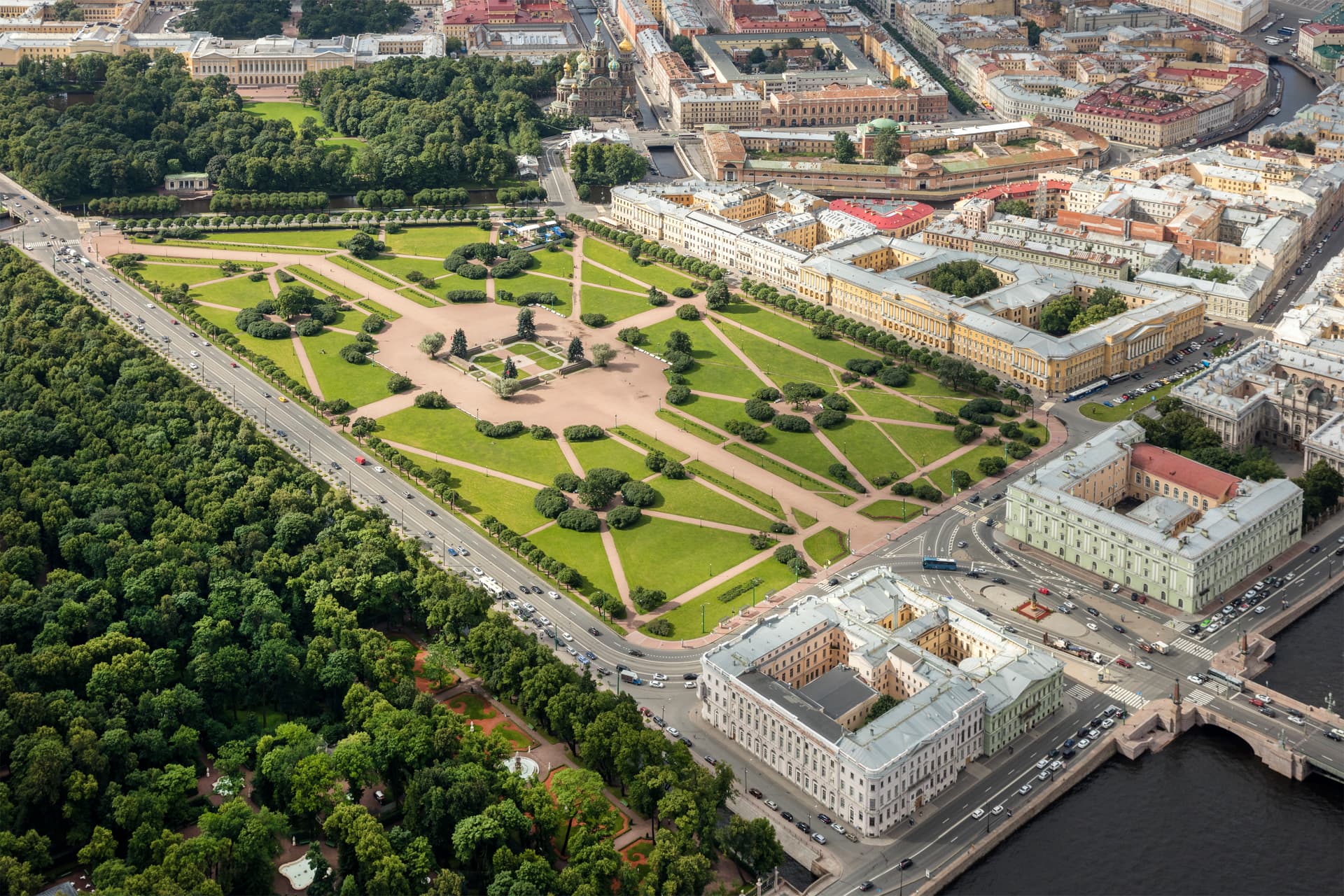
From the Summer Garden, exit to the Field of Mars — a large square that served as a parade ground for military parades. Today it's a memorial park with an Eternal Flame — the first in Russia, lit in 1957 in memory of the 1917 revolution victims.
From here, you have a panoramic view of the Neva, Trinity Bridge, and the Peter and Paul Fortress on the opposite bank.
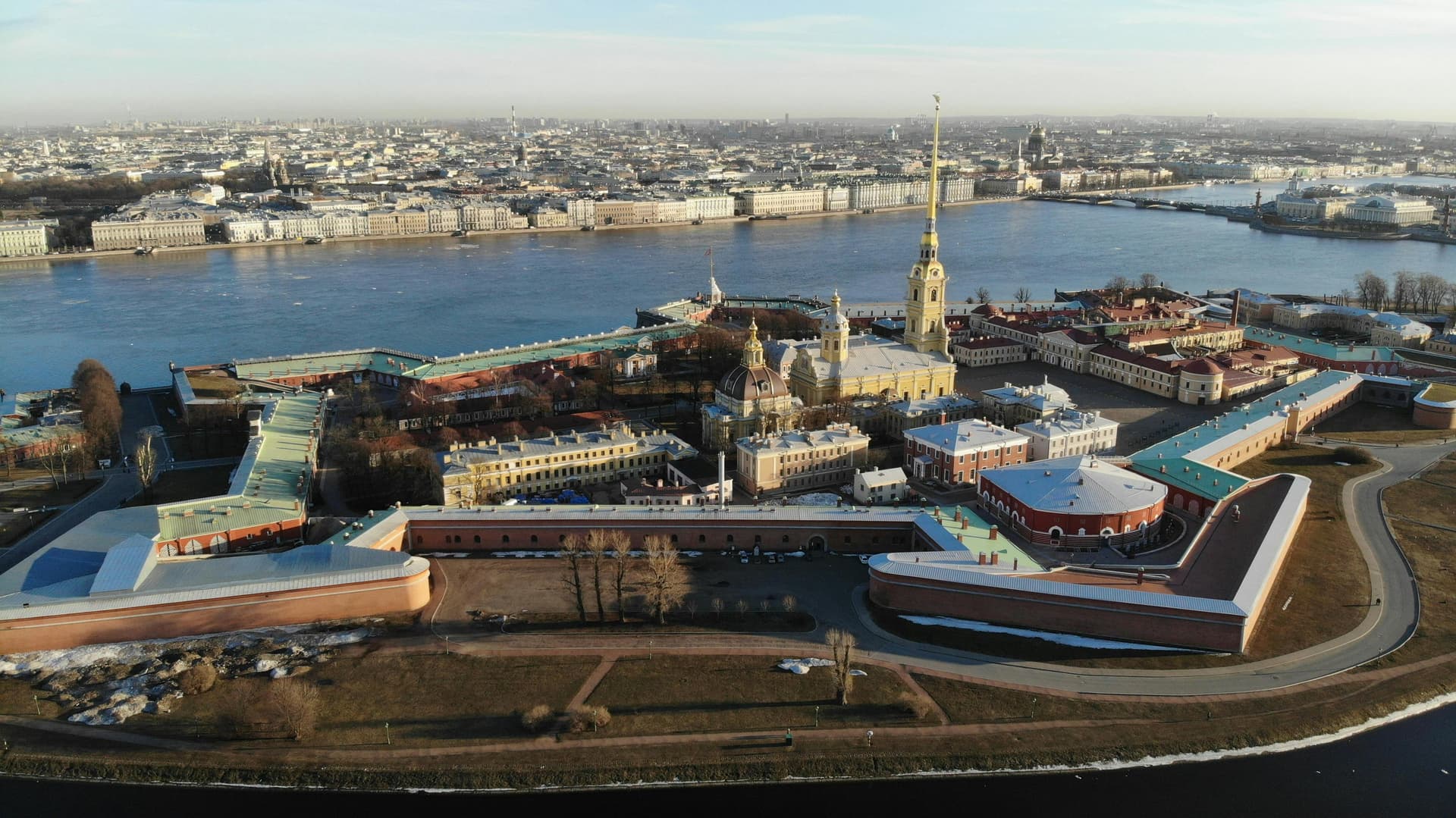
Peter and Paul Fortress — Birthplace of the City
Cross Trinity Bridge to Hare Island, where the Peter and Paul Fortress stands — the birthplace of St. Petersburg. The fortress was laid on May 27, 1703 — this date is considered the city's founding day.
Here you'll find:
- Peter and Paul Cathedral — burial vault of Russian emperors from Peter I to Nicholas II
- Trubetskoy Bastion Prison — Decembrists, Dostoevsky, and Gorky were imprisoned here
- Mint — Russia's oldest enterprise, minting coins since 1724
- Museum of St. Petersburg History — exhibition about the city's founding and development
Every day at noon, a cannon shot rings out from Naryshkin Bastion — a tradition over 300 years old. Time your visit to hear it!
Practical Tips
Duration: 4-5 hours walking, with museum visits — 6-7 hours.
Best time: late spring or early autumn — comfortable weather and fewer tourists. White Nights are magical but very crowded.
Don't forget: comfortable shoes (lots of walking on cobblestones), umbrella (St. Petersburg weather is unpredictable), light snacks (few cafes in parks).