Wat Arun (Temple of Dawn)
Wat Arun—the Temple of Dawn—is one of Bangkok's most recognizable symbols. The majestic 79-meter pagoda rises on the banks of the Chao Phraya River, glittering in the sun with thousands of Chinese porcelain shards and colored glass. This is where architecture meets sunrise.
Temple History
The temple existed during the Ayutthaya period under the name Wat Makok. After Ayutthaya's fall, King Taksin made it his royal chapel. The name "Temple of Dawn" relates to Taksin arriving here at dawn after liberating the country from the Burmese.
Architectural Style
The central prang (tower) in Khmer style is surrounded by four smaller towers. The surface is decorated with mosaic of Chinese porcelain, brought as ballast on trading ships. Floral patterns, mythical creatures, and warrior figures cover every centimeter.
What to See
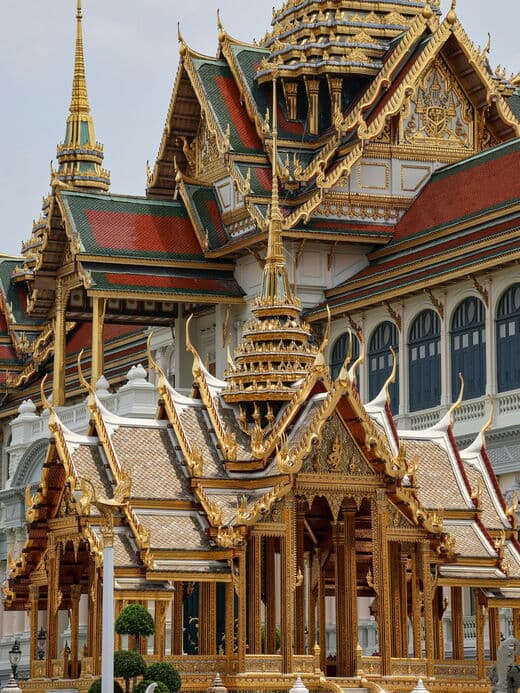
You can climb the steep steps to the terrace of the main prang—from there a panorama opens of the river and the Grand Palace on the opposite bank. Statues of Chinese warriors and demons guard the entrances. Botanical gardens and halls with Buddhist relics complete the visit.
Best Time to Visit
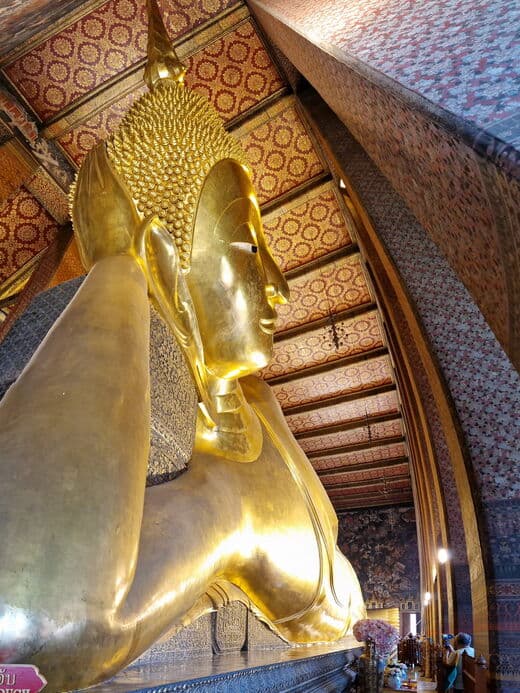
Sunrise and sunset are ideal times. At dawn, the temple lives up to its name, glowing golden in the first rays. At sunset, watching from the opposite bank near Wat Pho, you'll see the famous silhouette against a crimson sky.
Getting There
The ferry crossing from Tha Tien pier (next to Wat Pho) takes 5 minutes and costs a few baht. Alternatively, take the Chao Phraya Express boat to Wat Arun pier. Taxis and tuk-tuks are also available.
Atmosphere and Tips
Wat Arun is the quintessence of Thai spirituality and art. Climbing the prang requires physical fitness—the steps are very steep. Clothing should cover shoulders and knees. Combine with visits to Wat Pho and the Grand Palace on the other bank.