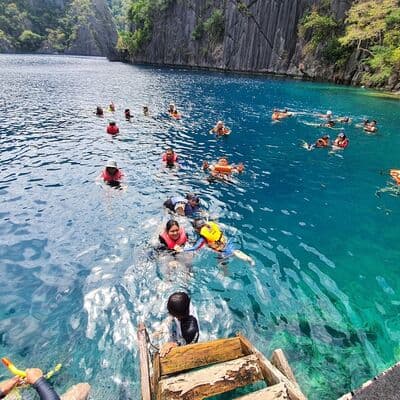
Siete Pecados Marine Park
Siete Pecados Marine Park: The Seven Sins of Paradise
Rising from the waters between Coron town and Coron Island, seven small limestone islets form one of Palawan's most accessible and rewarding marine sanctuaries. Siete Pecados—the "Seven Sins" in Spanish—takes its evocative name from the cluster of islands that, depending on who's counting, number roughly seven, each one a temptation to linger, explore, and return. For snorkelers and divers, this marine park offers exactly what the name suggests: guilty pleasures of the best kind.
Just ten minutes by boat from Coron town's shores, Siete Pecados delivers world-class snorkeling with minimal travel time. The marine park status protects the waters and reef, resulting in fish populations that have recovered from historical fishing pressure and now provide some of Coron's most reliable marine life encounters. Whether you're an experienced snorkeler seeking diverse ecosystems or a beginner hoping to see your first tropical reef, Siete Pecados welcomes all with its crystal waters and abundant life.
Understanding Siete Pecados Marine Park
The marine park designation transformed Siete Pecados from a convenient fishing ground into a protected sanctuary, and the results speak to the power of conservation.
Geography and Formation
The seven islets (locals may count slightly differently, depending on whether partially submerged rocks count) represent the peaks of limestone formations that extend beneath the water. Like the famous karst landscapes throughout Palawan, these formations began as ancient coral reefs, were uplifted through geological processes, and have been sculpted by millions of years of erosion.
Each islet rises steeply from the water, with vertical or near-vertical walls below the surface creating the habitat diversity that attracts marine life. The spaces between islets form channels where currents flow, bringing nutrients and creating productive ecosystems. Sandy areas at various depths provide different habitat types, while the reef structures offer shelter, feeding grounds, and nursery areas for countless species.
Marine Park Status
Siete Pecados received marine park designation to protect its recovering ecosystem from fishing and destructive practices that had previously depleted fish populations. The park is managed cooperatively, with entrance fees (typically 100-200 PHP) supporting ranger patrols and maintenance.
Within the park, fishing is prohibited, and anchoring is restricted to designated areas with sandy bottoms where anchor damage is minimized. Tour boats use mooring buoys rather than dropping anchors on coral. These measures, implemented over years, have allowed fish populations to rebound dramatically—visitors today see abundance that wasn't present a decade ago.
The park demonstrates a model that many Philippine marine areas are now following: community-managed protection that generates tourism revenue while preserving resources. When you pay the entrance fee and follow park rules, you're participating in this conservation success story.
The Marine Life of Siete Pecados
The fish life at Siete Pecados ranks among Coron's best, with both species diversity and abundance impressing visitors.
Common Species
The park hosts the full range of Indo-Pacific reef species typically seen in Philippine waters. Schools of sergeant majors, often the first fish visitors notice, hang above the reef in dense aggregations. Various damselfish species—chromis, clownfish, domino damsels—occupy their territories among corals. Butterflyfish pairs patrol the reef, their elegant shapes and varied patterns making them photographer favorites.
Wrasses add color and movement—the brilliant blue of cleaner wrasses, the rainbow patterns of various other species. Parrotfish grind coral into sand, their sounds audible underwater as beaks process rock. Triggerfish, with their distinctive shapes and sometimes aggressive territorial behavior, make themselves noticed. Sweetlips and snappers shelter in groups beneath overhangs.
The fish at Siete Pecados have become habituated to snorkelers over years of protection and gentle visitation. This doesn't mean they're tame, but many species display less wariness than at unvisited sites, allowing closer observation. The relationship works both ways—some fish may approach snorkelers out of curiosity or conditioning from past feeding (though feeding is discouraged).
Notable Encounters
Beyond the common residents, Siete Pecados produces regular encounters with more impressive species. Giant trevally, powerful predators that can reach impressive sizes, cruise the reef edges. Schools of jacks create silver walls of movement. Barracuda—both solitary and in schools—patrol the deeper areas visible from above.
Sea turtles frequent the park, drawn by healthy seagrass beds and generally protected conditions. Green turtles and hawksbill turtles are both possible sightings, though not guaranteed. Patient snorkelers who spend extended time in the water improve their chances.
The occasional reef shark passes through—blacktip reef sharks are possible though not common. Other larger visitors might include eagle rays, cuttlefish, and various grouper species that have grown large in the absence of fishing pressure.
Coral Health
The corals at Siete Pecados show recovery from past degradation, with good coverage on many reef surfaces. Hard corals—table corals, brain corals, branching acropora species—provide the structure that supports fish life. Soft corals add color, their polyps extending to feed when currents bring nutrients.
Some areas show evidence of past bleaching events and other damage, reminders that marine ecosystems remain vulnerable despite protection. The overall trajectory is positive, however, and snorkelers typically find plenty of healthy reef to explore.
Snorkeling at Siete Pecados
Snorkeling is the primary activity at Siete Pecados, and the park's configuration makes it accessible to all skill levels.
Best Snorkeling Spots
Each islet offers different snorkeling experiences, and tour boats typically visit multiple areas during a Siete Pecados stop. The channels between islets often produce the most interesting encounters, as currents concentrate fish activity. Wall areas below the cliffs showcase coral coverage and attract species that prefer vertical habitat. Sandy channels between reef areas sometimes reveal bottom-dwelling species like stingrays and flatfish.
Ask your guide which areas are showing the best conditions and activity during your visit—they'll know recent patterns and can direct you to productive spots. Don't hesitate to swim away from where other snorkelers congregate; spreading out typically reveals more, as fish are less disturbed.
Conditions
Siete Pecados typically offers excellent snorkeling conditions. The islets provide protection from wind and waves, creating calm water suitable for beginners. Visibility usually ranges from 10-20 meters, though conditions vary with tides and weather. Water temperature remains comfortable year-round (27-30°C), eliminating the need for exposure protection.
The proximity to Coron town means tours can easily adjust if conditions aren't ideal—morning visits may be swapped for afternoon if morning weather is problematic. The short boat ride also means less committed time if conditions deteriorate during your visit.
Equipment
Basic snorkeling gear (mask, snorkel, fins) is typically included in tour prices. However, quality varies significantly between operators. If snorkeling is a priority, bringing your own well-fitting mask improves the experience substantially—a leaky, ill-fitting mask makes everything harder. Fins are helpful but not essential in the calm, shallow waters.
Life jackets are available for non-swimmers or those uncomfortable in deep water. The shallow areas allow excellent viewing while staying close to the surface, and life jackets don't prevent enjoyable snorkeling—just floating high while observing below.
Visiting Siete Pecados
The marine park's proximity to Coron town makes it highly accessible, either as part of a tour or through independent arrangements.
Tour Options
Most Coron island-hopping tours include Siete Pecados as a stop, often combined with other destinations like Kayangan Lake, Twin Lagoon, or the Barracuda Lake. These combo tours typically cost 1,500-2,000 PHP per person and run full days (9 AM-4 PM or similar).
Siete Pecados also makes an excellent half-day destination on its own, particularly for serious snorkelers who want extended time in the water rather than brief stops at multiple locations. Chartering a boat privately for a few hours costs approximately 2,000-3,000 PHP and allows you to stay at the park as long as you wish.
Early morning visits (before 9 AM) typically find the park least crowded, as most tour boats haven't yet arrived. Afternoon visits, particularly after 2 PM when many tours have moved to other destinations, can also be quieter.
Entrance Fees
The marine park charges an entrance fee (typically 100-200 PHP, subject to change) that funds protection and management. This fee may or may not be included in your tour price—confirm with your operator. The fee is well worth paying, as it directly supports the conservation work that makes Siete Pecados worth visiting.
What to Bring
Essential items include reef-safe sunscreen (applied before entering water), your own snorkeling mask if you have one, waterproof camera or phone case, and towel. A rash guard or swim shirt reduces sunscreen needs and provides sun protection during extended snorkeling. Cash for entrance fees if not included in your tour.
Conservation and Responsible Visiting
Siete Pecados' success as a marine sanctuary depends on continued protection and responsible visitor behavior.
Best Practices
Avoid touching coral or standing on reef—even light contact can damage organisms that took years to grow. Maintain good buoyancy or float at the surface rather than resting on the bottom. Keep a safe distance from marine life, particularly turtles and other larger animals that may be stressed by close approach.
Use only reef-safe sunscreen formulations that don't contain oxybenzone, octinoxate, or other chemicals harmful to coral. Better yet, wear protective clothing that reduces sunscreen needs. Never feed fish—it alters behavior and creates unhealthy dependencies.
Take only photos, leave only bubbles. Don't remove shells, coral pieces, or any natural materials. Report any illegal activity (fishing, anchor damage, harassment of wildlife) to park rangers or your tour operator.
The Bigger Picture
Siete Pecados demonstrates what's possible when communities commit to marine protection. The transformation from depleted fishing ground to thriving marine park happened within living memory, proving that damaged ecosystems can recover when given the chance.
By visiting responsibly and supporting the park through entrance fees and appropriate behavior, you contribute to this ongoing success. The model is being replicated throughout the Philippines and beyond—each marine park that succeeds strengthens the case for protection elsewhere.
Beyond Siete Pecados: Coron's Marine Attractions
Siete Pecados is just one component of Coron's exceptional marine environment, which includes several world-class diving and snorkeling destinations.
WWII Shipwrecks
Coron is famous among divers for its concentration of Japanese shipwrecks from World War II. While these are primarily diving destinations, snorkelers can view some shallow portions. The historical significance and the artificial reef ecosystems that have developed around the wrecks make them unique attractions.
Other Snorkeling Sites
CYC Beach, Twin Peaks Reef, and areas around Malcapuya Island offer alternative snorkeling experiences. Combining several sites in a day tour provides variety and shows different aspects of Coron's marine environment. Ask your tour operator about conditions and recommendations.
Lakes
Coron's famous lakes—Kayangan and Barracuda—offer swimming but are freshwater or brackish rather than marine. They're typically combined with snorkeling stops, creating tours that balance reef exploration with unique lake experiences.
The Siete Pecados Experience
The name invites wordplay—the "sins" of lingering too long, returning too often, neglecting other destinations because this one satisfies so completely. There are worse sins than spending hours floating above vibrant reef, watching fish go about their business in a world restored to health through human care.
What strikes many visitors most strongly isn't any single species or moment but the overall sense of abundance. This is what healthy reefs look like—not the depleted, damaged ecosystems found in unprotected areas, but thriving communities of life supporting each other in complex ecological relationships. Siete Pecados provides a glimpse of what Philippine waters were like before overfishing and destructive practices took their toll, and a promise of what they could be again.
Ten minutes from town, you can float in clear water surrounded by life, watching nature's own aquarium unfold beneath you. The accessibility makes repeat visits easy, each one different as tides and seasons shift conditions. First-time visitors leave converted; returning visitors deepen their connection. This is Siete Pecados' gift—paradise close enough to touch, sins sweet enough to repeat.