Chocolate Hills: Bohol's Geological Marvel and Must-See Natural Wonder
Rising from the flat landscape of central Bohol like something from a fantasy novel, the Chocolate Hills stand as one of the Philippines' most extraordinary geological formations. These 1,268 perfectly symmetrical mounds, ranging from 30 to 120 meters in height, transform from emerald green to rich chocolate brown during the dry season—a spectacle that has captivated travelers and scientists alike for centuries. As a UNESCO World Heritage Site nominee and one of the country's most photographed landmarks, the Chocolate Hills offer visitors a glimpse into the mysterious forces that shaped our planet millions of years ago.
Understanding This Geological Wonder
The Chocolate Hills sprawl across an area of more than 50 square kilometers, covering portions of three municipalities: Carmen (where the main viewing complex is located), Batuan, and Sagbayan. Unlike typical hill formations, these mounds are remarkably uniform in shape—almost perfectly conical—and covered with a special grass species called Imperata cylindrica that dries out during summer months, giving the hills their distinctive chocolate appearance.
What makes these formations truly unique is their composition. The hills consist primarily of limestone that was pushed up from the seafloor millions of years ago. Over countless millennia, rainwater dissolved the limestone through a process called karstification, sculpting these distinctive domes while leaving behind clay soil that couldn't dissolve. The result is this surreal landscape that looks almost artificially created.
Scientific Theories of Formation
Geologists have proposed several theories about how the Chocolate Hills came to be. The most widely accepted explanation involves the uplift of coral deposits and the subsequent erosion by rainwater over millions of years. Other theories suggest volcanic activity or the weathering of marine limestone in a tropical environment. Regardless of their exact origin, these formations are estimated to be at least 2 million years old, making them ancient witnesses to Earth's geological history.
Visiting the Chocolate Hills: Complete 2025 Guide
Main Viewing Complex in Carmen
The primary and most developed viewing point is the Chocolate Hills Complex in Carmen, approximately 55 kilometers from Tagbilaran City. This facility features a well-maintained observation deck with 214 steps leading to two viewing platforms that offer panoramic 360-degree views of the surrounding landscape.
Opening hours: Daily from 6:00 AM to 6:00 PM (last admission at 5:30 PM)
Entrance fee 2025: 50 Philippine Pesos for adults, 25 Pesos for children under 12
Facilities: Souvenir shops, restaurants, restrooms, and a small museum explaining the geological history
Chocolate Hills Adventure Park (CHAP)
For those seeking more than just viewing, the Chocolate Hills Adventure Park offers an adrenaline-pumping experience with activities that let you interact more closely with this natural wonder:
- Bike Zipline: Pedal across a suspended bicycle track 150 meters above the ground—the world's first bike zipline when it opened
- Wave Runner Zipline: A surfboard-style zip that lets you "ride the waves" while taking in breathtaking views
- ATV Tours: Explore the hills on all-terrain vehicles with guided tours ranging from 30 minutes to 2 hours
- Rope Courses: Various difficulty levels for both children and adults
Adventure Park pricing (2025): Activities range from 350 to 800 Pesos depending on the experience. Combo packages available for multiple activities.
Sagbayan Peak
A less crowded alternative to the Carmen complex, Sagbayan Peak offers equally stunning views with additional attractions including butterfly gardens, a swimming pool, and a small theme park with giant insect sculptures. The viewing deck here provides a different perspective of the hills and is particularly popular for sunset viewing.
Entrance fee: 75 Pesos per person (includes access to all grounds)
Best Time to Visit
The Chocolate Hills experience varies dramatically depending on the season:
Dry Season (March to May)
This is when the hills earn their famous name. The grass turns from green to brown, creating the iconic "chocolate" appearance that graces postcards and travel brochures. April and May offer the most dramatic brown coloring, though temperatures can reach 35°C. Early morning visits (before 9 AM) are highly recommended to avoid both crowds and heat.
Wet Season (June to October)
The hills transform into "Mint Chocolate Hills" with lush green coverage. While you won't see the brown coloring, the landscape takes on an equally magical appearance, especially after rainfall when the air is crystal clear. Afternoons often bring brief showers, so morning visits are advisable.
Shoulder Season (November to February)
Many consider this the ideal time to visit. The weather is cooler and more comfortable, the rainy season has ended, and the hills begin their transition from green to brown. December and January offer pleasant temperatures around 27-30°C with minimal rainfall.
Getting to the Chocolate Hills
From Tagbilaran City
By Organized Tour: The most convenient option for first-time visitors. Full-day Bohol countryside tours (typically 1,500-2,500 Pesos per person) include the Chocolate Hills, Tarsier Sanctuary, Loboc River, and other attractions. Tours depart from hotels and the ferry terminal.
By Rental Car/Motorcycle: The drive takes approximately 1.5 to 2 hours via the well-maintained Tagbilaran-Carmen highway. Motorcycle rentals cost around 400-500 Pesos per day, while cars with drivers range from 2,500 to 3,500 Pesos for a full day.
By Public Bus: Ceres buses depart from the Dao Integrated Bus Terminal every 30 minutes. The journey takes about 2 hours and costs approximately 80 Pesos. Ask to be dropped at the Chocolate Hills Complex junction, then take a habal-habal (motorcycle taxi) for the final 3 kilometers.
From Panglao Island
Most visitors staying on Panglao add 30-45 minutes to their journey time. The route passes through Tagbilaran before continuing north to Carmen. Many resorts offer shuttle services or can arrange tours that include pickup and drop-off.
Local Legends and Cultural Significance
The Chocolate Hills hold deep significance in Boholano folklore. The most popular legend tells of two feuding giants, Arogo and Aloya, who threw rocks and sand at each other for days in a battle over a beautiful woman named Aloya (in some versions). When their fight ended in exhaustion and Aloya's death from grief, their tears and the debris from their battle formed the hills we see today.
Another legend speaks of the giant Arogo who fell in love with an ordinary mortal, Aloya. When she died, his tears of grief became the Chocolate Hills—a monument to eternal love. These stories have been passed down through generations and add a layer of romantic mysticism to this natural wonder.
The Chocolate Hills appear on Bohol's provincial flag and seal, underscoring their importance as a symbol of regional identity. They've also been featured on Philippine currency and numerous postal stamps, recognizing their status as a national treasure.
Practical Tips for Visitors
What to Bring
- Water: Essential, especially during dry season when temperatures soar
- Sun protection: Hat, sunscreen, and sunglasses—there's minimal shade on the viewing platforms
- Comfortable shoes: The 214 steps to the viewing deck can be challenging in flip-flops
- Camera: A wide-angle lens or smartphone with panoramic mode captures the vast landscape best
- Cash: While some establishments accept cards, many vendors and small facilities are cash-only
Photography Tips
The best lighting for photography occurs during the golden hours—shortly after sunrise or before sunset. The early morning light (6-8 AM) casts long shadows that emphasize the hills' contours, while sunset creates a warm golden glow that's particularly stunning during dry season. For the iconic "sea of chocolate hills" shot, use the highest viewing platform and shoot during clear weather conditions.
Avoiding Crowds
The Chocolate Hills receive over 300,000 visitors annually, with peak crowding during Philippine holidays, Chinese New Year, and Holy Week. For a more peaceful experience:
- Arrive at opening time (6 AM) or after 3 PM
- Visit on weekdays rather than weekends
- Consider the Sagbayan Peak alternative for fewer tourists
- Avoid major Philippine holidays when domestic tourism peaks
Combining with Other Bohol Attractions
The Chocolate Hills are typically part of the classic "Bohol Countryside Tour" that includes several nearby attractions:
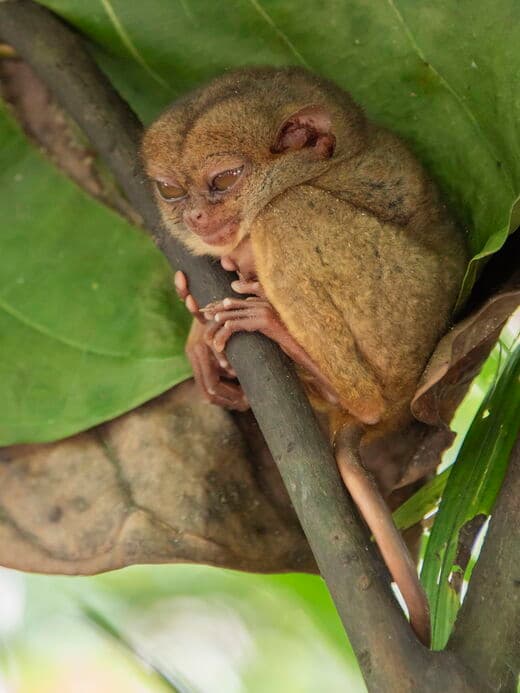
- Philippine Tarsier Sanctuary: Just 20 minutes from Carmen, home to the world's smallest primates
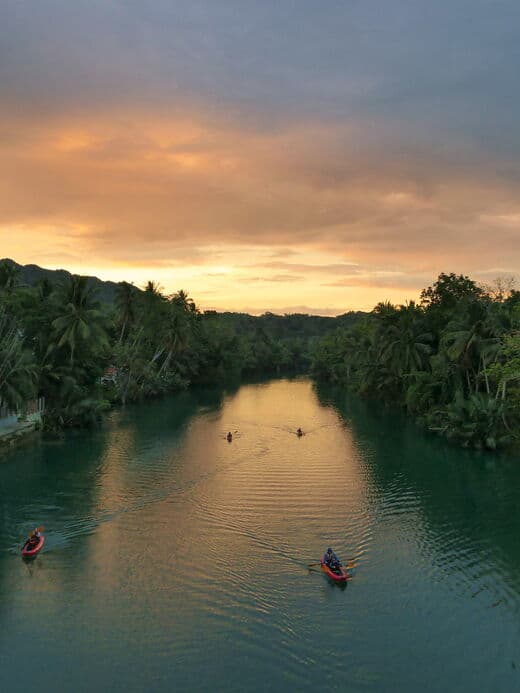
- Loboc River Cruise: A floating lunch experience through lush jungle scenery
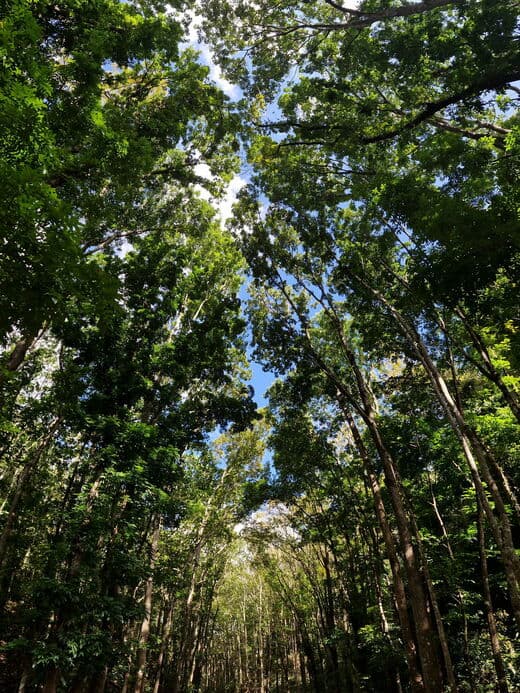
- Bilar Man-Made Forest: A stunning tunnel of mahogany trees perfect for photos
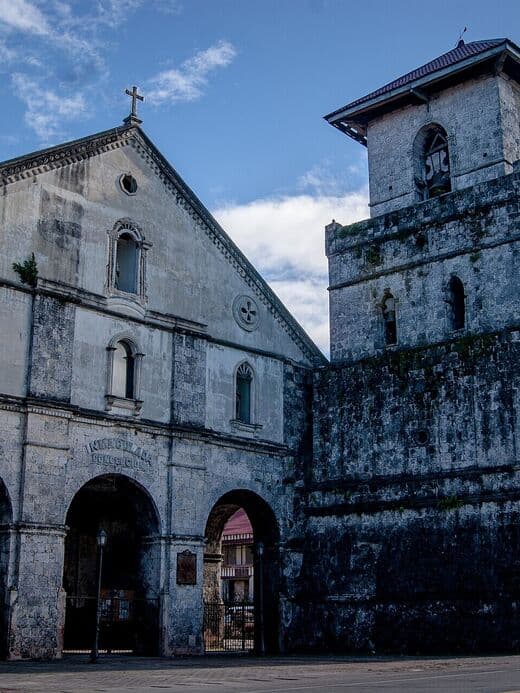
- Baclayon Church: One of the oldest stone churches in the Philippines
- Blood Compact Shrine: Commemorating the first treaty of friendship between Spanish and Filipino leaders
A well-organized day tour can comfortably include 4-5 attractions, with the Chocolate Hills as the highlight.
Conservation and Future Challenges
The Chocolate Hills face ongoing conservation challenges. Climate change has begun affecting the seasonal color transformation, with some years showing less dramatic browning. Urban development pressure, quarrying activities in surrounding areas, and increased tourism footprint all pose threats to this unique ecosystem.
In 2025, local authorities have implemented stricter regulations on construction within the protected zone and increased monitoring of visitor impact. Several reforestation projects aim to protect the watershed areas surrounding the hills, ensuring water availability for the unique grass species that creates their distinctive appearance.
Visitors can support conservation by staying on designated paths, disposing of waste properly, and choosing eco-certified tour operators who contribute to preservation efforts.
Accommodation Near the Chocolate Hills
While most tourists base themselves in Tagbilaran or Panglao and visit as a day trip, staying near the Chocolate Hills offers unique advantages—particularly the opportunity to see them at sunrise without the long drive:
- Chocolate Hills Complex: Basic accommodations available on-site
- Carmen Town: Several budget to mid-range hotels and homestays
- Nuts Huts: Eco-resort with traditional-style accommodations near the hills
- Agrowon Farm Resort: Peaceful setting with views of the surrounding countryside
Essential Information Summary
Location: Carmen, Bohol, Central Visayas, Philippines
Distance from Tagbilaran: 55 km (1.5-2 hours by car)
Entrance fee: 50 PHP (Carmen Complex)
Best time: March-May for brown hills, November-February for pleasant weather
Time needed: 1-2 hours for viewing, half-day with Adventure Park
Accessibility: Main deck accessible via 214 steps (no wheelchair access to top platform)
The Chocolate Hills remain one of Southeast Asia's most remarkable natural attractions—a place where geological forces have created something that seems almost impossible. Whether you come during the dry season to see the famous chocolate-colored domes or during the green months to witness their emerald transformation, these ancient hills offer a humbling reminder of nature's artistic power. For any traveler to the Philippines, the Chocolate Hills are not just recommended—they're essential.