Toronto
Toronto 2026: What You Need to Know Before You Go
Toronto is Canada's largest city and one of the most multicultural metropolises on the planet. Over half of its 3 million residents were born outside Canada, making it a place where you can eat your way around the world without leaving a single postal code. The city sprawls along the northwestern shore of Lake Ontario, offering unexpected beaches, island escapes, and waterfront views that surprise first-time visitors expecting just another concrete jungle.
What makes Toronto worth the trip in 2026? It is genuinely diverse in a way that goes beyond marketing brochures. You will hear dozens of languages on a single subway ride. The food scene reflects this diversity with remarkable authenticity, from Cantonese dim sum that rivals Hong Kong to Jamaican patties that have been perfected over generations. The arts and culture offerings compete with any major world city, yet prices remain more reasonable than New York or London.
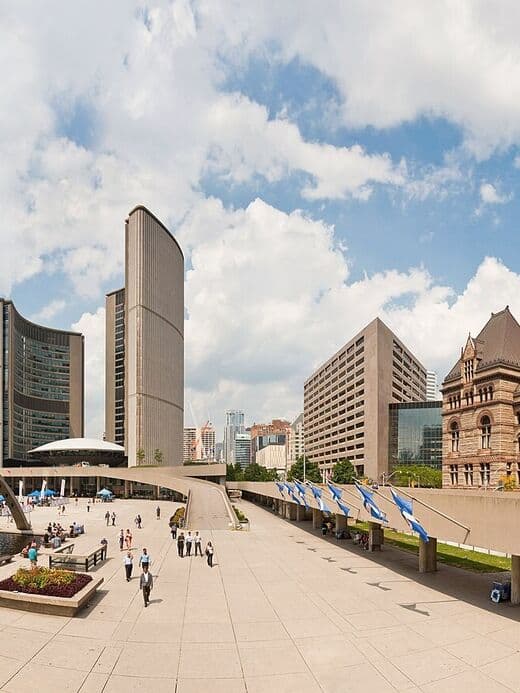
The flip side? Toronto can feel spread out and somewhat bland architecturally in parts. The weather swings dramatically, winters are genuinely harsh, and some visitors find the downtown core less immediately charming than Montreal or Vancouver. But give it time. Toronto reveals itself in layers: the hidden speakeasies, the neighborhood markets, the waterfront trails, the rooftop patios that transform the city in summer. It is a city that rewards exploration beyond the obvious attractions.
Budget roughly CAD 150-200 per day for a comfortable mid-range experience, including accommodation, food, transit, and one major attraction. Luxury travelers should plan for CAD 400-500 daily. Budget backpackers can manage on CAD 80-100 with hostels and street food.
Toronto's Neighborhoods: Where to Stay and What to Expect
Toronto is fundamentally a city of neighborhoods, each with distinct personalities. Choosing where to base yourself significantly impacts your experience. Here is an honest breakdown of the major areas worth considering.
Downtown Core and Financial District
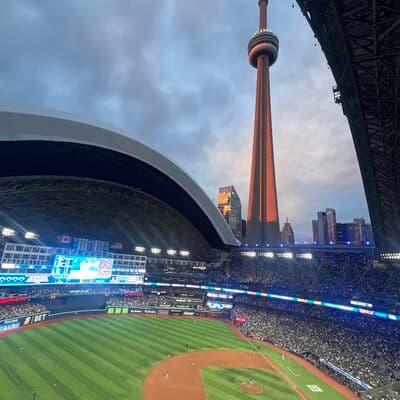
The obvious choice for first-timers. You will be walking distance from the CN Tower, Ripley's Aquarium, Rogers Centre, and the Hockey Hall of Fame. The PATH underground network connects most major buildings, invaluable during winter. Hotels here range from budget chains around CAD 150 to luxury properties exceeding CAD 500. The downside? It empties out after business hours and weekends can feel surprisingly quiet. Dining options lean toward chains and tourist-oriented establishments unless you know where to look.
Kensington Market and Chinatown
This is Toronto at its most eclectic and authentic. Kensington Market offers vintage shops, independent cafes, street art, and a bohemian vibe that feels genuinely organic rather than manufactured. Adjacent Chinatown sprawls across Spadina Avenue with some of the best and most affordable dim sum outside Asia. Accommodation here means boutique hotels and Airbnbs in Victorian houses. Expect to pay CAD 120-200 for decent options. The area gets loud on weekends, parking is nonexistent, and some streets look rough around the edges. Perfect for independent travelers who prioritize character over polish.
Yorkville
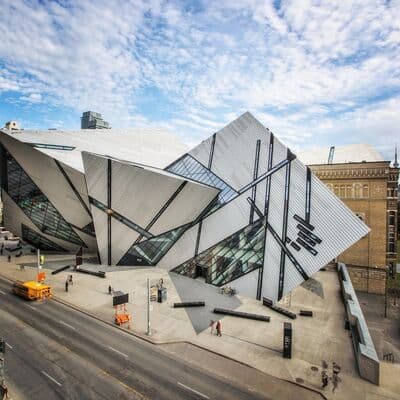
Yorkville is Toronto's answer to SoHo or Mayfair. Designer boutiques, upscale restaurants, and some of the city's best hotels line these tree-shaded streets. The Royal Ontario Museum and Bata Shoe Museum anchor the cultural offerings. Hotels start around CAD 250 and climb to CAD 700 for top properties. This is where you stay if budget is secondary to comfort and you want to feel safely cocooned in prosperity. Some find it sterile and pretentious, others appreciate the relative calm and quality. Good subway access makes reaching other neighborhoods straightforward.
Distillery District
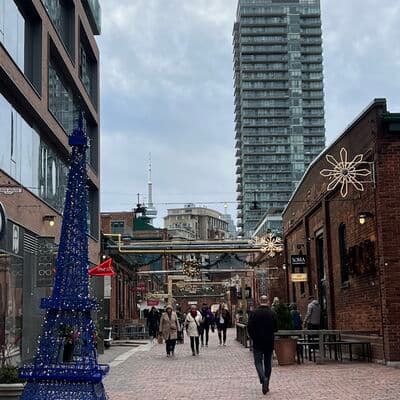
The Distillery District transformed a Victorian-era whiskey distillery into a pedestrian-only arts and entertainment zone. Cobblestone streets, galleries, artisan shops, and excellent restaurants make it genuinely pleasant to wander. The downside is that it feels somewhat curated and can be overrun with tourists, particularly on summer weekends. Limited hotel options exist within the district itself, but several good choices lie within walking distance. Budget CAD 180-300 for nearby accommodations. Best for couples and those who appreciate historic architecture.
Queen Street West
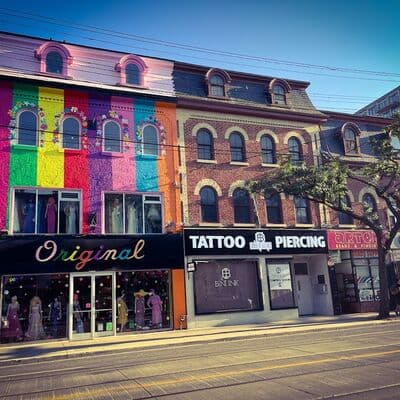
Queen Street West remains Toronto's creative heartland despite ongoing gentrification. Independent boutiques, record shops, galleries, and some of the city's best restaurants and bars cluster along this stretch. Trinity Bellwoods Park provides green space for people-watching and summer picnics. Hotels are limited, making this primarily Airbnb territory at CAD 100-180 nightly. The area gets loud at night, especially near clubs around Ossington. Ideal for younger travelers and those wanting to experience Toronto's contemporary culture beyond the tourist circuit.
The Beaches
East of downtown along Queen Street East, The Beaches neighborhood offers a small-town vibe with an actual beach. The boardwalk stretches for several kilometers, and summer brings a genuinely relaxed atmosphere. This is where Torontonians escape when they want to feel they have left the city without actually leaving. Accommodation options are limited to guesthouses and Airbnbs, typically CAD 120-200. The trade-off is distance from major attractions. Plan on 30-40 minute transit rides to downtown. Best for longer stays and those prioritizing atmosphere over convenience.
North York
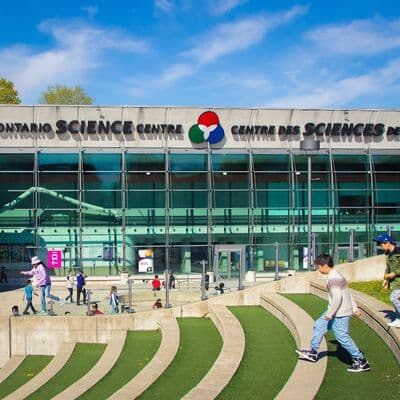
The suburban belt north of downtown offers better value accommodations, typically 30-40 percent cheaper than equivalent downtown options. The Toronto Zoo and Ontario Science Centre lie in this direction, making it practical for families planning those visits. Yonge Street provides subway access to downtown in about 30 minutes. Hotels range CAD 100-180. The downside is minimal walkable interest around most properties, and you will spend significant time in transit reaching central attractions.
Best Time to Visit Toronto: Seasonal Breakdown
Toronto experiences four distinct seasons, and timing your visit significantly impacts your experience. Here is an honest assessment of each period.
Late Spring: May to Mid-June
This is arguably Toronto's sweet spot. Temperatures hover between 15-25 degrees Celsius, patios open across the city, and summer crowds have not yet arrived. Cherry blossoms peak in High Park during early May, creating genuine moments of beauty. Hotel prices remain reasonable, typically 20-30 percent below summer peaks. The only downside is unpredictable weather. May can deliver random cold snaps and rain. Pack layers and a waterproof jacket.
Summer: Late June through August
Peak season brings reliable warmth, with temperatures regularly reaching 28-32 degrees Celsius. Lake Ontario provides some relief, and the Toronto Islands become essential escapes. Festivals pack the calendar: Pride in June, Caribbean Carnival in August, various film and music events throughout. The downsides are substantial. Hotel prices jump 40-60 percent, major attractions develop long lines, humidity can feel oppressive, and restaurants book out weeks ahead. The city buzzes with energy, but you pay for it in crowds and costs.
Fall: September to October
My personal favorite. September retains summer warmth while crowds thin dramatically after Labor Day. Hotel prices drop, restaurant reservations become possible again, and the city settles into a comfortable rhythm. October brings spectacular fall colors, particularly in High Park and around the ravines. The Toronto International Film Festival in early September brings celebrity sightings and a cultural energy unique to this period. Late October can turn cold quickly, so check forecasts before packing.
Winter: November through March
Winters are legitimately harsh. Expect temperatures from minus 5 to minus 15 Celsius regularly, with wind chill making it feel much colder. Snowfall accumulates, and navigating the city requires proper winter gear. However, winter has genuine advantages. Hotel prices crater by 40-50 percent, museums and attractions have no lines, and the city develops a cozy indoor culture of bars, restaurants, and coffee shops that summer visitors miss entirely. The Christmas Market at the Distillery District draws crowds but creates genuine holiday atmosphere. The PATH underground network allows indoor navigation between many downtown locations. Not for everyone, but budget travelers and those unbothered by cold can find excellent value.
Spring: Late March to April
Transitional and unpredictable. Snow can return through April, but warm days tease what is coming. Prices remain low, crowds minimal. The main appeal is catching the city as it emerges from winter, when locals seem genuinely happier and patios open optimistically at the first hint of warmth. Bring clothing for every possibility.
Toronto Itineraries: 3, 5, and 7 Days
These itineraries balance major attractions with neighborhood exploration, avoiding the common mistake of treating Toronto as a checklist of sights rather than a city to experience.
Three Days: The Essential Toronto
Day One: Icons and Waterfront
Start at the CN Tower when it opens at 9 AM to minimize lines. The EdgeWalk, if you have the nerve and CAD 225 to spare, offers an unforgettable experience of walking around the exterior edge at 356 meters. Otherwise, the basic observation deck ticket at CAD 43 provides spectacular views on clear days. Skip the overpriced revolving restaurant. Descend and walk to adjacent Ripley's Aquarium, genuinely one of North America's best, worth the CAD 47 admission. Budget 2-3 hours inside. Grab lunch at the St. Lawrence Market, a 20-minute walk east. The peameal bacon sandwich at Carousel Bakery is mandatory, budget CAD 12-15. Spend the afternoon exploring the market and adjacent historic Old Town. End the day at the Distillery District for dinner and evening wandering. Mill Street Brewery offers solid pub fare with views of the historic buildings.
Day Two: Culture and Neighborhoods
Dedicate the morning to the Royal Ontario Museum. Arrive at opening to have the dinosaur galleries and Chinese architecture displays relatively to yourself. Budget 3-4 hours minimum. Lunch in Yorkville, then walk or subway to Kensington Market. Spend the afternoon wandering this kaleidoscopic neighborhood, browsing vintage shops, grabbing empanadas or Jamaican patties as snacks. Continue into Chinatown for dinner. King's Noodle on Spadina serves excellent barbecue pork and wonton noodles for under CAD 15. Alternatively, Rol San offers dim sum until late evening.
Day Three: Islands and Local Life
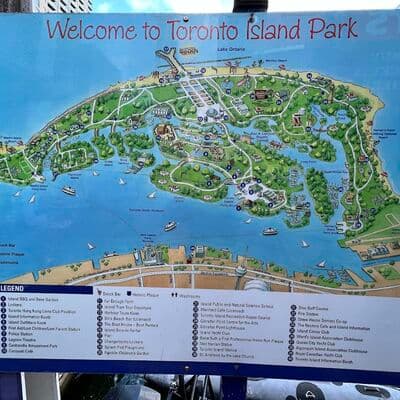
Take the morning ferry to the Toronto Islands. The ferry departs from Jack Layton Terminal at the foot of Bay Street, CAD 9 round trip. Centre Island has family attractions, but Ward's Island offers a charming car-free residential community and quieter beaches. Bring a picnic or eat at one of the basic island cafes. Return mid-afternoon and explore Queen Street West. Start around Spadina and walk west toward Ossington. Stop at galleries, boutiques, and finish with dinner at one of the neighborhood's excellent restaurants. Grand Electric serves the city's best tacos. Mother serves boundary-pushing vegetarian food. Bar Raval offers stunning Spanish tapas in an Art Nouveau interior.
Five Days: Adding Depth
Days One through Three: Follow the essential itinerary above.
Day Four: Niagara Day Trip
Niagara Falls lies approximately 130 kilometers from Toronto, reachable by bus in 90 minutes or rental car in similar time depending on traffic. The falls themselves remain genuinely impressive despite commercial development. Journey Behind the Falls and Hornblower boat cruises both offer memorable perspectives. Budget CAD 100-150 for transportation, attractions, and lunch. If driving, consider stopping at wineries in Niagara-on-the-Lake on the return journey. The town itself is charming and worth an hour of exploration.
Day Five: Casa Loma and The Annexe
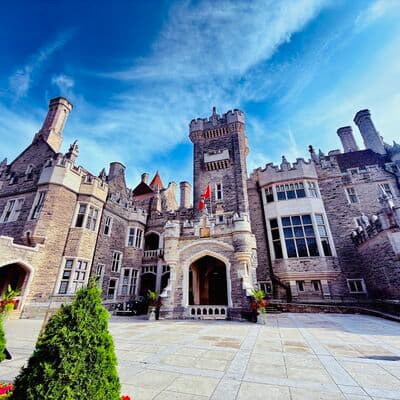
Morning at Casa Loma, Toronto's peculiar Gothic Revival castle built by a financier who subsequently went bankrupt. The tunnel to the stables and the tower views justify the CAD 40 admission. Spend the afternoon exploring the surrounding Annex neighborhood, home to grand Victorian houses and the University of Toronto campus. The Bata Shoe Museum sounds niche but proves surprisingly engaging, featuring footwear from ancient Egypt to Elton John's platforms. Dinner in Little Italy along College Street, where authentic trattorias compete with trendy modern Italian spots.
Seven Days: The Complete Experience
Days One through Five: Follow the five-day itinerary above.
Day Six: Zoo or Wonderland
Families should dedicate this day to either the Toronto Zoo or Canada's Wonderland amusement park, both located in the northern suburbs. The zoo genuinely impresses, covering 287 hectares with excellent habitats and conservation programs. Plan 5-6 hours minimum. Canada's Wonderland offers over 200 attractions including world-class roller coasters, best suited for thrill-seekers and families with older children. Both require full-day commitments and are best reached by car or organized transit.
Day Seven: Hidden Toronto
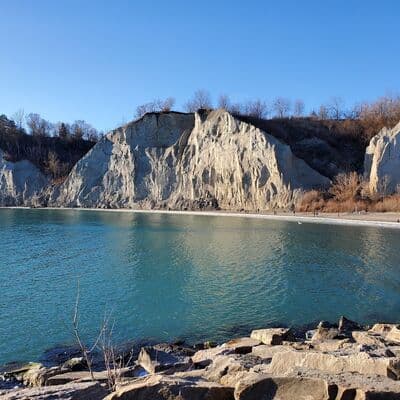
Use this day for deeper exploration based on your interests. Art lovers should visit the Art Gallery of Ontario, free on Wednesday evenings, otherwise CAD 25. The Frank Gehry redesign alone justifies a visit. Alternatively, head east to the Scarborough Bluffs, dramatic clay cliffs rising 65 meters above Lake Ontario with hiking trails and beaches below. Nature enthusiasts can explore the extensive trail system in High Park, including the free zoo and seasonal cherry blossoms. End your week with dinner in one of Toronto's ethnic enclaves: Greektown on the Danforth, Little India on Gerrard Street East, or Korean restaurants along Bloor in Koreatown.
Where to Eat: Restaurant Guide by Category
Toronto's restaurant scene genuinely rivals any world city, driven by immigrant communities maintaining authentic cuisines and a generation of chefs fusing traditions in creative ways. Here is how to navigate it.
Markets and Food Halls
St. Lawrence Market remains the essential food destination, named the world's best food market by National Geographic. Beyond the famous peameal bacon sandwiches, explore the cheese vendors, butchers, and prepared food stalls. Budget CAD 15-25 for a substantial meal. Assembly Chef's Hall downtown gathers 17 vendors under one roof, offering everything from Filipino adobo to French pastries. Kensington Market lacks a central building but rewards wandering with empanadas, pupusas, Vietnamese banh mi, and more crammed into its dense blocks.
Budget Dining: Under CAD 20
Chinatown delivers the best value. Rol San serves dim sum daily until midnight, with most dishes CAD 5-8. Pho Hung on Spadina offers enormous bowls of Vietnamese noodle soup for under CAD 15. For Jamaican patties, Patty King on Spadina or Randy's on College are institutions, charging CAD 3-4 per patty. Banh Mi Boys serves outstanding Vietnamese sandwiches with Korean twists for CAD 10-12. Avenue Open Kitchen on Eglinton serves generous Haitian plates around CAD 15. In Koreatown, Seoul Shakers offers Korean fried chicken that justifies the cult following, CAD 18-22 for shareable portions.
Mid-Range: CAD 40-80 Per Person
This bracket offers Toronto's best value for quality dining. Bar Raval on College serves stunning Spanish tapas in a jaw-dropping Art Nouveau interior, expect CAD 50-70 with drinks. Byblos on Duncan brings creative Eastern Mediterranean plates, budgeting CAD 60-80. Richmond Station near the Eaton Centre serves seasonal Canadian cuisine using local farms, CAD 50-70. Pai Northern Thai on Duncan offers authentic Northern Thai food that converts skeptics, CAD 40-55. Grey Gardens on Queen West serves inventive tasting menus at CAD 75, remarkable value for the quality.
Fine Dining: CAD 150 and Above
Toronto's high end competes internationally. Alo on Spadina holds the top ranking in Canada, serving French tasting menus in a stunning room for CAD 185-250. Reservations release monthly and sell out within minutes. Canoe on the 54th floor of TD Tower combines exceptional Canadian cuisine with staggering views, expect CAD 150-200. Don Alfonso 1890 brings Michelin-starred Italian cuisine to the Yorkville scene, CAD 180-250. Enigma on Bloor offers modern Filipino fine dining that showcases the cuisine's underappreciated sophistication, CAD 150-180.
Coffee and Cafes
Third-wave coffee culture thrives here. Pilot Coffee operates multiple locations with consistently excellent espresso and single origins. Sam James Coffee Bar offers intimate spaces and perfectionist brewing. For atmosphere, Boxcar Social combines coffee, wine, and beer with exposed brick charm. Jimmy's Coffee serves solid drinks in ramshackle-chic surroundings. Expect CAD 5-7 for espresso drinks, CAD 4-5 for filter coffee.
What to Try: Essential Toronto Foods
Toronto's food identity reflects its multicultural reality. These are the dishes that define local eating culture, often invented or perfected here.
Peameal Bacon Sandwich
Toronto's signature dish. Peameal bacon is wet-cured pork loin rolled in cornmeal, sliced thick, grilled, and served on a soft Kaiser roll. Carousel Bakery in St. Lawrence Market claims originator status and maintains lines that justify the hype. Budget CAD 12-15. The sandwich hits differently: not quite ham, not quite Canadian bacon, distinctly Toronto.
Jamaican Patties
Brought by Caribbean immigrants, Jamaican beef patties became a Toronto staple. Flaky yellow pastry encases spiced ground beef, with vegetarian and chicken variations available. Randy's on College serves the gold standard, while chains like Patty Palace and Patty King maintain quality. CAD 3-4 each, they make perfect walking snacks or cheap meals paired with coco bread.
Butter Chicken Roti
Indian and Caribbean influences merge in this Toronto invention. Trinidadian roti flatbread wraps around North Indian butter chicken curry, creating something neither tradition anticipated but both would approve. Gandhi Roti on Queen West serves an excellent version for CAD 15-18. Pam's on Bathurst offers the classic experience.
Cantonese Dim Sum
Toronto's Cantonese population ensures dim sum quality that rivals Hong Kong. Sunday brunch crowds pack restaurants along Spadina Avenue in Chinatown. Rol San serves until midnight daily. Crown Princess offers a more refined experience in Yorkville. Budget CAD 25-35 for a filling meal of har gow, siu mai, char siu bao, and various other steamed and fried parcels.
Korean Fried Chicken
Koreatown along Bloor Street West became a proving ground for Korean fried chicken, double-fried for shatteringly crisp skin and tossed in various sauces. Seoul Shakers serves the benchmark version. Chako and Oddseoul offer excellent alternatives. Budget CAD 20-28 for portions meant to share over beer.
Poutine
Quebec's gift to Canadian cuisine has colonized Toronto, with local variations adding toppings beyond traditional cheese curds and gravy. Smoke's Poutinerie offers dozens of variations. Poutini's on Queen West maintains purist standards with squeaky fresh curds. Budget CAD 12-18 for a serving that constitutes a meal.
Sushi Pizza
Yes, it sounds like a crime against both cuisines. This Toronto invention layers sashimi and toppings over a crisp fried rice patty. Love or hate it, trying once is mandatory. JaBistro on King West serves an upscale version. Budget CAD 18-25 for this divisive local creation.
Butter Tarts
The quintessential Canadian dessert: flaky pastry shells filled with butter, sugar, and egg filling, optionally including raisins or pecans. Debate rages between runny and firm fillings. Glory Hole Doughnuts serves excellent versions. The St. Lawrence Market hosts multiple vendors. Budget CAD 3-5 each for these addictive sweets.
Local Secrets: Insider Tips That Save Time and Money
These tips come from observation and local advice rather than guidebook repetition. Some will save money, others will save frustration.
Transit Strategy: PRESTO Card
Purchase a PRESTO card immediately upon arrival at any subway station. The CAD 6 card cost pays back quickly through discounted fares and unlimited two-hour transfers between subway, streetcar, and bus. Single cash fares cost CAD 3.35, PRESTO fares CAD 3.30 with free transfers. Day passes exist but rarely save money unless you are making four or more separate trips. Weekly passes make sense only for extended stays with heavy transit use.
Free Museum Times
The Art Gallery of Ontario offers free admission Wednesday evenings from 6-9 PM. The Royal Ontario Museum discounts admission to CAD 10 on the third Monday of each month. Many smaller galleries throughout the city maintain free admission always. Check individual websites before paying full price.
Island Ferry Timing
The ferry to Toronto Islands develops serious lines on summer weekends. Arrive before 10 AM or after 4 PM to avoid peak waits exceeding 45 minutes. Alternatively, book a water taxi from various downtown docks for approximately CAD 15 one-way, skipping lines entirely. The first morning ferry offers magical light and empty beaches.
The PATH Network
Over 30 kilometers of underground walkways connect downtown buildings, shopping, transit, and attractions. In winter, locals navigate entirely underground between Union Station and major destinations. Maps are confusing and signage inconsistent, but persistence rewards with weather-free transit. Download the official PATH map before venturing in.
Avoiding Tourist Traps
Skip the restaurants immediately surrounding the CN Tower and Rogers Centre. Walk 10-15 minutes in any direction for dramatically better food at lower prices. The Eaton Centre food court represents tourist-trap pricing. The underground PATH food courts one block away offer identical options cheaper. Restaurant patios directly on Front Street near Union Station charge premium prices for mediocre food and traffic noise.
Currency and Tipping
US dollars are occasionally accepted at unfavorable rates. Use CAD or credit cards everywhere. Tips are expected at 15-20 percent in restaurants, 15 percent for taxis and delivery. Many payment terminals suggest percentages calculated after tax, inflating the real tip percentage. Check the pre-tax subtotal if concerned.
Reservation Culture
Popular restaurants book days or weeks ahead, especially for weekend dinners. Use OpenTable or direct booking through restaurant websites. Walk-in dining works best at lunch, early evening before 6 PM, or late evening after 9:30 PM. Bar seating often available without reservations at places fully booked otherwise.
Neighborhood Hours
Kensington Market shops often open late and close by 6 PM, with many closed Mondays. The Distillery District stays lively until evening but most shops close by 7 PM. Queen Street West maintains activity until late night, especially on weekends. Plan accordingly to avoid finding closed storefronts.
Getting Around: Transport and Connectivity
Arriving by Air
Toronto Pearson International Airport handles most flights, located 27 kilometers northwest of downtown. The UP Express train connects Pearson to Union Station in 25 minutes for CAD 12.35 with PRESTO, running every 15 minutes from 5:27 AM to midnight. Taxis and rideshares to downtown cost CAD 50-70, taking 30-60 minutes depending on traffic. Avoid peak hours when the journey can exceed 90 minutes.
Billy Bishop Toronto City Airport on the Toronto Islands serves regional flights and Porter Airlines. A free shuttle connects the short pedestrian tunnel to downtown in minutes. Significantly more convenient for destinations served, worth paying modest premiums when available.
Direct Flights from Major Hubs
From the US, direct flights connect from all major cities: New York under 90 minutes, Chicago under 2 hours, Los Angeles approximately 4.5 hours, Miami under 3 hours. From the UK, direct flights from London Heathrow run approximately 8 hours. Air Canada, WestJet, United, American, Delta, British Airways, and various low-cost carriers serve the route. Book 6-8 weeks ahead for best prices.
Public Transit: TTC
The Toronto Transit Commission operates subways, streetcars, and buses. The subway system consists of four lines, with Line 1 (Yonge-University) and Line 2 (Bloor-Danforth) handling most tourist needs. Streetcars run along major downtown arteries including King, Queen, and Spadina. Service runs approximately 6 AM to 1:30 AM, with reduced overnight bus service on key routes.
The system is aging and delays occur, particularly on Line 2. Google Maps and Transit app provide real-time arrival information. Single fares cover unlimited transfers within two hours, making multi-stop explorations efficient once you tap in.
Ridesharing and Taxis
Uber and Lyft operate throughout the city, typically 20-40 percent cheaper than traditional taxis. Surge pricing applies during rush hours and late nights. Traditional taxis remain plentiful, metered at CAD 4.25 base plus CAD 1.75 per kilometer. Hailing works downtown, but booking through Beck Taxi or other dispatch services is more reliable elsewhere.
Driving and Parking
Driving downtown is generally unnecessary and often frustrating. Traffic congestion during rush hours rivals any major city. Parking costs CAD 5-8 per hour in lots, with street parking limited and aggressively ticketed. If renting a car for day trips to Niagara or the countryside, pick up outside downtown to avoid navigating the core.
Biking
Bike Share Toronto stations dot the city, offering 30-minute rides for CAD 3.25 or day passes for CAD 15. Dedicated bike lanes exist on major routes, though cycling culture is less developed than in European cities. The waterfront trail offers excellent car-free riding from the Beaches to Humber Bay. Helmet use is legally required for those under 18 but recommended for all.
Connectivity
Free WiFi exists at most cafes, libraries, and many public spaces. Purchase a local SIM at any mobile shop or convenience store. Freedom Mobile offers affordable prepaid plans with unlimited Canada-wide calling and data starting around CAD 25 monthly. eSIM options through Airalo or Holafly work for travelers with compatible phones, typically CAD 15-25 for 7-10 day data packages. Roaming from US carriers often includes Canada at no extra cost, but verify before assuming.
Final Thoughts: Is Toronto Right for You?
Toronto works best for travelers who appreciate urban diversity, world-class food scenes, and cities that reveal themselves gradually rather than announcing obvious charms. It lacks the immediate visual drama of Vancouver or the European ambiance of Montreal. What it offers instead is substance: genuine multiculturalism that shapes daily life, a restaurant scene that rewards adventurous eating, cultural institutions that compete globally, and neighborhoods worth exploring beyond any checklist.
The city suits food-obsessed travelers, culture seekers happy to dig beyond surfaces, and anyone curious about what North American cities become when immigration shapes identity rather than threatening it. It rewards repeat visits as you discover new neighborhoods and seasonal personalities.
Who should skip it? Those wanting immediate postcard scenery, compact walkable city centers, or European atmosphere will find Toronto ordinary by comparison. Budget travelers may find costs higher than expected despite value opportunities. Winter visitors need genuine cold tolerance.
But for those who give it time, Toronto becomes a city you understand rather than merely visit. That understanding often generates affection that surprises visitors expecting little from Canada's largest metropolis. Give it a chance to reveal itself, and Toronto tends to exceed whatever modest expectations brought you there.