Tbilisi
Tbilisi 2026: What to Know Before You Go
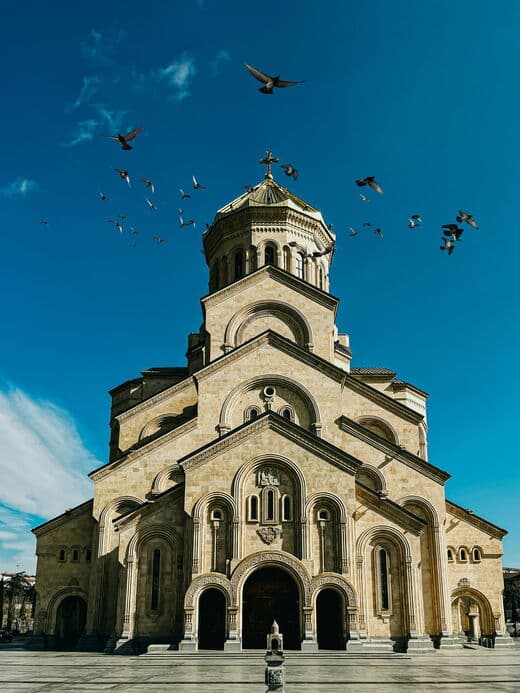
Tbilisi is one of those cities that genuinely surprises you. You arrive expecting a post-Soviet capital with cheap wine and good food, and you leave having fallen for a place that feels like it exists outside of time. The Georgian capital sits in a valley where the Mtkvari River cuts through, creating a natural amphitheater of hills covered in a chaotic but charming mix of ancient churches, crumbling Art Nouveau mansions, Soviet blocks, and glass-and-steel modern architecture.
The quick answer for planning: Tbilisi works year-round, but spring (April-May) and fall (September-October) offer the best weather without summer crowds. Budget $50-80/day for comfortable mid-range travel including accommodation, food, transport, and activities. The city is extremely walkable in the center, remarkably safe, and English is widely spoken in tourist areas. Direct flights connect Tbilisi to most European capitals, Dubai, and Istanbul, with connection options from the US via these hubs.
What makes Tbilisi special is the combination of genuine hospitality (Georgians take guest culture seriously - you are sacred when you enter their home), incredible food that goes far beyond khachapuri, a wine tradition that predates European winemaking by thousands of years, and a creative energy that has turned the city into a hub for digital nomads, artists, and travelers seeking something authentic. The sulfur baths that gave the city its name (Tbilisi comes from the Georgian word for warm) still operate in the same district where they have for centuries. You can soak in the same waters that Alexander Dumas wrote about, then walk five minutes to a techno club that rivals Berlin.
Neighborhoods: Where to Stay in Tbilisi
Tbilisi is a city of distinct neighborhoods, each with its own character. Your choice of where to stay will shape your experience significantly, so here is an honest breakdown of your options.
Old Town (Dzveli Tbilisi)
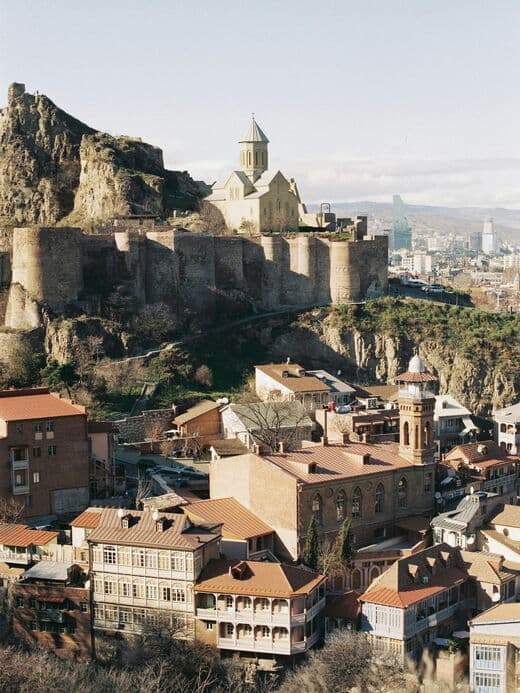
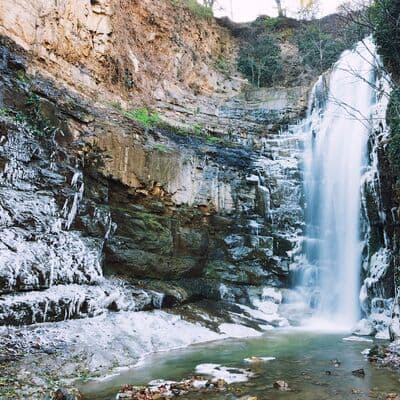
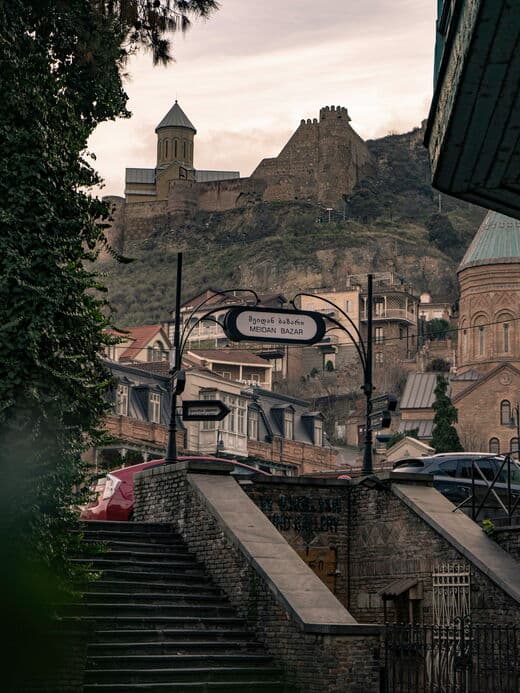
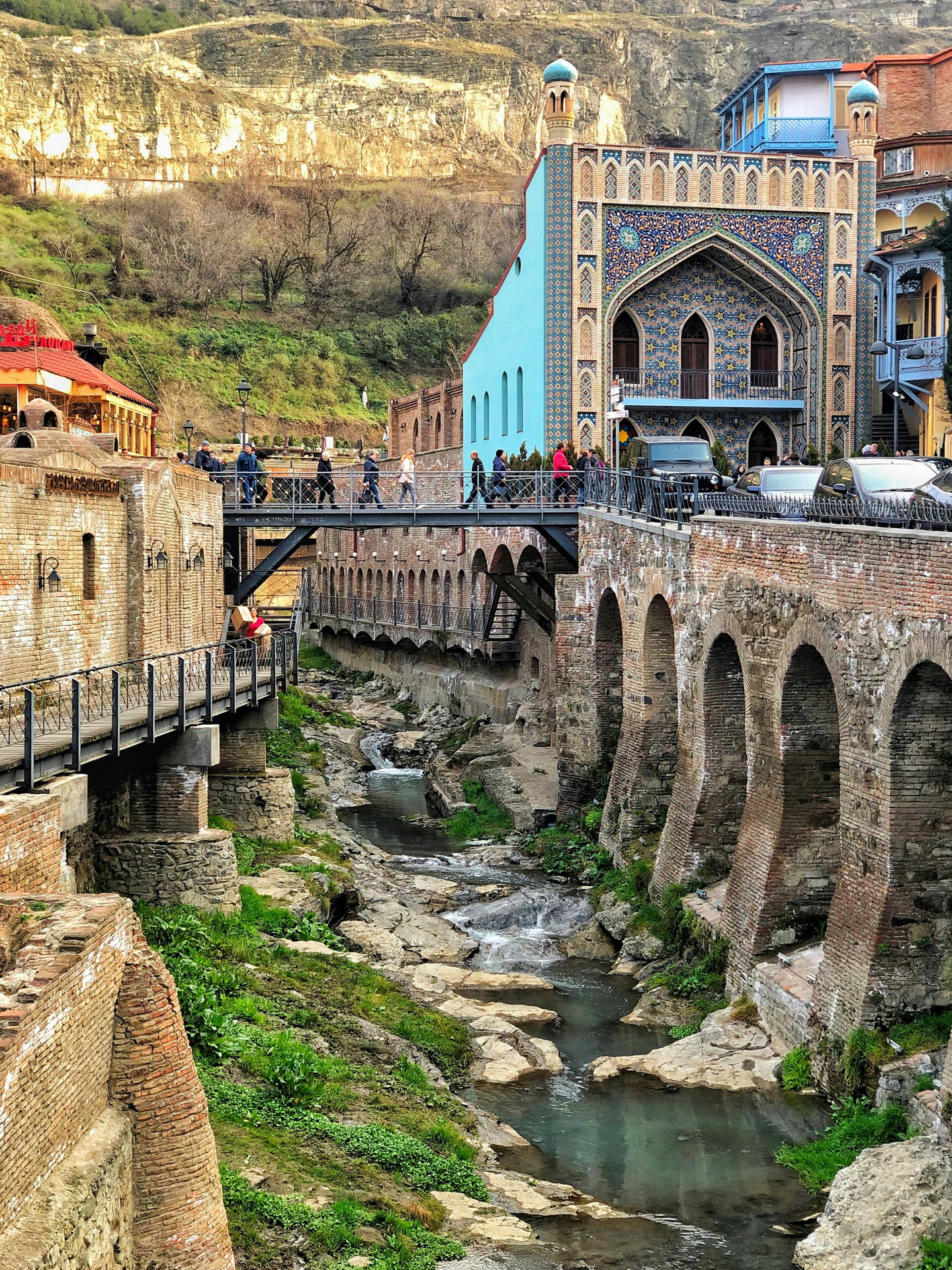
The heart of tourist Tbilisi, centered around the winding streets below Narikala Fortress. This is where you will find the sulfur baths of Abanotubani, the Leghvtakhevi Waterfall, and the most Instagram-worthy carved wooden balconies. Pros: Walking distance to major sights, atmospheric streets, plenty of restaurants and wine bars. Cons: Can feel touristy, cobblestones are hard on luggage, some streets are steep. Budget: Hostels $10-15/night, mid-range hotels $50-80, boutique hotels $100-150.
Sololaki
Just west of the Old Town, Sololaki is the refined older sibling. Think tree-lined streets, renovated 19th-century buildings, excellent cafes, and a more residential feel while still being central. This is where many expats and digital nomads settle. Pros: Beautiful architecture, quieter than Old Town, walkable to everything, great cafe scene. Cons: Fewer budget options, hills can be tiring, limited nightlife. Budget: Airbnb apartments $40-70/night, boutique hotels $80-130.
Vera
North of Sololaki, Vera has become the hipster neighborhood of choice. Street art, specialty coffee shops, creative studios, and a younger local crowd. The area around Vera Park is particularly pleasant. Pros: Local vibe, interesting restaurants, less touristy, good coffee. Cons: Farther from main sights (15-20 minute walk), fewer accommodation options. Budget: Airbnb $35-60/night, limited hotels $60-90.
Rustaveli / Chavchavadze Area
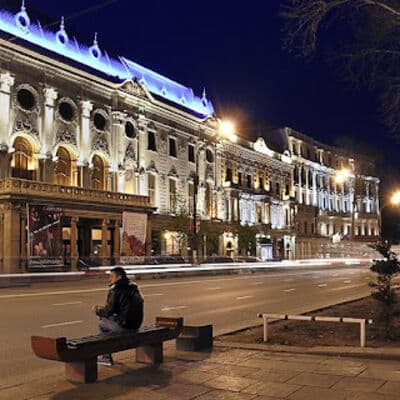
The main avenue of Tbilisi, Rustaveli Avenue, is lined with government buildings, theaters, museums, and shops. Staying here puts you at the center of city life with easy metro access. Pros: Central location, excellent transport links, major chain hotels, shopping. Cons: Less charming than older neighborhoods, busier streets, more urban feel. Budget: International chain hotels $90-150, business hotels $60-100.
Marjanishvili / Chugureti
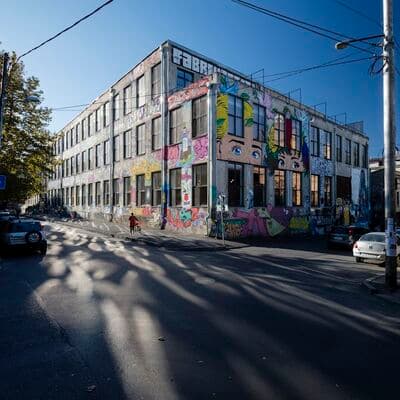
Across the river from the Old Town, this area has transformed in recent years. Fabrika Creative Hub, a converted Soviet sewing factory, anchors a neighborhood full of bars, cafes, and creative spaces. This is where Tbilisi nightlife concentrates. Pros: Best nightlife, creative atmosphere, Fabrika hostel is legendary, more affordable. Cons: Can be noisy on weekends, 10-15 minute walk to Old Town, grittier feel. Budget: Fabrika dorms $12-18, hostels $10-15, apartments $30-50.
Vake
The wealthy residential district southwest of center. Vake Park is one of the city's best green spaces, and the neighborhood has excellent restaurants catering to locals. Pros: Upscale dining, beautiful park, residential authenticity, quieter. Cons: Far from tourist sights (need transport), limited accommodation, less character. Budget: Airbnb apartments $50-80, few hotels available.
Saburtalo
A more residential and university area north of center. Not a tourist destination, but worth considering for longer stays or budget travelers. Pros: Very affordable, local markets, authentic experience. Cons: Far from sights, less English spoken, Soviet-era aesthetics. Budget: Apartments $25-40/night.
My recommendation: First-time visitors should stay in Old Town or Sololaki for the full experience. Returning visitors or those staying longer will love the Marjanishvili area around Fabrika. Digital nomads often end up in Vera or Sololaki for the cafe culture and community.
Best Time to Visit Tbilisi
Tbilisi has a continental climate with hot summers and cold winters, but the city works year-round depending on what you want from your trip.
Spring (April - May)
The best time to visit for most travelers. Temperatures range from 15-25 degrees Celsius (60-77F), flowers bloom throughout the city, and outdoor cafes open up. April can still see occasional rain, but May is typically excellent. Hotel prices are moderate, and crowds are manageable. The Orthodox Easter period (usually April) brings special services and traditional foods.
Summer (June - August)
Hot. Temperatures regularly hit 35-40 degrees Celsius (95-104F) in July and August. The city empties somewhat as locals head to the mountains or Black Sea coast. If you can handle heat, summer means long evenings, rooftop bars, and lower hotel prices. Air conditioning is not universal in budget accommodations - check before booking. This is peak time for the wine regions of Kakheti as harvest approaches.
Fall (September - October)
Arguably the best season alongside spring. September is harvest time in wine country, temperatures cool to pleasant levels, and the Rtveli (grape harvest) festivals happen throughout the region. October brings autumn colors and perfect walking weather. Tbilisoba, the city's birthday celebration in early October, is worth planning around if you enjoy festivals.
Winter (November - March)
Cold but atmospheric. December through February sees temperatures around 0-5 degrees Celsius (32-41F), occasional snow, and the city decorated for New Year (the bigger holiday in Georgia compared to Christmas). Winter is the best time to enjoy the sulfur baths without overheating. Prices are lowest, tourists are few, and you get a more authentic experience. Late January can be dreary, but festive December and snowy February have their charms.
Events Worth Planning Around
- Tbilisoba (first weekend of October): City birthday celebration with street performances, food, wine, and traditional music
- New Year (December 31 - January 2): The biggest celebration of the year, with elaborate decorations and family gatherings
- Rtveli (September - October): Wine harvest festivals throughout Kakheti region, an hour from Tbilisi
- Independence Day (May 26): Parades and celebrations, hotels book up in advance
Booking tips: Reserve accommodation 2-3 weeks ahead for shoulder season, 1-2 months for festivals and holidays. Many restaurants do not take reservations - just show up. Wine tours to Kakheti should be booked a few days ahead, especially on weekends.
Itinerary: 3 to 7 Days in Tbilisi
Tbilisi rewards slow exploration, but here is how to structure your time whether you have a long weekend or a full week.
Day 1: Old Town Orientation
Morning (9:00 - 12:00): Start at Metekhi Church for the classic viewpoint over Old Town and the river. Walk across to the Old Town and wind through the streets toward the sulfur bath district of Abanotubani. Do not go into the baths yet - save that for later in your trip when you appreciate them more. Find Leghvtakhevi Waterfall hidden in the gorge behind the baths.
Lunch (12:00 - 13:30): Eat at one of the small restaurants in the Old Town. Try khinkali (Georgian dumplings) at a dedicated khinkali house - Pasanauri or Zakhar Zakharich are reliable choices.
Afternoon (13:30 - 17:00): Take the cable car up to Narikala Fortress (3 GEL or about $1). Explore the fortress ruins and enjoy the panoramic views. Walk down through the botanical garden (5 GEL entry) or back through Old Town. Stop at the Rezo Gabriadze puppet theater clock tower at 12:00 or 19:00 to see the angel emerge.
Evening (18:00 onwards): Dinner in Old Town - Cafe Littera in the Writers House is excellent for a special meal ($40-60 for two with wine). For something more casual, try Shavi Lomi in Vera neighborhood.
Day 2: Modern Tbilisi and the Arts
Morning (10:00 - 13:00): Walk Rustaveli Avenue from Freedom Square. Visit the National Museum (15 GEL) - the archaeological gold collection is worth it alone. Continue to the Opera House and Parliament building.
Lunch (13:00 - 14:30): Cafe Gallery at 12 Rustaveli or walk up to Sololaki for lunch at Cafe Stamba in the Stamba Hotel (worth seeing even if not staying there).
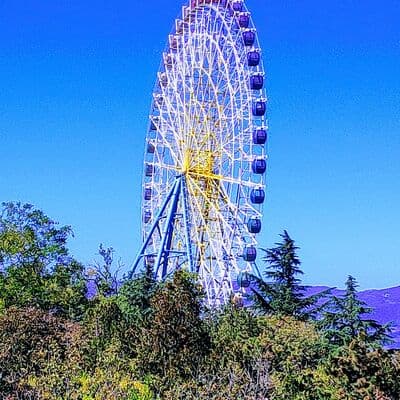
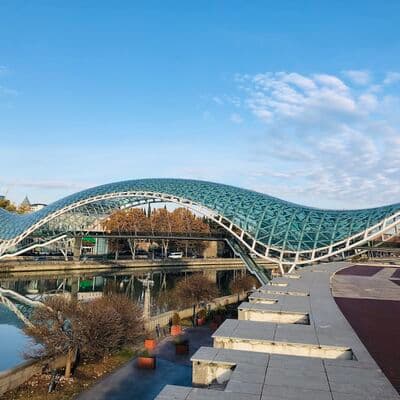
Afternoon (14:30 - 17:30): Cross the Bridge of Peace to Rike Park. If you have kids or just enjoy views, take the cable car up to the entertainment complex at Mtatsminda Park (round trip cable car 15 GEL). Otherwise, explore the Marjanishvili neighborhood and Fabrika.
Evening (18:00 onwards): Dinner in Fabrika's courtyard, then stay for drinks at one of the bars. On weekends, check if Bassiani or Khidi clubs are hosting events (techno scene is world-class).
Day 3: Local Life and Markets
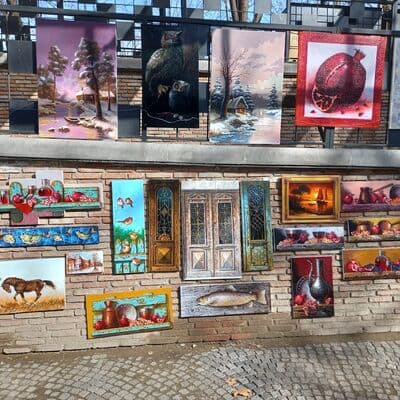
Morning (9:00 - 12:00): Dry Bridge Flea Market opens early and is best before noon. Browse Soviet memorabilia, antique jewelry, artwork, and interesting junk. Haggling is expected but keep it friendly. Walk to the nearby Dezerter Bazaar for a real local market experience - produce, cheese, churchkhela (grape and walnut candy), spices.
Lunch (12:00 - 13:30): Eat at one of the small restaurants near Dezerter Bazaar for the most authentic and cheapest Georgian food. Point at what looks good.
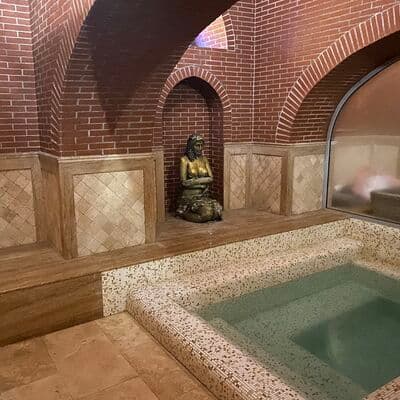
Afternoon (14:00 - 17:00): Now is the time for the sulfur baths. Book a private room at Royal Bath or Orbeliani Baths for about $30-50 per hour (fits 2-4 people). The experience includes a traditional scrub massage (kisi) for an extra $15-20 - highly recommended. Bring a change of underwear and emerge feeling reborn.
Evening (18:00 onwards): After the baths, you will be too relaxed for much activity. Have a quiet dinner nearby - Machakhela or Samikitno are good traditional options.
Day 4: Day Trip to Mtskheta and Jvari
Full day: The ancient capital Mtskheta is 20 kilometers from Tbilisi and makes an essential day trip. Take a marshrutka (minibus) from Didube station (2 GEL, 30 minutes) or hire a taxi for the day ($30-40). Visit Jvari Monastery first for the view over the confluence of two rivers, then Svetitskhoveli Cathedral in Mtskheta proper. Have lunch in Mtskheta (Salobie is famous for lobio - bean stew). Return via Samtavro Monastery if time permits.
Day 5: Wine Country (Kakheti)
Full day: Book a day tour to Kakheti wine region ($40-60 per person including tastings and lunch, or $80-100 for private car). Most tours visit Sighnaghi (the "city of love" with fortress walls and valley views), several wineries using traditional qvevri (clay vessel) winemaking, and often Bodbe Monastery. Expect to taste 15-20 wines and eat more than you thought possible. Return late afternoon or early evening. Do not drive yourself - wine flows freely.
Day 6: Neighborhoods and Hidden Gems
Morning (10:00 - 13:00): Explore the Sololaki neighborhood properly. Walk up Sololaki Street to the abandoned funicular station and Sololaki ridge trail for city views. Find the hidden Church of St. George and the small galleries tucked into courtyards.
Lunch (13:00 - 14:30): Cafe Leila in Sololaki for Israeli-Georgian fusion or Ezo for traditional food in a beautiful courtyard.
Afternoon (14:30 - 18:00): Take the metro (0.50 GEL) to Rustaveli and walk through Vera neighborhood. Stop at specialty coffee shops like Coffeesta or Double B. Visit Vake Park and climb to the top for views, or continue to the Open Air Ethnographic Museum (7 GEL) if interested in traditional Georgian architecture.
Evening (19:00 onwards): Splurge on dinner at Barbarestan - a restaurant recreating recipes from a 19th-century Georgian cookbook. Book ahead ($50-70 for two with wine). Or try the wine bar scene - 8000 Vintages or Vino Underground for natural wines.
Day 7: Slow Day and Departure
Morning: Sleep in. Revisit your favorite cafe for a long breakfast. Last-minute shopping - churchkhela from Dezerter Bazaar, wine from Vinotel shop (they ship), handmade jewelry from galleries in Old Town.
Afternoon: Return to any spots you missed or simply sit in a park and people-watch. Georgians are masters of the slow lunch - join them.
Final meal: One more round of khachapuri and a glass of wine. You will miss them immediately upon leaving.
Where to Eat: Restaurants and Cafes
Georgian cuisine is one of the world's great underrated food traditions, and Tbilisi is the best place to experience it. Here is where to eat, organized by what you are looking for.
Traditional Georgian (Tourist-Friendly)
Shavi Lomi: In Vera neighborhood, slightly upscale traditional food with a modern twist. The adjarian khachapuri and eggplant with walnut paste are exceptional. Expect $20-30 per person with wine. Reservations recommended for dinner.
Cafe Littera: Set in the courtyard of the Writers House of Georgia, this is where Georgian cuisine gets elevated. Beautiful setting, refined dishes, excellent wine list. $40-60 per person. Book ahead.
Barbarestan: Recreates dishes from an 1874 Georgian cookbook by Princess Barbare Jorjadze. Unique experience, historical context, exceptional food. $40-50 per person. Reserve in advance.
Traditional Georgian (Local Style)
Machakhela: Chain restaurant with locations throughout the city. Consistent quality, huge portions, very affordable. Good for first-timers wanting to try everything. $8-15 per person.
Samikitno: Old Town location, tourist-friendly but still authentic. Good khinkali, reasonable prices. $10-15 per person.
Salobie (Mtskheta): Famous specifically for lobio (bean stew served in a clay pot). Worth the day trip alone. $5-8 per person.
Khinkali Specialists
Zakhar Zakharich: Multiple locations, focused specifically on khinkali. The meat-filled version is traditional (order at least 5-6 per person), but try also the cheese and mushroom varieties. $5-10 per person.
Pasanauri: Another khinkali specialist, slight rivalry with Zakhar Zakharich. Locals have strong opinions about which is better. Try both. $5-10 per person.
Modern and Fusion
Cafe Stamba: In the Stamba Hotel, this is where Tbilisi's creative class brunches. The space is stunning (converted Soviet publishing house), the food is excellent modern Georgian. $25-40 per person.
Keto and Kote: Modern Georgian with emphasis on regional cuisines. Excellent wine selection. $30-45 per person.
Cafe Leila: Israeli-Georgian fusion that works surprisingly well. Shakshuka meets khachapuri energy. Great brunch spot. $15-25 per person.
Casual and Budget
Fabrika food hall: Multiple vendors in the Fabrika complex offering everything from Georgian to Asian to burgers. Eat cheaply, drink wine, people-watch. $5-12 per person.
Dezerter Bazaar area: Small restaurants around the market serve the cheapest authentic food. Point and order. $3-7 per person.
Puri (bread) shops: Fresh shotis puri (traditional bread) baked in a tone oven costs less than $1 and is an experience in itself. Watch them stick the dough to the walls of the underground clay oven.
Coffee and Cafes
Double B: Specialty coffee, multiple locations. Excellent flat whites.
Coffeesta: In Vera, good workspace vibes, proper espresso.
Linville: In Sololaki, beautiful space, good pastries.
Entrée: Across from the Opera, old-school European cafe feel, great for people-watching on Rustaveli.
Wine Bars
8000 Vintages: Named for the 8000-year history of Georgian winemaking. Extensive list of natural and traditional wines. Knowledgeable staff. $15-30 for a tasting flight.
Vino Underground: More focused on natural wines, younger crowd, good snacks. $10-25.
g.Vino: Wine bar with excellent food. Good introduction to Georgian varieties. $20-35.
What to Try: Essential Tbilisi Foods
Georgian cuisine deserves more international recognition. Here are the dishes you should not leave without trying.
Khachapuri: The cheese-filled bread you have probably seen on Instagram. Multiple regional varieties exist - Adjarian (boat-shaped with egg and butter), Imeretian (round, most common), Megrelian (extra cheese on top). The Adjarian version is a meal itself. Eaten by tearing bread from the edges and dipping into the egg-butter-cheese mixture in the center.
Khinkali: Georgian dumplings, larger than Chinese versions, with a distinctive twisted top that serves as a handle. Traditional filling is spiced meat and broth - you bite a small hole, suck out the soup, then eat the rest. Do not eat the top knot (count them on your plate to track how many you ate). Cheese and mushroom versions are also excellent.
Badrijani Nigvzit: Fried eggplant rolled around walnut paste with garlic and herbs. Simple, delicious, appears on every traditional menu. The walnut paste (often translated as walnut sauce) is distinctively Georgian.
Pkhali: Vegetable pates made with walnut paste - spinach, beet, and cabbage varieties are common. Served as appetizers, incredibly flavorful. Vegetarians, take note - Georgian cuisine has many excellent meat-free options rooted in Orthodox fasting traditions.
Lobio: Bean stew served in a clay pot with cornbread (mchadi). Simple, hearty, cheap. The version at Salobie in Mtskheta is legendary.
Mtsvadi: Georgian barbecue, specifically pork skewers. Cooked over grapevine cuttings for flavor. Often served with tkemali (sour plum sauce) and raw onions. Find it at roadside spots on the way to wine country.
Churchkhela: The candle-shaped candies hanging in every market - walnuts or hazelnuts on a string, dipped repeatedly in grape juice thickened with flour. Chewy, sweet, perfect travel snack. Quality varies widely - buy from markets, not tourist shops.
Tkemali: Sour plum sauce that Georgians put on everything. Ranges from green (more sour) to red (sweeter). Buy a bottle to take home.
Sulguni: The stretchy, brined cheese used in khachapuri. Also eaten alone or fried. Similar to mozzarella but tangier.
Wine: Georgia has been making wine for 8000 years. Traditional method uses qvevri - large clay vessels buried underground for fermentation. Orange wine (white grapes fermented with skins) is a Georgian specialty now trendy worldwide. Key grape varieties to try: Saperavi (red), Rkatsiteli (white), Mtsvane (white). Kindzmarauli (semi-sweet red) is popular but try dry wines too.
Tbilisi Secrets: Local Tips
After spending significant time in Tbilisi, here are the insider tips that will improve your visit.
1. Learn to say "gamarjoba" (hello) and "madloba" (thank you). Georgians appreciate any attempt at their language, and these two words will earn you smiles everywhere.
2. Do not eat the khinkali top. The twisted knot is a handle and calorie counter, not food. Locals will judge you silently if you eat it.
3. Book sulfur baths for afternoon, not morning. The private rooms are better experienced after a day of walking when you really need them. Also, you will be too relaxed afterward for much activity.
4. The cable car to Narikala is worth it; the cable car to Mtatsminda is optional. The fortress cable car offers the best views for the price. Mtatsminda is nice but not essential unless you have kids or want the funicular experience.
5. Marshrutkas (minibuses) are cheap but confusing. For day trips to Mtskheta or Sighnaghi, they work well and cost almost nothing. Didube station for Mtskheta, Samgori station for Kakheti. Google Maps shows routes but ask locals to confirm.
6. Wine is absurdly cheap. A good bottle from a supermarket costs $3-8. Restaurant markups are low by Western standards. Do not pay more than $20 for a bottle in most restaurants unless it is something special.
7. Tbilisi runs late. Dinner at 9pm is normal. Clubs do not get going until 1am. Brunch culture exists but lunch is more important culturally.
8. The Old Town is tiny. You can walk from one end to the other in 15 minutes. Do not over-plan - just wander and get lost in the streets.
9. Fabrika is more than a hostel. Even if you are not staying there, visit the courtyard for food, drinks, shopping, and people-watching. It is the heart of young Tbilisi.
10. Tipping is not obligatory but appreciated. 10% is generous in restaurants. Round up for taxis. Guides and bath attendants appreciate tips more directly.
11. Bring cash for markets and smaller restaurants. Cards work in most tourist establishments but Dezerter Bazaar and small eateries are cash-only. ATMs are everywhere and charge minimal fees.
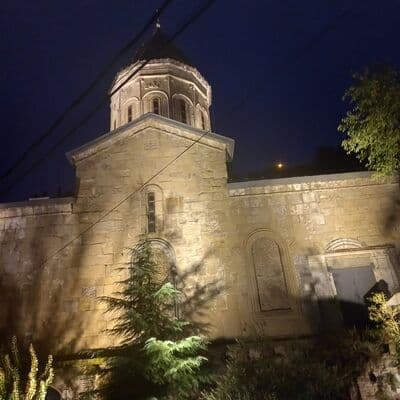
12. The Orthodox churches are active places of worship. Dress modestly (cover shoulders and knees), women should cover heads inside churches. Photography is usually allowed but be discreet during services.
Transport and Connectivity
Getting to Tbilisi
By air: Tbilisi International Airport (TBS) has direct connections to most European capitals, Dubai, Istanbul, Tel Aviv, and various CIS cities. From the US, connect through Istanbul (Turkish Airlines), Dubai (Emirates/FlyDubai), or European hubs. Budget airlines Wizz Air and Georgian Airways offer cheap European connections. Flight time from London is about 4.5 hours, from Istanbul 2 hours.
From the airport: The airport is 17km southeast of center. Options include the bus 37 (0.50 GEL, 30-40 minutes to Freedom Square, runs every 15-20 minutes), taxi (25-35 GEL or about $10-15, use Bolt or Yandex apps), or pre-booked transfer ($20-30 for private car). The bus is fine during daytime with light luggage.
Getting Around Tbilisi
Walking: The center is compact and walkable. Old Town, Sololaki, and Rustaveli Avenue are all within 15-20 minutes of each other on foot. Sidewalks are uneven in places, and hills can be steep, but walking is the best way to experience the city.
Metro: Two lines cross the city. Clean, efficient, Soviet-era deep stations (worth seeing as attractions themselves). Runs 6am to midnight. Flat fare of 0.50 GEL requires a Metromoney card (2 GEL deposit, reloadable). Same card works on buses.
Buses: Extensive network but routes are confusing for visitors. Google Maps shows routes and times with reasonable accuracy. Same Metromoney card as metro, 0.50 GEL per ride.
Taxis and ride-sharing: Use Bolt or Yandex apps - both work well and are very cheap. A ride across the city rarely exceeds $3-5. Do not use unmarked street taxis without agreeing on a price first. Drivers generally do not speak English but app navigation works fine.
Cable cars: Three cable car lines operate as public transport. The Rike-Narikala line is most useful for tourists (3 GEL round trip). Uses separate payment from metro.
Day Trip Transport
To Mtskheta: Marshrutka from Didube metro station, 2 GEL, 25-30 minutes. Leaves when full, roughly every 15-20 minutes.
To Kakheti (Sighnaghi/wine country): Marshrutka from Samgori station, 7-10 GEL, 1.5-2 hours. Better to book a tour or hire a driver for wine tasting.
Car rental: Available from $25-40/day. Roads are improving but driving style is aggressive. Only recommended if you are confident in chaotic traffic and plan to explore remote areas.
Connectivity
SIM cards: Easy to buy at the airport or any phone shop. Magti and Geocell are the main carriers. Around $5-10 gets you generous data for a month. 4G coverage is excellent in Tbilisi and good in most tourist areas.
WiFi: Available everywhere - hotels, cafes, restaurants. Generally reliable and fast. Digital nomads have no issues working from Tbilisi cafes.
Useful apps: Bolt (taxi), Yandex Go (taxi), Google Maps (navigation and transit), Wolt (food delivery), Glovo (delivery).
Who Tbilisi is For: Summary
Tbilisi is perfect for: Food lovers who want something beyond the mainstream culinary destinations. Wine enthusiasts interested in ancient traditions and natural wines. Budget travelers who want quality without Western European prices. Digital nomads seeking affordable, creative cities with good infrastructure. Culture seekers who appreciate layers of history from ancient to Soviet to modern. Nightlife fans who have heard about the techno scene and want to experience it firsthand.
Tbilisi might not suit: Travelers who need everything polished and predictable - the city has rough edges. Beach seekers (the Black Sea coast is 5-6 hours away). Those requiring extensive English in every interaction, though tourist areas are fine. Visitors expecting Central European infrastructure throughout.
The bottom line: Tbilisi offers something increasingly rare - a genuinely distinctive city that has not been homogenized into a generic tourist destination. The food is exceptional, the wine is cheap and excellent, the history is deep, the people are welcoming, and the prices let you travel well without spending a fortune. Come before everyone else discovers it.