Rio de Janeiro 2025: The Ultimate Guide to Brazil's Marvelous City
Rio de Janeiro is a city that defies description - it must be experienced with all your senses. Christ the Redeemer with arms outstretched over Guanabara Bay, the legendary beaches of Copacabana and Ipanema pulsing with life, lush green mountains draped in Atlantic rainforest - this creates the unique atmosphere locals call the "carioca" spirit. In 2025, Rio is experiencing a renaissance: upgraded infrastructure from the Olympic legacy, the transformed Porto Maravilha waterfront district, new cultural spaces, and the eternal passion for samba make this city an essential destination for every traveler seeking authentic experiences.
Best Time to Visit Rio de Janeiro
Climate Overview
Rio de Janeiro enjoys a tropical climate with distinct seasons: a warm, humid summer (December-March) and a mild, dry winter (June-September). Temperatures rarely drop below 68°F (20°C) even in winter and can reach 104°F (40°C) in summer. Understanding seasonality is crucial for trip planning - both for weather and events.
Summer (December - February)
This is peak tourist season and home to the biggest event of the year - Carnival. Temperatures range from 86-104°F (30-40°C) with high humidity and brief tropical afternoon showers. Beaches are crowded, hotel prices increase 3-5x during Carnival. If Carnival is your goal (2025 dates: February 28 - March 5), book accommodation 6-12 months ahead. For regular beach vacations, summer months are too hot and crowded for many visitors.
Fall (March - May)
Ideal time to visit. After Carnival, the city returns to normal rhythms, temperatures drop to comfortable 77-86°F (25-30°C), fewer tourists, lower prices. March remains humid, but by May, dry sunny weather prevails. Ocean is warm at 75-79°F (24-26°C), perfect for swimming. April-May represents the optimal visiting period.
Winter (June - August)
Brazilian winter means mild, dry weather with daytime temperatures of 68-77°F (20-25°C) and around 59°F (15°C) at night. For North Americans and Europeans, this feels like pleasant spring. Minimal rainfall, clear skies - best time for sightseeing at Sugarloaf and Corcovado. Ocean is cooler at 70-73°F (21-23°C) but still comfortable. This is low season - hotels offer discounts up to 40%, attractions aren't crowded.
Spring (September - November)
Transition period with gradually increasing temperatures and humidity. September remains dry and comfortable; by November, first summer rains begin. Moderate prices and tourist numbers. Good time to experience the city in relative calm before high season.
Carnival 2025
Rio Carnival isn't just a party - it's a cultural phenomenon of global significance, the culmination of a year's preparation by samba schools. In 2025, Carnival runs February 28 - March 5, with main Sambadrome parades on March 2-3 (Grupo Especial) and March 1 (Grupo de Acesso).
Sambadrome tickets sell quickly: prices range from $150 for Sector 9 (standing) to $800-1,500 for camarotes (VIP boxes). Book 3-4 months ahead. Alternative: street blocos (blocos de rua) - free street carnival processions throughout the city. Over 600 blocos are planned for 2025 with millions of participants.
Seasonal Recommendations
- For Carnival: Late February - early March. Book everything in advance, prepare for crowds and high prices.
- For Beach Vacation: April-May or September-October. Comfortable weather, warm ocean, moderate prices.
- For Sightseeing: June-August. Dry clear weather, low prices, no queues.
- Budget Travel: June-August (except Brazilian school holidays in July).
- New Year's Eve: December 31. The spectacular Réveillon celebration on Copacabana with fireworks and 2 million people dressed in white.
How to Get to Rio de Janeiro
International Flights
Rio de Janeiro is served by two airports: Galeão International (GIG) and domestic Santos Dumont (SDU). All international flights arrive at Galeão, located 12 miles (20 km) north of downtown.
Direct Flights
Direct flights to Rio operate from major hubs:
- North America: Miami, New York (JFK), Houston, Atlanta on American, Delta, United, and LATAM (8-10 hours).
- Europe: Lisbon (TAP, 9.5 hours), Paris (Air France, 11 hours), Amsterdam (KLM, 11.5 hours), London (British Airways, 11.5 hours), Frankfurt (Lufthansa, 12 hours), Madrid (Iberia, 10 hours).
- South America: Buenos Aires (3 hours), Santiago (4.5 hours), Lima (5 hours) on LATAM, Aerolíneas Argentinas, GOL.
- Middle East: Dubai (Emirates, 14 hours), Doha (Qatar Airways, 14 hours).
- Africa: Johannesburg (LATAM, 8 hours), Luanda (TAAG, 7.5 hours).
Flight Prices
Average roundtrip fares from major cities: New York $600-1,200, Los Angeles $700-1,400, London £500-900, Paris €550-950. During Carnival, prices can double. Book 3-4 months ahead for best rates.
Airport Transfers
Galeão Airport (GIG)
- Taxi: Fixed rates from counters in arrivals hall. To Copacabana/Ipanema R$150-180 (around $30-35), to downtown R$100-120. Travel time 40-90 minutes depending on traffic. Use only official yellow taxis or order Uber/99.
- Uber/99: 20-30% cheaper than taxis but requires working internet. Consider buying a Brazilian SIM card at the airport.
- BRT Bus: TransCarioca line to Alvorada station in Barra da Tijuca (R$4.30), connecting to metro. Suitable for budget travelers with light luggage.
- Premium Shuttle: Comfortable buses to South Zone (Santos Dumont - Copacabana - Ipanema - Leblon) for R$25. Departures every 30-60 minutes.
Santos Dumont Airport (SDU)
Located right downtown on the bay. Serves domestic flights (São Paulo, Brasília, Belo Horizonte). 15-20 minutes to Copacabana by taxi (R$40-50), or walk 10 minutes to Cinelândia metro station.
Visa Requirements
Visa requirements for Brazil vary by nationality:
- US Citizens: Electronic visa (e-Visa) required. Apply online at least 72 hours before travel. Cost $80, valid for 10 years, allowing stays up to 90 days per visit.
- EU/UK/Canada/Australia: Visa-free for tourism up to 90 days.
- Other nationalities: Check Brazil's Ministry of Foreign Affairs website.
Entry requirements: passport valid for at least 6 months, return ticket, proof of accommodation, evidence of sufficient funds (approximately $100/day recommended).
Getting Around Rio de Janeiro
Metro (Metrô Rio)
Rio's metro is the fastest and safest way to get around. The system consists of 3 lines:
- Line 1 (Orange): Uruguai - General Osório (through downtown, Central, Glória, Catete, Flamengo, Botafogo, Copacabana). Main tourist line.
- Line 2 (Green): Pavuna - Botafogo (northern districts, Maracanã Stadium).
- Line 4 (Yellow): General Osório - Jardim Oceânico (Ipanema, Leblon, Barra da Tijuca). Opened for 2016 Olympics.
Fare: R$6.90 per ride (around $1.40). Giro card sold at machines saves money on transfers. Hours: 5am-midnight (Mon-Sat), 7am-11pm (Sun and holidays).
Buses
Bus network covers the entire city. Fare R$4.30. Routes marked by numbers and terminal names. Pay upon boarding to the driver or through turnstile with Giro card. The system can be confusing for tourists - use Google Maps or Moovit app for navigation.
Buses are useful for routes not covered by metro: Santa Teresa, Urca, inner neighborhoods. Avoid buses during rush hour (7-9am, 5-8pm) - they're packed.
Taxis and Ride Apps
Taxis come in two types:
- Yellow taxis: Metered, initial fare R$7, then R$3/km. 20% surcharge at night and Sundays.
- Radio taxis (white): 30% more expensive but more reliable and comfortable.
Uber and 99 (Brazilian equivalent) work excellently and are cheaper than regular taxis. Install both apps - sometimes one isn't available in a specific area. Average South Zone ride: R$15-25 ($3-5).
VLT (Light Rail)
Modern light rail in downtown, opened for 2016 Olympics. Connects Santos Dumont Airport, Porto Maravilha, Central do Brasil, and Praça XV. Fare R$4.30, integrates with Giro card. Excellent way to explore the renovated downtown and port area.
Bicycles
Bike Rio public bicycle system operates along the coast. Stations every 300-500 meters from Leblon to Flamengo. First 60 minutes free with daily pass (R$10). The beachfront bike path is one of the best ways to explore the city at sunrise or sunset.
Safety Tips for Transportation
- Avoid empty metro cars late at night
- Don't display expensive phones and cameras at bus stops
- Keep bags in front of you on buses
- Prefer Uber over regular taxis at night
- Don't take unofficial taxis outside the airport - use only official stands
Rio de Janeiro Neighborhoods: Where to Stay
South Zone (Zona Sul) - Tourist Heartland
Copacabana
The legendary 2.5-mile beach with its distinctive mosaic promenade. Copacabana buzzes 24/7: coconut kiosks, street musicians, joggers at dawn, New Year's fireworks. Highest concentration of hotels at every price point - from hostels ($15-20) to the iconic Copacabana Palace ($500+). Safe during the day but requires caution at night in side streets.
Pros: Convenient location, metro access, all amenities nearby, ocean views. Cons: Noisy, some hustlers, occasionally dirty.
Ipanema
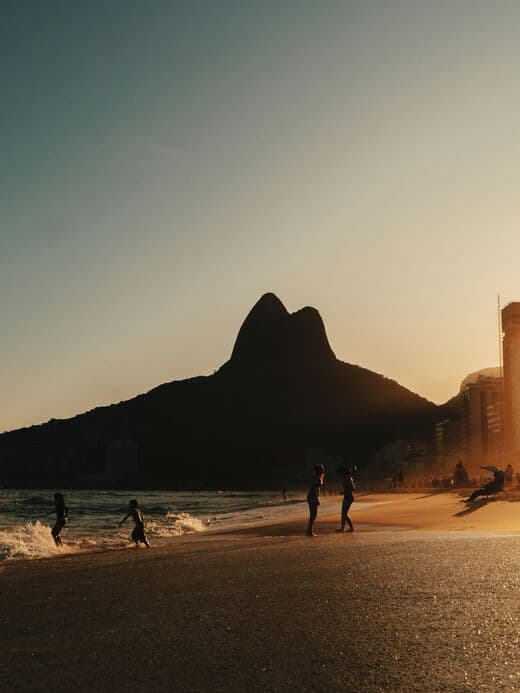
More upscale and relaxed than Copacabana. Ipanema Beach is divided into "postos" (lifeguard posts) - each with its own crowd: Posto 8 for surfers, Posto 9 for bohemians and LGBTQ+ community, Posto 10 for young crowd. District is rich with boutiques, restaurants, galleries. Sunsets with views of Dois Irmãos (Two Brothers) peaks are among the world's best.
Pros: Safer than Copacabana, stylish atmosphere, near Lagoa. Cons: More expensive, fewer budget options.
Leblon
Rio's most elite beach neighborhood. Quiet streets, upscale restaurants, family atmosphere. Fewer tourists, more wealthy locals. Beach is less crowded but also less colorful.
Pros: Safety, tranquility, quality. Cons: High prices, limited nightlife.
Botafogo
Traditional neighborhood at the foot of Sugarloaf. No swimming beach (polluted bay) but offers excellent views, authentic restaurants, and lower accommodation prices. Near metro and cable car to Pão de Açúcar.
Pros: Prices, atmosphere, views, convenience. Cons: No swimming beach.
Urca
Small cozy neighborhood on peninsula near Sugarloaf. One of Rio's safest areas. Home to Bar Urca - legendary spot for sunset drinks overlooking the bay. Limited accommodation options but unforgettable atmosphere.
Downtown and Porto Maravilha
Centro
Business and historic downtown. Bustles during the day, empties and becomes unsafe at night. Home to Municipal Theater, National Library, historic churches. Interesting for day visits, not recommended for staying.
Lapa
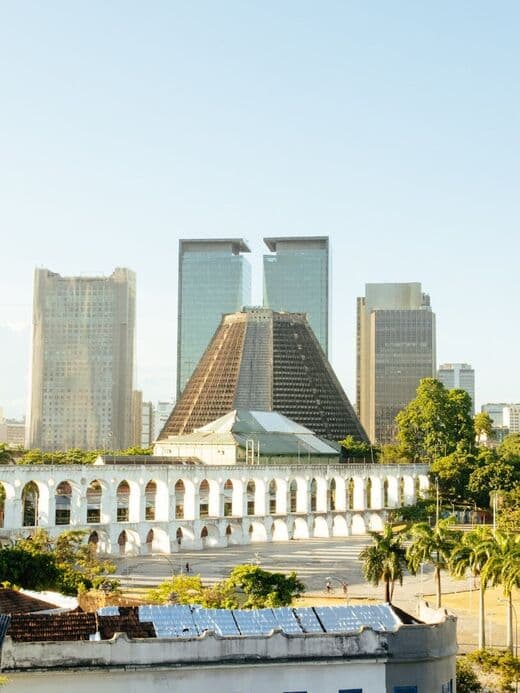
Bohemian district with the famous Arcos da Lapa (aqueduct). Nightlife epicenter: samba clubs, bars, live music every night. Accommodation here suits party lovers willing to accept noise and some danger.
Santa Teresa
Artistic hillside neighborhood with colonial architecture. Artist studios, boutique hotels in old mansions, the famous yellow tram (bondinho). Montmartre atmosphere in the tropics. Harder to reach but worth the effort.
Porto Maravilha
Renovated port district - main legacy of the 2016 Olympics. Museum of Tomorrow (Museu do Amanhã), Museum of Art of Rio (MAR), graffiti boulevard, AquaRio. Few hotels yet but excellent for day exploration.
Barra da Tijuca
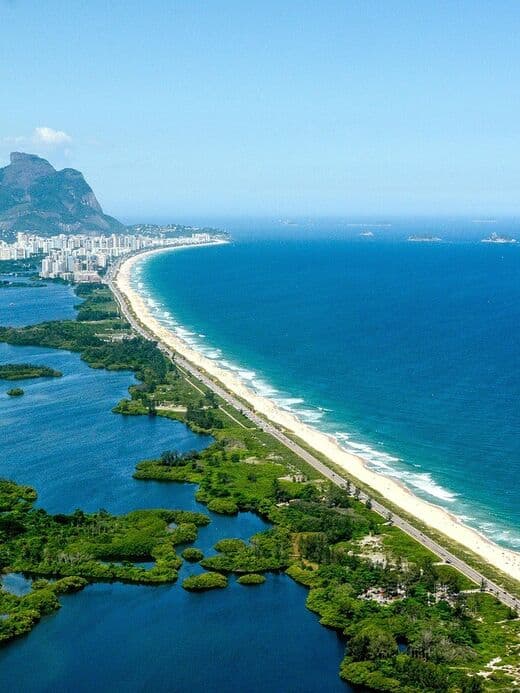
Modern western district with wide avenues, shopping malls, and a long beach. Built American-style: car-dependent. Home to Olympic Park and many sports venues. Suits families with children and surfing enthusiasts. 40-60 minutes to downtown by metro.
Neighborhood Recommendations
- First time in Rio: Copacabana or Ipanema - classic choice with beaches and infrastructure
- Budget travel: Botafogo or Copacabana hostels
- Romantic getaway: Urca or Santa Teresa boutique hotels
- Nightlife: Lapa or Copacabana/Ipanema border
- With children: Leblon or Barra da Tijuca
- Extended stay: Botafogo or Leblon (Airbnb apartments)
Top Attractions in Rio de Janeiro
Christ the Redeemer (Cristo Redentor)
The 125-foot statue atop Corcovado mountain - symbol of not just Rio but all of Brazil. Listed among the New Seven Wonders of the World. The viewing platform offers panoramic views: Guanabara Bay, Sugarloaf, South Zone beaches, Tijuca Forest.
Getting There: Red Corcovado Train from Cosme Velho station (R$100-140 depending on season) or minivans from Largo do Machado and Copacabana (R$80-100). The train ride is part of the experience: 20 minutes through Atlantic Forest.
Tips: Arrive early morning (8-9am) or on weekdays - fewer crowds. On cloudy days, views may be obscured by fog. Buy tickets online at paineirascorcovado.com.br.
Sugarloaf Mountain (Pão de Açúcar)
The 1,299-foot granite peak at the entrance to Guanabara Bay. Cable car ascends in two stages: first to Urca Hill (722 ft), then to Sugarloaf itself. Views are especially spectacular at sunset when the city lights up.
Information: Cable car operates 8am-9pm (last ascent 7:50pm). Tickets: R$140-180 (adults), R$70-90 (children). Hiking option to Morro da Urca is free but requires good fitness.
Selarón Steps (Escadaria Selarón)
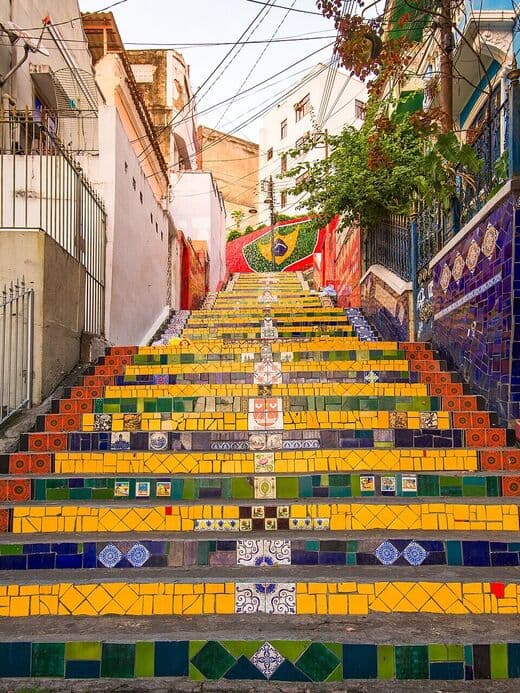
Famous 250-step staircase decorated with mosaic tiles by artist Jorge Selarón. Over 2,000 tiles from around the world create a kaleidoscope of colors. Connects Lapa and Santa Teresa districts. Free, but be mindful of belongings - area can be sketchy.
Maracanã Stadium
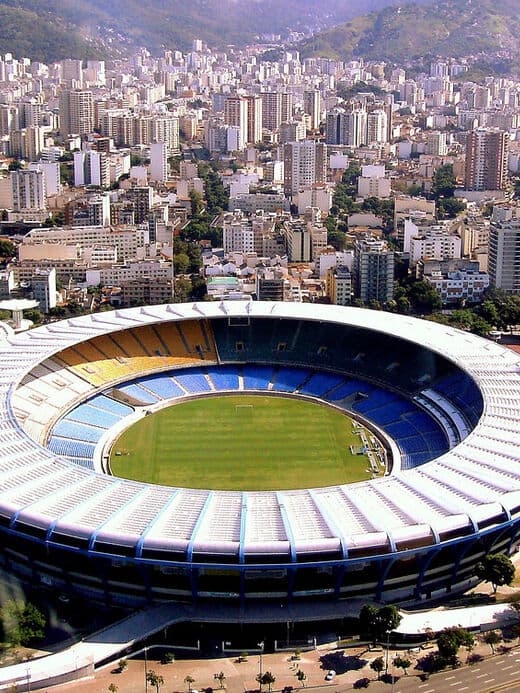
Legendary stadium that hosted two World Cup finals (1950, 2014) and the 2016 Olympics. Capacity after renovation: 78,000 seats. Tours (R$70) run daily, but the best experience is attending a match of local teams Flamengo or Fluminense. Tickets from R$50.
Botanical Garden (Jardim Botânico)
340 acres of tropical flora: 6,500 plant species including the famous avenue of imperial palms. An oasis of calm away from beach bustle. Admission R$40, open 8am-5pm.
Museum of Tomorrow (Museu do Amanhã)
Futuristic building by architect Santiago Calatrava on the renovated Porto Maravilha waterfront. Interactive exhibition about Earth, space, and sustainable development. Admission R$30, free on Tuesdays. Don't miss the surrounding plaza with reflecting pools and bay views.
Tijuca Forest (Floresta da Tijuca)
World's largest urban tropical forest - 15 square miles right in the city center. Waterfalls, hiking trails, wildlife (monkeys, toucans). Tijuca Peak (3,353 ft) is Rio's highest point. Free entry but accessible only by car or taxi.
Lagoa (Lagoa Rodrigo de Freitas)
Scenic lagoon in the heart of South Zone, surrounded by a 4.5-mile path for running and cycling. Hosted Olympic rowing competitions. Evenings see locals gathering at kiosks around the lagoon - try coconut water while watching sunset over the mountains.
What's New in Rio for 2025
Carnival 2025
Carnival 2025 (February 28 - March 5) promises to be among the largest in history. After pandemic restrictions of 2021-2022 and triumphant returns in 2023-2024, samba schools have prepared especially ambitious programs. Over 7 million participants and visitors expected, with economic impact estimated at $1.5 billion.
2025 Highlights:
- Expanded air-conditioned VIP zones at Sambadrome
- Enhanced security system with facial recognition
- New street bloco routes in Porto Maravilha
- Integration with Rio Carnaval 2025 app for real-time bloco tracking
Transportation Updates
2025 sees planned opening of Metro Line 4 extension to Gávea and new BRT stations. This improves connections between South Zone and western districts. Also rolling out is the unified Cartão Único transport card with NFC payment capability.
Cultural Spaces
Porto Maravilha district continues developing:
- New contemporary art pavilion near MAR
- Graffiti boulevard expansion to 2 miles
- Cultural center opening in renovated docks
Sustainability Initiatives
Rio is actively pursuing environmental programs:
- Guanabara Bay cleanup program showing results - water quality improving
- Bike path network expansion to 280 miles
- Bus fleet electrification (30% by 2025)
- Tijuca Forest restoration project
Rock in Rio 2025
The world's biggest music festival returns in September 2025 (typically held every two years). World-class headliners expected, two weekends of performances at Cidade do Rock. Tickets go on sale spring 2025 - watch the official website.
Réveillon 2025
New Year's Eve on Copacabana is one of the world's largest celebrations. In 2024, 2.5 million people attended. For 2025, expanded stage areas are planned, a new 16-minute fireworks display, and improved transportation logistics.
Rio de Janeiro Food Guide
Traditional Dishes
Feijoada
Brazil's national dish - hearty stew of black beans with pork (ears, tails, sausages, bacon). Traditionally served on Saturdays with rice, collard greens (couve), farofa (toasted cassava flour), and orange slices. One of the best restaurants is Casa da Feijoada in Ipanema. Portions are huge - one serves two people.
Churrasco
Brazilian barbecue, a philosophy of meat. At rodízio restaurants (all-you-can-eat), waiters carry skewers with various cuts - picanha, fraldinha, costela, linguiça - and slice meat directly onto your plate. Prices from R$100-150 at good places (Porcão, Fogo de Chão, Marius).
Cachaça & Caipirinha
Cachaça is Brazilian sugarcane rum, base of the famous caipirinha cocktail (cachaça, lime, sugar, ice). Try at Lapa bars or right on the beach at kiosks. Variations: passion fruit, mango, strawberry. Average price R$15-25.
Beach Food
Beach vendors are part of Rio culture:
- Mate - cold tea, sold from beach thermoses
- Globo - crispy cassava crackers
- Queijo coalho - grilled cheese on skewers
- Camarão - grilled shrimp
- Água de coco - coconut water straight from the nut
Restaurants and Bars
Fine Dining
- Oro (Leblon) - Felipe Bronze's restaurant, 2 Michelin stars. Tasting menus from R$500.
- Lasai (Botafogo) - farm-to-table by Rafa Costa. Reserve a month ahead.
- Oteque (Botafogo) - seafood by Alberto Landgraf, 2 Michelin stars.
Traditional Cuisine
- Bar Urca (Urca) - legendary sunset spot with petiscos (snacks).
- Confeitaria Colombo (Centro) - iconic 1894 bakery in belle époque style.
- Adega Pérola (Copacabana) - authentic Portuguese bar, open since 1957.
Budget Options
- Por-kilo restaurants: Pay by weight at buffet. R$50-70 for hearty lunch.
- Galeto: Grillhouses with roast chicken, rice, beans. R$30-40.
- Sucos: Fresh juice bars and açaí bowls. R$15-25.
Food Markets
- Feira de São Cristóvão - huge Northeastern culture market. Food, forró music, crafts. Friday through Sunday.
- Feira da Glória - Saturday organic market.
- Cadeg (São Cristóvão) - wholesale market with the best seafood.
Rio de Janeiro Nightlife
Lapa - Samba Capital
Lapa comes alive after 10pm when thousands spill into the streets. Epicenter: the Lapa Arches (Arcos da Lapa), where huge crowds gather Friday and Saturday nights. Samba clubs, pagode parties, live music - every bar has its own character.
Key Lapa Venues
- Rio Scenarium - three-story antique-filled club. Live samba and forró. Book ahead.
- Carioca da Gema - authentic samba and choro.
- Leviano Bar - roda de samba on Tuesdays.
- Beco do Rato - underground with live jam sessions.
Safety: Lapa is a neighborhood of contrasts. Stay on lit streets, don't carry valuables, use Uber to return. Safer in groups.
Beach Kiosks (Quiosques)
Beach evenings are an alternative to clubs. Copacabana and Ipanema kiosks stay open late, serving beer, caipirinhas, and ocean views. Popular spots:
- Quiosque do Chiquinho (Ipanema)
- Palaphita Kitch (Lagoa) - on stilts over the lagoon
- Bar da Laje (Vidigal) - sunset with favela views
Roda de Samba
Authentic musical experience - musicians sit in a circle, sing and play samba while the crowd joins in. Happens at bars, plazas, courtyards. Best rodas:
- Pedra do Sal (Centro) - Mondays and Fridays, historic site.
- Renascença Clube (Andaraí) - authentic roda in the north zone.
- Bar Semente (Lapa) - daily.
Clubs and Bars
Electronic Music and Clubs
- Fosfobox (Copacabana) - small underground club.
- Casa da Matriz (Botafogo) - electronic, indie, LGBTQ+-friendly.
- Miroir (Lagoa) - electronic music in unique space.
LGBTQ+ Scene
Rio is one of the world's most LGBTQ+-friendly cities:
- The Week (Centro) - massive gay club.
- Galeria Café (Ipanema) - bar near beach, Posto 9.
- Le Boy (Copacabana) - legendary drag club.
Favela Parties
Baile funk in favelas - unique but controversial experience. Electronic funk carioca, dancing until dawn. Group tours organized for tourists to relatively safe favelas (Vidigal, Rocinha). Never go independently without a local guide.
Shopping in Rio de Janeiro
Shopping Malls
- Shopping Leblon - upscale mall with premium brands. Architecture impresses as much as stores.
- Rio Sul (Botafogo) - South Zone's largest mall, 400+ stores.
- BarraShopping (Barra da Tijuca) - giant complex with Hot Zone aquarium.
- Shopping da Gávea - cozy mall with art-house cinemas.
Street Shopping
Hippie Fair (Feira Hippie de Ipanema)
Every Sunday at Praça General Osório. Crafts, souvenirs, clothing, art. Over 700 stalls. Bargaining expected - 20-30% discount is realistic.
Saara
Downtown shopping district - Brazilian bazaar. Thousands of stores with clothing, fabrics, accessories, carnival costumes. Low prices, chaotic atmosphere. Better on weekdays.
Rua Garcia D'Ávila (Ipanema)
Main fashion street with Brazilian designers: Farm, Animale, Osklen. High prices, excellent quality.
What to Buy
- Havaianas - famous flip-flops. Flagship store in Ipanema has full range including exclusives.
- Cachaça - choose artisanal brands (Leblon, Ypióca, Salinas). Airport duty-free has excellent selection.
- Coffee - Santos, Cerrado, Sul de Minas. Freshly roasted at Café do Ponto or Armazém do Café.
- Brazilian bikinis - Lenny Niemeyer, Blue Man, Rosa Chá. Sizing differs from US/European.
- Capoeira gear - abadá pants for capoeira practice.
- Gemstones - Brazil is rich in amethysts, tourmalines, topazes. H.Stern and Amsterdam Sauer are reputable jewelers with certificates.
- Football gear - Flamengo, Fluminense, Vasco jerseys. Official stores in Rio Sul.
Tax Refund
Brazil does NOT have a developed tax refund system for tourists, unlike Europe. Prices include taxes (around 45% total), making many goods more expensive than expected. Best discounts during sales (January, July).
Rio de Janeiro Budget Guide
Currency
Brazilian currency is the Real (BRL, R$). 2024-2025 rate: approximately R$5 = $1 USD. The Real is volatile - check rates before your trip.
Daily Costs
Budget Level (R$300-400/day, ~$60-80)
- Hostel: R$80-120/night
- Food: hotel breakfast, por-kilo lunch (R$40), street food dinner (R$30)
- Transport: metro and buses (R$40-50)
- Activities: beach (free), walking, one paid attraction
Mid-Range (R$600-900/day, ~$120-180)
- 3* hotel or Airbnb: R$300-400/night
- Food: breakfast included, lunch (R$60), restaurant dinner (R$120)
- Transport: taxi/Uber (R$100-150)
- Activities: 1-2 paid attractions
Comfort Level (R$1500+/day, ~$300+)
- 4-5* oceanfront hotel: R$800-1500/night
- Restaurants: R$300-500
- Private tours: R$400-600
- Unlimited taxi/Uber
Money-Saving Tips
- Beaches are free - Rio's main attraction costs nothing
- Por-kilo lunches - filling and cheap (R$40-60)
- Street bars over clubs - beer on street R$8, in club R$20
- Metro over taxis - R$6.90 vs R$30-50
- Free museum Tuesdays: Museu do Amanhã, MAR
- Hiking over cable car: climb to Morro da Urca is free
- Kiosks over restaurants: beach food is 2-3x cheaper
Hidden Costs
- Tipping: 10% usually included in bill (couvert), but not always
- Beach services: umbrella + chairs R$30-50/day, often free with kiosk orders
- Airport transfers: taxi from Galeão R$150-180
- Carnival tickets: from R$150 to R$3000+
- Hotel safes: often charged (R$20-30/day)
Payment and Money
- Visa/Mastercard accepted almost everywhere, but cash needed at markets and small shops
- Currency exchange: banks and casas de câmbio downtown. Airport rate 5-10% worse
- ATMs (caixas eletrônicos): Bradesco, Itaú, Banco do Brasil. Withdrawal R$1000-3000 at a time, R$20-30 fee
- Safety: don't withdraw money on street, use ATMs in shopping malls
Culture and Etiquette in Rio de Janeiro
The Carioca Character
"Carioca" is what Rio's residents are called, and the word describes not just geography but a way of life. Cariocas are relaxed, friendly, love to chat, and don't rush. "Brazilian time" is real: being 15-30 minutes late is normal, not offensive.
Physical Contact
Brazilians are tactile people. A greeting kiss on the cheek (one in Rio, two in São Paulo) is standard between men and women, women and women. Men hug and pat backs. People stand close when talking, touch arms. Don't pull away - it's seen as coldness.
Language
Portuguese is the only official language. Brazilian Portuguese differs from European Portuguese in pronunciation and vocabulary. English is understood in tourist areas, but basic Portuguese phrases open doors:
- "Tudo bem?" - How are you? (universal greeting)
- "Obrigado/a" - Thank you (o for men, a for women)
- "Por favor" - Please
- "Quanto custa?" - How much?
- "Cerveja, por favor" - Beer, please
- "Muito bom!" - Very good!
Religion
Brazil is the world's largest Catholic country, but religiosity here is eclectic. Afro-Brazilian cults (Candomblé, Umbanda) coexist with Catholicism. Many Brazilians attend both church and pai-de-santo (priest). Respect religious sites but don't be surprised by mixing of traditions.
Beach Culture
The beach in Rio is a way of life, not just a place to relax:
- Fashion: Brazilian bikinis are small, but locals don't perceive this as sexual - it's normal. Men wear sunga (briefs), not board shorts.
- Behavior: People eat, drink, play football and volleyball (futevôlei), blast music from speakers. Silence isn't expected.
- Valuables: Never leave belongings unattended. Bring only essentials.
- Postos: Beach is divided into zones around lifeguard towers. Each posto has its own crowd.
Samba and Music
Samba is more than music - it's a philosophy of life. Don't be shy to dance, even if you can't - Brazilians appreciate the effort. At rodas de samba, you're expected to sing along, clap, participate. Knowing at least one song (like "Aquarela do Brasil") makes you "one of us."
Practical Tips for Travelers
Safety
Rio has a reputation as a dangerous city, partly justified, but with reasonable precautions you can travel without problems:
General Rules
- Don't wear expensive jewelry, watches, visible cameras
- Keep phone in inner pocket, don't take it out on street
- Carry passport copy, leave original in hotel safe
- Use money belt under clothes
- At beach take minimum: towel, small amount of cash, cheap phone
Neighborhoods
- Safe day and night: Leblon, Ipanema, Urca
- Safe during day: Copacabana, Botafogo, Santa Teresa
- Caution: Lapa (at night in groups), Centro (empties at night)
- Avoid: favelas without guide, empty streets at night, beaches after dark
If Robbed
If you're "assaltando" (being robbed) - don't resist. Hand over what's demanded and leave. Life is more valuable than possessions. Robbers usually don't cause harm if there's no resistance.
Health
- Vaccinations: Yellow fever recommended (required for Amazon travel). Get it 10 days before trip.
- Mosquitoes: Dengue, Zika, Chikungunya - use repellents, especially at sunset
- Water: Tap water is technically safe but better to buy bottled
- Sun: Tropical sun is aggressive - SPF 50+, even on cloudy days
- Healthcare: Private clinics (Hospital Samaritano, Copa D'Or) are excellent. Travel insurance essential.
Connectivity
- SIM cards: Claro, Vivo, TIM sold at airport. Passport needed for registration. Prepaid package with 10 GB around R$50-70.
- Wi-Fi: Free in hotels, cafes, shopping malls. Rare on beach.
- Roaming: Expensive. Local SIM better.
Electricity
Brazil uses unique Type N outlets (three round pins). Voltage is 127V in Rio (220V in other states). US plugs don't fit - adapter needed. For phone charging USB usually works, but for hair dryers and other appliances - adapter required plus check voltage compatibility.
Useful Apps
- Uber / 99 - ride-hailing
- Moovit - public transit
- iFood / Rappi - food delivery
- Google Translate - offline Portuguese translation
- XE Currency - currency converter
- Rio Carnaval - bloco schedule (in season)
Rio de Janeiro Itineraries
Day 1: Classic Rio
- 8:00am - Ascend Corcovado to Christ the Redeemer (before crowds)
- 11:00am - Descend and lunch in Santa Teresa
- 2:00pm - Selarón Steps
- 3:00pm - Walk through Centro: Municipal Theater, Confeitaria Colombo
- 5:00pm - VLT tram to Porto Maravilha, Museum of Tomorrow
- 7:00pm - Sunset at Bar Urca with Sugarloaf views
- 9:00pm - Dinner in Botafogo
Day 2: Beaches and Sugarloaf
- 8:00am - Morning jog/walk along Copacabana
- 9:00am - Breakfast at café with ocean view
- 10:00am - Ipanema Beach: swimming, people-watching
- 1:00pm - Lunch at feijoada restaurant
- 3:00pm - Bike around Lagoa
- 5:00pm - Cable car to Sugarloaf (sunset)
- 8:00pm - Dinner in Leblon
- 10:00pm - Roda de samba in Lapa (Friday/Saturday)
Day 3: Nature and Culture
- 8:00am - Botanical Garden (cool, few people)
- 11:00am - Parque Lage - free, Corcovado views
- 1:00pm - Lunch in Jardim Botânico or Gávea
- 3:00pm - Hiking in Tijuca Forest (Vista Chinesa or waterfall)
- 6:00pm - Return, rest
- 8:00pm - Churrasco dinner at Porcão or Fogo de Chão
Day 4: Favelas and Stadium
- 9:00am - Favela tour in Rocinha or Vidigal (with guide)
- 12:00pm - Lunch in favela or en route
- 3:00pm - Maracanã (tour or match if available)
- 6:00pm - Feira de São Cristóvão (weekends)
- 9:00pm - Dinner and live music in Centro
Day 5: Islands and Departure
- 7:00am - Early departure for Ilha Grande or Niterói beaches (ferry)
- All day - Beaches, snorkeling, nature
- 5:00pm - Return to Rio
- 7:00pm - Farewell dinner on waterfront
- 9:00pm - Goodbye caipirinha with city views
Day Trips from Rio
- Petrópolis (37 miles): Imperial summer palace, mountain climate. 1 day.
- Búzios (105 miles): Resort peninsula with 20+ beaches. 1-2 days.
- Paraty (155 miles): 18th-century colonial town. 2 days.
- Ilha Grande: Car-free island, wild beaches. 2-3 days.
- Niterói: Niemeyer's Museum of Contemporary Art, Rio views. Half day.
Frequently Asked Questions About Rio de Janeiro
Safety
How dangerous is Rio for tourists?
Risk is exaggerated but real. In tourist areas (South Zone), problems are rare with basic safety precautions. Main threat is petty theft. Don't display valuables, don't walk dark alleys at night, and you'll likely be fine.
Can you walk around Copacabana at night?
On the promenade - yes, there are always people. In side streets - be careful, especially toward the hills. After 11pm, better to use Uber even for short distances.
Should I visit favelas?
Only with organized tours from reputable companies. Independently - absolutely not. Tours provide unique insight into city life and are generally safe.
Carnival
Can I experience Carnival without tickets?
Yes! Street blocos (blocos de rua) are free and happen throughout the city. It's arguably a more authentic experience than Sambadrome. Track schedules via Rio Carnaval app.
How many days do I need for Carnival?
Minimum 4-5 days to catch both street blocos and Sambadrome parade. Note that events happen before and after official dates too.
Practical Questions
Which neighborhood for first visit?
Copacabana - classic choice: central location, all amenities, metro, ocean views. Ipanema - if you want slightly quieter and more upscale.
How much money for a week?
Budget: $500-700. Mid-range: $1,000-1,500. Comfort: $2,000+. During Carnival, add 50-100% to these figures.
Do I need Portuguese?
English is understood in tourist areas, but basic Portuguese phrases greatly enhance the experience. Google Translate with offline pack is a must-have.
What internet should I use?
Buy local SIM card at airport (Claro or Vivo). Prepaid week package around R$50-70. Wi-Fi available in hotels and cafes but not on beach.
How do I get from Copacabana to Ipanema beach?
Walk along promenade - 20-30 minutes pleasant stroll. By metro - one stop (Cardeal Arcoverde → General Osório). By Bike Rio bicycle - 10 minutes.
Weather
Can you swim in July?
Yes, water is around 70-73°F (21-23°C) - refreshing but comfortable. Air 68-77°F (20-25°C), sunny.
Does it rain often?
Summer (December-March) - almost daily brief showers, usually afternoon. They don't ruin vacations - sun returns within an hour. Winter (June-August) - little rain.