Manila
Manila 2026: What to Know Before You Go
Manila is not a city that eases you in gently. Step out of Ninoy Aquino International Airport, and you are immediately confronted with a sensory overload: the humid air hits you like a wall, jeepneys blaring horns weave through traffic, and the energy of 14 million people going about their lives surrounds you. This is a megacity that makes no apologies for what it is.
Let me be direct: Manila is polarizing. Some travelers spend two days here and flee to Palawan or Cebu, dismissing the capital as chaotic and dirty. Others, like myself, find themselves captivated by its layers - the Spanish colonial architecture of Intramuros, the neon-lit modernity of Bonifacio Global City, the best food scene in Southeast Asia that nobody talks about, and the warmth of Filipinos who genuinely want you to love their country.
The reality is that Manila requires effort. Traffic is genuinely terrible - a 10-kilometer journey can take 90 minutes during rush hour. The poverty is visible and confronting. The infrastructure creaks under the weight of rapid urbanization. But if you approach Manila with patience and curiosity, you will discover a city with world-class museums (many free), incredible dining at every price point, a nightlife scene that rivals Bangkok, and a history that spans pre-colonial kingdoms, Spanish colonization, American occupation, and Japanese invasion.
Who should visit: Food lovers, history buffs, urban explorers, budget travelers, and anyone who appreciates authenticity over polish. Who should skip it: Those seeking pristine beaches (fly direct to Boracay), travelers uncomfortable with developing-world chaos, or anyone with only 3 days in the Philippines total - spend them on islands instead.
Neighborhoods: Where to Stay
Manila is not one city but a patchwork of distinct neighborhoods, each with its own character and price point. Choosing where to stay will fundamentally shape your experience. Here is my honest assessment of each area:
Makati
The financial heart of the Philippines and the default choice for business travelers and first-time visitors. Makati offers the most familiar experience for Western travelers: international hotel chains, excellent restaurants, upscale malls like Greenbelt and Glorietta, and relatively walkable streets. The Poblacion sub-neighborhood has transformed into Manila's hipster hub, packed with rooftop bars, craft cocktail spots, and boutique hostels.
Budget: Hostels from $12-18/night, mid-range hotels $50-80, luxury hotels $120-200. Best for: First-time visitors, business travelers, foodies, nightlife seekers. Drawbacks: Less authentic Filipino atmosphere, expensive compared to other areas, can feel sterile in the business district.
Bonifacio Global City (BGC)
If Makati is New York's Midtown, BGC is Hudson Yards - newer, shinier, and almost aggressively modern. This planned development offers the cleanest streets, best sidewalks, and most orderly traffic in Metro Manila. Bonifacio High Street is an open-air shopping and dining strip that feels transplanted from Singapore. The Mind Museum is here, excellent for families.
Budget: Hostels rare, mid-range hotels $60-100, luxury hotels $150-250. Best for: Families, those prioritizing safety and cleanliness, upscale travelers. Drawbacks: Feels disconnected from real Manila, limited budget options, can be soulless.
Ermita and Malate
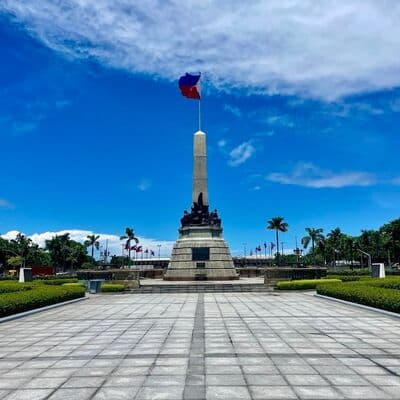
The traditional tourist belt along Manila Bay. This area peaked in the 1970s-80s and retains a faded grandeur alongside some seediness. Rizal Park is here, along with the National Museums cluster and easy access to Intramuros. Budget accommodation is plentiful, and the baywalk has been revitalized with food stalls and sunset views.
Budget: Hostels from $8-12/night, budget hotels $25-40, mid-range $45-70. Best for: Budget travelers, history enthusiasts, those wanting walkable access to major sights. Drawbacks: Some areas feel sketchy at night, infrastructure is aging, reputation for red-light activity in parts of Malate.
Intramuros
The historic walled city built by Spanish colonizers in the 16th century. Staying inside Intramuros puts you within walking distance of Fort Santiago, Manila Cathedral, San Agustin Church, and Casa Manila. A handful of boutique hotels have opened in restored colonial buildings, offering a unique atmosphere.
Budget: Limited options, boutique hotels $70-150. Best for: History lovers, photographers, those wanting a unique stay. Drawbacks: Very quiet at night, limited dining and nightlife, can feel isolated from modern Manila.
Binondo (Chinatown)
Binondo is the world's oldest Chinatown, established in 1594, and Manila's undisputed food capital. Staying here immerses you in narrow streets packed with century-old restaurants, traditional Chinese-Filipino bakeries, and the chaotic energy of a neighborhood that never seems to sleep. Accommodation is basic but cheap.
Budget: Budget hotels $20-35. Best for: Serious food travelers, those seeking authentic atmosphere. Drawbacks: Very few Western-standard hotels, noisy, challenging to navigate, limited English signage.
Pasay (Mall of Asia Area)
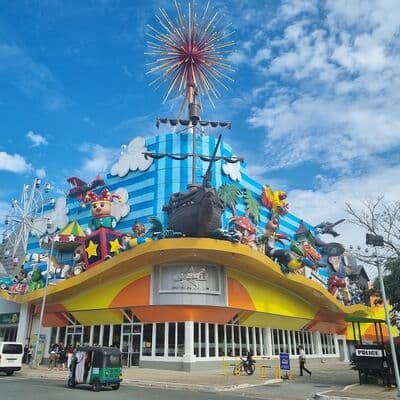
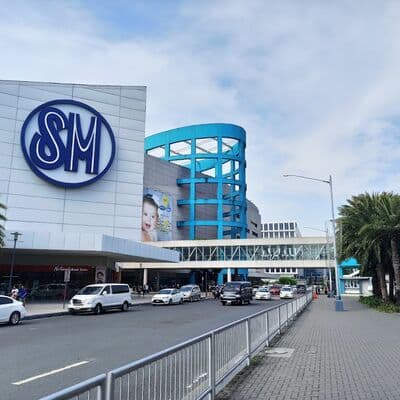
The area around SM Mall of Asia has developed into a tourist-friendly zone with hotels, the Manila Ocean Park, Star City amusement park, and easy airport access. It is functional rather than charming.
Budget: Mid-range hotels $40-70, casino hotels $80-150. Best for: Families, those with early flights, mall enthusiasts. Drawbacks: Soulless, traffic nightmare during peak hours, far from historic sights.
Ortigas
Another business district, quieter and more affordable than Makati. Good mid-range hotels, massive malls (SM Megamall is one of Asia's largest), but fewer tourist attractions. Works well as a base if you are visiting friends or doing business.
Budget: Mid-range hotels $40-65. Best for: Business travelers, those meeting locals, budget-conscious visitors wanting comfort. Drawbacks: Far from tourist sights, less walkable than Makati.
Best Time to Visit
Manila has two distinct seasons: dry (December to May) and wet (June to November). But within these broad categories, timing matters significantly for your experience.
Peak Season: December to February
This is Manila at its most pleasant. Temperatures hover around 26-31 degrees Celsius (79-88 Fahrenheit), humidity drops to bearable levels, and rain is rare. December brings the famous Filipino Christmas season - the longest in the world, starting in September - with elaborate decorations, parols (star lanterns) everywhere, and a festive atmosphere. January and February offer the best combination of weather and thinner crowds after the holiday rush.
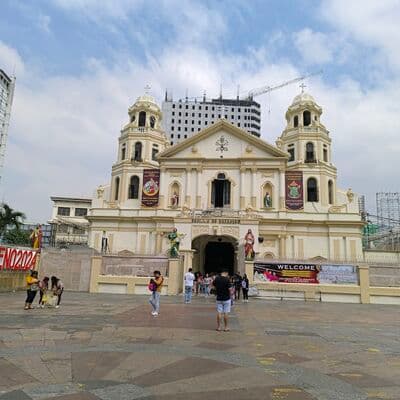
Expect: Hotel prices 20-30% higher, Christmas and New Year bookings needed months ahead, comfortable walking weather. The Feast of the Black Nazarene on January 9 draws millions to Quiapo Church - fascinating to witness but avoid the area unless you want to experience an intense religious procession.
Shoulder Season: March to May
March remains dry but temperatures climb. April and May are brutally hot - 34-38 degrees Celsius (93-100 Fahrenheit) with high humidity. Locals call this summer, schools are on break, and domestic tourism peaks. Holy Week (the week before Easter) sees Manila empty as residents flee to provinces and beaches. This is actually an excellent time to visit - eerily quiet streets, no traffic, but many businesses close Thursday through Sunday.
Expect: Intense heat requiring frequent air-conditioned breaks, Holy Week closures, Flores de Mayo festivals throughout the month with flower-decked processions.
Rainy Season: June to November
Rain falls almost daily, typically in intense afternoon downpours lasting 1-3 hours. Flooding is common and can paralyze the city - some streets become impassable, and traffic goes from bad to catastrophic. August and September bring typhoon season, with potential for serious storms disrupting flights and causing evacuations.
Expect: Lowest hotel prices (30-50% off peak), occasional flooding requiring flexible plans, lush green landscapes, fewer tourists. If you visit during rainy season, check weather forecasts daily and have backup plans. Many indoor attractions (museums, malls, Ayala Museum) become lifesavers.
Festivals Worth Planning Around
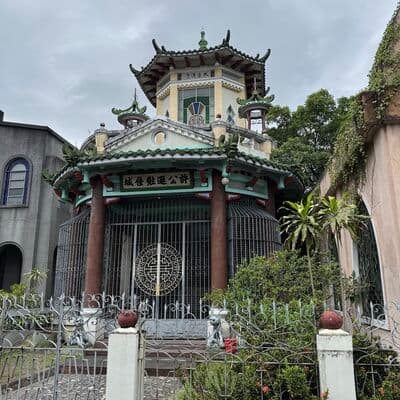
Sinulog (third Sunday of January, Cebu): Not in Manila, but flights fill up as locals travel. Chinese New Year (January/February): Binondo explodes with dragon dances and festivities. Independence Day (June 12): Parades and celebrations, government offices closed. All Saints Day (November 1): Filipinos visit cemeteries en masse - Manila Chinese Cemetery is particularly atmospheric.
Itinerary: 3 to 7 Days
3 Days: The Essential Manila
Day 1: Historic Manila
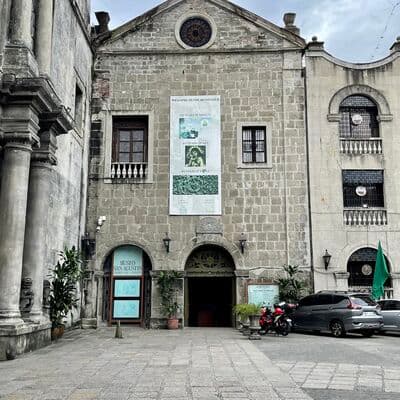
Start early (8:00 AM) at Intramuros before the heat builds. Enter through Fort Santiago ($2, opens 8 AM), exploring the ruins where national hero Jose Rizal was imprisoned. Walk to Manila Cathedral (free, allow 30 minutes) and then to San Agustin Church ($5, includes museum), the oldest stone church in the Philippines with stunning baroque architecture. Pop into Casa Manila next door to see how wealthy Spanish-era families lived.
Lunch at Barbara's Heritage Restaurant inside Intramuros (traditional Filipino buffet, $15) or grab cheap street food along General Luna Street. Afternoon: walk or take a bamboo bike tour around the walls, then head to Rizal Park for the flag ceremony at sunset (5:00 PM daily). Dinner in Ermita or grab a Grab to Poblacion in Makati for rooftop bars and modern Filipino cuisine.
Day 2: Museums and Modernity
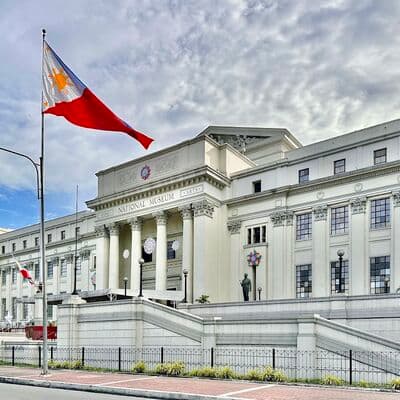
The National Museum complex is world-class and completely free. Start at the National Museum of Fine Arts (9:00 AM opening) to see Spolarium, the massive painting that defined Filipino nationalism. Cross to the National Museum of Natural History with its stunning tree-of-life atrium. If time permits, add the National Museum of Anthropology for pre-colonial artifacts.
Lunch in Binondo - this is non-negotiable. Take a Grab to Ongpin Street and eat your way through: siopao at Ying Ying, dumplings at Dong Bei, pancit at Eng Bee Tin. Afternoon: explore Escolta Street, Manila's former Wall Street now housing art galleries, coffee shops, and vintage stores in Art Deco buildings. Evening: head to BGC for dinner at Bonifacio High Street and experience Manila's modern face.
Day 3: Bay and Beyond
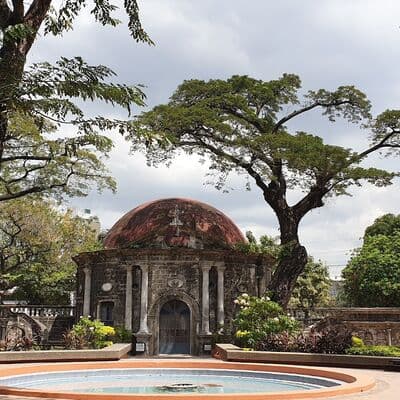
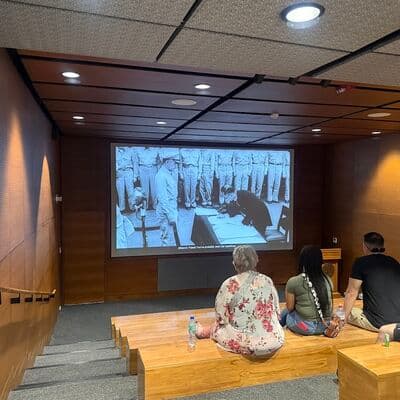
Morning at Manila American Cemetery (free, opens 9 AM), a sobering memorial to 17,000 American soldiers who died in the Pacific War. The grounds are immaculate and profoundly moving. Head to SM Mall of Asia for lunch (endless options) and, if traveling with kids, spend the afternoon at Manila Ocean Park. Otherwise, visit Paco Park, a peaceful former cemetery turned garden, or explore San Sebastian Church, the only all-steel church in Asia.
Sunset at Manila Bay (MOA area or Baywalk in Malate) - the sunsets here are genuinely spectacular due to pollution particles. Farewell dinner somewhere memorable: try Gallery by Chele (modern Filipino fine dining) or Toyo Eatery (innovative local ingredients).
5 Days: Adding Depth
Follow the 3-day itinerary, then:
Day 4: Art and Culture
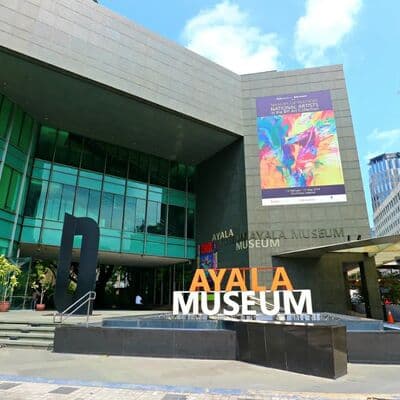
Morning at Ayala Museum in Makati ($10, allow 3 hours), with exceptional dioramas depicting Philippine history and a gold collection rivaling anything in Southeast Asia. Lunch at Salcedo Saturday Market (Saturdays only) or Legazpi Sunday Market (Sundays only) - both are food paradise. Afternoon: explore the Cultural Center of the Philippines for architecture and check performance schedules. Visit Coconut Palace if open (built for Pope John Paul II's visit using 70% coconut materials - yes, really). Evening: catch a performance or explore Poblacion's bar scene.
Day 5: Off the Beaten Path
Morning visit to Manila Chinese Cemetery - this is not morbid, it is fascinating. The tombs are houses with air conditioning, mailboxes, and in some cases swimming pools. The oldest residents have been here since the 1850s. Take a guided tour or explore independently. Head to Destileria Limtuaco Museum, the Philippines' oldest distillery dating to 1852, for a tour and tasting of local spirits including lambanog (coconut vodka).
Afternoon: venture to Quiapo district for the chaotic Quiapo Church market - religious items, herbs, counterfeit goods, fortune tellers, and everything in between. This is Manila at its most authentically chaotic. Evening: dinner in San Juan for sisig at Aling Lucing (credited as the dish's inventor) or return to Makati for a farewell night out.
7 Days: The Complete Experience
Follow the 5-day itinerary, then use days 6-7 for day trips:
Day 6: Tagaytay Day Trip
Two hours south of Manila (leave by 7 AM to beat traffic), Tagaytay offers cooler mountain air and views of Taal Volcano sitting within a lake within a volcano - a geological wonder. Visit the Puzzle Mansion (world's largest puzzle collection), eat bulalo (bone marrow soup) at Leslie's, and return via the scenic route through Silang for pineapple farms. Back in Manila for late dinner.
Day 7: Corregidor Island or Las Pinas
Option A: Corregidor Island, the island fortress at the mouth of Manila Bay where American and Filipino forces made their last stand against Japanese invasion. Full-day tours depart from the Mall of Asia area ($60-80 including ferry and guided tour), visiting tunnels, batteries, and memorials. Emotionally powerful and historically significant.
Option B: For something closer, visit Las Pinas to see the famous Bamboo Organ at St. Joseph Parish Church, the only organ in the world made almost entirely of bamboo (built 1816-1824). Combine with The Mind Museum if you have not yet visited, or revisit a favorite neighborhood for last-minute shopping and eating.
Where to Eat: Restaurants
Manila's food scene is seriously underrated. From street-side grills serving P50 ($1) meals to restaurants that could hold their own in any global capital, eating well here is easy at every budget level.
Street Food and Markets
Street food in Manila is not as ubiquitous as Bangkok or Hanoi, but it exists if you know where to look. Quiapo and Divisoria have the highest concentration of vendors - try kwek-kwek (deep-fried quail eggs in orange batter), isaw (grilled chicken intestines), and fish balls with sweet-spicy sauce. The Legazpi Sunday Market and Salcedo Saturday Market in Makati offer upscale street food in a sanitized environment - perfect for cautious eaters wanting to try local flavors safely. Budget: $1-3 per person.
Carinderias (Local Eateries)
These point-and-choose canteens are where regular Filipinos eat daily. Glass cases display pre-cooked dishes - select rice and two to three ulam (viands) for P80-150 ($1.50-3). Aristocrat on Roxas Boulevard is a legendary 24-hour institution serving classic Filipino dishes since 1936 - try their chicken barbecue. Aling Lucing in San Juan is essential for sisig. Amber in Pasig serves comfort food to packed crowds. Budget: $2-5 per person.
Mid-Range Restaurants
This is where Manila shines. Restaurants like Manam (multiple branches, modern Filipino, excellent for groups), Locavore (farm-to-table Filipino ingredients), and Sentro 1771 (updated classics) offer excellent food in comfortable settings for $10-20 per person. Binondo specialists like Sincerity Cafe (fried chicken, P280) and Quik Snack (dumpling noodles) deliver extraordinary value. Korean and Japanese restaurants cluster in Makati and BGC with quality rivaling Seoul and Tokyo at half the price.
Fine Dining
Manila has multiple restaurants on the Asia's 50 Best list, and they remain accessible by Western standards. Gallery by Chele offers modernist Filipino tasting menus ($80-120) in a stunning BGC space. Toyo Eatery deconstructs local ingredients into something revelatory ($60-80). Hey Handsome serves Thai-inspired fine dining, while Helm by Josh Boutwood pushes boundaries with local produce. Reservations essential for weekends. For splurges, Antonio's in Tagaytay (45-minute drive) ranks among Asia's finest restaurants.
Cafes and Bakeries
Coffee culture has exploded in Manila. Yardstick, The Curator, and Commune serve specialty coffee rivaling Melbourne or Portland ($3-5 for a flat white). Traditional bakeries (panaderias) in every neighborhood sell pan de sal (Filipino bread rolls) fresh from 4 AM - buy a dozen for P40 (under $1) and eat warm with butter. For pastries, Wildflour has gorgeous locations across the city with brunch to match.
What to Try: Food Guide
Filipino cuisine is the great undiscovered treasure of Asian food. Here are the essential dishes to seek out in Manila:
Adobo
The unofficial national dish: meat (usually chicken or pork, sometimes both) braised in vinegar, soy sauce, garlic, and bay leaves. Every Filipino family has their own version. Try it at Aristocrat for a classic rendition or at Manam for a modern crispy interpretation. Vegetarian versions with tofu and mushrooms are increasingly common.
Sinigang
A sour soup that defines Filipino comfort food. Tamarind (sampalok) provides the tartness, while pork ribs, shrimp, or fish add protein. Vegetables - kangkong (water spinach), radish, tomatoes - complete the dish. Have it with rice. Sentro 1771 does an excellent version. This is the dish homesick Filipinos crave most.
Sisig
Invented in Pampanga province, this dish of chopped pig face and ears sizzled on a hot plate with calamansi, chili, and often a raw egg has become a national obsession. Aling Lucing in San Juan is credited as the inventor. Sisig Hooray in malls offers a clean, modern version. Pairs perfectly with San Miguel beer.
Lechon
Whole roasted pig with impossibly crispy skin. Manila-style lechon is simpler than Cebu-style (which has more complex stuffing), but both are exceptional. Elar's Lechon in La Loma district has been roasting pigs since the 1940s and is the standard. Buy by the kilo (around P700, roughly $12) and share. The skin alone is worth the trip.
Kare-Kare
A rich oxtail and tripe stew in peanut sauce, served with vegetables and bagoong (fermented shrimp paste) for dipping. It sounds unusual but the combination is extraordinary - savory, nutty, and deeply satisfying. Cafe Juanita in Pasig and Manam both do excellent versions.
Bulalo
Beef bone marrow soup, best eaten in cooler Tagaytay where the steaming bowl and mountain air combine perfectly. The marrow is the prize - scoop it from the bone and spread on rice. Leslie's in Tagaytay is the classic destination, but Dencio's in Manila serves a solid version.
Halo-Halo
The ultimate Filipino dessert: shaved ice over sweetened beans, jellies, coconut, jackfruit, ube (purple yam) ice cream, and leche flan, topped with evaporated milk. Mix it all together (halo-halo means mix-mix) and eat with a long spoon. Milky Way Cafe in Makati is legendary, but Razon's (multiple locations) offers a cleaner, less overwhelming version.
Lumpia
Filipino spring rolls come in two main forms: fresh (lumpiang sariwa, with vegetables in a crepe wrapper with sweet sauce) and fried (lumpiang shanghai, meat-filled and crispy). Both are delicious. Street vendors sell fried lumpia for P5-10 each. Lumpiang Likha in Makati elevates the dish to an art form.
Local Secrets: Insider Tips
After extended time in Manila, here are the things I wish someone had told me on day one:
1. Grab is your lifeline. The ride-hailing app works like Uber and is the safest, most convenient way to navigate the city. Download before arrival and link a credit card. Cash payment is also accepted but cards avoid change hassles. GrabFood delivers from almost anywhere. GrabExpress sends packages. Just use Grab.
2. Traffic is not a joke. A 7-kilometer journey can genuinely take 2 hours during rush hour (7-10 AM, 5-9 PM). Plan accordingly. Schedule important meetings midday or late evening. Do not book a 6 PM dinner in Makati if you are in Intramuros at 5 PM - you will not make it.
3. Carry cash. While cards work in malls, hotels, and upscale restaurants, cash is king everywhere else. ATMs dispense PHP5,000-10,000 per transaction with P200-250 fees. Withdraw larger amounts less frequently. Keep small bills (P20, P50, P100) for jeepneys, tricycles, and street food.
4. National Museums are free and world-class. The National Museum of Fine Arts, Natural History, and Anthropology charge nothing and rival paid museums elsewhere in Asia. Go on weekday mornings to avoid crowds.
5. Water and ice. Tap water is not safe to drink. Bottled water is cheap (P15-20 for 500ml) and available everywhere. Ice in established restaurants is generally safe (made from purified water), but skip it at street stalls if you have a sensitive stomach.
6. Dress code matters. Churches (and there are many historic ones) require covered shoulders and knees. Many upscale restaurants and clubs enforce dress codes - no shorts, sandals, or sleeveless shirts for men. Pack at least one smart-casual outfit.
7. GCash changes everything. This mobile wallet app is used by virtually all Filipinos. Linking a local SIM and topping up cash at 7-Eleven allows you to pay at markets, small shops, and even some jeepneys where cards are not accepted. Extremely useful for longer stays.
8. Jeepneys are an experience, not efficient transport. These iconic vehicles are cultural treasures - converted WWII jeeps now painted in elaborate designs. Riding one is a rite of passage: flag it down, hand your fare (P12-15) forward through passengers, shout para (stop) when you reach your destination. But they are slow, confusing for newcomers, and increasingly being phased out. Take one for the experience, use Grab for efficiency.
9. Bargaining is expected in markets, not elsewhere. Haggle at Divisoria, Quiapo, and street vendors. Do not haggle in malls, restaurants, or with Grab drivers (prices are fixed). Start at 50% of asking price and settle around 70%.
10. Scams exist but are not aggressive. Unlike some Southeast Asian destinations, Manila does not have organized tourist scams. Be wary of overly friendly strangers with elaborate stories, taxi drivers who refuse to use meters (use Grab instead), and anyone offering unsolicited tours. Basic city smarts apply.
11. Load up on data. Buy a Globe or Smart SIM at the airport (P300-500 for tourist packages with unlimited data). Internet is essential for Grab, Google Maps, and translation apps. Pocket WiFi rental is an alternative for groups.
12. Filipinos are genuinely friendly. This is not a scam or an angle - Filipinos are among the warmest, most hospitable people in Asia. If someone offers to help with directions or recommendations, they probably mean it. Accept invitations to family gatherings if offered. You will eat well and make lifelong friends.
Transport and Connectivity
Getting from the Airport
Ninoy Aquino International Airport (NAIA) has four terminals spread across a wide area, and transferring between them requires shuttle buses (allow 45-60 minutes between terminals for connections). The airport's reputation for chaos is earned, but things have improved recently.
Grab: The easiest option. Walk to the designated pickup area (follow signs for ride-share), book through the app, and wait. Expect P250-400 to Makati, P300-500 to BGC depending on traffic and time. Surge pricing during peak hours can double these rates.
Airport Taxi: Yellow metered taxis charge fixed rates from booths outside arrivals - P500-700 to Makati with no haggling. Slightly more expensive than Grab but available immediately without waiting.
Bus: Premium bus services like UBE Express (P300-350) connect to major points in the city with comfortable, air-conditioned coaches. Useful if traveling light and comfortable with public transport.
Hotel Transfers: Many upscale hotels offer airport pickup for $30-50. Worth considering for late-night arrivals or those wanting zero hassle.
Getting Around the City
Grab: As mentioned, this is your primary tool. Works for cars, motorcycles (Grab Bike, faster but not for the faint-hearted), and food delivery. Add multiple payment methods and keep data on.
MRT/LRT: Manila has three elevated rail lines that are useful for specific routes. The MRT-3 line runs along EDSA (the main highway) connecting Quezon City to Makati and Pasay - useful for reaching Ayala (for Makati) and Taft Avenue (for the airport area and Baclaran market). Trains are crowded during rush hour but moving, which beats stationary traffic. Fares are P13-28. Single-journey tokens purchased at stations or beep cards (P100 minimum) reduce queuing.
Jeepneys: Fixed routes, P12-15 per ride, an authentic experience but confusing to navigate without local knowledge. Ask where a jeepney is headed before boarding (they announce destinations). Have exact change ready.
Tricycles: Three-wheeled motorcycles with sidecars that operate within neighborhoods. Useful for last-mile transport from main roads. Negotiate before boarding - P20-50 for short distances is fair.
Regular Taxis: Increasingly redundant given Grab reliability, but still available. Always insist on the meter (Meter po, pronounced may-ter poh) or agree on a fixed price before departure. White taxis are cheaper than yellow airport taxis.
Essential Apps
Grab: Transport, food delivery, package delivery. Essential. Google Maps: Works well for navigation, shows traffic accurately, integrates public transport options. Waze: Used by local drivers, sometimes faster routing than Google. GCash: Mobile payments if you obtain a local SIM. Klook: Book tours, attractions, and day trips with instant confirmation.
Internet and Communication
Globe and Smart are the main carriers. Tourist SIM packages at the airport offer 15-30GB data for P500-800. Coverage in Manila is generally good, though speeds can slow in crowded areas. Most hotels, cafes, and malls offer free WiFi. International roaming works but is expensive - local SIM is strongly recommended.
Messaging apps: Filipinos use Facebook Messenger extensively (more than WhatsApp or Line). Download it to communicate with tour operators, restaurants, and new Filipino friends.
Conclusion
Manila will not seduce you with pristine beaches or Instagram-perfect temples. It earns your affection gradually, through a transcendent bowl of sinigang at a fluorescent-lit carinderia, through the unexpected grandeur of a Spanish colonial church surrounded by modern chaos, through the genuine warmth of strangers who become friends over San Miguel beers and too much lechon.
Three days gives you a taste - the historic core, a museum or two, the best food of your Southeast Asia trip. Five days allows depth - exploring neighborhoods, finding your favorite late-night haunts, maybe a day trip to Tagaytay or Corregidor. A week lets Manila reveal itself fully, including the beautiful contradictions that make megacities fascinating.
This is not the Philippines that travel brochures sell. The beaches and rice terraces are elsewhere, and they are worth your time too. But Manila is the soul of this country - chaotic, generous, maddening, and unforgettable. Give it a chance. Come hungry. Stay patient. You might just fall in love with a city you never expected to.