Chiang Mai 2025: Complete Travel Guide to Northern Thailand's Cultural Capital
Chiang Mai is the soul of Northern Thailand, a city where ancient temples stand beside trendy coffee shops, where saffron-robed monks walk past digital nomads on their morning alms rounds. This 700-year-old city was once the capital of the powerful Lanna Kingdom, and its unique culture, distinct from central Thailand, permeates every temple, every dish, and every welcoming smile. If Bangkok is the heart of modern Thailand, Chiang Mai is its spiritual soul.
Nestled in the Himalayan foothills, surrounded by misty mountains and rice paddies, Chiang Mai offers a completely different rhythm compared to the hustle of southern beach resorts. There are no beaches here, but something deeper awaits - the chance to experience authentic Thai culture, taste the country's finest cuisine, learn meditation in a Buddhist monastery, or simply enjoy life in one of Southeast Asia's most comfortable cities for extended stays.
In 2025, Chiang Mai continues to attract a diverse crowd: yoga practitioners and spiritual seekers, digital nomads working from countless coworking spaces, jungle trekkers, and connoisseurs of northern Thai cuisine. The city perfectly balances tradition preservation with modern comfort, offering developed infrastructure without losing authenticity.
The Old City, encircled by remnants of ancient walls and a moat, contains over 300 temples - more than any other city in Thailand. Beyond its boundaries sprawl trendy neighborhoods with contemporary art galleries, organic restaurants, and boutique hotels. Just an hour away lie national parks with waterfalls, hill tribe villages, and elephant sanctuaries practicing ethical tourism.
Best Time to Visit Chiang Mai
Cool Season (November - February): Perfect Weather
This is peak season and the ideal time to visit Chiang Mai. Daytime temperatures hover around a comfortable 77-86°F (25-30°C), while nights in the mountains can drop to 50-59°F (10-15°C) - a true rarity for Thailand. Rain is virtually nonexistent, skies are clear, and the air is fresh. This is when major festivals occur: Loy Krathong in November with thousands of lanterns floating skyward, and Yi Peng - the unique northern festival of lights. Hotel prices run 30-50% higher, and booking 1-2 months ahead is essential. This is also the best period for trekking and visiting hill tribe villages.
Hot Season (March - May): Heat and Smoke Challenge
The most challenging period for visitors. Temperatures reach 95-104°F (35-40°C) with high humidity. But the main issue is burning season, when agricultural burning creates smog blanketing the entire region. Air Quality Index (AQI) can exceed 200-300 - hazardous to health. March-April are particularly critical. However, Songkran (Thai New Year, April 13-15) brings famous water fights. Hotel prices drop 40-60%, but staying for months is not recommended. N95 masks are essential.
Rainy Season (June - October): Green Beauty
Monsoon rains bring relief from heat and clear the smog. Temperatures range 77-90°F (25-32°C), with rains usually brief, in the afternoon. Nature is incredibly lush, waterfalls are full, rice terraces glow emerald green. Far fewer tourists, prices 20-40% lower. However, trekking can be difficult due to slippery trails, and some mountain roads wash out. September-October is a transitional period with minimal rain and excellent prices. Great for extended stays.
Climate Considerations for 2025
Recent years show worsening smoke seasons. The government is introducing measures: burning restrictions, reforestation programs, but the problem persists. Air monitoring apps (IQAir, AirVisual) are essential. If you're sensitive to air quality, plan your visit for November-February or June-October, avoiding March-April entirely.
How to Get to Chiang Mai
Chiang Mai International Airport (CNX)
The airport sits just 2.5 miles (4 km) from the Old City - incredibly convenient. International connections include: Singapore (Scoot, SilkAir - 3 hours), Hong Kong (Cathay Pacific - 3 hours), Kuala Lumpur (AirAsia - 3 hours), Seoul (Korean Air, Jin Air - 5 hours), and various Chinese cities. From Western countries, connections typically route through Bangkok, Singapore, or Hong Kong. Round-trip tickets from the US via Bangkok run $800-1,500 depending on season and booking timing.
From airport to city center: metered taxi around 150 baht ($4.50, always insist on the meter!), Grab 100-150 baht ($3-4.50), tuk-tuk 100-150 baht with bargaining. Red songthaews (shared pickups) cost 40 baht ($1.20) per person but run irregularly. Many hotels offer free airport transfers - check when booking.
From Bangkok by Land
The overnight train is a Thai travel classic. Departure from Hua Lamphong Station (MRT line) or Bang Sue Grand Station. Journey time: 12-14 hours. Second-class sleeper with A/C runs about 800-1,000 baht ($24-30), first class with private cabin 1,500-2,000 baht ($45-60). Book through railway.co.th or 12Go.asia. Reserve 2-3 weeks ahead during high season. The train arrives at Chiang Mai Station, 15 minutes from the Old City.
Buses are faster and cheaper but less comfortable. VIP buses by NCA (Nakhonchai Air) are the best choice: 700-900 baht ($21-27), 10 hours, wide seats, WiFi, meals included. Departures from Mo Chit Northern Bus Terminal. Budget buses from 400 baht ($12), but quality varies significantly.
Domestic Flights
The fastest way from Bangkok - just 1 hour 10 minutes. Low-cost carriers AirAsia, Nok Air, and Lion Air offer tickets from 1,000 baht ($30) with early booking. Thai Smile (Thai Airways subsidiary) costs slightly more but offers better service and included baggage. During high season, book at least a month ahead. Don Mueang Airport (DMK) serves low-cost carriers, Suvarnabhumi (BKK) handles traditional airlines.
Visa Information
Citizens of the US, UK, most EU countries, Australia, and many others receive visa-free entry for 60 days (extended from 30 days in 2024). One extension of 30 days possible at immigration (1,900 baht/$57). For longer stays: Tourist Visa (TR) for 60 days + 30-day extension, or the new DTV (Destination Thailand Visa) for 180 days - designed for digital nomads and remote workers. DTV requires proof of $500/month income and insurance coverage.
Getting Around Chiang Mai
Red Songthaews: Chiang Mai's Symbol
Red pickup trucks with roofs and benches are the city's main public transport. They technically run as buses but more often function as shared taxis. Simply flag one down, state your destination, and the driver will quote a price or nod agreement. Within the Old City and nearby areas: 30-40 baht ($1-1.20) per person. Outside the center: 50-100 baht ($1.50-3), bargain politely. You may wait 5-15 minutes for fellow passengers. Excellent for short distances. Prices double at night.
Grab: Modern Alternative
The Grab app (Southeast Asia's Uber) is the most convenient transportation option. Fixed prices, no haggling, pay by card or cash. Clean cars with A/C. Minimum ride from 40 baht ($1.20), cross-city trips 100-200 baht ($3-6). GrabBike (motorcycle taxi) is even cheaper - from 25 baht ($0.75). Works excellently with rare delays. Only downside: during rush hour, cars may be scarce.
Motorbike Rental: Freedom to Explore
The most popular option for independent travelers. Scooter rental (Honda Click, Scoopy) runs 150-250 baht ($4.50-7.50) per day, cheaper by the week. Deposit 2,000-3,000 baht ($60-90) or passport (cash deposit preferred). International license with motorcycle endorsement technically required but rarely checked. Helmets mandatory - 500 baht ($15) fine. Gas is cheap: a full tank costs 80-100 baht ($2.50-3) and covers 100-125 miles (150-200 km). Main dangers: left-side driving, dogs on roads, sudden downpours. Many one-way streets in the Old City - study the map.
Car Rental
For mountain and national park trips, a car is more convenient. From 800-1,200 baht ($24-36) per day for basic models, 1,500-2,500 baht ($45-75) for SUVs. International license required. Left-side driving, roads are good quality even in mountains. City parking is problematic - hotels with parking preferred. Gas about 40 baht ($1.20) per liter. CDW insurance strongly recommended.
Bicycles
The Old City is compact and flat - ideal for cycling. Rental from 50 baht ($1.50) per day for basic bikes, 150-200 baht ($4.50-6) for good mountain bikes. Electric bikes gaining popularity - 300-500 baht ($9-15) per day. Many guesthouses offer free bikes to guests. Caution: sidewalks often occupied by vendors, you'll ride on streets.
Chiang Mai Neighborhoods
Old City: The Historic Heart
A square roughly 1 mile × 1 mile (1.5 km × 1.5 km), surrounded by remnants of medieval walls and a moat. Most temples concentrate here, including Wat Phra Singh and Wat Chedi Luang. Streets are calm, tree-lined, with a peaceful atmosphere. Ideal for first-time visitors - everything within walking distance. The Sunday Walking Street night market is the week's main event. Accommodation: from simple guesthouses at 300 baht ($9) to boutique hotels at 3,000-5,000 baht ($90-150). Downsides: limited nightlife, restaurants close early, fewer modern cafes.
Nimman: Trendy and Creative
The district west of the Old City, near Chiang Mai University. Epicenter of modern life: designer cafes, galleries, boutiques, trendy restaurants, coworking spaces, MAYA shopping mall. Young people, digital nomads, and expats congregate here. Livelier nightlife than the center. Prices higher on everything: coffee 100-150 baht ($3-4.50) instead of 50, food averages 30-50% more. Hotels 1,500-4,000 baht ($45-120). Ideal for long-term stays and remote work. 10-15 minutes to Old City by songthaew.
Santitham: Quiet and Convenient
Between the Old City and Nimman - the golden middle. Less touristy, more residential. Excellent value: decent condos from 8,000 baht ($240) monthly, good local restaurants, several quality coffee shops. Many long-term expats. Close to the Old City's northern gate and popular temples. Peaceful for living but not boring.
Doi Suthep Foothills
West of Nimman, climbing toward Doi Suthep mountain. Suthep and Huay Kaew neighborhoods are greener and cooler. The zoo is located here, and the road to Doi Suthep temple begins. Hotels with city and mountain views. Quieter but farther from center. Popular among those attending meditation courses and retreats.
Chang Puak: The Northern Gate
The area north of the Old City, known for its gate with the white elephant statue. Popular night market with the best street food. Less touristy, more local. Good guesthouses at reasonable prices. Near the bus station - convenient for trips. More authentic atmosphere, less Western influence.
Suburbs: San Kamphaeng and Hang Dong
East and south of the city - suburbs with traditional craft workshops: umbrellas, silk, lacquerware, silver. San Kamphaeng Road is the 'handicraft mile' with factories and shops. Large shopping centers here too: Central Festival, Premium Outlet. Hang Dong area known for antique shops and organic farms. For accommodation - only if you have a car or motorbike.
Top Attractions
Doi Suthep Temple (Wat Phra That Doi Suthep)
Chiang Mai's principal shrine and city symbol, perched atop a mountain 9 miles (15 km) from center at 3,460 feet (1,055 m) elevation. The 14th-century golden chedi is visible from anywhere in the city on clear days. Climbing 309 steps (or taking the funicular for 50 baht/$1.50) leads to a temple complex with stunning city and valley panoramas. Entry 30 baht ($1). Best time: early morning or sunset. Reach by songthaew from the northern gate (150 baht/$4.50 round-trip with waiting) or your own transport. Viewpoints and waterfalls along the way.
Wat Phra Singh
The most revered temple in the Old City, built in the 14th century. Famous for the Phra Singh Buddha statue - one of Thailand's three holiest. Architecture in Lanna style with characteristic multi-tiered roofs. A living temple: ceremonies occur here, monks study, locals come to pray. Free entry for Thais, 40 baht ($1.20) for foreigners. Visit early morning when monks chant mantras, or evening by candlelight.
Wat Chedi Luang
Ruins of a massive 15th-century chedi, partially destroyed by an earthquake in 1545. Impressive even in ruins - originally reaching 260 feet (80 m). Once housed the Emerald Buddha, now in Bangkok. Active temple with a meditation hall. Evening Monk Chats offer informal English conversations with monks - an excellent opportunity to learn about Buddhism firsthand. Entry 40 baht ($1.20).
Silver Temple (Wat Sri Suphan)
A unique temple entirely decorated with silver and aluminum by silversmith guild craftsmen. Gleaming walls covered with reliefs depicting Buddha's life. Located on Wualai Road, the silversmiths' street. Best visited in the evening when lighting creates magical effects. Saturday night market held here. Women cannot enter the main building (exterior viewing fine). Entry 50 baht ($1.50), includes silver museum visit.
Lanna Folklife Museum
A former colonial-style courthouse telling the story of Lanna Kingdom culture and traditions. Exhibitions on crafts, costumes, religious ceremonies, and northern Thai daily life. Excellent introduction to regional culture before temple visits. Combined ticket with Art Center and Historical Museum (180 baht/$5.40 for all three). Good cafe on the ground floor.
Night Markets
Chiang Mai is Thailand's night market capital. The Sunday Walking Street on Ratchadamnoen Road is the biggest and most atmospheric - a kilometer of stalls with crafts, food, and massage. Starts at 4 PM, peaks around 8 PM. Saturday market on Wualai Road is slightly less crowded, specializing in silver. Night Bazaar operates every evening - more commercial, lots of tourist souvenirs. Chang Puak Gate night market is best for food, home of the famous Khao Kha Moo (braised pork leg with rice).
What's New in Chiang Mai 2025
Light Rail Transit (Project)
The long-awaited light rail project has finally received funding and begins implementation. The first line will connect the airport, railway station, and Old City. Full opening scheduled for 2028-2029, but preparatory work has started. This will dramatically change the city's transportation situation, which suffers from rush-hour congestion.
New Elephant Camp Regulations
The government is tightening control over elephant camps. From 2025, performances and elephant riding without new-form licenses are prohibited. Priority goes to ethical sanctuaries where elephants live in near-natural conditions. Elephant Nature Park, Elephant Jungle Sanctuary, and similar projects are becoming the standard. Tourists are advised to choose only certified centers.
Anti-Smog Measures
The government introduces measures to combat burning season: farmer subsidies for not burning, drones for fire monitoring, fines for illegal fires. Air purification stations being installed in public spaces. Effects remain limited, but the situation is gradually improving. Recommendation: N95 masks in March-April.
Digital Nomad Updates
The Destination Thailand Visa (DTV), introduced in 2024, is working successfully. A 180-day visa for remote workers, freelancers, and digital nomads. Requirements: $500/month income, insurance, no criminal record. Can be extended another 180 days without leaving. Chiang Mai is the top DTV destination. Coworking spaces, communities, and infrastructure for remote workers are actively developing.
Temple and Museum Updates
Several major temples have completed restoration: Wat Chedi Luang received new lighting, Wat Phra That Doi Suthep got an upgraded viewing platform. MAIIAM Contemporary Art Museum expanded its Asian contemporary art collection. The historic center has received new multilingual information boards.
Chiang Mai Cuisine
Northern Thai Cuisine (Lanna)
Northern Thai cuisine differs from central and southern: less spicy, more herbs and fermented products, Burmese and Chinese influences. Khao Soi is the signature dish: egg noodles in coconut curry with chicken or beef, topped with crispy noodles. Nam Prik Num is a spicy green chili paste with vegetables. Sai Ua is northern sausage with lemongrass and galangal. Kaeng Hang Le is Burmese-style pork curry. Khao Kha Moo is braised pork leg with rice. Laab Muang is spicy minced meat salad, northern style.
Where to Try Authentic Food
Best Khao Soi: Khao Soi Khun Yai (50 baht/$1.50), Khao Soi Mae Sai (60 baht/$1.80), Khao Soi Lam Duan (70 baht/$2). Each has its own recipe and devoted fans. Chang Puak night market: stall #6 with Khao Kha Moo is legendary - a 20-30 person queue is worth it (50 baht/$1.50). Warorot Market (Kad Luang) is the largest day market - breakfast with locals. SP Chicken on Siri Mangkalajarn Road serves the best grilled chicken. Huen Phen is a northern cuisine restaurant in an old house - atmospheric and delicious (150-300 baht/$4.50-9).
Vegetarian and Vegan Scene
Chiang Mai is a vegetarian paradise. Buddhist cultural influence and the yoga community have made plant-based food mainstream. Pun Pun is an organic farm and restaurant at Wat Suan Dok (50-80 baht/$1.50-2.40). Anchan Vegetarian serves Thai vegan cuisine (60-100 baht/$1.80-3). Blue Diamond is a legendary cafe with Western and Thai vegan dishes. Free Bird Café is a social enterprise with a vegan menu. Most restaurants have vegetarian options - just say 'jay' (เจ) or 'mang-sa-wi-rat' (มังสวิรัติ).
Coffee Culture
Chiang Mai is Thailand's coffee capital. Local coffee is grown in the region's mountains, high-quality arabica. Ristr8to has won multiple world barista championships, known for signature latte art (120-150 baht/$3.60-4.50). Akha Ama sources coffee from the Akha hill tribe, a social enterprise (80-120 baht/$2.40-3.60). Graph Café offers minimalist design and excellent coffee. Roast8ry does micro-roasting and coffee tours. Hundreds of cafes range from hipster to traditional. Average prices: espresso 50-80 baht ($1.50-2.40), latte 80-120 baht ($2.40-3.60).
Street Food
Safe and delicious. Look for places with queues of Thai locals - a quality sign. Average lunch: 40-60 baht ($1.20-1.80). Pad Thai 50 baht ($1.50), Som Tam (papaya salad) 40 baht ($1.20), Mango Sticky Rice 50 baht ($1.50). Fresh juices 30-40 baht ($1-1.20). Smoothie bowls in tourist areas 100-150 baht ($3-4.50). Night markets are best for street food safaris: try small portions of everything.
Nightlife
Nightlife Characteristics
Chiang Mai is not Bangkok or Phuket. Nightlife exists but is calmer and closes earlier (officially at midnight, realistically 1-2 AM). Fewer nightclubs, more relaxed bars with live music. The atmosphere is friendly and laid-back. Nimman is the main evening entertainment hub: restaurants stay open late, bars until 1 AM.
Bars and Music
Zoe in Yellow is a bar and club complex near the university, popular with students and tourists, live music, cheap drinks (beer from 80 baht/$2.40). Warmup Café is a major club with electronic music, 200-300 baht ($6-9) entry includes a drink. The North Gate Jazz Co-Op is a legendary jazz bar with live performances every night from 9 PM (free entry, beer 100 baht/$3). Boy Blues Bar features blues and rock in an authentic setting. Nimman rooftop bars offer cocktails with sunset views.
Beer Bars and Craft
Craft beer in Thailand faces legal challenges, but the scene is developing. Beer Republic offers wide imported craft selection. Mikkeller Chiang Mai is a Danish craft bar. Local beers: Singha, Chang, Leo - 60-100 baht ($1.80-3) at bars. Imported craft 200-300 baht ($6-9). Pool parties at Nimman hotels are a recent trend.
Night Markets as Entertainment
Sunday Walking Street combines shopping, food, and street performances. Musicians, artists, masseuses on every corner. Saturday Wualai market is slightly calmer. Nightly Night Bazaar is more commercial but has live music stages. Ploen Ruedee Night Market offers a modern format with food court and music.
Shopping
Lanna Handicrafts
Chiang Mai is Thailand's craft center. Silver: Wualai district, handmade pieces from 200 baht ($6) to tens of thousands. Paper and silk umbrellas: Bo Sang factory (you can make your own with painting). Lacquerware in Burmese style. Wood carving: from elephant figures at 100 baht ($3) to furniture. Textiles and silk: hill tribe embroidery, ikat and batik fabrics. Celadon pottery: green glaze in ancient technique, tableware and decor. Handmade soap and cosmetics with Thai herbs.
Where to Shop
Walking Street (Sunday) offers the best craft selection at reasonable prices. Bargain politely - 10-20% discount is realistic. Wualai (Saturday) specializes in silver. Night Bazaar has more tourist pricing but operates daily. Warorot Market is a local market, good for fabrics and spices. Baan Tawai is a craft village 9 miles (15 km) from the city, wholesale furniture and decor. Prathan Road has silver workshops. San Kamphaeng Road hosts silk and umbrella factories.
Shopping Malls
MAYA Lifestyle Shopping Center is Nimman's main mall - 7 floors, cinema, restaurants, shops. Central Festival is the city's largest, on the southern ring road, all brands represented. Central Airport Plaza is convenient before departure. Promenada Resort Mall on the eastern outskirts offers outlet format. Robinson is a classic department store in the center. Mall A/C provides heat relief!
Local Products
Northern Thai coffee makes an excellent gift. Akha Ama and Doi Chang are known brands. Miang Kham leaves and spices for traditional snacks. Honey and nuts from mountain areas. Nam Prik chili pastes (vacuum-packed for transport). Thai herbs: lemongrass, galangal, kaffir lime leaves. Silk scarves and fabrics. Airport shops are more expensive - buy in town.
Budget and Costs
Budget Option: $30-45/day
Quite possible to live well on this budget. Hostels or guesthouses: 200-400 baht ($6-12) for dorm beds, 400-700 baht ($12-21) for private rooms with fan. Street food: 40-60 baht ($1.20-1.80) per meal, three times daily = 150 baht ($4.50). Transport: songthaews and walking - 50-100 baht ($1.50-3). Temples: many free, paid ones 30-50 baht ($1-1.50). Massage: Thai massage from 200 baht ($6)/hour. Entertainment: night markets are free, coffee 50-80 baht ($1.50-2.40). Week = $200-300.
Mid-Range Budget: $60-100/day
Comfortable travel at this level. 3-star hotels or boutique guesthouses: 800-1,500 baht ($24-45) with breakfast. Cafe breakfast: 150 baht ($4.50), restaurant lunch: 150-200 baht ($4.50-6), dinner: 300-500 baht ($9-15). Grab instead of songthaews: 100-200 baht ($3-6) daily. Excursions: elephant sanctuary 2,500 baht ($75), trekking 1,000-2,000 baht ($30-60), cooking class 1,500 baht ($45). Spa-level massage: 500-1,000 baht ($15-30). Coffee shops and bars: 300-500 baht ($9-15) daily. Week = $400-700.
Comfort and Luxury: $150+/day
Premium hotels: Four Seasons, 137 Pillars, Dhara Dhevi - 8,000-30,000 baht ($240-900) per night. Private tours with guides. Spa treatments at luxury hotels: 3,000-10,000 baht ($90-300). Fine dining: 1,500-5,000 baht ($45-150) per dinner. Private transport and driver. Personalized experiences: private meditation lessons, helicopter tours, exclusive access.
Long-Term Stay
A month in Chiang Mai: $750-1,500 is realistic with moderate expectations. Studio rental: 6,000-12,000 baht ($180-360)/month (furnished, A/C, internet). Condo with pool: 10,000-20,000 baht ($300-600). Food: 10,000-15,000 baht ($300-450), alternating street food with restaurants. Coworking: 3,000-5,000 baht ($90-150)/month or 200-300 baht ($6-9)/day. Motorbike: 3,000 baht ($90)/month. Utilities: 1,000-2,000 baht ($30-60). Many digital nomads live on $800-1,500 monthly.
Culture and Traditions
Buddhism in Daily Life
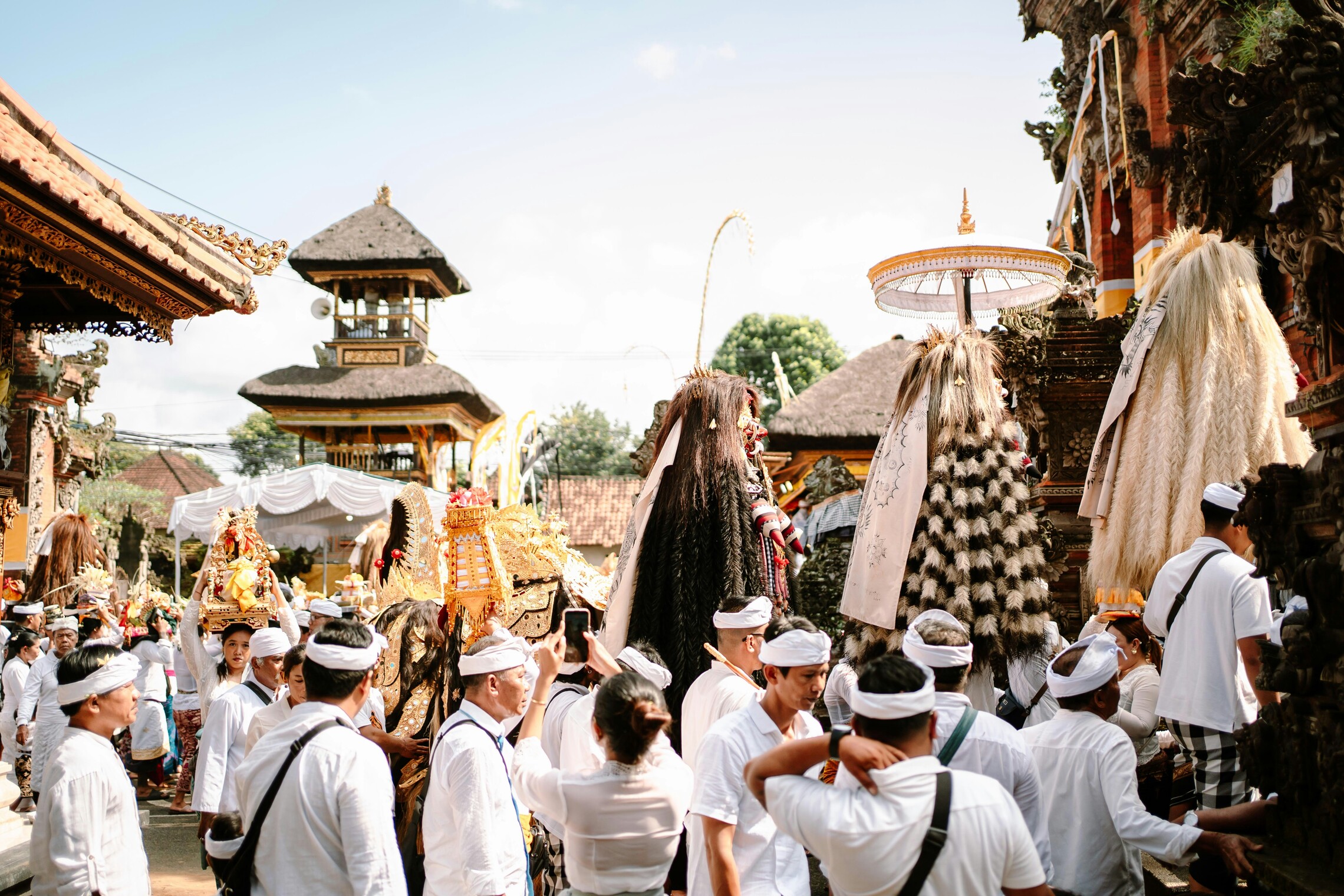
Chiang Mai is a deeply Buddhist city. 90% of the population practices Theravada Buddhism. The morning alms procession (around 6 AM) is a sacred ritual. You can observe or participate by offering food (prepare rice and fruit the night before). Buddhist holidays: Makha Bucha (February), Visakha Bucha (May), Asanha Bucha (July) - temples are especially beautiful. Meditation retreats welcome foreigners: Wat Ram Poeng (10 days, strict), Wat Suan Dok (2 days, introductory), Wat Umong (individual arrangements).
Lanna Culture
Northern Thailand was the independent Lanna Kingdom for 700 years, and its culture differs from central Thailand. Kam Muang (northern Thai language) is still heard among older generations. Lanna architecture: multi-tiered temple roofs, carved teak houses. Northern dances differ from classical Thai styles. Khantoke is a traditional dinner with dancing (touristy but culturally interesting). Festivals: Yi Peng (lanterns) is unique to the north.
Hill Tribes
Ethnic minorities live in the mountains around Chiang Mai: Karen, Hmong, Akha, Lisu, Lahu, and others. Each tribe has its own language, costumes, and traditions. Ethical tourism means: visiting real villages with permission, buying crafts directly from artisans, respecting customs. Avoid 'human zoos' - villages created specifically for tourists. The Akha Ama project (coffee) exemplifies successful integration of traditional lifestyle with modern economy.
Etiquette and Respect
Buddhist temple rules: remove shoes, clothing covers shoulders and knees, don't point feet at Buddha statues, women cannot touch monks. The head is sacred - don't touch people's heads. Feet are impure - don't point them at people or sacred objects. Wai (pressed palms) is traditional greeting - return wai with wai. Smiles resolve most situations. Loss of face is unacceptable - don't raise your voice or criticize publicly.
Practical Tips
Health and Safety
Tap water is not drinkable - use bottled (7 baht/$0.20 for 1.5L). Street food is safe when basic hygiene is observed. Pharmacies everywhere, many medications without prescription. Hospitals: Ram Hospital and Chiang Mai Ram offer international-level care with English-speaking staff. Insurance is essential, minimum $50,000 coverage. Dengue and malaria risk is low in the city, but repellent doesn't hurt. Sunscreen is important. During smog season (March-April) - N95 masks, avoid outdoor exertion.
Money and Payments
Thai baht (THB). Exchange rate: about 35 baht per $1 USD. ATMs everywhere, 220 baht ($6.60) fee per withdrawal. Visa/Mastercard accepted in malls and large restaurants, local spots are cash-only. Exchange: Super Rich offers best rates, airport rates are worse. Tipping not required but rounding up is appreciated. At restaurants with service: 20-50 baht ($0.60-1.50). Massage therapists: 50-100 baht ($1.50-3).
Connectivity
Free WiFi nearly everywhere: cafes, hotels, coworking spaces. Speed is good. Local SIM card: AIS, DTAC, or TrueMove - 300-500 baht ($9-15) for tourist packages with unlimited internet for 7-15 days. Buy at the airport or 7-Eleven with passport. eSIM works for modern phones. 4G speed is excellent in the city, mountains may have 3G or gaps.
Useful Apps
Grab for taxis and food. 7-Eleven for store delivery. Foodpanda for food delivery. Google Maps works excellently for navigation. LINE is Thailand's main messenger (many businesses use only this). Wise for international transfers and cards. XE Currency converter. Air Visual/IQAir for air quality monitoring (critically important!). Google Translate for offline Thai translation.
What to Avoid
Tour agencies selling 'elephant shows' with riding and tricks - that's animal exploitation. Motorbikes without helmets - fines and danger. Drugs - serious criminal offense with prison sentences. Monarchy criticism - even joking can lead to jail. Buying counterfeits - can be confiscated on departure. Loud behavior in temples. Photographing monks without permission.
Sample Itinerary
Day 1: Old City and Temples
Morning: Start with Wat Phra Singh (opens 6 AM, most beautiful early). Then Wat Chedi Luang - the magnificent chedi ruins. Coffee break at an Old City cafe. Lunch: Khao Soi at Khun Yai. Afternoon: Wat Sri Suphan (Silver Temple) on Wualai Road. Evening: Walk along the moat around the Old City, dinner at Huen Phen. If it's Sunday - don't miss Walking Street Market (4 PM-11 PM).
Day 2: Doi Suthep and Nimman
Morning: Early departure to Doi Suthep temple (8-9 AM ideal, fewer tourists). Songthaew from Chang Puak Gate - 150 baht ($4.50) round-trip. Climb 309 steps, explore the temple, enjoy city panorama. Stop at Huay Kaew waterfall on the way down. Lunch in Nimman. Afternoon: Explore Nimman - coffee shops, galleries, boutiques, MAYA mall. Evening: Nimman rooftop bars, dinner at a trendy restaurant.
Day 3: Elephant Sanctuary
Full day: Visit an ethical elephant sanctuary. Elephant Nature Park is the gold standard - full day 2,500 baht ($75), includes transfer, lunch, elephant feeding and bathing. Alternatives: Elephant Jungle Sanctuary, Patara Elephant Farm. Book at least a week ahead in high season. One of Chiang Mai's most emotional experiences. Evening: Relaxed dinner, perhaps a massage after an intense day.
Day 4: Active Day
Option 1 - Trekking: Day hike in Doi Inthanon National Park (Thailand's highest point, 8,415 ft/2,565 m). Waterfalls, twin pagodas, hill tribes, rice terraces. Tour 1,500-2,500 baht ($45-75) with transport and lunch. Option 2 - Cooking class: Learn to make Khao Soi, Pad Thai, and other dishes. Half-day 1,000-1,500 baht ($30-45), full day with market visit 1,500-2,000 baht ($45-60). Thai Farm Cooking School and Basil Cookery are popular choices.
Day 5: Relaxation and Departure
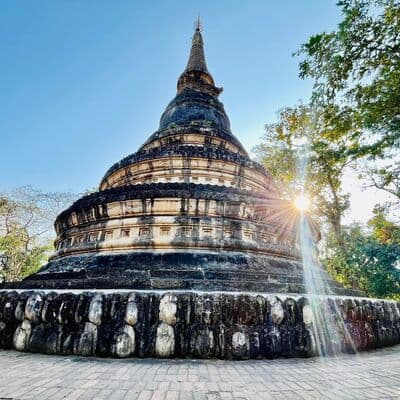
Morning: Wat Umong - the 'tunnel temple' in the forest, non-touristy and meditative. Or visit Warorot Market for souvenir shopping. Thai massage (2-3 hours - why not? 500-800 baht/$15-24). Final favorite Khao Soi lunch. Shopping: coffee, spices, crafts. Airport transfer: Grab or hotel shuttle, 15-20 minutes from center.
If You Have More Time
Days 6-7: Pai - hippie mountain town (3 hours by minivan, 762 curves!). Hot springs, canyons, relaxed atmosphere. Or Chiang Rai - White Temple, Black House, Golden Triangle. Mae Hong Son - for true adventurers, a 3-4 day motorbike loop through mountains and rice fields - one of Asia's best motorcycle journeys.
Frequently Asked Questions
How safe is Chiang Mai?
Very safe for tourists. Crime rate is low, Thai people are friendly. Main risks: motorbike accidents (wear helmets!), tour scams (book directly), pickpockets in tourist areas (rare). Walking at night is safe.
Do I need a visa?
Most Western nationals get 60 days visa-free. Can extend 30 days at immigration (1,900 baht/$57). For longer stays - Tourist Visa (TR) or DTV for digital nomads.
What's the best season to visit?
November-February: ideal, cool, festivals. March-April: hot + smog, avoid. June-October: rainy but green, few tourists, good prices. For long-term stays - avoid burning season (March-April).
How's the vegetarian food situation?
Excellent! Chiang Mai is one of Asia's best cities for vegetarians. Many vegan cafes, vegetarian options everywhere, Buddhist jay food (vegan). Say 'mang-sa-wi-rat' or simply 'vegetarian.'
Should I rent a motorbike?
If you're a confident rider ready for left-side traffic - yes, it's freedom. If inexperienced - start with bicycles in the Old City, use Grab. Rental 150-250 baht ($4.50-7.50)/day, license technically required.
Which elephant camps are ethical?
Elephant Nature Park is the gold standard. Elephant Jungle Sanctuary is a good alternative. Key criteria: no elephant riding, no performances, elephants in natural conditions. Avoid any places with chains and hooks.
Is Chiang Mai good for digital nomads?
Top destination! Fast internet, numerous coworking spaces (Punspace, CAMP), low cost of living, developed community, DTV visa. Monthly cost: $800-1,500.
How serious is the smog problem?
Very serious in March-April. AQI can exceed 200-300 - hazardous to health. N95 masks essential, limit outdoor activity. IQAir/AirVisual apps for monitoring. Rest of the year, air is normal.
How do I get to Pai?
Minivan from Arcade Bus Station - 3-4 hours, 150-200 baht ($4.50-6). Winding road with 762 curves - take motion sickness pills. Or by rented motorbike - beautiful but challenging route. No scheduled flights.
What language do I need?
English is sufficient in tourist areas, hotels, restaurants. In local spots, basic Thai or gestures help. Google Translate with camera saves you when reading menus. Thais appreciate learning even a few words: sawatdee (hello), khop khun (thank you).