Chefchaouen
Chefchaouen 2026: What to Know Before You Go
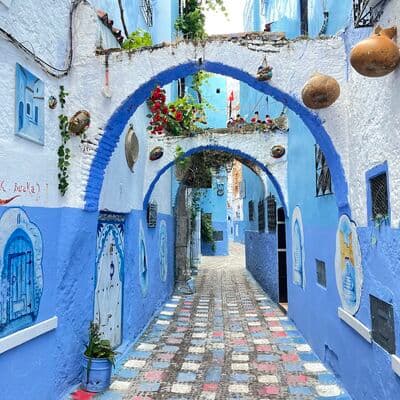
Chefchaouen is one of those places that looks too good to be real in photos - and then you arrive and realize the photos don't do it justice. Tucked into the Rif Mountains of northern Morocco, this city of roughly 45,000 is famous for one thing: nearly every wall, doorway, and alleyway in its old medina is painted in shades of blue. Not one blue, but dozens - powder, cerulean, cobalt, indigo - layered and repainted by residents who maintain this tradition year after year.
The quick answer if you're searching "Is Chefchaouen worth visiting?": Yes, but with the right expectations. No beach, no nightlife, no luxury resorts. What you will find is one of the most photogenic places on Earth, genuinely kind locals, incredible mountain scenery, and a pace of life that forces you to slow down.
Who it's for: Photographers, hikers, couples looking for a romantic escape, solo travelers wanting a safe and walkable Moroccan experience, and anyone who's done Marrakech and wants something completely different. Chefchaouen is an excellent first stop in Morocco - smaller, calmer, and far less aggressive than the big cities.
The honest downsides: It's remote - getting here takes effort. The medina is tiny, and two days covers most of it. Cannabis culture is pervasive, and you'll be offered hashish constantly. Prices have risen sharply since Instagram fame, and restaurant quality is inconsistent - gems exist alongside tourist traps serving mediocre tagine at inflated prices.
Neighborhoods: Where to Stay in Chefchaouen
Chefchaouen is small enough to walk across in 20 minutes, but where you base yourself matters. The medina has no cars, which means dragging luggage up steep cobblestone stairs. Choose wisely.
Medina Center (Around Plaza Uta el-Hammam)
The heart of everything. Plaza Uta el-Hammam is the main square, ringed by cafes with rooftop terraces, the old kasbah, and the Grand Mosque. You're steps from restaurants and the most iconic blue streets. The downside is noise - the square stays lively until midnight. Riads here range from $40-90/night (400-900 MAD) for a double with breakfast. Look for places with rooftop terraces for extraordinary sunset views.
Best for: First-time visitors, short stays, those who want to be central.
Watch out for: Noise at night, steep stairs to some riads, persistent touts near the square.
Western Medina (Touristic Quarter)
Between the main square and the city walls along Avenue Hassan II - the densest concentration of tourist shops, painted doorways, and photographed streets. This area includes Callejon El Asri and those famous narrow blue alleys. Accommodation is plentiful at $35-70/night. Streets are narrower and steeper than the center, but quieter at night.
Best for: Photographers wanting to step outside and start shooting, travelers who want classic blue-walled surroundings.
Watch out for: Pushy shop owners, midday crowds (10am-2pm), limited restaurant options.
Eastern Medina (The Quiet Side)
Cross east past the square and you enter a different Chefchaouen. This is where locals live - fewer shops, fewer tourists, more authentic daily life. Blue paint is present but less meticulously maintained, giving a more lived-in feel. Best-value riads here: $25-50/night (250-500 MAD) including breakfast. Children playing, bread baking, women doing laundry. Five to eight minutes walk to the main square.
Best for: Budget travelers, repeat visitors, those wanting a real neighborhood feel.
Watch out for: Fewer restaurants nearby, poorly lit streets at night, less English spoken.
Ras el-Maa (River Area)
At the eastern edge where the river emerges from the mountain, a small cluster of guesthouses near the traditional washing area. Most peaceful part of the medina - you fall asleep to running water. Riads $30-60/night. Tradeoff: 10-15 minute uphill walk from the main square with serious stairs. Skip this if you have mobility issues.
Best for: Nature lovers, light sleepers, those who don't mind walking.
Watch out for: Tiring uphill return from dinner, limited food options, mosquitoes near water in summer.
Ville Nouvelle (New Town)
Outside the medina walls - concrete buildings, budget hotels, local cafes, banks, bus station. Nothing charming, but functional. Hotels $15-30/night, plus ATMs, pharmacies, and a produce market. Five-minute walk to the medina. Useful for late arrivals, early departures, or travelers with rental cars (no parking inside the medina).
Best for: Budget travelers, those with cars, overnight transit stops.
Watch out for: Zero atmosphere - you'll spend all your time in the medina anyway.
Best Time to Visit Chefchaouen
The ideal months are April-May and September-October. Daytime temperatures hover around 68-77F (20-25C), skies are clear, the light is golden for photography, and tourist crowds haven't peaked. April is particularly beautiful with wildflowers blooming on surrounding hillsides.
Summer (June-August) is doable but uncomfortable. Temperatures reach 95F+ (35C+), and the medina's stone walls trap heat. The altitude (1,800ft / 560m) keeps it cooler than Marrakech or Fes, and evenings are pleasant. Explore before 11am and after 5pm. This is peak season - highest prices, genuine crowds in the blue streets.
Winter (November-February) brings temperatures of 40-55F (5-13C) and frequent rain. The upside: you'll have the medina to yourself, prices drop 30-40%, and wet cobblestones reflecting blue walls create incredible photos. Pack warm layers and waterproof shoes. Some guesthouses lack heating - ask before booking.
Festivals: Ramadan shifts the city's rhythm - restaurants close by day, evenings come alive with iftar feasts (check 2026 dates). The Chefchaouen International Festival of Arts typically runs in summer. Book well ahead for Moroccan school holidays (mid-July to early September).
Booking tip: Reserve 2-3 weeks ahead for spring/fall, a month for summer. Winter - you can often just show up.
Itinerary: How to Spend 3 to 7 Days in Chefchaouen
Day 1: The Medina, the Square, and the Sunset
Morning (9:00-12:00): Start at Plaza Uta el-Hammam for coffee. Then dive into the Blue Medina without a map. Wander west toward Callejon El Asri, where the blue paint is vivid and morning light catches beautifully. Every wrong turn reveals another perfect doorway. The medina is small enough that you'll always find your way back.
Lunch (12:30-14:00): Bab Ssour does solid tagine for 50-70 MAD ($5-7). Or grab street food: bissara (fava bean soup) for 5 MAD and fresh orange juice for 10 MAD.
Afternoon (15:00-17:00): Visit the Kasbah museum (70 MAD / $7) - the rooftop terrace has panoramic views. Browse shops afterward: handwoven blankets, local goat cheese, hand-painted ceramics. Bargain hard - start at 40% of asking price.
Evening (17:30-20:00): Hike to the Spanish Mosque for sunset. The trail from Ras el-Maa takes 20-25 minutes uphill. Arrive by 5pm in shoulder season, 6pm in summer. The view - the entire blue medina with the Rif Mountains behind - is the single best viewpoint in Chefchaouen. Bring water. Walk back as the medina lights come on.
Day 2: Akchour Waterfalls Day Trip
Early departure (8:00): Grand taxi to Akchour Waterfalls, 30km northeast, 45-minute drive. Round-trip private taxi: 300-400 MAD ($30-40). Shared taxis: 40-50 MAD per person but unpredictable schedules.
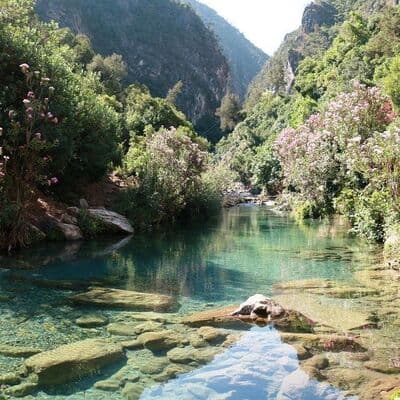
The hike (9:00-14:00): Two trails - one to the small waterfall and God's Bridge (natural rock arch, 45 minutes each way), and a longer trail to the grand waterfall (2 hours each way). Do both if fit. Gorgeous canyon scenery with turquoise swimming pools. Bring swimwear, sturdy shoes (slippery rocks), sunscreen, packed lunch. Park entry: 20 MAD ($2).
Evening: Return tired but happy. Casa Aladdin's rooftop terrace is perfect for a celebratory dinner.
Day 3: Deeper into the Medina
Morning (7:00-9:00): Your golden photography window. Before shops open and tour groups arrive, the blue streets are yours alone. The soft morning light hitting the blue walls is extraordinary. Head east for the most authentic, least-trafficked alleys.
Mid-morning (9:30-12:00): Walk to Ras el-Maa, the spring at the medina's eastern edge. Watch local women washing clothes in the river - a centuries-old tradition. Follow the path along the outside of the city walls for beautiful views; the loop back to the main gate takes 30-40 minutes.
Afternoon (14:00-17:00): Take a Moroccan cooking class ($25-40, about 3 hours). Shop for ingredients at the market, then learn to make tagine, Moroccan salad, and bread. One of the best ways to connect with local culture beyond photographing walls.
Three days covers Chefchaouen's essentials well. Stay longer and the town reveals more layers.
Days 4-5: Mountains, Hammams, and Hidden Corners
Day 4 - Mountain trek: Hire a local guide ($30-50 for half-day) for a hike in Talassemtane National Park. The popular route to Jebel El Kelaa (the twin peaks visible from the medina) takes 4-6 hours through cedar forests, past Berber villages, across high meadows. Moderate fitness required. Pack lunch and 2+ liters of water.
Day 5 - Slow day: Morning at a traditional hammam (public bath near the medina, 20 MAD / $2 entry). It's gender-separated; bring towel and soap or buy a scrub kit for 30 MAD nearby. Afternoon: revisit favorite spots, shop for souvenirs, long lunch. Try a different rooftop cafe for a fresh sunset perspective.
Days 6-7: Day Trips Beyond Chefchaouen
Day 6 - Tetouan: Shared grand taxi (1.5 hours, 40-50 MAD per person). This UNESCO-listed medina is far less touristy, with beautiful Spanish-Moroccan architectural fusion. Visit the Royal Artisan School. Return by late afternoon.
Day 7 - Mediterranean coast: Taxi to Oued Laou or Steha beach (about 1 hour). Quiet beaches, fresh seafood, a perfect contrast from mountain blue to coastal turquoise. Return for a final sunset from the Spanish Mosque.
Where to Eat: Restaurants and Cafes
Street Food (The Best Value)
Look for kalinte - chickpea flour pancake baked in wood ovens, sliced and seasoned with cumin and chili. Costs 3-5 MAD ($0.30-0.50) and is best eaten hot. Find kalinte stands near the main square and the produce market.
Fresh juice stands are everywhere: orange juice 10 MAD ($1), avocado smoothies 15-20 MAD. Walk one street back from Plaza Uta el-Hammam for better prices. Sfenj (Moroccan doughnuts) sell mornings for 1-2 MAD each - follow the smell of frying dough. Pair with mint tea for the ultimate Moroccan breakfast.
Local Restaurants
Sofia's (eastern medina): Tiny family-run spot with no sign - ask locals. Set menu changes daily: soup, salad, tagine, fruit for 50-60 MAD ($5-6). No English menu, just honest home cooking. Cash only.
Bab Ssour (near main gate): Popular with locals and tourists alike. Excellent harira soup, standout goat tagine with prunes. Mains 50-80 MAD ($5-8). Arrive before 12:30 to beat the lunch rush.
Mid-Range Dining
Cafe Clock (medina): Part of a small Moroccan chain, this is the most international option. Lovely rooftop, signature camel burger (85 MAD / $8.50), cultural events including storytelling nights. Reliable WiFi. Good when you want a break from tagine.
Casa Aladdin (medina center): Arguably the best dinner view - rooftop overlooking the square with lit-up mountains behind. Decent Moroccan fare (70-120 MAD / $7-12); the setting compensates for any shortcomings. Reserve a rooftop table for sunset.
El Cielo Terrace (western medina): Mediterranean-Moroccan fusion, excellent grilled kefta, terrace views rivaling Casa Aladdin's. Mains 80-130 MAD ($8-13), generous portions. One of the few medina spots serving proper cocktails.
Cafes and Breakfast
Most riads include breakfast, but cafes around Plaza Uta el-Hammam serve Moroccan breakfast (bread, olive oil, honey, jam, eggs, coffee) for 30-50 MAD ($3-5). Seek espresso over instant Nescafe - the quality gap is enormous. Cafe Panorama Lopar, perched on the hillside above the medina, serves decent coffee with one of the best views in the city, and almost no tourists know about it.
What to Try: A Food Guide to Chefchaouen
Chefchaouen's food reflects mountain cooking with Berber and Andalusian influences. The Rif region has its own culinary identity, distinct from Marrakech or Fes.
1. Kalinte (chickpea pancake): Savory batter baked in communal wood ovens, sliced, seasoned with cumin and hot sauce, eaten with toothpicks. Filling, cheap (3-5 MAD), addictive. Eat it fresh - gets rubbery when cold.
2. Bissara (fava bean soup): Thick, hearty soup of dried fava beans drizzled with olive oil and cumin. Traditional Rif breakfast, 5-10 MAD. Best at tiny stalls in the produce market where locals eat.
3. Goat tagine: Chefchaouen is goat country. The local version, slow-cooked with prunes or almonds, is more flavorful than chicken or lamb tagines elsewhere. 60-90 MAD ($6-9) at a good restaurant.
4. Pastilla (savory-sweet pie): Thin pastry layers filled with shredded chicken, almonds, cinnamon, dusted with powdered sugar. Strange-sounding but beautiful. Starter portion: 40-60 MAD.
5. Local goat cheese: Tangy, crumbly, famous throughout Morocco. Buy fresh at the market (round discs wrapped in leaves, 10-20 MAD). Some restaurants grate it over salads.
6. Briouates (stuffed pastry triangles): Fried or baked, filled with cheese and herbs or spiced meat. The cheese version is exceptional here thanks to local goat cheese. 5-10 MAD from street vendors.
7. Zaalouk (smoky eggplant salad): Mashed eggplant and tomatoes with garlic, olive oil, cumin. The Chefchaouen version is smokier and spicier than elsewhere. Part of the salad spread at most meals.
8. Mint tea: Offered everywhere, often free as a welcome gesture. The Rif version uses fresh spearmint and is sweeter than southern Morocco. Poured from height to create froth. Never refuse the first glass - it's considered rude.
9. Rif honey: Exceptional wildflower and thyme honey, darker and more complex than commercial. Great souvenir. Market or roadside sellers near Akchour: 60-100 MAD ($6-10) per jar.
What NOT to order: Skip "pizza" and "pasta" at tourist restaurants - universally disappointing. Avoid the fixed-price "tourist menu" near the square - always the most basic tagine. Be cautious with fish - you're in the mountains, not the coast.
Vegetarian travelers: Plenty of options - bissara, zaalouk, vegetable tagine, goat cheese salads, briouates au fromage. Vegans will struggle - dairy and honey are in nearly everything, and "vegetable" dishes often use meat stock.
Local Secrets and Insider Tips
1. Golden photography hours: 7:00-8:30am and 4:30-6:00pm. Between those times, tour groups fill the medina (worst: 10am-2pm when Fes day-trippers arrive). Set an alarm - early morning light hitting blue walls from the east is magical, and you'll be alone.
2. The best photo spots aren't on Instagram. Walk deeper into the eastern medina, explore streets between Ras el-Maa and the cemetery, and look up - the most beautiful blue compositions are above eye level, on balconies and upper walls most tourists walk past.
3. The original Berber name is Bouzafer. "Chefchaouen" comes from the Berber word for "horns" - the two mountain peaks (Jebel El Kelaa) visible from the city. Knowing this earns points with locals.
4. You will be offered hashish. Constantly. The Rif is Morocco's cannabis region. The correct response: a firm "La, shukran" (no, thank you) without stopping. Don't engage, don't explain. Just keep walking. Recreational purchase by tourists remains illegal, and police-bribe scams (sell then report) are a small but real risk.
5. Bargaining: start at 40% of asking price, meet around 50-60%. For food, drinks, and taxis, prices are usually fixed - ask before ordering. Rule of thumb: price tag means (mostly) fixed; no tag means negotiate.
6. Cash is king. Very few medina places accept cards. ATMs in the Ville Nouvelle: Banque Populaire and Attijariwafa Bank work best with international cards. Withdraw for 2-3 days at a time. Max ATM withdrawal: usually 2,000 MAD ($200).
7. Walk the city walls at sunset for a less crowded alternative to the Spanish Mosque. The path starts near Ras el-Maa and follows the eastern wall south, offering beautiful elevated views of the blue medina. Almost no tourists take this route.
8. Cafe Panorama Lopar is the locals' secret. Hillside terrace above the medina with views rivaling the Spanish Mosque - plus comfortable chairs, mint tea (15 MAD), and virtually no tourists. Ask shopkeepers in the eastern medina for directions.
9. Dress modestly. More conservative than Marrakech. Cover shoulders and knees - not by law, but out of respect and to reduce unwanted attention. Light scarf useful for women in traditional neighborhoods. Swimwear is for Akchour only.
10. Wear proper shoes. The medina is entirely stairs - steep, uneven, slippery when wet. Flip-flops are a recipe for a twisted ankle. Walking shoes or sneakers are essential, especially for the Spanish Mosque hike or Akchour.
11. Don't drink the tap water. Bottled water is 3-5 MAD for 1.5L and available everywhere. Restaurant ice is generally filtered and safe; street-stall ice is more questionable.
Getting There and Getting Around: Transport and Connectivity
Getting to Chefchaouen
No airport here. Nearest: Tangier Ibn Battouta (TNG), 2.5 hours by road, and Fes-Saiss (FEZ), 4-4.5 hours. From the UK, Ryanair and easyJet fly direct to both. From the US, connect through Madrid, Lisbon, or Casablanca.
From Tangier (2.5 hours): Easiest option. Shared grand taxis: 250-350 MAD ($25-35) per person. Private car: 1,200-1,500 MAD ($120-150). CTM and Supratours buses: about 75 MAD ($7.50), schedules change seasonally. Supratours expanded service in 2025 - most reliable budget option.
From Fes (4-4.5 hours): CTM buses twice daily (usually 8am and 2pm), 100-120 MAD ($10-12). Private grand taxi: 1,500-2,000 MAD ($150-200). Some travelers break the journey in Ouezzane.
From Marrakech/Casablanca: No direct service. Go through Fes or Tangier, or fly internally to Tangier (Royal Air Maroc, $60-100 one-way) then take ground transport.
From Spain: FRS ferry Tarifa to Tangier (35 minutes) or Algeciras (1.5 hours). From Tangier port, 2.5-hour drive or bus to Chefchaouen. Popular for travelers combining Morocco with southern Spain.
Getting Around
The medina is pedestrian-only and walkable. No public transport in the city. Petit taxis: 10-15 MAD ($1-1.50) for rides to the market or bus station. Grand taxis for excursions - arrange through your riad and agree on price, pickup time, and waiting time in advance.
Rental cars: Not recommended in Chefchaouen (no medina parking, narrow streets), but useful for a northern Morocco road trip. Nearest agencies in Tangier or Fes. Rif roads are winding and sometimes poorly maintained.
Internet and Connectivity
SIM cards: Buy at Tangier or Fes airport - Maroc Telecom, Orange, Inwi all have kiosks. Tourist SIM with 20GB: 100-150 MAD ($10-15). Good coverage in the medina, spotty on mountain hikes.
eSIM: Airalo or Holafly offer Morocco eSIMs from about $5 (1GB/7 days). Easiest option - purchase and activate before arrival.
WiFi: Most riads offer free WiFi with wildly varying speeds. Cafe Clock has the most reliable connection for digital nomads. Don't count on video calls from your riad.
Useful apps: Download Google Maps offline before arriving. Maps.me has better medina pathway coverage. WhatsApp is Morocco's primary communication tool - use it for riad contact, taxi arrangements, and guide communication. Google Translate's camera feature handles Arabic menus and signs.
Languages: Arabic and Berber (Tamazight) locally, French widely as second language (more than English). Tourist-area staff speak basic English and Spanish. Key phrases: "Salam alaikum" (hello), "Shukran" (thank you), "Bslemah" (goodbye), "Beshhal?" (how much?).
Who Is Chefchaouen For: The Honest Summary
Chefchaouen is ideal for: Photographers wanting to fill a memory card. Couples seeking a romantic, off-the-beaten-path escape. Hikers combining mountain trekking with culture. Solo travelers looking for a safe, walkable Morocco introduction. Anyone craving a place genuinely unlike anywhere else.
Chefchaouen is NOT for: Beach lovers (coast is an hour away). Nightlife seekers (quiet by 10pm). Luxury travelers expecting five-star service. Those with serious mobility issues (relentless stairs). Anyone needing more than 3-4 days of activities.
The ideal visit is 2-3 nights. That covers the medina thoroughly, the Akchour day trip, sunset from the Spanish Mosque, and enough atmosphere to absorb without running out of things to do. Add days for serious photography, mountain trekking, or day trips to Tetouan and the coast. More than a week is too long for most - the town is small, and even its considerable charm has limits.