Grand Palace & Temples Walk
Heart of Bangkok: Grand Palace and Great Temples
This route introduces you to Thailand's spiritual center — magnificent temples and the royal palace housing the country's main shrines. Prepare for the luxury of gold, sparkling mosaics, and centuries of Buddhist kingdom history.
Grand Palace
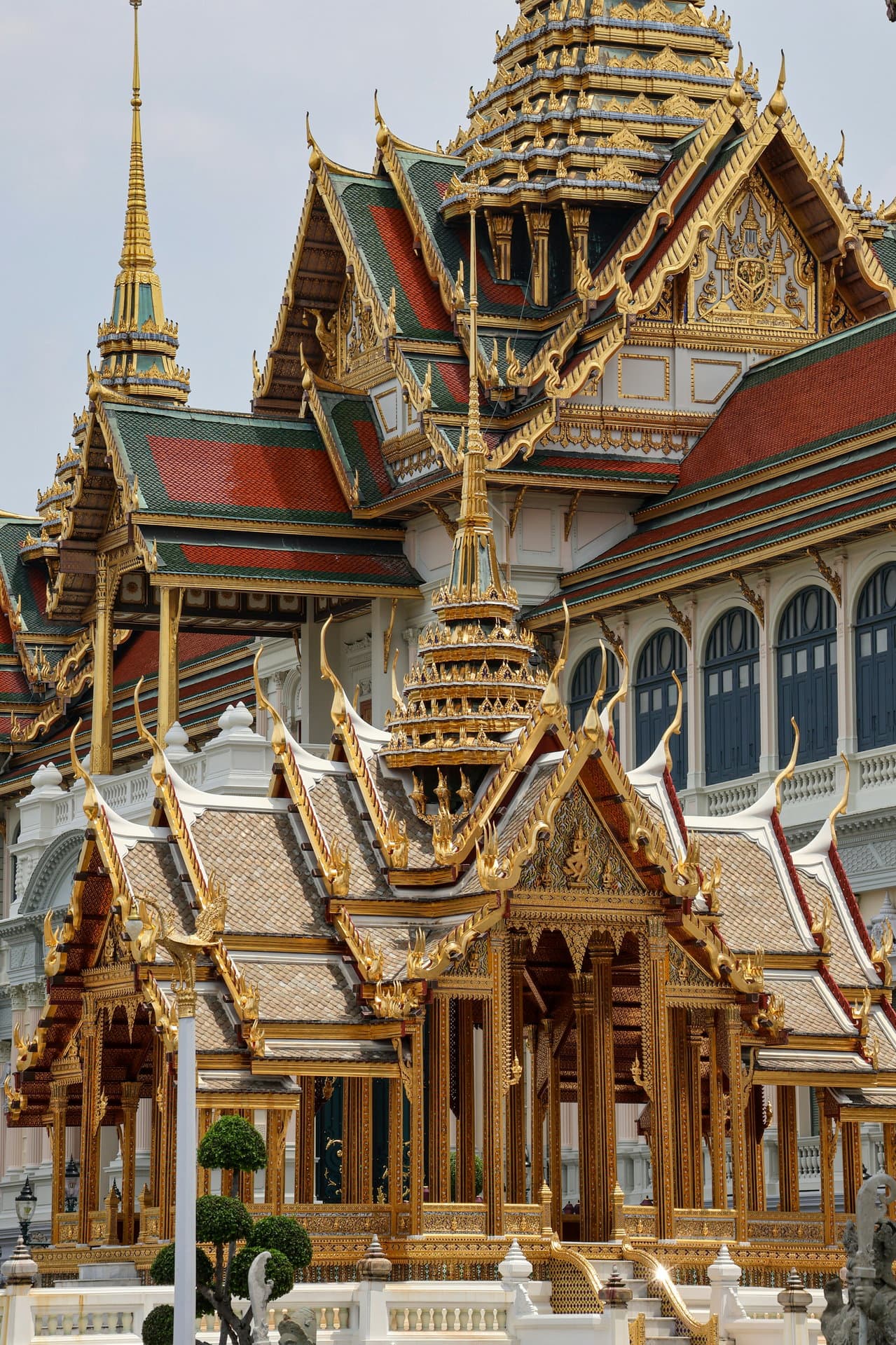
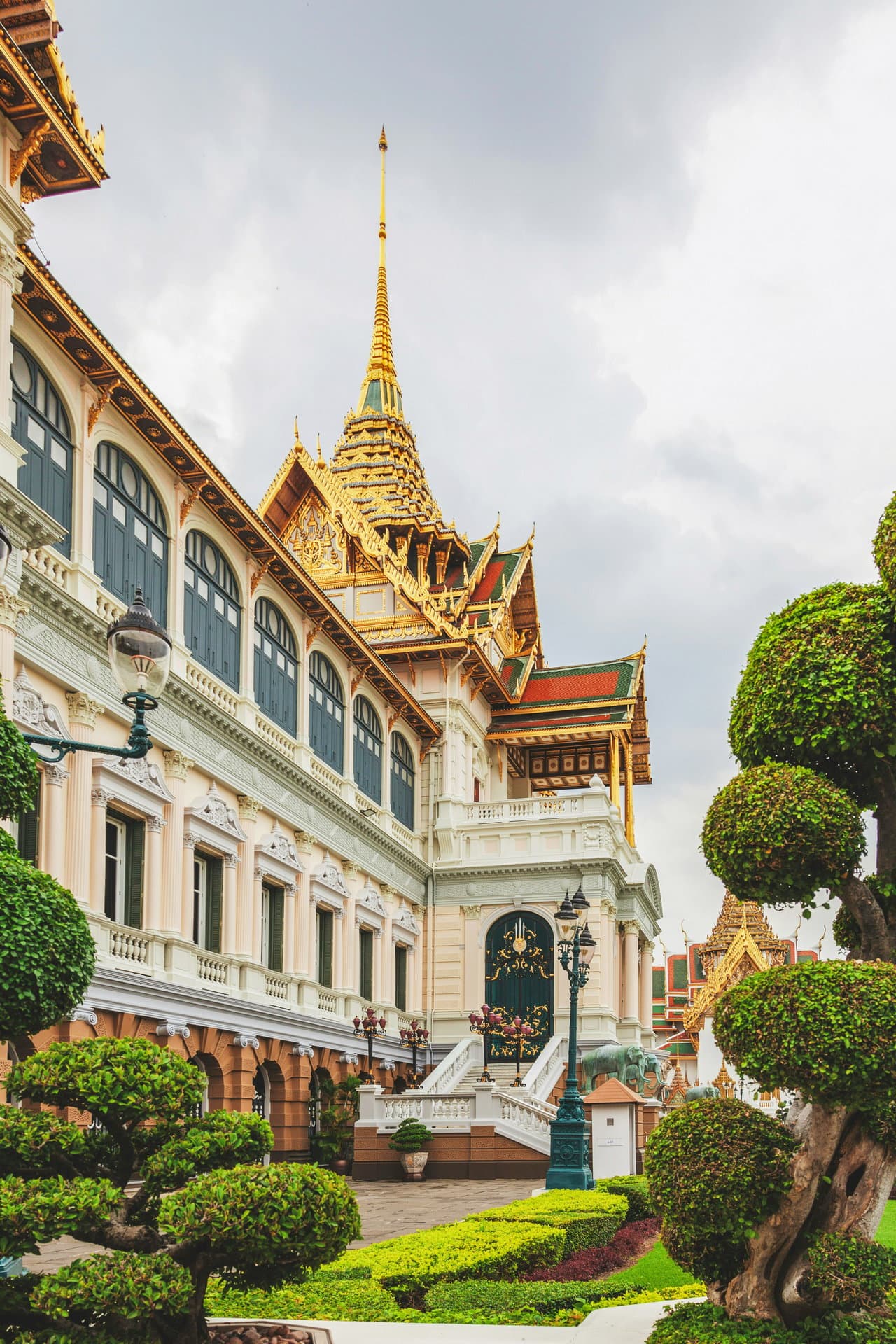
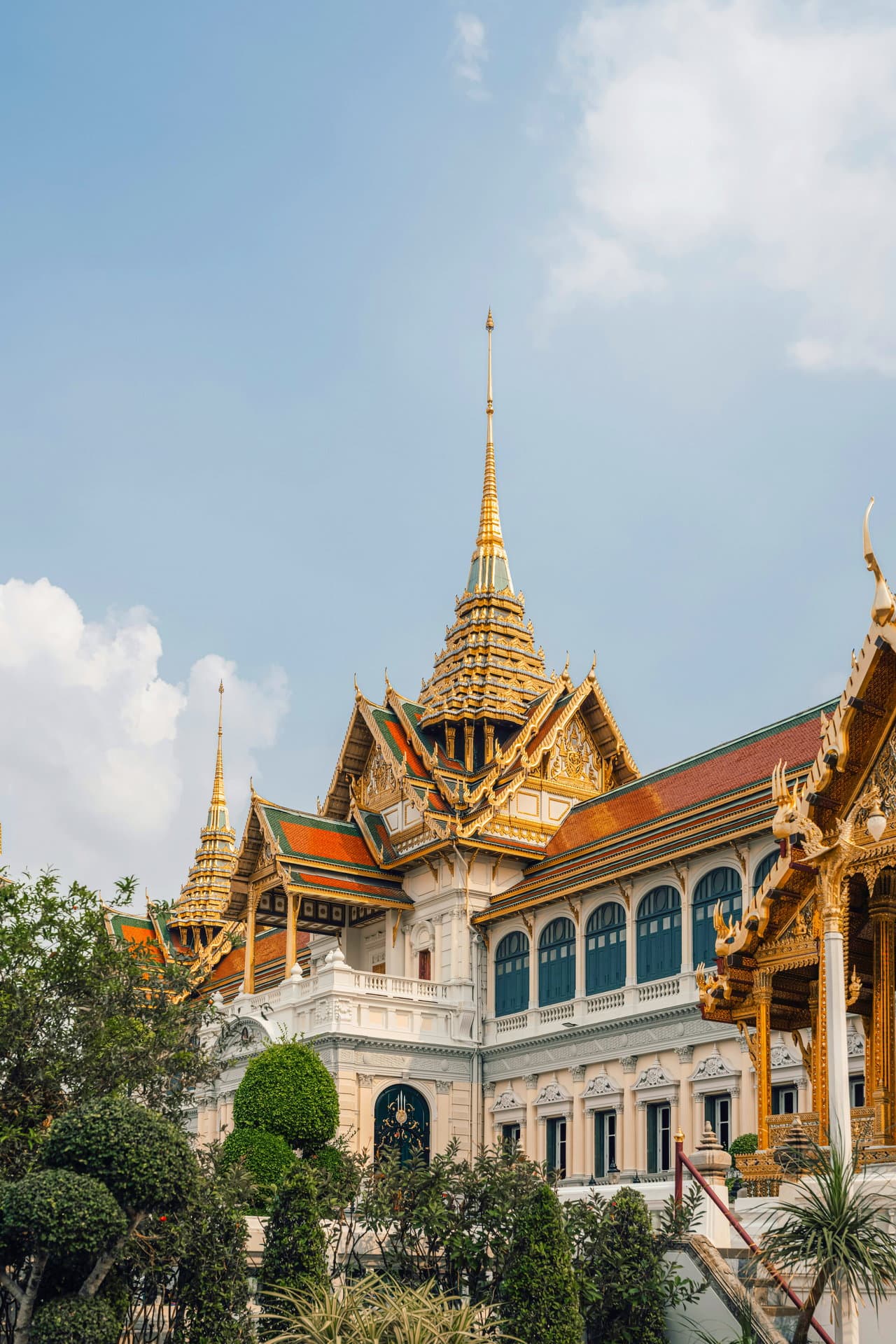
Start as early as possible — best at opening time 8:30 to beat crowds and daytime heat. The Grand Palace is not one building but an entire complex of over 200,000 square meters, surrounded by walls 1.9 kilometers long.
The palace was the residence of Thai kings since 1782, when Rama I founded the Chakri Dynasty and moved the capital to Bangkok. Today the royal family doesn't live here, but the palace is used for ceremonies and receptions.
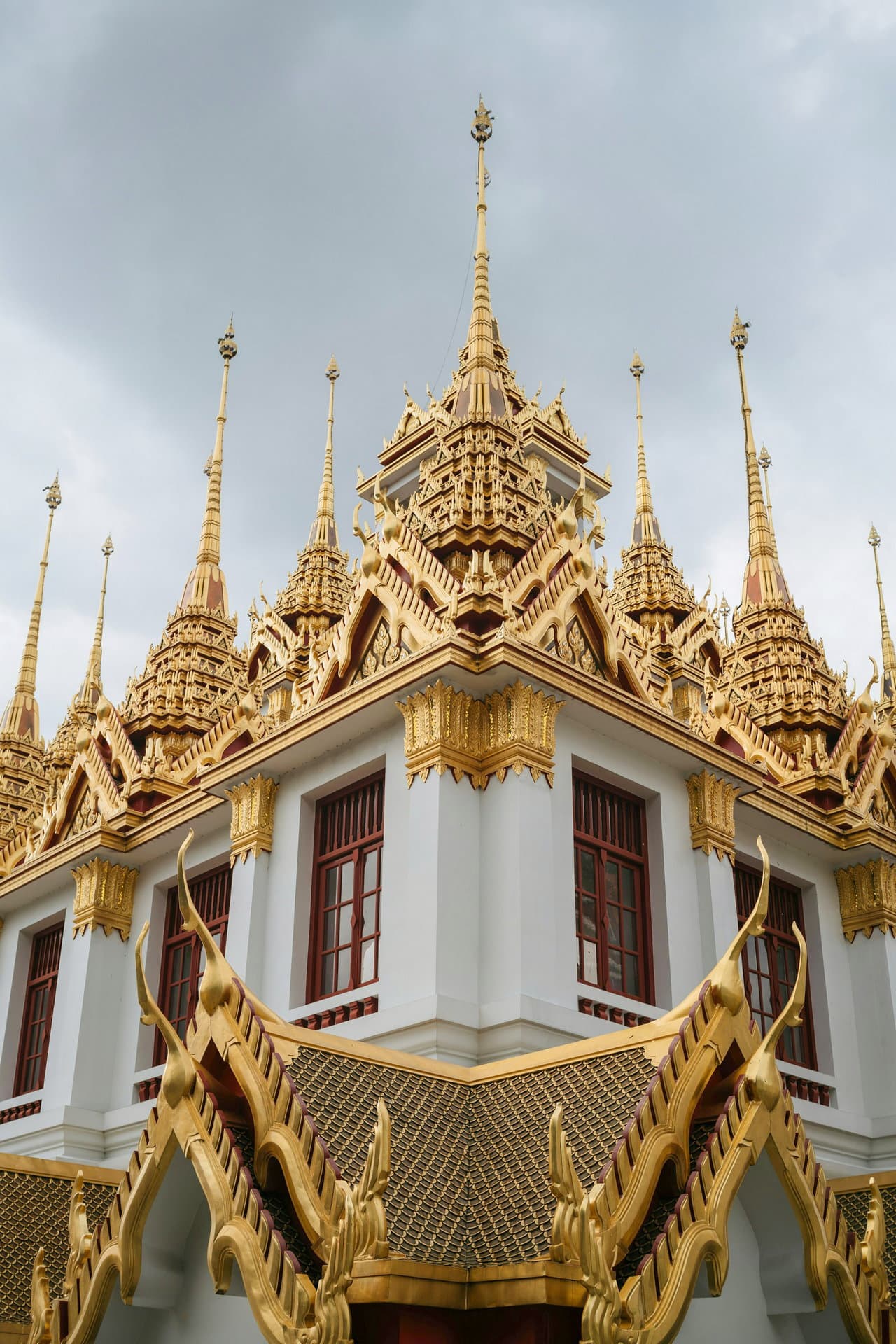
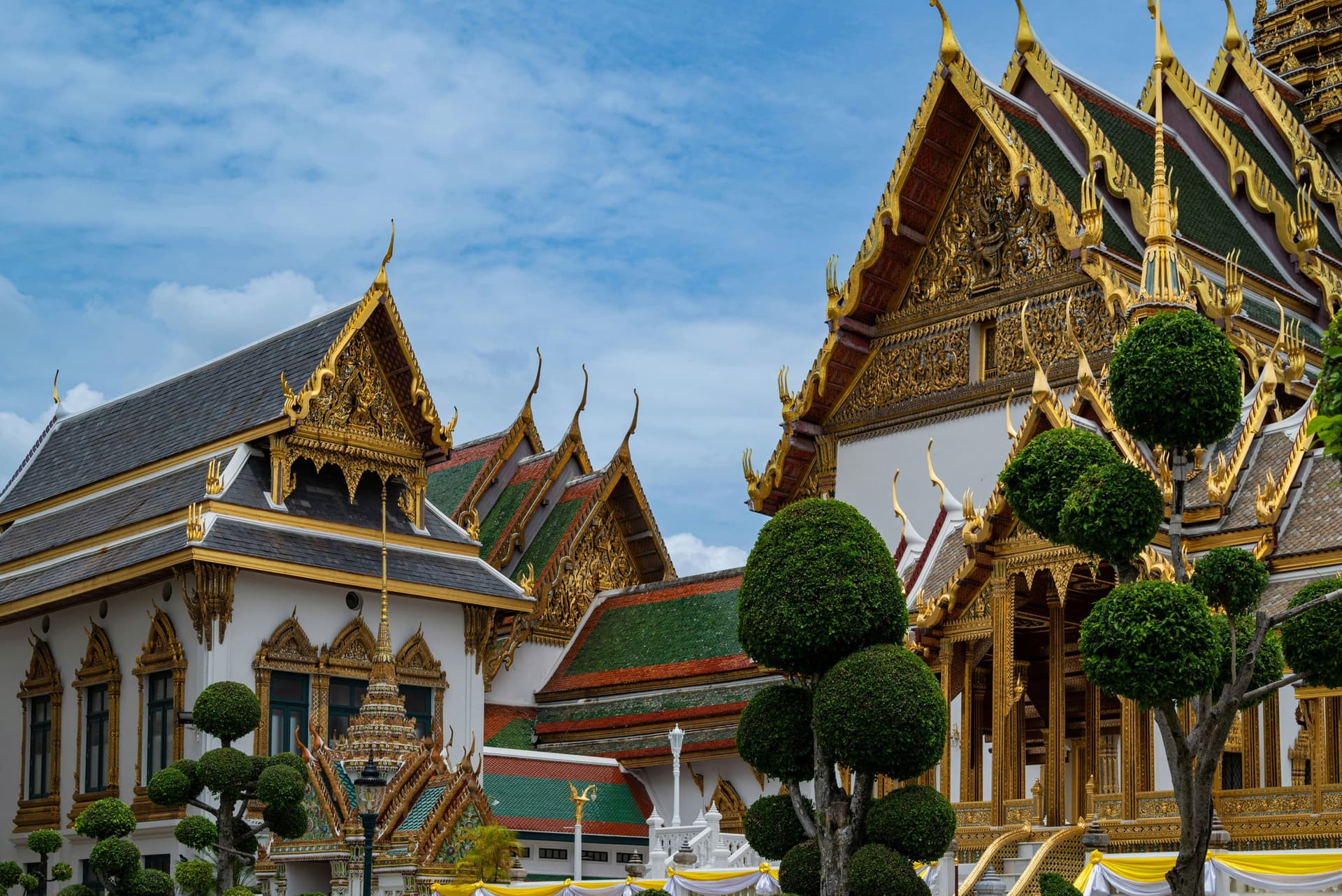
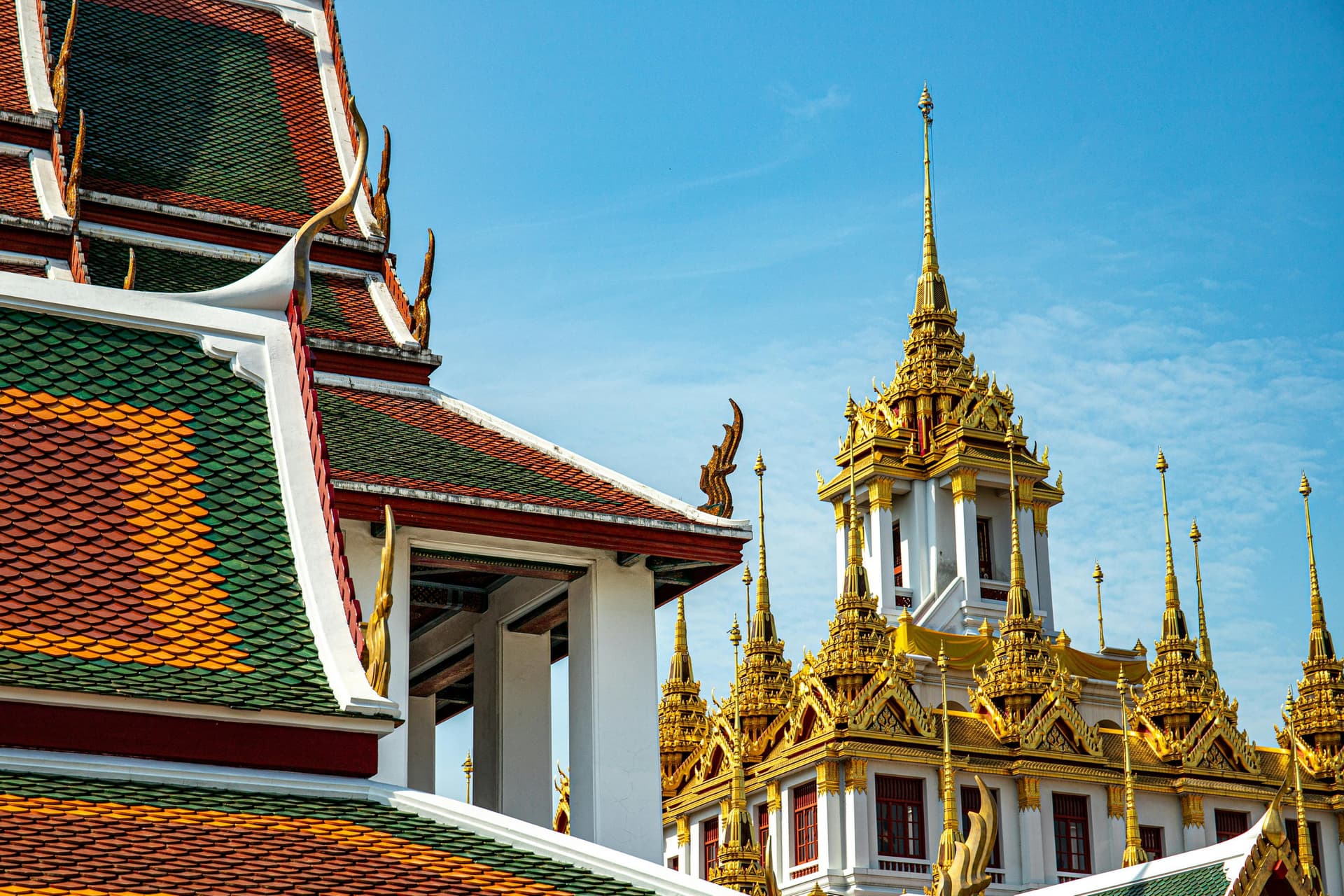
The architecture combines traditional Thai style with European and Khmer elements. Golden spires, colorful tiles, mythical guardian creatures — every corner amazes with detail and luxury.
Temple of the Emerald Buddha (Wat Phra Kaew)
On palace grounds is Wat Phra Kaew — Thailand's most sacred temple. Here the Emerald Buddha is kept — a small statue (66 cm) carved from a single piece of jade. Despite its modest size, this is the country's main Buddhist shrine.
The statue has three sets of clothing — for hot, rainy, and cool seasons. The King of Thailand personally changes its clothes in special ceremonies.
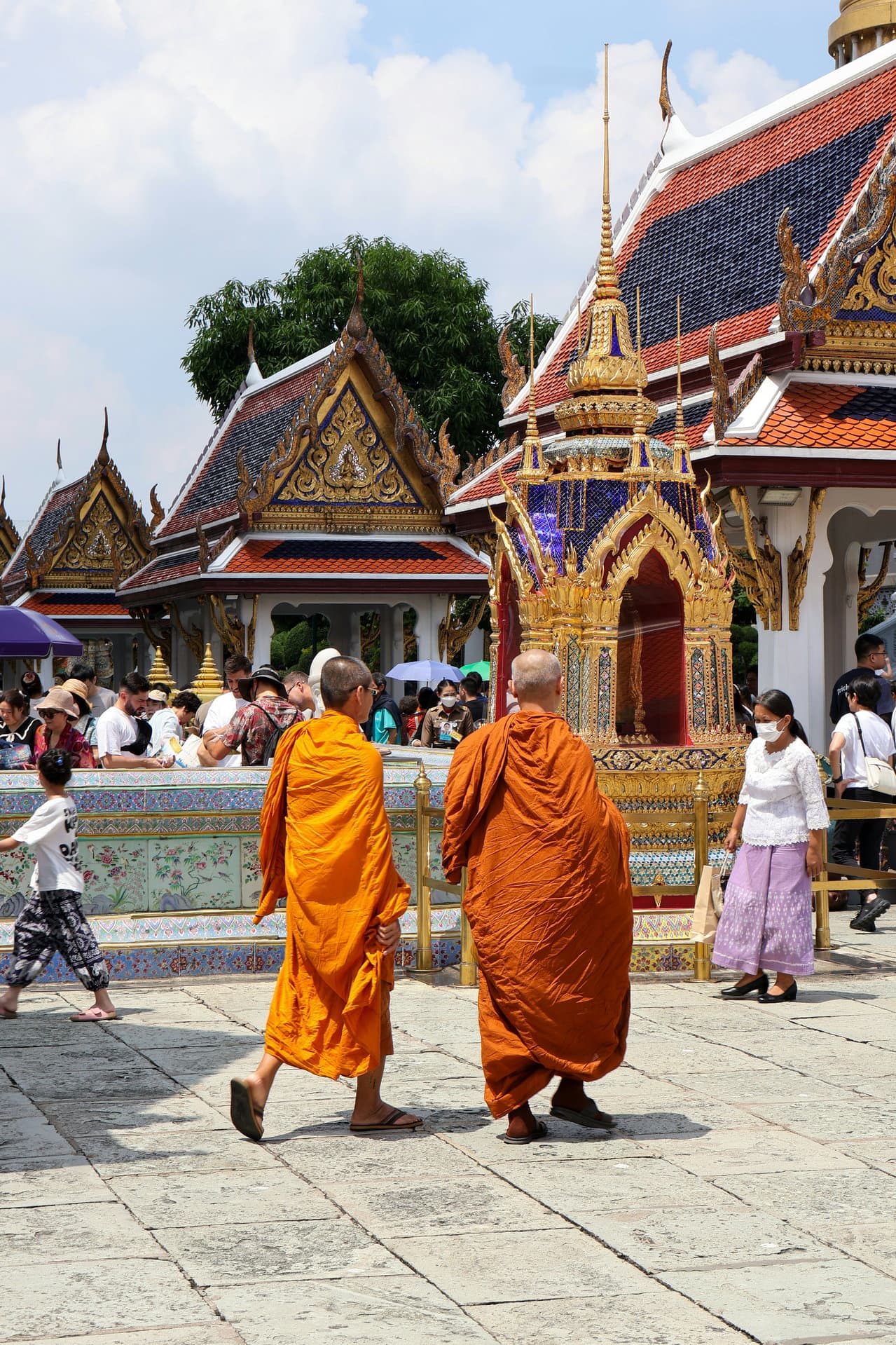
Important: dress code is strict — covered shoulders and knees are required for all visitors. Free suitable clothing is available at the entrance, but it's better to prepare in advance.
Wat Pho — Temple of the Reclining Buddha
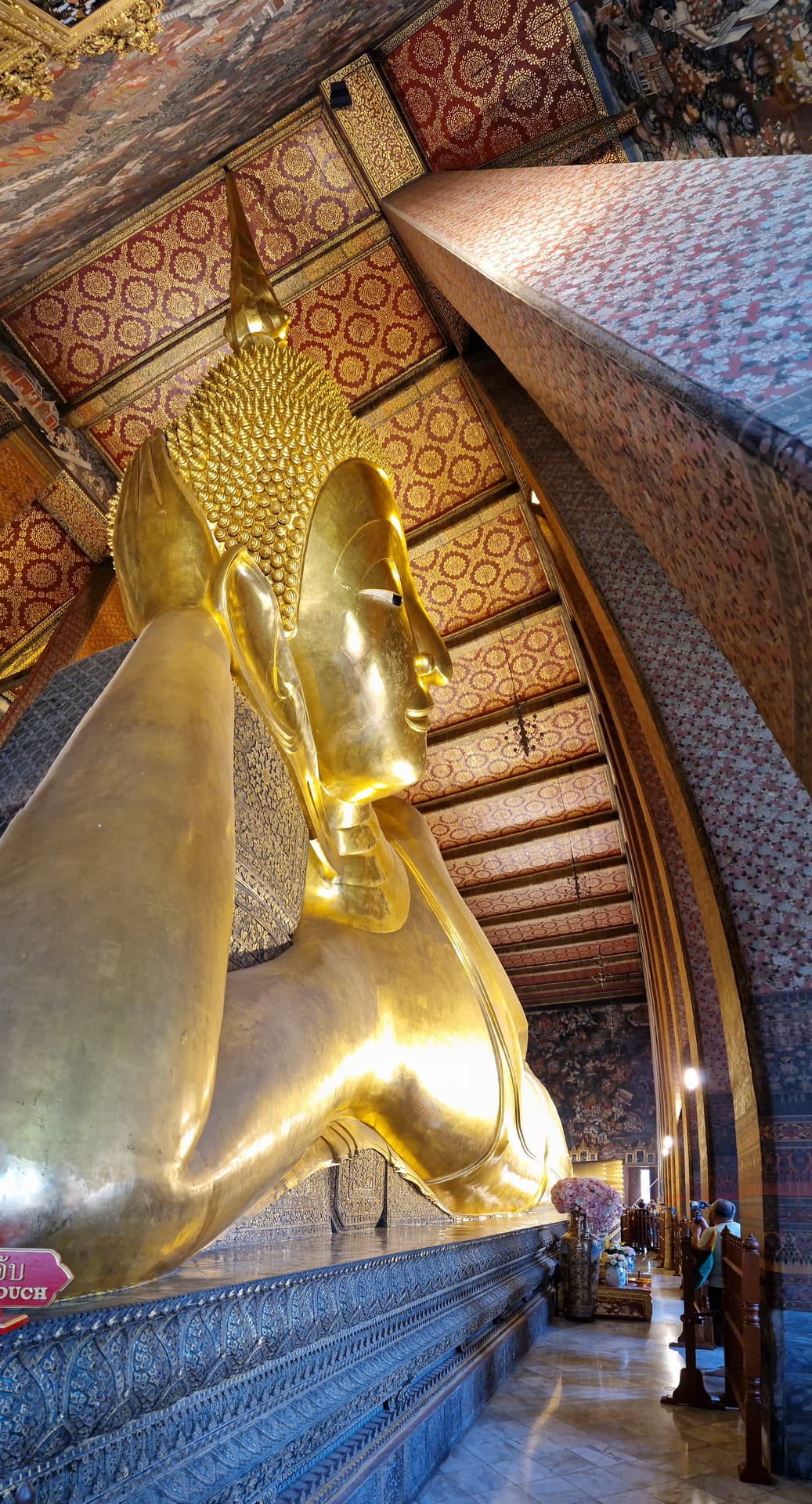
Exiting the palace, walk to neighboring Wat Pho — one of Bangkok's oldest and largest temples. The main attraction is the giant Reclining Buddha statue:
- Length — 46 meters
- Height — 15 meters
- Covered in gold leaf
- Soles of feet inlaid with mother-of-pearl depicting 108 auspicious symbols
Wat Pho is also known as the oldest school of traditional Thai massage. A massage pavilion operates on temple grounds — you can book a session and restore your strength after walking. An hour-long massage costs about $10-15.
Wat Arun — Temple of Dawn
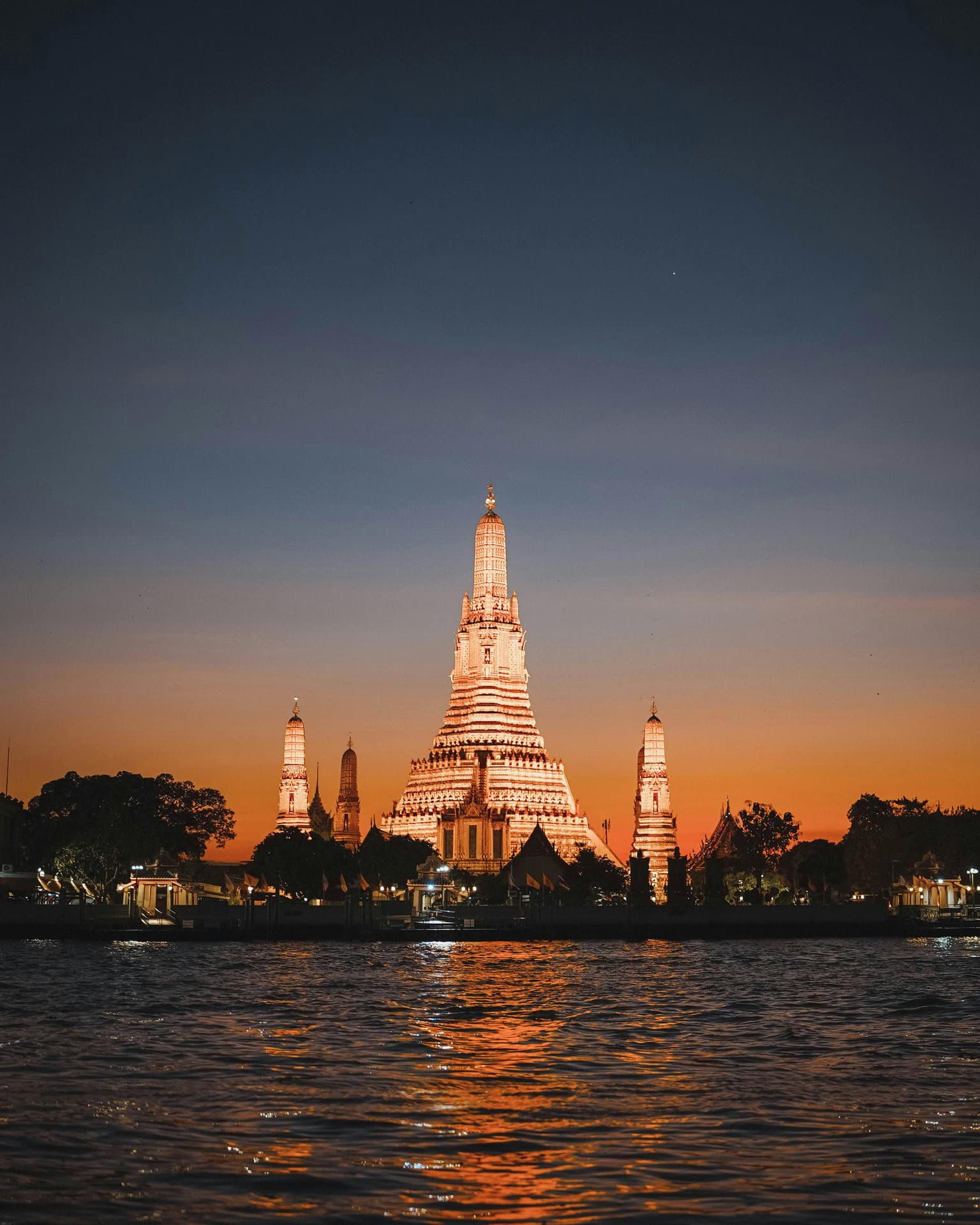
Cross the Chao Phraya River by ferry (just 4 baht — about 10 cents) to Wat Arun — one of Bangkok's most recognizable symbols. The temple is named after Aruna, the Hindu god of dawn.
The main feature is an 80-meter prang (tower) decorated with thousands of pieces of Chinese porcelain and seashells. In sunlight, the mosaic sparkles in all rainbow colors. You can climb the prang's terraces — the view of river and city is stunning, but stairs are very steep.
The best Wat Arun photos are from the opposite bank at sunset, when the tower is illuminated and reflects in the water.
Khao San Road (Optional)
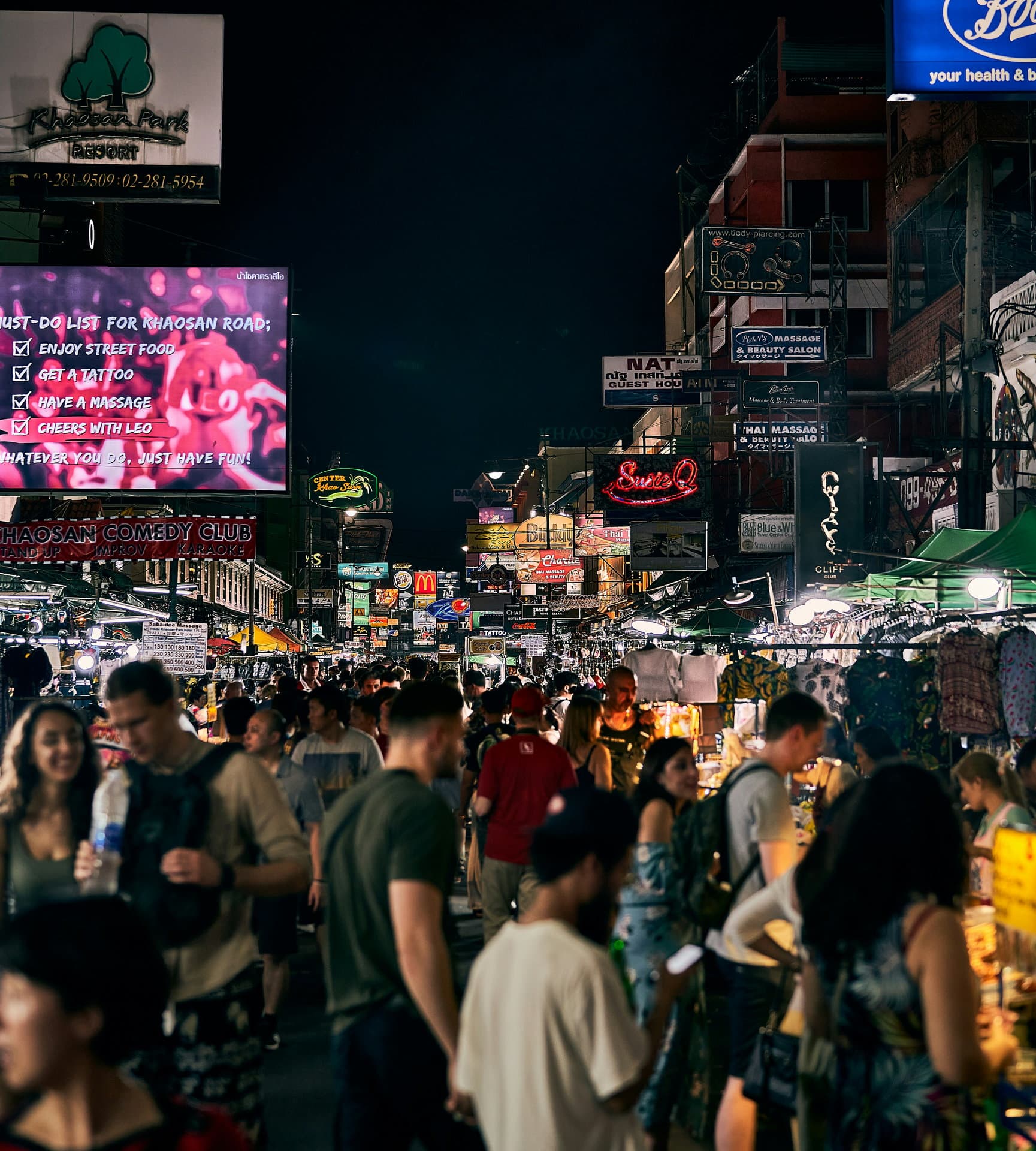
If you have energy left, check out Khao San Road — the legendary backpacker street 15 minutes' walk from the temples. It's the complete opposite of temples' spiritual atmosphere: noisy bars, cheap street food, massage parlors, shops with souvenirs and fake documents.
Khao San is a great place for an inexpensive dinner: pad thai for 50 baht, fresh fruit, Thai iced tea. The atmosphere is cosmopolitan and relaxed.
Practical Tips
Duration: 4-5 hours for temples, with Khao San Road — 6-7 hours.
Best time: early morning (fewer tourists and heat). Avoid midday — asphalt and stones get scorching hot.
What to bring: lots of water, hat, sunscreen. Wear shoes easy to take off — temples are entered barefoot.
Budget: Grand Palace — 500 baht (~$15), Wat Pho — 200 baht (~$6), Wat Arun — 100 baht (~$3).