قصر تشانغدوكغونغ
لو كان عليّ أن أختار قصرًا واحدًا فقط في سيول، لاخترت تشانغدوكغونغ (Changdeokgung) دون تردد. ليس لأنه الأكبر أو الأقدم — فهناك قصور أكبر وأقدم منه. لكن تشانغدوكغونغ يمتلك شيئًا غير محسوس، نوعًا من الانسجام الخاص الذي يدفعك إلى العودة إليه مرارًا وتكرارًا. وليس عبثًا أن أدرجته اليونسكو (UNESCO) في قائمة التراث العالمي، مشيرةً إلى أنه «مثال استثنائي على عمارة القصور الشرق آسيوية وتصميم الحدائق».
تاريخ القصر: المقر الاحتياطي الذي أصبح الرئيسي
بُني تشانغدوكغونغ — «قصر الفضيلة المزدهرة» — عام 1405 ليكون المقر الملكي الثاني. كان القصر الرئيسي آنذاك هو غيونغبوكغونغ، بينما كان تشانغدوكغونغ يُستخدم للراحة والعزلة. لكن التاريخ شاء غير ذلك.
في عام 1592، دمّر الغزو الياباني كلا القصرين. ظل غيونغبوكغونغ أنقاضًا لما يقارب 300 عام، أما تشانغدوكغونغ فقد أُعيد بناؤه بحلول عام 1610 — ومنذ ذلك الحين أصبح المقر الملكي الرئيسي. هنا عاش ملوك سلالة جوسون (Joseon) وحكموا وماتوا على مدى أكثر من 250 عامًا.
عاش آخر ملوك كوريا، سونجونغ (Sunjong)، في تشانغدوكغونغ حتى عام 1926. بعد وفاته أصبح القصر متحفًا، لكن أفراد العائلة المالكة استمروا في العيش هنا لفترة طويلة. توفيت آخر أميرة — يي بانغجا (Yi Bangja) — في القصر عام 1989. فتشانغدوكغونغ ليس أطلالًا قديمة، بل مكان للذاكرة الحية، حيث انتهى التاريخ بالأمس حرفيًا.
العمارة: الانسجام مع الطبيعة
مبدأ «اللاانتظام»
ما الذي يميّز تشانغدوكغونغ عن سائر القصور الكورية؟ لقد بُني «بشكل غير صحيح». ففي التقليد الكونفوشيوسي، كانت القصور تُبنى على محور شمال-جنوب بدقة، بشكل متناظر، وفق مبادئ هندسية واضحة. لكن تشانغدوكغونغ يقع على منحدر تل، فقرر المعماريون ألا يصارعوا التضاريس بل أن يتبعوها.
وُضعت المباني بشكل غير متناظر، وتتلوى الممرات بين الصخور الطبيعية، وتلتف الجدران حول الأشجار التي كانت تنمو هنا قبل البناء. يُسمى هذا المبدأ «بونغسو» (النسخة الكورية من الفنغ شوي) — الحياة في انسجام مع الطبيعة لا في مواجهتها.
بوابة دونهوامون
البوابة الرئيسية للقصر هي أقدم بوابة قصر باقية في سيول، ويعود تاريخها إلى عام 1412 (مع إعادة الترميم بعد حريق عام 1609). انتبه إلى السقف المزدوج المستويات — فهو علامة على المكانة العليا للمبنى.
قاعة العرش إينجيونغجيون
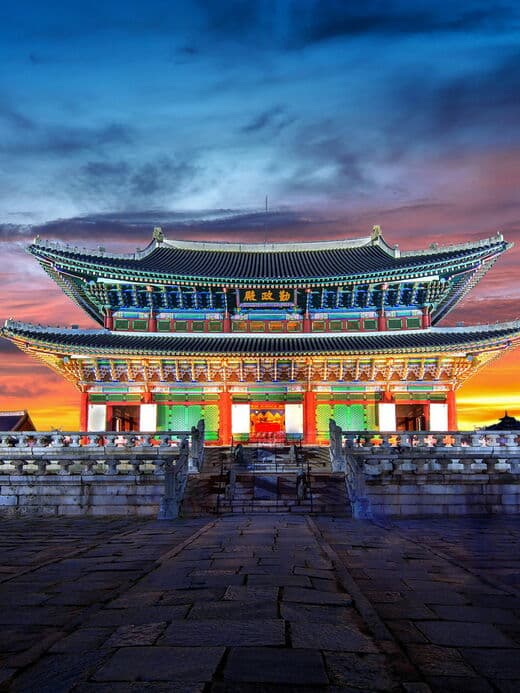
قاعة العرش في تشانغدوكغونغ أصغر مما هي عليه في غيونغبوكغونغ، لكنها ليست أقل مهابة. هنا كان الملوك يستقبلون الموظفين، ويُصدرون المراسيم، ويقيمون المراسم. حُفظ الداخل بلا تغيير تقريبًا: العرش الخشبي، والمظلة المزينة بالتنانين، والحاجز المزخرف بالشمس والقمر. أرضية الساحة أمام القاعة مرصوفة بالحجر، وتظهر عليها علامات الرتب نفسها التي كان يصطف وفقها الموظفون.
المساكن الملكية هويجيونغدانغ وتايجوجيون
تكمن طرافة هذه المباني في ظهور عناصر غربية فيها — نوافذ زجاجية، إنارة كهربائية، سجاد. حدّث الملك سونجونغ مقرّه في مطلع القرن العشرين، فنرى مزيجًا غريبًا من التقليد الكوري والراحة الأوروبية.
الحديقة السرية (هووون): جوهرة القصر
لماذا هي «سرية»؟
يشغل الجزء الشمالي من مجمع القصر حديقة ضخمة تبلغ مساحتها 32 هكتارًا — ما يقارب 45 ملعب كرة قدم. تُسمى «الحديقة السرية» (هووون)، أو «الحديقة الخلفية» (بووون)، لأنها كانت مغلقة أمام الغرباء. لم يكن يُسمح بالتنزه في دروبها إلا للعائلة المالكة والمقرّبين منها.
أُنشئت الحديقة على مدى 300 عام — أضاف كل ملك شيئًا خاصًا به. لكن المبدأ ظل ثابتًا: أدنى قدر من التدخل في الطبيعة. من بين 26000 شجرة في الحديقة، معظمها طبيعي النشأة، والكثير منها يتجاوز عمره 300 عام.
بركة بويونغجي وجناح بويونغجيون
أشهر مكان في الحديقة هو بركة مربعة بجزيرة دائرية في وسطها. يرمز المربع إلى الأرض، والدائرة إلى السماء. على الجزيرة يقف جناح أنيق بسقف مزدوج المستويات. وحول البركة شُرفات كان الملك والحاشية يتأملون منها القمر، ويقرؤون الشعر، ويقيمون النزهات.
مكتبة غيوجانغغاك
تقع في الحديقة المكتبة الملكية — حيث كانت تُحفظ الوثائق الرسمية والسجلات التاريخية والأعمال الأدبية. حوّل الملك جيونغجو (Jeongjo) (حكم بين 1776-1800) المكتبة إلى مركز علمي عمل فيه أفضل علماء البلاد.
جناح يونغيونغدانغ
يقف «جناح الشباب الأبدي» على ضفة بركة نصف دائرية. تقول الأسطورة إن سيدات البلاط كنّ يرقصن هنا للملك في ليالي اكتمال القمر، فتخلق انعكاساتهنّ في الماء وهمَ الرقص مع جنّيات سماويات.
ما الذي يمكن مشاهدته في الجوار
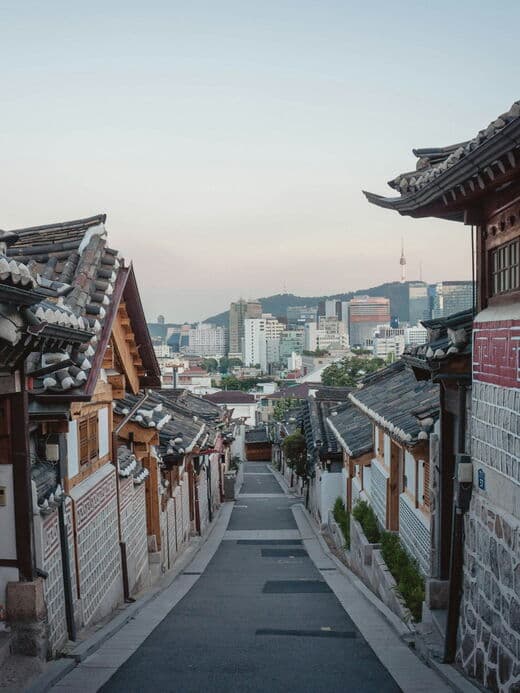
يقع تشانغدوكغونغ في قلب سيول التاريخية. إلى الغرب من القصر تمتد قرية بوكتشون هانوك ببيوتها الكورية التقليدية. وهذا امتداد مثالي للجولة: بعد فخامة القصر — أزقة هادئة بأسقف من القرميد.
إلى الجنوب يقع حي إنسادونغ، حيث يمكنك شراء التحف والحرف التقليدية وشرب الشاي في بيت شاي ذي أجواء مميزة. وعلى بُعد عدة مربعات سكنية غربًا يقع قصر غيونغبوكغونغ، القصر الرئيسي والأكبر في سيول.
وعلى مسافة قريبة سيرًا على الأقدام يقع معبد جوغيسا — مركز البوذية الكورية. وبعد الصرامة الكونفوشيوسية للقصور، يمكنك هنا التعرف على وجه آخر للروحانية الكورية.
نصائح عملية
زيارة الحديقة السرية
مهم: لا يمكن دخول الحديقة السرية إلا ضمن جولة مرشدة! تُنظَّم الجولات عدة مرات يوميًا بالكورية والإنجليزية واليابانية والصينية. والمجموعات محدودة العدد (50-100 شخص)، ويُفضَّل حجز التذاكر مسبقًا عبر الموقع الإلكتروني. تستغرق الجولة نحو 90 دقيقة وتتضمن قدرًا كبيرًا من المشي — ارتدِ حذاءً مريحًا.
متى تأتي
القصر مفتوح من الساعة 9:00 حتى 18:00 (شتاءً حتى 17:30)، وعطلته يوم الاثنين. أفضل وقت هو الصباح الباكر أو قبل ساعة من الإغلاق، حين يقل عدد السياح.
لكل فصل جماله الخاص: الربيع — تفتّح أزهار الكرز والأزاليا، الصيف — الخضرة الغناء وظلال الأشجار العتيقة، الخريف — أوراق الشجر الذهبية (أفضل وقت!)، الشتاء — الثلج على الأسقف القرميدية. والحديقة السرية جميلة على نحو خاص في الخريف، حين تتلوّن أشجار القيقب والجنكة بدرجات الأحمر والأصفر.
الهانبوك والدخول المجاني
كما هي الحال في قصور سيول الأخرى، الدخول مجاني لمن يأتون مرتدين الزي الكوري التقليدي الهانبوك. تنتشر نقاط الاستئجار في أنحاء الحي، وتبدأ الأسعار من 15000 وون لبضع ساعات. وهذا ليس توفيرًا فحسب، بل فرصة رائعة أيضًا لجلسة تصوير في الأجواء التاريخية.
مسار الزيارة
أوصي بهذا الترتيب: بوابة دونهوامون ← قاعة العرش إينجيونغجيون ← المساكن الملكية ← الحديقة السرية (مع جولة مرشدة). بعد القصر، اخرج عبر البوابة الشرقية مباشرة إلى بوكتشون هانوك.
الأجواء والمميزات
تشانغدوكغونغ قصر للتأمل. لا تجد فيه السعة المهيبة التي في غيونغبوكغونغ، لكن فيه شيئًا أكثر رهافة — انسجامًا بين العمارة والطبيعة يُحَسّ في كل خطوة.
ويظهر ذلك بوضوح خاص في الحديقة السرية، التي يُستحسن زيارتها في الخريف. حين تضيء شمس الغروب الأجنحة، وتشتعل أشجار القيقب والجنكة بكل درجات الأحمر والذهبي، تدرك لماذا اختار ملوك كوريا هذا المكان بالذات للعزلة.
تشانغدوكغونغ ليس مجرد مكان جميل للصور. إنه تأمّل في الزمن والطبيعة والإنسان. يعلّمنا القصر مبدأً مهمًا: لا حاجة لإخضاع الطبيعة — بل ينبغي العيش في انسجام معها. تعالَ إلى هنا دون عجلة، واسمح لنفسك بأن تكون موجودًا فحسب — وعندها سينكشف لك تشانغدوكغونغ على نحو مختلف تمامًا عما ينكشف لمن يجتازه مسرعًا في نصف ساعة.