حي الفهيدي التاريخي
تخيّل هذا: لقد خرجت للتو من مركز دبي مول (Dubai Mall) المتلألئ، حيث تعمل أجهزة التكييف بكامل طاقتها، وبعد نصف ساعة تجد نفسك في عالم مختلف تمامًا — متاهة من الأزقّة الضيّقة حيث تحتفظ الجدران الطينية بالبرودة، وحيث تخلق الأبراج الهوائية المعروفة بالبراجيل تهوية طبيعية دون أن تستهلك واط واحد من الكهرباء. مرحبًا بك في الفهيدي — آخر شظية متبقّية من دبي القديمة، نجت بأعجوبة وسط ناطحات السحاب.
تاريخ الحي: من قرية صيد إلى تراث ثقافي
عندما اكتُشف النفط في الإمارات في خمسينيات القرن الماضي، لم يكن كثيرون يفكّرون في الحفاظ على المباني التاريخية. كانت أحياء دبي القديمة تبدو غير عملية ومتخلّفة — فهُدمت لإفساح المجال أمام المباني الحديثة. والفهيدي هو الحي الوحيد الذي تمكّنوا من إنقاذه.
يعود تاريخ هذا المكان إلى تسعينيات القرن التاسع عشر، حين استوطنه تجّار قادمون من إيران فرارًا من الضرائب المرتفعة. وقد بنوا منازل على الطراز الفارسي-العربي التقليدي — بأفنية داخلية، وجدران عالية من الحجر المرجاني والطين، والأبراج الهوائية الشهيرة. وبحلول السبعينيات تدهور الحي — فقد انتقلت العائلات الثرية إلى فلل حديثة، وتحوّلت المنازل القديمة إلى أحياء فقيرة للعمّال المهاجرين.
جاءت نقطة التحوّل في التسعينيات حين أدركت حكومة دبي القيمة الثقافية للحي. فبدأت عملية ترميم واسعة النطاق، واليوم أصبح الفهيدي متحفًا حيًّا تحوّلت فيه المنازل القديمة إلى صالات عرض ومقاهٍ وفنادق بوتيك. ومع ذلك لا تشعر هنا بأنه متحف ميت — فالحي يتنفّس ويعيش ويتغيّر.
العمارة: كيف تعيش في الصحراء دون مكيّف
الأبراج الهوائية — مكيّف قديم
الرمز المعماري الرئيسي للفهيدي هو البراجيل، أو الأبراج الهوائية. هذه الإنشاءات العالية الرباعية الأضلاع هي اختراع عبقري من ابتكار المهندسين الفرس. والمبدأ بسيط: يلتقط البرج أدنى نسمة هواء في العلو ويوجّهها إلى الأسفل نحو غرف المعيشة. ويمرّ الهواء فوق أوعية من الماء في القبو فيبرد بشكل طبيعي.
كل برج فريد من نوعه — فالشكل والارتفاع والاتجاه تعتمد على اتجاه الرياح في كل موقع بعينه. وحين تتجوّل في الحي، انتبه إلى هذه الأبراج — فهي جميعها مختلفة. بعضها مفتوح من أربع جهات، وبعضها الآخر من جهة واحدة أو جهتين فقط. وهذا ليس من قبيل الصدفة، بل حساب دقيق.
الفناء الداخلي — قلب البيت
البيت العربي التقليدي مبنيّ حول فناء داخلي — وهو فضاء محميّ لا يتسلّل إليه الغبار ولا الشمس الحارقة. هنا كانت العائلة تقضي معظم وقتها، وهنا كان يلعب الأطفال ويجتمع الضيوف. أما الغرف المحيطة بالفناء فكانت تحصل على الضوء والهواء، لكنها محميّة من حرّ الشارع.
في الفهيدي، كثير من الأفنية الداخلية مفتوحة للزيارة — ادخل إلى صالات العرض والمقاهي لترى هذا التصميم التقليدي.
المواد: المرجان والطين والنخيل
جدران المنازل مبنية من كتل الحجر الجيري المرجاني — الذي كان يُستخرج من الساحل. وهذه المادة تحتفظ بالبرودة بشكل ممتاز ولا تسخن تحت الشمس. ومن الخارج، تُغطّى الجدران بخليط من الطين والجير — وهذا يحمي المرجان من التآكل ويمنح الحي لونه البيج-المغرة المميّز.
أما الأسقف فمصنوعة من جذوع النخيل (الشندل) وسعف النخيل المجدول. وكان الخشب باهظ الثمن في الجزيرة العربية — إذ كان يُجلب من الهند وأفريقيا، ولذلك كان يُستخدم باقتصاد.
ما الذي يمكن مشاهدته في الفهيدي
متحف دبي في حصن الفهيدي
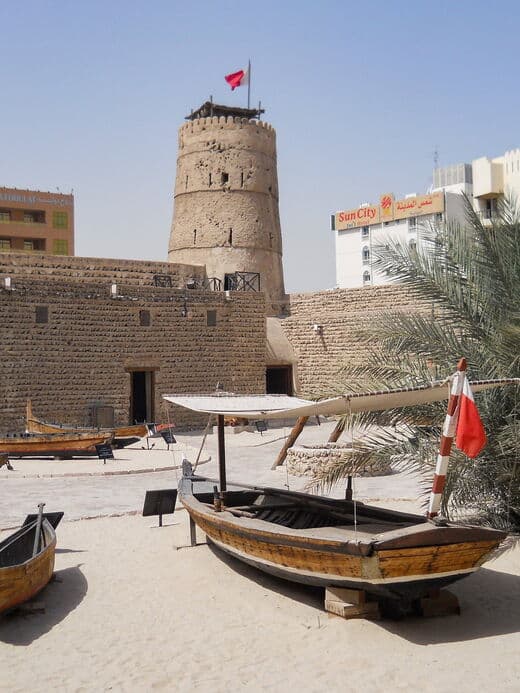
ابدأ جولتك بزيارة متحف دبي الواقع في أقدم مبنى في المدينة — حصن الفهيدي (عام 1787). يُظهر المعرض كيف كان الإماراتيون يعيشون قبل الطفرة النفطية: الغوص على اللؤلؤ، والتجارة، وحياة البدو. ويثير الإعجاب بشكل خاص القسم الأرضي من المتحف بمجسّماته التي تصوّر السوق القديم.
صالات العرض والفضاءات الفنية
تحوّل الفهيدي إلى مركز للفن المعاصر في الإمارات. وتقدّم عشرات الصالات أعمال فنانين من مختلف أنحاء الشرق الأوسط. صالة XVA Gallery — وهي من أقدم الصالات وأكثرها احترامًا — تقع في منزل مُرمَّم بفناء داخلي فاخر. أما صالة Majlis Gallery فمتخصّصة في الفن الشرقي والخزفيات.
المقاهي والكافيهات
احرص على زيارة أحد المقاهي التقليدية (القهوة). تُقدَّم القهوة العربية هنا وفق جميع التقاليد — بالهيل، في فناجين صغيرة بلا مقابض، مع التمر. ويوصي السكان المحليون بـ Arabian Tea House — وهو مكان آسر بحديقته وإطلالته الرائعة على الأبراج الهوائية.
متحفا العملات والخط
إذا كنت مهتمًّا بالتاريخ، فزُر متحف العملات (Coin Museum) — وهو مجموعة صغيرة لكنها مثيرة للاهتمام من الوحدات النقدية التي كانت متداولة في أراضي الإمارات. أو متحف الخط، حيث تُعرض نماذج من الخط العربي بدءًا من المخطوطات القديمة وصولًا إلى التصميم المعاصر.
ما الذي يمكن مشاهدته في الجوار
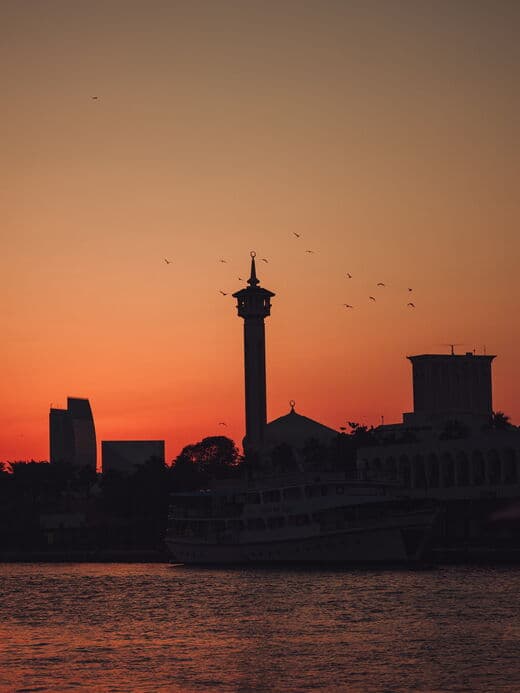
الفهيدي نقطة انطلاق مثالية لاستكشاف دبي التاريخية. على بُعد خمس دقائق سيرًا — كورنيش خور دبي، حيث يمكنك العبور على قارب العبرة التقليدي إلى حي ديرة. وتكلفة العبور درهم واحد فقط، وهي تجربة لا بد منها — فأنت تعبر الخور على قارب خشبي إلى جانب السكان المحليين والتجّار والسيّاح.
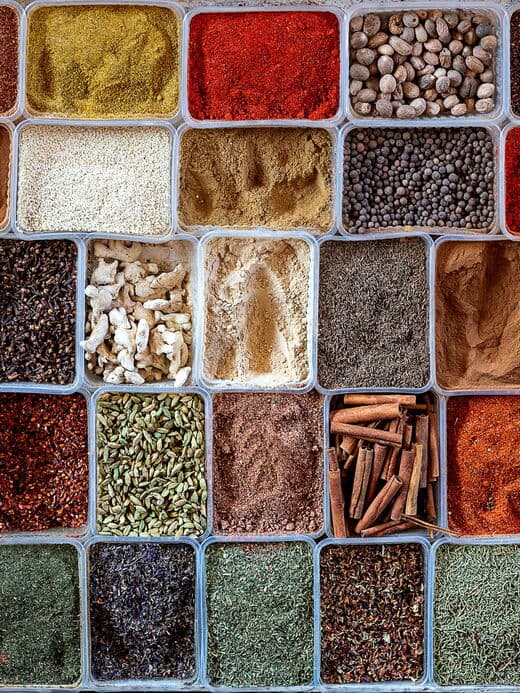
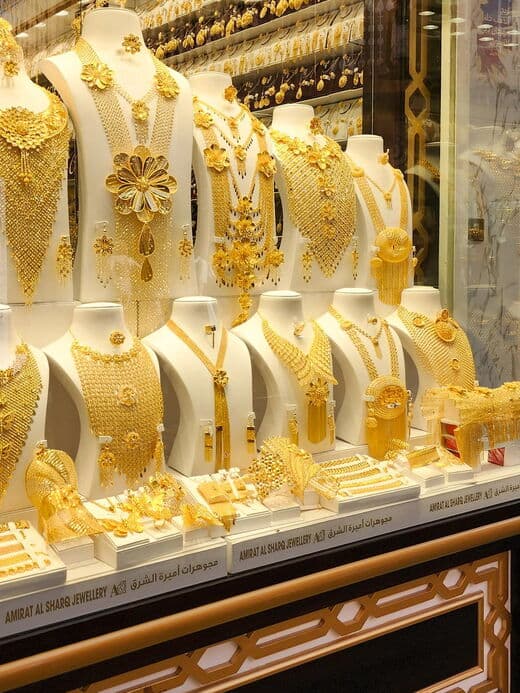
على الضفة الأخرى تنتظرك أسواق دبي الأسطورية: سوق الذهب بواجهاته المبهرة، وسوق التوابل، حيث تخلق روائح الزعفران والهيل واللبان أجواءً شرق أوسطية حقيقية.
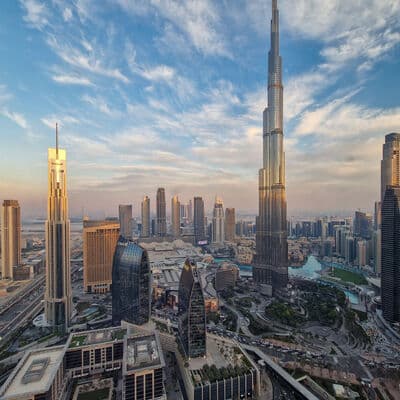
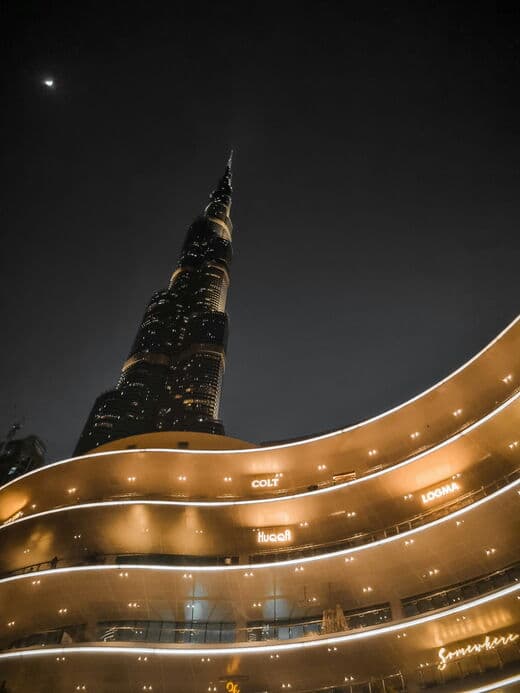
وإذا أردت أن ترى التباين بين دبي القديمة والجديدة، فتوجّه إلى برج خليفة — أطول مبنى في العالم. فهو على بُعد 20 دقيقة فقط بالمترو، والفرق بين العالمَين يبهر الخيال.
نصائح عملية
متى تأتي
أفضل وقت للزيارة هو الصباح الباكر أو المساء المتأخّر، خاصة في الأشهر الحارّة. الحي مفتوح على مدار الساعة، لكن معظم صالات العرض والمتاحف تعمل من الساعة 10:00 حتى 18:00 (الجمعة يوم عطلة في بعض الأماكن).
الموسم المثالي هو من نوفمبر إلى مارس، حين تكون درجة الحرارة مريحة (20-25 درجة مئوية). أما في الصيف فالجوّ حارّ جدًّا هنا، لكن إذا وجدت نفسك في دبي في هذا الوقت — فتعالَ بعد الغروب، حين يتحوّل الحي إلى فضاء مضيء ومريح.
كيفية الوصول
أقرب محطة مترو هي الفهيدي (Al Fahidi) (الخط الأخضر). ومنها 5 دقائق سيرًا على الأقدام. يمكنك أيضًا الوصول بسيارة أجرة — قل للسائق «البستكية» (Al Bastakiya) أو «متحف دبي» (Dubai Museum)، فهذه الأسماء القديمة يعرفها الجميع.
قواعد اللباس
الإمارات دولة مسلمة، لذا احترم التقاليد المحلية. ويُستحسن تغطية الكتفين والركبتين. وهذا ليس شرطًا صارمًا في المناطق السياحية، لكن قواعد اللباس إلزامية في المساجد والمراكز الثقافية.
الأجواء والمميّزات
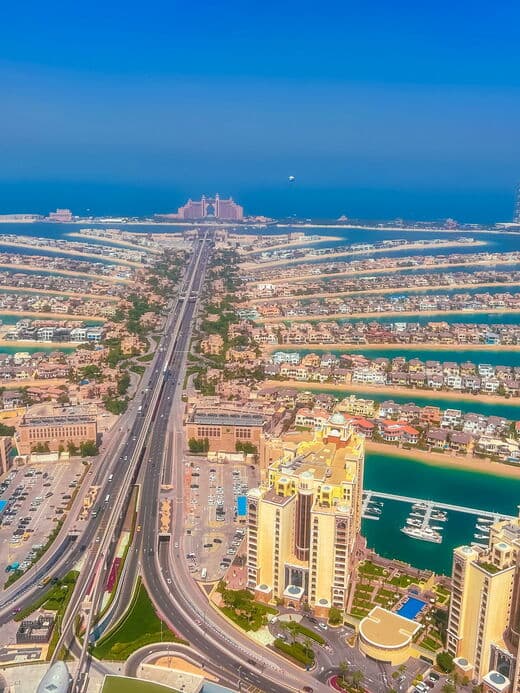
بعد مراكز التسوّق التي لا تنتهي والجزر الاصطناعية في دبي الحديثة، يبدو الفهيدي كنفَس من الهواء النقي. هنا تشعر بالتاريخ الأصيل — تاريخ صيّادي اللؤلؤ والصيّادين والبدو الذين عاشوا في هذه الأماكن قبل الطفرة النفطية بزمن طويل.
أفضل وقت للزيارة هو الغروب، حين يتفرّق السيّاح ويخرج السكان المحليون في نزهتهم المسائية. في ظلّ الأبراج الهوائية، مع فنجان من القهوة العربية، يمكنك أن تراقب كيف تصبغ الشمس الجدران الطينية بألوان ذهبية دافئة.
يذكّرنا الفهيدي بأن المدينة ليست مجرد مبانٍ، بل هي الناس وتاريخهم وثقافتهم. وما دام هذا الحي الصغير قائمًا، تحتفظ دبي بصلتها بجذورها — بتلك الأزمنة حين لم تكن هنا ناطحات سحاب، لكن كانت هناك حياة حقيقية على ضفاف البحر.